

Germany does not mess around when it comes to social mores.
The country is run on an informal system of rules absorbed by natives nearly on autopilot — and tourists who ignore them may find themselves on the receiving end of disapproving stares or worse.
It is not that Germans are unfriendly or stuffy, although the stereotype persists.
They simply value order, respect, and courtesy in ways that, to the outside onlooker, can be surprisingly literal.
Acquiring knowledge of these cultural norms is not so much about preventing embarrassment; it’s about showing respect for a culture that values social contracts.
Further scrutiny of the etiquette rules most relevant to visiting Germany is as follows.
Punctuality isn’t optional

Germans value time the way money is valued.
Arriving late signals that another person’s time has no value, which accounts for why punctuality comes close to being an obsession here.
Suppose one invites a guest to have dinner at 7 PM.
In that case, it means one arrives at 7 PM — not 7:15 or even 7:05.
The cultural respect for being on time permeates so much that arriving fashionably late is not fashionable but is simply rude.
This carries on beyond partying to corporate meetings, train departures, and just about everything else that is time booked.
The reasoning behind such strictness is sound when you take into account how Germans tightly plan out their days.
When it’s assumed that times are precise, then the entire system works properly.
One’s lateness sets off a chain reaction of disruptions in everyone else’s well-planned day.
A quick call or text helps if a person is really running late, but chronic lateness will soon gain a reputation as being irresponsible — and that’s hard to live down in German cliques.
The Sie and Du distinction matters

German has two ways of saying ‘you,’ and using the wrong one can make things awkward fast.
‘Sie’ is the formal version, reserved for strangers, professional contexts, and anyone a person hasn’t explicitly been invited to address informally.
‘Du’ is casual — used among friends, family, and peers who’ve established that level of comfort.
The switch from Sie to Du isn’t something visitors initiate.
The older person, the senior colleague, or the person of higher status offers it, usually with a small ceremony involving a drink or handshake.
Americans often find this formality stifling.
Still, it serves a purpose by creating clear boundaries and showing respect for professional distance.
Jumping straight to Du with an Airbnb host or a shopkeeper can come across as presumptuous or overly familiar.
When in doubt, sticking with Sie signals that someone understands and respects German social structure.
The Germans they meet will appreciate the effort and let them know when it’s appropriate to make the switch.
Quiet hours are sacred

Germany operates on a schedule of mandatory quiet, and the rules are taken seriously enough that neighbors will knock on doors when violations occur.
Ruhezeit — or quiet time — typically runs from 10 PM to 6 or 7 AM on weekdays, all day Sunday, and often during a midday window from 1 to 3 PM.
During these hours, noise must stay minimal.
No vacuuming, no power tools, no loud music, and definitely no raucous parties.
Even doing laundry can be considered inconsiderate in some apartment buildings.
Sundays take this concept even further.
Most shops close, construction stops entirely, and the day is meant for rest, family time, or quiet recreation.
It’s not a religious observance for most Germans anymore, but rather a cultural commitment to collective downtime.
The whole country agrees to pause together.
Visitors who blast music or rev motorcycles on a Sunday morning will find themselves quickly educated on local expectations, often by a very stern neighbor.
Table manners follow strict protocols

Dining in Germany comes with its own set of rules that extend well beyond which fork to use.
Bread doesn’t come with butter as a default, and when it does, diners tear off small pieces rather than biting directly from the roll.
Hands stay visible on the table during meals — resting at the wrists rather than hidden in laps.
This tradition dates back centuries and signals that nothing’s being concealed, a holdover from times when table gatherings required a bit more trust.
When finished eating, placing the knife and fork parallel on the plate at the four o’clock position signals completion.
Leaving them crossed or scattered means someone’s still working on their meal.
Germans also say ‘Guten Appetit’ or ‘Mahlzeit’ before eating, and it’s polite to respond in kind.
Tipping exists, but it works differently than in the States.
Diners round up or add about 5 to 10 percent, telling the server the total amount they want to pay rather than leaving cash on the table.
Handing exact change and walking away comes across as dismissive.
Cash still dominates transactions
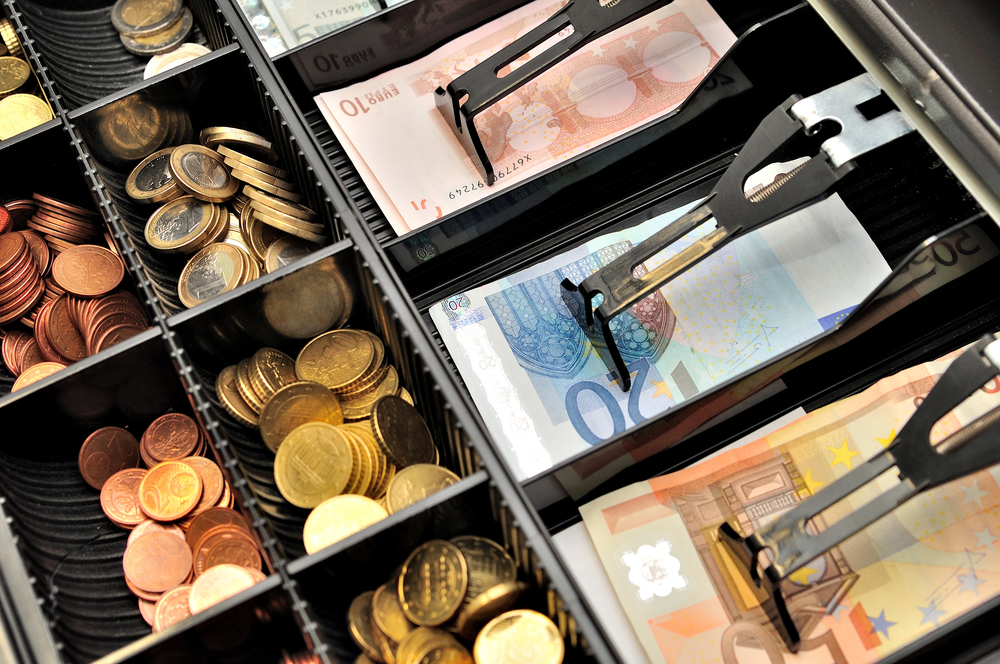
Germany remains surprisingly attached to physical currency in an age when other countries have gone nearly cashless.
Many restaurants, small shops, and even some larger establishments don’t accept cards at all.
The cultural preference for cash stems partly from privacy concerns and partly from a general distrust of debt.
Germans tend to save rather than borrow — cash keeps spending tangible and accountable.
This means visitors need to carry euros — sometimes more than they feel comfortable with — for Americans used to tapping a card everywhere.
ATMs are widely available, yet planning beats assuming cards will work.
Even places that do accept cards often have minimum purchase requirements or prefer cash for smaller transactions.
The reluctance to embrace digital payments isn’t about being behind the times.
It’s a deliberate choice rooted in financial philosophy and data privacy concerns that run deep in German culture.
Direct communication isn’t rudeness

Germans tell it like it is, without the insulating layers of politeness that Americans like to surround criticism or disagreement.
If it’s amiss, they will tell a person forthrightly.
If they are in disagreement, they will state it bluntly.
This bluntness isn’t intended as hostility or aggression — it’s felt to be honest and effective.
The cultural rationale is that beating around the bush wastes time for everyone and leads to uncertainty.
For more used-to-softer-communication visitors, this may come across as brutally frank initially.
A German colleague blurting out that a presentation was unclear doesn’t aim to be hurtful.
They are providing feedback on what they think someone might want so that it can be improved.
Acquiring the ability to take this straightforwardness in stride without offense causes interactions to go much more smoothly.
Equally, hesitant apologizing or hedging around every request with flowery preambles is not required.
Germans value direct communication that does not waste time on unnecessary politeness.
Recycling isn’t just encouraged

Germany takes environmental responsibility so seriously that recycling is nearly mandatory, with highly organized sorting mechanisms that may overwhelm visitors.
Household trash is sorted into various groups: paper and cardboard in one, packaging in another, biodegradable waste in a third, and ordinary garbage in a fourth.
Glass is separated by color at street bins, and deposit bottles must be returned to the store.
It works because everyone does it, and there really is social pressure to do it correctly.
Neighbors catch someone who puts all their trash into one container, and landlords can fine repeat offenders.
This ecologism transfers to the use of energy, the saving of water, and general waste minimization.
Germans don’t view these as a nagging obligation but as a reasonable civic responsibility.
Visitors sleeping in apartments or Airbnbs should ask their hosts about the recycling system, as it is easy to get wrong and can create tension.
Public transportation has unspoken rules

German trains and buses run with famous efficiency, and passengers are expected to maintain the order that makes the system work.
Proper queuing when boarding matters.
Moving to the back of the bus to make room for others matters.
Giving up seats for elderly passengers or those with disabilities without being asked matters.
Eating isn’t forbidden but is generally frowned upon, especially anything with a strong smell.
Phone conversations should be kept brief and quiet, or better yet, handled via text.
One rule catches many visitors off guard: ticket validation.
Many German cities operate on an honor system, where tickets are purchased from machines but not scanned through turnstiles.
Instead, passengers are expected to validate them in small machines on the platform or inside the vehicle.
Random inspections happen frequently, and fare dodgers face substantial fines with no sympathy for tourists who claim ignorance.
The system functions on collective honesty, and those who abuse it undermine the social trust that the whole operation depends on.
Greetings follow formal patterns

Germans shake hands more than Americans do, and they take it seriously.
A firm handshake with eye contact is standard when meeting someone, whether for business or social purposes.
The handshake happens again at parting, making it a ritual bookend to the interaction.
In more casual settings among younger people, a single kiss on the cheek might substitute, though handshakes remain the default.
When entering or leaving shops, restaurants, or even shared spaces like waiting rooms, Germans often offer a general greeting or farewell to everyone present.
A simple ‘Guten Tag’ when walking in and ‘Auf Wiedersehen’ when leaving is standard courtesy.
Skipping this acknowledgment can seem cold or dismissive.
The practice creates a sense of shared space and mutual recognition, reinforcing the idea that everyone is navigating public life together and should acknowledge each other’s presence.
Privacy boundaries run deep

Germans maintain strong distinctions between public and private life, and crossing those boundaries uninvited can quickly damage relationships.
Personal questions that Americans might ask casually in conversation — questions about income, religion, or family details — feel intrusive to Germans.
Even compliments about someone’s home or possessions can be received coolly if they come too early in a relationship.
The cultural preference leans toward discretion and restraint rather than oversharing.
This reserve extends to physical space as well.
Germans maintain more personal distance in conversations than Americans typically do, and unexpected physical contact beyond formal handshakes can make people uncomfortable.
The privacy concerns also shape attitudes toward data, surveillance, and information sharing.
Germans are more likely to use cash to avoid leaving digital trails and are more hesitant to share personal information online.
Understanding this cultural value helps explain behaviors that might otherwise seem standoffish or overly cautious.
Why these traditions endure
German rules of etiquette are not randomly inherited relics of the stern past.
They are functional practices that echo values the culture still holds dear: regard for other people’s time, frank social boundaries, care for the environment, and civic order.
What visitors sometimes mistake for strictness or unfriendliness is really a mechanism to get shared spaces working for all.
The rules provide predictability and equity so that individuals’ actions do not interfere with community harmony.
These expectations have stayed surprisingly consistent despite Germany’s modernization and increased global integration.
Instead of discarding old-world etiquette as irrelevant, Germans have mostly opted to preserve it as a system that continues to be useful.
For those willing to learn and adapt, observing these unwritten rules creates opportunities for meaningful relationships and a deeper appreciation of the culture.
More from Travel Pug

- Underrated Italian Towns That Beat the Tourist Crowds
- Las Vegas Tourist Traps to Skip
- Prettiest Towns in Every US State
- 18 passport-free countries for Americans
- Signs Your Cruise Is Not Worth The Cost
Like Travel Pug’s content? Follow us on MSN.