

Millions of hikers are drawn to the Swiss Alps every year by their snow-capped peaks and immaculate trails, but a startlingly high percentage of them require helicopter rescue. Many people underestimate trails that appear surprisingly easy on paper, or arrive unprepared for conditions that change from summer heat to almost freezing temperatures in a matter of hours.
Before stepping onto Swiss mountain trails, hikers should be aware of these important facts.
Trail difficulty levels exist for good reason
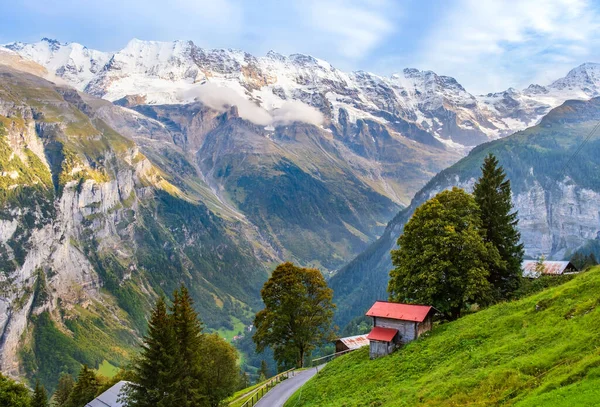
Switzerland uses the SAC (Swiss Alpine Club) classification system, which ranges from T1 to T6. T1 trails are marked in yellow and require no special equipment beyond decent footwear.
T2 and T3 routes carry red and white markings, with T3 featuring exposed sections that may include ropes or chains.Most tourists stick to T2 trails.
The Swiss intentionally guide visitors away from T3 routes as a safety measure. But the system can be misleading, with significant overlap between categories. A mountain path designation could mean anything from a gentle slope to a steep rocky climb.
Summer weather deceives
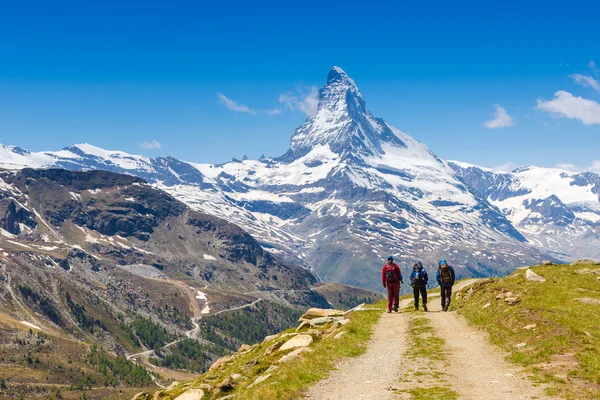
July, August, and September form the best hiking season, when most trails are accessible with minimal snow. Mid-July to early September represents peak season, with long days and wildflowers in full bloom. Yet snow can fall multiple times during summer at high altitudes.
The weather in the Alps is unpredictable. And bringing layers matters more than checking a single forecast. Rain, snow, or intense sun exposure can occur on the same day.
Like Travel Pug’s content? Follow us on MSN.
Hiking times replace distance markers
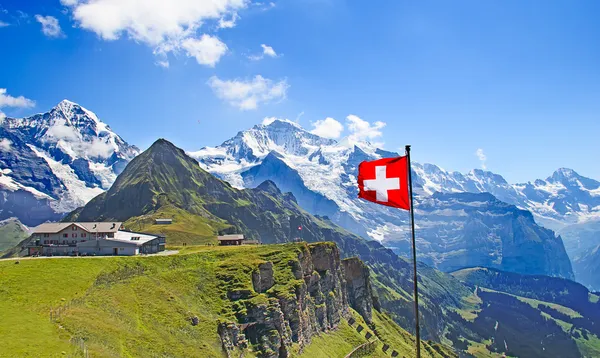
Swiss signposts display hiking times rather than distances because elevation gain matters far more than horizontal distance. The times shown represent pure hiking duration for the average person, excluding breaks.
A three-hour posted time might actually take five hours depending on fitness level and stops.Signposts appear at most major junctions, showing estimated times to landmarks, peaks, passes, towns, or mountain huts.
Still, experienced hikers recommend adding buffer time to any estimate.
Altitude affects everyone differently
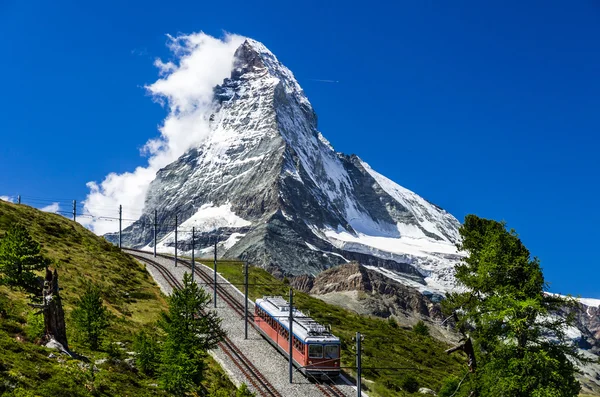
Switzerland sits at an average elevation of 4,429 feet, and the Swiss Alps range from 5,600 to 14,911 feet above sea level. Most people don’t notice effects up to about 5,000 feet, but between 5,000 and 8,000 feet, healthy individuals may get out of breath more quickly while exercising.
Those who skip acclimatization rest days are four times more likely to develop altitude sickness symptoms. Fitness doesn’t protect against altitude sickness—genetic factors determine susceptibility. Very fit hikers sometimes push too hard too fast.
Taking two days to settle in before rigorous hiking helps tremendously. The body needs ideally three to five days to acclimatize properly at high altitude.
Boots matter more than you think
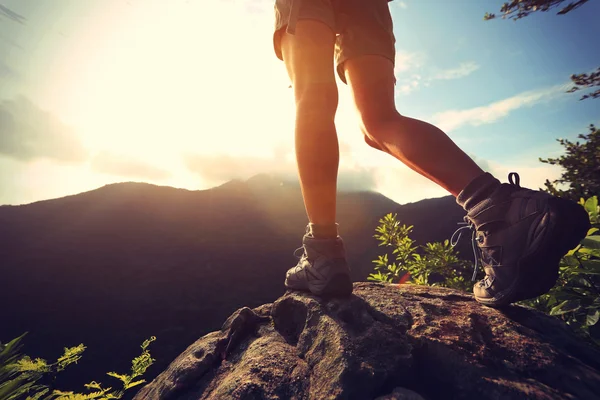
T3 routes require good hiking shoes that protect ankles, while mountaineering boots become essential for T5 trails. The best option is always the pair you’re already used to.
Breaking in new boots on alpine trails invites blisters.Trail runners work fine for lower elevation hikes.
But rocky, exposed paths demand ankle support and grip. Worn-in boots or trail shoes provide the traction and stability needed on rugged terrain.
Like Travel Pug’s content? Follow us on MSN.
Water needs double at altitude

Due in part to increased respiration, the body loses water twice as quickly at high elevations. In the event that the trip takes longer than anticipated, hikers should bring extra drinks and at least one liter of water.
It is advised to bring at least 1.5 liters because some days do not permit refills while traveling.Altitude effects are compounded by dehydration.
Breathing is already difficult due to the thin mountain air; dehydration makes things even worse. Mountain hut coffee is delicious, but it doesn’t help you stay hydrated.
Mountain huts offer unexpected luxury
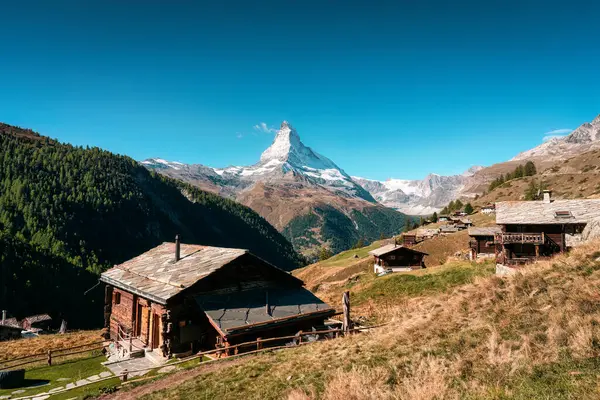
Alpine huts have full-time staff who prepare meals, clean, and provide advice for guests. Most offer half-board with three-course family-style dining featuring local delicacies and local ingredients.
Dormitories are standard, though some huts provide private rooms.After showering, hikers typically gather on patios for drinks and snacks like freshly baked fruit pie while meeting fellow trekkers from around the world.
Thick foam mattresses and alpine blankets make for comfortable sleep, though bringing earplugs and an eye mask helps with snorers and early morning light.
Trail markings follow a color system
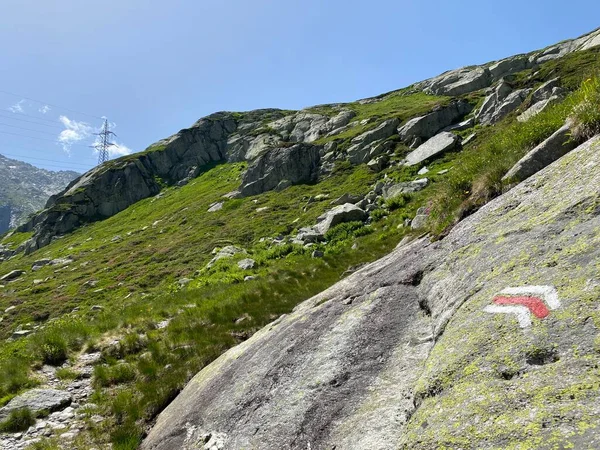
In Switzerland, trail markings come in two colors: red for hiking and blue for alpine routes. Main trails feature white fields with red dots or bars, yellow diamonds, or arrows labeled “Wanderweg”.
Waymarking includes white-red-white paint flashes on rocks and trees, or yellow diamonds.There is no official Via Alpina designation on signposts—walkers must follow signs for the day’s destination.
And despite good waymarking, every party should include at least one competent navigator with map and compass for situations where routes aren’t marked or clouds close in.
Like Travel Pug’s content? Follow us on MSN.
MeteoSwiss becomes your best friend
MeteoSwiss provides reliable weather forecasts and is essential for checking conditions before heading out. Both the website and mobile app give detailed forecasts by town and even individual mountains, available in English, German, French, and Italian.
Even great trails turn dangerous in bad conditions. Checking weather the night before isn’t enough—conditions change rapidly. Morning checks matter. So do afternoon storm warnings.
Rescue services cost serious money
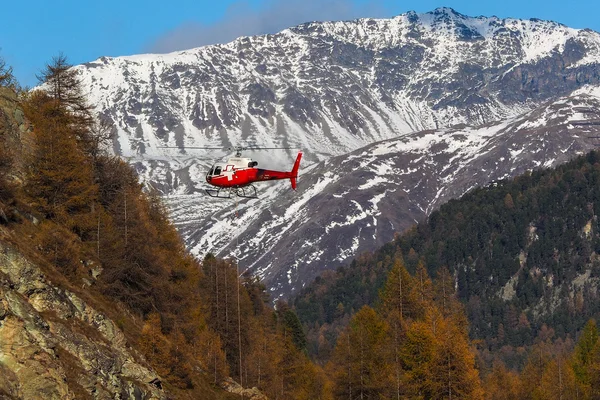
Helicopter rescue operations are commonplace in the Alps, but the bill runs into tens of thousands of francs. Good travel insurance covering mountain rescue costs is essential. REGA offers patronage for CHF 30 annually, and the organization covers rescue operation costs for its patrons—about one-third of Switzerland’s population pays for this coverage.
Not great odds if you skip insurance. The rescue happens regardless—the Swiss won’t leave anyone stranded. But the invoice arrives later, and it’s substantial.
Layering beats heavy jackets
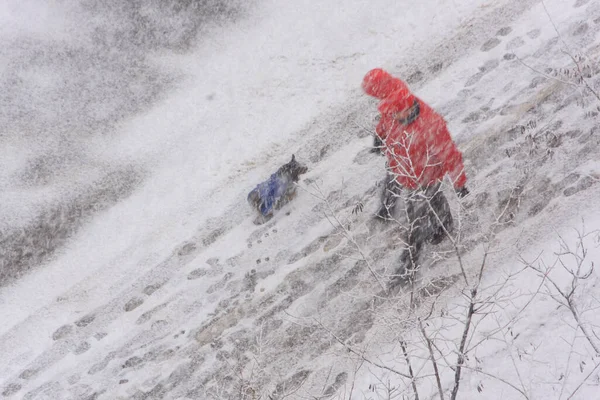
Weather in the Swiss Alps changes quickly, making proper footwear and quality clothing essential. High-quality rain gear combined with several insulating non-cotton layers are key to staying warm in any condition.
At altitudes above 2,500 meters, a good windbreaker, hat, and gloves become necessary.Thin waterproof trousers rarely get used but provide peace of mind, while a waterproof jacket sees regular use.
The goal is versatility. Temperatures swing dramatically between valley floors and exposed ridges.
Like Travel Pug’s content? Follow us on MSN.
Navigation apps work, but paper backups save lives
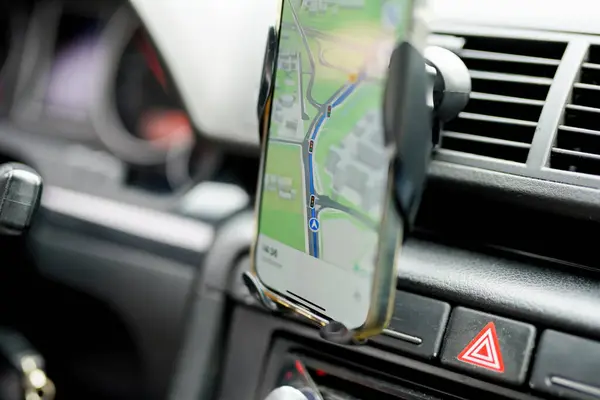
SwissTopo and Switzerland Mobility are excellent navigation apps for Swiss hikes. But paper maps remain important. Phone batteries die. Service disappears.
Some deserted areas have no mobile coverage at all.Digital tools are convenient until they’re not.
The sudden realization that a phone died with no backup map has ended more than a few adventures early. Maps weigh almost nothing and fold into pockets.
Essential items beyond the obvious
Here’s what experienced Alpine hikers always pack:
- Mobile phone with important emergency numbers, though coverage isn’t guaranteed everywhere
- Muesli bars or similar compact, lightweight food that keeps well
- Hiking poles for stability and support, especially on steep ascents and descents
- Headtorch for mountain huts and emergencies
- Basic first aid kit with adhesive bandages, antiseptic wipes, pain relievers, and blister treatment
Long gear that protects against sharp rocks, ticks, and other insects is also essential. Those alpine meadows look gentle but harbor surprises.
Swiss trails stay pristine for a reason
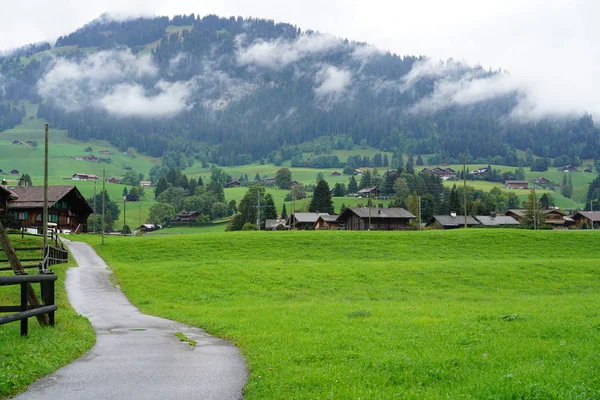
With no trash on the trails, including paper, apple cores, beer bottles, and cola cans, Switzerland is one of the cleanest nations in both Europe and the world. The explanation is straightforward: nobody throws trash, and Swiss citizens chastise those who do.
The pristine Alpine environment is preserved through the application of Leave No Trace principles. Hikers carry out what they bring with them.
It’s also important to support neighborhood companies and make constructive contributions to mountain communities. Every interaction demonstrates respect for the land.
Like Travel Pug’s content? Follow us on MSN.
Early season hiking carries extra risks
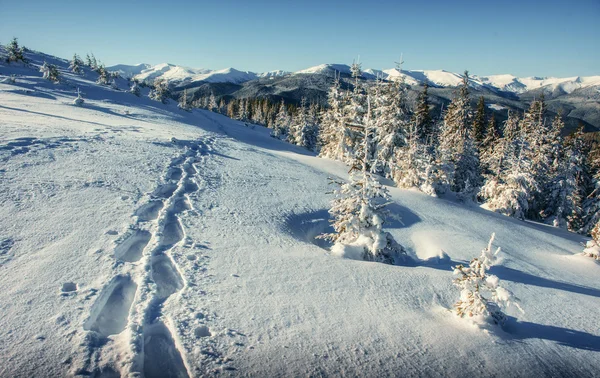
In May and June, snow often persists above 1,800 meters. A T2 trail might be officially open, but crossing it without crampons in snowy conditions creates extreme danger.
Heavy snow conditions into July sometimes require mountaineering skills, making some passes impassable for regular hikers.Asking tourist information offices about current mountain conditions is worthwhile.
Could be worse, but it could also save a trip. Conditions vary dramatically year to year based on winter snowpack and spring temperatures.
Time to hit the trails

Everyone can hike in Switzerland, but it’s important to exercise caution because of the unpredictable weather and the alpine terrain. Incredibly memorable experiences result from the preparation: trails that meander through meadows brimming with flowers, past azure lakes, and up to peaks where three nations converge.
Simply start slowly, pack wisely, and show respect for the mountains that have humbled climbers for centuries.
More from Travel Pug

- 20 Best Beach Towns in the Carolinas
- 13 Destinations Where Tourists Regularly Regret Their Trip
- 20 Things You Actually Get in First Class
- 20 Small Airports With Aviation Museums
- 20 Places in the U.S. That Are Perfect for a Reset Trip
Like Travel Pug’s content? Follow us on MSN.