

There’s a particular kind of letdown that travel has invented for the modern age. You’ve seen the photo maybe three hundred times — the turquoise water, the dramatic cliff, the perfectly framed archway at golden hour — and somewhere in your brain, that image becomes the destination.
Not a representation of it. The thing itself. So when you finally arrive, shoes dusty, jet-lagged, standing in the exact spot where the photo was taken, something feels off. The water is still blue.
The cliff is still dramatic. And yet. The version you built in your head was somehow more vivid, more quiet, more yours — and the real place has the audacity to be crowded, ordinary, and indifferent to your expectations.
The Crowd Nobody Mentions
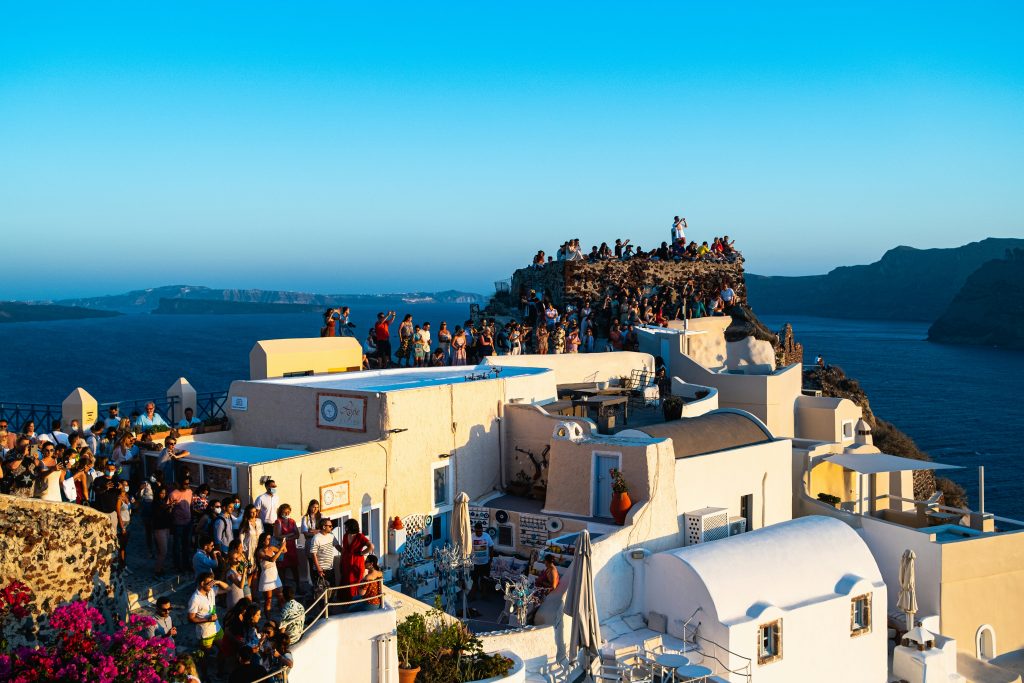
The most photographed places on earth are photographed that often for a reason: everyone wants to go. What Instagram doesn’t show is the two hundred other people who showed up on the same Tuesday morning with the same idea.
Santorini’s iconic blue-domed churches in Oia are real and genuinely beautiful — but reaching them means navigating a single narrow lane packed so tightly that moving forward requires a kind of stubborn shuffle. The photo exists in a sliver of time captured by someone who woke up before dawn or arrived off-season; the experience you actually have is something else entirely.
The Algorithm Selects for the Unreal
Social media doesn’t document places. It curates the most photogenic version of them, strips out the context, and repeats that version until it becomes what the place “is” to millions of people who’ve never been. The lighting in most viral travel photos is either the product of a two-hour wait for the right angle or a round of editing that no sunset actually delivered, and the composition — that perfectly empty foreground — required either extraordinary luck or a tripod, a wide-angle lens, and a crowd cleared by a burst of crowd-sourced patience.
So you arrive expecting the image and find the place: messier, louder, and far more complicated than a rectangle of pixels ever suggested.
The Venice Problem
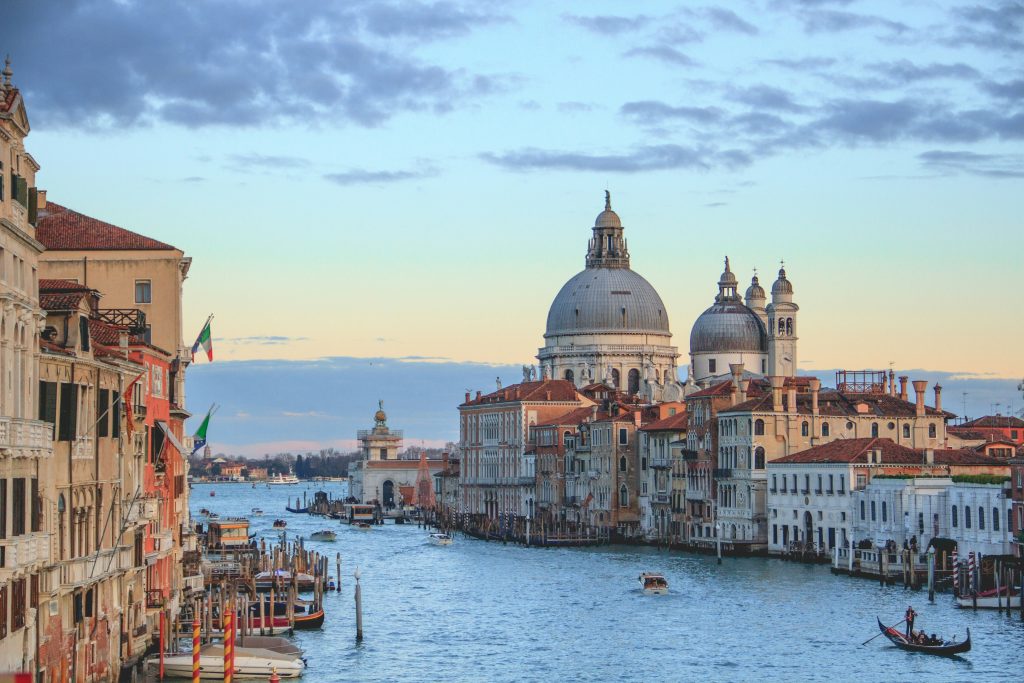
Venice is one of the most beautiful cities ever built by human hands, and it is also one of the most exhausting places to actually visit. The canals smell.
The crowds between May and September compress the narrow calli into something resembling a slow-moving queue rather than a walk. The city — ancient, intricate, genuinely unlike anything else — gets flattened by its own fame into a backdrop for photos rather than a place people actually inhabit, which is something worth sitting with before you book a gondola.
What a Camera Compresses
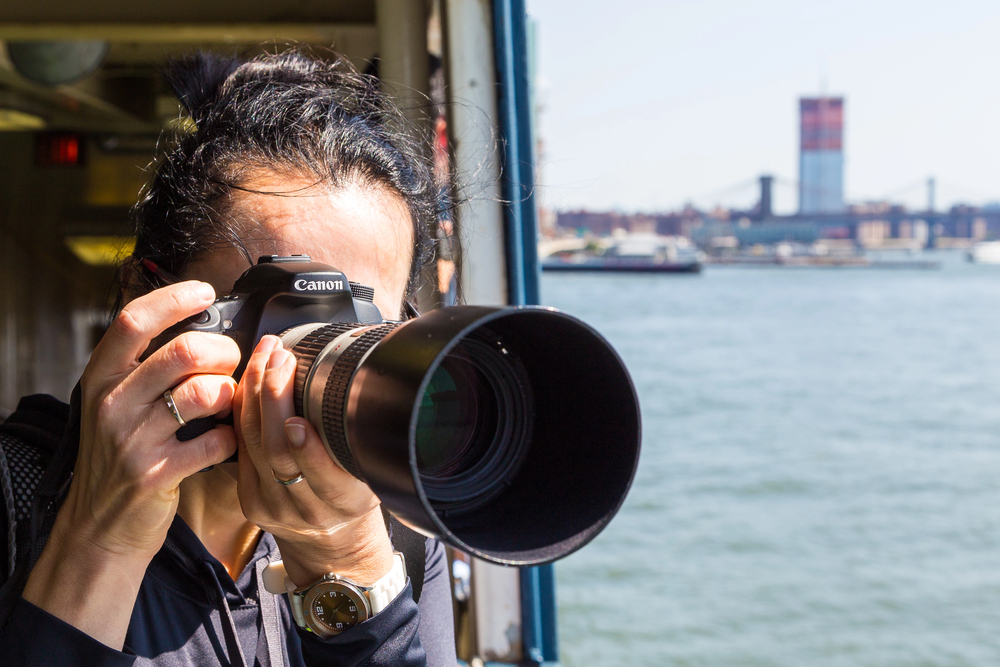
A photograph compresses space in ways the human eye refuses to. The famous shot of Horseshoe Bend in Arizona looks like you’re hovering just feet from the edge of an impossible curve in the Colorado River — intimate, vertiginous, close.
What it doesn’t communicate is that the overlook sits about a mile’s walk from the parking lot across exposed desert, that in summer the temperature regularly reaches 110°F, and that the viewpoint is shared with hundreds of other visitors standing shoulder to shoulder at the rim. The grandeur is real.
The solitude the photo implies is not.
How Expectations Rewrite Experience
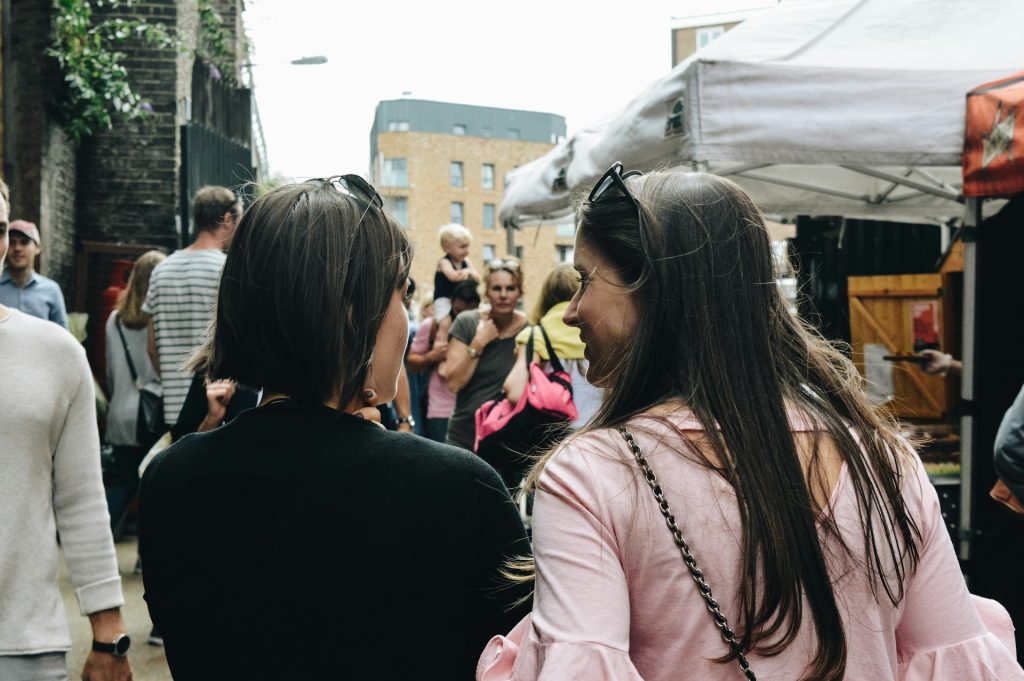
The mind is an unreliable narrator, especially when it has been primed by imagery for months or years before arriving somewhere. There’s a well-documented psychological pattern sometimes called “expectation violation” — the discomfort that arrives when a real experience fails to match its anticipated version — and travel, saturated with curated imagery, has turned this into one of the most common emotions of the 21st century tourist.
You don’t just see the place when you arrive; you see the gap between the place and the version of it that lived in your head. And that gap, even when narrow, tends to ache.
The Maldives Baseline Shift
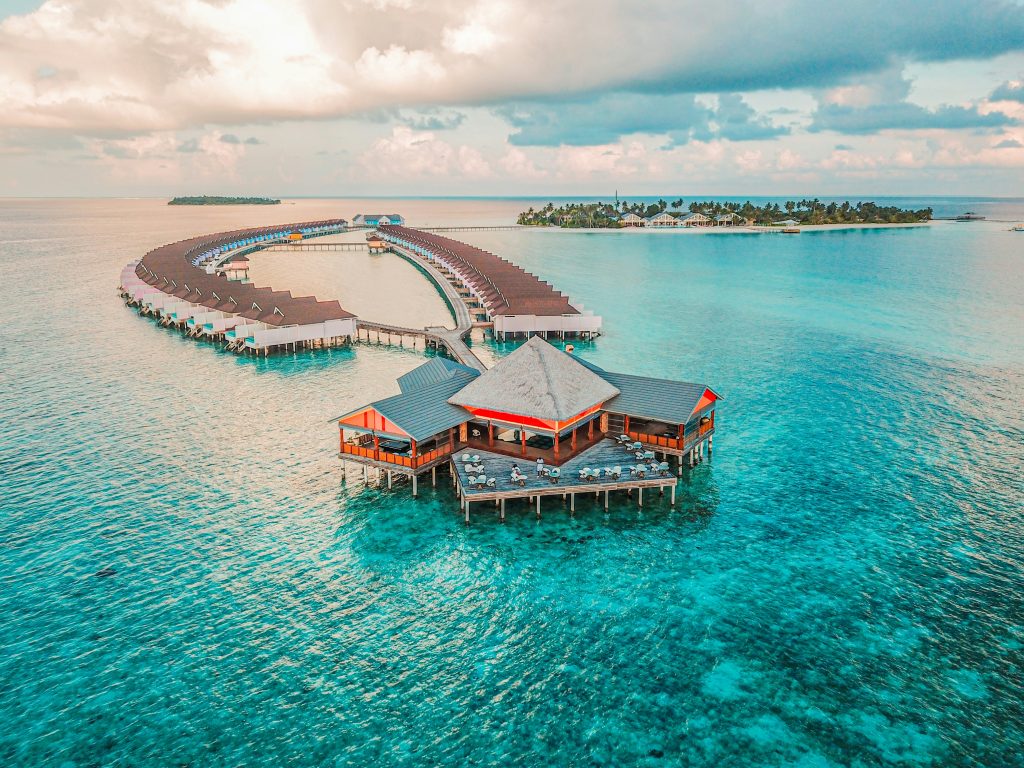
The Maldives occupies a particular tier of aspirational travel — overwater bungalows, water so clear it looks filtered, the kind of stillness that makes every other vacation feel inferior. What happens after you’ve held that image in your head long enough is that the actual experience gets measured against a fantasy rather than against reality, and no lagoon on earth clears that bar.
To be fair, it’s genuinely stunning — but the disappointment rate among first-time visitors who spent years dreaming about it is noticeably higher than among those who arrived with mild expectations and a good book.
The Sameness of the Shot
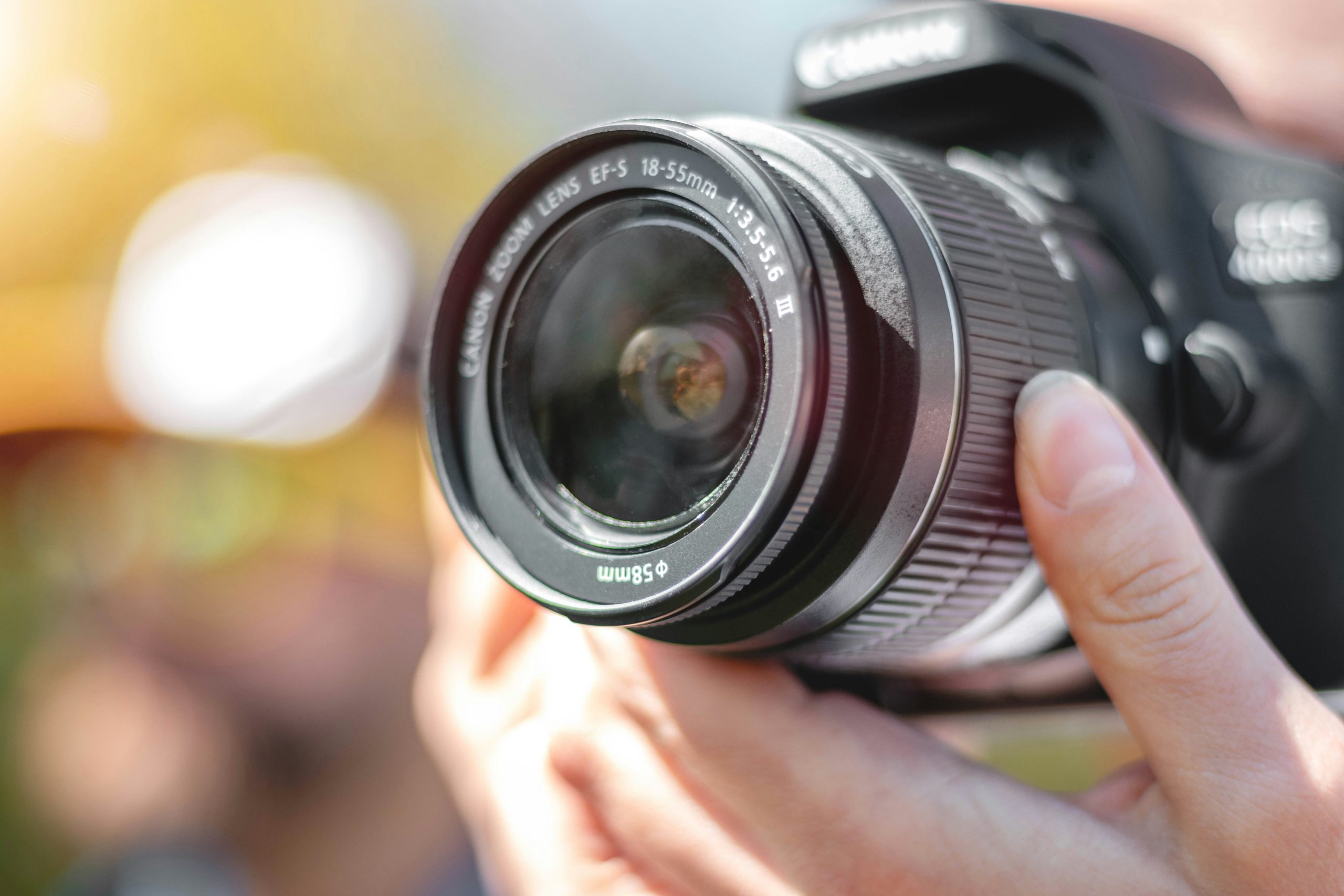
Walk around any heavily Instagrammed destination and you’ll witness something quietly strange: dozens of people recreating the exact same photograph, from the exact same position, at the exact same time. The jumping silhouette at Angkor Wat.
The infinity pool reflection in Ubud. The coffee cup at the edge of a Positano terrace.
What started as one person noticing something genuinely lovely has been replicated so many times that the act of noticing has been replaced by the act of confirming — you go not to see for yourself but to verify that what you saw online was real.
Machu Picchu and the Altitude of Reality
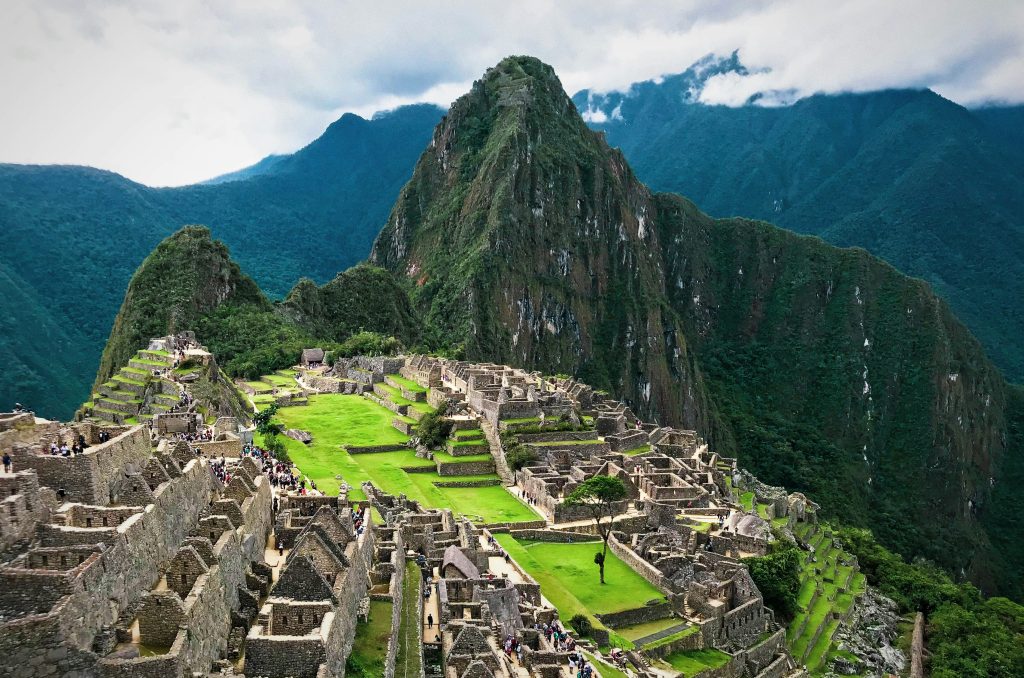
Machu Picchu earns its reputation. The citadel is extraordinary, and no photograph — however skilled — fully captures the scale of it sitting above the clouds in the Peruvian Andes.
But the experience of getting there involves altitude sickness at roughly 7,970 feet, a bus ride up switchbacks from Aguas Calientes, timed entry tickets that require planning months in advance, and a site that now limits daily visitors to around 4,500 people — all of which is a long way from the serene, fog-draped solitude that most travel imagery promises. The place rewards effort; it just doesn’t particularly care about your timeline.
The Filter Nobody Talks About

There is a filter applied to travel photography that has nothing to do with editing software. It’s selection bias — the traveler who had a terrible time in Bali doesn’t post the rain-soaked guesthouse or the stomach illness or the hour spent arguing with a taxi driver; they post the one afternoon the light turned gold over the rice terraces. The people who had a transcendent experience post constantly.
The people who spent three days disappointed posted nothing, or very little. So the feed fills with the best 2% of every destination and quietly buries the other 98.
The Paris Syndrome
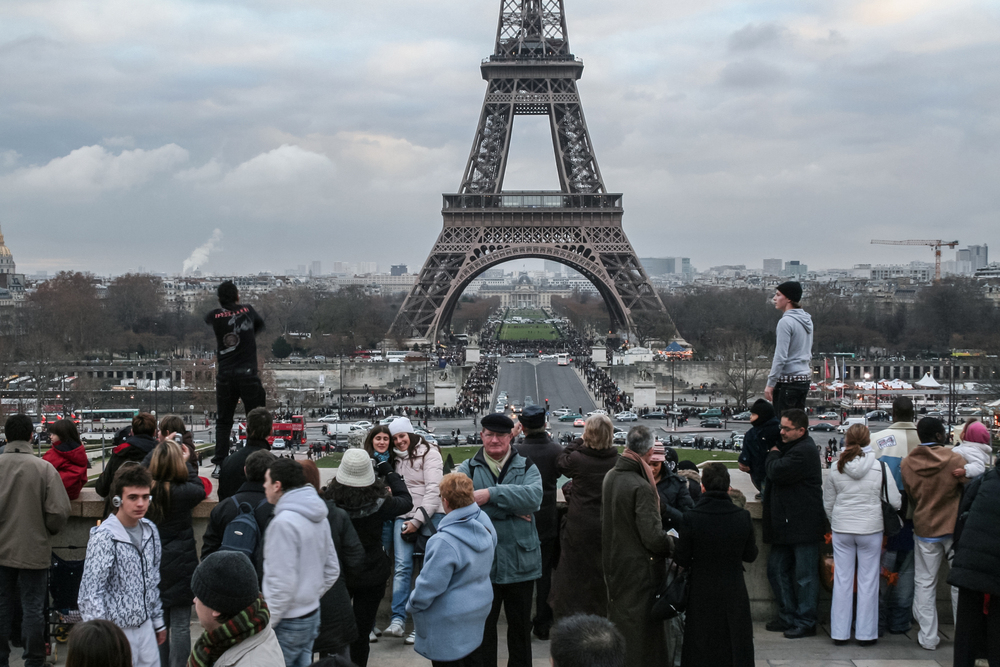
Paris Syndrome is a documented condition — treated by the French embassy and most commonly reported among Japanese tourists — characterized by acute psychological distress upon arriving in Paris and finding it dirtier, ruder, and more chaotic than the romantic ideal they’d constructed from decades of film and imagery. It’s rare in its clinical form, but the low-grade version — the quiet deflation of arriving somewhere iconic and finding it merely human — is so common it barely registers as a phenomenon anymore.
Turns out the most photographed city in the world is still just a city: beautiful, frustrating, occasionally transcendent, and full of people who are not remotely impressed that you’ve arrived.
The Tyranny of the Golden Hour
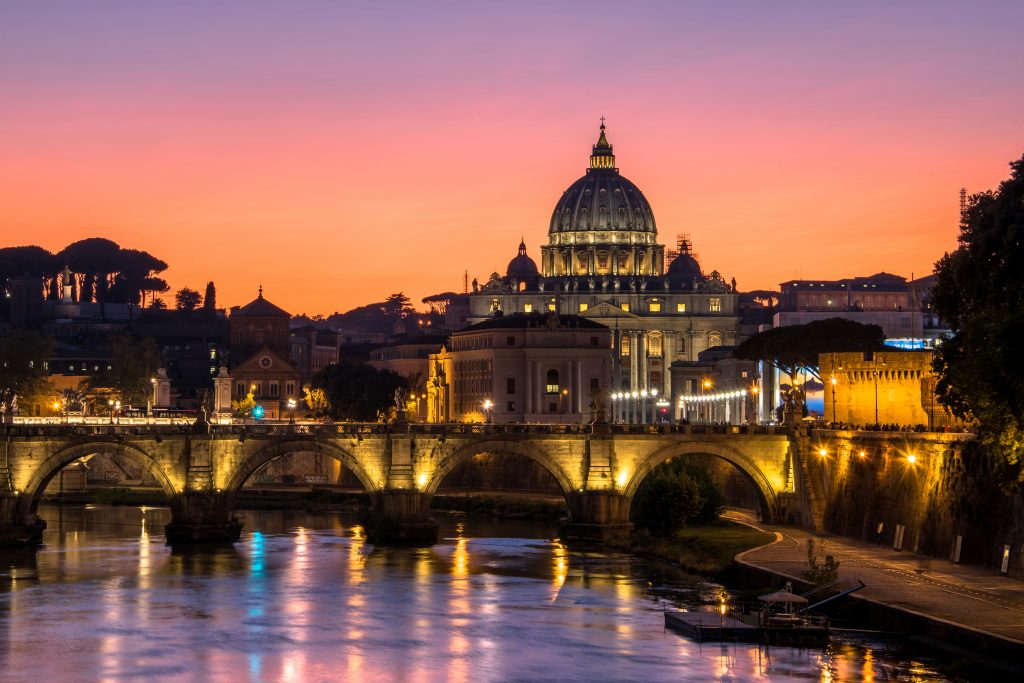
Almost every viral landscape photo is taken at golden hour — that narrow window of about 20 to 40 minutes after sunrise or before sunset when light turns warm and everything seems forgiving. The problem is that golden hour is roughly two percent of the day, which means the version of a place that gets shared most widely represents an almost vanishingly small slice of what that place actually looks like most of the time.
Arrive at noon at the places you’ve seen lit in amber online and they’ll look flatter, harsher, and considerably more ordinary — not because they’ve changed, but because the light has.
Dubrovnik After Game of Thrones
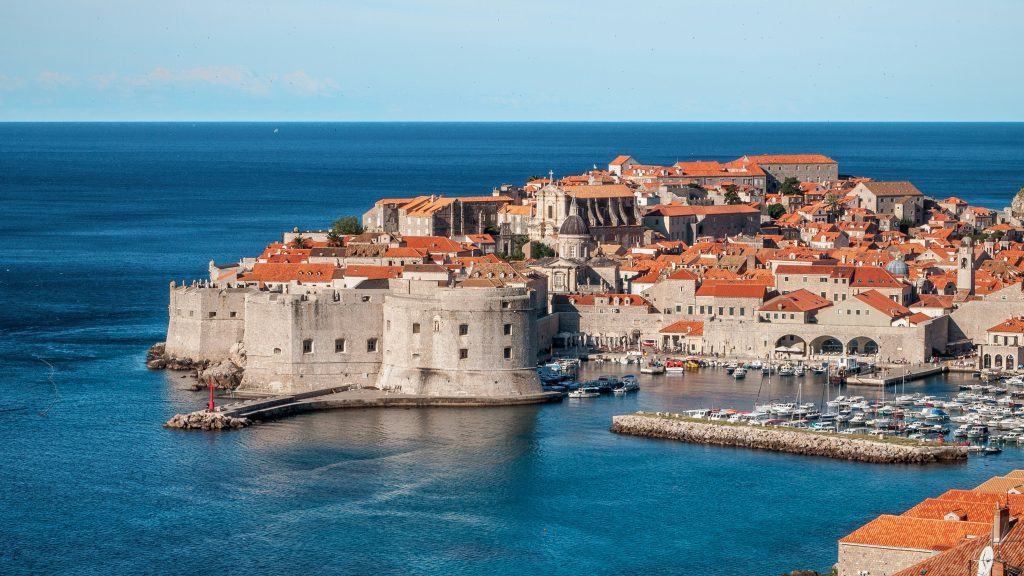
Dubrovnik was a quietly cherished destination before it became King’s Landing. After the show, visitor numbers roughly tripled, cruise ships began depositing upward of 10,000 day-trippers on a single day, and the city — genuinely one of the most beautiful medieval walled towns in Europe — became functionally ungovernable at peak season.
The residents who still live inside the old city have watched their neighborhood become a set, their streets become queues, and their home become a place people visit to photograph themselves in front of rather than to actually spend time in.
What the Body Knows That the Eye Doesn’t
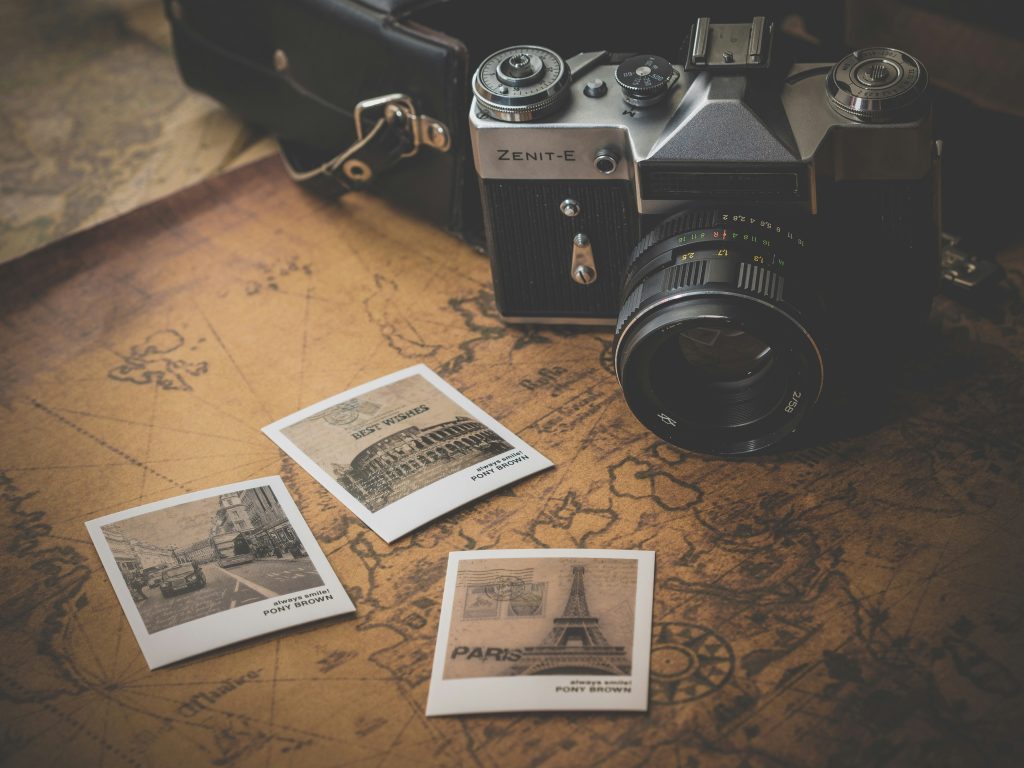
A photograph delivers visual information and almost nothing else. It doesn’t carry the smell of low tide at a coastal destination, the sound of traffic on a cobblestoned piazza, the physical weight of humidity in a tropical forest, or the particular discomfort of standing in a queue for forty minutes in direct sun. These sensory textures are the actual texture of travel — they’re what makes a place feel real rather than decorative — and their complete absence from travel photography means that people arrive at destinations equipped with only one sense worth of preparation for an experience that arrives in all five at once.
The Instagram Monoculture
The more a destination gets photographed, the more it starts to curate itself toward the photograph. Restaurants in heavily visited areas position their best-looking table by the window. Street vendors in photogenic markets arrange their displays for shootability rather than practicality.
Entire neighborhoods reshape their aesthetics toward the visual rather than the lived — and what you get, after enough years of this feedback loop, is a place that has become a stage set of itself, performing its own identity for the camera rather than simply being it. Chefchaouen’s blue walls are beautiful.
They’re also, at this point, a brand.
The Trouble With Ranking Places
Rating a destination as a “must-visit” treats travel as a consumption experience rather than an encounter — as if places are products to be sampled and checked off rather than environments to be met on their own terms. The most Instagrammed destinations in the world tend to also be the most aggressively ranked, the most listed, the most described as non-negotiable, and that pressure — the sense that you are supposed to feel something specific here — is perhaps the single most reliable way to prevent yourself from feeling anything genuine at all.
The Quiet Ones
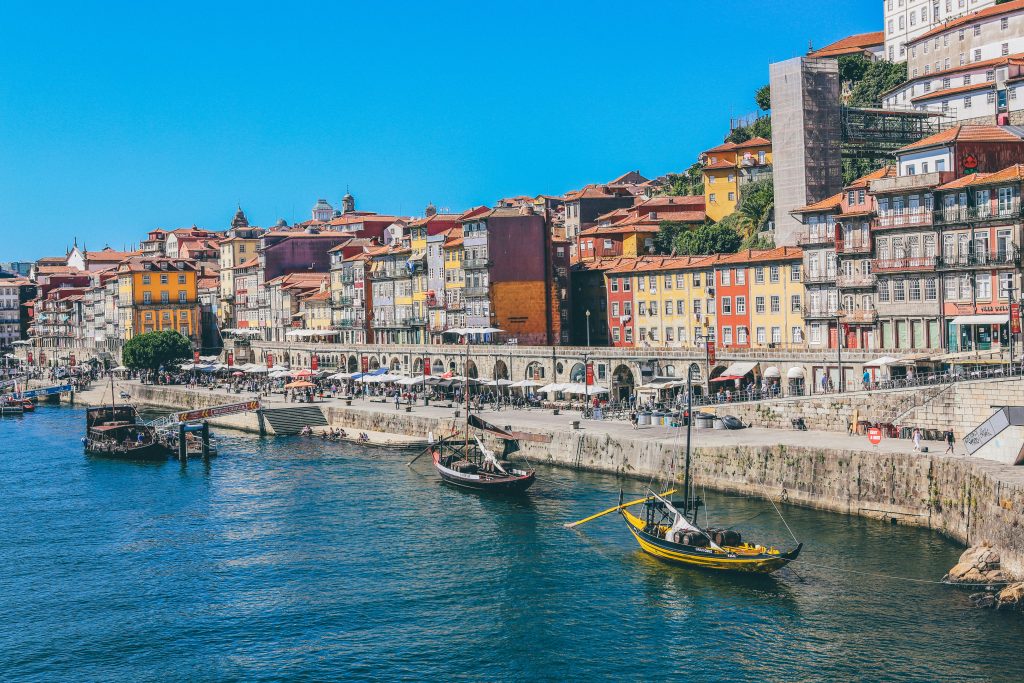
The destinations that consistently over-deliver are, almost without exception, the ones nobody has gotten around to thoroughly Instagramming yet. A mid-sized city in Portugal that doesn’t appear on top-ten lists.
A national park two states over from the famous one. A coastline that requires a longer drive and offers less convenient parking.
These places haven’t been pre-interpreted for you — you have to work out what to think about them yourself — and that interpretive labor turns out to be most of what makes travel feel like travel rather than tourism.
What You’re Actually Looking For
The most honest thing you can say about the gap between Instagrammed destinations and the reality of visiting them is this: what people are searching for when they book the trip isn’t really the place. It’s the feeling they associate with the image — freedom, beauty, escape from the ordinary, proof of a life well-lived — and no physical location can reliably deliver a feeling that was constructed somewhere else entirely, in a different medium, by a stranger whose entire job was to make it look irresistible.
The place can’t lose a competition it was never entered in.
What Survives the Gap
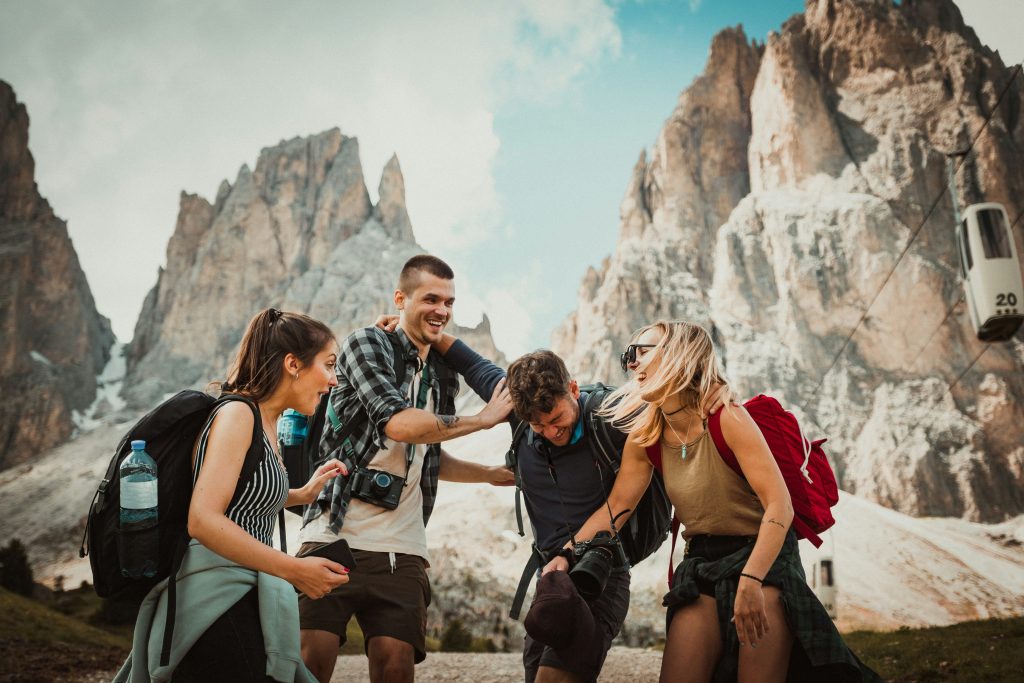
Travel still works. That part is worth saying plainly.
Even the most over-photographed, over-visited, over-described destinations contain moments that arrive sideways — the morning before the crowds, the wrong turn that leads somewhere better, the conversation with a local who is visibly amused that you’ve flown twelve hours to stand in this exact spot. The photograph got you there, which is something.
What happens after you put the phone away is the part that was never going to be captured anyway — and that’s not a consolation prize. That’s the whole thing.
More from Travel Pug

- Underrated Italian Towns That Beat the Tourist Crowds
- Las Vegas Tourist Traps to Skip
- Prettiest Towns in Every US State
- 18 passport-free countries for Americans
- Signs Your Cruise Is Not Worth The Cost
Like Travel Pug’s content? Follow us on MSN.