

Located around 600 miles off the coast of Ecuador in the Pacific Ocean, the Galapagos Islands have established a reputation as one of the world’s most remarkable locations for wildlife encounters. These islands are home to species that are unique to the planet, creating a living museum of evolution that draws both tourists and scientists. Here, snorkeling is more than just viewing fish; it’s about entering a habitat where penguins, iguanas, and sea lions swim beside you as naturally as reef fish do elsewhere in the globe.
To help capture what makes the experience so memorable, here is a list of 15 highlights about wildlife and snorkeling in the Galapagos that showcase why this destination stands apart.
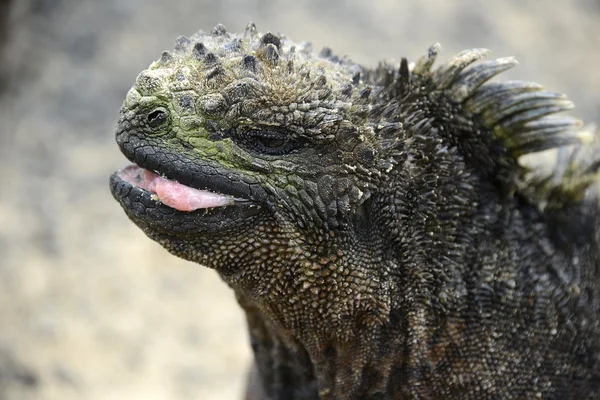
Marine iguanas basking on the rocks
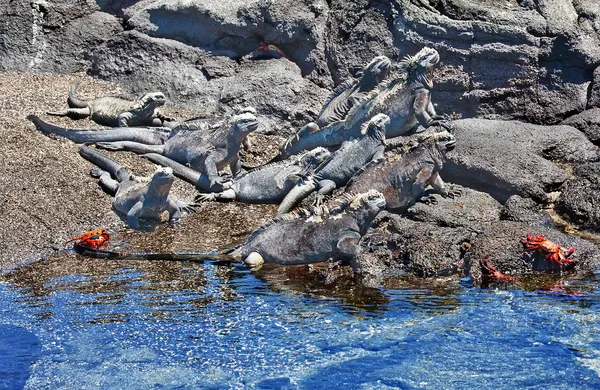
The Galapagos marine iguana is the only lizard in the world that swims and feeds in the ocean. You’ll often find them stretched across black volcanic rocks, soaking up the sun before diving into the water for algae.
Watching them glide underwater is mesmerizing—like seeing tiny dinosaurs come to life. Their calm nature means snorkelers can get surprisingly close without disturbing them.
Playful sea lions in the water
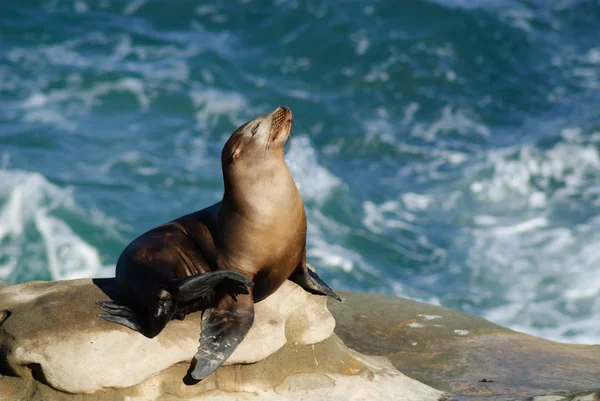
Sea lions are often the stars of any Galapagos snorkeling trip. These animals are curious and bold, frequently darting around swimmers with quick twists and rolls.
Unlike sea lions elsewhere, the Galapagos population seems unusually comfortable with humans, which makes encounters feel personal. Sharing the water with them is like being part of their game.
Penguins at the equator
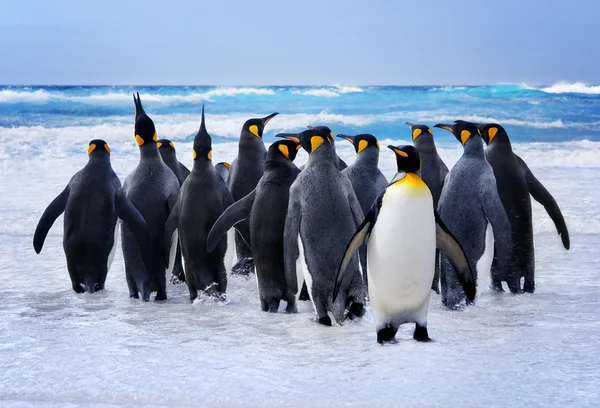
The Galapagos penguin is the only penguin species that lives north of the equator. Spotting them while snorkeling feels almost unreal since penguins are usually associated with icy regions.
They move with incredible speed underwater, zipping past like darts while hunting fish. On the rocky shores, they waddle clumsily, creating a fun contrast to their sleek underwater agility.
Green sea turtles cruising by
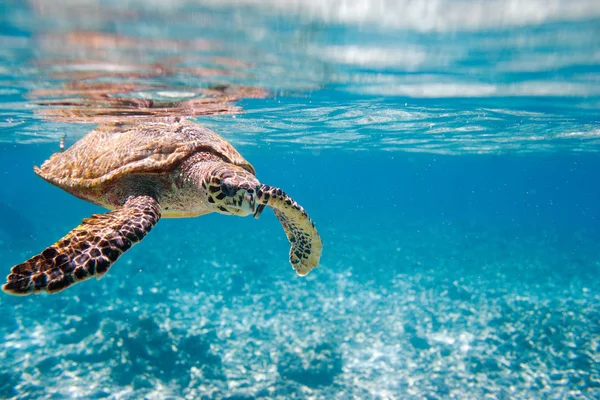
The islands are a safe haven for green sea turtles, which are common sights during snorkeling trips. These gentle creatures glide through the water with little effort, often surfacing for air right next to snorkelers.
Their size can be surprising, as some grow over 4 feet long. Seeing them swim peacefully in the clear waters is a reminder of the islands’ protected environment.
Colorful reef fish everywhere
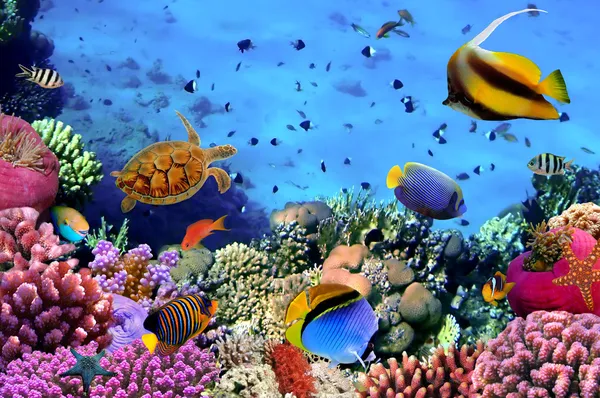
From parrotfish to angelfish, the Galapagos waters are alive with color. Schools of fish move in shimmering patterns, creating a living tapestry that fills the reefs.
While not as tropical as other parts of the world, the fish population here is rich and diverse. For many snorkelers, this constant motion is a highlight in itself.
Hammerhead sharks at deeper sites
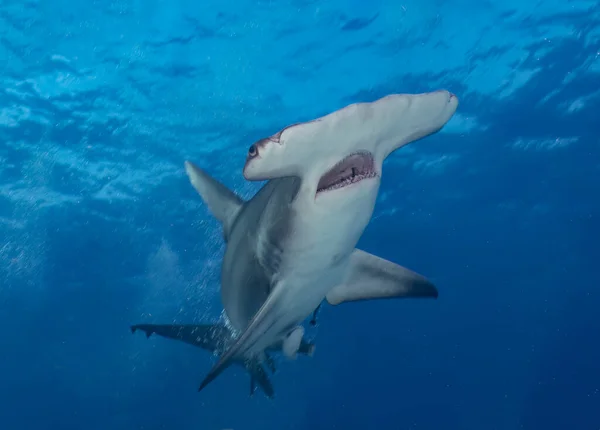
For those venturing into deeper waters, hammerhead sharks occasionally appear. They’re not aggressive toward humans, but their unique head shape and size make them unforgettable to see.
Divers often spot larger schools, yet snorkelers sometimes catch glimpses near rocky channels. Seeing one glide silently below brings both awe and respect for the ocean’s predators.
Flightless cormorants along the shore
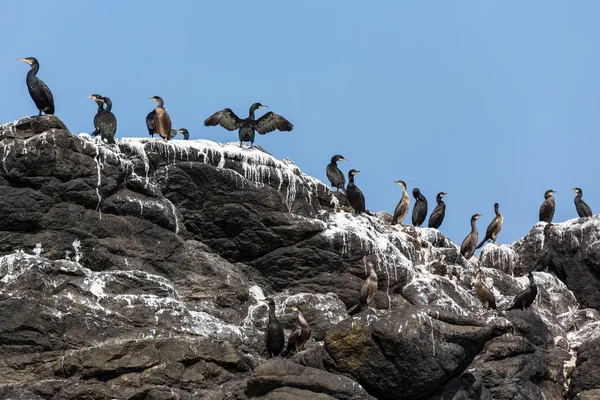
These birds have lost the ability to fly, yet they’ve adapted to become excellent swimmers. You’ll often spot them drying their short wings on coastal rocks after diving for food.
Their presence is a reminder of the Galapagos’ unique evolutionary path. Catching one hunting underwater while snorkeling is rare but fascinating.
Blue-footed boobies on the cliffs
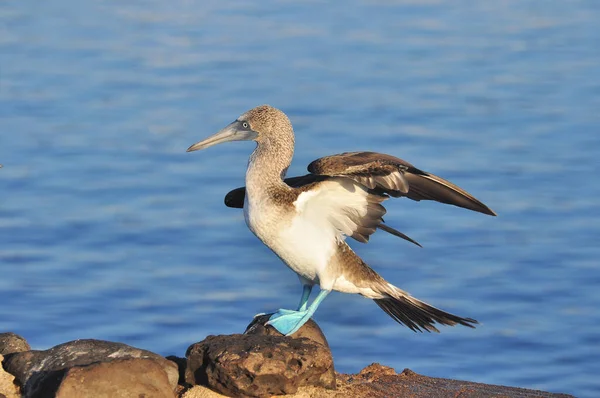
While snorkeling keeps you focused on the water, the cliffs above often host colonies of blue-footed boobies. Their bright turquoise feet are hard to miss, especially during their quirky mating dances.
They dive into the sea at high speeds to catch fish, creating dramatic splashes near snorkelers. Even from the water, their aerial displays are part of the experience.
Rays gliding over sandy bottoms
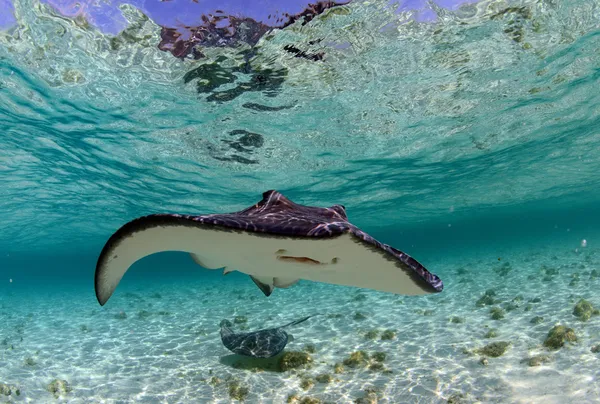
Spotted eagle rays and stingrays move gracefully across sandy areas near the shore. Their wings beat slowly, making them appear as if they’re flying underwater.
While stingrays rest on the seafloor, eagle rays often swim in small groups, adding to the sense of motion. Keeping a respectful distance ensures safe and enjoyable encounters.
Lava lizards darting on shorelines
Though small, lava lizards are everywhere on the islands. You’ll see them darting across warm rocks near beaches as you prepare to snorkel. Their colors shift subtly from island to island, reflecting the diversity of habitats.
While they don’t enter the water, their presence ties the land and sea together.
Sally lightfoot crabs on black rocks
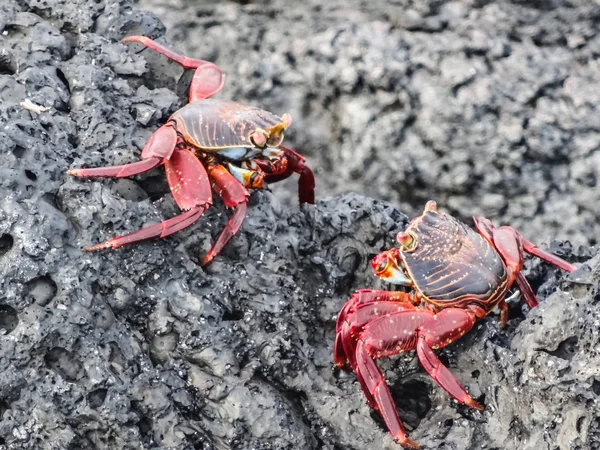
These bright red and orange crabs contrast sharply against the dark volcanic stone. They scuttle quickly across rocks, often just out of reach of incoming waves.
For many visitors, their bold colors are among the first signs of life spotted upon arrival. They add a splash of brightness to every shoreline.
Giant tortoises inland
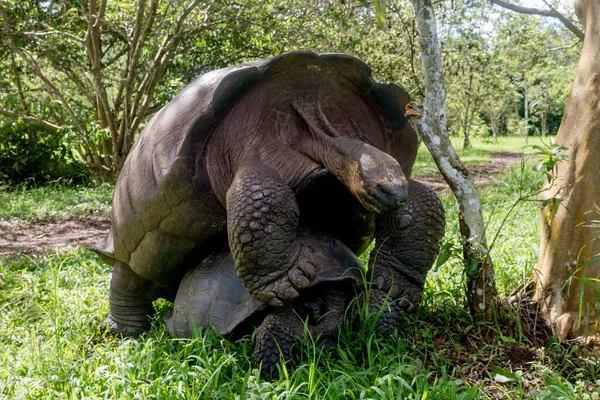
Though they don’t appear while snorkeling, the giant tortoises are iconic to the Galapagos and worth mentioning. Found inland in reserves and highland areas, these massive reptiles can live over 100 years.
They symbolize the islands’ conservation success and the reason such strict protections exist for the marine environment. Their presence completes the picture of Galapagos wildlife.
Snorkeling at Devil’s Crown
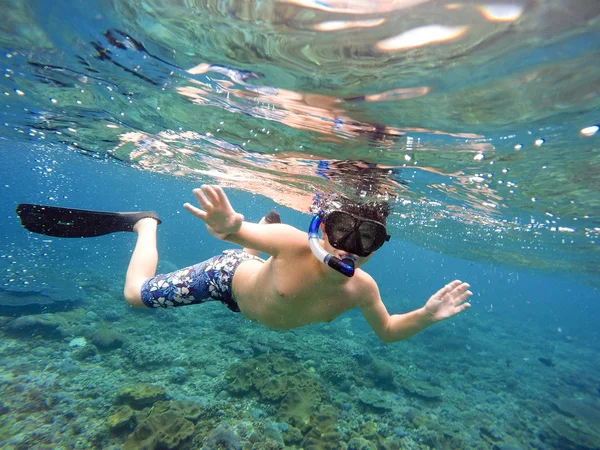
This sunken volcanic crater near Floreana Island is one of the most famous snorkeling sites. The currents bring in nutrients that attract fish, rays, and sometimes sharks.
Swimming through the ring of jagged rock feels adventurous, with marine life in every direction. The spot is both scenic and full of activity.
Crystal waters at Gardner Bay
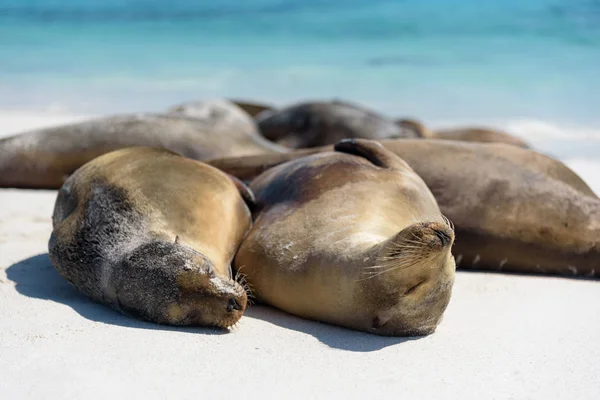
Gardner Bay on Española Island has shallow, clear waters perfect for spotting turtles and rays. The beach itself is covered in white coral sand and often visited by lounging sea lions.
Snorkeling here is less about big surprises and more about calm, consistent encounters. The clarity makes it easy to watch every detail.
Punta Vicente Roca’s cool waters
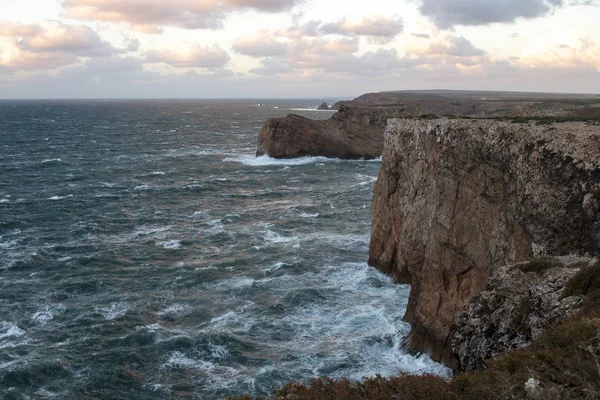
The western side of Isabela Island is known for its nutrient-rich waters. Snorkeling here often means colder conditions but far greater wildlife variety.
Penguins, sea turtles, and cormorants are common, while mola mola (sunfish) sometimes appear. The cooler temperatures are worth it for the abundance of sightings.
Where nature and people meet carefully
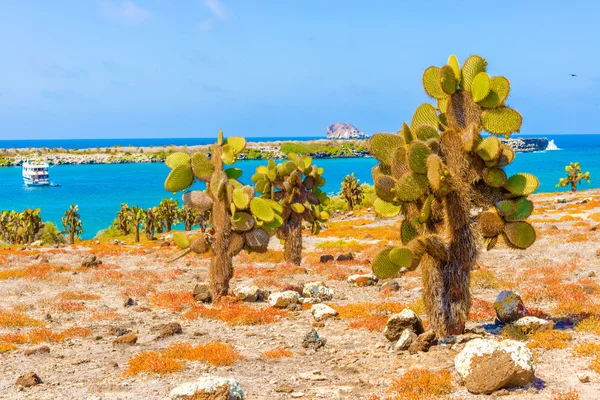
In the Galapagos, every interaction is carefully weighed; it is not a destination for unrestrained tourists. Only when norms and respect are followed do snorkelers become members of a functioning system.
The encounter is more personal since the wildlife doesn’t back down. It’s a unique illustration of how people and animals can coexist peacefully.
More from Travel Pug

- Underrated Italian Towns That Beat the Tourist Crowds
- Las Vegas Tourist Traps to Skip
- Prettiest Towns in Every US State
- 18 passport-free countries for Americans
- Signs Your Cruise Is Not Worth The Cost
Like Travel Pug’s content? Follow us on MSN.