

A rentable audio guide at a museum or historic site once made sense: a handheld device with numbered stops was often the only way to get real context beyond a wall label. Free smartphone apps, downloadable podcasts, and better on-site signage have closed that gap at a lot of major attractions, which makes the rental fee at some sites harder to justify than it used to be.
None of the attractions below are less worth visiting because of their audio guide situation. The point is narrower: at each of these, a free or lower-cost alternative now covers similar ground to the paid rental device.
The Louvre, Paris

The Louvre’s official rental audio guide covers more than 150 masterpieces and more than 200 commentaries, but the museum also provides free visitor trails and other online resources, making the €6 rental fee harder to justify for visitors who are comfortable following a self-guided route.
The Palace of Versailles

Versailles’ paid audio guide rental covers the main state apartments, but the palace’s free official mobile app now includes the same audio tours, along with an interactive map, making the physical rental device harder to justify for visitors carrying their own phone.
The Vatican Museums, Rome

The Vatican’s rental audio guide is priced on top of an already substantial admission fee, and given how information-dense the Sistine Chapel experience already is without narration, many visitors may find the audio commentary less essential than at a site where interpretation is otherwise limited.
The Tower of London

The Tower of London’s rental audio guide covers additional commentary from Yeoman Warders and curators, while the included Yeoman Warder guided tours run at regular intervals throughout the day and are already covered by general admission, making the paid device less necessary for visitors who can attend one of the live tours.
The Colosseum, Rome

The Colosseum’s optional audio guide rental competes directly with the official MyColosseum app, which is free and now includes interactive audio guides, making a separate paid guide harder to justify for visitors comfortable using their own phone.
Edinburgh Castle, Scotland

Edinburgh Castle’s rental audio guide is priced as an add-on to an already significant admission fee, and the castle’s staffed information points and posted signage throughout the grounds cover much of the same historical narrative for visitors willing to read rather than listen.
Pompeii Archaeological Park, Italy

Pompeii’s official audio guides are available at several entrances for €9, adding another fee to admission at a site large enough that many visitors may prefer to use their own phone or a self-guided map rather than carry a separate device throughout the ruins.
Château de Chenonceau, France

Chenonceau’s rental audio guide covers the château’s history room by room, but the property’s posted information cards throughout the building, along with other free and lower-cost self-guided resources, cover much of the historical context for visitors willing to read as they walk.
The Hermitage Museum, St. Petersburg
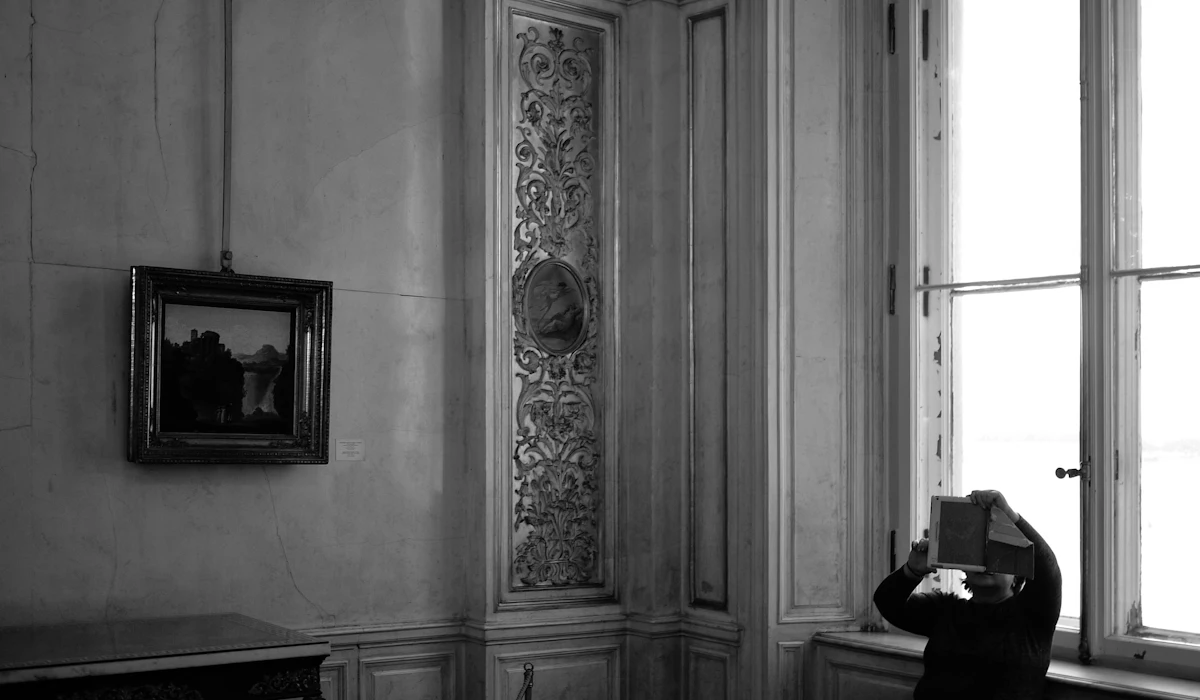
The Hermitage’s vast collection makes an audio guide seem essential, but the museum’s rental device covers only a curated highlight route through a small fraction of its more than three million items, leaving many visitors feeling the narrated portion barely scratched the collection compared with a guidebook covering a broader, self-directed path.
The Uffizi Gallery, Florence

The Uffizi’s rental audio guide covers a standard highlight route through the gallery’s Renaissance collection, but visitors can also use free audio material and other self-guided resources on their own devices, making the €6 rental harder to justify for those who mainly want basic context.
The Pantheon, Rome

The Pantheon’s compact interior and relatively straightforward layout make a paid audio guide rental a harder sell than at larger, more labyrinthine sites, since the building’s key historical points can be covered by free or low-cost self-guided material.
Topkapi Palace, Istanbul

Topkapi Palace’s rental audio guide requires an additional fee on top of an already tiered admission structure that separately charges for the Harem section, and visitors who are comfortable reading the palace’s available information or using their own guide may find the additional narration unnecessary.
Angkor Wat and the Angkor Archaeological Park, Cambodia

Angkor’s audio-guide options are less central to the standard visitor experience than at many Western museums, and the vast majority of visitors instead hire a local guide or explore independently, getting the added benefit of being able to ask direct questions rather than following a fixed recorded script.
Chichén Itzá, Mexico

Chichén Itzá’s self-guided options compete with the common practice of hiring a local guide directly at the site, an option that can make more sense for a small group because it includes live question-and-answer engagement that a recorded device cannot offer.
The Acropolis of Athens

The Acropolis’s optional rental audio guide now competes with Greece’s free Digital Tour Guide application, launched in March 2026, as well as informational material available throughout the archaeological site. For visitors comfortable using their own phone, the free digital option reduces the need for a separate paid guide.
The Rijksmuseum, Amsterdam

The Rijksmuseum’s paid multimedia audio tours are also available through the museum’s free official app, including routes covering highlights such as Rembrandt’s The Night Watch. Visitors who bring their own headphones can therefore get the same tours without renting a separate device.
The Prado Museum, Madrid

The Prado’s rental audio guide covers a standard highlight route through the museum’s Spanish masters collection, but numerous free downloadable guides and other self-guided resources cover similar territory, and the museum’s dense room-by-room layout rewards a printed floor plan as much as narration.
Hagia Sophia, Istanbul

Hagia Sophia’s paid audio-guide options compete with a dense network of licensed local guides available at the entrance who can adjust their commentary based on visitor questions, an option that can provide more flexibility than a fixed recorded device for visitors who want detailed interpretation.
Diocletian’s Palace, Split, Croatia

Diocletian’s Palace, effectively a living neighborhood built into a Roman emperor’s retirement residence, is dense enough with shops and apartments woven into the ancient structure that a fixed audio narration struggles to keep pace with a visitor’s actual walking route, making a printed self-guided map a more practical choice for many.
The Alcázar of Seville, Spain

The Alcázar’s rental audio guide covers its Mudéjar architecture and royal history, but the palace’s dense, garden-heavy layout means many visitors end up wandering out of the device’s intended sequence, reducing the narration’s usefulness relative to simply reading the site’s posted information or using a self-guided resource on their own phone.
The Doge’s Palace, Venice
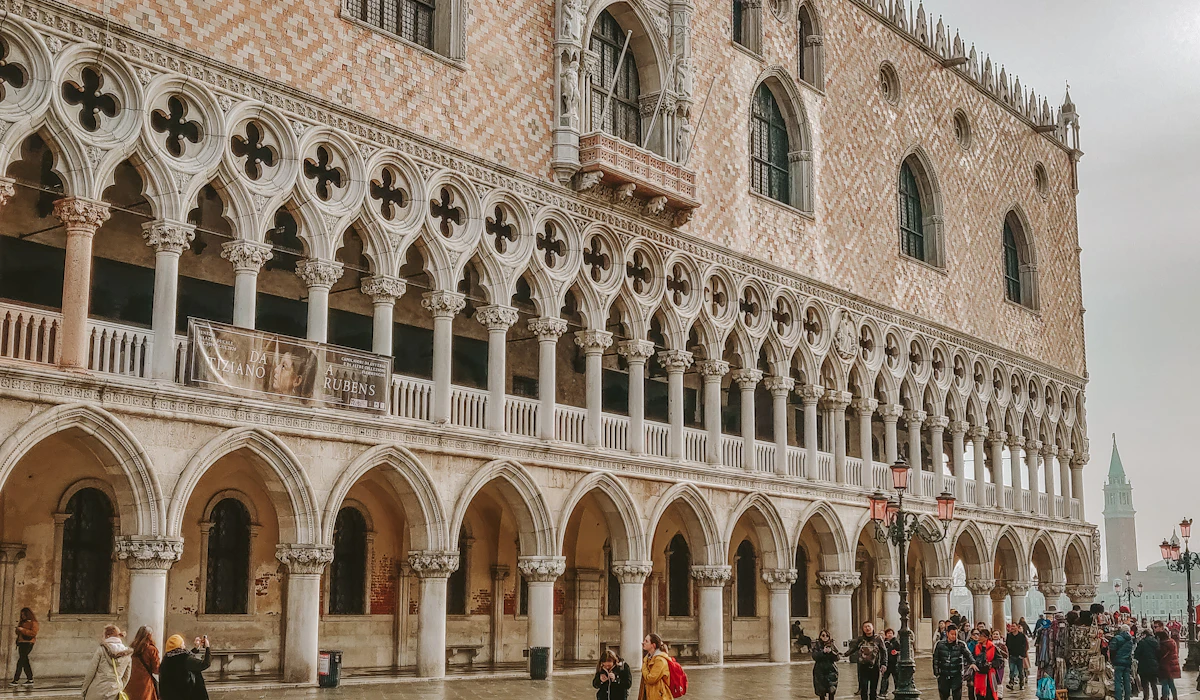
The Doge’s Palace’s rental audio guide is priced as an add-on to an already significant admission fee for the broader St. Mark’s Square museum pass, and the palace’s posted historical panels throughout its state rooms cover much of the same ground for visitors comfortable reading as they go.
The Forbidden City, Beijing

The Forbidden City’s electronic guide rental, once considered essential given the complex’s scale, now competes with widely used free navigation and history apps that many Chinese and international visitors alike have shifted toward, reducing the rental device’s relative value.
Weighing the Rental Fee Against the Alternative

The pattern across these sites is consistent: a paid audio device made more sense before free apps, detailed signage, and widely available guidebooks closed the information gap it used to fill. In several cases, hiring an actual local guide costs about the same as the device and adds the ability to ask questions a recording cannot answer.
None of this argues against context while visiting a major historical site. It argues for checking what is actually included in general admission, and what a free app or a printed guide can already cover, before assuming the rental counter is the only way to get it.
More from Travel Pug

- Underrated Italian Towns That Beat the Tourist Crowds
- Las Vegas Tourist Traps to Skip
- Prettiest Towns in Every US State
- 18 passport-free countries for Americans
- Signs Your Cruise Is Not Worth The Cost
Like Travel Pug’s content? Follow us on MSN.