

Travel has transformed from mere sightseeing to a force in environmental conservation and community empowerment. While countless tourists in the past were interested only in ticking off sites on their bucket lists, modern mindful travelers look for experiences that have positive effects. The trend towards sustainable tourism is characterized by an increasing realization that the world’s most stunning spots require preservation, rather than plundering. Tour operators globally have joined the cause by designing innovative projects that benefit both visitors and host environments.
Here are 20 incredible destinations where sustainable tourism isn’t merely a buzzword — it’s a lifestyle. These destinations show how tourism can become an instrument for conservation and community empowerment.
Costa Rica’s biodiversity protection

Costa Rica has transformed itself from a country rapidly losing forest cover to a global leader in conservation. It’s impressive how this small nation changed course so dramatically. The eco-lodges here run on renewable energy while giving visitors close encounters with pristine rainforests — and local communities make sustainable money through guided tours, organic farming, and wildlife monitoring that directly funds conservation work.
Norway’s carbon-neutral fjord tourism
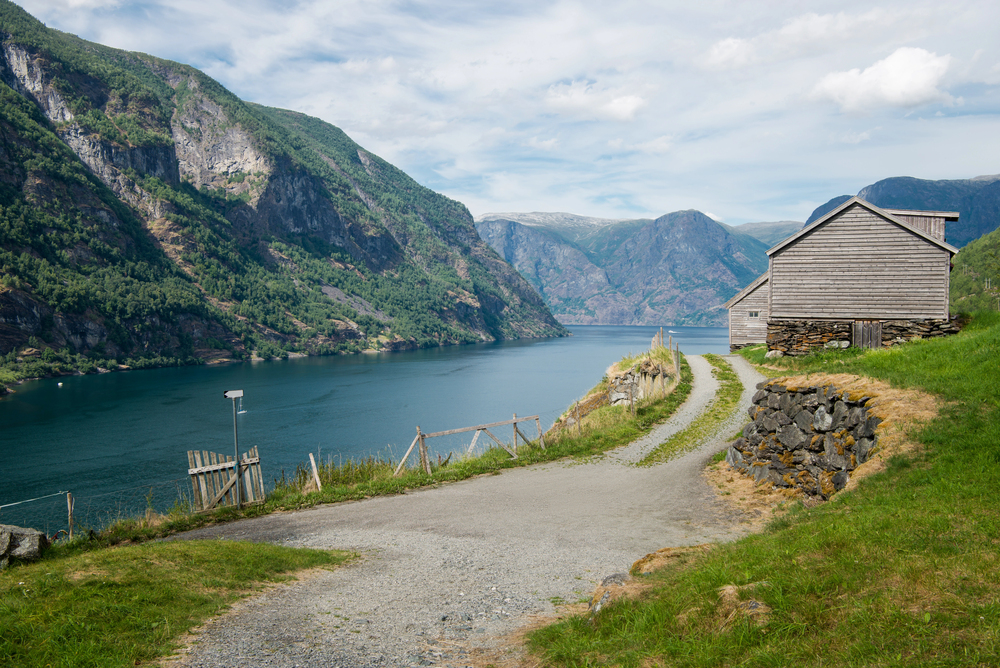
The Norwegian fjords demonstrate how stunning landscapes can coexist in harmony with the latest green environmental technology. Electric ferries make a quiet passage through these UNESCO World Heritage fjords. In the meantime, shore power systems cut cruise ship emissions when they call into ports, although the greatest benefit is how tourism dollars find their way directly into funding marine research and restoring habitats across the area.
New Zealand’s rigorous eco certification

New Zealand pioneered comprehensive environmental standards for tourism businesses through its Qualmark system. Adventure operators don’t just talk about conservation — they must prove it through measurable contributions like predator control programs and native species protection. The country’s 100% Pure campaign goes beyond clever marketing, requiring operators to maintain actual environmental excellence rather than just claiming it.
Bhutan’s carbon-negative model
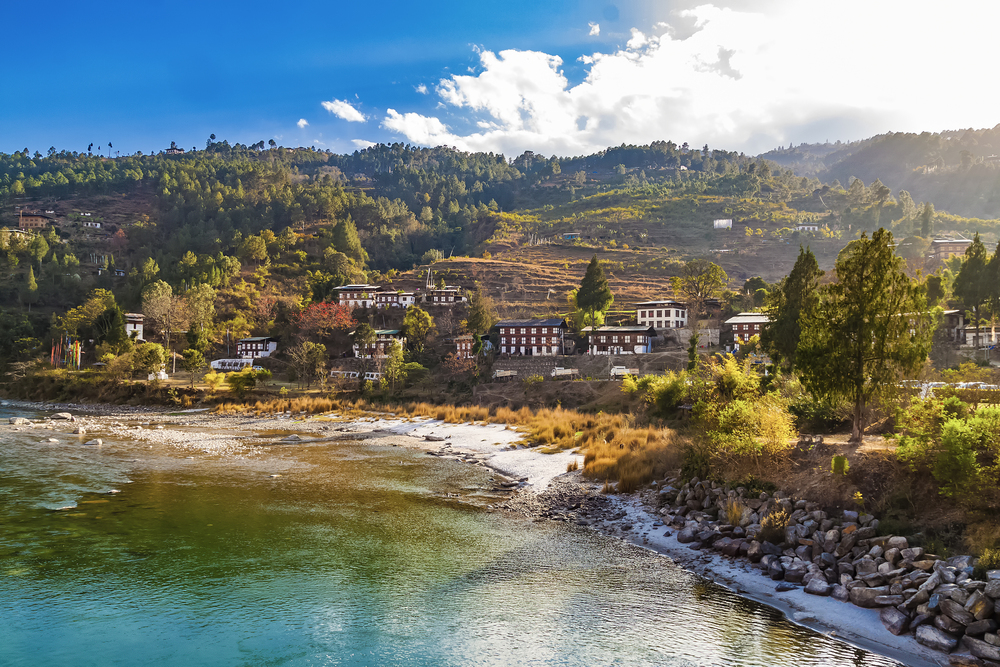
Bhutan is one of the world’s only carbon-negative nations, taking in more CO2 than it emits even when receiving international tourists. The kingdom’s strategy is a breath of fresh air. Their policy of high-value, low-impact tourism restricts the quantity but spreads the benefits to communities as much as possible. At the same time, tourists pay a per-day sustainable development fee that covers education, healthcare, and conservation programs.
Kenya’s community conservancies
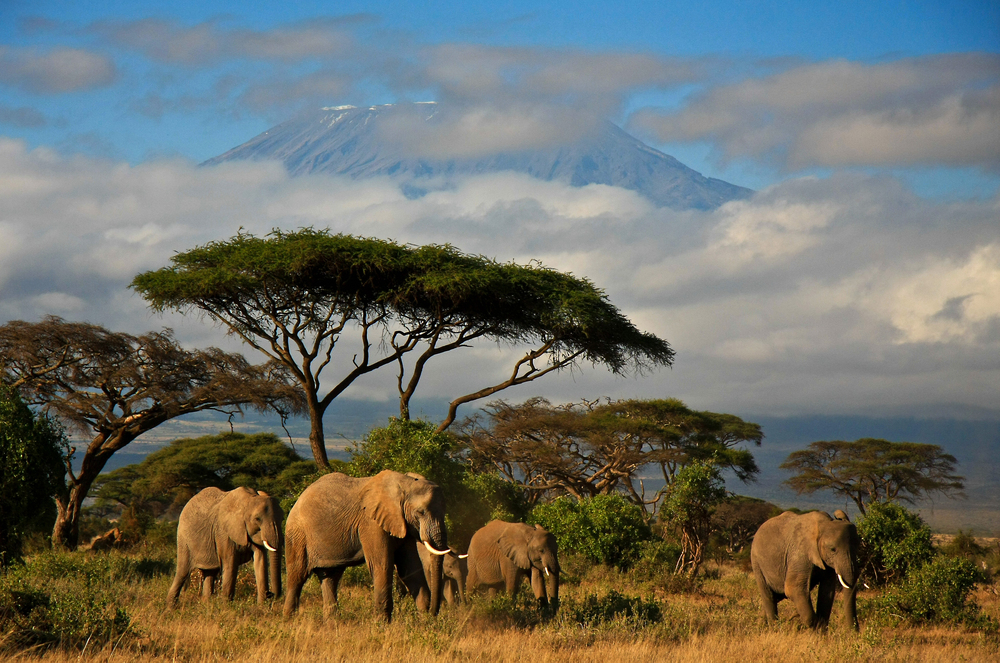
Kenya’s community conservancies prove how wildlife protection can provide sustainable livelihoods for local populations. Maasai communities receive direct payments for maintaining wildlife corridors and anti-poaching efforts. It’s a win-win situation. Tourism revenue supports schools, clinics, and water projects while creating powerful incentives for conservation over agricultural conversion.
Iceland’s geothermal tourism infrastructure

Iceland harnesses its volcanic energy to power an entire tourism industry with minimal environmental impact — and it works beautifully. Geothermal plants provide heating for hotels, while natural hot springs offer visitors authentic experiences without artificial amenities. The country’s compact ring road system minimizes habitat disruption while providing access to the spectacular landscapes that everyone comes to see.
Switzerland’s alpine sustainability
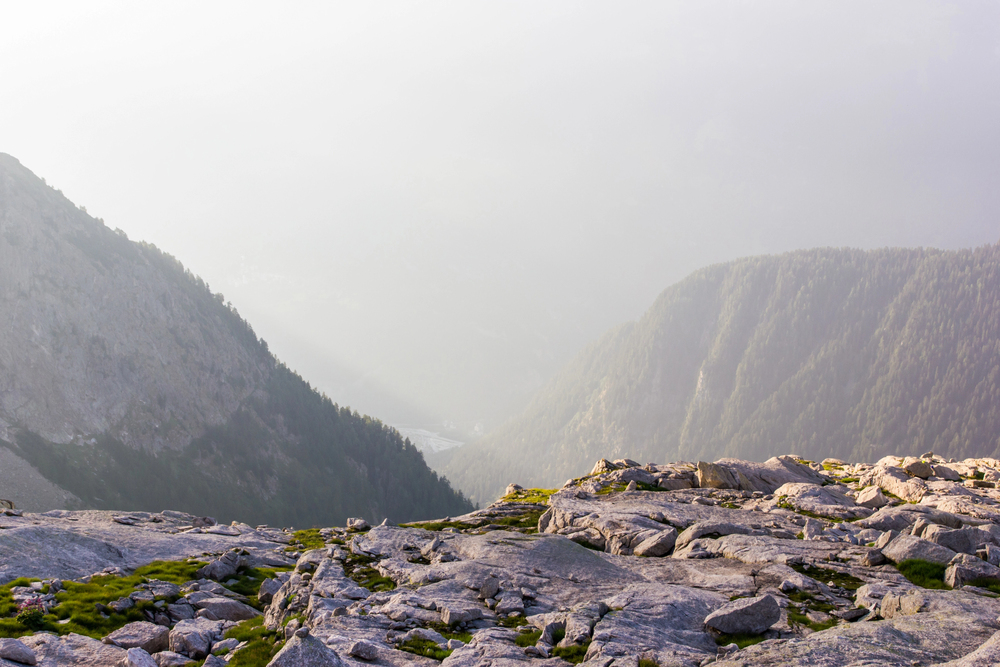
Swiss mountain resorts pioneered sustainable practices through necessity, protecting the fragile alpine environment that attracts millions of visitors annually. Cable cars run on renewable hydroelectric power. Strict building codes preserve traditional architecture and limit development, although local certification programs ensure that restaurants source ingredients from regional, organic farms.
Slovenia’s green capital initiatives
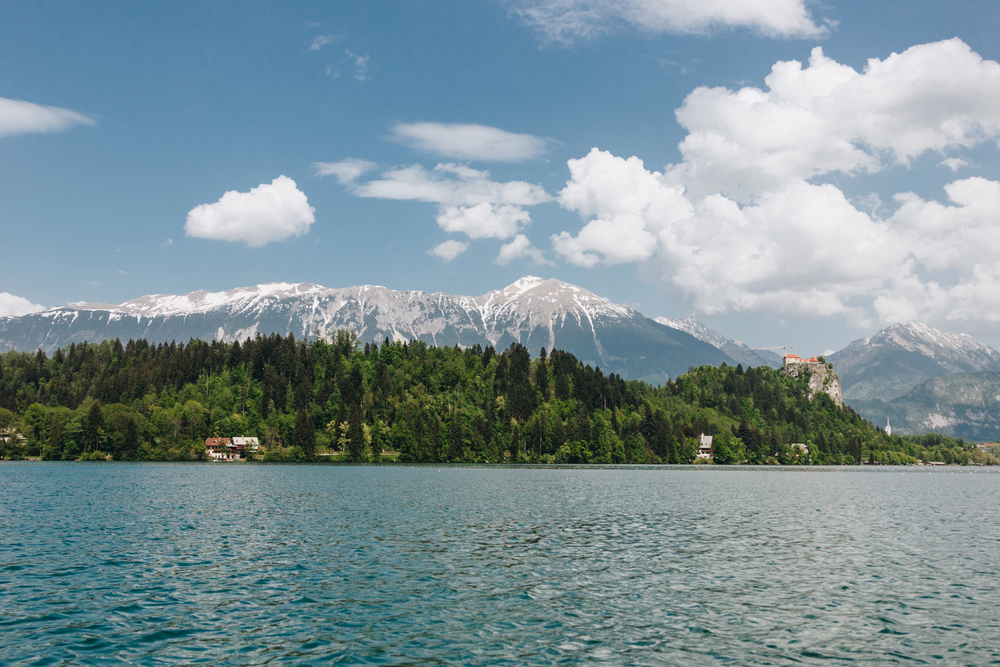
Slovenia’s capital, Ljubljana, became Europe’s first zero-waste destination through comprehensive recycling and local sourcing programs. The city’s car-free center encourages walking and cycling. Urban beekeeping projects provide visitors with hands-on conservation experiences, while tourism businesses must meet strict sustainability criteria to receive official recognition.
Palau’s marine sanctuary protection
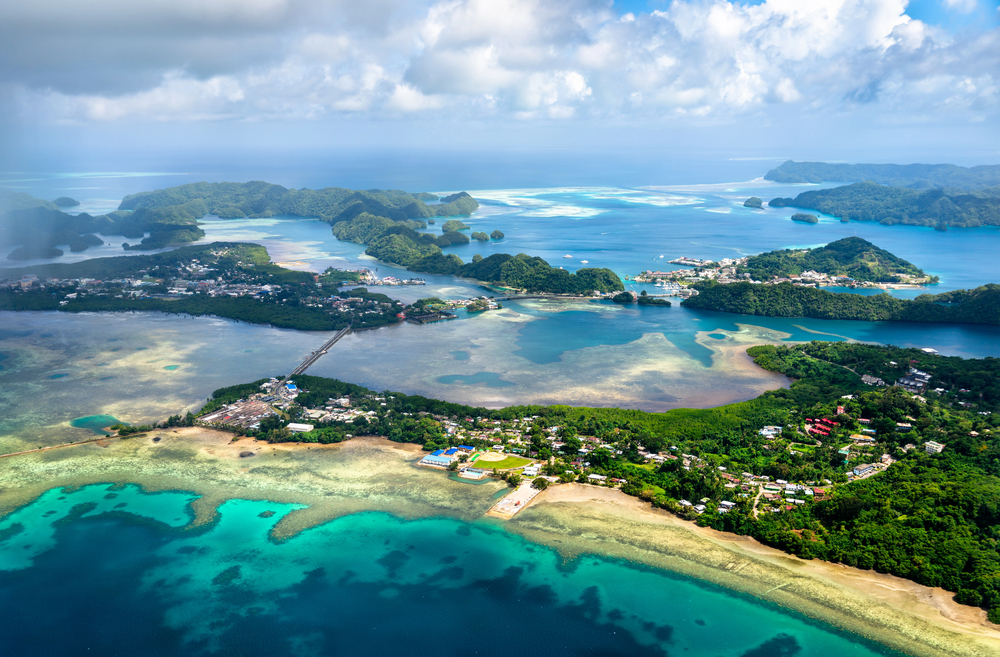
Palau created the world’s first shark sanctuary — a bold move that demonstrates how small island nations can lead global conservation efforts. The country’s pristine diving sites generate more revenue through sustainable tourism than they ever could through fishing. Visitor fees fund marine patrols and research programs that protect one of the ocean’s last untouched ecosystems.
Ecuador’s Galápagos conservation model
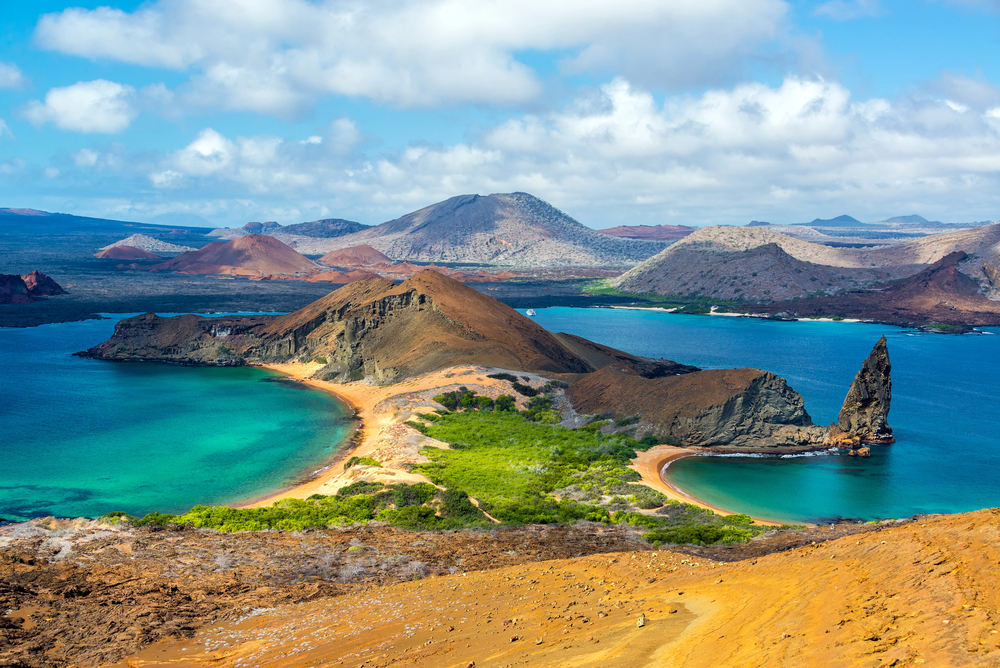
The Galápagos Islands balance scientific research, conservation, and tourism through careful visitor management and strict environmental protocols. Small expedition ships minimize impact. Naturalist guides ensure educational experiences that inspire conservation awareness, whereas tourism revenue funds ongoing research and protection programs for the islands’ unique species.
Canada’s indigenous tourism experiences
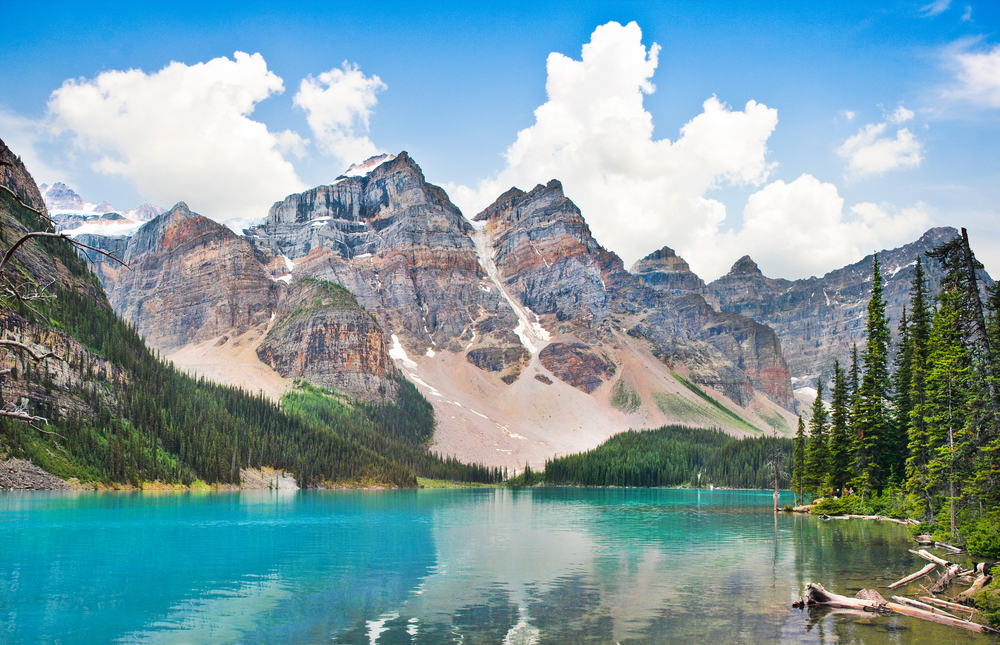
Indigenous communities across Canada offer visitors authentic cultural experiences while maintaining traditional relationships with the land. First Nations guides share ancestral knowledge about sustainable resource use and conservation practices. These programs provide economic alternatives to resource extraction. Even so, they preserve cultural traditions and environmental wisdom that’s been passed down for generations.
Portugal’s sustainable coastal management

Portugal’s coastline demonstrates how sustainable tourism can revitalize rural communities without overwhelming natural resources. Traditional fishing villages now offer eco-friendly accommodations and locally sourced cuisine that’s genuinely delicious. Coastal protection programs funded by tourism revenue help preserve beaches and marine habitats against climate change impacts.
Tasmania’s wilderness preservation

Tasmania’s pristine wilderness areas remain largely untouched through careful tourism management and strong environmental regulations. Eco-lodges operate with minimal infrastructure impact. Guided walks educate visitors about unique endemic species, while the state’s carbon-neutral goals align tourism development with conservation objectives in meaningful ways.
Finland’s forest conservation culture
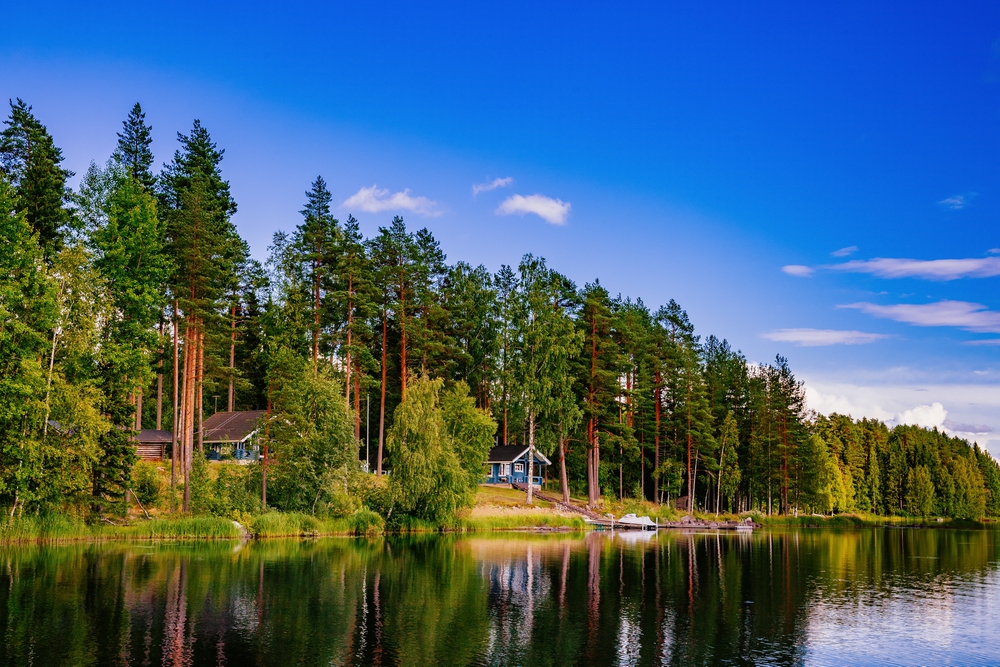
Finland’s vast forests provide sustainable tourism experiences through traditional practices like foraging, hiking, and wildlife observation. Forest certification programs ensure tourism activities support rather than threaten woodland ecosystems. Visitors learn about sustainable forestry practices that balance economic needs with environmental protection, though the real magic happens when you’re actually walking through those ancient woods.
Chile’s Patagonia preservation

Chilean Patagonia showcases how private conservation efforts can complement national parks in protecting vast wilderness areas. Former cattle ranches now operate as conservation-focused destinations where visitors fund habitat restoration projects. These initiatives demonstrate how tourism can finance large-scale ecosystem recovery efforts that would otherwise be impossible to fund.
Maldives’ coral restoration programs

The Maldives transforms resort tourism into active marine conservation through innovative coral restoration programs. Visitors participate in coral planting and monitoring activities that help rebuild reef ecosystems damaged by climate change. Resort operators fund marine biology research while providing guests meaningful conservation experiences rather than just luxury amenities.
Rwanda’s gorilla conservation success

Rwanda’s mountain gorilla conservation program proves how high-value tourism can save endangered species while benefiting local communities. Carefully managed gorilla trekking generates significant revenue for conservation and community development projects. Former poachers now work as guides and trackers, creating powerful incentives for species protection that actually work.
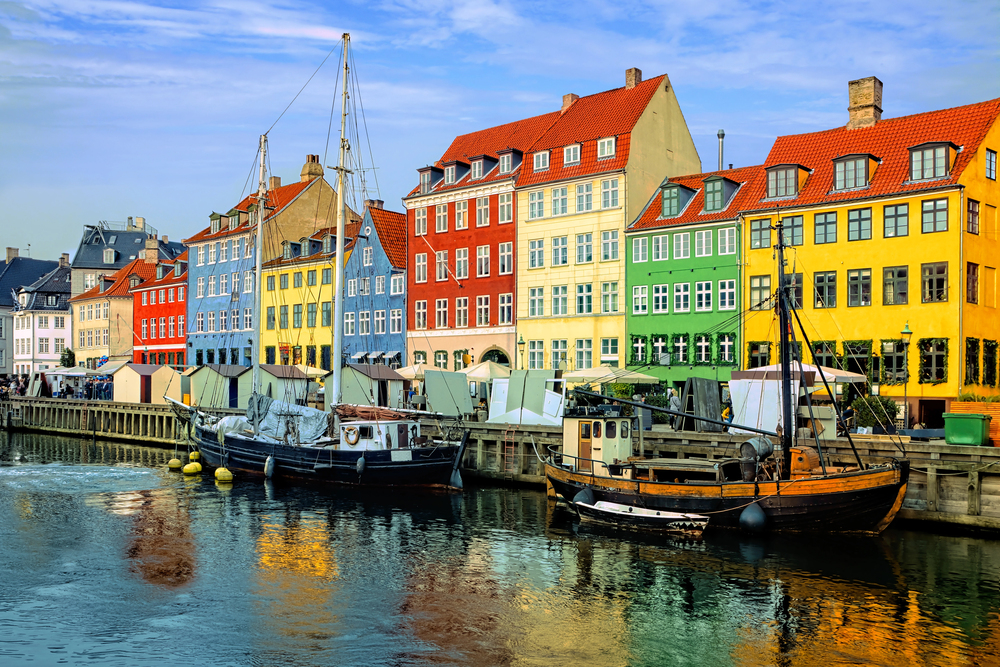
Denmark’s cycling tourism culture
— Photo by JeniFoto
Denmark’s extensive cycling infrastructure demonstrates how sustainable transportation can enhance rather than limit tourism experiences. Bike-friendly cities and countryside routes provide visitors with intimate access to local culture and landscapes. The country’s commitment to carbon neutrality by 2030 includes ambitious goals for sustainable tourism development that other nations are starting to copy.
Australia’s reef protection efforts
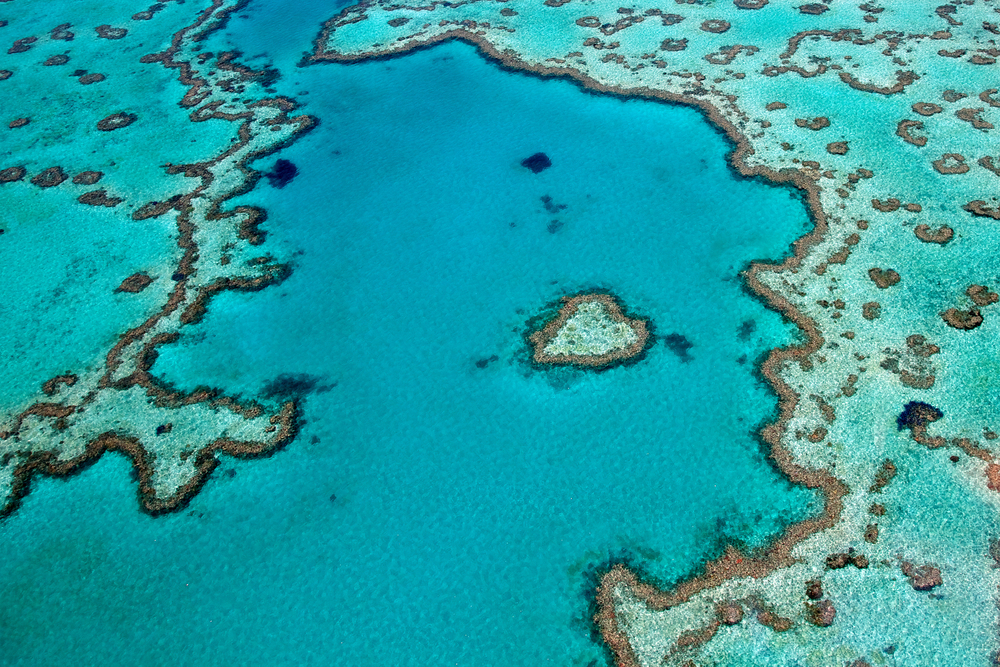
Australia’s Great Barrier Reef showcases how tourism can fund marine conservation through innovative reef protection programs. Visitor fees support coral research and restoration projects. Eco-certified operators follow strict environmental guidelines, whereas tourism businesses actively participate in water quality monitoring and citizen science programs that make a real difference.
Nepal’s mountain conservation

Nepal’s high-altitude regions demonstrate how mountaineering tourism can support both conservation and local livelihoods. Sherpa communities receive direct benefits from climbing expeditions while maintaining traditional sustainable practices that have worked for centuries. Visitor fees fund waste management programs and environmental protection in the world’s highest mountains.
The future of conscious travel

These trailblazing destinations demonstrate that tourism could be a significant force for conservation and community enrichment, not for devastation. Their success stories illustrate how visitor payments, when properly managed, can finance conservation work that is good for both local people and planetary well-being. The COVID-19 pandemic reminded everyone of the significance of sustainable tourism models in supporting local economies without overloading natural resources.
As travelers become more aware of their own environmental footprint, these places provide a shining model for how discovery and conservation can coexist beautifully. The tourism future lies not in devouring places, but in helping preserve and prosper them.
More from Travel Pug

- Underrated Italian Towns That Beat the Tourist Crowds
- Las Vegas Tourist Traps to Skip
- Prettiest Towns in Every US State
- 18 passport-free countries for Americans
- Signs Your Cruise Is Not Worth The Cost
Like Travel Pug’s content? Follow us on MSN.