

There’s something deeply unsettling about sleeping beneath the ocean’s surface, surrounded by creatures that existed long before humans walked the earth. Yet underwater hotel rooms have captured imaginations worldwide, offering guests the chance to drift off while schools of fish glide past their bedroom windows.
These aquatic accommodations range from converted research stations to purpose-built luxury suites, each promising an experience that challenges your relationship with the natural world in ways no traditional hotel ever could.
The Muraka at Conrad Maldives Rangali Island
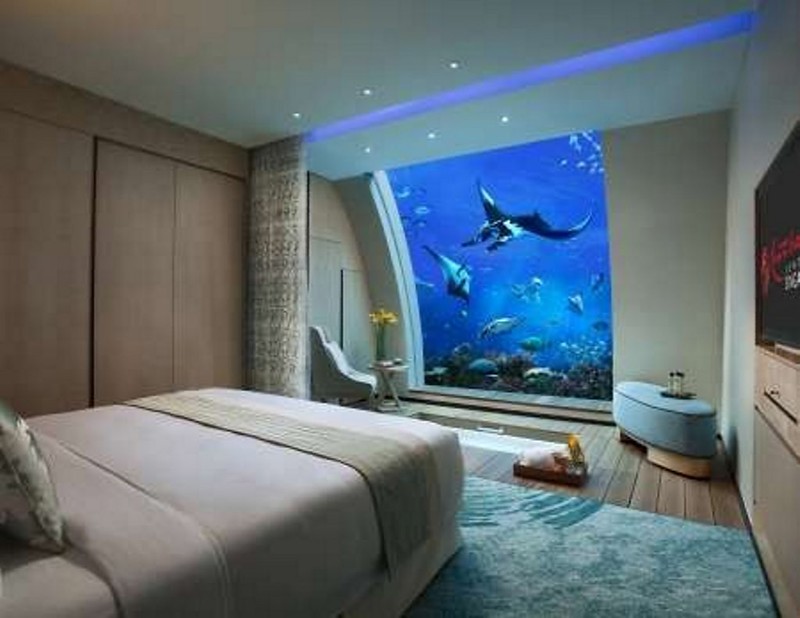
The Muraka sits 16 feet below the Indian Ocean. Glass walls on three sides.
Occasional reef sharks, rays, and tropical fish drift past the bedroom windows. Most guests forget to sleep on the first night.
Atlantis The Palm Underwater Suites

So you’re sleeping in what amounts to a glass fishbowl, watching 65,000 marine animals navigate their artificial reef system while you debate room service — and somehow this arrangement feels completely normal after the first hour (which is either deeply troubling or wonderfully liberating, depending on how you feel about humanity’s relationship with nature). The Ambassador Lagoon surrounds these Dubai suites with creatures that have grown accustomed to human voyeurs: stingrays that glide past with aristocratic indifference, grouper fish massive enough to feel prehistoric.
But here’s what gets strange. You start to feel like the exhibit.
The suite’s design acknowledges this role reversal with floor-to-ceiling windows that make privacy impossible, turning sleep into performance art for an audience of angelfish and reef sharks who maintain their ancient rhythms regardless of your presence.
Jules’ Undersea Lodge, Florida
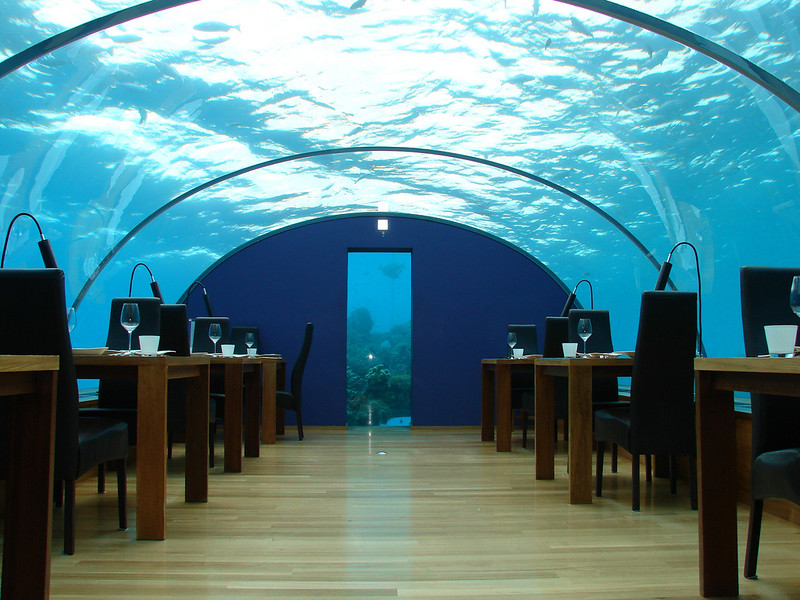
A marine laboratory sits at the bottom of a lagoon like a forgotten spaceship, quietly rewriting what it means to check into a hotel. Guests descend 30 feet, carrying their luggage in waterproof containers, breathing compressed air that tastes faintly metallic.
The lodge feels less like accommodation and more like temporary residence in an alternate world where angelfish peer through portholes with the casual curiosity of neighbors.
Sleep arrives differently here — deeper, stranger — as if the water’s weight above presses dreams into unfamiliar shapes. Morning comes not with sunrise but with the gradual brightening of an underwater realm that operates by its own mysterious schedule.
Utter Inn, Sweden
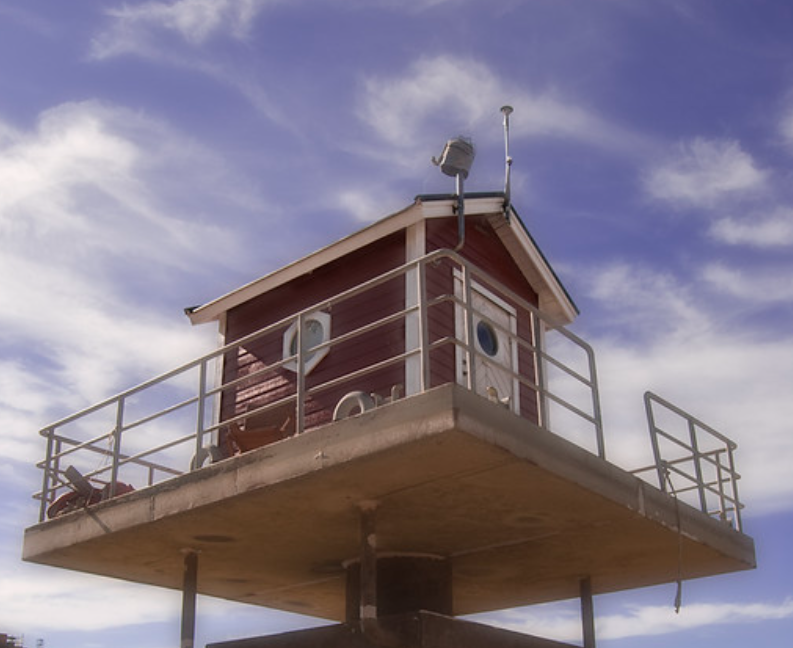
The Utter Inn is performance art disguised as hospitality. A simple cabin floats on Lake Mälaren’s surface while the bedroom lurks three meters below, accessible only by swimming down through a hatch.
The accommodations are spartan — two beds, basic lighting, windows that frame whatever freshwater fish happen to be curious enough to investigate.
This isn’t luxury travel. It’s an exercise in controlled discomfort that strips away every hotel convention except the most essential: a dry place to sleep in an impossible location.
Which turns out to be exactly the point.
Lover’s Deep, St. Lucia

Anchors 30 feet below the Caribbean, offering a private luxury submarine accommodation experience. The vessel contains a single suite surrounded by open ocean — no artificial reef, no controlled environment, just whatever marine life happens to be passing through.
Guests encounter sea turtles, dolphins, and occasional whale sharks through panoramic windows that frame an endlessly changing view.
The submarine’s mobility means each night offers different neighbors. Sometimes it’s a school of barracuda moving like liquid mercury.
Sometimes it’s the vast emptiness of open water, which turns out to be far more unsettling than any crowd of sea creatures.
Manta Resort Underwater Room, Tanzania

A three-story structure floats off Pemba Island with its bedroom submerged 13 feet below the surface of the Indian Ocean, creating an arrangement that splits your accommodation between worlds — social areas above water where you can pretend this is normal hospitality, and sleeping quarters below where octopuses occasionally press against the glass like curious housekeepers checking if you need fresh towels.
The room’s fish population changes with the tides and seasons, but certain residents have established permanent residence: a small school of snappers that treat the structure as their personal reef, and a moray eel that appears most evenings around sunset with the punctuality of a concierge.
Hydropolis Underwater Resort concept chambers
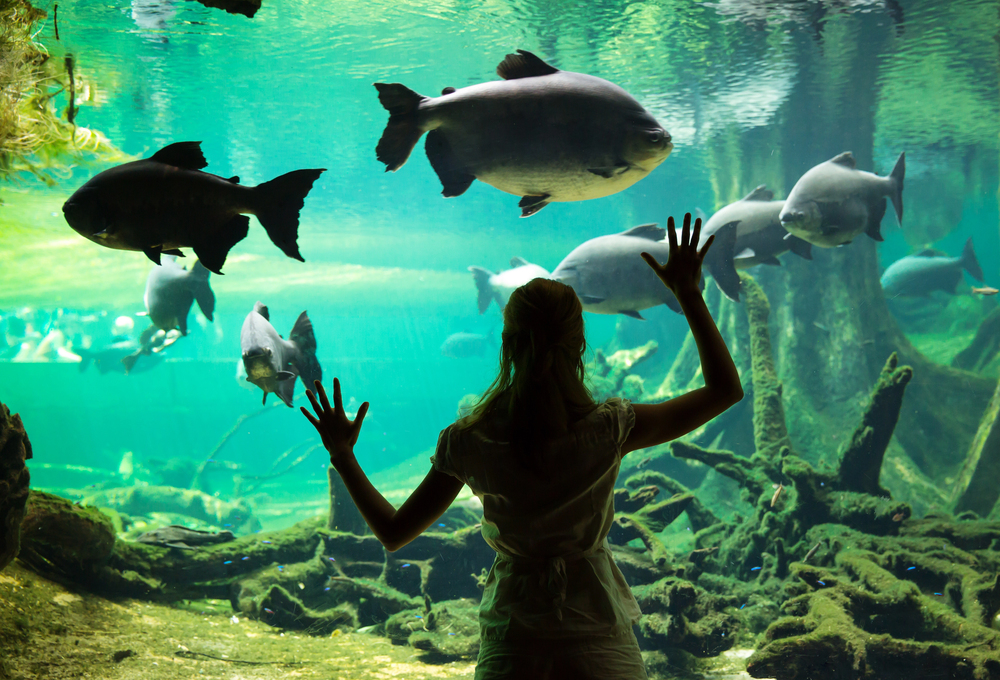
Hydropolis exists mostly in imagination and promotional materials. Dubai’s planned underwater hotel.
Glass tunnels, jellyfish galleries, sleeping chambers surrounded by artificial reefs. Construction stalled, dreams persisted, concept rooms occasionally surface in other projects.
Water Discus Hotel concept suites
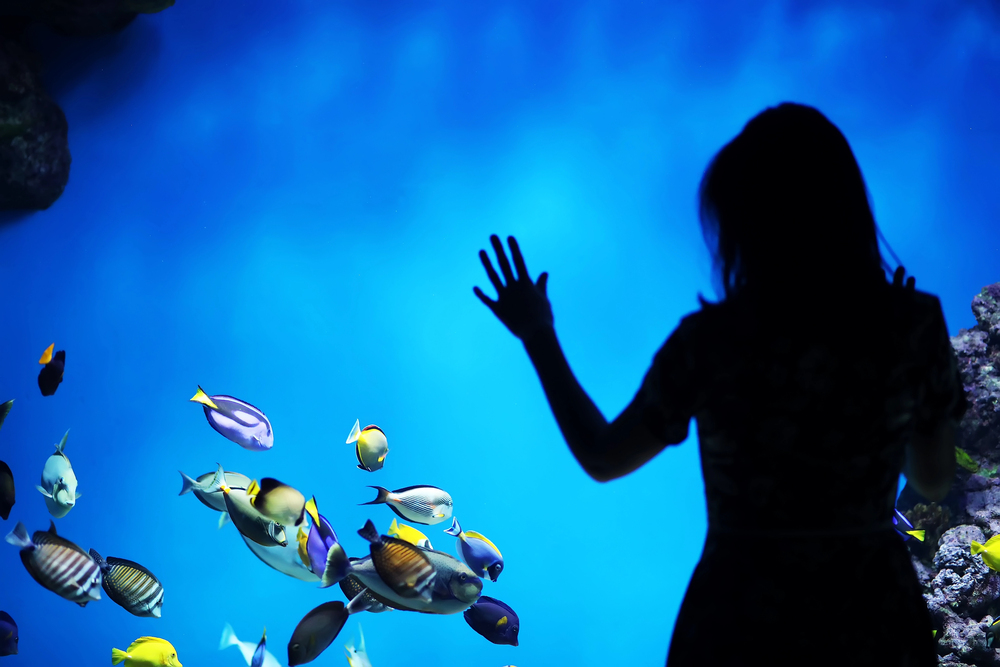
The Water Discus exists primarily in architectural renderings and engineering proposals — a disc-shaped structure with underwater guest rooms radiating from a central hub like spokes on a wheel submerged in tropical waters. Each suite would offer panoramic views of coral reefs through curved glass walls designed to minimize visual barriers between guests and marine life.
The concept promises accommodation that functions as temporary citizenship in an underwater city, complete with research facilities and marine conservation programs that would make every guest stay a contributing part of ocean science.
Aquarius Reef Base, Florida
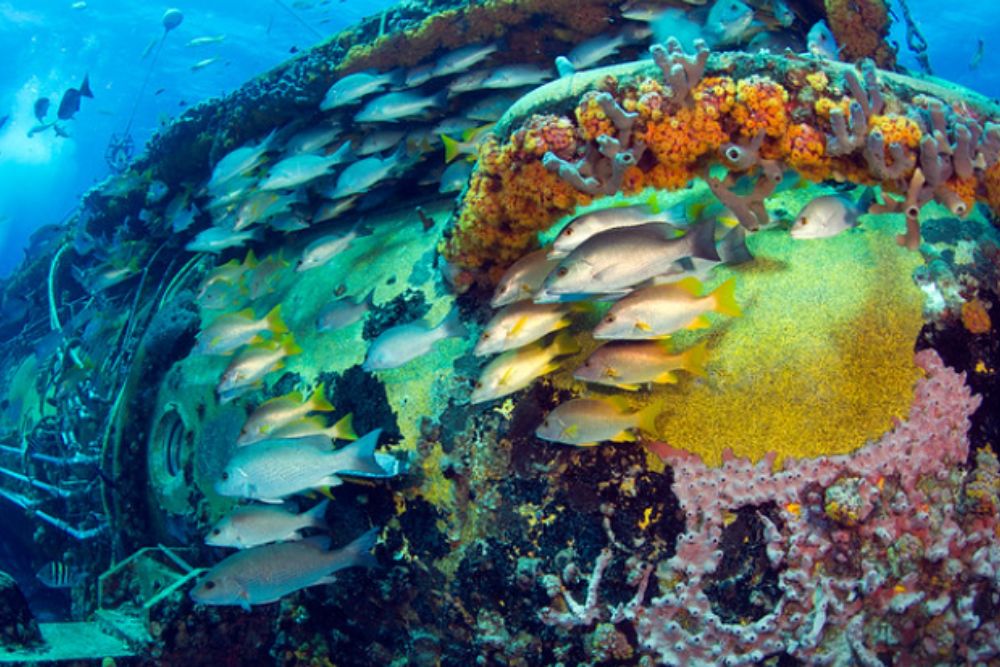
Aquarius functions as both research station and the world’s only operational underwater laboratory where guests can participate in actual marine science while sleeping 60 feet below the surface in Conch Reef. The facility houses scientists studying coral ecosystems, fish behavior, and ocean chemistry, but also accommodates visitors who want to experience life as temporary aquanauts.
Sleep comes with the constant background hum of life support systems and the awareness that the nearest surface is a decompression stop away, creating an environment that feels more like space travel than traditional hospitality.
Embracing the depths

These underwater accommodations represent more than innovative hospitality — they offer temporary residence in a world that operates by rules entirely different from surface life. Sleep becomes different when surrounded by creatures that never stop moving, never truly rest the way humans understand rest.
The experience shifts something fundamental about how you relate to the planet’s largest ecosystem, transforming abstract concerns about ocean health into immediate, personal awareness of what lies beneath every wave. Some guests surface changed.
Others surface planning their return to the depths.
More from Travel Pug

- Underrated Italian Towns That Beat the Tourist Crowds
- Las Vegas Tourist Traps to Skip
- Prettiest Towns in Every US State
- 18 passport-free countries for Americans
- Signs Your Cruise Is Not Worth The Cost
Like Travel Pug’s content? Follow us on MSN.