

The Caribbean contains around 7,000 islands, islets, and cays, which means the decision-making can feel overwhelming before you’ve even left the house. The best ones, though, stand out clearly—either for their beaches, their culture, their food, their diving, or some winning combination of all four.
Here is a list of 15 best islands in the Caribbean, covering everything from major resort destinations to places you may not have considered.
Barbados
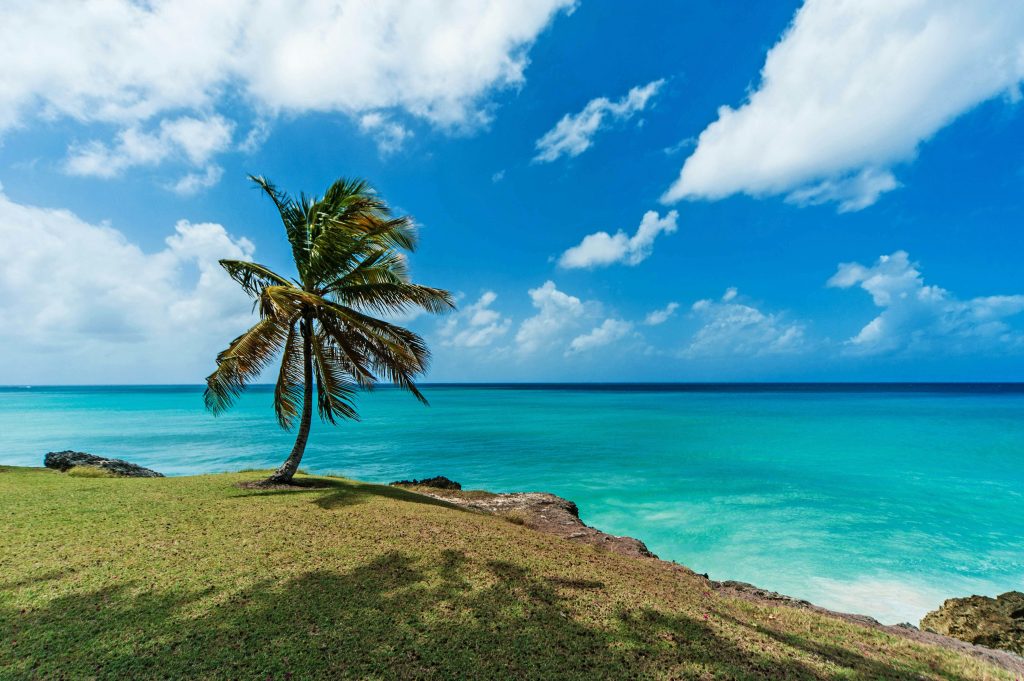
Barbados earns its top-tier reputation through consistency—consistent sunshine, consistently good food, consistently excellent beaches on both the calm west coast and the surf-lashed east. The island has a distinct cultural identity, a sophisticated dining scene for its size, and Mount Gay rum, which has been produced here since 1703.
It’s pricier than some neighbors, but it tends to overdeliver.
St. Lucia
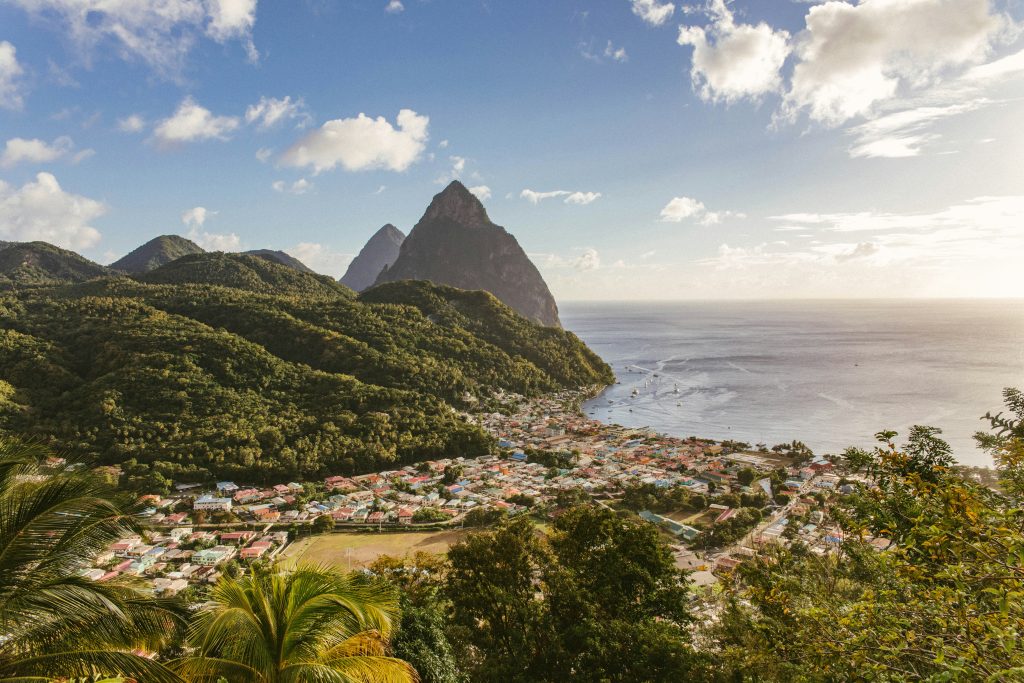
St. Lucia is probably the Caribbean’s most dramatic island in terms of pure scenery. The Piton mountains—two volcanic spires rising from the sea near Soufrière—are extraordinary, and the island’s interior of rainforest, hot springs, and a drive-in volcano adds texture beyond the beach experience.
The north around Rodney Bay is the tourist hub; the south around Soufrière is the more adventurous choice.
Dominican Republic
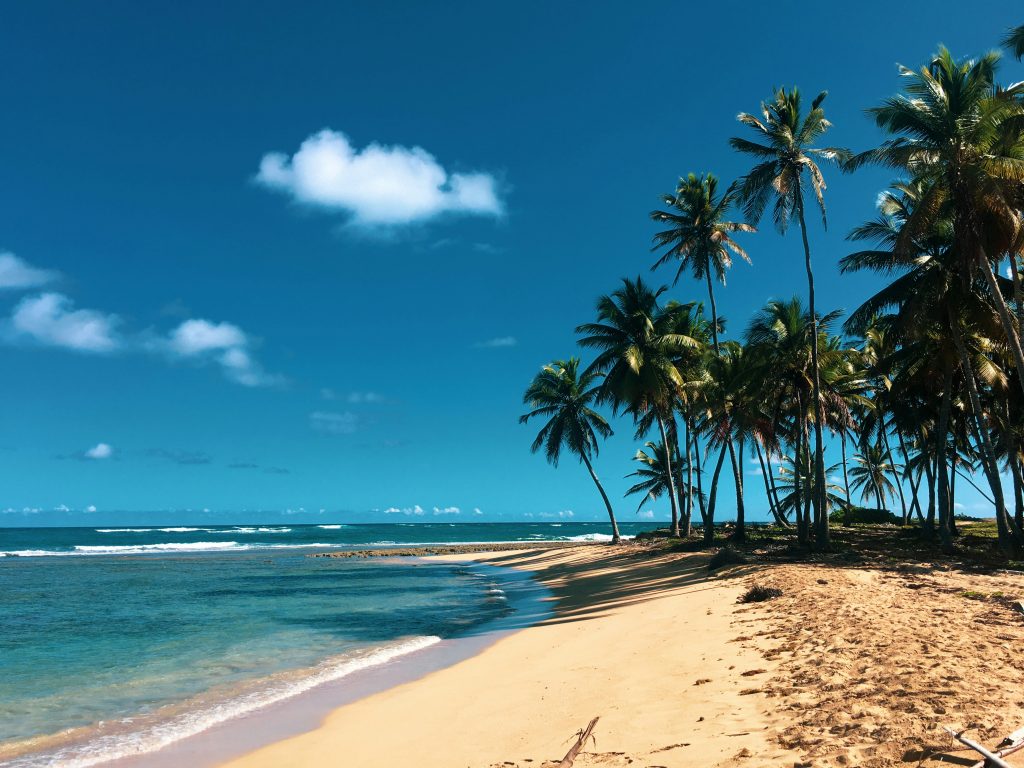
The Dominican Republic is the Caribbean’s most visited destination for good reason—it’s large enough to offer genuine variety, with beaches ranging from the ultra-developed Punta Cana to the remote Samaná Peninsula, backed by a mountain range, colonial history in Santo Domingo, and merengue culture that’s distinctly and proudly Dominican. It’s also one of the region’s better values.
Turks and Caicos
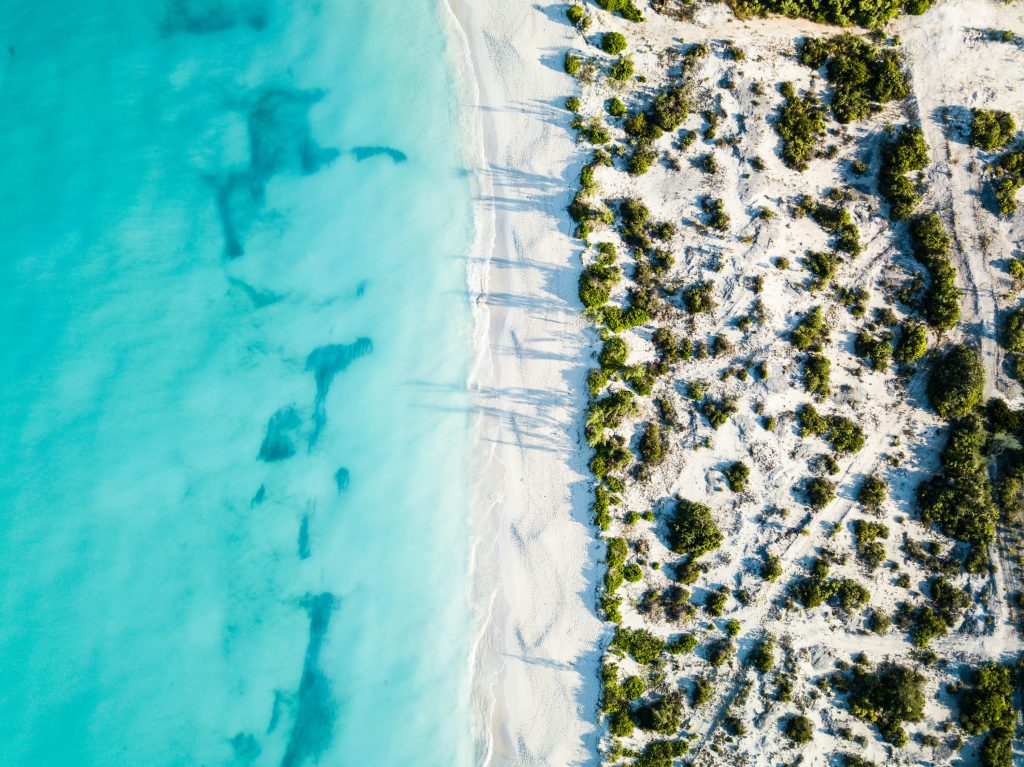
Grace Bay Beach on Providenciales has repeatedly topped lists of the world’s best beaches, and it’s hard to argue when you see water that runs from pale turquoise to deep aquamarine in distinct bands. The Turks and Caicos is expensive—this is a luxury destination—but the reef diving, the water clarity, and the quality of the accommodation make it a benchmark for Caribbean beach holidays.
St. John, U.S. Virgin Islands
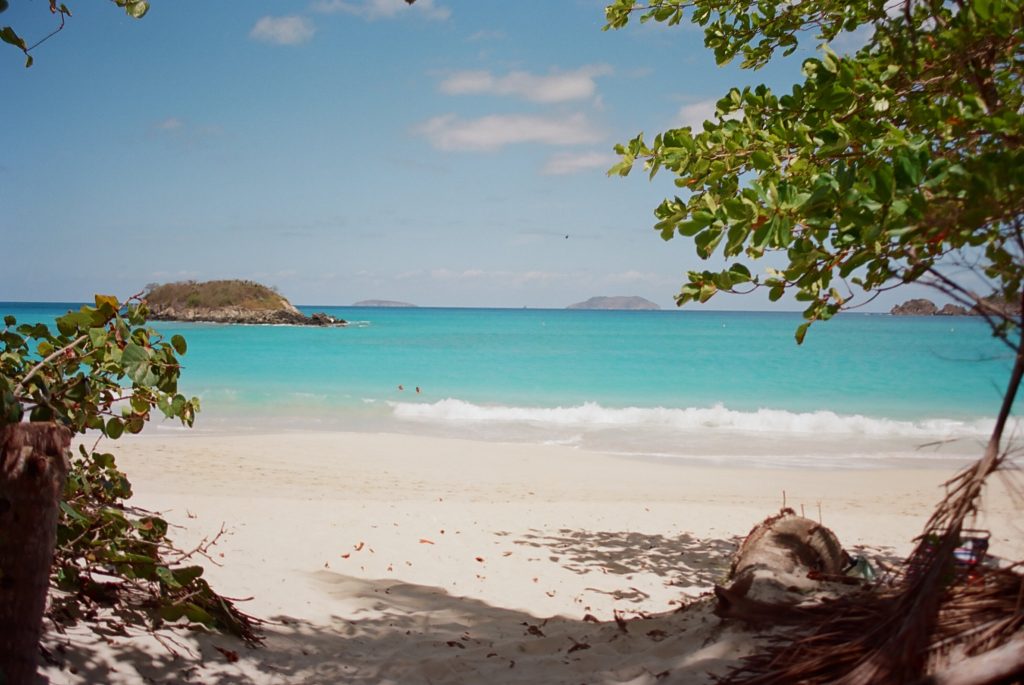
St. John is the smallest of the main U.S. Virgin Islands and largely protected as a national park—about 60% of the island is preserved land, which keeps development in check and the environment extraordinary. Trunk Bay is often cited as one of the world’s best beaches, and the island’s hiking trails, snorkeling, and sailing scene make it far more interesting than a standard resort island.
Grenada
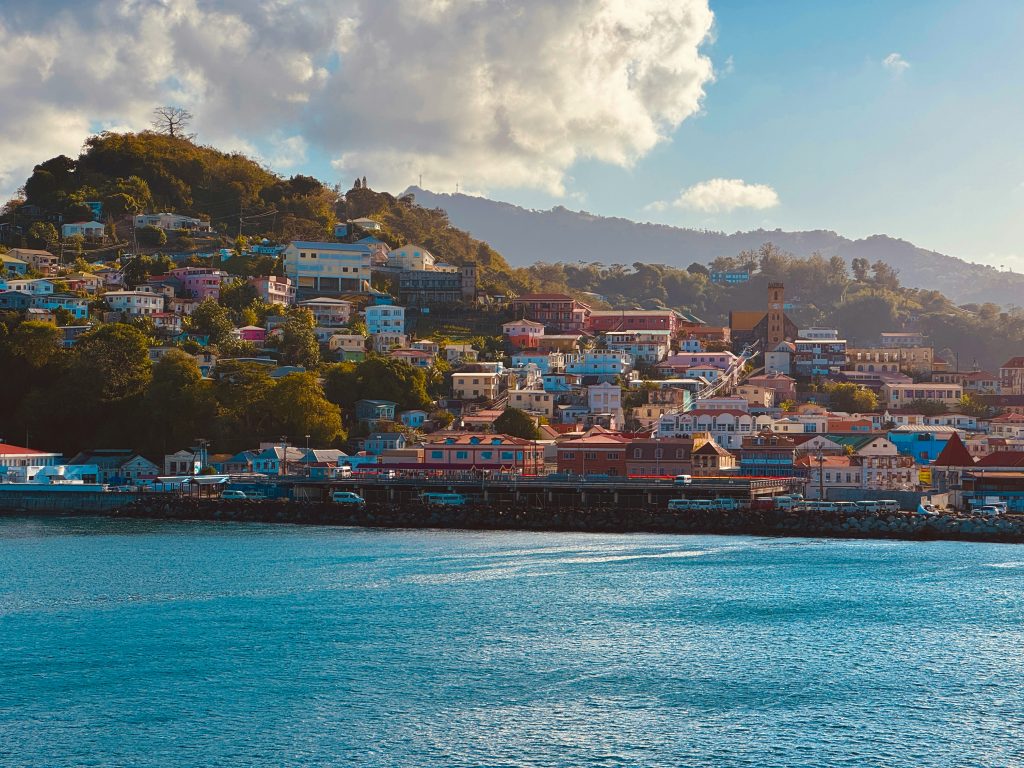
Grenada is the ‘Spice Isle’—the world’s second-largest nutmeg producer, along with significant mace, cinnamon, and ginger cultivation—and the island’s food culture reflects that richness. Its beaches, particularly Grand Anse, are among the Caribbean’s finest, and the island remains less touristy than many of its neighbors.
Underwater Sculpture Park, the world’s first, sits off the coast near St. George’s.
Cuba
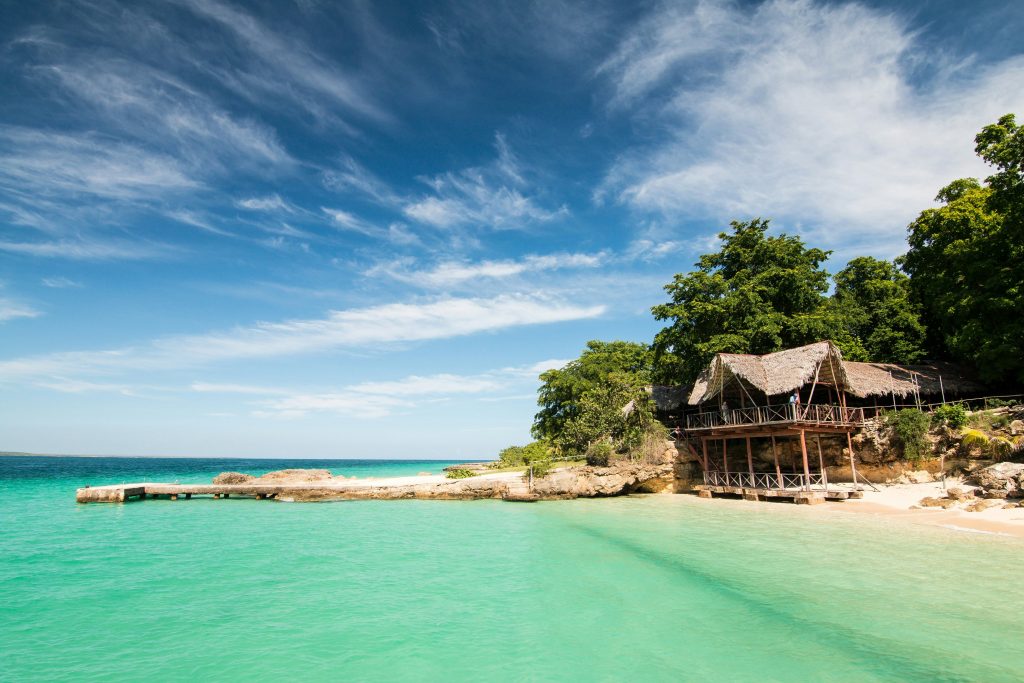
Cuba is unlike every other Caribbean island—a time capsule of 1950s Americana, Soviet-era infrastructure, extraordinary music culture, and genuine, complex history all at once. The beaches at Varadero and Cayo Coco are legitimately beautiful, but it’s Havana’s crumbling grandeur, the live music pouring from every doorway, and the warmth of Cuban culture that make it irreplaceable.
Restrictions for U.S. travelers have eased and tightened repeatedly—always worth checking current rules.
Puerto Rico
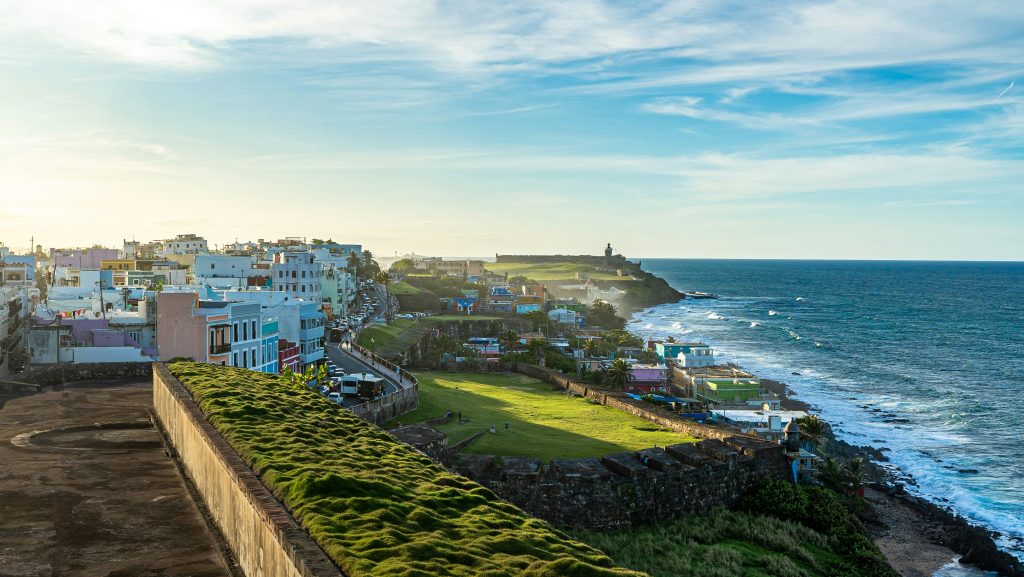
Puerto Rico offers something most Caribbean islands don’t—US territory status, which means no passport needed for American travelers, excellent infrastructure, and a culturally rich, Spanish-influenced identity that feels entirely distinct from the rest of the region. Old San Juan, with its cobblestone streets and brightly colored colonial buildings, is one of the Caribbean’s most interesting cities, and El Yunque National Forest is the only tropical rainforest in the U.S. National Forest System.
Anguilla
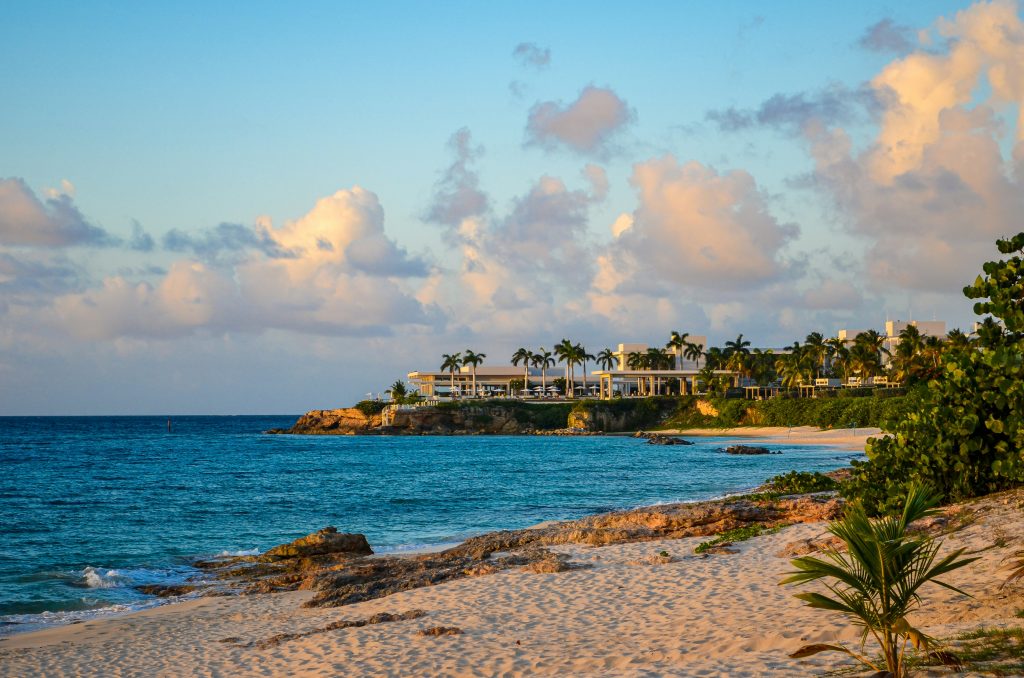
Anguilla is a small, flat, British Overseas Territory that has built a serious reputation on two things: extraordinary beaches and excellent restaurants. Shoal Bay is frequently named one of the world’s best beaches, and the island’s food scene—influenced by its proximity to French St. Martin and decades of high-end tourism—is disproportionately good for an island this size.
It’s quiet, exclusive, and very expensive.
Dominica
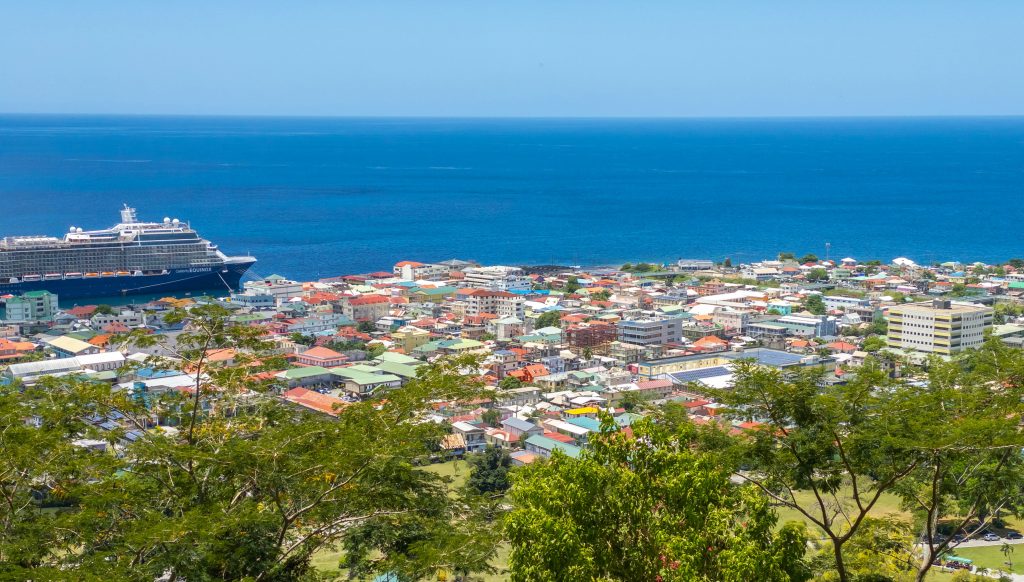
Dominica is the Caribbean’s nature island—rugged, volcanic, covered in rainforest, with very few proper beaches but an extraordinary natural environment instead. Boiling Lake, reached via a challenging hike through volcanic landscape, is one of the world’s largest hot springs.
The diving is exceptional, whale watching is reliable year-round, and the island is one of the few Caribbean destinations that remains genuinely undeveloped.
Martinique
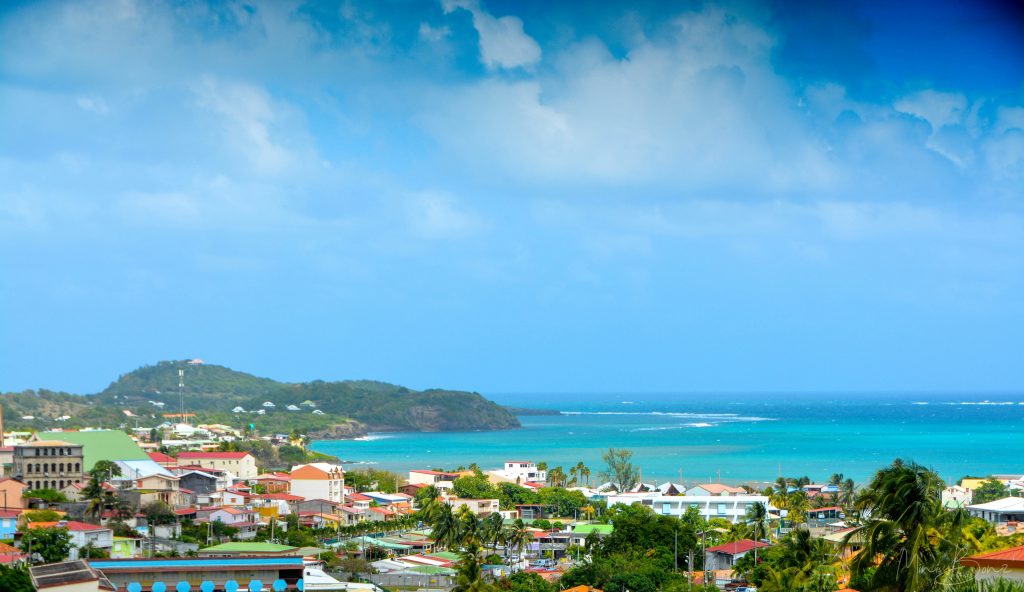
Martinique is French—entirely, gloriously French—which means the food, the wine selection, the road signs, and the attitude toward mealtimes are unmistakably Gallic. The beaches on the southern peninsula are excellent, Mont Pelée volcano dominates the north, and the island’s rum distilleries produce rhum agricole, made from fresh sugarcane juice rather than molasses.
It’s a different Caribbean experience, and a very good one.
Bonaire
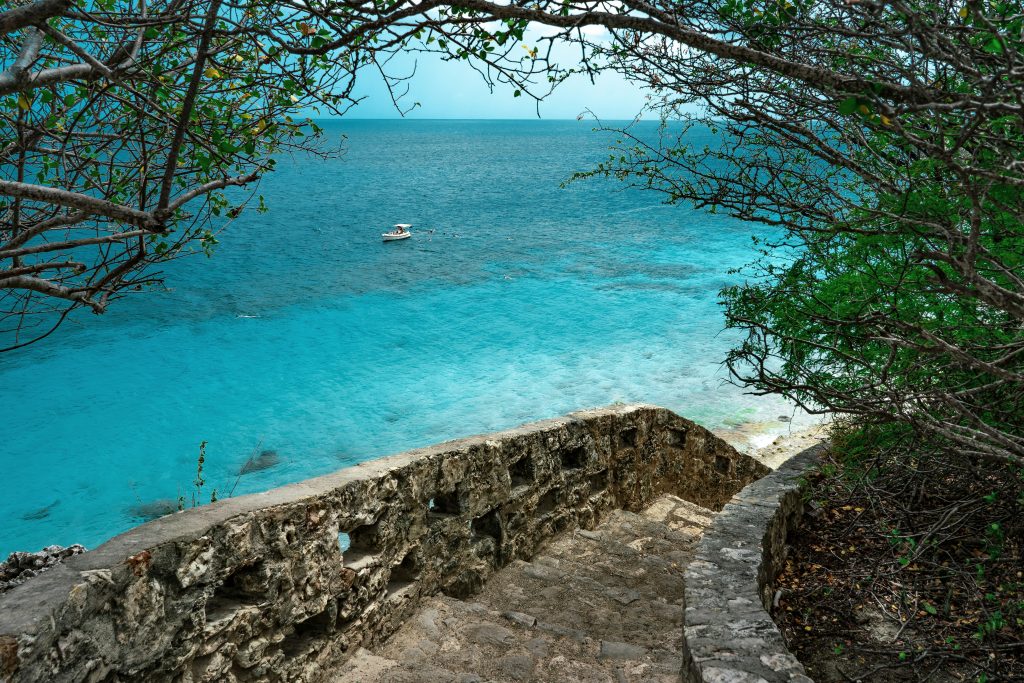
Bonaire is the Caribbean’s dive capital, and that’s not an exaggeration—the entire coastline is a protected marine park, and some of the best reef diving on the planet is accessible directly from shore. For non-divers, the island is quieter and less scenically dramatic than many neighbors, but for anyone who goes underwater, Bonaire is simply the best in the region.
Antigua
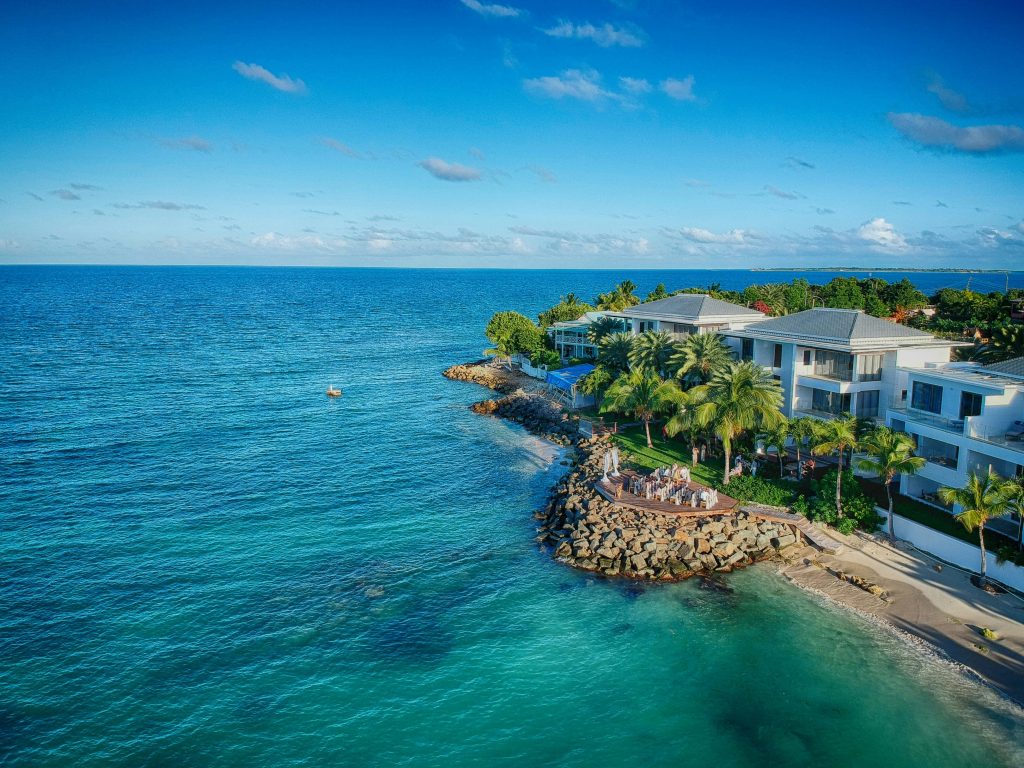
Antigua famously has 365 beaches—one for every day of the year, give or take some creative counting. It’s a sailing hub with world-class marinas and a festive sailing week in April that draws boats from across the Atlantic. English Harbour, with its 18th-century Nelson’s Dockyard, is one of the Caribbean’s most historically interesting spots, and the island’s pink and white sand beaches are consistently beautiful.
Tobago
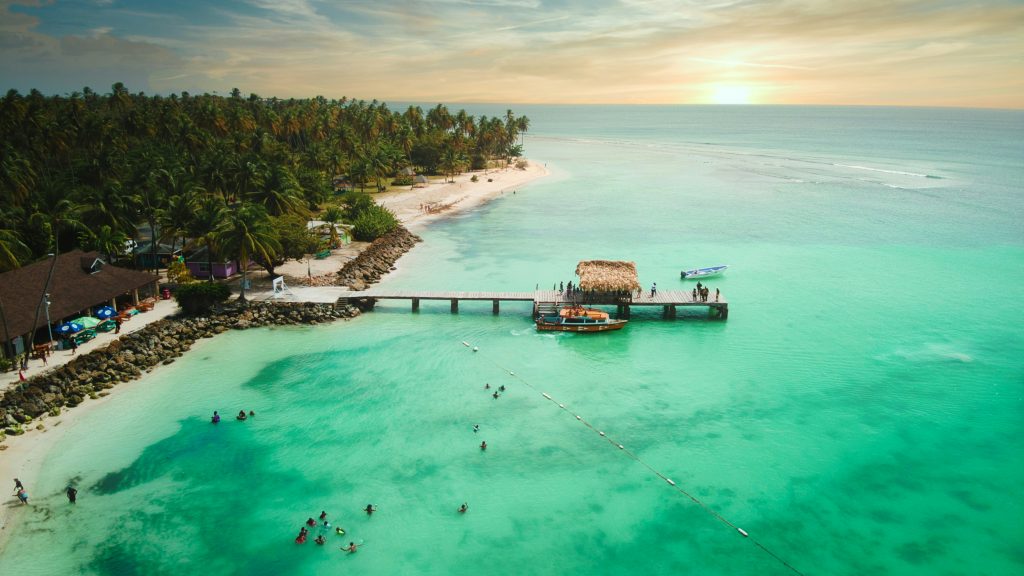
Trinidad gets the fame for Carnival, but Tobago gets the better beaches. The smaller of the twin-island nation is quiet, forested, and home to some of the Caribbean’s best untouched reef diving at Speyside.
Little Tobago island, a short boat ride from the northeast coast, is a seabird sanctuary where red-billed tropicbirds nest. It’s a genuinely off-the-beaten-path Caribbean destination that rewards the effort.
Jamaica
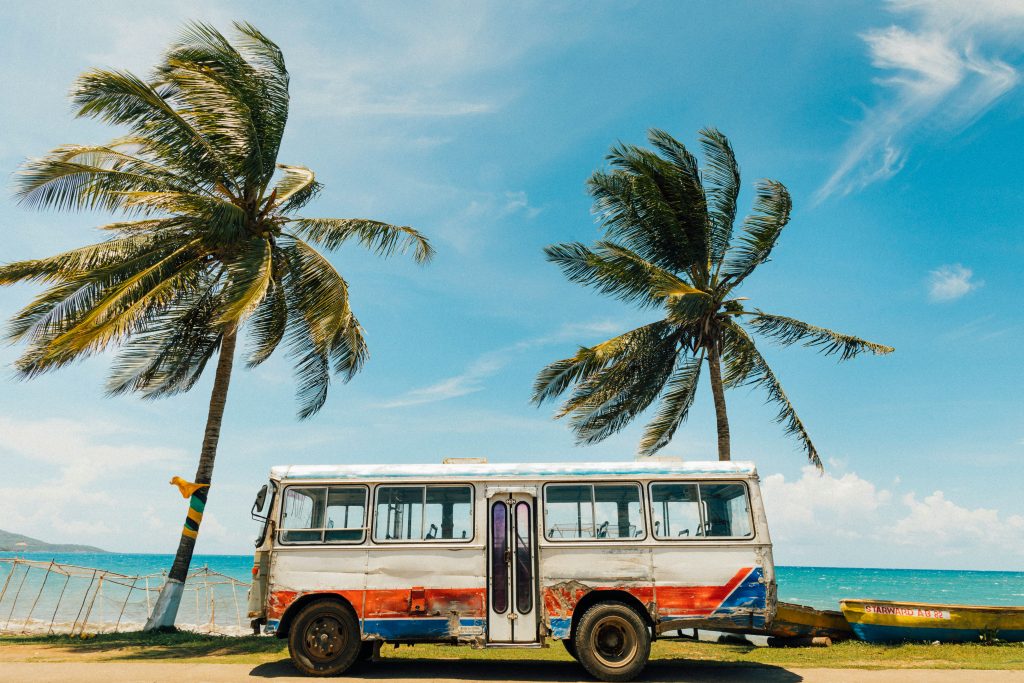
Jamaica is large and boisterous, with a musical phenomenon that is simply unmatched anywhere else in the Caribbean. Reggae and dancehall music are part of the fabric of everything—the food, the patois, the rhythm of life. The Seven Mile Beach in Negril is one of the most beautiful in the Caribbean, and the Blue Mountains in the center of the island produce some of the world’s greatest coffee.
Jamaica does everything its own way, and for the most part, it is simply magnificent.
7,000 islands, 15 standouts
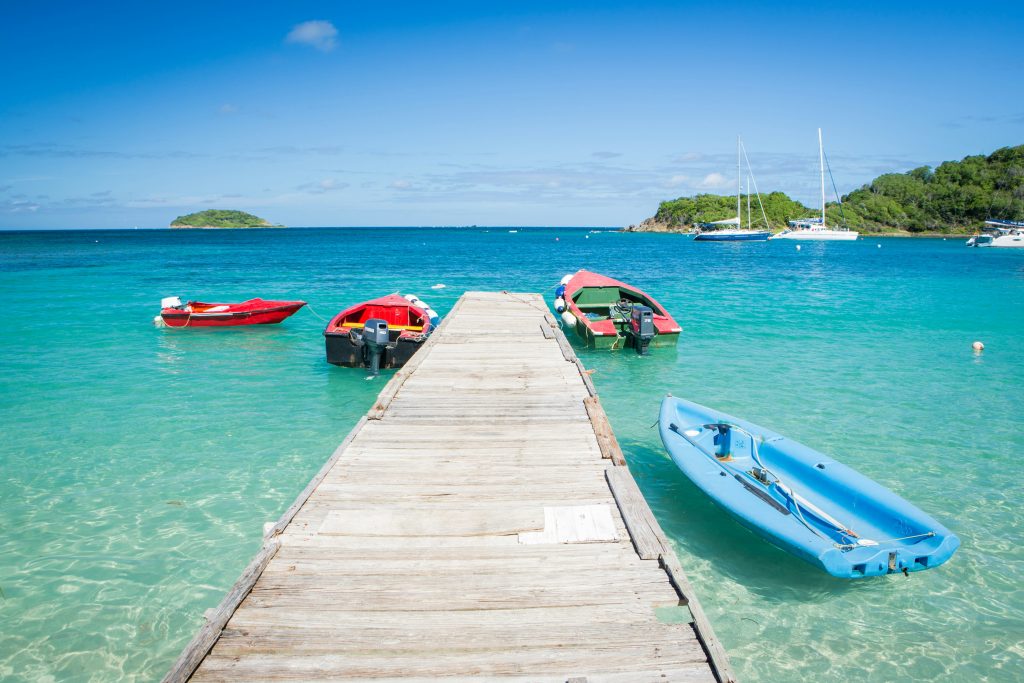
The best Caribbean islands have a certain indefinable quality that is easy to spot but difficult to describe—they have a personality, something that makes them what they are and not just a generic tropical setting. Whether it is the music of Jamaica, the nature of Dominica, or the impossible water of Turks and Caicos, the best ones give you something to take home besides a tan.
More from Travel Pug

- Underrated Italian Towns That Beat the Tourist Crowds
- Las Vegas Tourist Traps to Skip
- Prettiest Towns in Every US State
- 18 passport-free countries for Americans
- Signs Your Cruise Is Not Worth The Cost
Like Travel Pug’s content? Follow us on MSN.