

Choosing between these two Hawaiian islands feels like being asked to pick a favorite child. Both have their devoted followers who swear their island is the only one worth visiting.
The truth is more complicated than the tourism boards would have you believe — each island rewards different types of travelers, and what feels like paradise to one person might feel disappointing to another.
The decision often comes down to what you actually want from your Hawaiian experience versus what you think you should want. Instagram-worthy sunsets exist on both islands, but the path to finding them varies dramatically.
Crowds
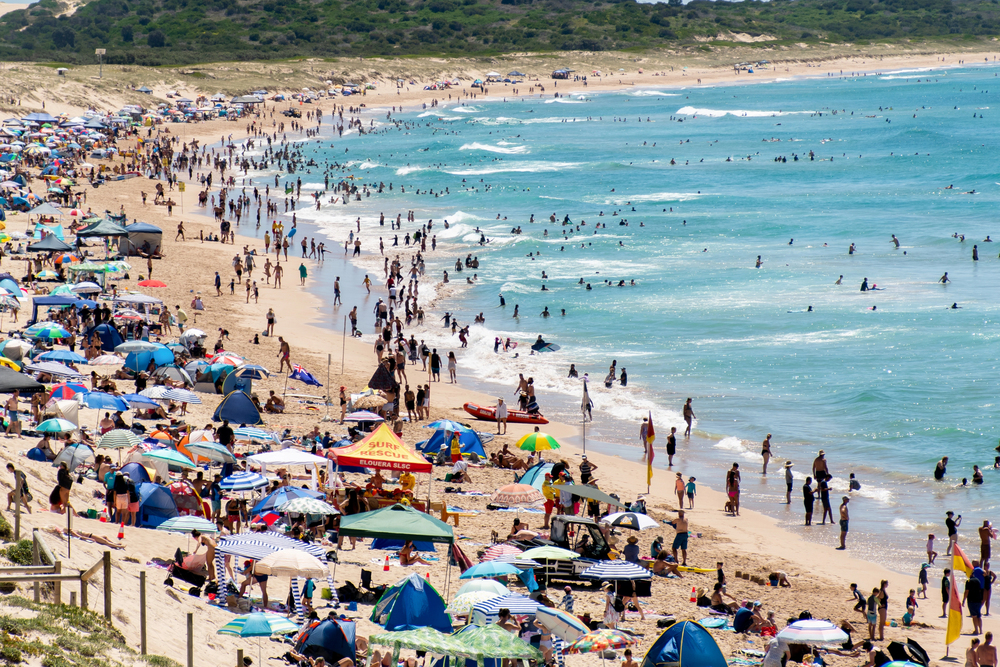
Oahu doesn’t apologize for being busy. Honolulu has traffic jams, Waikiki has shoulder-to-shoulder tourists, and popular hiking trails require arriving before sunrise to avoid the crowds.
The island serves over 5 million visitors annually, and you’ll feel every one of them.
Maui gets plenty of tourists too, but they spread out differently. The island has more space to absorb them, and outside of Lahaina and Wailea, you can still find beaches and trails that feel relatively untouched.
Not empty — just not overwhelmed.
Weather patterns

Both islands exist in multiple climate zones simultaneously, which sounds exotic until you realize it means you can drive from desert to rainforest in thirty minutes and completely misjudge what to pack. Oahu’s weather tends to be more predictable (if you can call any tropical island predictable), with trade winds that keep temperatures steady and rainfall that follows fairly reliable patterns — wet on the windward side, dry on the leeward side.
Maui’s weather is where things get interesting, though interesting isn’t always what you want when you’re planning outdoor activities. The island’s elevation changes are more dramatic than Oahu’s, which means the weather can shift from sunny and warm at sea level to cold and foggy at 10,000 feet faster than you can drive between them.
And the trade winds that make Oahu comfortable can turn certain parts of Maui (particularly around the airport and central valley) into wind tunnels that make beach days less pleasant than anticipated. But here’s the thing about Maui’s weather complexity: it also creates microclimates where you can escape whatever conditions you don’t like, assuming you’re willing to drive twenty minutes in any direction.
Beaches

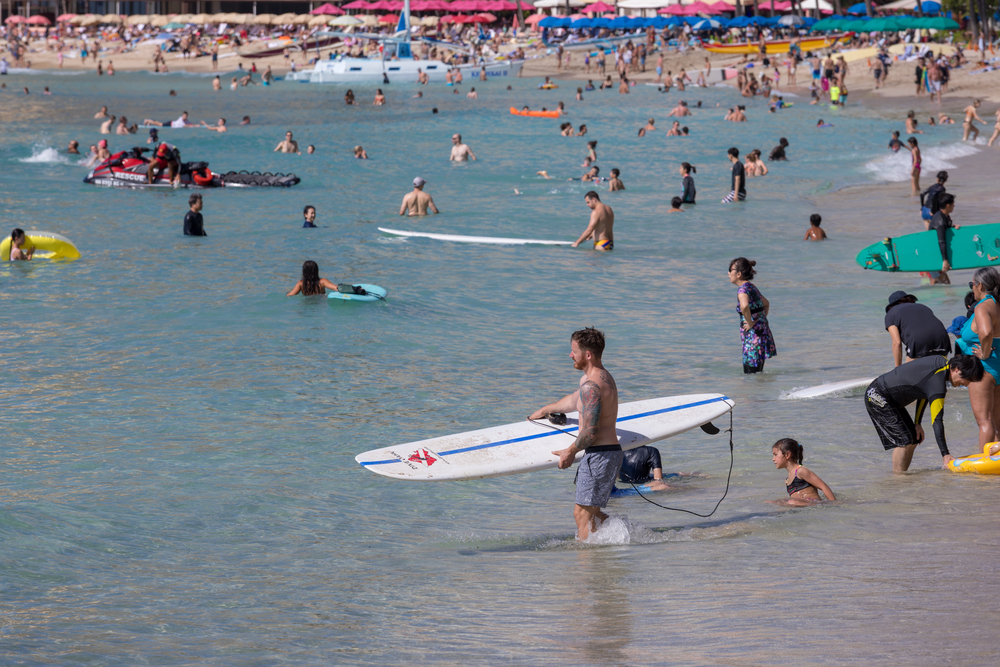
Waikiki is the beach everyone knows, and there’s something to be said for a beach that’s been perfected for tourists over the course of a century. The sand is soft, the waves are gentle, and everything you need is within walking distance.
It’s also completely artificial — the sand was imported, and the beach is maintained like a golf course.
Maui’s beaches feel wilder. Makena Beach stretches for nearly a mile without a single hotel blocking the view.
Wailea has the resort amenities if that’s what you’re after, but you can also find hidden coves where the only footprints in the sand are yours.
Dining

Oahu corrects you quickly if you think Hawaiian food means pineapple on everything. The island has the most diverse food scene in the Pacific, thanks to generations of immigrants who brought their cuisines and adapted them to local ingredients.
You’ll find exceptional Vietnamese pho, Korean plate lunches, and Japanese ramen alongside traditional Hawaiian dishes that most tourists never encounter.
Maui’s food scene revolves more around resort dining and farm-to-table restaurants that take advantage of the island’s agricultural areas. It’s excellent food, but it skews expensive and tends to cater to visitors rather than locals.
The local food exists, but you have to work harder to find it.
Nightlife

Like a city that never quite learned how to sleep properly, Oahu offers something for night owls and early risers alike. Honolulu’s bars and clubs stay open late, live music venues book touring acts that skip the other islands, and you can find decent food at 2 AM if you know where to look.
The nightlife isn’t just tourist-focused either — locals have their own scenes that visitors can stumble into if they venture beyond Waikiki.
Maui’s nightlife exists, but it feels like it’s doing you a favor. Most restaurants close by 9 PM, bars wind down early, and the island generally assumes you’d rather be watching the sunrise than staying up late.
This isn’t necessarily a flaw — it depends entirely on what kind of vacation you want.
Transportation
Oahu has actual public transportation. TheBus system connects most of the island, runs frequently, and offers low fares compared to mainland U.S. cities.
You can get by without a rental car if you’re staying in Honolulu and don’t mind planning your days around bus schedules.
Maui assumes you’ll rent a car, and it’s right. The island is built for driving, with scenic routes that make the journey part of the attraction.
Public transportation exists in theory but not in any practical sense for tourists.
Hiking

Oahu’s hiking trails snake through valleys that seem designed by someone with an eye for drama — sharp ridges, sudden waterfalls, views that appear around corners like plot twists. Diamond Head gets all the attention because it’s easy and offers great views of Waikiki, but the island’s best hikes require more effort and reward you accordingly.
The Koko Crater Railway Trail turns an abandoned railway into a natural StairMaster that leads to panoramic views, while the Lanikai Pillbox hike offers Instagram-worthy vistas without the Instagram-level crowds (yet).
Maui’s hiking centers around Haleakala, the massive volcano that dominates the island’s landscape, and the experience feels less like hiking and more like walking on another planet — which, given the volcanic landscape, isn’t entirely wrong. The crater trails wind through terrain that looks like Mars if Mars had better weather, and the elevation means you’re hiking in conditions that can shift from tropical to alpine depending on how high you climb.
But Maui also offers the Pipiwai Trail, which leads through bamboo forests to a 400-foot waterfall, proving the island can do lush and tropical just as well as stark and volcanic.
Cultural activities
Oahu houses most of Hawaii’s historical and cultural sites that matter. Pearl Harbor, Iolani Palace, and the Bishop Museum tell the full story of Hawaii’s complex history.
The island doesn’t sanitize its past for tourist comfort — you can learn about the overthrow of the Hawaiian Kingdom alongside the attack on Pearl Harbor.
Maui’s cultural offerings focus more on traditional Hawaiian activities — outrigger canoe paddling, traditional fishing techniques, and cultural centers that demonstrate pre-contact Hawaiian life. It’s more experiential than educational, which appeals to visitors who want to participate rather than observe.
Shopping

Oahu understands that some people shop for entertainment. Ala Moana Center ranks among the largest shopping centers in the world, while smaller neighborhoods like Chinatown offer everything from traditional herb shops to contemporary art galleries.
The island also has actual department stores, chain retailers, and specialty shops that cater to locals, not just tourists.
Maui’s shopping feels more curated and expensive. Gallery walks in Lahaina, upscale boutiques in Wailea, and art studios scattered around Upcountry offer unique items you won’t find elsewhere.
But if you need basic supplies, groceries, or anything practical, expect to pay resort prices even when you’re not staying at a resort.
Accommodation options
The accommodation landscape on these islands splits like a geological fault line — Oahu offers everything from hostels where backpackers share stories and instant ramen to luxury resorts where the staff remembers your coffee order, while Maui seems designed primarily for people whose vacation budgets don’t require spreadsheet calculations. On Oahu, you can find decent hotels in Waikiki for reasonable rates (reasonable being relative in Hawaii), vacation rentals in residential neighborhoods where you’ll grocery shop alongside locals, and even camping options for the truly budget-conscious.
Maui’s accommodations cluster around resort areas where the cheapest options still cost more than mid-range hotels on Oahu. The island has beautiful properties — oceanfront resorts in Wailea, boutique hotels in Hana, vacation rentals with stunning views — but budget travelers will find themselves working harder to find affordable places to stay.
And camping, while possible, requires more planning and offers fewer convenient locations than Oahu.
Adventure activities

Oahu serves up adventure in concentrated doses — shark cage diving, skydiving, helicopter tours, and deep-sea fishing all operate from easily accessible locations. The island’s adventure companies cater to day-trippers who want maximum excitement in minimum time, and most activities can be booked and completed without extensive planning.
Maui’s adventures require more commitment. The Road to Hana demands a full day and strong nerves.
Snorkeling at Molokini Crater means booking boat tours that leave early and return late. Even watching the sunrise from Haleakala requires waking up at 3 AM and driving in the dark up a mountain road.
Local character
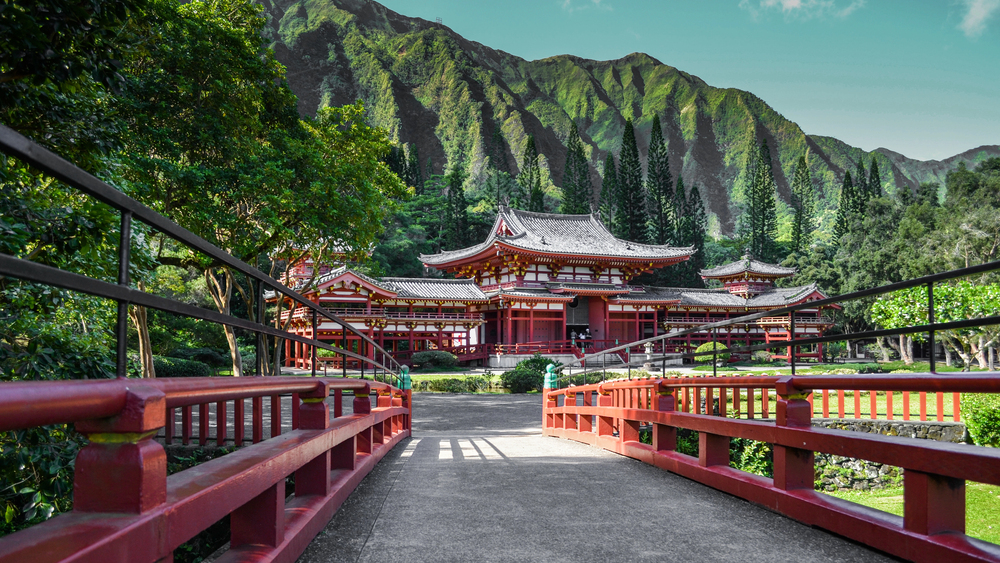
Walking through different neighborhoods on Oahu feels like flipping through chapters in Hawaii’s ongoing story — each area maintains its own identity while contributing to something larger. Kailua attracts beachgoers and vacation rental crowds, but it still functions as a real town where locals surf before work and argue about development at community meetings.
Chinatown pulses with immigrant energy and local politics, while the North Shore maintains its reputation as the epicenter of big wave surfing without turning itself into a theme park about big wave surfing.
Maui’s local character concentrates in pockets scattered across the island, connected by resort areas and vacation rental zones that can make the authentic Hawaii feel harder to access. Paia maintains its hippie surfer town vibe despite the tourist crowds, Upcountry Maui still operates working ranches and farms, and Hana offers a glimpse of old Hawaii for those willing to make the drive.
The local character exists and thrives, but it requires more intentional seeking than on Oahu.
Family-friendliness

Oahu treats families like welcome guests rather than special-needs visitors. The island offers kid-friendly beaches with lifeguards, educational attractions that don’t talk down to children, and restaurants where families can eat affordably.
Waikiki Beach provides safe swimming conditions, while attractions like the Honolulu Zoo and Waikiki Aquarium offer reliable entertainment when beach time loses its appeal.
Maui caters to families with larger budgets and more adventurous spirits. Family resorts in Wailea offer kids’ clubs and organized activities, but dining out with children gets expensive quickly.
The island’s natural attractions — snorkeling, whale watching, volcano exploring — appeal to older kids but can challenge families with young children.
Budget considerations

Oahu won’t bankrupt you as quickly. The island offers more options at every price point — from food trucks serving excellent local plates for under $10 to grocery stores where you can buy supplies without paying resort markups.
Free activities abound, from hiking trails to beaches to cultural sites, and transportation costs stay reasonable if you use public transit.
Maui assumes you’re on vacation and prices accordingly. Restaurant meals cost more, groceries cost more, activities cost more, and even gas costs more than on Oahu.
The island rewards visitors with disposable income and punishes those watching their spending.
Making your choice work
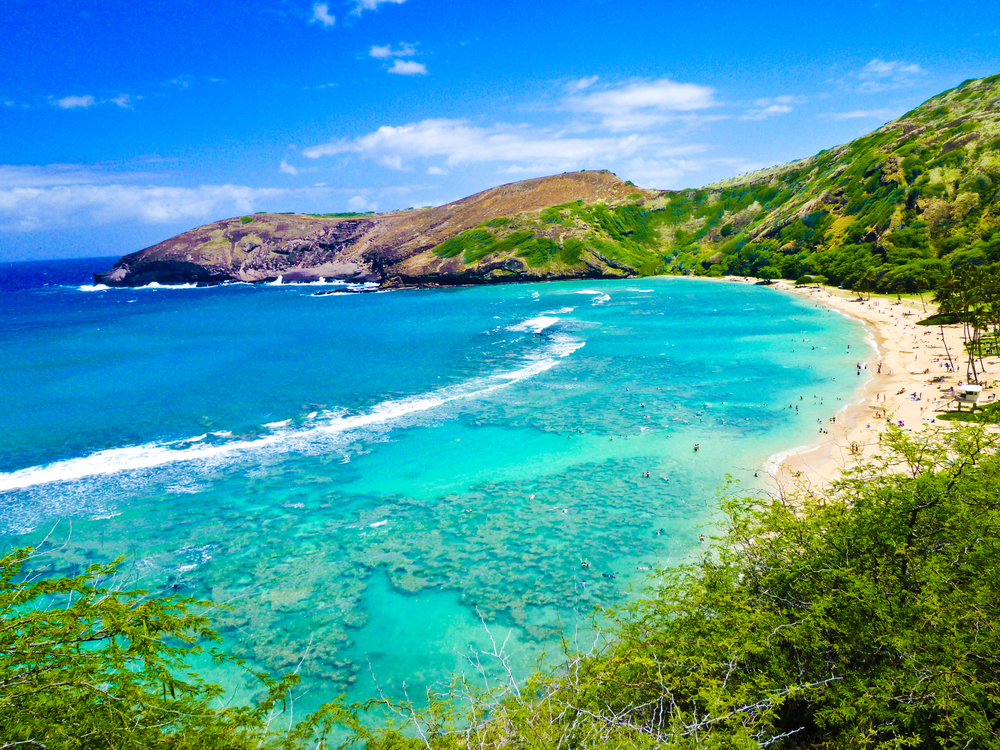
The decision between these islands shouldn’t depend on which one photographs better or which one your friends recommend. Consider how you actually spend your free time at home, then choose the island that offers the Hawaiian version of those activities.
If you enjoy cities, museums, diverse food, and having lots of options, Oahu will feel natural. If you prefer nature, quiet mornings, outdoor adventures, and don’t mind paying more for a more secluded experience, Maui makes sense.
Either choice works if you match your expectations to the island’s strengths rather than expecting both islands to be all things to all people. Hawaii rewards visitors who embrace what each place does best rather than focusing on what it doesn’t offer.
More from Travel Pug

- Underrated Italian Towns That Beat the Tourist Crowds
- Las Vegas Tourist Traps to Skip
- Prettiest Towns in Every US State
- 18 passport-free countries for Americans
- Signs Your Cruise Is Not Worth The Cost
Like Travel Pug’s content? Follow us on MSN.