

Traveling opens doors to incredible experiences, but sometimes those doors slam shut because of cultural missteps. What feels natural at home can come across as rude, ignorant, or downright insulting elsewhere.
The difference between being welcomed as a curious visitor and branded as another obnoxious tourist often comes down to understanding these unwritten rules.
Showing the soles of your feet

Keep your feet on the ground and pointed down. In many Middle Eastern, Asian, and some African cultures, exposing the soles of your feet is deeply offensive.
This means no crossing your legs with your foot pointed at someone, no propping your feet up on furniture, and definitely no casual foot-waving.
Eating with your left hand

The left hand carries baggage in many cultures — and not the luggage kind. Across much of the Middle East, Africa, and parts of Asia, the left hand is considered unclean (historically reserved for bathroom duties, if you catch the drift).
So when you’re offered food or shaking hands, stick to your right hand, even if it feels awkward at first.
Blowing your nose in public

There’s something almost theatrical about the way different cultures handle bodily functions — some embrace the communal belch after a good meal, others recoil at the sight of a tissue emerging from a pocket. In Japan, China, and several other East Asian countries, blowing your nose in public is often considered impolite or inappropriate.
And the louder it is (which, let’s be honest, always happens at the worst possible moment), the more uncomfortable everyone becomes. People will sniff quietly for hours rather than reach for a tissue, so if you must blow your nose, excuse yourself and handle it privately.
Refusing food or drink

Food refusal hits different when hospitality runs deeper than politeness. In many cultures, turning down offered food or drink suggests you think poorly of your host or don’t trust their preparation.
Middle Eastern cultures take this particularly seriously. Even if you’re not hungry, not thirsty, or worried about your stomach, accept something small and show appreciation.
Pointing with your index finger

The index finger carries more weight than it should. In many countries — including most of Africa, parts of Asia, and some European nations — pointing directly at people with your finger is considered incredibly rude.
It’s seen as aggressive, dismissive, or treating someone like an object rather than a person. Use an open hand gesture instead, or simply nod in the direction you mean.
Tipping when it’s not expected

Tipping culture is a maze where good intentions can backfire spectacularly. In Japan, leaving a tip can actually insult your server — it implies they don’t earn enough or need charity, and the gesture can cause genuine confusion or embarrassment.
And in some countries (like certain parts of Europe), service charges are already included, so your extra cash just marks you as either ignorant of local customs or someone who thinks money solves everything. But here’s where it gets tricky: in other places, not tipping when it’s expected is equally offensive.
So you’re constantly walking this line between seeming cheap and seeming clueless.
Taking photos without permission

Cameras turn people into collectors, but not everything should be collected. Some subjects — whether it’s a person going about their daily routine, a religious ceremony, or even certain buildings — aren’t meant for your photo album.
What feels like innocent documentation to tourists can feel like invasion, exploitation, or disrespect to locals. The assumption that everything is fair game for photography reveals a particular kind of entitlement that travels poorly.
Public displays of affection
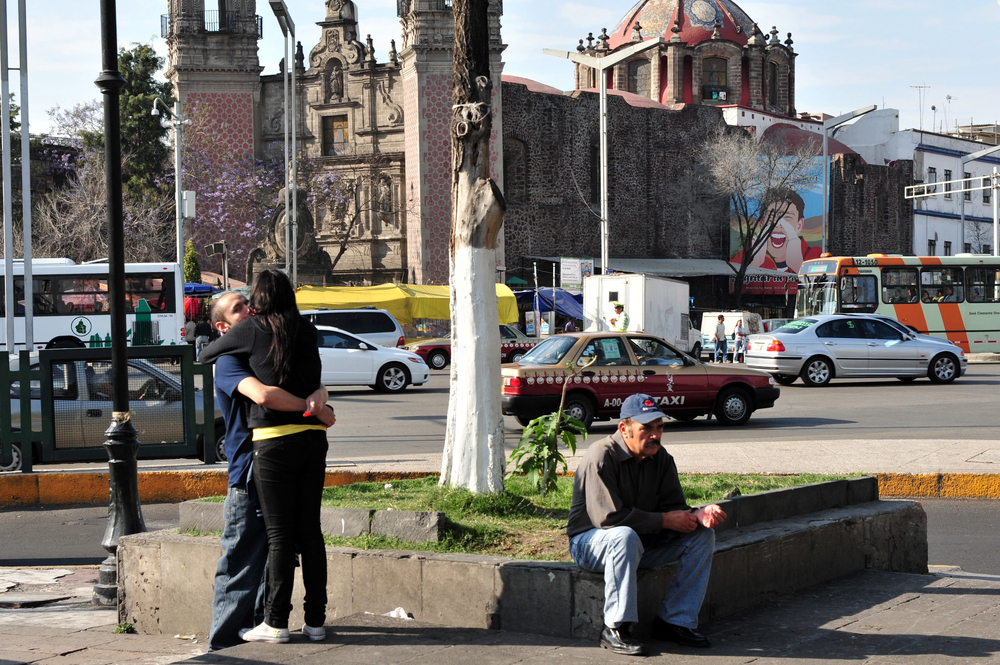
Kissing and hand-holding don’t travel the same way your passport does. Conservative countries across the Middle East, parts of Asia, and some regions of Africa consider public displays of affection inappropriate at best and offensive at worst.
Even something as innocent as a quick kiss hello can draw stares, disapproval, or in extreme cases, legal trouble.
Wearing revealing clothing in conservative areas

Dress codes aren’t just suggestions when cultural values run deep. Short shorts, tank tops, mini skirts, and low-cut tops can cause real offense in conservative countries or religious sites.
This applies to both men and women, though the standards often differ. Some places require covered shoulders and knees as a basic sign of respect.
Touching someone’s head

The head holds sacred space in many cultures, particularly in Buddhist countries like Thailand, Cambodia, and Laos. Touching someone’s head — even a child’s head in what feels like an affectionate gesture — is deeply offensive.
The head is considered the most sacred part of the body, and casual touching violates that sanctity. This includes ruffling kids’ hair or patting someone on the head playfully.
Using your thumb for gestures

Thumbs-up seems harmless enough until it isn’t (and in places like parts of the Middle East and West Africa, that innocent thumbs-up gesture can be considered offensive in some regions. The “okay” sign made with thumb and forefinger creates similar problems in Brazil and Turkey, where it’s considered quite vulgar.
Even pointing with your thumb can be rude in some cultures. So your hands, which normally help you communicate when language fails, can actually make communication much worse if you’re not careful about it.
Entering homes or sacred spaces with shoes

Shoes carry the outside world on their soles — literally and symbolically. In many Asian cultures, Scandinavian countries, and various religious spaces worldwide, wearing shoes indoors shows disrespect for the cleanliness and sanctity of the space.
Always look for cues like shoe racks by the door or other people removing their footwear.
Public nose-picking or scratching

Basic grooming habits that might slide by unnoticed at home become magnified when you’re already standing out as a foreigner. Picking your nose, scratching inappropriate areas, or other personal maintenance in public can be particularly offensive in cultures that highly value public decorum and face-saving.
It confirms negative stereotypes about tourists lacking awareness or manners.
Bargaining where it’s not appropriate

Haggling has its place, but trying to negotiate prices where fixed pricing is the norm makes you look cheap and culturally clueless. In most Western countries, Japan, and many upscale establishments worldwide, attempting to bargain is embarrassing for everyone involved.
Learn the local shopping culture before you start throwing out counter-offers.
Talking loudly in public spaces

Volume control reveals more about cultural awareness than most tourists realize. Americans and some other nationalities have reputations for being particularly loud, and this can be jarring in cultures that value quiet public spaces.
Libraries, public transportation, restaurants, and sacred sites all have different volume expectations depending on where you are.
Ignoring local religious customs

Religious customs aren’t optional when you’re visiting someone else’s home turf. Covering your head in certain religious buildings, removing shoes, dressing modestly, turning off cameras, staying quiet during services, or following specific behavioral guidelines show basic respect.
Ignoring these customs suggests you think your convenience matters more than their sacred practices.
The art of respectful travel

Cultural sensitivity isn’t about walking on eggshells or suppressing your personality. It’s about recognizing that your normal isn’t universal normal, and that showing respect for local customs opens doors that entitlement slams shut.
The best travelers learn to read the room, ask questions when uncertain, and accept that feeling slightly uncomfortable while adapting is part of the journey. That awkwardness you feel while adjusting to local customs?
It’s usually worth it for the authentic connections that follow.
More from Travel Pug

- Underrated Italian Towns That Beat the Tourist Crowds
- Las Vegas Tourist Traps to Skip
- Prettiest Towns in Every US State
- 18 passport-free countries for Americans
- Signs Your Cruise Is Not Worth The Cost
Like Travel Pug’s content? Follow us on MSN.