

The two giants of Utah and Arizona couldn’t be more different if they tried. One carves deep into the earth, offering sweeping vistas that make you feel impossibly small.
The other wraps around you like a cathedral, its towering walls creating an intimate sense of wonder. Both parks draw millions of visitors each year, but choosing between them often comes down to what kind of experience calls to you — the grand theater of endless horizons or the quiet drama of walking through stone corridors that took millions of years to sculpt.
Size and scale
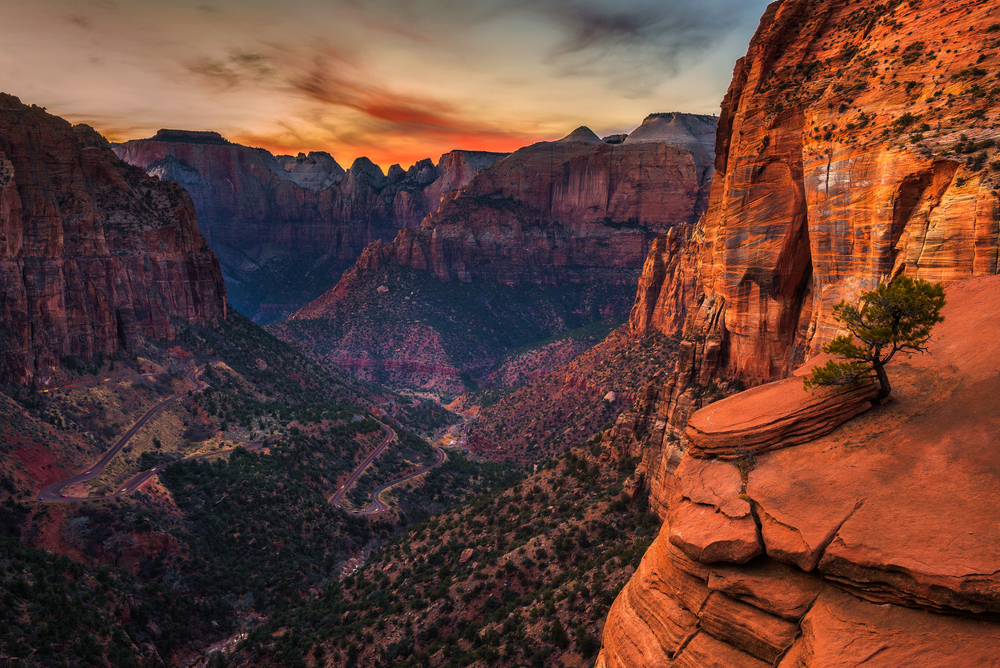
The Grand Canyon wins this one without question. Twenty-seven hundred square miles of carved landscape.
Zion covers just 229 square miles.
Numbers tell the story here. The Grand Canyon stretches 277 river miles long, up to 18 miles wide, and drops more than a mile deep in places.
Zion feels compact by comparison — which isn’t a weakness.
Crowd management
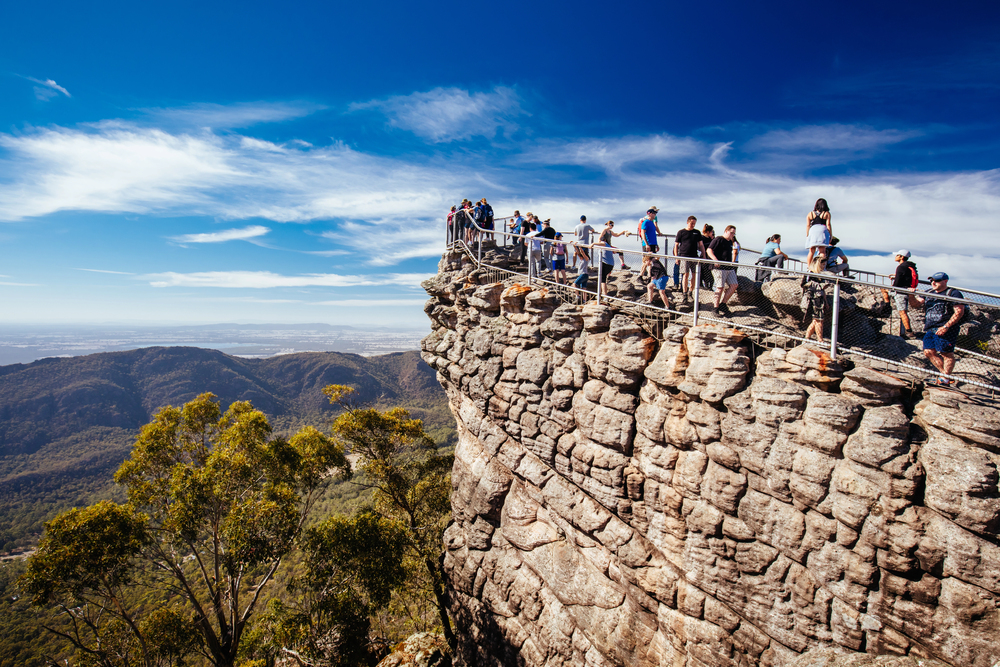
Zion requires a shuttle system from March through October (and frankly, that shuttle feels like riding a city bus through paradise, which is both annoying and oddly charming). The Grand Canyon lets you drive your own car year-round to most viewpoints, though finding parking in summer can test your patience in ways that have nothing to do with natural wonder and everything to do with circling the same lot for twenty minutes while someone takes photos next to their rental car.
The shuttle system at Zion actually works better than it sounds — buses run every few minutes, drivers know their stuff, and you don’t have to worry about parking. But there’s something to be said for the freedom of pulling over wherever you want at the Grand Canyon, even if that freedom comes with the occasional parking headache.
And the crowds at both parks during peak season can be substantial, though Zion’s narrow canyon floors concentrate people in ways that make the experience feel more crowded than the numbers might suggest.
Hiking difficulty

Zion’s famous hikes demand more from you physically. Angels Landing involves chains, exposed edges, and a healthy respect for heights.
The Narrows requires walking through a river for miles — sometimes waist-deep, always cold.
The Grand Canyon offers everything from easy rim walks to the brutal trek down to the Colorado River and back up. Most people stick to the rim trails, which means most people miss the real Grand Canyon experience.
Going down into the canyon changes everything about how you understand the place.
Photography opportunities
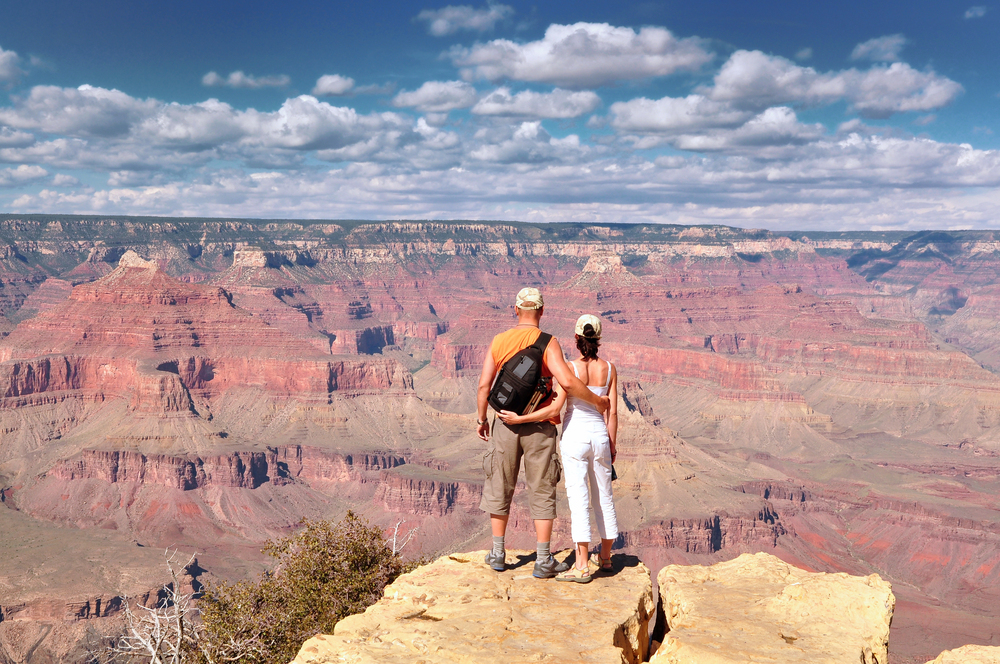
The Grand Canyon photographs like a postcard no matter what you do. Point, shoot, done.
Every angle works because the scale does the work for you. Golden hour turns the whole canyon into layered theater lighting, but even harsh midday sun creates dramatic shadows between the rock formations.
Zion photographs more like portraiture than landscape — intimate, detailed, requiring you to notice things. The light filtering down through narrow slot canyons creates scenes that look almost engineered for dramatic effect.
Water reflections in the Virgin River, red rock against impossibly blue sky, the way morning light hits the temple-like formations that gave the park its name. Both parks reward photographers, but they reward different kinds of seeing.
Weather patterns
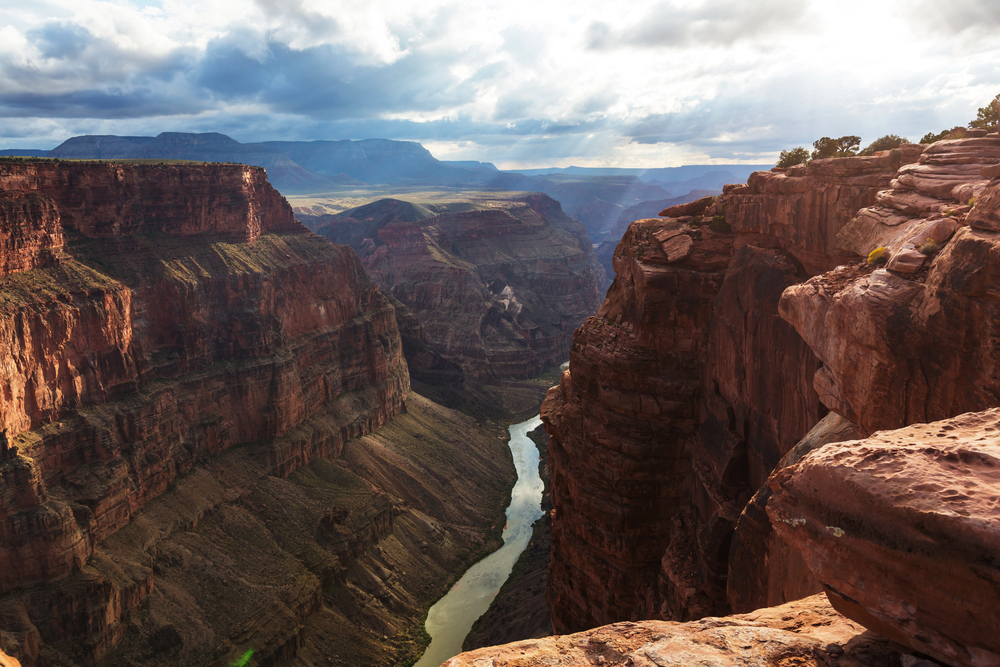
Summer in the Grand Canyon means crowds and heat, but the rim stays relatively comfortable while the inner canyon becomes genuinely dangerous. Winter brings snow, fewer people, and views that feel almost Siberian in their stark beauty.
Zion’s weather follows a different rhythm. Summer heat gets trapped in those narrow canyons, making midday hiking genuinely miserable.
Spring and fall offer the sweet spot — warm enough for river hiking, cool enough that you won’t spend the day hiding in whatever shade you can find. Winter can be spectacular if you don’t mind cold water in the Narrows and the possibility of ice on the more exposed trails.
Accessibility

The Grand Canyon wins for visitors with mobility limitations. Paved rim trails, accessible viewpoints, and shuttle services that accommodate wheelchairs.
Most of Zion’s iconic experiences require significant walking, climbing, or wading.
This isn’t a small consideration. The Grand Canyon designed its facilities with accessibility in mind.
Hermit Road, Desert View Drive, and the main visitor areas all offer spectacular views without requiring hiking. Zion’s magic happens mostly on trails — some easy, many not, but trails nonetheless.
Family considerations
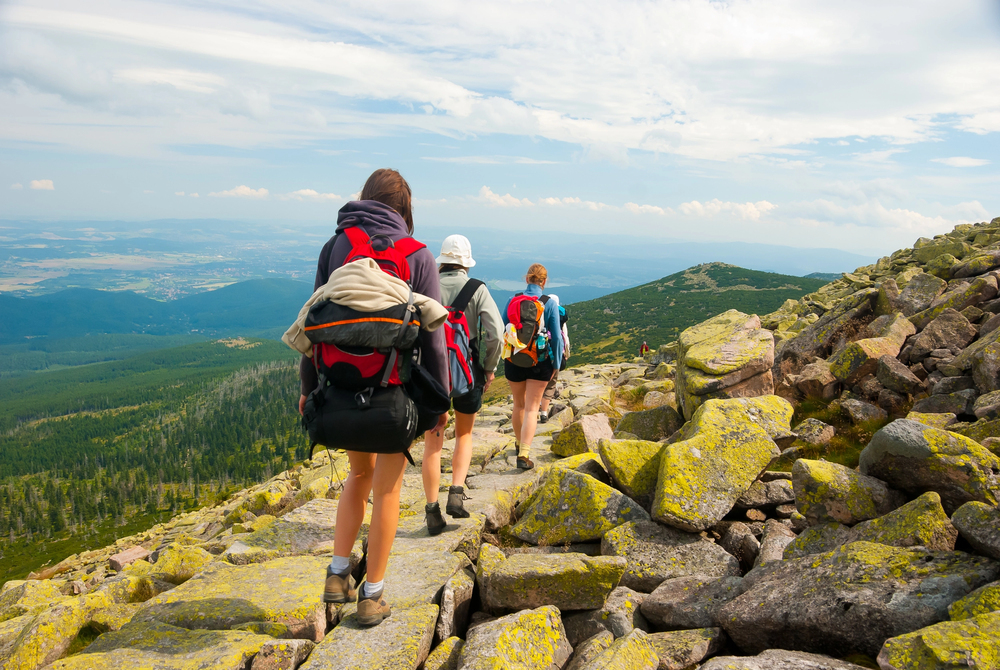
Families with young children often find more to do at the Grand Canyon. Junior Ranger programs, easy walks, and viewpoints that deliver instant gratification.
Kids don’t need to hike for hours to see something memorable.
Zion requires more planning with children. The Riverside Walk works for most ages, but Angels Landing obviously doesn’t.
The shuttle system can be fun for kids who like buses, less fun for kids who get carsick. Both parks offer family-friendly options, but the Grand Canyon offers them with less effort required from parents who are already managing plenty.
Unique experiences
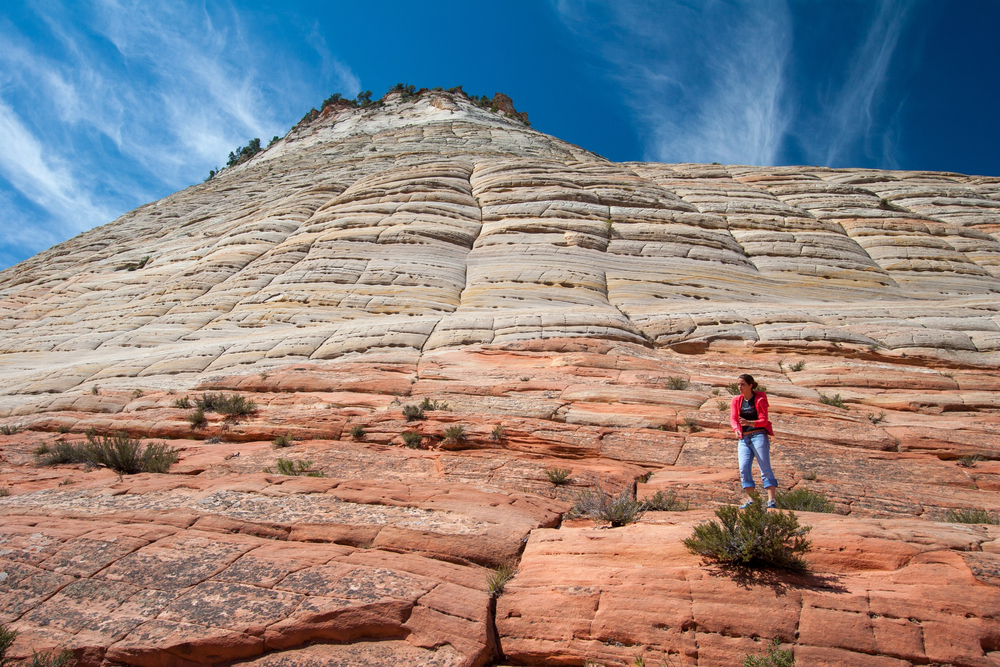
Angels Landing and the Narrows at Zion offer experiences you can’t replicate anywhere else. That final scramble up chains to Angels Landing — assuming you make it through the permit system — creates memories that stick for decades.
The Grand Canyon’s unique experience is subtler but perhaps more profound. Standing at the rim at sunrise or sunset, watching light move across geological time made visible.
Hiking down into the canyon and realizing how small you are in both space and time. Both parks change how you think about scale, but they do it differently.
Permit and planning requirements

Zion now requires permits for Angels Landing, booked months in advance through a lottery system that feels more like trying to get concert tickets than planning a hike. The Narrows requires no permit but demands gear planning — proper footwear, walking sticks, dry bags.
The Grand Canyon keeps things simpler for day visits. Show up, pay your entrance fee, start exploring.
Backcountry camping requires permits, but day hiking the rim trails or even heading partway down the Bright Angel Trail requires no advance planning beyond showing up early enough to find parking.
Cost considerations

Both parks charge the same entrance fee, but the real costs differ. Zion’s shuttle system is included, but specialized gear for hikes like the Narrows adds up.
Dry suits, canyoneering boots, walking sticks — you can rent locally, but it’s not cheap.
The Grand Canyon lets you get the full experience with whatever you’re already wearing, assuming you stick to rim trails. Going deeper requires more planning and gear, but the entry-level experience demands less specialized equipment.
Food and lodging costs run high at both parks, though Zion’s proximity to Springdale offers more dining options within walking distance.
Best time to visit
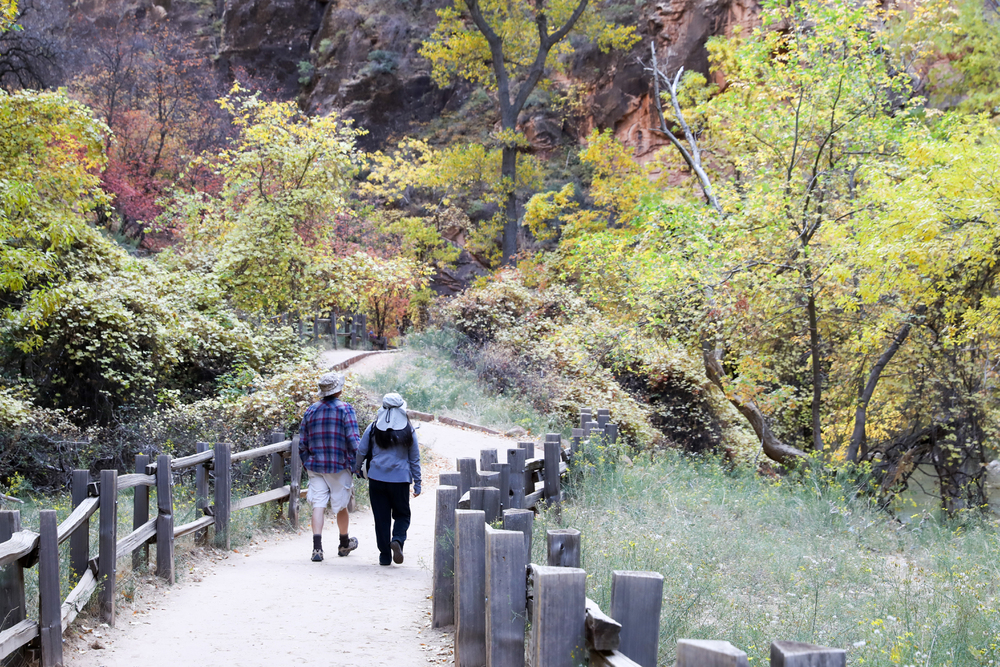
The Grand Canyon handles different seasons better. Spring and fall offer perfect weather and manageable crowds.
Summer means heat and people, but the rim stays pleasant. Winter brings snow, solitude, and views that feel almost otherworldly.
Zion demands more seasonal strategy. Late spring through early fall for the Narrows, unless you don’t mind genuinely cold water.
Summer heat in the canyon can be punishing. Winter limits some hiking options but offers solitude and dramatic storm lighting that transforms the red rocks into something almost supernatural.
Your decision point

The choice comes down to what kind of awe you’re seeking. The Grand Canyon offers the humbling experience of standing before something so vast it challenges your ability to process scale.
Zion offers the intimate thrill of moving through landscapes that feel almost designed for human exploration.
Neither park is wrong. Both will change how you think about the natural world.
The Grand Canyon makes you feel small in the best possible way. Zion makes you feel like you’re walking through a masterpiece.
Your choice depends on whether you want to stand back and marvel or step inside and explore.
Where your heart finds home
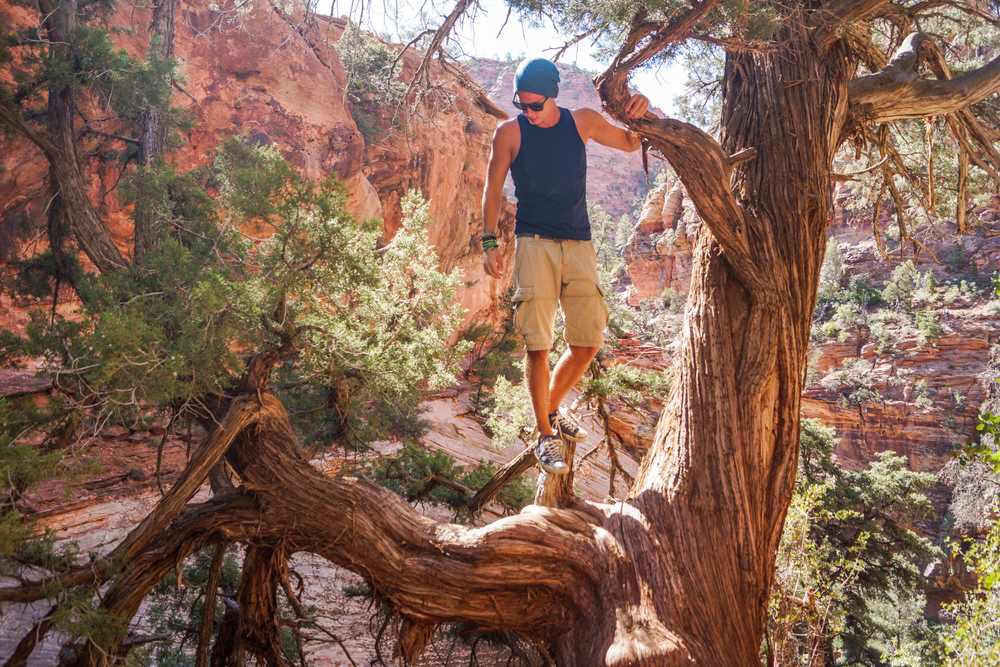
Some people know immediately which landscape calls to them — the endless horizon or the embracing canyon walls. Others need to experience both to understand the difference between being overwhelmed by vastness and being enchanted by intimacy.
Both parks offer their own version of the sublime, their own way of reminding you that the world contains wonders larger than daily concerns. The best choice isn’t the objectively better park — it’s the one that matches the kind of wonder you’re ready to receive.
More from Travel Pug

- Underrated Italian Towns That Beat the Tourist Crowds
- Las Vegas Tourist Traps to Skip
- Prettiest Towns in Every US State
- 18 passport-free countries for Americans
- Signs Your Cruise Is Not Worth The Cost
Like Travel Pug’s content? Follow us on MSN.