

Japan transforms completely between seasons, and nowhere is this more dramatic than the shift from summer to fall. The country you experience in July feels like an entirely different place than the one you’ll encounter in October.
The weather changes everything — how you move through cities, what you can comfortably see, and even how locals interact with their environment.
These aren’t subtle differences. Summer Japan demands endurance and strategy, while fall Japan invites leisurely exploration and contemplation.
Understanding these distinctions shapes every decision you’ll make, from what to pack to where you’ll want to spend your time.
Weather extremes
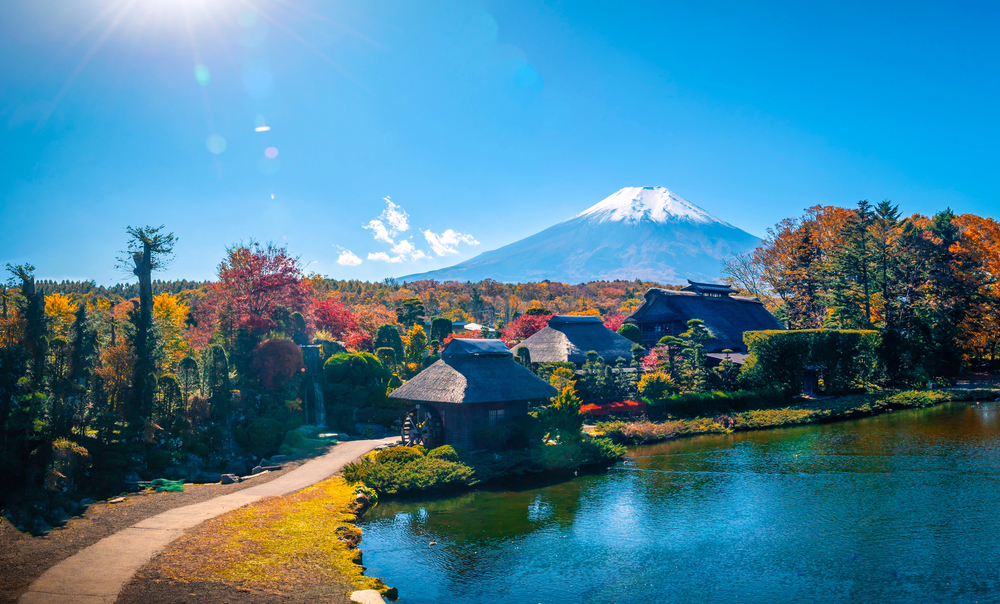
Summer hits like a wall. The heat doesn’t just sit there — it presses down, thick and relentless, turning every outdoor activity into a test of willpower.
Fall arrives like relief itself, crisp and clear, making you wonder why anyone would choose to visit at any other time of year.
Humidity levels
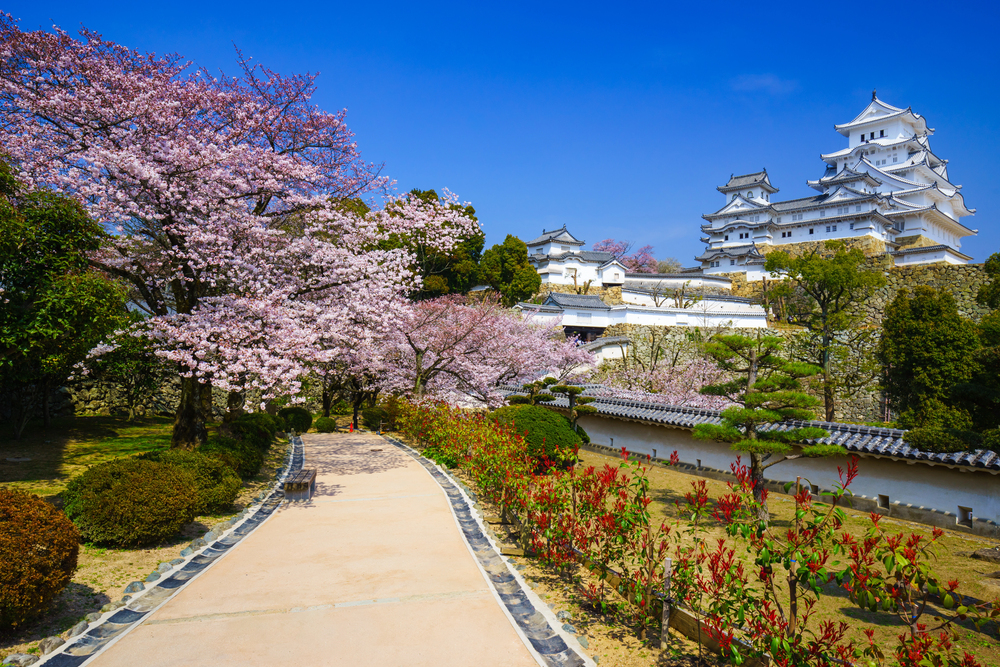
August in Japan feels like breathing through a wet towel. The air sticks to your skin, makes your clothes cling, turns a simple walk into something you need to recover from.
October strips all that away, leaving behind air that actually moves, that doesn’t fight you when you try to breathe it.
Clothing requirements
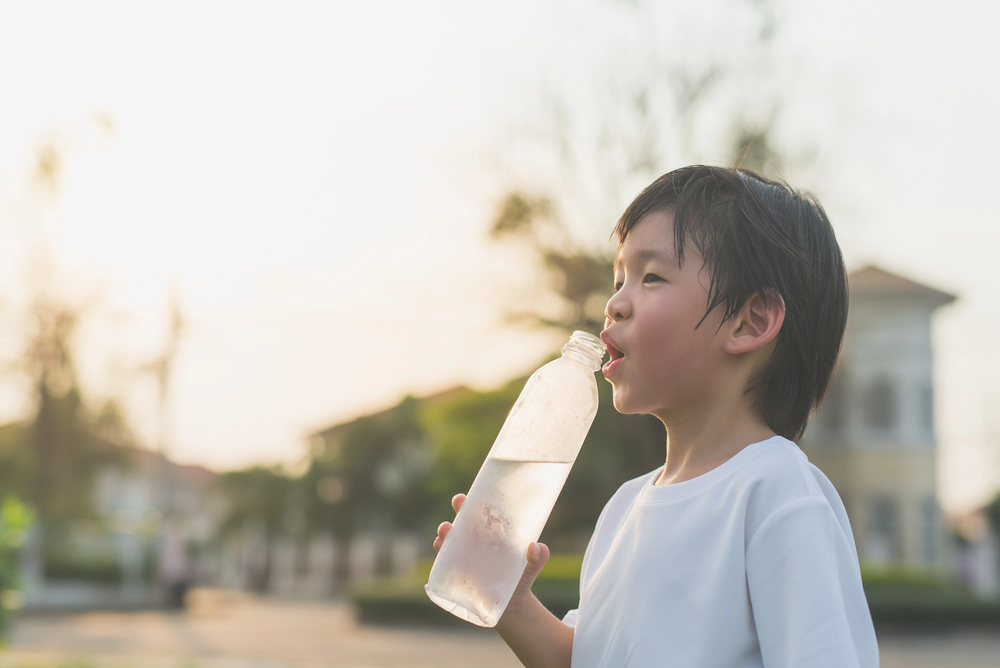
Summer forces you into lightweight, moisture-wicking everything (and even then you’ll feel like you’re wrapped in plastic), while fall lets you layer thoughtfully — a light jacket in the morning that you can shed by afternoon, clothes that actually serve a purpose beyond surviving the heat. It’s so much more civilized.
Tourist crowds
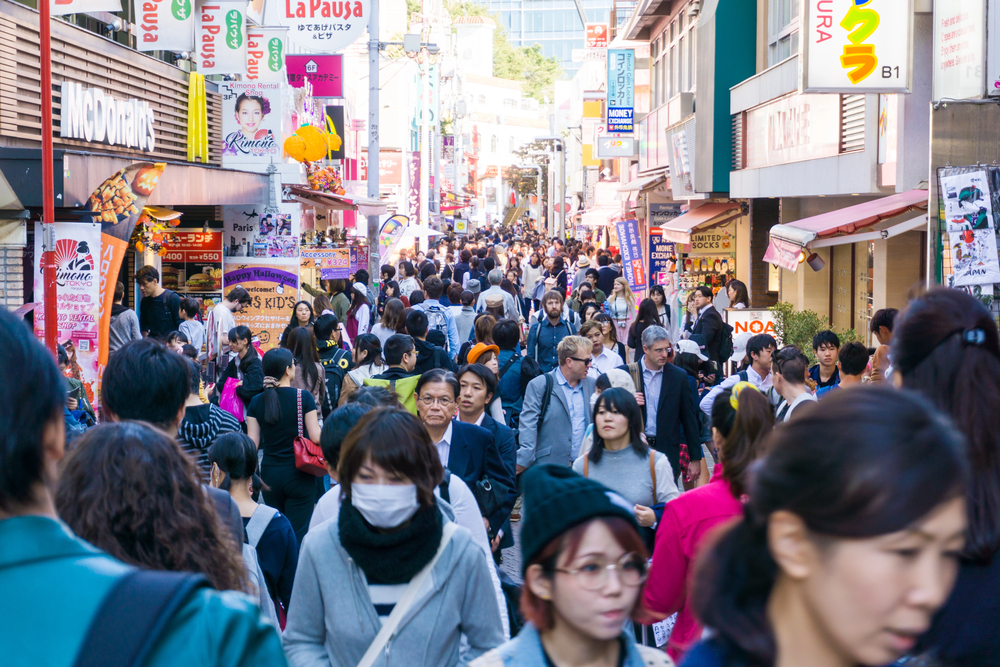
The thing about summer crowds in Japan is that they’re not just numerous — they’re desperate, all of you seeking the same air-conditioned refuge at the same time, creating bottlenecks in every temple, every museum, every covered shopping street that promises relief. And yet the irony is striking: while everyone flocks to Japan’s famous summer festivals (Gion Matsuri, the fireworks displays that light up humid nights across the country), they’re simultaneously fleeing the very conditions that make those festivals possible.
Fall tourism feels different entirely — more purposeful, less frantic. The crowds thin out just as the weather becomes perfect for actually enjoying the places they came to see.
People move more slowly through temple grounds when they’re not racing between patches of shade, when they can actually pause to appreciate the architecture without sweat stinging their eyes.
Seasonal activities
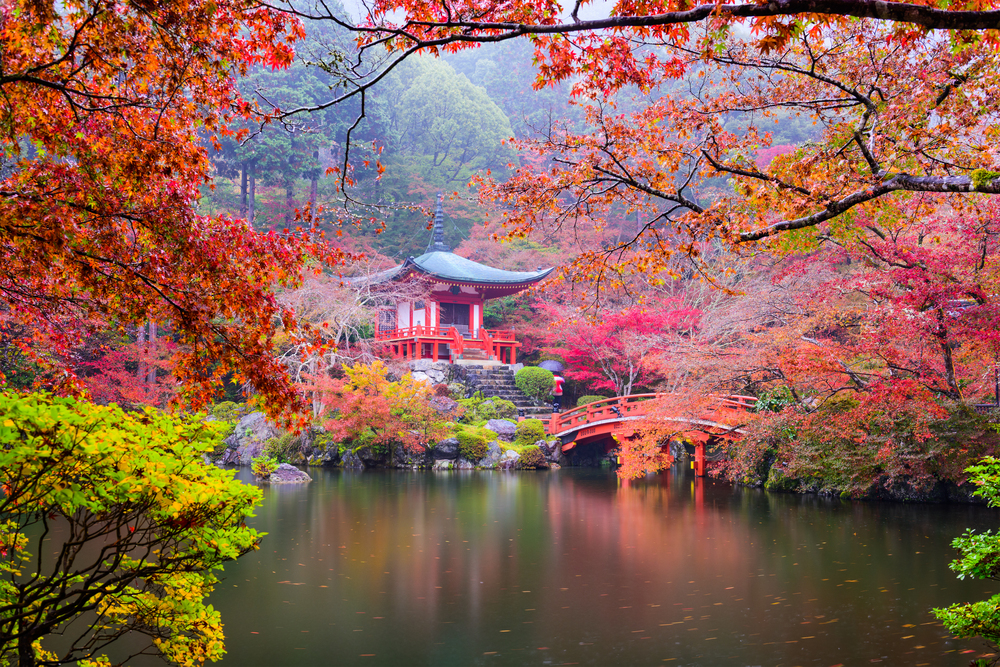
Fall owns the hiking trails. Summer heat makes mountain climbing dangerous, turns peaceful walks into endurance challenges.
But September brings back the possibility of spending entire days outdoors without strategic retreats to air conditioning.
The seasonal festivals shift too. Summer festivals center around water, cooling, surviving the heat.
Fall festivals celebrate abundance, harvest, the pleasure of being outside again.
Natural scenery

There’s a certain democracy to summer greenery — everything grows with the same aggressive intensity, creating a blanket of uniform green that, while lush, lacks the nuance that comes later. Fall scenery in Japan doesn’t just change; it performs.
The maples catch fire first, then the ginkgo trees drop their coins of gold, creating moments so visually striking they stop foot traffic. Summer’s beauty feels almost too abundant, overwhelming in its uniformity.
Fall’s beauty feels curated by some unseen artist who understands that contrast creates meaning, that a single red maple against dark cedar says more than an entire forest of green.
Food and dining

Summer dining in Japan becomes tactical. Hot food feels oppressive, so you gravitate toward cold soba, chilled tofu, anything that doesn’t add heat to an already overheated day.
Fall brings back the full menu — the hot pot restaurants, the steaming bowls of ramen, the grilled yakitori that actually sounds appealing again.
The seasonal ingredients change completely. Summer offers cooling foods, bitter melons, cold noodles.
Fall delivers sweet potatoes, persimmons, warming spices that make sense again.
Accommodation costs

Hotels jack up their rates in fall, especially during peak foliage season. Summer, despite the festivals, often costs less simply because fewer people want to endure the climate.
The economics are straightforward: comfortable weather commands premium pricing.
Transportation comfort
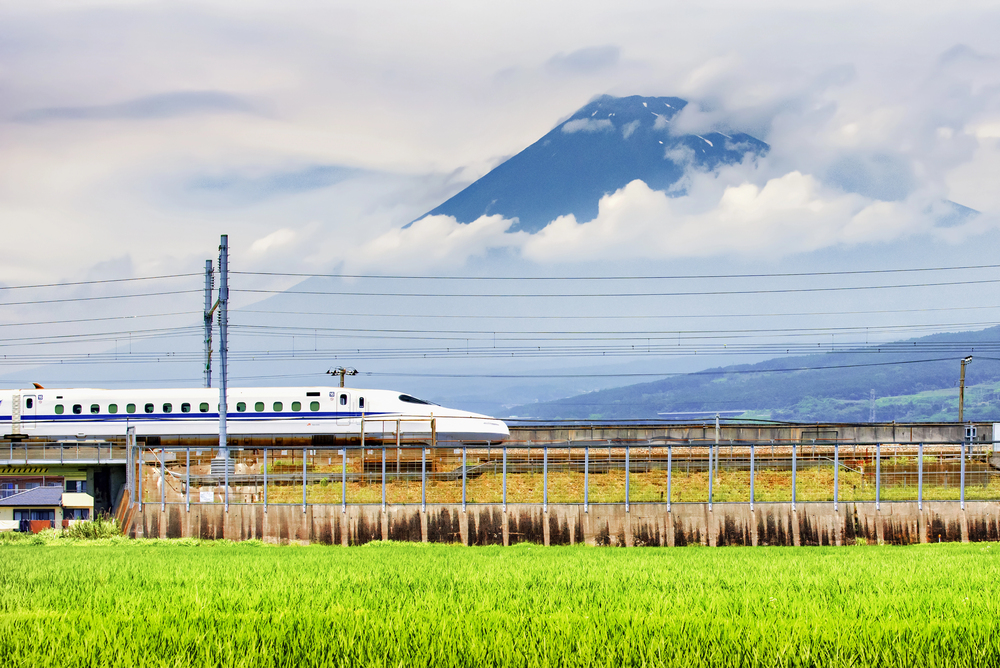
Summer trains become mobile saunas the moment doors open at stations (and that moment of hot air rushing in feels like opening an oven door, even though you know it’s coming). Fall trains are just trains again — vehicles that get you places rather than survival exercises in climate management, where you can sit by windows without calculating sun angles and heat exposure.
The bullet trains maintain their air conditioning year-round, but everything else — local trains, buses, walking between stations — becomes bearable again once September arrives. Even the platforms stop feeling like punishment for wanting to travel.
Photography conditions

Summer light in Japan comes with a haze that softens everything, which sounds romantic until you’re trying to photograph distant temples or mountain ranges and finding them obscured by humidity. The harsh overhead sun creates shadows so deep they swallow details.
Fall delivers that crisp, clear light photographers wait for. Mountains stay visible from distances that would have rendered them invisible in summer’s haze.
The lower sun angle creates longer, more interesting shadows without the brutal contrast.
Garden experiences
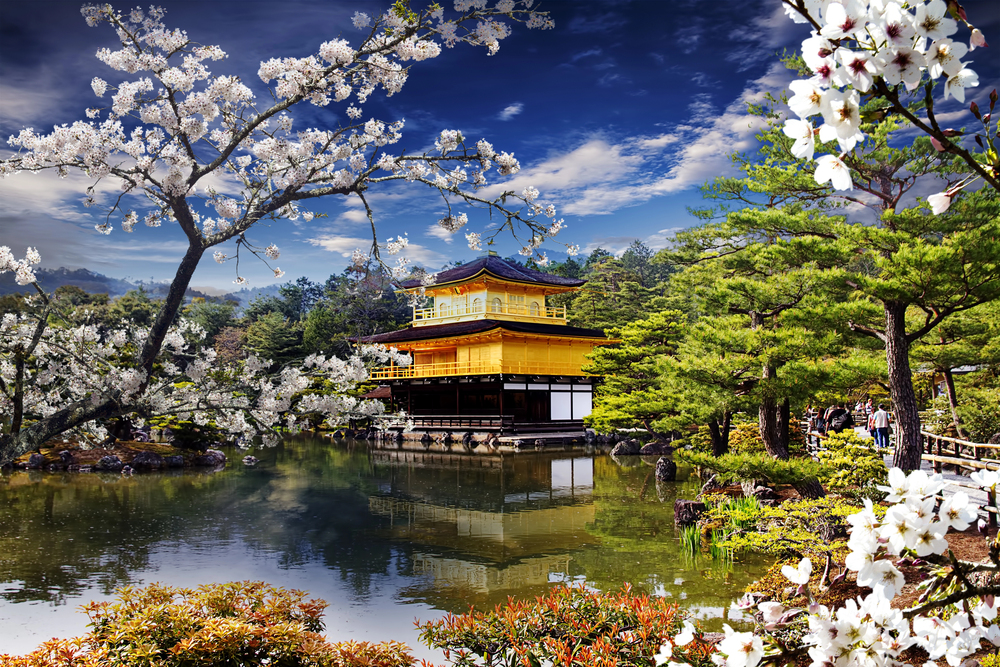
Japanese gardens suffer in summer heat; even the famous ones become endurance tests rather than peaceful retreats, their carefully planned walking paths turning into obstacle courses between shaded spots. But fall transforms these spaces completely — suddenly you can follow the intended routes, pause at viewing points without seeking shelter, actually experience the contemplative rhythm these gardens were designed to provide.
The autumn colors don’t just decorate the landscape; they restore the gardens to their proper function as places for quiet reflection rather than quick, heat-addled visits.
Festival atmosphere
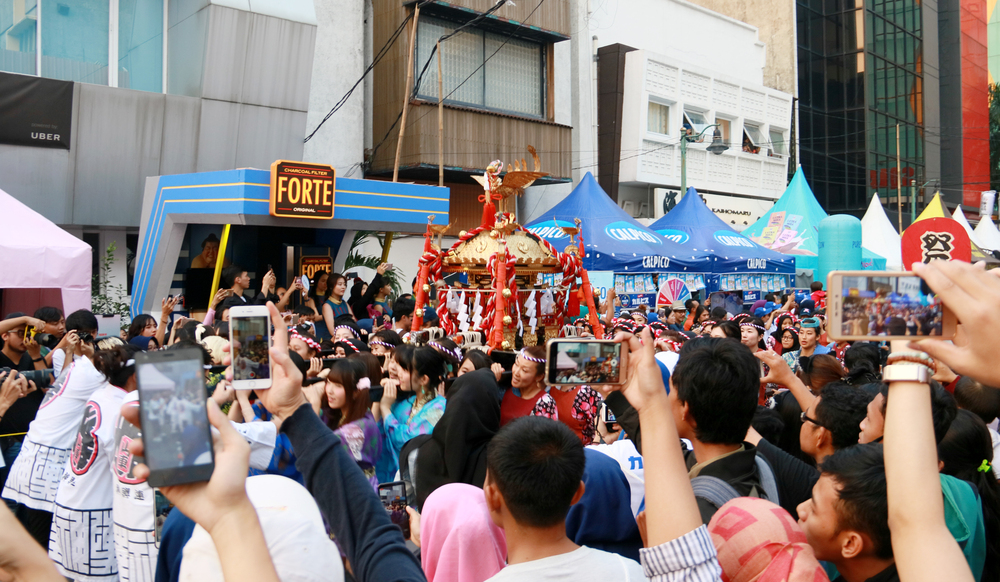
Summer festivals pulse with a kind of desperate energy. Everyone knows they’re fighting the heat, so there’s urgency mixed with celebration.
Fall festivals feel more relaxed, more social. People linger instead of seeking the next shaded spot.
The matsuri in summer revolve around cooling elements — water, ice, evening timing. Fall festivals celebrate outdoors comfortably, with elaborate processions that can actually be watched without suffering.
Daily schedule flexibility

Summer forces you into rigid scheduling. Early morning activities, midday retreats, and evening emergence.
Fall gives you back the full day, lets you wander without watching the thermometer, extends your useful hours from about six to twelve.
Regional accessibility
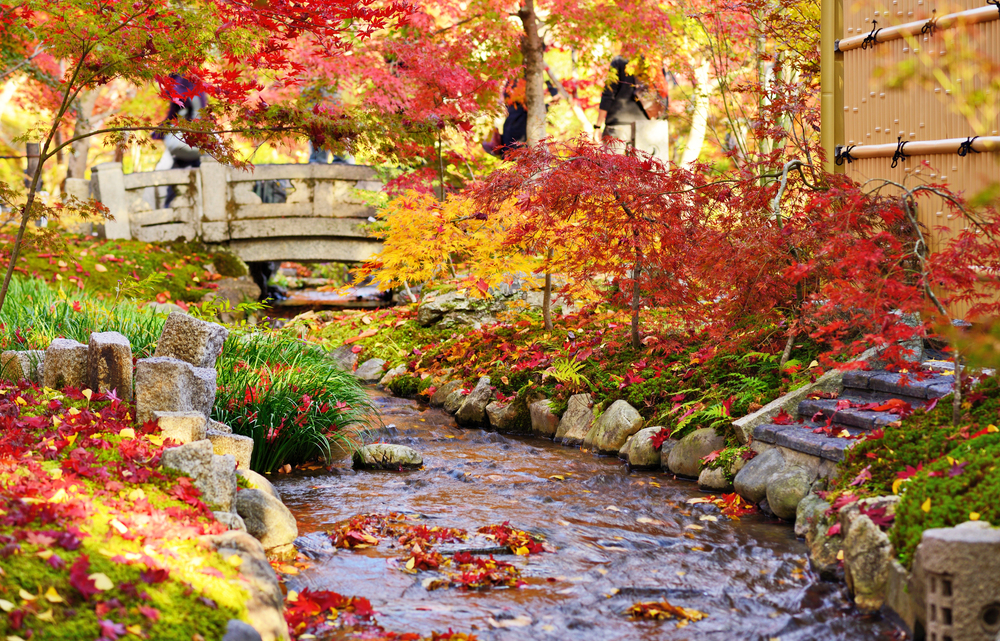
Mountain regions become approachable again in fall. Summer makes higher elevations the only comfortable option, but they’re crowded with heat refugees.
Fall opens up everything — cities, mountains, rural areas — without the climate determining your choices.
Shopping and markets

Outdoor markets resume normal operations in fall. Summer markets either close early or become sprint-shopping experiences.
Fall brings back the pleasure of browsing, of taking time with vendors, of carrying purchases without everything wilting in the heat.
Cultural site comfort
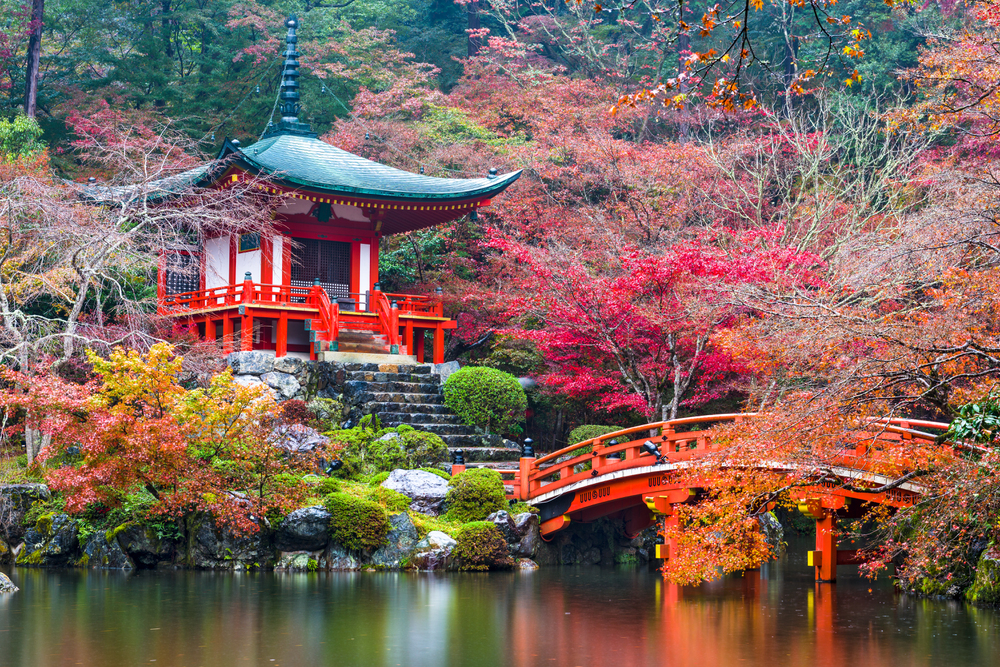
Temple visits become meditation again instead of heat endurance tests. You can actually read the informational signs, spend time with the art, sit in the gardens.
Summer temple visits feel rushed by necessity; fall visits can unfold at their proper contemplative pace.
The real choice you’re making
Choosing between summer and fall in Japan isn’t really about preferences — it’s about whether you want to fight the country or let it welcome you. Summer demands strategy, endurance, constant adaptation to conditions that work against comfortable exploration.
Fall hands you the keys to everything Japan offers without making you earn them through suffering. The choice seems obvious, but somehow people keep choosing summer for the festivals, then spending those festival days seeking refuge from the very season that makes them possible.
More from Travel Pug

- Underrated Italian Towns That Beat the Tourist Crowds
- Las Vegas Tourist Traps to Skip
- Prettiest Towns in Every US State
- 18 passport-free countries for Americans
- Signs Your Cruise Is Not Worth The Cost
Like Travel Pug’s content? Follow us on MSN.