

Planning a trip always comes with that moment of choice: book the tour or strike out on your own? It’s one of those decisions that feels simple until you start weighing the options.
Both approaches have their devoted followers, and both can lead to incredible experiences or disappointing ones, depending on what you’re looking for. The right choice depends on factors you might not have considered yet.
Budget constraints
Tours cost money upfront. That’s obvious.
What’s less obvious is whether they actually cost more than going alone.
The sticker price looks steep, but tours bundle everything together. Transportation, entrance fees, sometimes meals.
When you add up what those items would cost separately, the math shifts. Solo travel lets you control every expense, but it also means every expense is on you to figure out.
Time limitations

Some people treat vacation time like it’s renewable (it’s not, and those people usually work in tech or academia where boundaries blur into suggestions). When you’ve got exactly seven days and a list of must-see places, efficiency matters more than spontaneity.
Tours excel at cramming maximum sights into minimum time — they’ve refined their routes through years of trial and error, which means less wandering around looking for the thing you came to see.
And yet there’s something to be said for having nowhere to be at 9:47 AM, which brings its own kind of satisfaction that no tour can replicate. But when time is genuinely short (and for most people it genuinely is), the luxury of aimless wandering becomes an expensive indulgence that might cost you the chance to see what you actually came for.
Tours understand that your vacation days are finite, even if you sometimes forget that fact until you’re booking the return flight.
Language barriers
Travel reveals how much communication we take for granted. Ordering coffee becomes a puzzle.
Reading street signs turns into guesswork. Asking for directions involves an elaborate game of charades that everyone plays but no one enjoys.
Guided tours come with translators built in. The guide handles the logistics while you focus on experiencing the place rather than decoding it.
Solo travel forces you into those awkward exchanges, which some people find thrilling and others find exhausting. Both responses are valid, but only you know which category you fall into.
Personal interests and flexibility

A good museum deserves three hours. A mediocre one gets 20 minutes.
Tours don’t make these distinctions — they operate on schedule, not fascination. If something captures your attention, too bad.
If something bores you, tough luck. The group moves as a unit, which means moving at the speed of the least engaged person.
Solo exploration lets curiosity set the pace. That hidden courtyard, that intriguing side street, that cafe with the perfect lighting — these discoveries happen when you’re free to follow impulses rather than itineraries.
The trade-off is obvious: freedom to linger means freedom to waste time, and not every impulse leads somewhere worthwhile.
Social interaction preferences
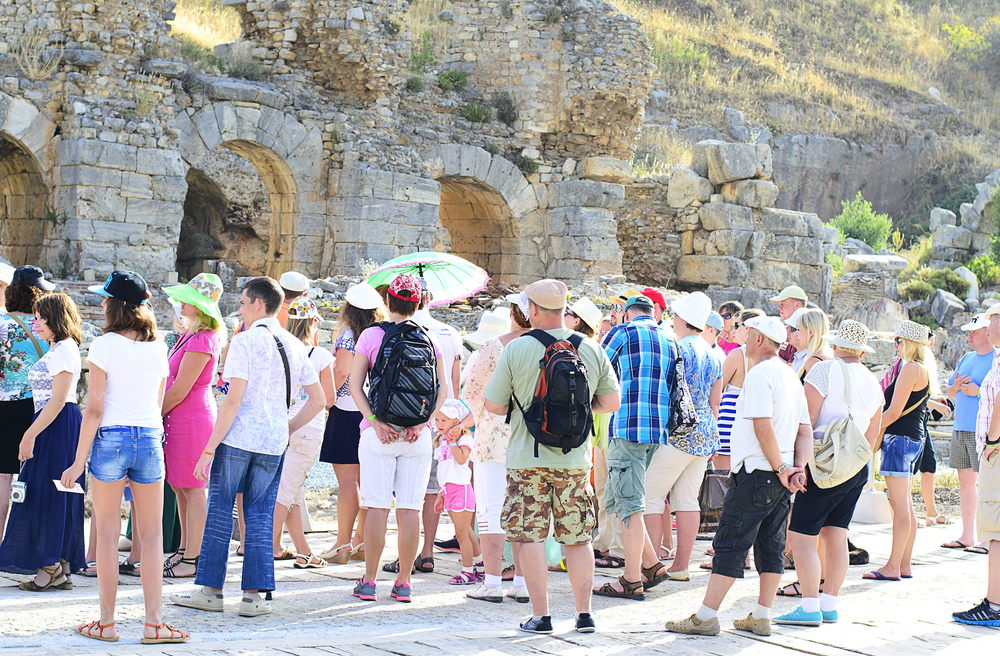
Group tours create instant communities. Strangers bond over shared experiences, inside jokes develop around the guide’s quirks, and friendships form in the space between scheduled stops.
For travelers who thrive on social energy, this built-in camaraderie can transform a good trip into a great one.
But these same social dynamics can feel suffocating if you prefer solitude or if the group chemistry goes wrong. There’s always that one person who asks too many questions, shows up late, or treats every moment like a photo opportunity.
You can’t escape them — they’re part of the package, and the package lasts all day.
Safety and security concerns
Some destinations demand local knowledge to navigate safely. Political situations, natural hazards, cultural sensitivities, neighborhoods to avoid — guides know these things because it’s their job to know them.
They’ve walked these streets hundreds of times and understand the subtle signs that tourists miss.
Solo travel puts personal security entirely in your hands. That independence comes with responsibility, and not everyone wants that responsibility while they’re trying to relax.
Tours provide a buffer of expertise, which matters more in some places than others.
Knowledge and expertise
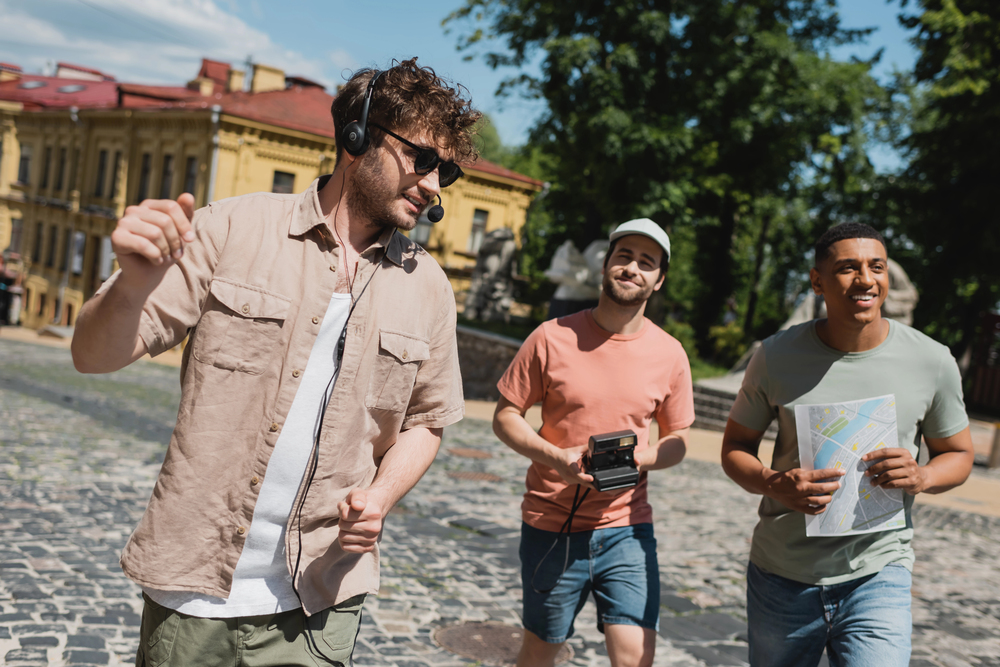
Tour guides accumulate stories. Not just the official history, but the gossip, the legends, the details that bring places to life.
They know which window the poet looked through, where the revolution really started, why that building is painted that particular shade of blue. This context transforms sightseeing from looking at things to understanding them.
Guidebooks contain facts. Guides contain perspective.
The difference matters more than it seems like it should.
Logistics and planning
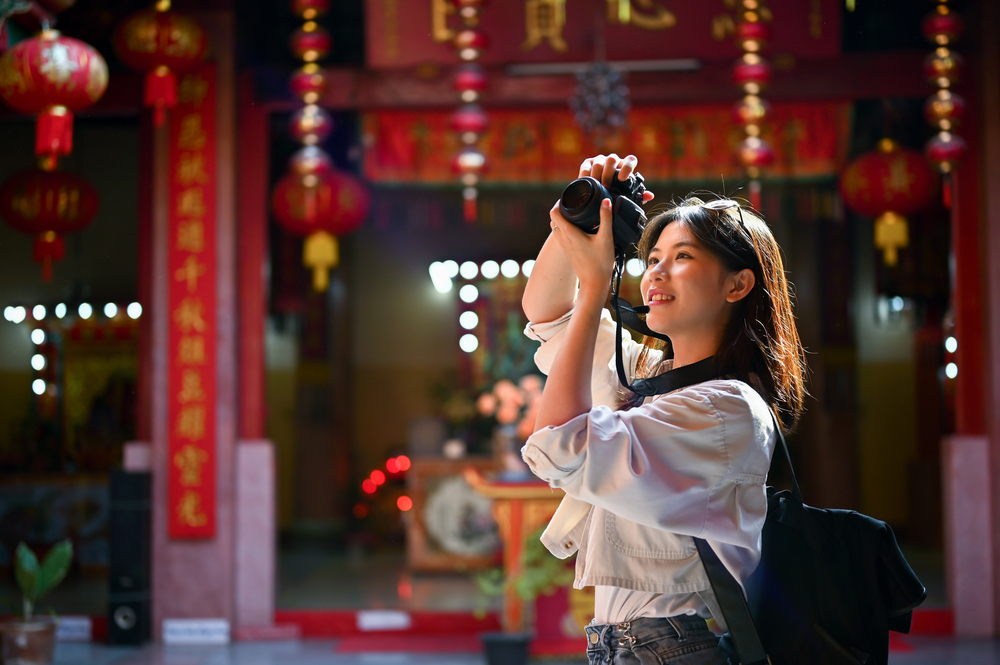
Booking tours means someone else handles the logistics. Transportation, timing, entrance fees, restaurant reservations — the administrative burden disappears.
You show up and follow along, which appeals to people who spend their daily lives managing complex schedules and making decisions.
Planning your own itinerary requires research, phone calls, backup plans. Some travelers find this process exciting; others find it exhausting.
Neither response is wrong, but knowing which type you are helps determine whether the planning phase will enhance your trip or drain energy from it before you even leave.
Cultural immersion depth
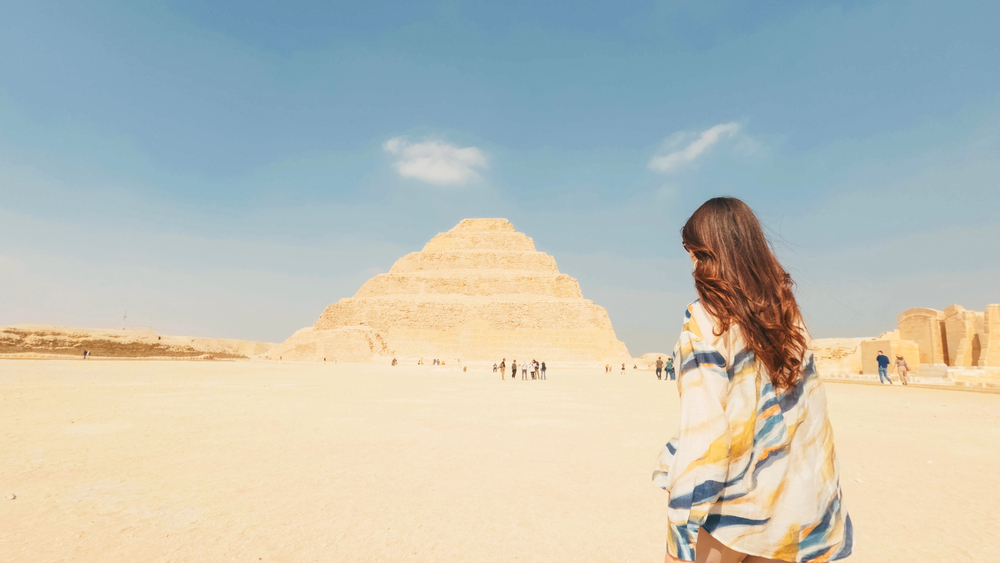
Tour groups move through places like bubbles — present but separate. Local interactions get filtered through the guide, experiences get curated for mass consumption, and authentic moments become harder to find.
The efficiency that makes tours valuable also creates distance from genuine cultural exchange.
Independent travel strips away these protective layers. Mistakes become learning opportunities, miscommunications become stories, and the gap between tourist and traveler narrows.
This deeper immersion comes at a cost: more confusion, more discomfort, more chances for things to go wrong.
Photography and documentation
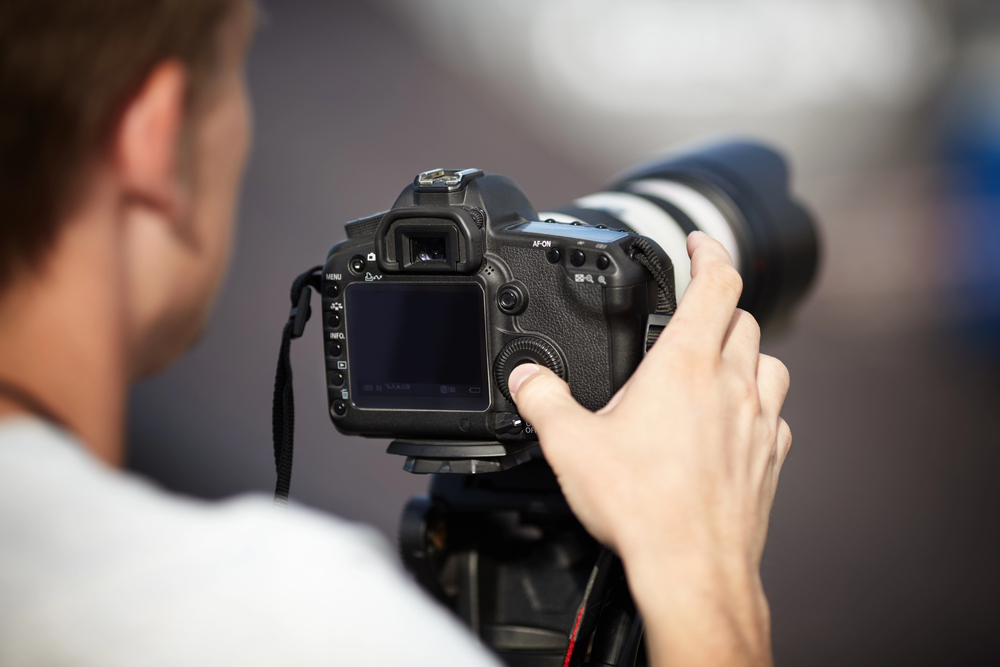
Tours operate on shared schedules, which means shared photo opportunities. Everyone gets the same shot from the same angle at the same time of day.
Professional photographers find this limiting; casual photographers find it convenient. The group rarely stops for that perfect light or that interesting detail that catches your eye.
Solo travel lets you chase the shot. Golden hour, empty streets, candid moments — these photographic opportunities require patience and flexibility that group tours can’t accommodate.
Weather and seasonal factors

Bad weather ruins outdoor tours. Rain, snow, extreme heat — these conditions make group sightseeing miserable for everyone involved.
Tours run regardless of conditions because they can’t reschedule twenty people on short notice. You get wet, cold, or overheated along with everyone else.
Independent travelers can adapt. Duck into museums when it rains, adjust plans when temperatures soar, take advantage of unexpected clear skies.
This flexibility becomes crucial in destinations where weather changes quickly or seasonal conditions affect accessibility.
Physical demands and accessibility
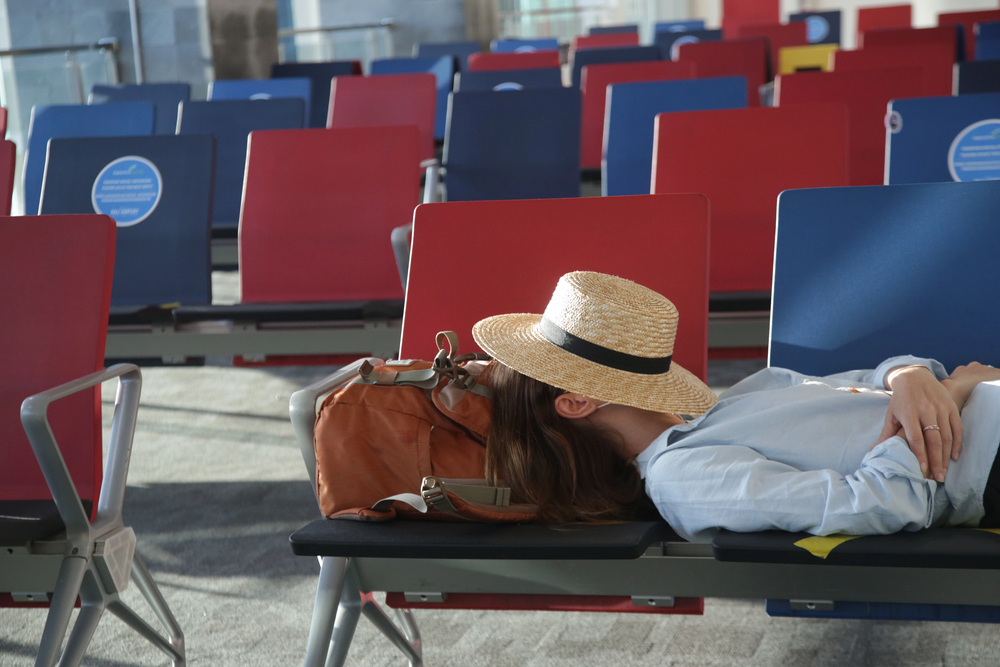
Tours set a pace that works for the average participant. If you’re slower, you hold everyone back.
If you’re faster, you wait around. Physical limitations become group limitations, and group limitations become your limitations.
Solo travel lets you accommodate your own needs. Rest when tired, push harder when energized, choose routes that match your abilities.
The pace becomes personal rather than collective, which matters more for some travelers than others.
Long-term memories and personal growth

Following someone else’s plan creates different memories than forging your own path. Tour memories often blur together — the guide’s jokes, the scheduled stops, the shared experiences that felt significant at the time but fade quickly.
These trips satisfy in the moment but don’t necessarily stick.
Independent travel creates sharper memories because the experiences feel more personal. The wrong turn that led somewhere beautiful, the conversation with a stranger, the problem you solved yourself — these moments become stories you tell for years because they happened to you, not to your tour group.
Finding your travel rhythm
Some people need structure to relax. Others need freedom to feel alive.
Tours provide structure; independent travel provides freedom. Neither approach is inherently better, but one will suit your temperament better than the other.
The best trips happen when the travel style matches the traveler. Fighting your natural preferences rarely leads to satisfaction, no matter how reasonable the alternative seems on paper.
Trust your instincts about what kind of experience will leave you feeling energized rather than drained.
More from Travel Pug

- Underrated Italian Towns That Beat the Tourist Crowds
- Las Vegas Tourist Traps to Skip
- Prettiest Towns in Every US State
- 18 passport-free countries for Americans
- Signs Your Cruise Is Not Worth The Cost
Like Travel Pug’s content? Follow us on MSN.