

The second full moon of a single month deserves more than a quick glance through your bedroom window. A blue moon happens roughly every two and a half years, and when it does, the sky seems to hold its breath a little longer.
The light feels different — not because of any actual color change, but because rarity has a way of making ordinary things feel magical. Finding the right place to witness this celestial event means escaping the glow of streetlights and the hum of highways, seeking spots where darkness still wins.
Death Valley National Park
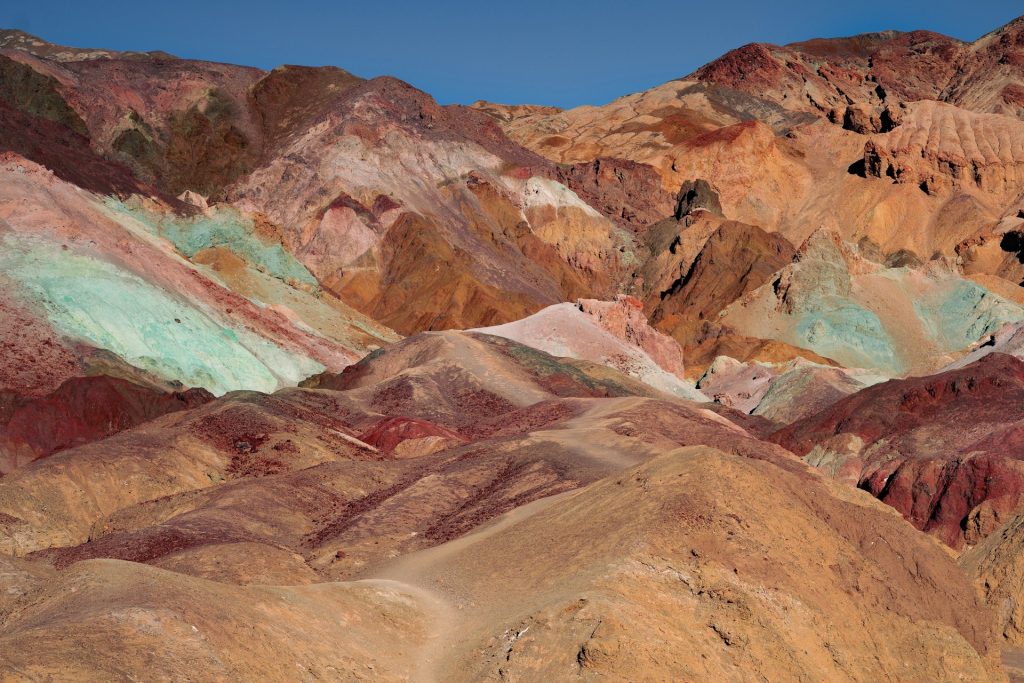
Death Valley strips away every distraction. No light pollution for miles, no ambient noise, just you and the universe having a conversation that’s been going on for billions of years.
The park holds Gold Tier Dark Sky status, which means the night here is as pure as it gets in the continental United States.
Bryce Canyon National Park
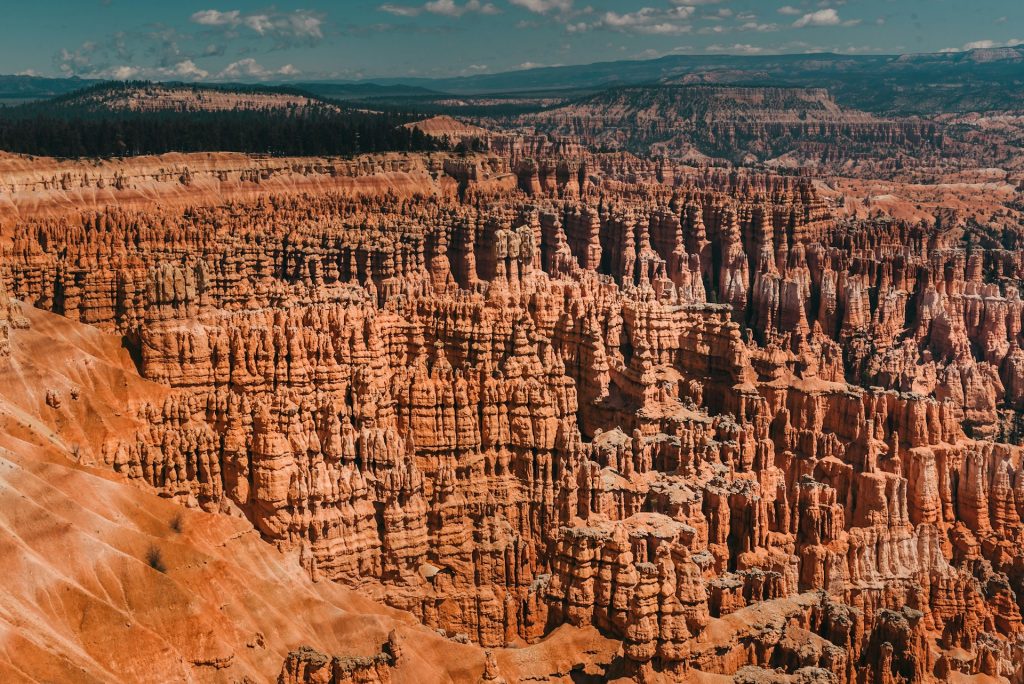
The same geological amphitheater that creates those impossible red rock formations during the day becomes a natural observatory at night. The high elevation and dry air work together to create viewing conditions that professional astronomers travel across the country to experience.
Park rangers here don’t just tolerate stargazers — they actively encourage them with regular astronomy programs.
Glacier National Park
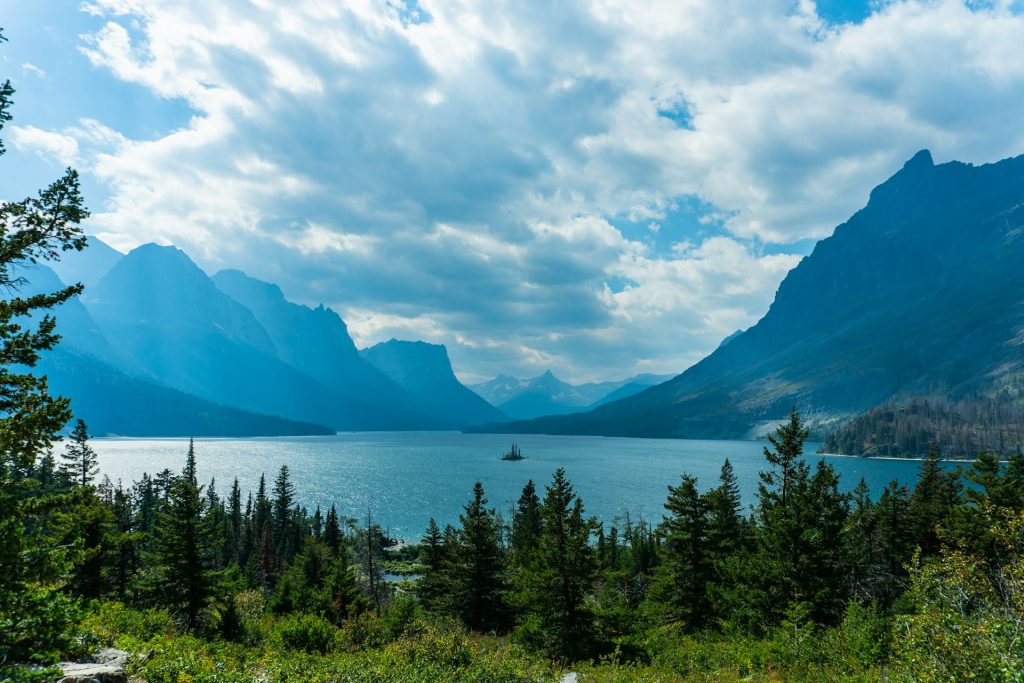
Something about watching the moon rise over snow-capped peaks puts the whole enterprise into perspective — the peaks that took millions of years to form, the light that traveled 240,000 miles to reach your eyes, and you (standing there in a parking lot with a thermos of coffee, probably checking your phone to see what time the moon actually reaches its peak). But here’s the thing about Glacier: the park demands you put the phone away.
The cold will kill your battery anyway, so you might as well surrender to the experience.
Acadia National Park
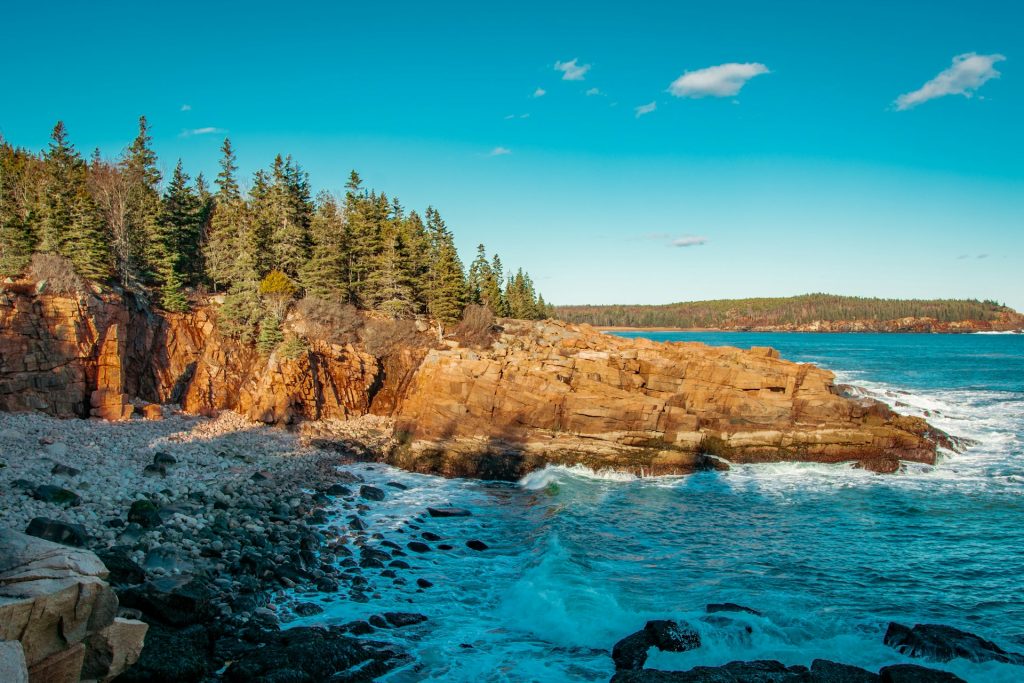
Cadillac Mountain offers something most western parks cannot: you can watch the moon set over the Atlantic Ocean. The rocky coastline of Maine provides a foreground that feels both ancient and immediate — waves that have been hitting these rocks since before humans walked upright, and salt air that stings your face right now.
The combination creates a kind of temporal vertigo that pairs well with blue moon viewing.
Big Bend National Park
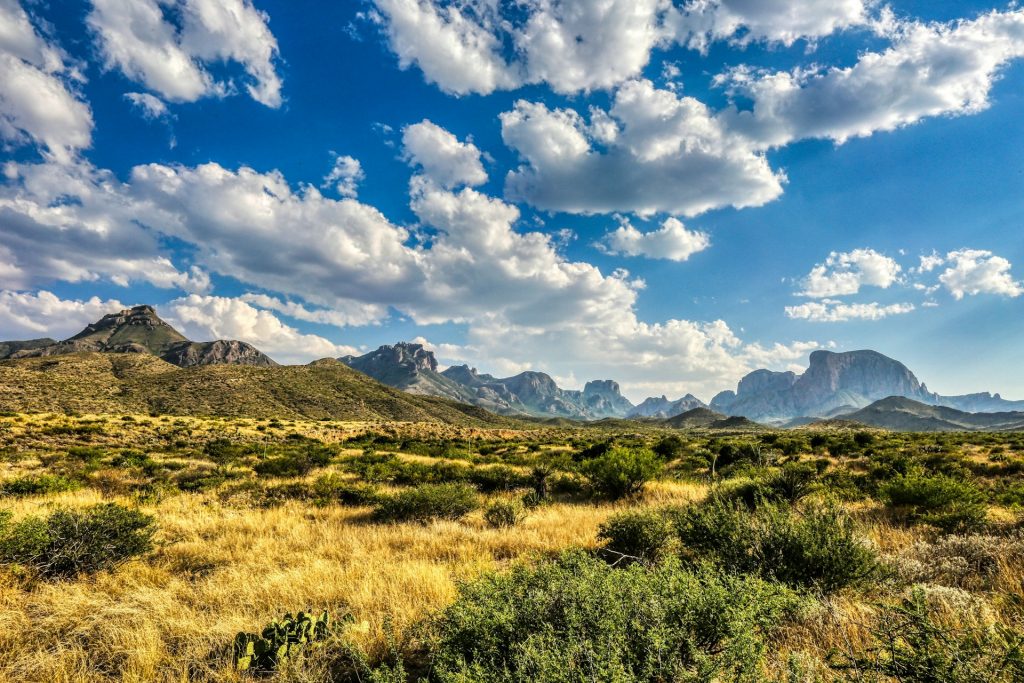
The Chihuahuan Desert holds darkness the way a cupped hand holds water. Big Bend sits so far from major cities that light pollution isn’t just minimal — it’s nearly absent.
The park’s location along the Rio Grande creates microclimates that keep the air exceptionally clear, and the vastness of the landscape makes you feel like you’re standing on the edge of the world rather than in the middle of Texas.
Cherry Springs State Park
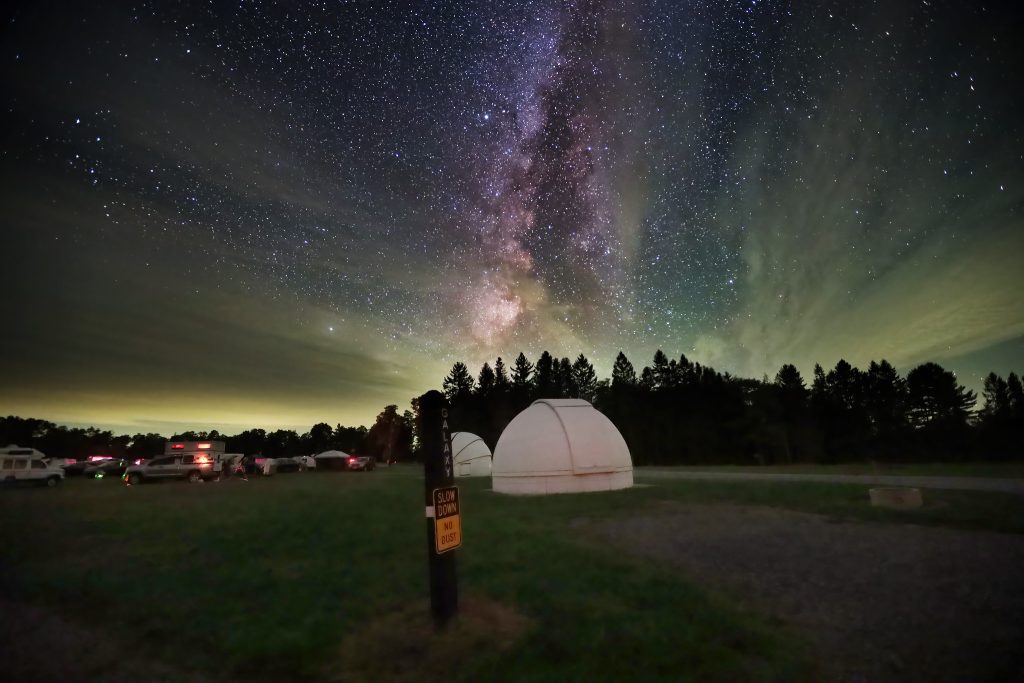
Pennsylvania might not seem like prime dark sky territory, but Cherry Springs proves geography can be misleading (the way a small-town diner sometimes serves better pie than restaurants that charge $40 for dessert, or the way the most interesting people often live in places you’ve never heard of). This 82-acre park sits in a pocket of the Susquehannock State Forest where development never took hold.
And so the darkness here feels borrowed from an earlier century — the kind of night sky that settlers would have seen, back when cities were just dense clusters of candles rather than sprawling networks of sodium vapor lights.
Natural Bridges National Monument
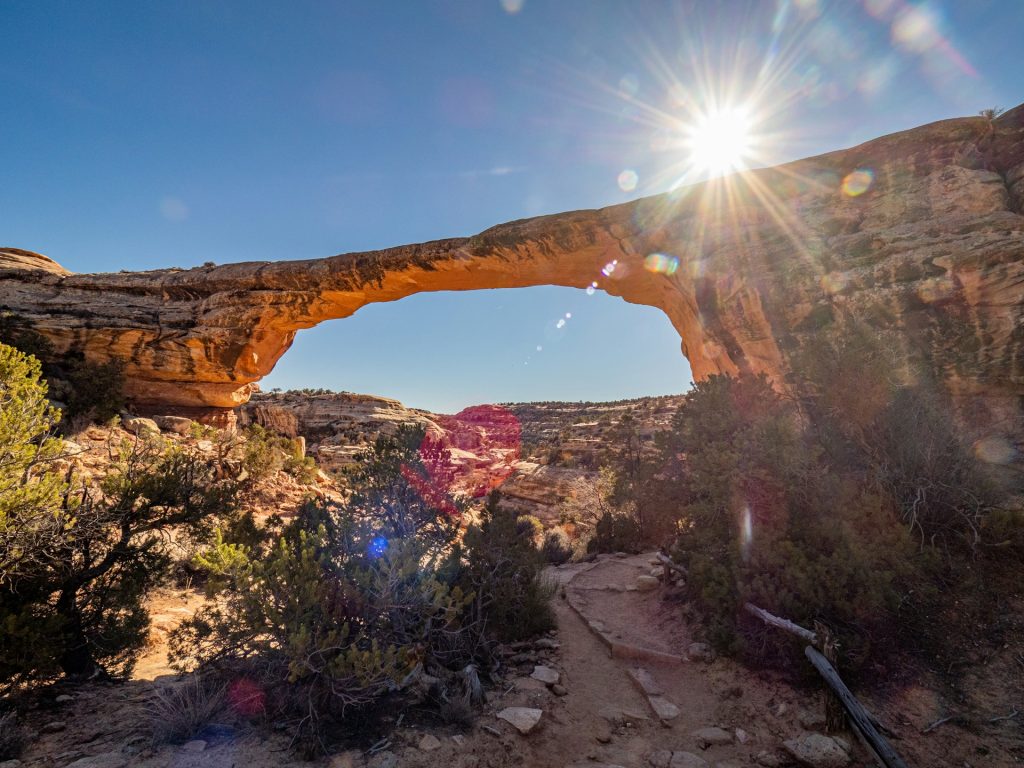
Utah specializes in dark skies the way Vermont specializes in maple syrup. Natural Bridges earned the distinction of being the world’s first International Dark Sky Park, and the designation wasn’t honorary.
The sandstone formations that give the park its name create natural frames for celestial viewing, turning moon-watching into a kind of outdoor theater experience.
Yellowstone National Park
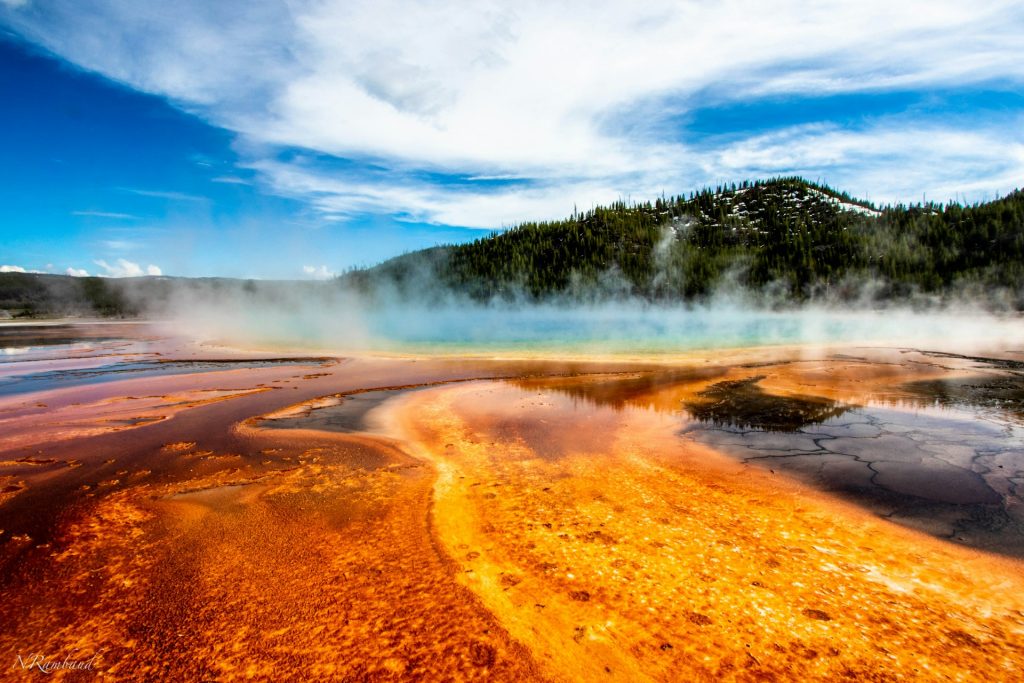
Yellowstone at night reverses every assumption you have about the place. During the day, it’s geysers and crowds and traffic jams caused by bison crossing roads.
After sunset, it becomes a 2.2-million-acre observatory where the only sounds are distant wolf calls and the occasional hiss of thermal features. The high elevation and exceptionally dark skies can make the blue moon appear brighter and more dramatic than it does in light-polluted areas.’
Joshua Tree National Park
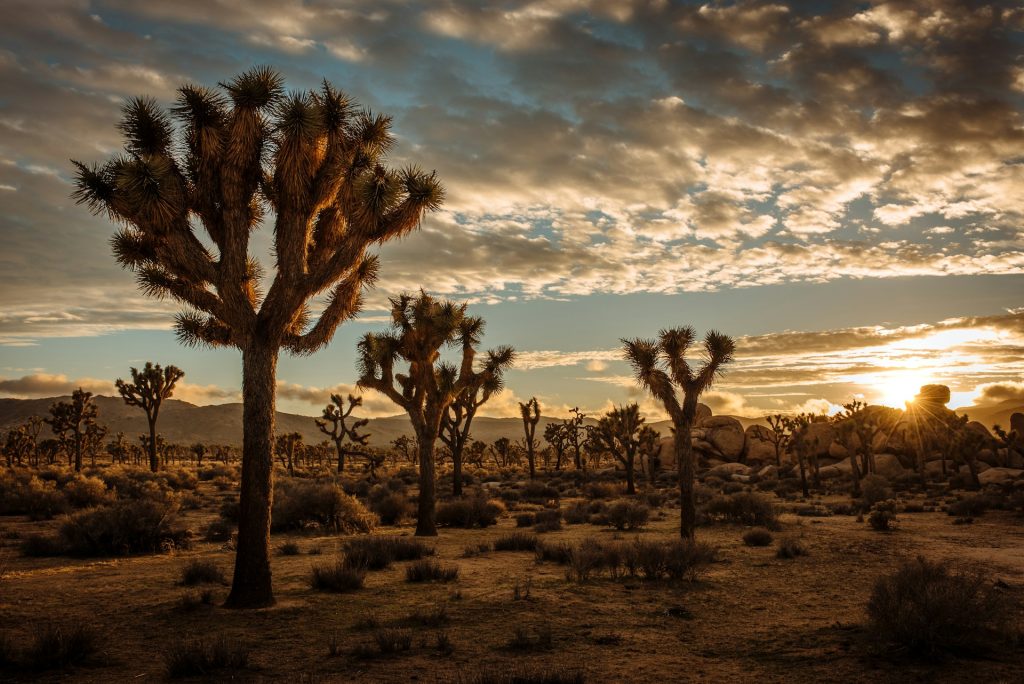
The Mojave Desert creates viewing conditions that border on the surreal — as if the landscape were designed specifically for astronomy rather than accidentally perfect for it (which might not be far from the truth, considering deserts form where weather patterns create minimal cloud cover, low humidity, and stable atmospheric conditions). The park’s location at the intersection of two distinct desert ecosystems means you get the clear skies of the Mojave with the dramatic silhouettes of the Colorado Desert’s iconic trees.
And those Joshua trees, standing like sentinels against the night sky, provide exactly the kind of foreground that makes moon photography compelling rather than generic.
Grand Canyon National Park
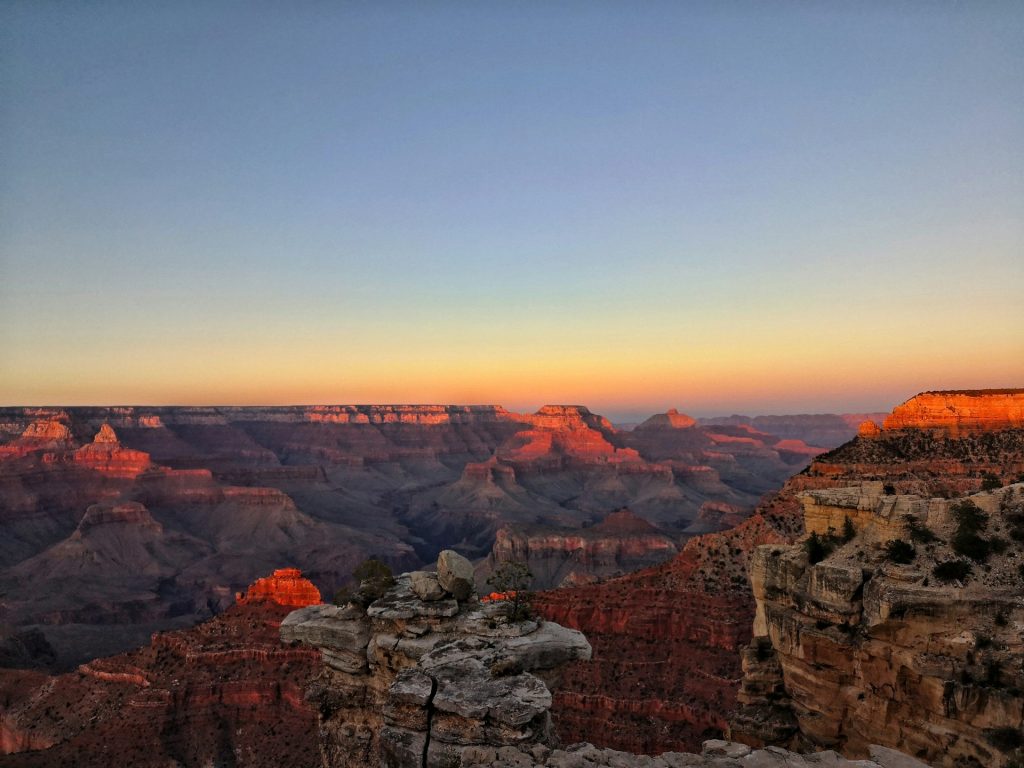
The Grand Canyon at night is proof that some landscapes are too big for human comprehension. The blue moon rising over this mile-deep chasm creates perspective problems that your brain simply cannot solve.
Park rangers recommend the South Rim for moon viewing, but they’re being conservative. The North Rim, open seasonally, offers darker skies and fewer crowds.
Olympic National Park
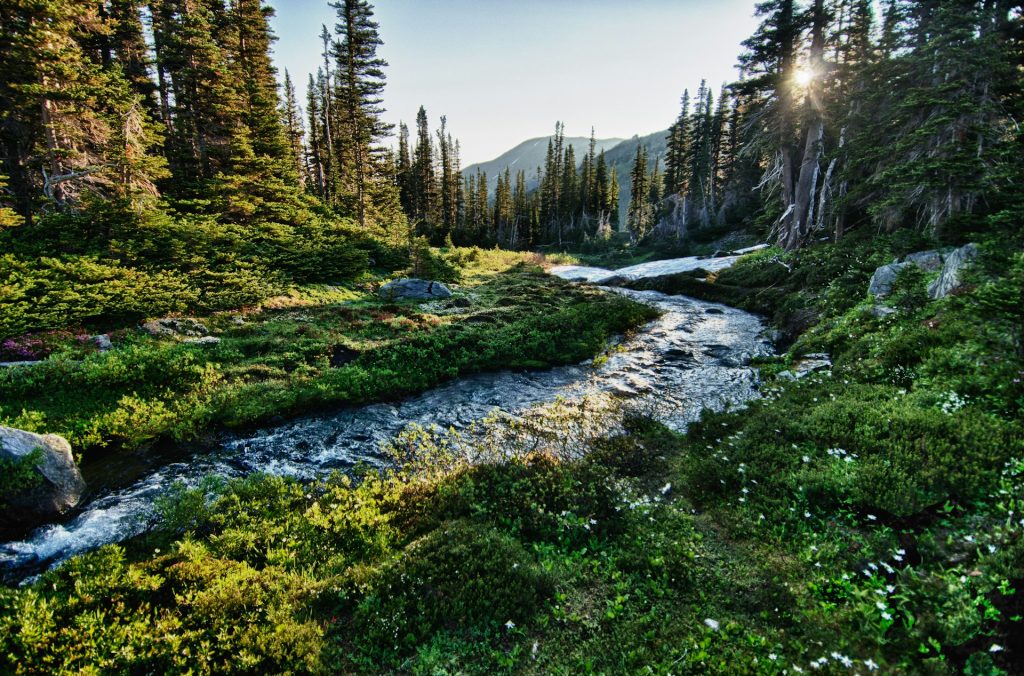
The Olympic Peninsula provides multiple ecosystems for blue moon viewing, from coastal beaches to mountain meadows to temperate rainforests. Hurricane Ridge offers the clearest skies, but the coastal areas provide drama — watching the moon reflect off the Pacific while sea stacks rise from the water like ancient monuments.
The park’s location in the Pacific Northwest means cloud cover can be unpredictable, but clear nights here are genuinely spectacular.
Saguenay Fjord National Park
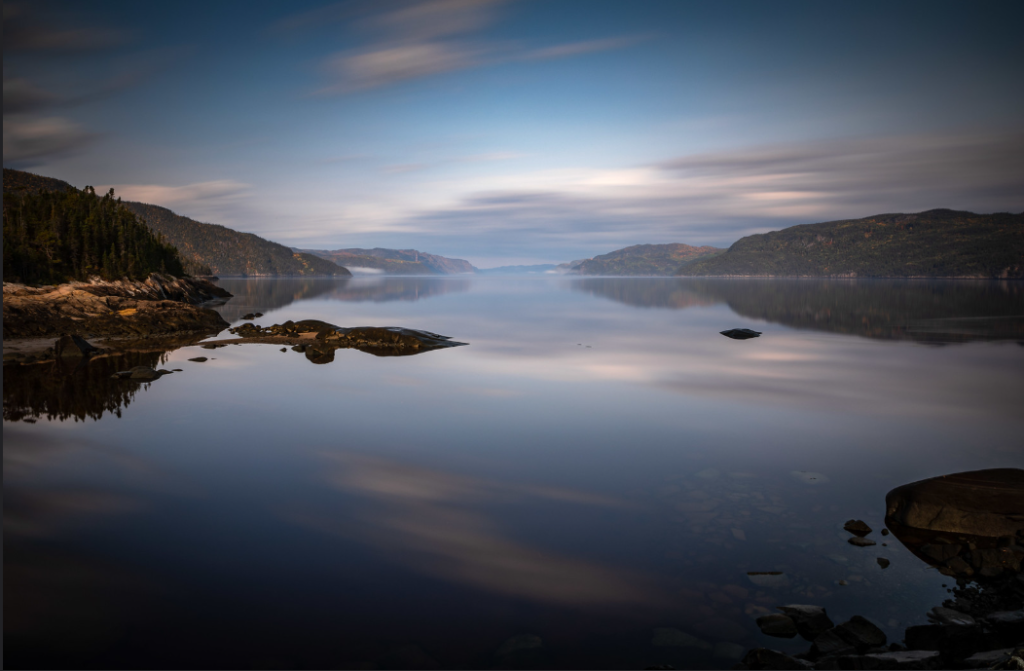
Okay, this one requires a passport, but the Saguenay Fjord in Québec sits close enough to northern US borders that it belongs on this list (the way Montreal feels more like an American city than Toronto does, even though geography suggests it should be the opposite). The fjord creates a natural amphitheater for celestial viewing, and the northern latitude means the blue moon here appears in skies that never get completely dark during the summer months.
Crater Lake National Park
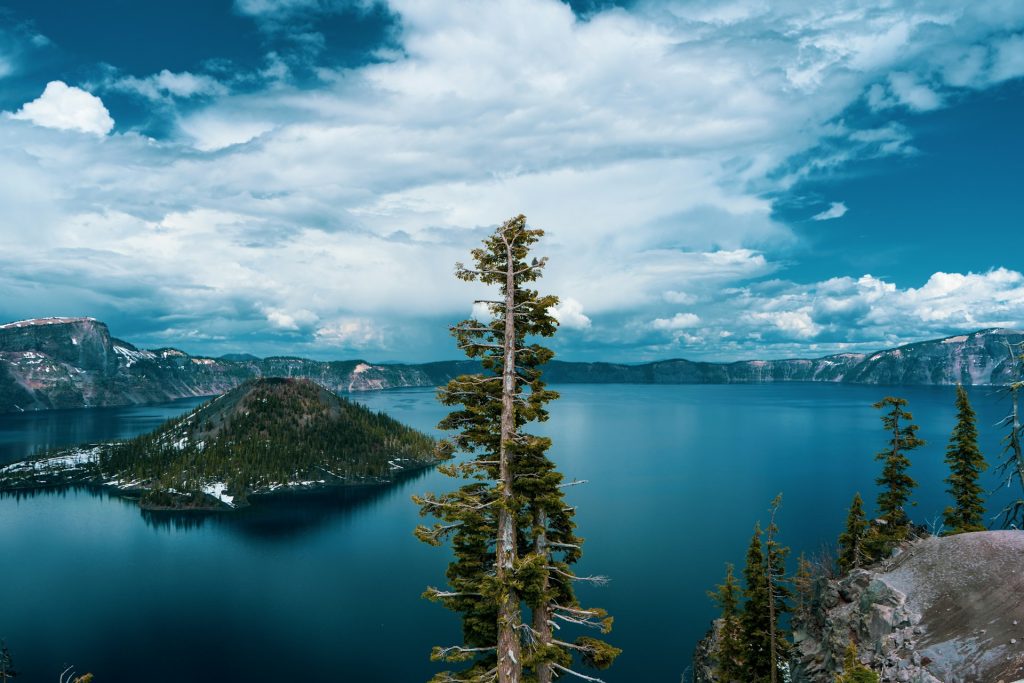
The rim of an ancient volcano turns out to be an excellent place for moon-watching. Crater Lake sits at 6,000 feet elevation, surrounded by peaks that block ambient light from distant cities.
The lake itself acts as a giant mirror, doubling the blue moon’s reflection and creating the kind of symmetry that makes people believe in cosmic design rather than cosmic accident.
Badlands National Park
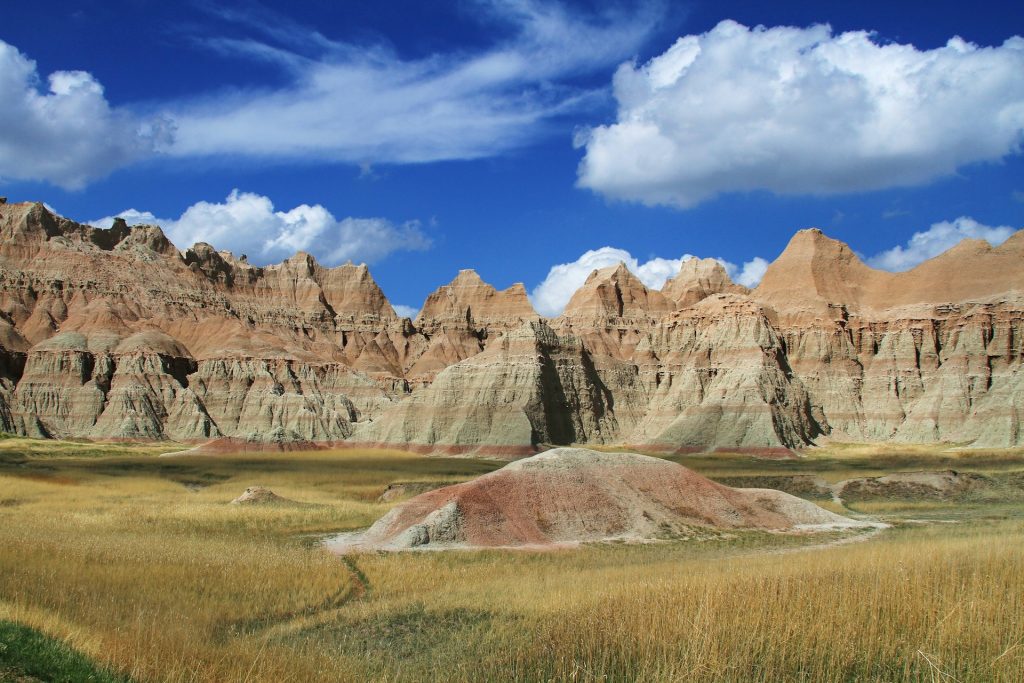
The Badlands offer something most national parks cannot: 360-degree views with no obstructions. The eroded landscape creates natural amphitheaters for celestial viewing, and the remoteness of South Dakota means light pollution is minimal.
The park’s fossil beds remind you that this viewing spot has been here for millions of years, putting your brief moment under the blue moon into geological perspective.
Grand Teton National Park
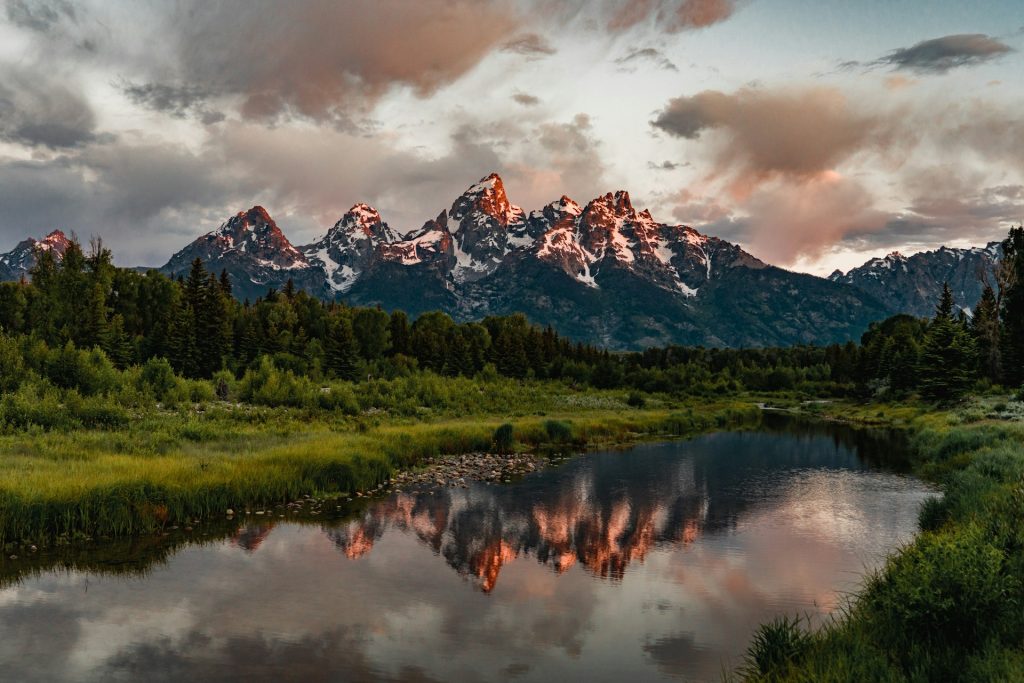
The Teton Range creates a jagged horizon that turns moon-watching into mountain-watching. The peaks rise abruptly from the valley floor without foothills, creating dramatic silhouettes that change as the moon moves across the sky.
Jackson Lake reflects both mountains and moon, doubling the visual impact and creating photo opportunities that look staged even when they’re completely natural.
Mammoth Cave National Park
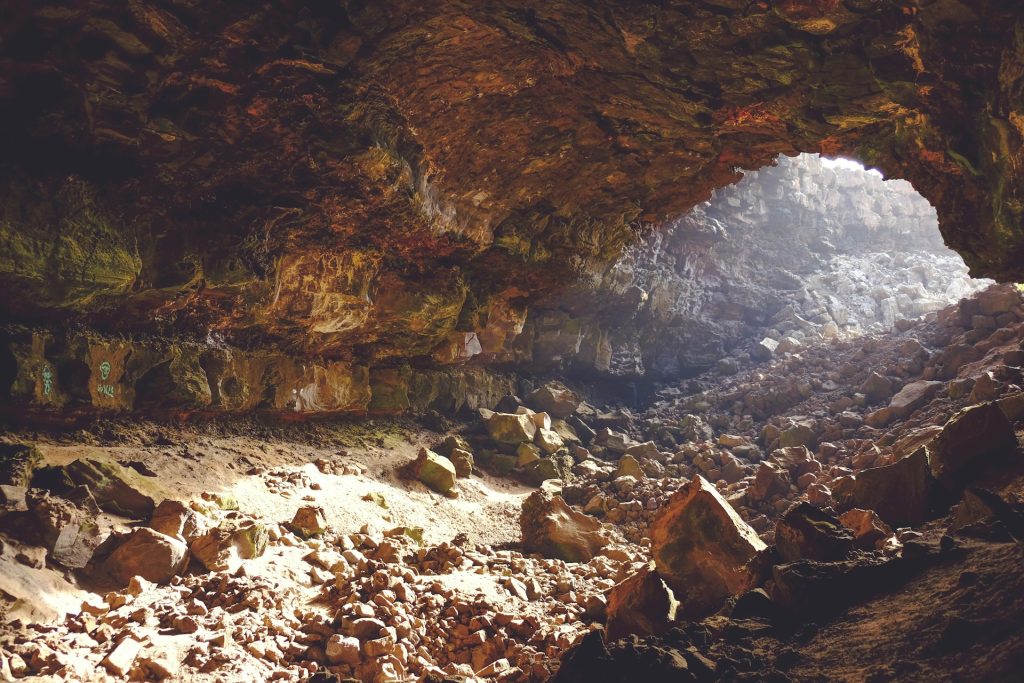
Kentucky’s Mammoth Cave system is the world’s longest known cave network, but the park above ground offers excellent dark sky viewing. The surrounding forest blocks ambient light, and the park’s location away from major metropolitan areas keeps skies clear.
The contrast between the underground cave system and the open sky creates a sense of scale that works particularly well during celestial events.
Arches National Park
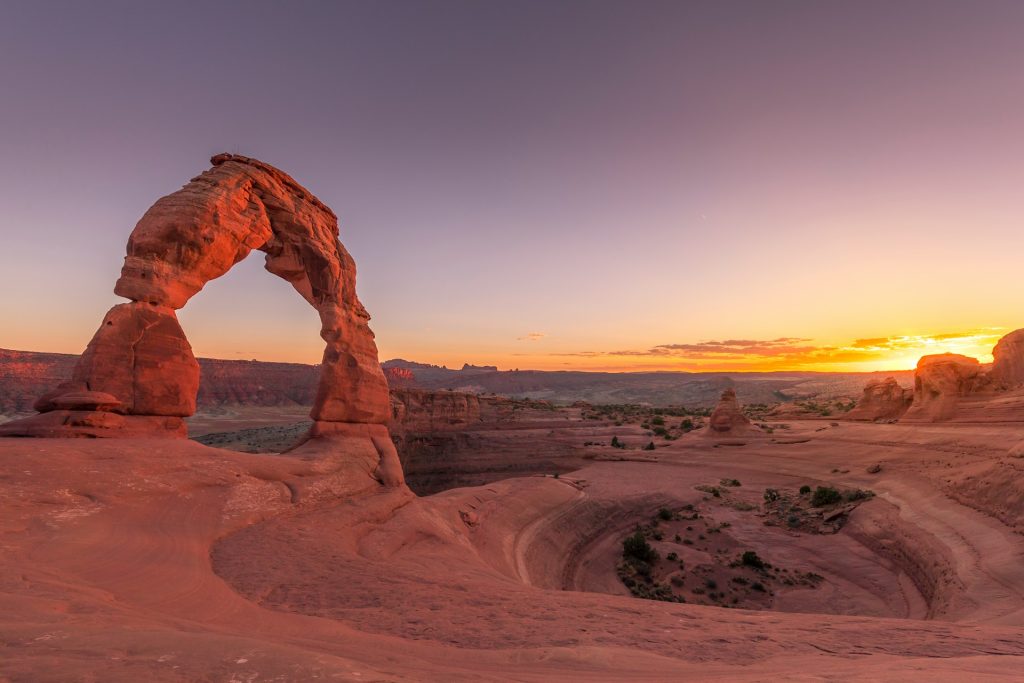
The red rock formations of Arches create natural frames for blue moon viewing. Delicate Arch, the park’s most famous formation, provides a foreground that photographers travel across continents to capture.
The high desert location means clear skies most of the year, and the remoteness of southeastern Utah ensures minimal light pollution.
When darkness becomes a destination
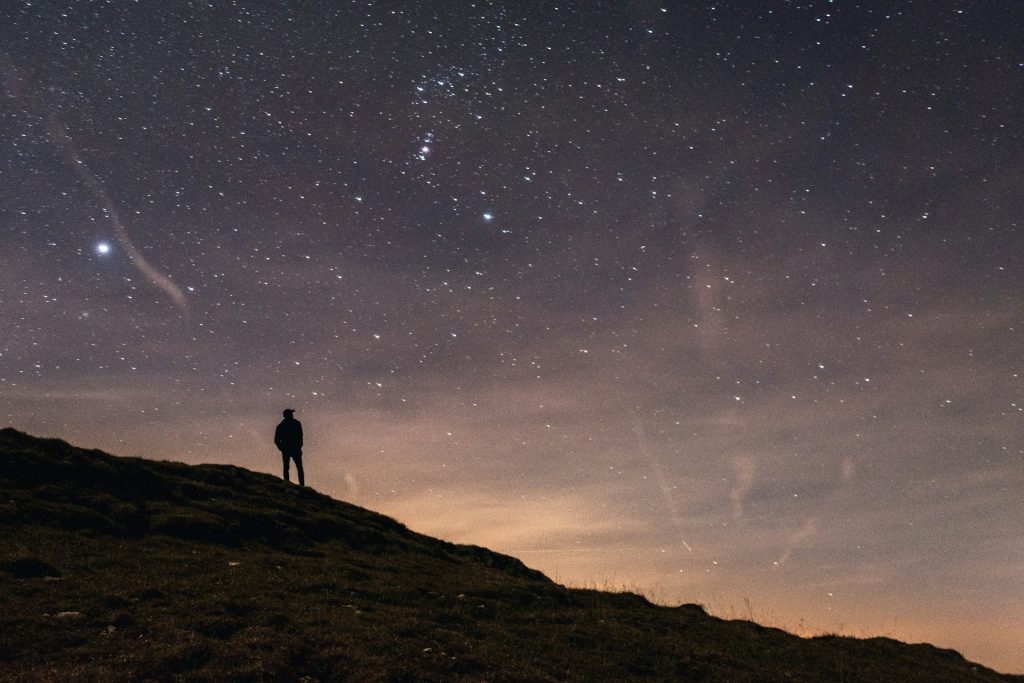
These seventeen locations share something beyond clear skies and minimal light pollution. They offer a kind of solitude that cities have forgotten how to provide.
Standing in any of these places during a blue moon, you realize that darkness isn’t the absence of something — it’s a presence of its own. The night sky stops being background and becomes the main event.
And for a few hours, the ordinary rhythm of checking phones and making plans gives way to something more fundamental: just standing still and looking up.
More from Travel Pug

- Underrated Italian Towns That Beat the Tourist Crowds
- Las Vegas Tourist Traps to Skip
- Prettiest Towns in Every US State
- 18 passport-free countries for Americans
- Signs Your Cruise Is Not Worth The Cost
Like Travel Pug’s content? Follow us on MSN.