

The vast majority of visitors to India confine their travels to the well-beaten Golden Triangle, visiting Delhi, Agra, and Jaipur en route before declaring it a cultural trip. But hidden away in the nation’s northeastern corner is an entirely different world – one in which ancient tribal customs rule, waterfalls fall from impossible heights, and villages are so spotless that European towns seem dirty by comparison. This is India’s ‘Seven Sisters’ area, a group of eight states which are more akin to secret kingdoms than usual tourist spots.
From tree root bridges you live and breathe to lakes so transparent your boat seems to be floating on air, Northeast India provides experiences you just can’t get anywhere else in the world. The area is still wonderfully under the radar for mass tourism, partially due to permit restrictions and topography, but more so because no one has yet discovered just how amazing these spots actually are. The following is a list of 15 amazing gems where you’ll exchange selfie-stick throngs for real cultural experiences and Instagram spots for vistas that leave you breathless.
Dawki, Meghalaya
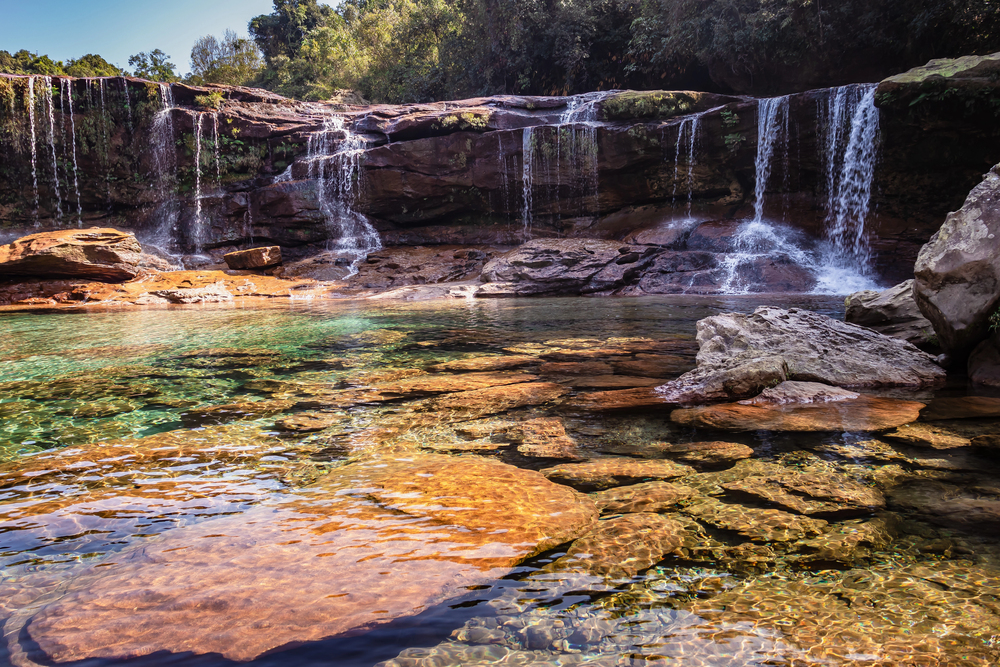
The Umngot River at Dawki flows with water so crystal-clear that boats appear to magically float in mid-air, creating one of the most photographed natural phenomena in India. This border town with Bangladesh sits about 96 kilometers from Shillong and offers boat rides that feel like gliding through liquid glass. The river’s incredible transparency comes from its source in the pristine hills of Meghalaya, where minimal pollution keeps the water absolutely pure.
Mawlynnong Village, Meghalaya
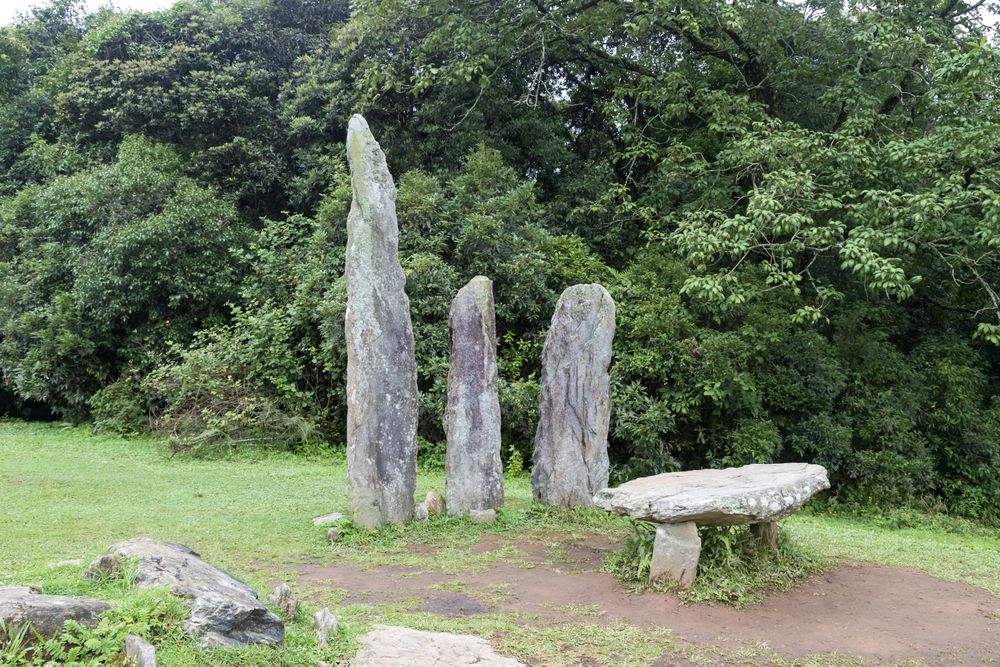
Dubbed ‘Asia’s Cleanest Village’ by Discover India Magazine, Mawlynnong proves that small communities can achieve remarkable things when everyone works together. The Khasi tribal village maintains its spotless streets and homes through a community-driven cleanliness program that’s been in place for generations. Visitors can explore the village’s famous Sky View Point, built entirely from bamboo, which offers panoramic views of the surrounding countryside and distant Bangladesh plains.
Living Root Bridges, Meghalaya
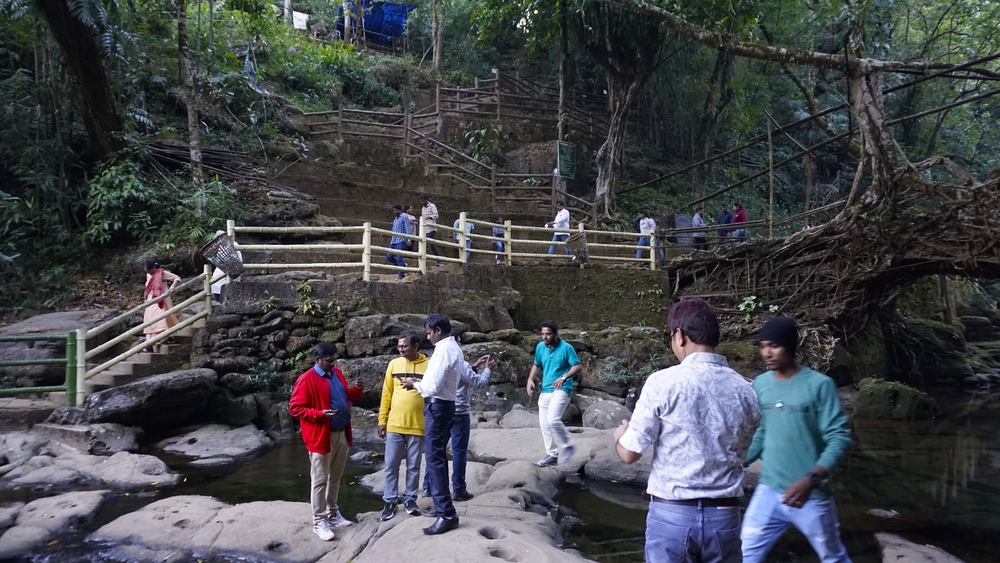
Located in Mawlynnong in the East Khasi Hills district.
— Photo by albinraj2590@gmail.com
These incredible structures represent one of the world’s most ingenious examples of bioengineering, where the Khasi people have trained rubber fig tree roots to grow into functional bridges over rivers and valleys. The most famous double-decker bridge near Cherrapunji takes about 200 years to fully mature and can support up to 50 people at once. Reaching these natural marvels requires a moderately challenging trek, but walking across a bridge that’s literally alive and growing stronger each year feels like stepping into a fantasy novel.
Kaziranga National Park, Assam
— Photo by richardsjeremy
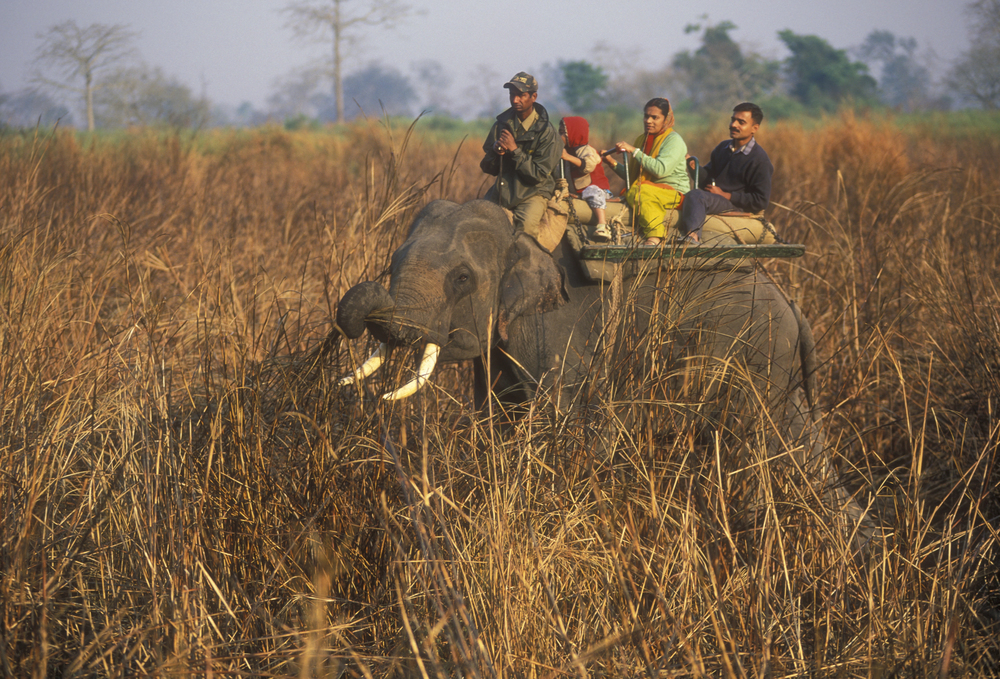
Home to two-thirds of the world’s one-horned rhinoceros population, Kaziranga offers wildlife encounters that rival any African safari but with a distinctly Indian flavor. The UNESCO World Heritage Site also boasts the highest density of tigers among protected areas worldwide, along with massive elephant herds and wild water buffalo. Early morning elephant safaris provide the best chances of spotting rhinos in their natural habitat, while jeep safaris cover more ground for tiger sightings.
Majuli Island, Assam
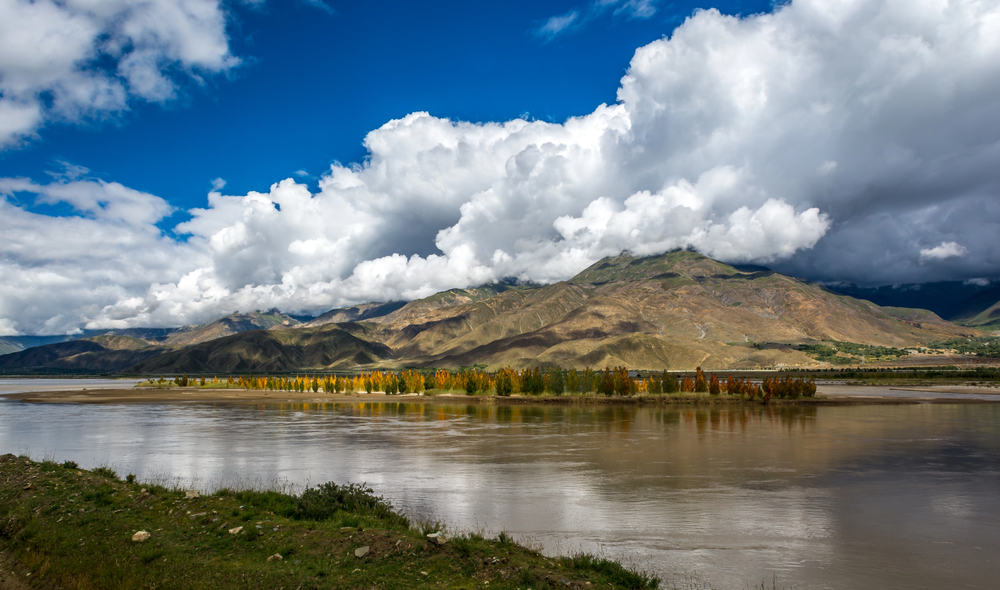
As the world’s largest river island, Majuli sits in the middle of the mighty Brahmaputra River and serves as the cultural heart of Assamese civilization. This unique landmass, accessible only by ferry, houses ancient monasteries called ‘satras’ where monks preserve 500-year-old traditions of art, dance, and music. The island’s indigenous communities practice sustainable living techniques that create a harmonious balance between human settlement and natural ecosystems.
Tawang Monastery, Arunachal Pradesh
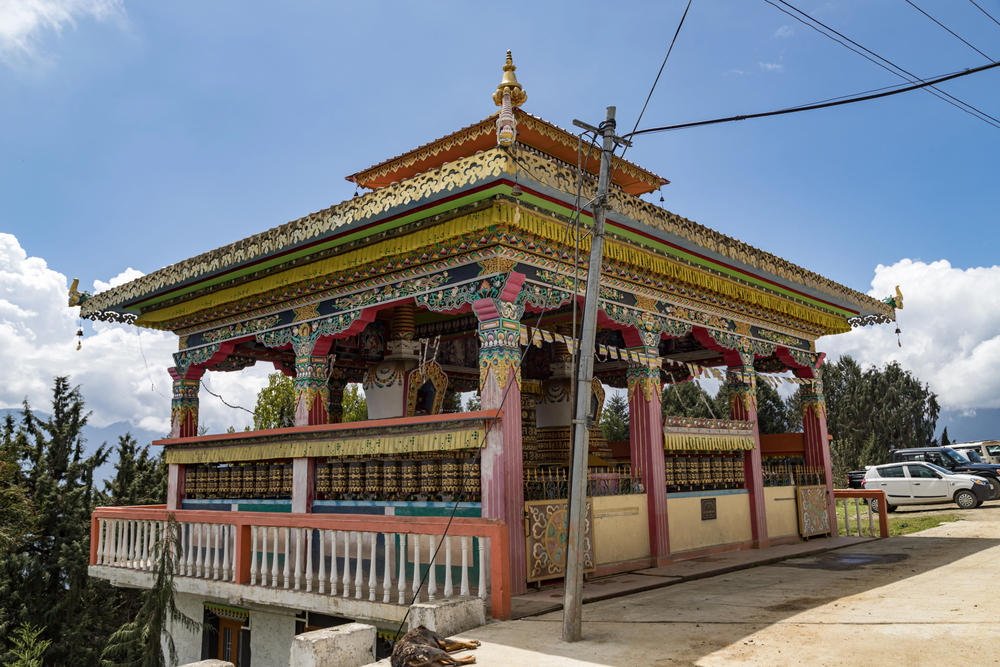
the second largest monastery of Asia situated in arunachal pradesh, India.
— Photo by rahuldsilva
Perched at 10,000 feet above sea level, Tawang Monastery ranks as the second-largest Buddhist monastery in Asia and feels like a fortress protecting ancient wisdom. The three-story structure houses over 500 monks and contains priceless manuscripts, ancient artifacts, and stunning views of the Tawang Valley below. The monastery’s massive compound wall stretches nearly 925 feet around the complex, creating an impressive sight that blends seamlessly with the dramatic Himalayan landscape.
Ziro Valley, Arunachal Pradesh
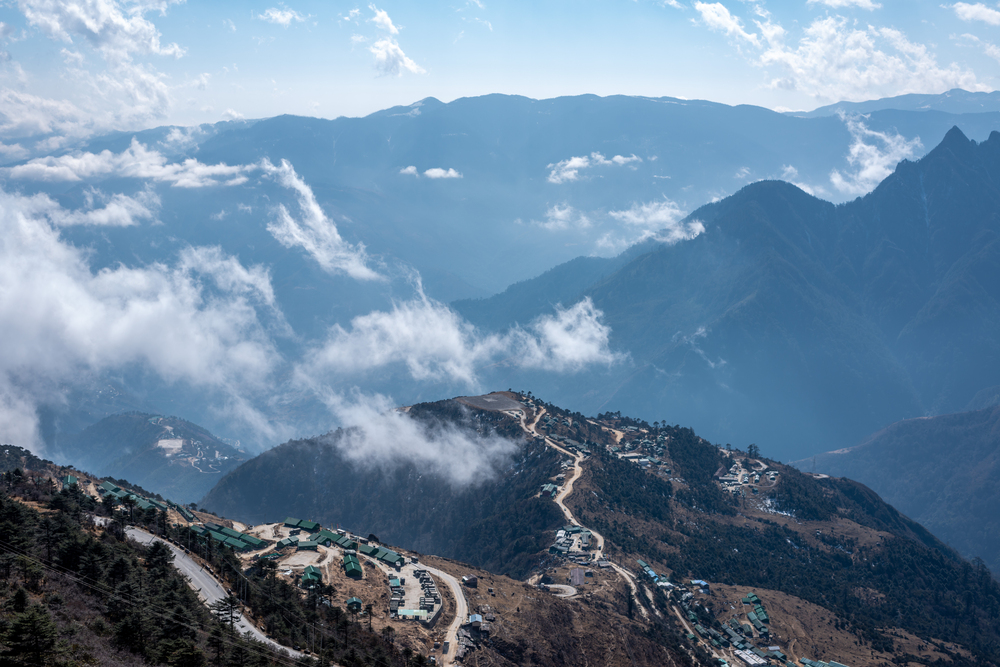
This picturesque valley is home to the unique Apatani tribe, which practices sustainable agriculture and has maintained its traditional lifestyle for centuries, unaffected by outside influences. The UNESCO World Heritage tentative site hosts the annual Ziro Music Festival, which brings together indie artists from across the country in an incredibly scenic outdoor setting. The valley’s terraced rice fields, pine-covered hills, and bamboo groves create a landscape so peaceful it feels like time moves slower here.
Nuranang Falls, Arunachal Pradesh
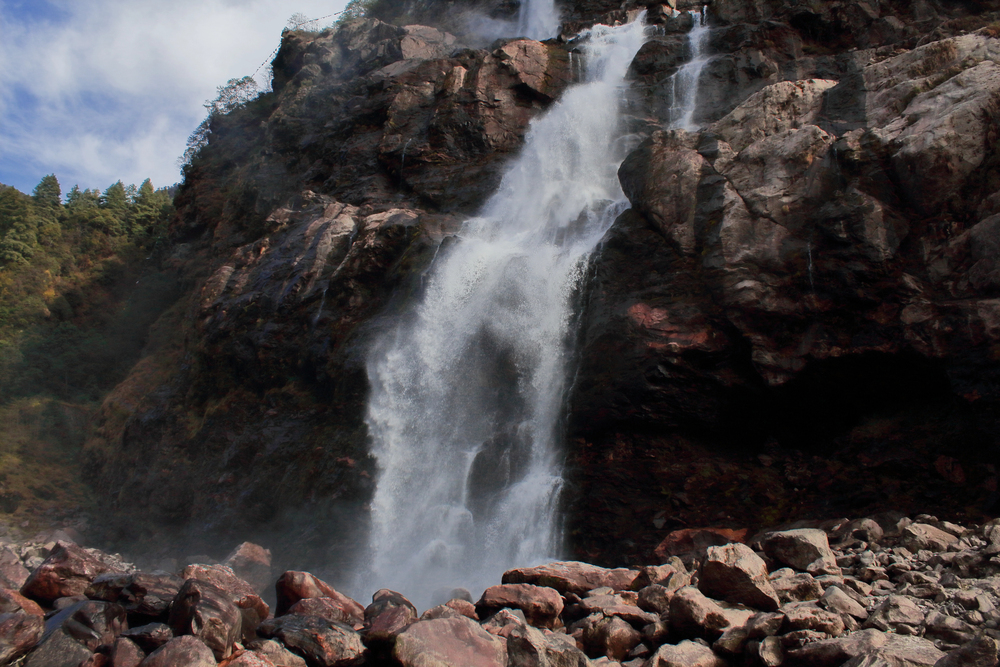
Also known as Bong Falls, this spectacular 330-foot waterfall cascades down a rocky cliff face at 6,000 feet elevation, creating one of the most dramatic natural displays in Northeast India. The falls remain relatively unknown compared to other Indian waterfalls, which means you can often enjoy the thundering waters and misty spray in near-solitude. The scenic drive to reach Nuranang takes you through mountain passes and traditional villages that showcase the raw beauty of Arunachal Pradesh.
Tsomgo Lake, Sikkim
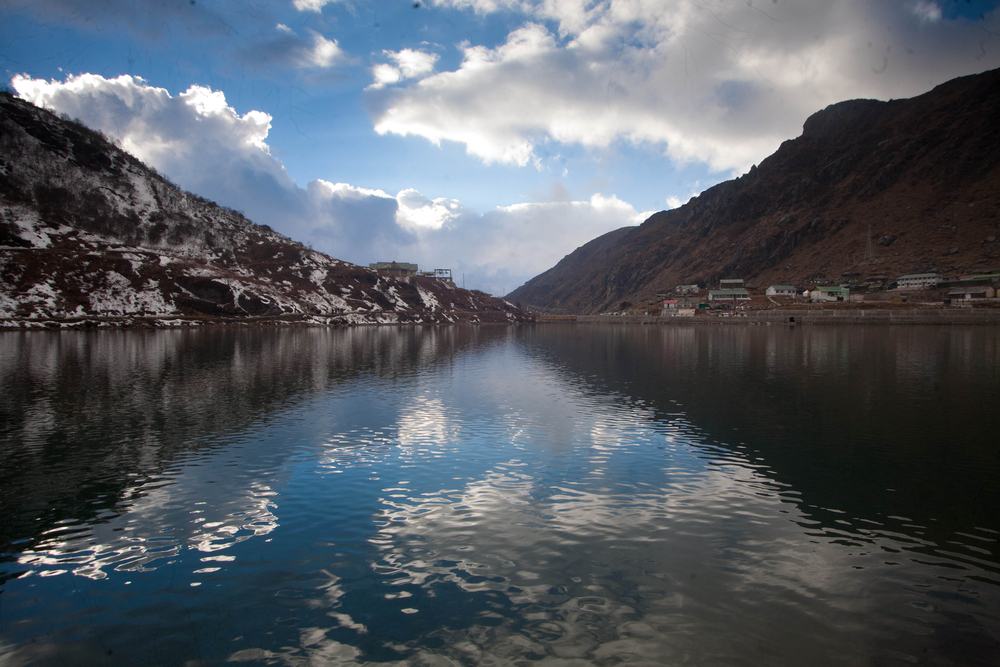
This sacred glacial lake sits at 12,400 feet and changes colors throughout the year, from vivid aquamarine during monsoons to a frozen mirror in winter. Local legends say the lake’s water has healing properties, and Tibetan priests still conduct ceremonies on its shores during certain festivals. The challenging drive to reach Tsomgo requires permits and often chains for vehicles, but the reward is experiencing one of the Himalayas’ most pristine alpine environments.
Laitlum Canyons, Meghalaya
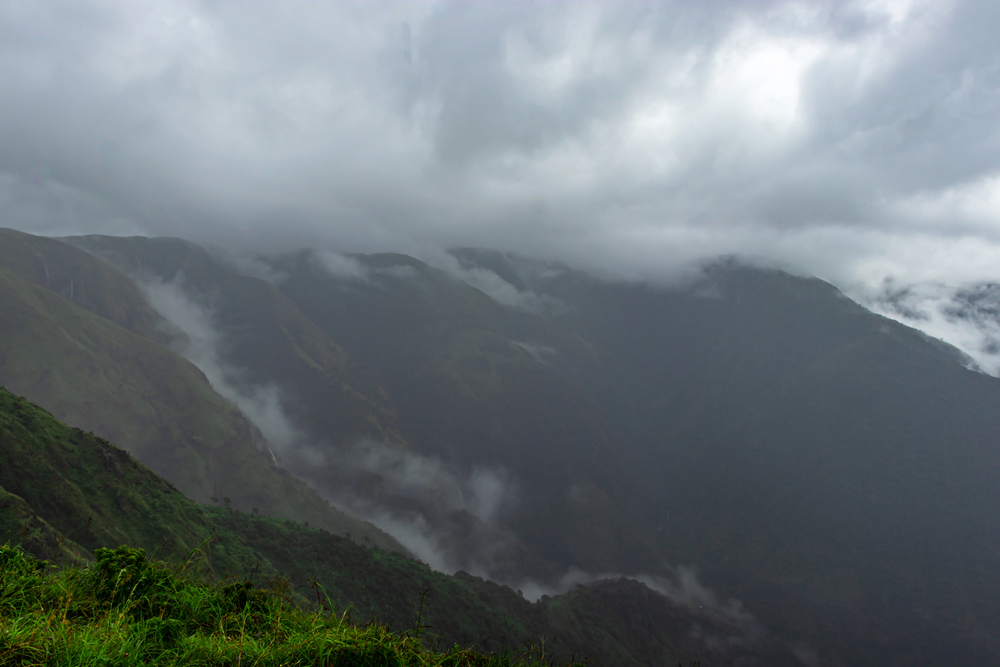
These dramatic gorges offer some of the most spectacular viewpoints in all of Northeast India, with rolling hills stretching endlessly toward the horizon like green waves frozen in time. The name ‘Laitlum’ means ‘end of hills’ in the local Khasi language, and standing at the edge truly feels like you’re at the world’s edge. The relatively challenging trek to reach the main viewpoint keeps crowds minimal, allowing for peaceful contemplation of the vast landscape below.
Sela Pass, Arunachal Pradesh
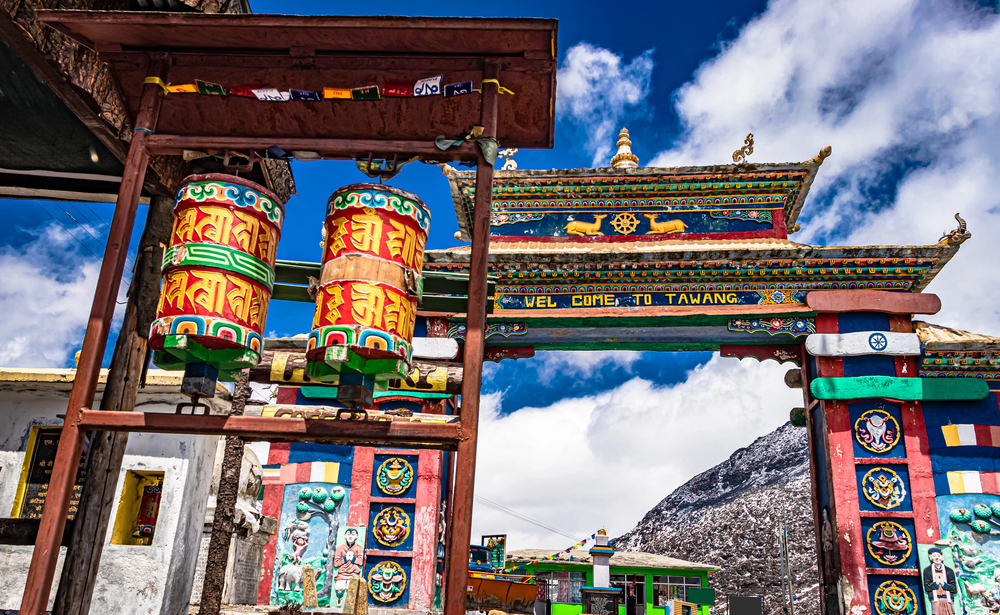
At 13,700 feet above sea level, Sela Pass serves as the gateway to Tawang, transforming into a winter wonderland when snow blankets the surrounding peaks. The pass offers breathtaking panoramic views of the Eastern Himalayas, with prayer flags fluttering in the thin mountain air and the sacred Sela Lake nearby. During clear weather, the views stretch for miles across multiple mountain ranges, making this one of the most photogenic high-altitude locations in India.
Zero Point (Yumesamdong), Sikkim
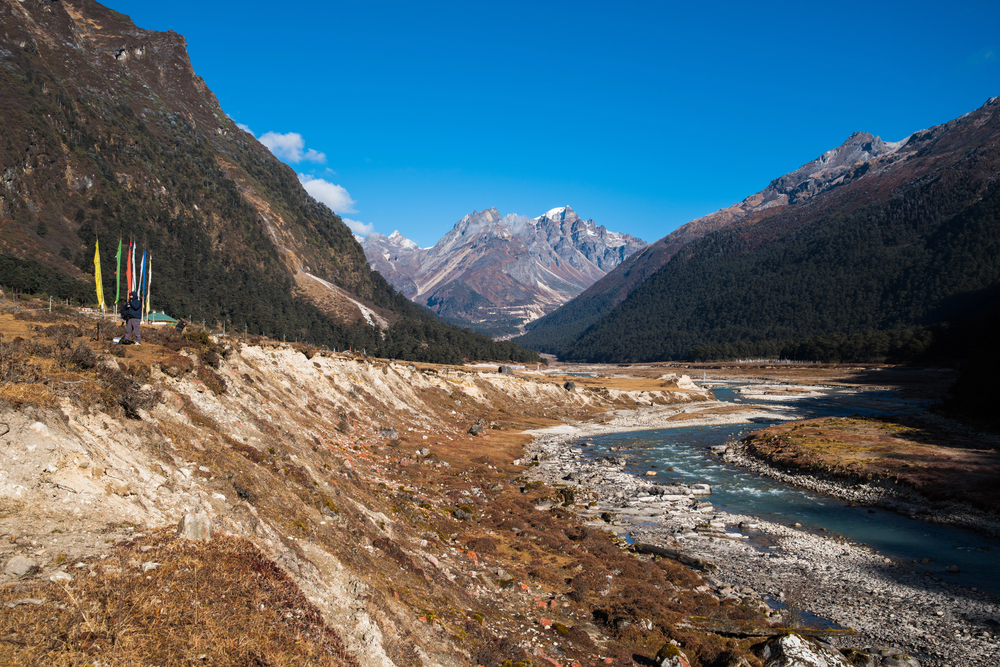
Literally the end of the road in North Sikkim, Zero Point represents the northernmost accessible destination for civilians, sitting at a dizzying 15,500 feet where the landscape becomes almost lunar in its stark beauty. The journey here takes you through multiple climate zones, from subtropical valleys to alpine meadows and finally to this barren, wind-swept plateau where only the hardiest plants survive. Standing at Zero Point feels like reaching the edge of the civilized world, with Tibet just miles away across forbidden mountain passes.
Hornbill Festival Grounds, Nagaland
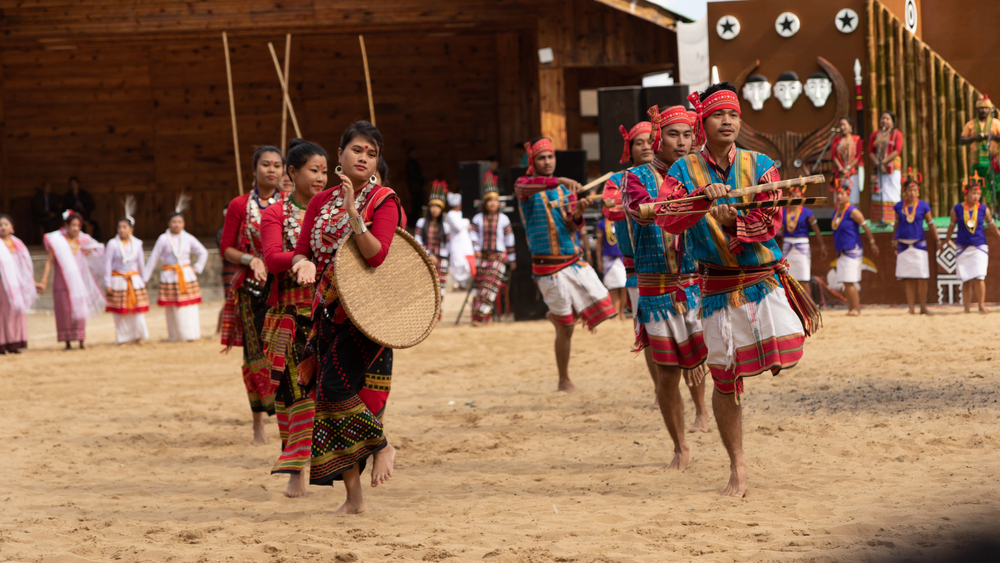
— Photo by sandybisht7434.yahoo.co.in
Every December, the small village of Kisama near Kohima transforms into the cultural capital of Northeast India during the spectacular Hornbill Festival. This celebration brings together all 16 major Naga tribes to showcase their unique traditions through traditional dances, indigenous games, handicrafts, and authentic cuisine that’s been passed down through generations. Outside festival season, the heritage village remains a fascinating place to learn about Naga culture and architecture in a peaceful, unhurried setting.
Loktak Lake, Manipur
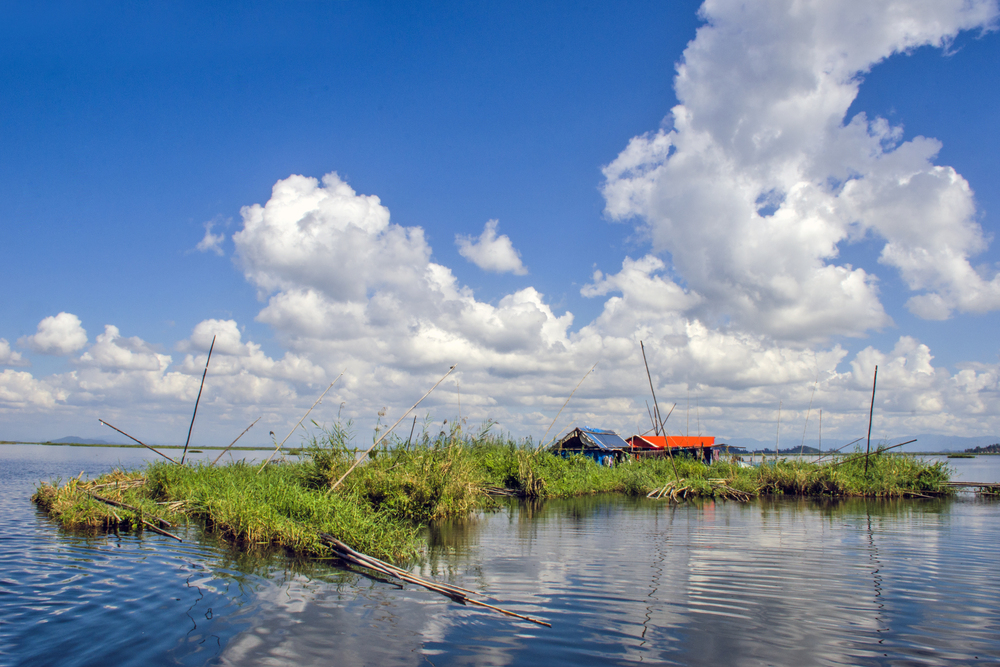
The largest freshwater lake in Northeast India doubles as the world’s only floating national park, where circular patches of vegetation called ‘phumdis’ drift across the water like natural islands. These floating biomasses support entire ecosystems and are home to the endangered Sangai deer, found nowhere else on Earth. Local fishermen have built unique floating huts on these phumdis, creating a surreal landscape where communities literally live on the water.
Neermahal Water Palace, Tripura
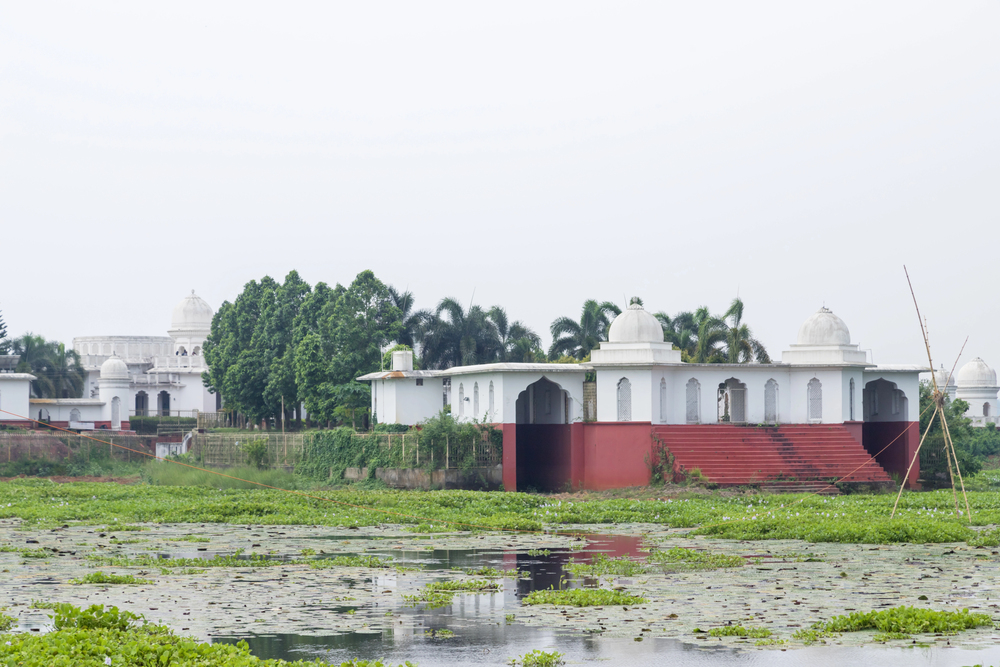
— Photo by rahuldsilva
This stunning palace rises from the middle of Rudrasagar Lake like something from an Indian fairy tale, combining Hindu and Mughal architectural styles in perfect harmony. Built in the early 1930s as a summer retreat for Tripura’s royal family, the palace remains the only water palace in Eastern India and one of the most romantic structures in the entire Northeast. Boat rides to the palace offer spectacular sunset views, while the restored interiors showcase royal artifacts and period furniture that bring the bygone era to life.
From ancient tribal kingdoms to modern cultural preservation
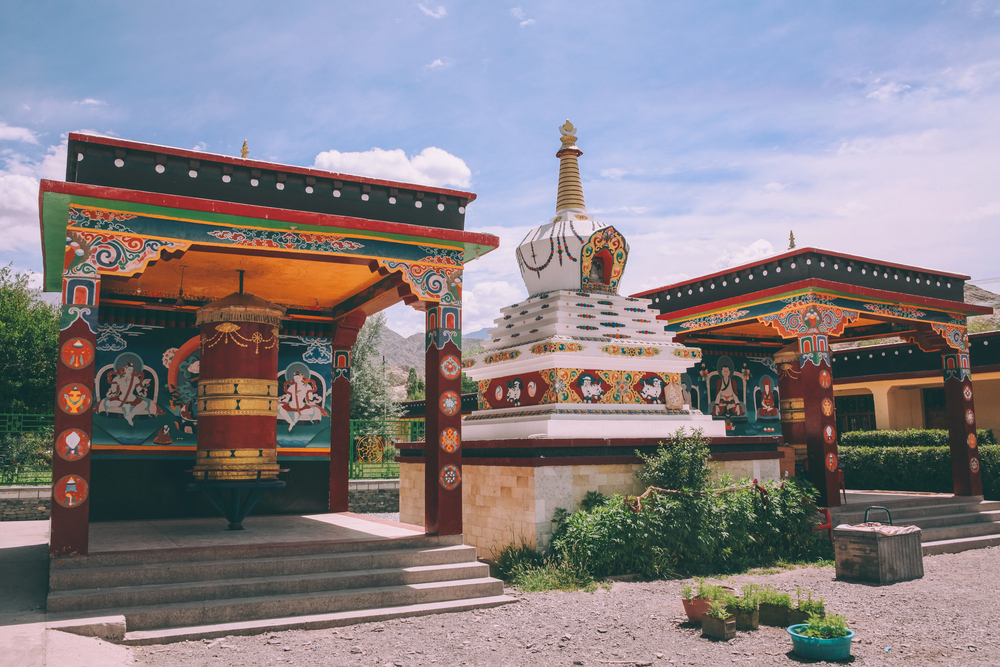
These incredible destinations are the living bridge from India’s ancient past to its dynamic future, where indigenous communities have retained their distinctive cultures while embracing the modern era. Before the Mughal Empire and British colonization defined mainstream India, these valleys and hills nurtured self-governing kingdoms and tribal societies that created their own languages, traditions, and ecologically friendly ways of living.
Visitors today can experience this remarkable cultural continuity firsthand, tasting living traditions that have endured for centuries and benefiting from the warm welcome of communities that still recall when their villages were entirely cut off from the outside world. Northeast India is evidence that the nation’s most precious riches lie in its most far-flung regions, where the frenetic pace of contemporary life gives way to the ages and the sort of authentic human contact that transforms travel into an experience.
More from Travel Pug

- Underrated Italian Towns That Beat the Tourist Crowds
- Las Vegas Tourist Traps to Skip
- Prettiest Towns in Every US State
- 18 passport-free countries for Americans
- Signs Your Cruise Is Not Worth The Cost
Like Travel Pug’s content? Follow us on MSN.