

Planning travel between two destinations often comes down to a simple question: drive or fly? What seems straightforward on paper becomes more complex when you factor in everything from hidden costs to the unpredictable nature of airline delays.
The decision affects not just your wallet, but your entire travel experience — from how much control you have over timing to whether you’ll arrive refreshed or exhausted.
Time

Flying wins on paper. A cross-country flight takes five hours versus three days of driving.
But airlines have turned what should be a quick trip into an endurance test. You’re supposed to arrive two hours early, then sit through delays that nobody mentions until you’re already at the gate.
Cost

The sticker price lies to you — and this becomes obvious once you start adding everything up (parking fees, baggage charges, airport food that costs more than dinner at a decent restaurant). Road trips front-load the expenses: gas, hotels, meals along the way, but at least you see them coming.
So when someone tells you that flying is cheaper, they’re probably not counting the $25 daily parking fee or the fact that you’ll pay $18 for a sandwich that would cost $6 anywhere else.
Control over schedule
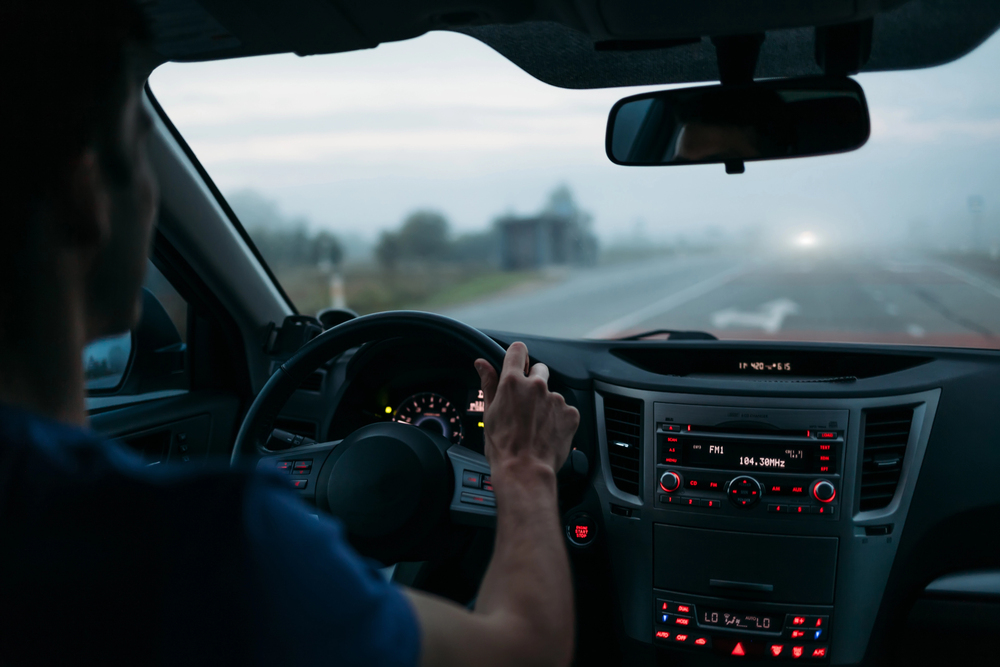
There’s something almost meditative about being the one who decides when to stop, when to keep going, when to take a detour because a roadside sign promises the world’s largest ball of twine (though whether that’s worth seeing is another question entirely). Flying, on the other hand, is like agreeing to be a passenger in someone else’s life — you show up when they tell you to show up, you wait when they tell you to wait, you go when they decide it’s time to go.
The illusion of control disappears the moment you hand over your boarding pass.
Luggage flexibility

Airlines have turned packing into a math problem. Weigh everything twice, measure the dimensions, pray the scale at check-in matches the one at home.
Miss by two pounds and suddenly you’re reorganizing your suitcase in front of strangers or paying fees that would cover gas for half the country. Road trips don’t care if you pack seven pairs of shoes or decide to bring home a vintage lamp from that antique shop in small-town nowhere.
Weather dependency

Weather becomes a different kind of adversary depending on your choice, though both modes of travel bow to nature’s whims in their own stubborn ways. Thunderstorms ground planes for hours while passengers sit trapped in terminals, watching departure times flicker and change like stock prices during a market crash.
And yet driving through a snowstorm in the mountains carries its own particular tension — the kind where your hands stay locked on the steering wheel and every mile feels earned rather than given.
Scenic value
Flying offers a view that road trips simply can’t match: the entire country spread out below like a topographical map come to life. But the experience lasts exactly as long as it takes you to get bored looking out a small window, which for most people is about twenty minutes.
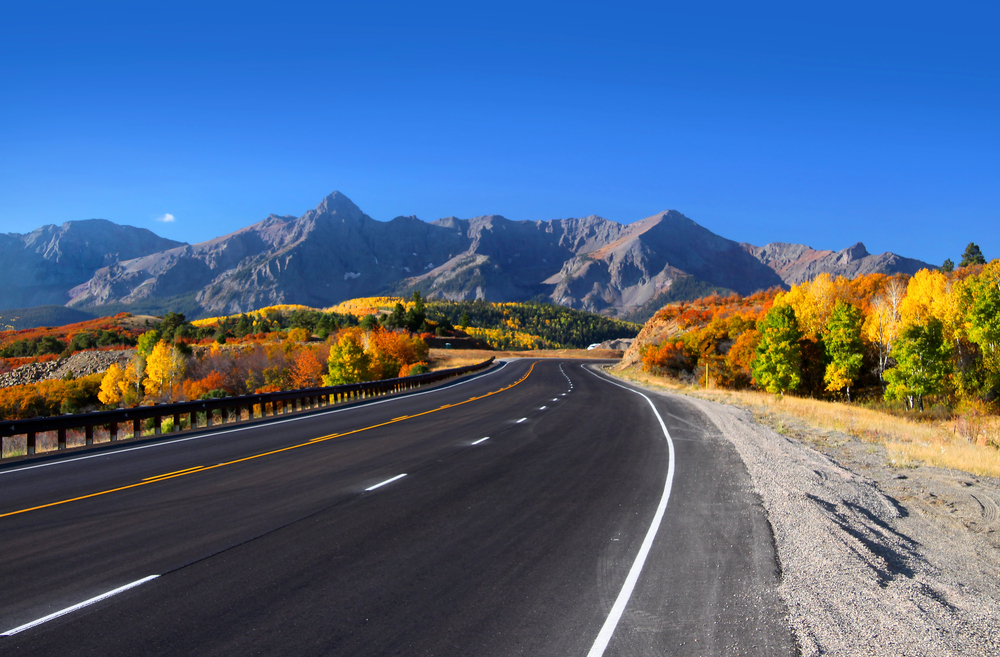
Road trips unfold slowly enough that you actually process what you’re seeing — the way farmland gives way to foothills, how the architecture changes as you cross state lines, the satisfaction of watching your progress mile by mile rather than all at once.
Comfort
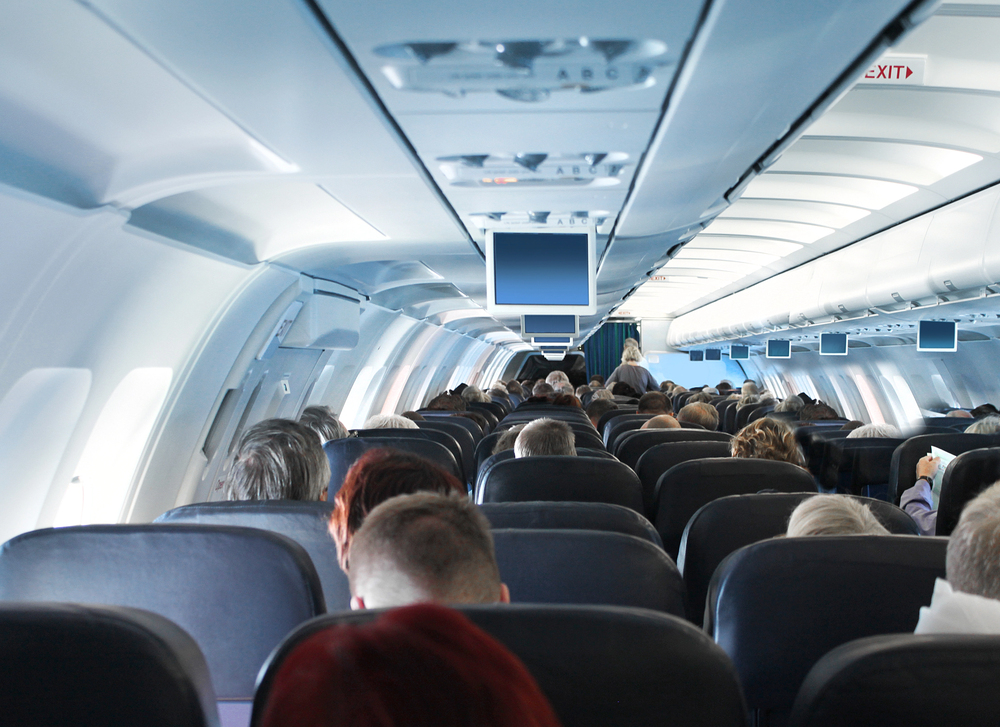
Airline seats were designed by someone who fundamentally misunderstands human anatomy. Your car seat, even in the most basic economy model, gives you more legroom than business class on most domestic flights.
You can adjust the temperature without negotiating with strangers, stop when your back starts complaining, and avoid the unique discomfort of being trapped next to someone who treats the armrest like personal property.
Food options

Airport food exists in its own economic universe where a bottle of water costs more than a gallon of gas. The captive audience model means quality becomes optional when markup reaches 400%.
Road trips let you eat at actual restaurants where locals go, discover regional specialties that don’t exist anywhere else, or pack your own meals without someone confiscating your yogurt at security.
Flexibility for changes

Plans change — and when they do, the difference between driving and flying becomes stark as the contrast between steering your own course and hoping the system works in your favor. Miss your flight connection because the first leg ran late, and suddenly you’re spending the night in an airport hotel at your own expense, rebooking everything down the line.
But change your route halfway through a road trip because someone mentioned an interesting detour, and the only person you need permission from is yourself.
Environmental impact

Flying produces more carbon emissions per person than driving, which surprises people who assume that moving hundreds of passengers at once would be more efficient. The math works differently at altitude — jet fuel burned six miles up has a different environmental cost than gas burned at ground level.
Road trips, especially in fuel-efficient cars, spread their impact across the entire journey rather than concentrating it in the upper atmosphere where it does the most damage.
Stress levels

The stress profiles of flying versus driving are completely different animals, though both will test your patience in their own particular ways. Flying compresses all the anxiety into short bursts — the security line, the boarding process, the turbulence that makes your stomach drop — while road trips distribute stress evenly across hundreds of miles.
Traffic jams become your main nemesis instead of gate changes, mechanical problems instead of weather delays. And yet there’s something to be said for stress that you can actually do something about, rather than the helpless variety that comes with being a passenger in someone else’s operation.
Privacy

Your car becomes a private space where conversations stay between you and whoever you’re traveling with, where phone calls don’t annoy strangers, where you can sing along to music without headphones or sit in comfortable silence without feeling antisocial. Planes turn privacy into a premium feature — something you can upgrade to for an extra fee, but never fully achieve when you’re sharing armrests with people whose names you don’t know and whose personal habits you’re forced to observe for hours.
Arrival condition
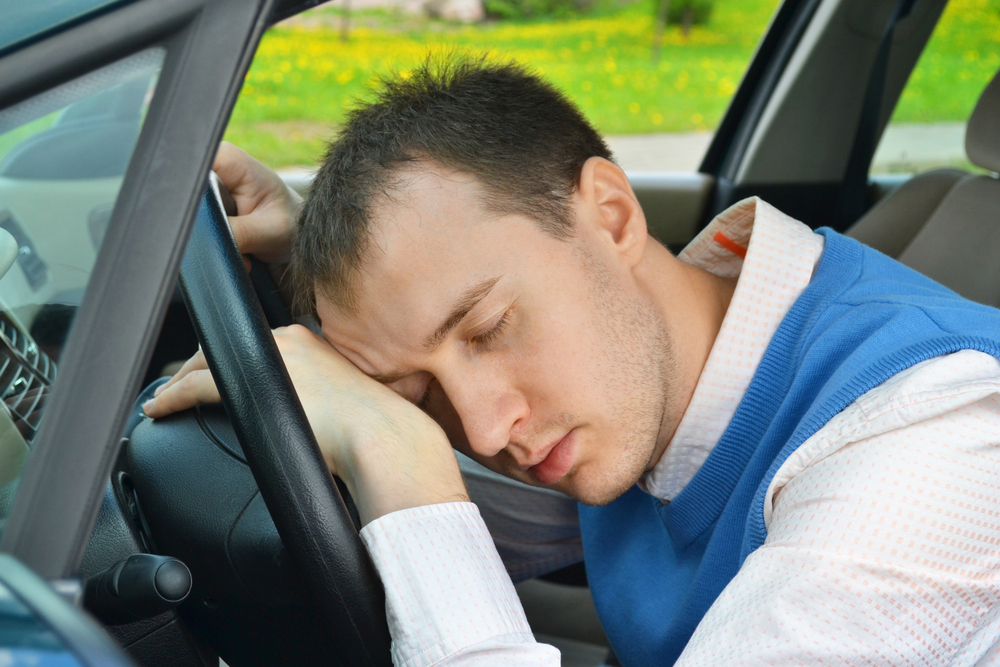
Flying leaves you depleted in ways that don’t make sense until you experience them. The recycled air, the pressure changes, the fluorescent lighting, the constant low-level noise — it adds up to a particular kind of exhaustion that has nothing to do with physical exertion.
Road trips tire you out through actual activity: the mental focus of driving, the decision-making, the physical act of sitting upright for hours. But it’s the kind of tiredness that feels earned rather than imposed.
Storage for purchases

Shopping during travel becomes either impossible or expensive when you fly. Buy something larger than a backpack and suddenly you’re paying shipping costs or excess baggage fees that often exceed the cost of what you bought.
Road trips turn your trunk into a mobile storage unit where souvenirs and impulse purchases ride along for free, where you can buy wine in three different states without worrying about liquid restrictions or breakage policies.
Backup options
When flights get cancelled, your alternatives are limited to whatever the airline decides to offer you — usually the next available flight, which might be tomorrow or next week depending on the season and your destination. Road trips come with built-in flexibility: take a different route, leave earlier, drive later into the night, stop somewhere unexpected and turn the delay into part of the adventure rather than a problem that needs solving.
Making the call

The choice between driving and flying ultimately comes down to what kind of traveler you are and what kind of trip you’re taking. Neither option is universally better — they’re just different tools for different jobs.
Some journeys call for the efficiency of air travel, while others reward the slower pace and deeper control that comes with staying on the ground. The best travelers know the difference.
More from Travel Pug

- Underrated Italian Towns That Beat the Tourist Crowds
- Las Vegas Tourist Traps to Skip
- Prettiest Towns in Every US State
- 18 passport-free countries for Americans
- Signs Your Cruise Is Not Worth The Cost
Like Travel Pug’s content? Follow us on MSN.