

There’s something deeply American about the eternal debate: wheels or wings? The question follows you through every vacation plan, every family visit, every weekend getaway that’s just far enough to make you pause and wonder which choice will leave you less frustrated and more satisfied when you arrive.
Both options promise to get you there, but they deliver entirely different experiences along the way. One turns the journey into the destination, while the other treats distance like an inconvenient detail to be eliminated as quickly as possible.
The right choice depends on variables that shift with every trip, every season, and every stage of life.
Cost considerations

Flight prices fluctuate like a caffeine-addicted day trader. Road trips cost what they cost.
Gas, tolls, maybe a hotel if you’re covering serious ground. The math stays predictable.
No surge pricing, no mysterious fees that appear at checkout, no airline deciding your route is suddenly worth twice what it was yesterday.
Time calculation

The real-time comparison isn’t takeoff to landing versus start to finish. It’s door-to-door, including the parts airlines prefer you forget about.
That two-hour flight becomes four hours with airport arrival, security, boarding, and ground transportation on both ends. The eight-hour drive remains eight hours (assuming you don’t stop to photograph every roadside attraction between here and there, which of course you will).
And driving time is yours to control — no gate delays, no weather holds, no sitting on a tarmac wondering if the pilot is going to explain why the plane isn’t moving.
So the question becomes whether you want a predictable time that belongs to you, or compressed time that belongs to the aviation industry and whatever mechanical or meteorological mood it happens to be in that day. But here’s where it gets interesting: that eight-hour drive can be split across two days with an overnight stop, turning travel into a mini-adventure rather than an endurance test.
Flexibility and spontaneity

A car is a time machine that moves through space at your discretion. See something interesting?
Stop. Change your mind about the route?
Turn left instead of right. Discover that the small town you’re passing through is having its annual pie festival?
Cancel the hotel reservation and stay an extra day.
Flying commits you to a specific departure time, a specific arrival time, and a specific level of tolerance for whatever the airline industry considers acceptable treatment of paying customers. The plane leaves when it leaves, lands where it’s supposed to land, and your job is to arrange your life around its schedule.
There’s a certain stubborn joy in having your transportation answer to you instead of the other way around. Your car doesn’t overbook itself or decide your destination is no longer profitable enough to serve.
Luggage and packing

Airlines have turned luggage into a profit center with rules that change frequently enough to keep travelers perpetually confused.
Road trips don’t charge you for bringing things. Pack light, pack heavy, pack weird-shaped items that would never survive airline baggage handling.
Bring the good cooler, the folding chairs, the camping gear, the guitar, whatever makes the trip better. Fill the trunk with souvenirs without calculating per-pound fees.
Your car doesn’t care if your shampoo bottle is 3.1 ounces instead of 3.0.
Weather dependence

Driving means confronting the weather rather than being victimized by it. Snow, rain, and wind affect cars, but they don’t ground them for hours while you sit in an airport terminal watching departure times slip later and later.
Bad weather makes driving more challenging, not impossible. You slow down, you take breaks, you adjust the plan.
Flying transforms weather into a binary system: go or don’t go, with no middle ground and no control over the decision.
Road trips teach you that weather is a participant in the journey, not an enemy of it. Rain makes the landscape more dramatic.
Snow turns ordinary highways into something almost mystical. Even storms become part of the story you tell afterward.
Scenic routes and discoveries

Highways aren’t just transportation infrastructure; they’re a delivery system for things you didn’t know you wanted to see.
The world’s largest ball of twine. A diner that serves pie that makes you question why you eat pie anywhere else.
Ghost towns that history forgot but the road remembers. Scenic overlooks that turn into hour-long photography sessions.
Flying at 35,000 feet offers a consistent view of cloud formations and the occasional glimpse of geography that’s too distant to feel real. Driving puts you inside the landscape instead of above it.
You smell the pine forests, feel the temperature change as you gain elevation, and notice how the architecture shifts from one region to the next.
These discoveries don’t happen on schedule. They happen when they happen, which is part of why they matter.
Stress factors

Airport stress is a special category of modern anxiety: hurry up and wait, compressed into the most expensive and least comfortable waiting rooms ever designed.
Arrive two hours early to stand in multiple lines, remove your shoes, hope your electronics don’t get flagged for additional screening, then sit at a gate eating overpriced food while monitoring departure boards for changes. The entire experience is designed around other people’s schedules and priorities.
Driving stress is different. Traffic jams, navigation errors, construction delays — but you remain in control of your environment.
Your music, your temperature, your bathroom breaks, your snack choices. The stress belongs to you instead of being imposed by institutions.
Accommodations and overnight stops

Flying typically means one hotel at your final destination. Road trips turn lodging into part of the adventure.
Small town motels with character that chain hotels eliminated decades ago. Historic inns that charge half what airport hotels demand.
Camping options that put you to sleep under stars instead of air conditioning. Each overnight stop becomes a mini-destination rather than just a place to collapse after traveling.
Even budget motel rooms feel more interesting when they’re chosen spontaneously rather than booked months in advance. There’s something satisfying about pulling into a town as the sun sets and finding a place to stay without consulting apps or reading reviews.
Food experiences

Airport food exists in a parallel universe where a sandwich costs what a full restaurant meal should cost and tastes like it was assembled by someone who has heard sandwiches described but never actually seen one.
Road trip food ranges from gas station snacks that somehow taste better when consumed at 70 mph, to local diners that serve regional specialties you can’t get anywhere else, to roadside stands selling whatever the local area grows or makes. Food becomes part of the cultural exploration rather than a necessary evil with inflated prices.
Gas stations in small towns stock local products. Diners serve pies made that morning.
Barbecue joints smoke meat with techniques passed down through generations. The food tells the story of where you’re traveling through.
Environmental impact

Flying domestic routes generates significantly more carbon emissions per passenger than driving, especially for shorter distances where the fuel-intensive takeoff and landing phases dominate the flight.
For trips under 500 miles, the environmental case for driving becomes stronger. For longer distances, the calculation depends on factors like vehicle efficiency, number of passengers, and whether the trip involves scenic detours that add substantial mileage.
Road trips also offer more opportunities for environmental responsibility: choosing efficient vehicles, combining multiple destinations into one journey, and supporting local economies along the route rather than just at the final destination.
Technology dependence
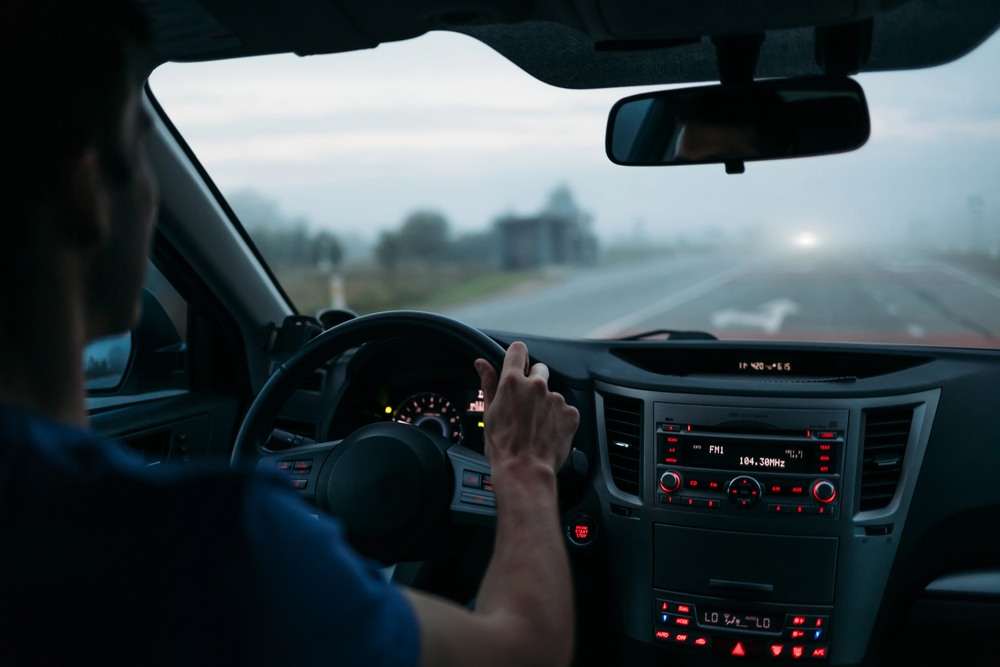
Cars operate independently of Wi-Fi signals, cell towers, and app-based systems that can fail at crucial moments.
Modern navigation helps, but maps still work when satellites don’t. Cars don’t require you to check in digitally, scan boarding passes, or maintain constant connectivity with corporate systems.
The journey happens in the physical world rather than being mediated through multiple layers of technology.
Flying increasingly requires smartphone apps for everything from boarding passes to meal orders. When the technology works, it’s convenient.
When it doesn’t, it can strand you in ways that mechanical car problems rarely do.
Destination specificity
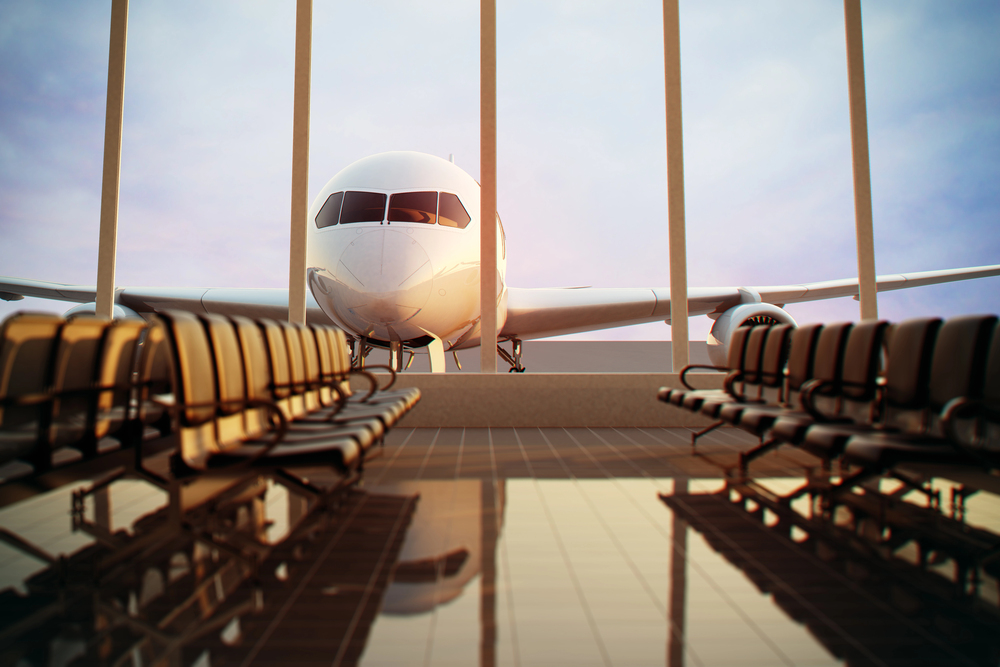
Some places are designed for road trips: national parks with scenic drives, small towns connected by historic highways, regions where the landscape changes gradually and the journey matters as much as the arrival.
Other destinations favor flying: major cities with excellent public transportation, places where the main attractions are concentrated in walkable areas, international gateway cities where the cultural experience begins at the destination rather than during the approach.
Consider whether your destination rewards the slow approach of driving or the quick insertion of flying. Beach towns often benefit from the gradual transition that driving provides.
Urban destinations sometimes work better with the immediate immersion that flying delivers.
Making the final decision

The best choice usually reveals itself when you stop thinking about transportation and start thinking about what kind of experience you want the trip to become.
Choose driving when the journey offers something worth experiencing, when flexibility matters more than speed, when you’re traveling with people you enjoy spending extended time with, or when the destination is enhanced by a gradual approach.
Choose flying when the destination is the entire point, when time limitations make driving impractical, when weather conditions would make driving genuinely dangerous, or when the route offers nothing particularly interesting between departure and arrival.
Finding your travel rhythm

Travel decisions work best when they align with your natural preferences rather than fighting against them. Some people find long car rides meditative and restorative.
Others find them tedious and claustrophobic.
Neither approach is superior in absolute terms. The superior choice is the one that matches your travel personality, your trip goals, and your tolerance for different types of uncertainty and control.
Road trips and flights solve different problems and create different memories. The trick is knowing which problem you’re trying to solve and which memories you want to create.
More from Travel Pug

- Underrated Italian Towns That Beat the Tourist Crowds
- Las Vegas Tourist Traps to Skip
- Prettiest Towns in Every US State
- 18 passport-free countries for Americans
- Signs Your Cruise Is Not Worth The Cost
Like Travel Pug’s content? Follow us on MSN.