

Picture settling into a plush theater seat as the house lights dim, the gentle rocking of the ship beneath your feet creating an unexpectedly intimate connection between performer and audience. Cruise ship entertainment has evolved far beyond cheesy lounge acts and amateur talent nights.
Today’s floating theaters rival Broadway venues, complete with hydraulic stages, aerial rigging, and performers who’ve graced the world’s most prestigious stages.
The sheer variety is staggering — from full-scale musicals with Tony Award-winning scores to death-defying acrobatic spectacles that seem to defy the laws of physics. Each show represents months of choreography, costume design, and technical wizardry, all compressed into a theater that happens to be sailing through the Caribbean or Mediterranean.
Hamilton
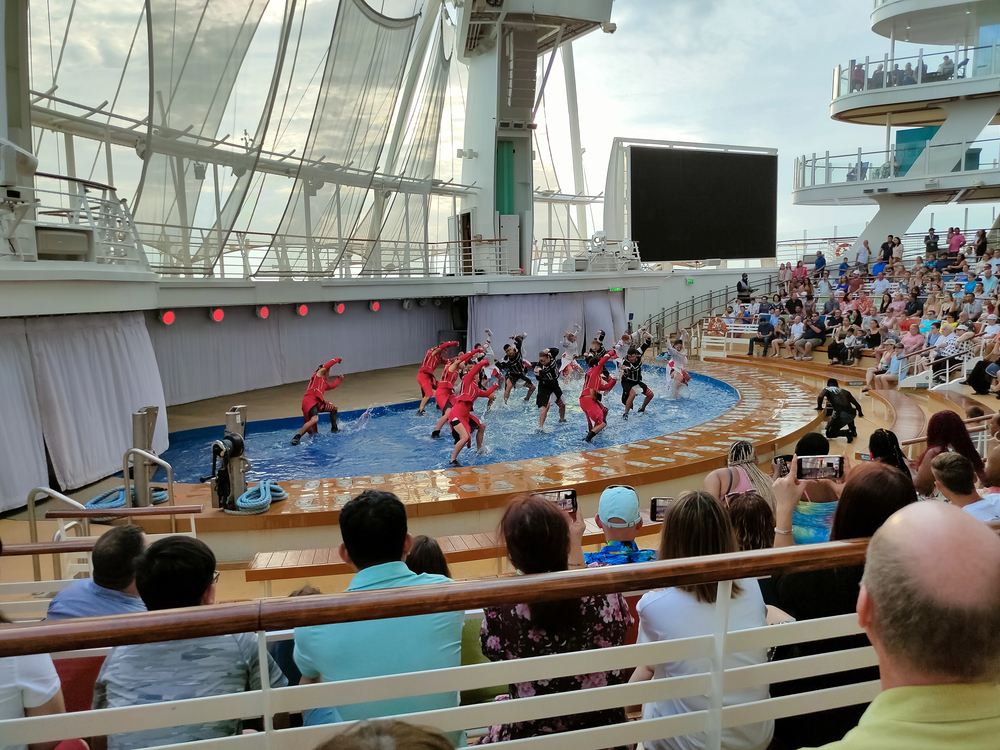
Broadway’s revolutionary musical found its sea legs aboard select Celebrity Cruises ships, bringing Lin-Manuel Miranda’s masterpiece to international waters. The production doesn’t compromise — every rapid-fire lyric, every intricate dance sequence, every moment of historical reimagining translates perfectly to the cruise theater experience.
What makes this particularly impressive is the technical demand. Hamilton requires precise timing, complex lighting cues, and a cast capable of delivering one of theater’s most vocally demanding scores night after night.
The fact that it happens while navigating ocean swells makes each performance feel like witnessing something miraculous.
Le Petit Chef
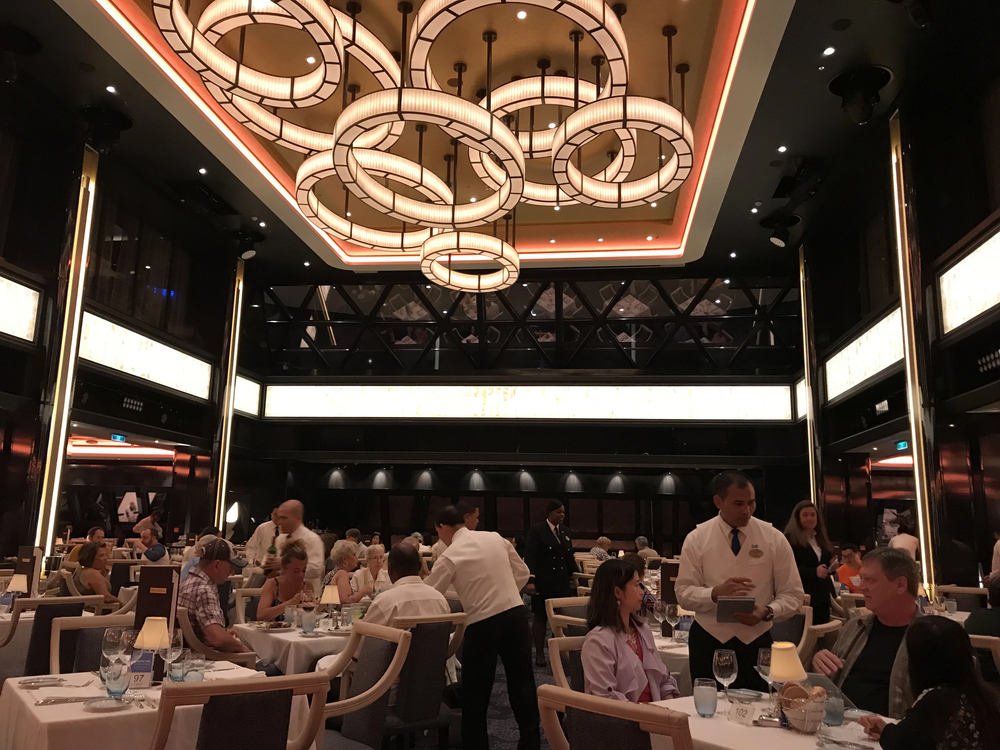
This isn’t just dinner theater — it’s culinary wizardry (though the metaphor falls short when you’re watching a two-inch animated chef literally cooking on your plate). The technology behind Le Petit Chef transforms your dining table into a stage, projecting elaborate animations that interact with each course as it arrives.
The show unfolds like a fever dream where Pixar meets fine dining, and somehow the absurdity works perfectly. Each course becomes a chapter in an ongoing story, complete with tiny kitchen disasters, ingredient adventures, and a chef who seems genuinely surprised by what ends up on your plate.
But here’s what’s clever about it: the pacing never rushes the meal itself — the entertainment adapts to your dining rhythm rather than forcing you to eat on show time. And when the final dessert arrives with its own miniature fireworks display, you realize you’ve just experienced something that couldn’t exist anywhere else but on a ship where innovation has unlimited creative license.
Hairspray
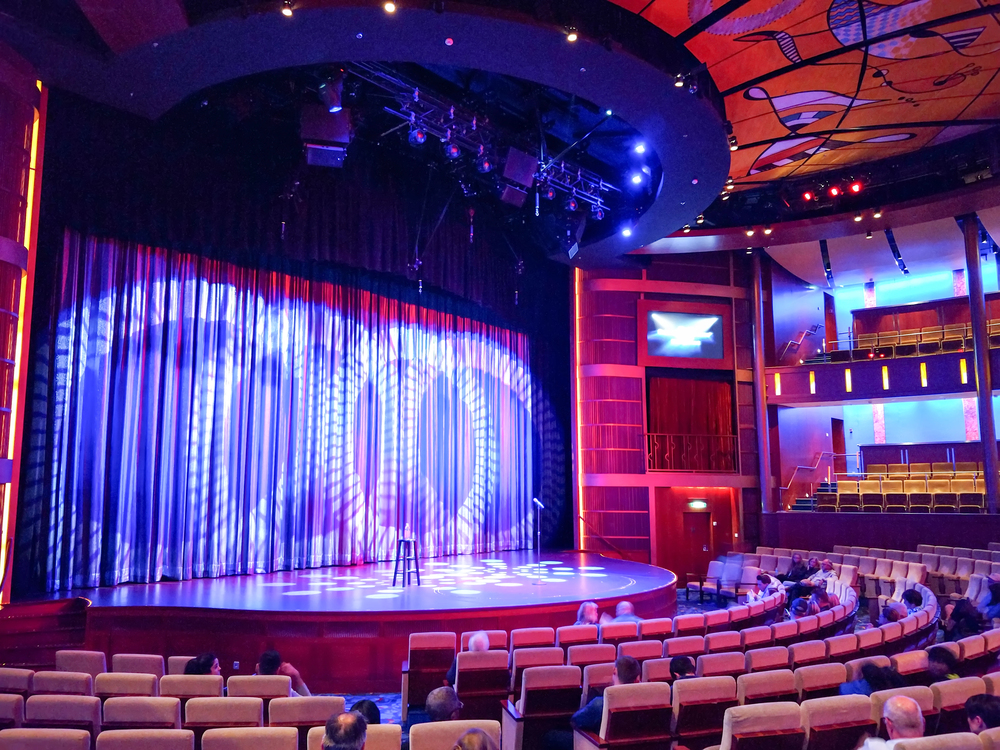
The 1960s Baltimore setting translates beautifully to cruise ship theaters, where the confined space actually enhances the musical’s themes of breaking barriers and finding your voice. The energy is infectious — Tracy Turnblad’s optimism feels particularly potent when you’re surrounded by ocean on all sides.
Cruise productions of Hairspray benefit from intimate theaters where every seat feels close to the action. The dance numbers explode with color and movement, and the catchy songs stick with you long after you’ve returned to your cabin.
Blue Planet
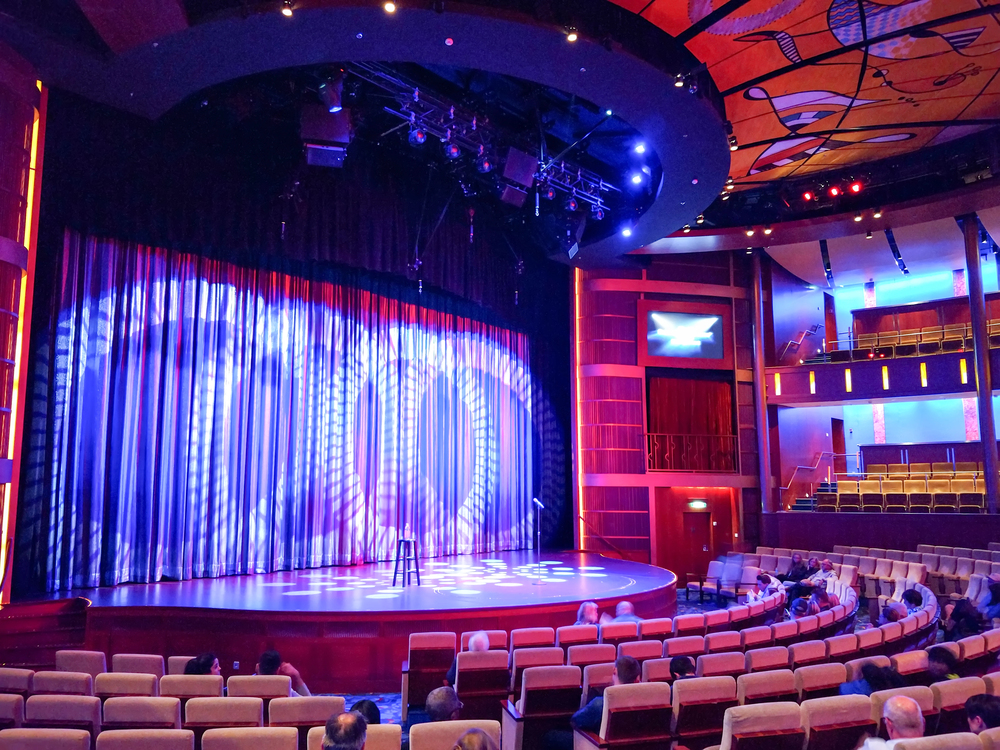
Royal Caribbean’s aquatic spectacular turns their AquaTheater into an otherworldly experience. Divers plunge from platforms 60 feet above the pool while synchronized swimmers create living mandalas in the water below, and the whole thing unfolds under a canopy of stars (assuming you’re lucky enough to catch an evening performance when the weather cooperates, which admittedly isn’t guaranteed but somehow makes the clear nights feel like a gift).
The show operates on dream logic — performers emerge from the depths wearing elaborate costumes that seem to defy both gravity and water resistance. So you’ll watch a mermaid execute a perfect triple somersault while somehow maintaining an ornate headdress, followed immediately by acrobats who treat the ship’s rigging like their personal jungle gym.
And the sound design places you inside an underwater world where whale songs blend with orchestral swells, creating something that feels less like a performance and more like being temporarily transported to an alien planet where the laws of physics are merely suggestions.
Mamma Mia!
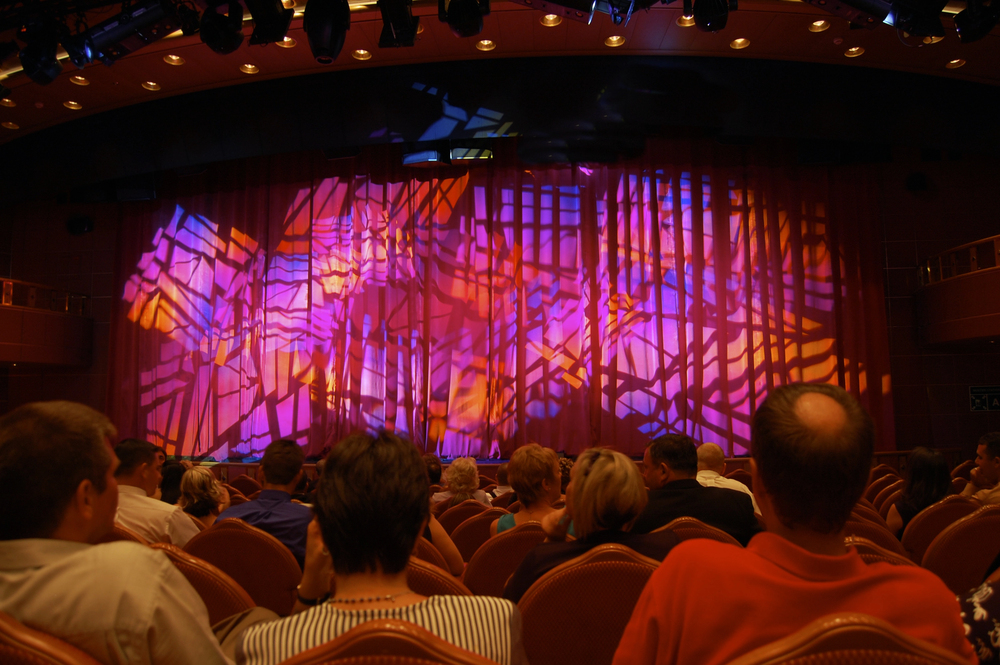
ABBA’s catalogue was seemingly designed for cruise ship audiences — the songs are universally beloved, the story is pure escapist fun, and the Greek island setting feels perfectly suited to a vacation mindset. The musical’s joyful chaos works beautifully in the contained environment of a ship’s theater.
What’s particularly effective about cruise productions of Mamma Mia! is how the audience becomes part of the celebration.
By the finale, half the theater is singing along, and the other half is dancing in their seats. It’s exactly the kind of communal experience that cruise entertainment does best.
The Red Party
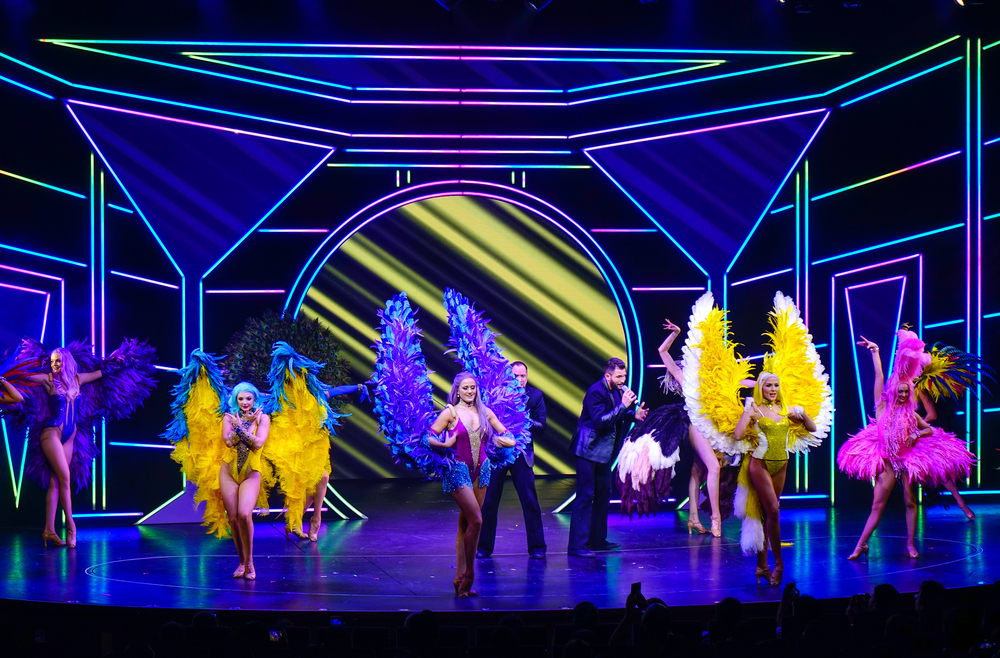
This production lives in the space between cabaret and fever dream, where classic songs get reimagined through a kaleidoscope of red velvet, dramatic lighting, and performers who seem to have stepped out of a 1920s speakeasy. The show doesn’t follow traditional narrative structure — instead, it builds emotional momentum through a series of increasingly intense musical numbers.
Think of it as what might happen if someone took the most emotionally charged songs from the past century and decided to stage them as a continuous celebration of passion, heartbreak, and resilience. The costumes alone deserve their own review — elaborate gowns that seem to incorporate every shade of red ever discovered, suits that fit like they were sewn directly onto the performers’ bodies, and accessories that catch the stage lights in ways that create their own visual symphony.
Frozen

Disney’s animated phenomenon translates surprisingly well to live theater, particularly in the intimate setting of a cruise ship. The challenge with Frozen has always been recreating the movie’s visual magic on stage — how do you make Elsa’s ice powers feel real when she’s standing three feet away from the front row?
Cruise productions solve this through clever stagecraft and lighting design. The “Let It Go” sequence becomes genuinely moving when you can see the performer’s face clearly, when every vocal run and emotional beat registers without the distance of a large theater diluting the impact.
Studio B Ice Shows
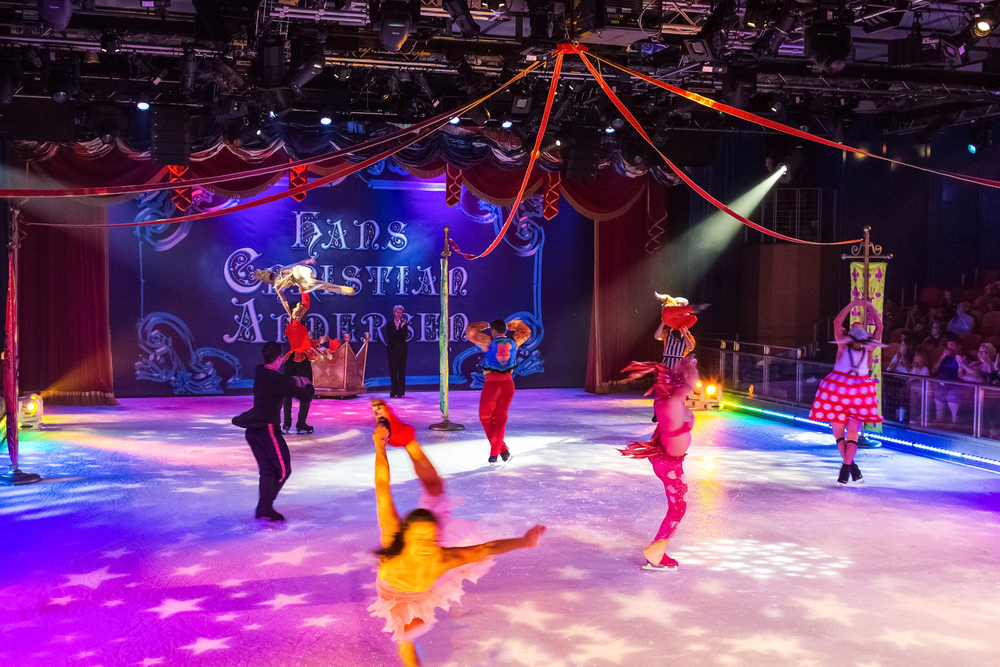
Royal Caribbean’s ice skating productions deserve recognition for pure audacity. Imagine choreographing a figure skating routine, then performing it on a rink that’s gently swaying with ocean currents.
The technical skill required is staggering — these aren’t cruise ship entertainers who happen to skate; these are world-class ice dancers performing in one of the most challenging venues imaginable.
Burn the Floor

Ballroom dance gets the high-energy treatment in this Latin-inspired spectacular. The show celebrates everything passionate about partner dancing — from the precision of competitive ballroom to the raw sensuality of tango.
In the close quarters of a cruise theater, every hip movement and dramatic dip registers with startling intensity.
What makes Burn the Floor particularly effective is its structure. Rather than telling a specific story, it creates an emotional journey through different dance styles, each section building the energy toward an explosive finale that leaves audiences breathless.
Chicago
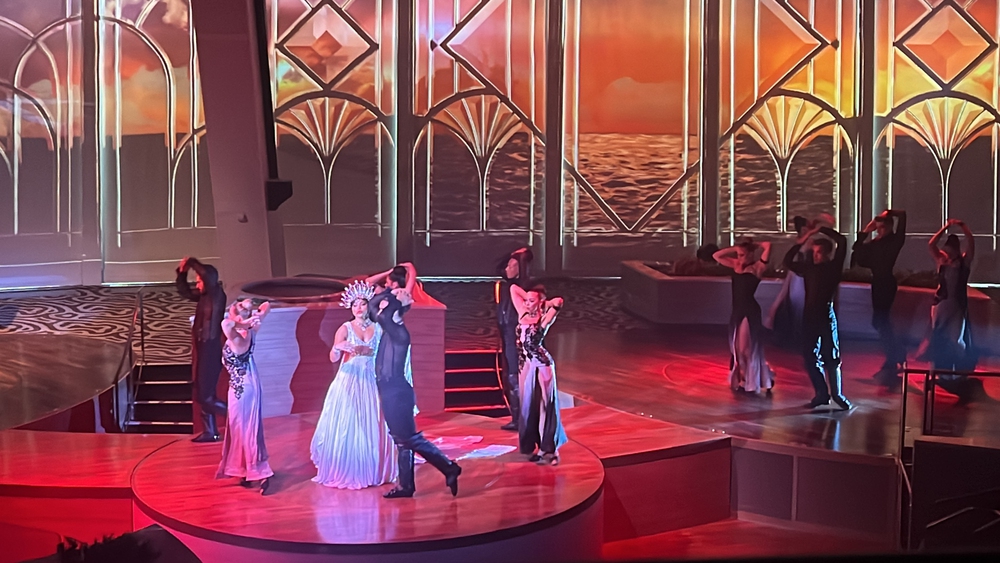
The musical’s cynical take on fame, corruption, and the American justice system might seem like an odd choice for vacation entertainment, but Chicago works brilliantly on cruise ships (partly because the intimate theater setting mirrors the smoky nightclub atmosphere the show requires, and partly because audiences who’ve been relaxing for days are ready for something with a little more edge and sophistication than the typical feel-good cruise fare).
Roxie Hart’s desperate pursuit of celebrity feels particularly sharp when performed just a few feet away from the audience. The Bob Fosse choreography — all angular limbs and precise isolations — translates perfectly to smaller stages where every gesture can be seen clearly.
And there’s something deliciously subversive about watching a show that skewers American celebrity culture while you’re literally floating in international waters, as if the ocean provides just enough distance to appreciate the satire without feeling implicated in it.
Symphonica
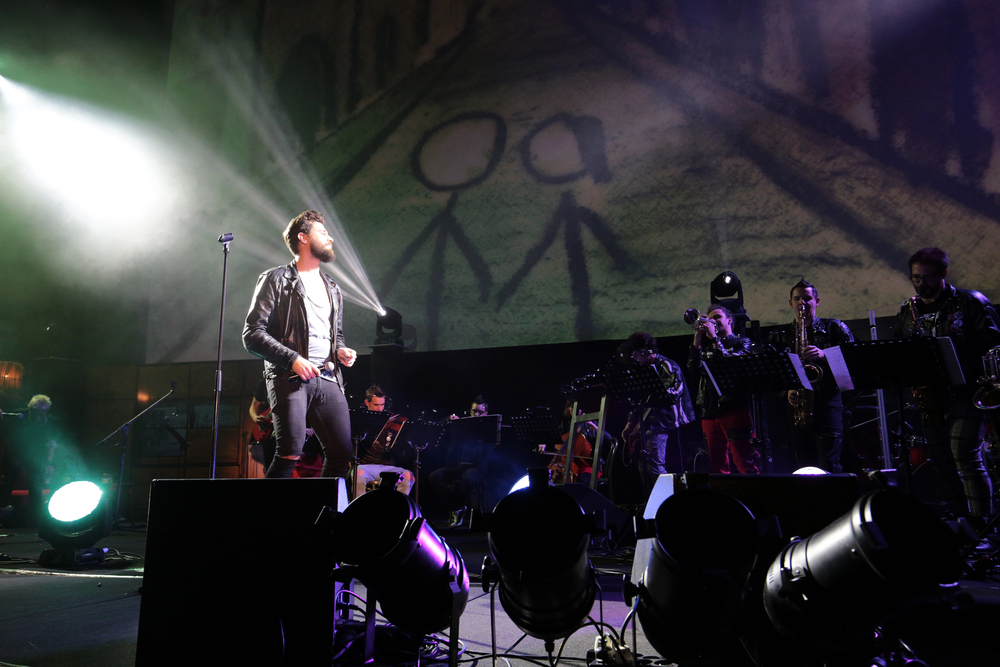
This production transforms the cruise theater into a concert hall, complete with full orchestra and soloists performing everything from classical masterpieces to contemporary film scores. The concept sounds simple, but the execution reveals layers of complexity that become apparent as the evening unfolds.
What begins as a straightforward concert evolves into something more theatrical, with lighting that responds to every musical phrase and performers who move through the audience, creating unexpected moments of intimacy. The ship’s motion actually enhances certain pieces — there’s something profound about hearing Debussy’s “La Mer” while literally surrounded by ocean.
Flight: Dare to Dream
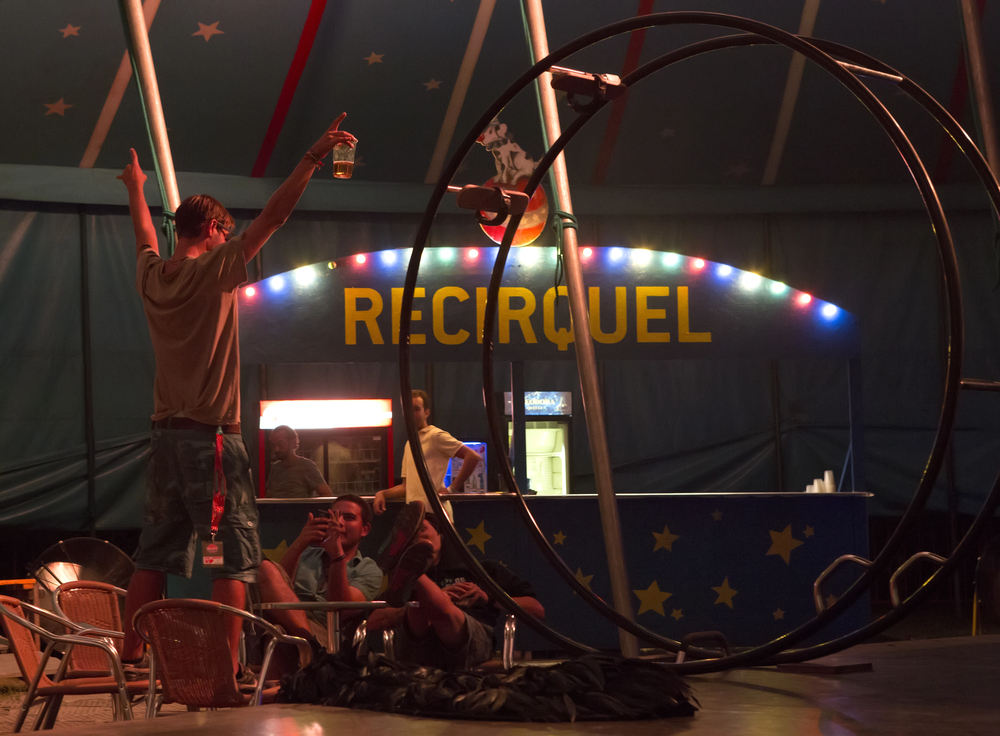
Royal Caribbean’s aerial spectacular transforms the ship’s theater into a three-dimensional performance space where gravity becomes optional. Performers suspended on silks and cables move through the air with impossible grace, their bodies becoming instruments in a larger symphony of movement and light.
The show’s power comes from its complete commitment to the impossible. You’ll watch performers execute maneuvers that seem to violate basic physics, all while maintaining the fluid grace that makes aerial work so mesmerizing.
The intimate theater setting means you can see every muscle working, every moment of concentration, every split-second of vulnerability that makes live performance so compelling.
Grease
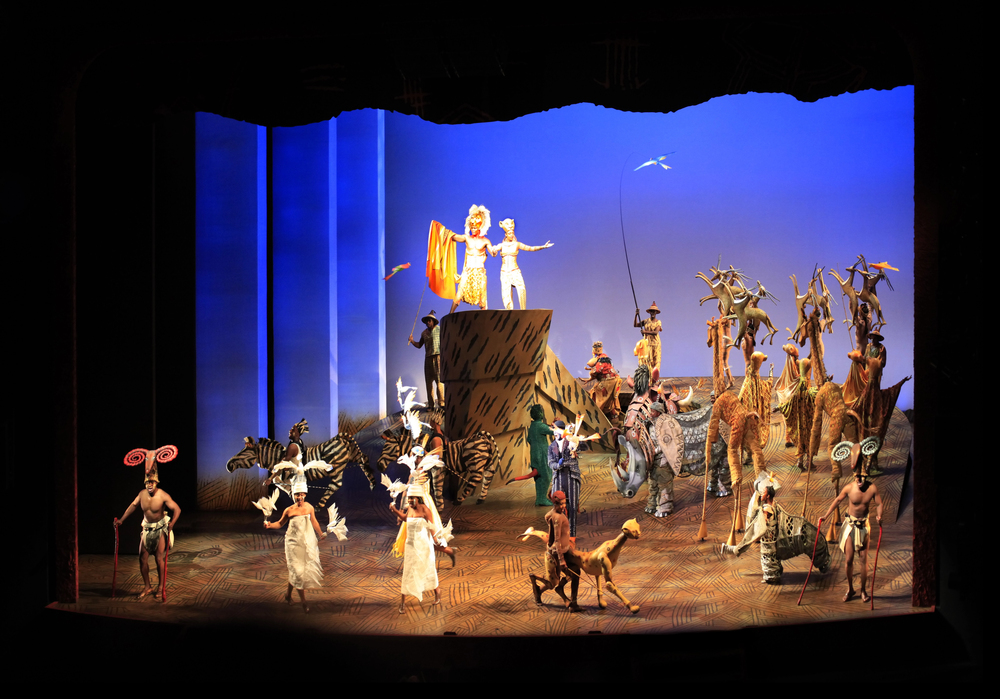
The 1950s high school musical brings infectious nostalgia to cruise ship audiences. Sandy and Danny’s romance unfolds against a backdrop of catchy songs and energetic dance numbers that feel tailor-made for the communal atmosphere of shipboard entertainment.
What works particularly well about cruise productions of Grease is how the show’s celebration of youth and rebellion resonates with audiences who are temporarily free from their usual responsibilities. The familiar songs create instant sing-along moments, and the happy ending feels earned in a way that perfectly complements the vacation mindset.
Rock of Ages

The 1980s rock musical brings arena-sized energy to cruise ship theaters, complete with power ballads, big hair, and enough leather to outfit a motorcycle convention. The show’s irreverent take on the decade’s excess feels perfectly suited to the indulgent atmosphere of cruise entertainment.
What makes Rock of Ages particularly effective in the cruise setting is its self-aware humor. The musical knows it’s ridiculous and leans into that ridiculousness with infectious enthusiasm.
The familiar rock anthems create instant connection with audiences, and the over-the-top performances feel appropriately theatrical in the contained environment of a ship’s theater.
The Greatest Show
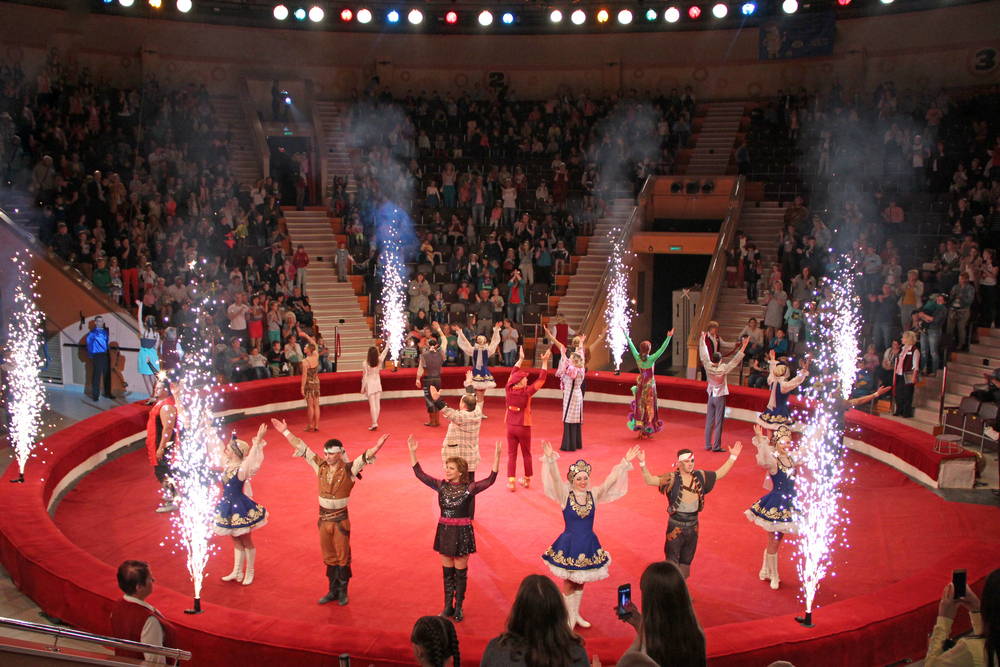
Carnival’s circus-inspired spectacular brings Big Top energy to the high seas, complete with acrobats, aerialists, and performers who seem to have learned their craft in a world where physics operates according to different rules. The show celebrates everything larger-than-life about circus performance while adapting those elements to work within the confines of a cruise theater.
The pacing is relentless — one jaw-dropping act follows another without pause, creating a sensory overload that somehow never feels overwhelming. The intimate setting means you can see the concentration in each performer’s face, the split-second timing that makes the dangerous acts possible, the genuine skill that turns spectacle into art.
Halo
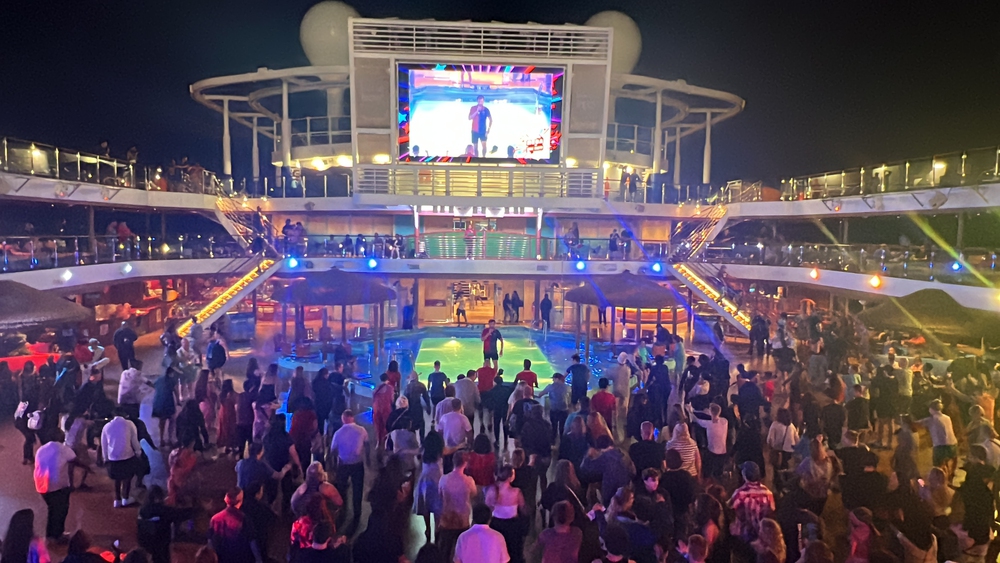
This production exists at the intersection of concert, dance performance, and light show, featuring performers who move through elaborate visual projections while live musicians create a constantly evolving soundscape. The concept sounds abstract, but the execution creates something unexpectedly moving.
The show’s power comes from its commitment to pure emotion over narrative structure. Each section explores different feelings — longing, celebration, melancholy, joy — through movement, music, and visual design that responds to the performers in real time.
The result feels less like watching a show and more like experiencing a particularly vivid emotional journey.
Setting sail for memories
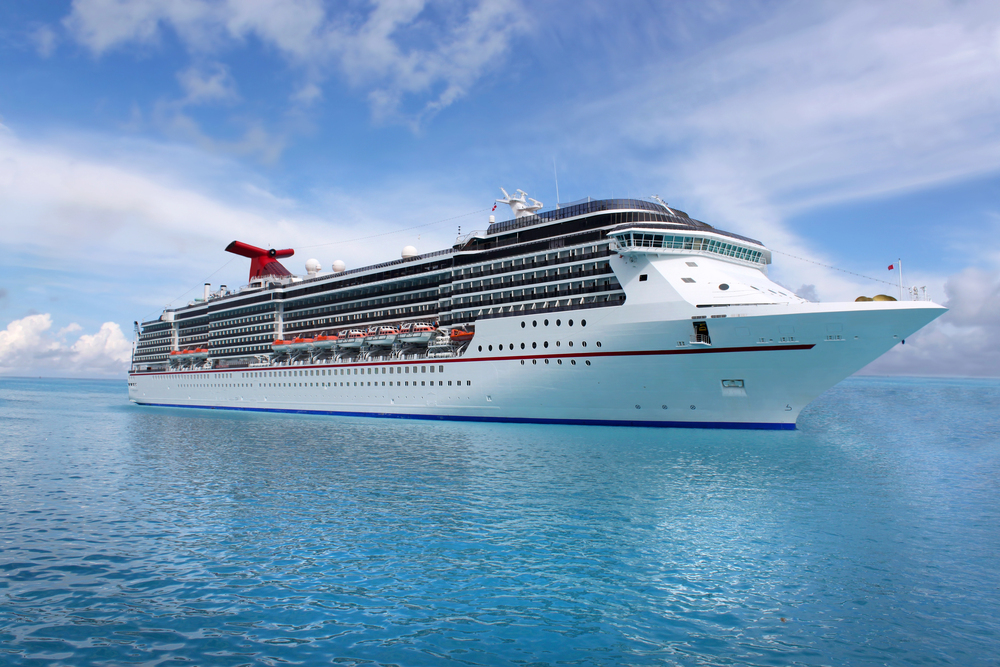
The best cruise ship entertainment understands something essential about live performance — it’s not about replicating what you can see on land, but about creating experiences that can only happen at sea. Whether it’s the gentle motion of the ship adding an unexpected element to a dance number, or the intimate theater setting that puts you impossibly close to world-class performers, these productions succeed because they embrace their unique environment rather than fighting against it.
Each show represents thousands of hours of rehearsal, costume fittings, technical rehearsals, and creative problem-solving, all in service of creating something magical for audiences who are already living in a kind of suspended reality. The ocean provides the perfect backdrop for entertainment that asks you to suspend disbelief and surrender to the impossible.
More from Travel Pug

- Underrated Italian Towns That Beat the Tourist Crowds
- Las Vegas Tourist Traps to Skip
- Prettiest Towns in Every US State
- 18 passport-free countries for Americans
- Signs Your Cruise Is Not Worth The Cost
Like Travel Pug’s content? Follow us on MSN.