

There is a consistent pattern in rental car satisfaction data that most first-time renters discover the hard way: the same company that runs a smooth, low-friction operation at a downtown or neighborhood location can produce a genuinely miserable experience at the airport branch a few miles away. The car might be the same.
The brand is the same. The staff is employed by the same company.
And yet the airport location generates complaints at a rate that the off-airport location does not, charges fees that the off-airport location does not, and processes customers in conditions that no other customer-facing industry would tolerate on a busy Saturday morning.
This is not an accident, and it is not primarily about the quality of individual staff members. The airport rental car environment is structurally different in ways that produce consistently worse outcomes.
The Concession Recovery Fee Is Real and It’s Substantial
Airports charge rental car companies for the right to operate on their premises — counter space, facility access, operational rights — and those companies pass the cost directly to customers as a line item called the Concession Recovery Fee or Airport Concession Fee. This fee runs approximately 10%–11% of the base rental rate at most major U.S. airports, and it is non-negotiable.
A seven-day Hertz rental at Dallas Fort Worth recently showed an Airport Concession Fee of $46.38 on a $417 base — just under 11.1%. San Francisco International Airport layers an additional $16.50 flat transportation and facility charge on top of this per signed contract.
These fees exist exclusively at airport locations; a neighborhood branch of the same company carries none of them.
The Customer Facility Charge Pays for Infrastructure You May Not Use
Separately from the concession fee, airports charge a Customer Facility Charge (CFC) — a daily or per-contract flat fee of $6 to $10 at most major airports — that funds the consolidated rental car facility, its shuttles, maintenance, and staffing. LAX, DFW, PHX, and BOS all carry this charge.
The fee is applied to every rental, whether the customer uses the shuttle once or a dozen times, and it appears on the itemized bill in a way that most customers don’t notice until they’re comparing the confirmed online rate to what was actually charged.
The Total Price Gap Between Airport and Off-Airport Is Consistent and Significant

A NerdWallet analysis of more than 480 rental car prices across the 15 largest U.S. airports in June 2024 found that weekly car rentals at downtown locations were on average $86 cheaper than at airport locations — approximately 18.4% more expensive at the airport. The same analysis notes that rental companies are not primarily pocketing this difference; the airport itself captures most of the premium through its fee structure.
The consumer impact is identical regardless of where the money goes: a five-day $250 base rental at Orlando International Airport (MCO) typically arrives at $325 to $345 out the door. The same car class at a Kissimmee neighborhood Enterprise branch often runs $260 to $275.
Airport Branches Run on Volume That Produces System Failures

Airport rental car locations at major hubs process hundreds of customers per hour during peak arrival periods. The volume pressure this creates on counter staffing, vehicle readiness, and fleet management consistently produces the conditions that generate complaints: cars that are not where they’re supposed to be, check-in queues that stretch to 30 or 40 minutes on busy Saturdays, vehicle handovers that are rushed to the point where damage to the outgoing car is not properly documented, and return inspections that occur under time pressure with customers who have connecting flights.
The Lowest-Rated Brands Concentrate at Airport Locations
The J.D. Power 2025 North America Rental Car Satisfaction Study ranked Dollar Car Rental last among major brands with 641 out of 1,000 points.
Fox Rent A Car scored 643 points and held a 1.1-star rating on ConsumerAffairs, where over 1,000 reviewers gave it one star, the majority citing overcharging and disputed fees. Payless received 650 points and a 1.4 rating on Trustpilot, with repeated complaints about surprise costs that resulted in a class-action lawsuit settlement in 2025.
All three brands — Dollar, Fox, and Payless — operate primarily at airport locations, where the low-cost-entry pricing that attracts budget travelers creates the financial pressure to upsell aggressively at the counter and to dispute damage claims in ways that higher-margin brands do not.
Counter Upselling at Airport Locations Is Structurally More Aggressive
Rental car counter agents at airport locations are often incentivized to sell insurance waivers, vehicle upgrades, prepaid fuel, GPS rentals, and toll-pass products at the point of pickup. These upsells can roughly double the effective cost of a booking: a $40-per-day base rental plus a collision damage waiver at $25 per day, plus prepaid fuel, plus a toll pass, arrives at $80 per day before taxes.
The counter interaction at airport locations — where the customer is often jet-lagged, time-pressured, and separated from their luggage — is optimized for this kind of incremental spend in a way that the leisurely walk-in visit to a neighborhood branch is not.
Damage Disputes Are More Common at Airport Returns

Return inspections at busy airport locations happen quickly, often under artificial time pressure created by queuing returns and agents processing multiple cars simultaneously. Damage claims that arise after return — charges appearing on a credit card days after departure — are among the most common rental car complaints at airport locations and among the most difficult to dispute without documentation.
Photographing every surface of the vehicle before driving off the lot, including underneath the bumpers, and timestamping the photos with GPS data, is the specific practice that experienced airport renters use to manage this risk.
Vehicles Are Not Always Properly Serviced Between Airport Turnovers

Consumer reviews of multiple companies document vehicles at airport locations that were insufficiently serviced between turnovers. An Alamo customer at the Sarasota airport drove off the lot and received a dashboard warning indicating zero percent oil life remaining, suggesting the vehicle had not been serviced before being placed back in the fleet.
The high turnaround rate at airport locations — cars checked in, cleaned, and returned to the lot within hours — creates conditions where maintenance shortcuts are more likely than at locations with slower inventory cycling.
Drop-Off Address Discrepancies at Airport Locations

Several documented complaints from Hertz customers describe being directed to a drop-off location listed on the company’s website that did not actually exist — an address that corresponded to a former branch or an incorrect entry in the system. At airport locations, where drop-off often occurs on a tight timeline before a departure, an incorrect address creates a cascading problem: missed flights, disputed late fees, and a customer service system that is not equipped to resolve the issue in real time.
The administrative accuracy of airport location directories, particularly at off-airport facility addresses, is a documented failure point.
State Tourism Taxes Layer on Top of Airport Fees

In tourist-heavy markets, state and local tax structures specifically targeting airport car rentals add another cost layer above the federal and airport fee structure. Orange County, Florida adds a 6.5% tourist development tax on top of sales tax for airport rentals.
Similar destination-specific taxes apply in Miami-Dade, New York City, and Las Vegas. These taxes are applied at the airport location level and do not apply — or apply at lower rates — at neighborhood locations in the same markets.
The traveler who rents at MCO rather than in Kissimmee pays more in taxes on the same vehicle for reasons that have nothing to do with the rental itself.
The High-Volume Airport Shuttle Experience Compounds Dissatisfaction
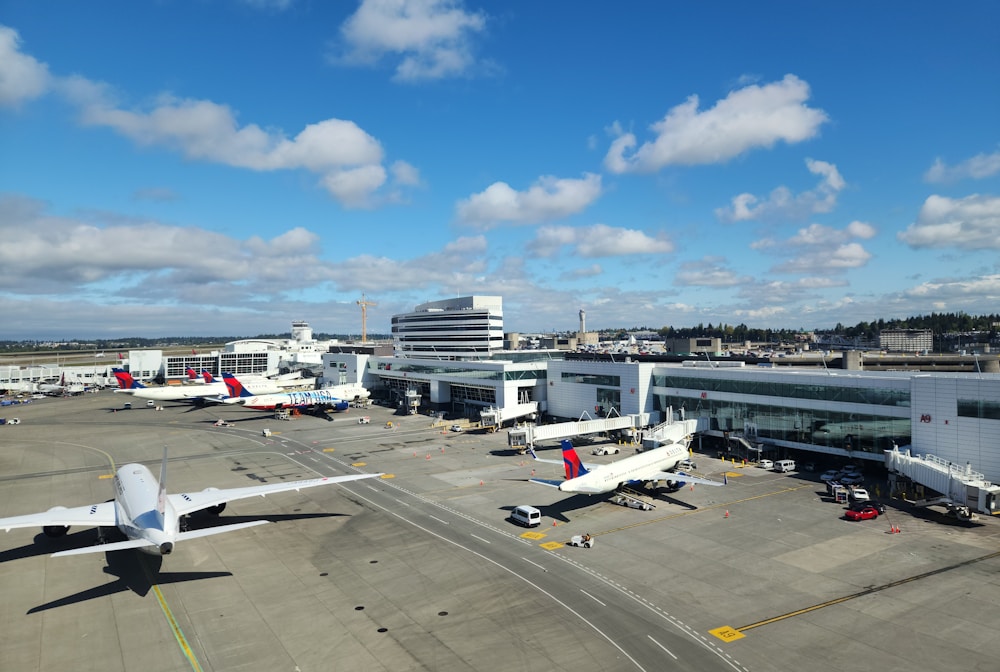
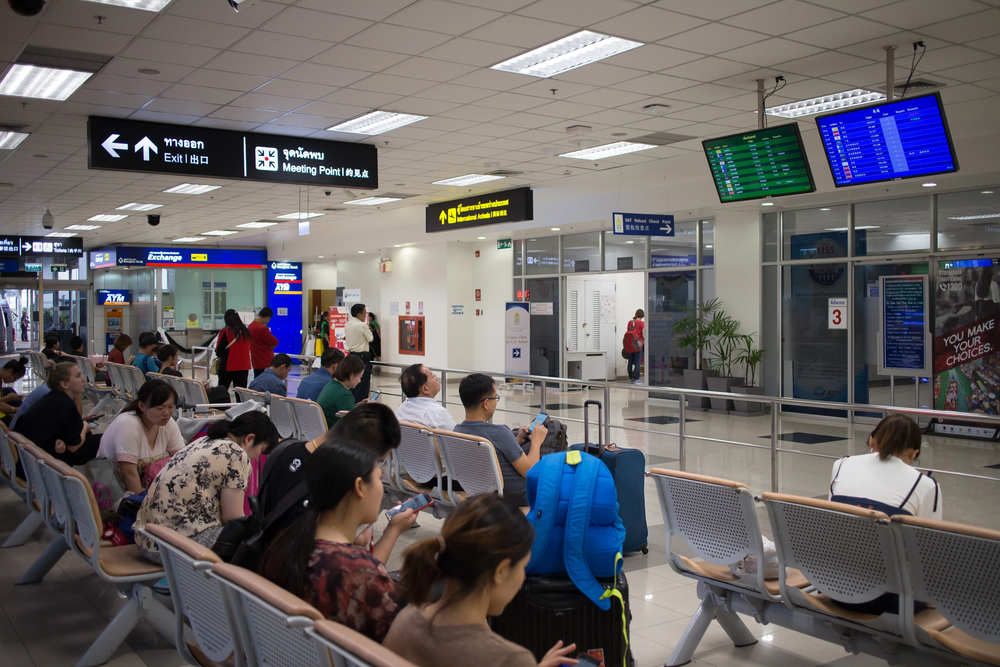
At airports where the rental car center is located off the terminal — LAX, Seattle-Tacoma, San Francisco, and others — customers must take a shuttle or Automated People Mover from the terminal to the rental facility. This adds 10 to 20 minutes to the process on the outbound end and requires timing return trips carefully enough to allow shuttle transit before check-in deadlines.
The shuttle infrastructure itself — waiting for a bus that arrives every five to ten minutes while pulling luggage on a curb — is the specific element of the airport rental process that produces more complaint language in reviews than almost any other feature of the experience.
Loyalty Programs Work Better at Airport Locations, But Only If You’re a Member

Established loyalty members at Hertz Gold Plus Rewards, Avis Preferred, National Emerald Club, and similar programs can skip the counter entirely at airport locations and proceed directly to the car — eliminating the queue, the upsell interaction, and the associated friction. This is the single largest differentiator between two travelers renting the same car at the same airport location: the loyalty member who walks to the lot and drives away in 10 minutes, and the non-member who stands in a 35-minute queue.
The paradox is that the program benefit that makes airport rentals tolerable is almost entirely invisible to first-time renters, who are most likely to experience airport rental at its worst.
The Off-Airport Math, Done Properly
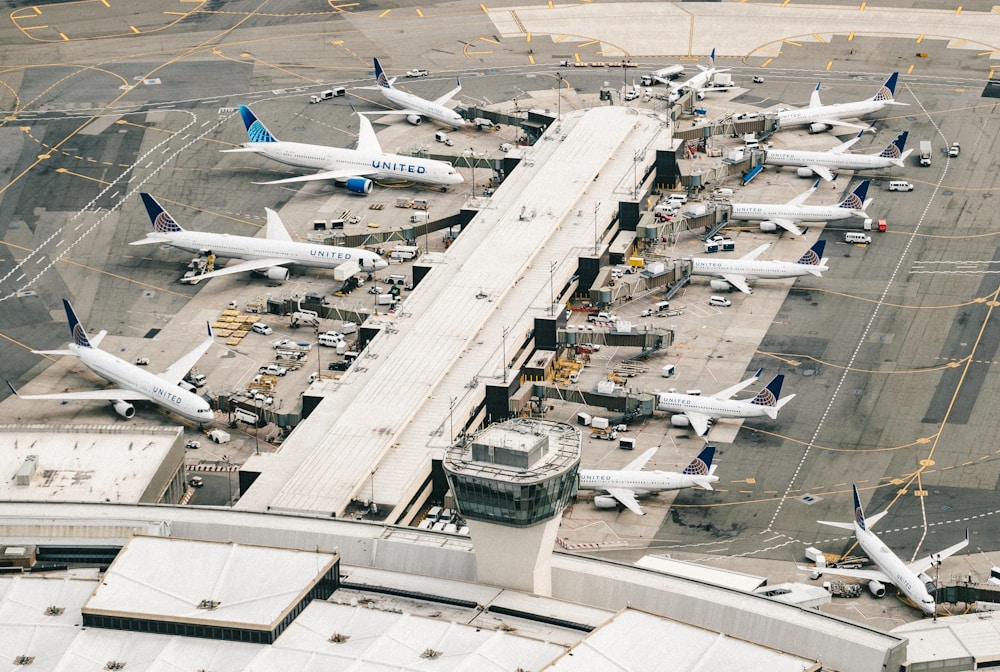
Transportation costs to off-airport rental locations typically run $10 to $60 by rideshare depending on distance, and the savings analysis requires accounting for this against the airport premium. At the average 18.4 percent airport premium, an $80 weekly savings on a $450 base rental exceeds the rideshare cost in most markets, and the savings compound for longer rentals.
The catch is time: the rideshare trip to the off-airport location and back at return adds 30 to 60 minutes to the total rental process. For travelers with tight arrival connections or early morning departures, the time cost is real.
For travelers with a flexible schedule, the off-airport option consistently delivers a better experience at a lower price — a combination available in almost no other context in travel.
Why the Pattern Persists Despite Being Widely Documented
The airport rental car environment produces worse experiences because it was designed around different priorities than customer satisfaction. It was designed around volume throughput, location premium, captive demand from arriving passengers who need a car and don’t have time to comparison shop, and a fee structure that airports have every incentive to maintain because it generates significant revenue.
The companies that perform worst in satisfaction studies are the ones that lean most aggressively into the economics of this captive environment — budget-positioned brands that attract customers with low base rates and recover margin through upselling, fee layering, and damage disputes. The companies that perform best are the ones that invested in loyalty infrastructure that routes experienced renters away from the counter interaction entirely.
The airport rental car experience is a genuine system, and understanding it doesn’t eliminate the airport surcharges. But it does mean arriving with photographs ready, loyalty status active, a clear record of the agreed rate, and the specific expectation that the itemized bill will look different from the confirmed price — and knowing exactly what each line item represents before the card is charged.
More from Travel Pug

- Underrated Italian Towns That Beat the Tourist Crowds
- Las Vegas Tourist Traps to Skip
- Prettiest Towns in Every US State
- 18 passport-free countries for Americans
- Signs Your Cruise Is Not Worth The Cost
Like Travel Pug’s content? Follow us on MSN.