

The weekend rental that seemed like such a clever investment idea has turned into a housing nightmare for millions of Americans. What started as a platform for spare bedrooms and vacation homes has morphed into a parallel real estate market that’s pricing out locals, emptying neighborhoods of long-term residents, and turning entire city blocks into unofficial hotel districts.
The numbers tell a sobering story: in some cities, short-term rentals now represent a significant chunk of the housing stock, removing thousands of units from the market where actual residents might live.
The ripple effects stretch far beyond simple supply and demand. When apartments become more profitable as nightly rentals than monthly leases, landlords convert en masse.
When investors buy properties specifically to list on Airbnb, they outbid families looking for homes. When neighborhoods fill with rotating tourists instead of stable communities, the character that made these places desirable in the first place begins to disappear.
San Francisco

Short-term rentals pulled the rug out from under San Francisco’s housing market. The city lost thousands of housing units to short-term rental conversions and related investment activity.
Rents jumped even higher than their already absurd levels.
The math was brutal and simple: why rent to a tenant for $3,000 a month when tourists will pay $200 a night? Landlords did the obvious thing.
Entire apartment buildings emptied of residents and filled with rolling suitcases instead.
Barcelona

The transformation happened so fast that longtime residents barely recognized their own neighborhoods, and the most painful part wasn’t just the displacement (though watching families who’d lived somewhere for generations get priced out never stops being heartbreaking) — it was seeing the city lose its soul one Airbnb listing at a time. Streets that once hummed with the daily rhythms of local life — kids walking to school, neighbors chatting at corner cafés, elderly residents feeding pigeons in small plazas — became tourist corridors where the only conversations were about restaurant recommendations and photo opportunities.
And yet the platform kept expanding, because the money kept flowing, because the algorithm didn’t distinguish between a vibrant neighborhood and a profitable one.
The city government tried to fight back with regulations, but enforcement proved nearly impossible when listings could pop up faster than inspectors could track them down. So Barcelona became a case study in how quickly a place can change when housing becomes a commodity rather than a community foundation — and how hard it is to put that genie back in the bottle once the economic incentives have shifted so dramatically.
Venice

Venice, Italy, exists as a museum now, not a city. The population has fallen dramatically over the decades, with short-term rentals accelerating existing housing pressures.
What remains feels like a theme park where the rides are gondolas and the admission price is a hotel booking.
Walking through Venice today means navigating crowds of tourists pulling wheeled luggage over ancient bridges while locals — the few who remain — duck into increasingly rare neighborhood bars that haven’t been converted into souvenir shops. The city that once produced glass artisans and boat builders now produces nothing but photo opportunities for visitors who stay two nights and leave.
Venice didn’t just lose housing to short-term rentals. It lost the economic ecosystem that sustains actual communities.
When everyone you see is holding a camera instead of living a life, you’re not in a neighborhood anymore.
Lisbon

Lisbon’s rental market came under intense pressure from short-term rental speculation and rising international investment. Property owners discovered they could make more money from tourists than from Portuguese tenants.
Entire neighborhoods gentrified practically overnight.
The city’s famously affordable charm became its own undoing. International investors bought up properties in historic areas, converted them to short-term rentals, and priced out the families who’d called these neighborhoods home for decades.
What was once a city where young Portuguese could afford to live became a playground for digital nomads and weekend visitors.
Traditional shops closed when their customer base moved away. Local restaurants gave way to tourist traps.
The fabric that held communities together simply unraveled, one Airbnb conversion at a time.
New Orleans

New Orleans learned the hard way that tourism and livability don’t always coexist peacefully, and the lesson arrived with Hurricane Katrina’s aftermath when the city was still rebuilding, still vulnerable, still trying to figure out how to house the people who’d called it home for generations. Short-term rentals swept through recovering neighborhoods like a second storm — quieter but just as destructive — turning potential homes into profit centers for investors who’d never spent a Mardi Gras in the city, never sat on a stoop listening to jazz drift down the street, never understood that New Orleans culture comes from the people who live there year-round, not the ones who visit for long weekends.
The irony cuts deep: tourists come to New Orleans for its authentic culture, but their accommodation choices actively destroy the communities that created that culture in the first place. Musicians get priced out of the neighborhoods where they used to play.
Service workers commute from farther and farther away because they can’t afford to live where they work.
Prague

Prague’s city center became a ghost town for locals. Airbnb turned residential buildings into de facto hotels.
Czech families found themselves competing with international tourists for housing and losing badly.
The medieval beauty that drew visitors also made the city irresistible to short-term rental investors. Historic apartments that should have housed Prague residents became rotation spots for bachelor parties and Instagram shoots.
Local businesses catering to neighborhood needs closed when their customer base disappeared.
What’s left is a hollow version of Prague — beautiful buildings filled with temporary visitors who contribute nothing to the community fabric that once made the city special.
Amsterdam

Amsterdam’s housing crisis deepened dramatically once Airbnb took hold. The city was already struggling with limited space and high demand.
Short-term rentals made an existing problem catastrophic.
Entire canal-side buildings converted to tourist accommodations. Young Dutch professionals found themselves priced out of their own city.
The housing waiting lists that were already years long became effectively permanent for many residents.
Amsterdam tried to regulate its way out of the problem, limiting rental days and requiring permits. The regulations helped somewhat, but the damage to the housing market had already been done.
Recovery takes much longer than destruction.
Reykjavik

Iceland’s tourism boom and Airbnb arrived at the same time, creating a perfect storm that sucked housing away from Icelanders who actually lived there (and the numbers were staggering for such a small city — thousands of units converted from long-term housing to short-term rentals in just a few years). The situation got so absurd that teachers, nurses, and other essential workers couldn’t afford to live in their own capital city, while visitors from much wealthier countries treated the housing market like their personal hotel reservation system.
Reykjavik’s rental market became an international commodity rather than a local resource, and locals found themselves competing against tourist budgets that bore no relationship to Icelandic salaries.
But the real kicker was watching a city of roughly 140,000 people lose its residential character to accommodate visitors who’d spend more in a weekend than many locals made in a week — and then leave, taking their money with them while the housing shortage remained behind like a hangover that never quite faded.
Austin

Austin’s weird got expensive, and Airbnb accelerated the process. The city that prided itself on being affordable for artists and musicians became a playground for tech money and tourist dollars.
South by Southwest and other festivals created massive demand for short-term rentals. Property owners realized they could make festival rates year-round by marketing to visiting tech workers and weekend tourists.
East Austin neighborhoods that had been home to working families for generations turned into Airbnb districts almost overnight.
The musicians who gave Austin its character found themselves priced out to suburbs and smaller towns. The local venues they played couldn’t afford rising commercial rents either.
Austin kept growing, but the culture that defined it moved elsewhere.
Miami

Miami’s short-term rental market exploded during the pandemic when remote work made beach living temporarily feasible for people with New York and San Francisco salaries. Local residents watched their rent double as landlords pivoted to the more profitable Airbnb market.
The city’s rental stock became a commodity for wealthy visitors rather than housing for the people who actually worked in Miami’s restaurants, hotels, and service industries. Commute times lengthened as workers moved farther from the city center to find affordable housing.
Miami had always been expensive, but Airbnb made it impossible for the middle class to live there at all. The service economy still needed workers, but those workers increasingly couldn’t afford to live anywhere near their jobs.
Edinburgh

Edinburgh discovered that having a world-famous festival creates a dangerous housing dynamic when combined with short-term rentals, and the math was ruthlessly simple: landlords could make more money renting to festival-goers for one month than to local tenants for an entire year. So they did, converting flats throughout the city center and spreading into residential neighborhoods that had never been tourist areas before the platform made it economically irresistible.
Scottish families found themselves competing with international visitors for basic housing, and losing that competition because tourists could afford to pay prices that bore no relationship to local wages or local housing needs.
The festival that was supposed to celebrate Edinburgh’s culture ended up displacing the residents who created that culture in the first place. Street performers and theater workers couldn’t afford to live in the city where they performed.
The festival became successful enough to price out the people who made it possible.
Charleston

Charleston’s historic charm became its housing market curse. The same beautiful architecture that made the city special also made it irresistible to Airbnb investors looking to capitalize on tourism.
Traditional neighborhoods filled with short-term rental properties instead of long-term residents. Local families who’d lived in Charleston for generations found themselves priced out by investors who saw historic homes as profit opportunities rather than community anchors.
The hospitality workers who keep Charleston’s tourism economy running increasingly couldn’t afford to live in Charleston itself. They commuted from surrounding areas while visitors occupied the housing that should have been available to residents.
Savannah

Savannah’s rental market buckled under tourist demand channeled through short-term rental platforms. Historic squares that once anchored residential neighborhoods became clusters of vacation rentals with rotating occupants.
The city’s affordable charm attracted investors who converted rental properties to Airbnb listings faster than local government could track or regulate them. College students and young professionals found themselves competing with tourist budgets for basic housing.
Local businesses that depended on neighborhood residents struggled as their customer base moved farther away or left the city entirely. Tourism money flowed through Savannah, but less of it stuck around to benefit the people who actually lived there.
Portland

Portland’s quirky neighborhoods lost their residential character to short-term rental conversions. The city’s culture depended on affordable housing for artists, musicians, and creative types who gave Portland its identity.
When those same neighborhoods became profitable as tourist accommodations, the economics shifted against long-term residents. Property owners converted apartments and houses to Airbnb listings, reducing the rental stock available to locals.
The food scene, music venues, and creative businesses that made Portland attractive to visitors began struggling as their customer base and workforce got priced out. Tourism threatened to kill the very culture it came to experience.
Honolulu

Hawaii’s housing shortage became a crisis when Airbnb allowed mainland investors to buy up residential properties for vacation rentals, and the impact was particularly devastating because Hawaii already had some of the most expensive housing in the nation before short-term rentals removed even more units from the market. Native Hawaiian families faced increasing housing pressure as short-term rentals added to already severe affordability challenges.
The disconnect was jarring: tourists came to Hawaii to experience authentic island culture, but their accommodation choices actively displaced the communities that created that culture. Teachers, firefighters, and other essential workers increasingly had to live multiple families to a house or move to the mainland because housing costs made island life unsustainable for people with local salaries.
New York City

New York tried to regulate Airbnb out of existence, but not before thousands of apartments disappeared from the rental market. The city’s housing shortage was already legendary before short-term rentals made it worse.
Entire buildings in Manhattan and Brooklyn converted to illegal hotels masquerading as home-sharing. Rent-stabilized apartments that should have housed New Yorkers became profit centers for investors gaming the platform’s algorithms.
The city eventually cracked down hard, requiring hosts to register and limiting rentals to less than 30 days only when hosts were present. But the damage to the rental market took years to accumulate and will take just as long to reverse.
The Reckoning That Never Came
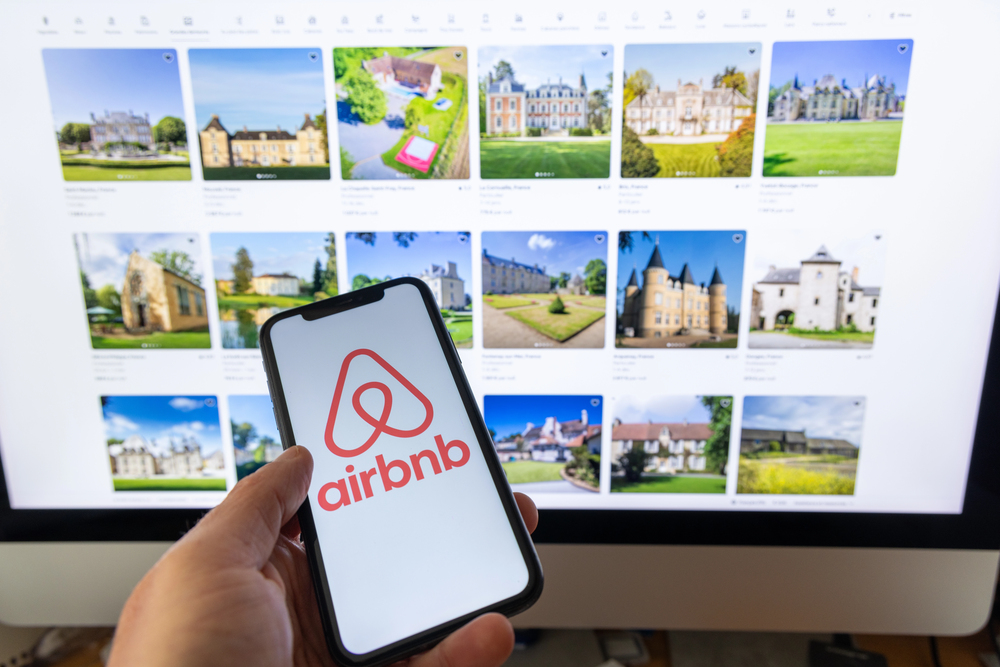
The housing crisis created by short-term rentals reveals something uncomfortable about how we value communities versus profit. Cities that took decades to build their character and culture watched both disappear in just a few years of algorithmic disruption.
The platform promised to democratize travel and supplement income, but it ended up concentrating wealth among property investors while dispersing the costs across entire communities.
What’s striking isn’t just the scale of displacement, but how predictable it was. When you create a system that makes housing more profitable as tourist accommodation than as resident housing, residents lose.
When you allow housing to become a commodity traded on global markets, local communities become expendable. The only surprise is how long it took cities to recognize what was happening and how difficult it’s proven to reverse course once the economic incentives shifted so dramatically against long-term residents.
More from Travel Pug

- Underrated Italian Towns That Beat the Tourist Crowds
- Las Vegas Tourist Traps to Skip
- Prettiest Towns in Every US State
- 18 passport-free countries for Americans
- Signs Your Cruise Is Not Worth The Cost
Like Travel Pug’s content? Follow us on MSN.