

Travel advice spreads like wildfire these days. Someone posts a clever trick on social media, thousands share it, and suddenly everyone thinks they’ve discovered the secret to beating the system.
The problem is that many of these “hacks” exist in a gray area between clever and illegal, or they rely on outdated information that could land you in hot water.
What looks like innocent creativity to save money or skip lines can actually violate airline policies, immigration rules, or local laws. The consequences range from embarrassing to expensive to downright serious.
Here are the travel hacks that sound brilliant but can backfire spectacularly.
Hidden City Ticketing

Airlines hate this trick, and they’re getting better at catching people who use it. You book a flight with a layover in your actual destination, then simply don’t board the connecting flight.
The savings can be substantial, but airlines consider this a breach of contract. Airlines may cancel itineraries, revoke loyalty benefits, or pursue other remedies if they determine a traveler has violated fare rules.
Lufthansa has pursued legal action related to this practice, highlighting how seriously some airlines view it.
Fake Emotional Support Animals

People figured out they could avoid pet fees by claiming their animal provides emotional support. All it took was an online certificate and a vest from Amazon.
Airlines cracked down hard after passengers started bringing peacocks, pigs, and other questionable “support animals” on board. The rules are now strictly regulated, and false documentation can result in federal charges for fraud.
The Department of Transportation only recognizes trained service dogs now.
Booking Duplicate Flights

The thinking here is that airline prices fluctuate wildly (which they do), so savvy travelers book multiple flights and cancel the expensive ones when cheaper options appear. Seems logical enough, considering how airlines treat passengers most days — but this approach can create more problems than it solves, especially when you factor in the increasingly strict cancellation policies that airlines have adopted in recent years (and let’s be honest, they were looking for ways to keep your money even before the pandemic gave them additional excuses).
And if you’re using different credit cards for each booking, which some people do to spread out the financial impact, you’re creating a paper trail that looks suspicious to fraud detection algorithms. Not great.
The issue isn’t just the logistics of managing multiple bookings. Airlines and payment processors use fraud-detection systems that may flag unusual booking patterns.
You might find yourself unable to check in online, stuck in security screening, or dealing with frozen frequent flyer accounts.
Passport Country Shopping

Some travelers think they can use different passports to get better visa deals or avoid entry restrictions. This works until immigration officials start asking questions.
Most countries prohibit their citizens from entering on foreign passports. Getting caught can mean deportation, fines, or being banned from returning.
Immigration databases are more connected than people realize.
Fake Travel Insurance Claims
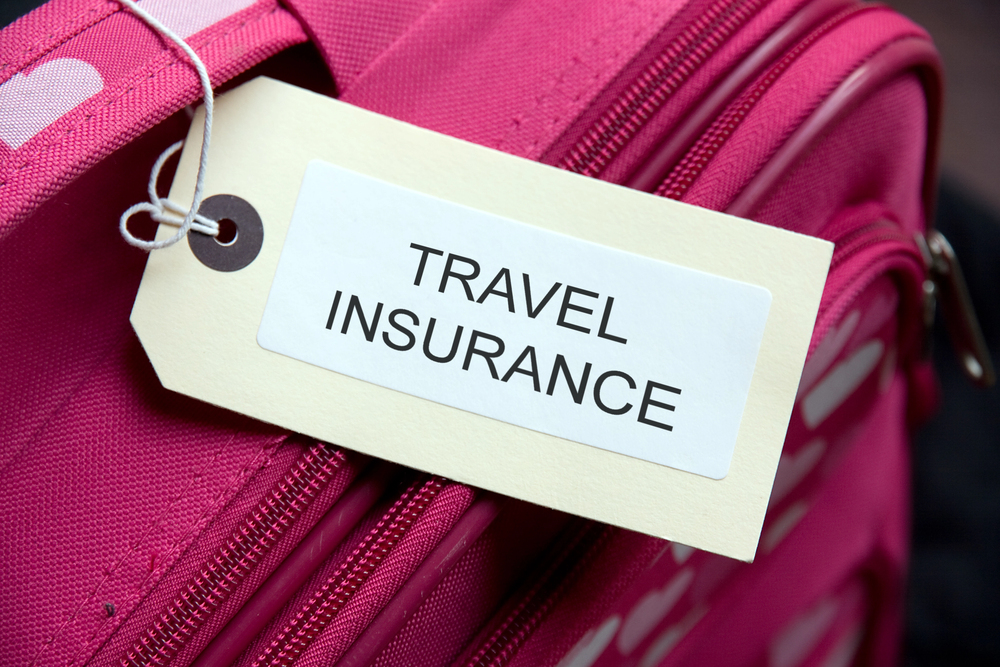
Travel insurance seems like free money when flights get delayed or bags go missing. The temptation to exaggerate losses or invent problems is real, especially when dealing with travel disasters that genuinely cost you money — think about those travelers stranded in airports for days, watching hotel and meal costs pile up while airlines offer nothing but apologies and vouchers for future flights they’ll probably never use.
Insurance companies investigate claims thoroughly. They cross-reference flight data, hotel records, and purchase receipts.
Insurance fraud is a felony in most places, and the paper trail makes these cases surprisingly easy to prosecute.
Student Discount Abuse

College ended five years ago, but that student ID still looks valid enough to score discounts on flights, museums, and tours. The savings add up, so why not keep using it?
Because fraud is fraud, regardless of the amount. Many institutions now verify student status through databases, and getting caught using fake credentials can result in criminal charges.
The embarrassment of being escorted out of a museum by security isn’t worth saving twenty dollars.
Fake Airline Status

There’s something almost theatrical about the lengths people go to fake airline status — printing boarding passes with upgraded seat assignments, using expired elite cards at check-in counters, even claiming to work for airlines they’ve never been employed by. The performance aspect is elaborate: travelers study the language flight attendants use, memorize airport codes, and practice the casual confidence that comes with real frequent flyer status.
Status verification happens instantly in airline systems. Gate agents can see your real membership level with a few keystrokes, and attempting to board a flight you’re not ticketed for can involve airport security.
Border Run Visa Extensions
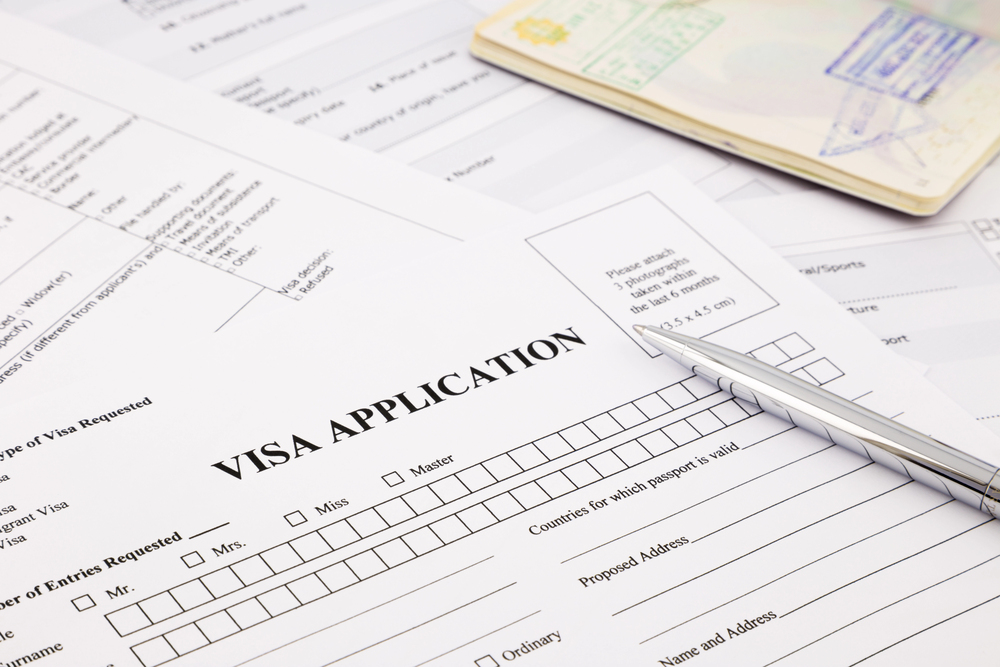
Some countries allow tourists to reset their visa clock by leaving and immediately returning. This creates a cottage industry of “border runs” where people take quick trips to neighboring countries just to extend their stay.
Immigration officials recognize this pattern and it raises red flags. Many countries now impose cooling-off periods between visits, and repeated border runs can result in entry bans.
Thailand and several European countries have specifically cracked down on this practice.
Fake Local Addresses for Discounts

Hotels and attractions often offer resident discounts that are too good to pass up. People use friend’s addresses or invent local connections to qualify for these deals.
Businesses that offer resident discounts usually require proof of address, and providing false documentation is fraud. Local authorities take these violations seriously, especially in tourist-heavy areas where this type of abuse is common.
Credit Card Churning Gone Wrong

Opening multiple credit cards for signup bonuses funds a lot of travel, but some people take it too far. They use fake information, apply for cards they can’t afford, or manipulate the system in ways that cross legal lines.
Banks share information about applicants, and suspicious patterns trigger fraud investigations. Credit card fraud carries serious penalties, and the temporary travel benefits aren’t worth the permanent financial consequences.
Fake Airline Complaints

Airlines have terrible customer service, so inventing problems to get compensation feels like evening the score. The logic is that they owe you for all the times they’ve legitimately screwed up your travel.
Airlines keep detailed records of flights, delays, and passenger manifests. False complaints can be easily disproven, and filing fraudulent claims for compensation is a crime in most jurisdictions.
Unauthorized Upgrades

Airport chaos creates opportunities to slip into better seats or claim someone else’s upgrade. The confusion at check-in counters makes this seem like a victimless crime.
Flight manifests are precise documents, and sitting in seats you didn’t pay for can result in removal from the flight. In some cases, airlines treat this as theft of services, which can involve law enforcement.
Fake Embassy Letters

Some travelers create official-looking documents claiming embassy assistance or special circumstances to get better treatment from airlines or immigration officials.
Impersonating government officials or creating fake government documents is a federal crime in most countries. Embassy staff are trained to recognize their own paperwork, and the penalties for this type of fraud are severe.rts more than missing out on the shortcuts.
Fake Vaccination Records
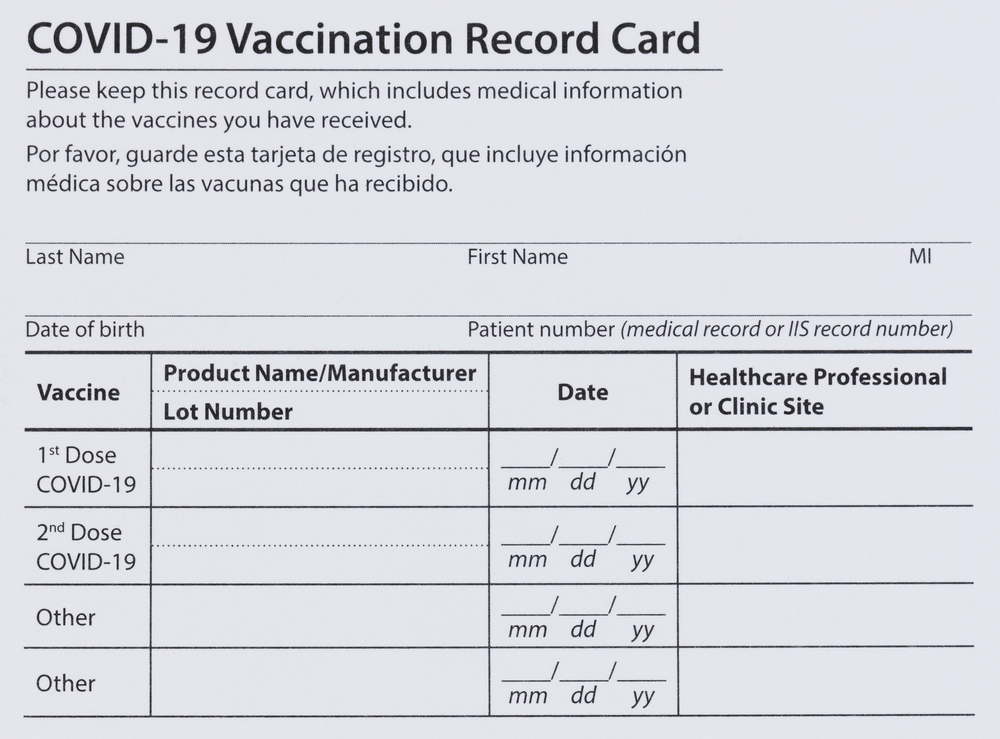
International travel increasingly requires proof of vaccination for various diseases. Some people forge these documents or use outdated certificates to meet entry requirements.
Health authorities take vaccination fraud seriously, especially after recent global health crises. Fake vaccination records can result in deportation, hefty fines, and criminal charges in many countries.
Identity Tourism

Using someone else’s identity for travel deals or to circumvent restrictions is surprisingly common. People use friend’s names, family member’s information, or even steal identities to book cheaper flights.
Identity theft for any purpose is a serious crime, and airports have sophisticated systems for verifying traveler identity. Getting caught means criminal charges and being banned from flying, not to mention the legal trouble the person whose identity was stolen might face.
When Clever Becomes Criminal
The line between creative problem-solving and breaking the law is thinner than most travelers realize. What starts as a harmless way to save money can escalate into fraud charges, travel bans, and serious legal consequences.
The temporary benefits of these hacks rarely justify the potential costs, and the travel industry has become increasingly sophisticated at detecting and punishing rule-breakers.
The best travel hack remains the most boring one: read the fine print, follow the rules, and remember that if something sounds too good to be true, it probably is.
More from Travel Pug

- Underrated Italian Towns That Beat the Tourist Crowds
- Las Vegas Tourist Traps to Skip
- Prettiest Towns in Every US State
- 18 passport-free countries for Americans
- Signs Your Cruise Is Not Worth The Cost
Like Travel Pug’s content? Follow us on MSN.