

First-time cruisers usually board the ship thinking dining will be the easy part. Eat when hungry, sit where you like, maybe grab something from the buffet — simple enough.
What they actually find is that cruise dining runs on its own logic, with booking windows, unwritten rules, and a few charges that don’t show up until you’re reviewing your onboard account mid-voyage.
Here are 16 cruise dining errors that catch newcomers off guard, and how to avoid making them yourself.
Skipping specialty restaurant reservations

Most ships have specialty restaurants — steakhouses, sushi bars, Italian spots — that cost extra and fill up fast. The assumption that you can wander over on day three and grab a table almost never works out.
Many cruise lines open reservations 90 to 120 days before departure for loyalty members, and by the time a first-timer thinks to book, the good time slots are already gone.
Ignoring the main dining room dress code
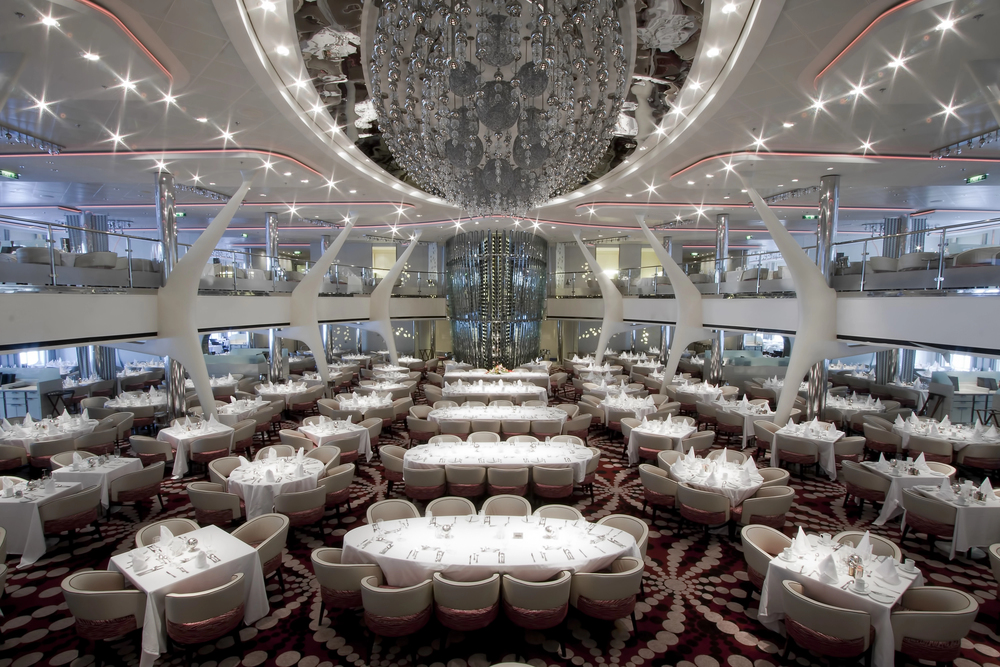
Dress codes on cruise ships are still very much a thing, particularly on formal nights with lines like Cunard or Princess Cruises. Walking into dinner in shorts and sandals when the rest of the room is in cocktail attire is memorable — not in a good way.
It takes about two minutes to check your cruise line’s dress code policy before you pack, and that two minutes is worth it.
Missing the buffet’s service windows
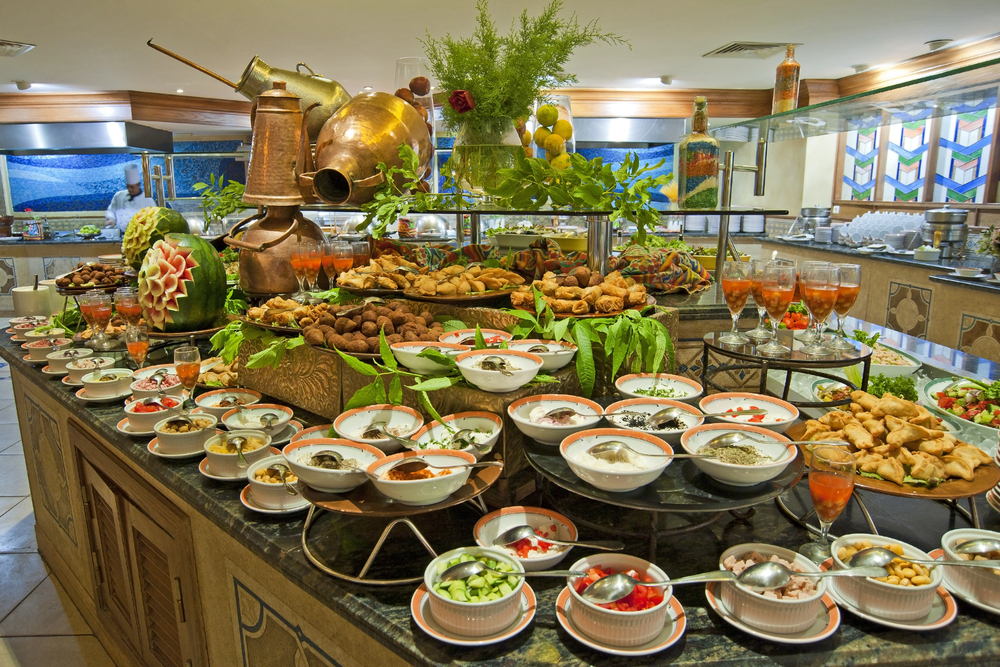
The Lido buffet isn’t open all day at full capacity. Stations close, food gets cleared, and staff start wiping things down whether you’re still eating or not.
The breakfast rush peaks hard between 8 and 9 a.m., lunch between noon and 1 — arriving just outside those windows makes the whole thing less chaotic and the food noticeably fresher.
Overlooking the drink package math

A premium drink package can run $80 to $100 per person per day, and that’s before the automatic gratuity gets added on top. To break even, you’d need to drink quite a bit — consistently, every day.
Light drinkers or anyone happy with water, juice, and basic coffee are often better off just ordering à la carte and paying as they go.
Assuming all dining is included
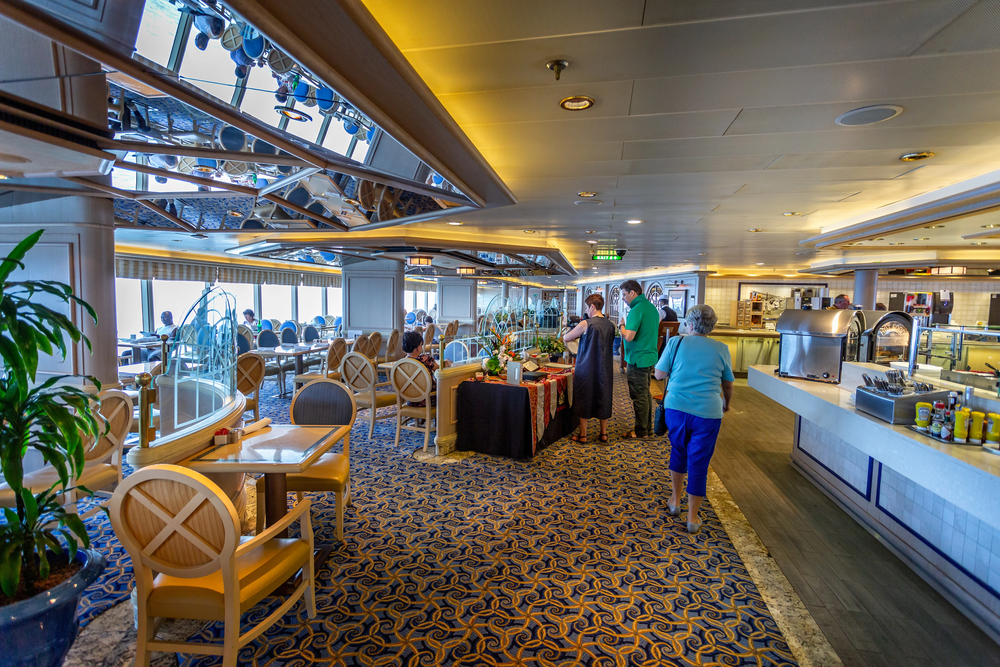
This one catches a lot of people. The main dining room, buffet, and a handful of casual spots are covered in your fare — but specialty restaurants, certain coffees, fresh-squeezed juices, and room service on many lines are not.
Norwegian Cruise Line sells dining packages specifically because so many of its better restaurants charge separately. Reading the fine print before you sail prevents that ‘wait, this costs what?’
moment at the register.
Not reserving a time at the main dining room
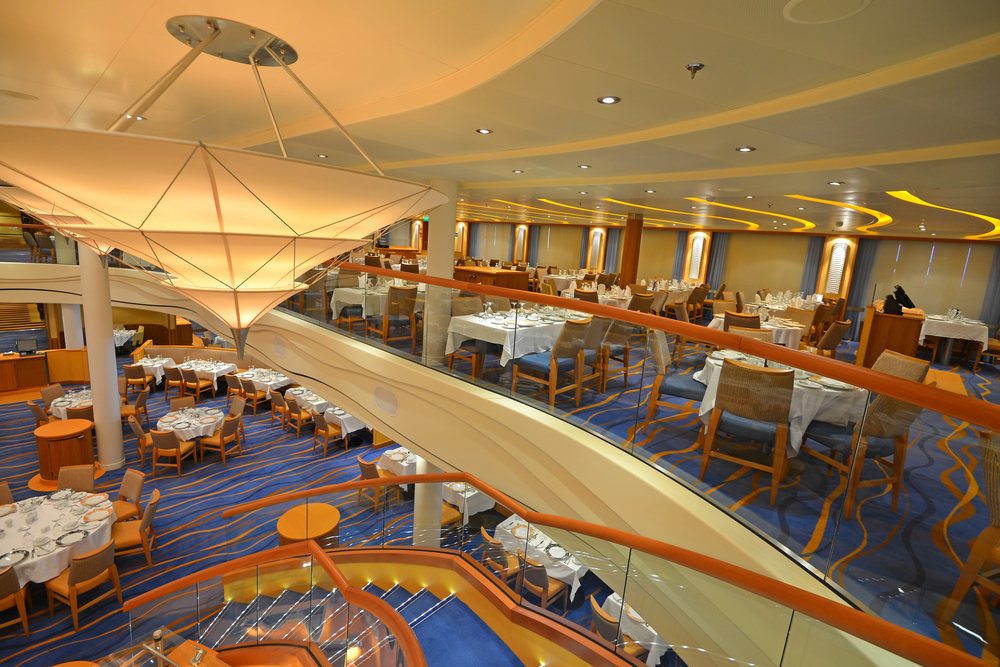
On a mega-ship carrying 5,000-plus passengers — think Royal Caribbean’s Oasis class — the complimentary main dining room still requires reservations for set dining times. First-timers often assume it’s open seating all evening and show up to find a line stretching half a deck.
Booking your preferred time through the cruise app before you sail is genuinely one of the easiest things you can do to improve your trip.
Forgetting about reduced hours on port days
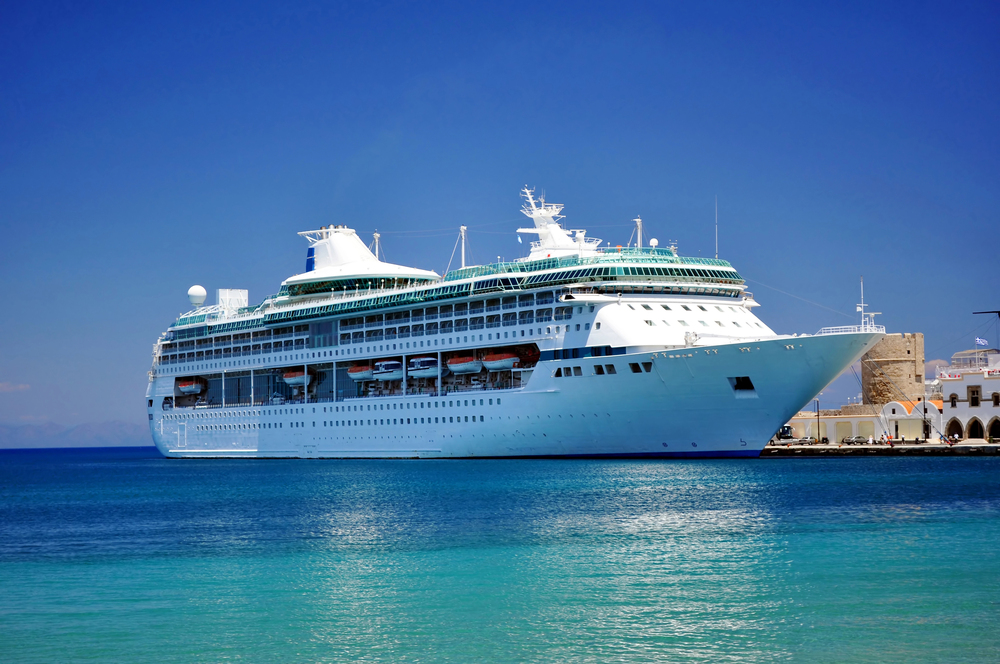
When most of the ship has gone ashore, the dining schedule pulls back significantly. Returning at 4 p.m. expecting a full lunch spread usually means finding a buffet running on whatever’s left.
Checking the posted schedule for port days — or planning to eat onshore — saves a lot of that defeated, hungry-tourist energy when you get back.
Eating at the buffet for every meal
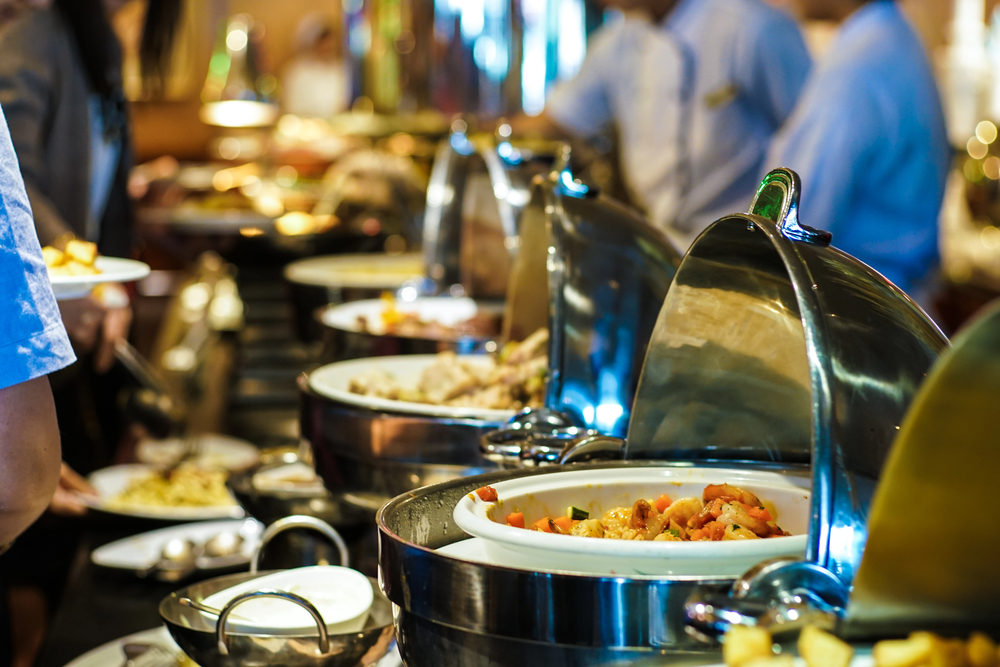
The buffet works. It’s convenient, it’s always there, and nobody judges you for going back three times.
But relying on it exclusively means missing a genuinely good dining room experience that’s already included in what you paid. The main dining room typically runs a rotating multi-course menu with real plating — it’s a different experience, and most experienced cruisers treat the buffet as one option, not the only one.
Not flagging dietary restrictions before sailing

Cruise ship kitchens can handle gluten-free, vegan, kosher, and severe allergen requirements — but they need time to prepare. Mentioning a serious nut allergy to your waiter on embarkation night puts everyone in a stressful spot.
Most lines have a dietary preferences field during booking, and reaching out to the dining team before departure gives the kitchen actual lead time to sort things out properly.
Missing the automatic drink gratuity

That $14 cocktail at the bar often rings up closer to $16 or $17 once the automatic 18 to 20% gratuity is added. Passengers who don’t know about this tend to notice it mid-cruise when they look at their onboard account and the numbers don’t quite add up.
If you’ve bought a drink package, that gratuity is usually — though not always — factored into the upfront cost, so reading the package details before purchasing still matters.
Arriving late to a set dining time
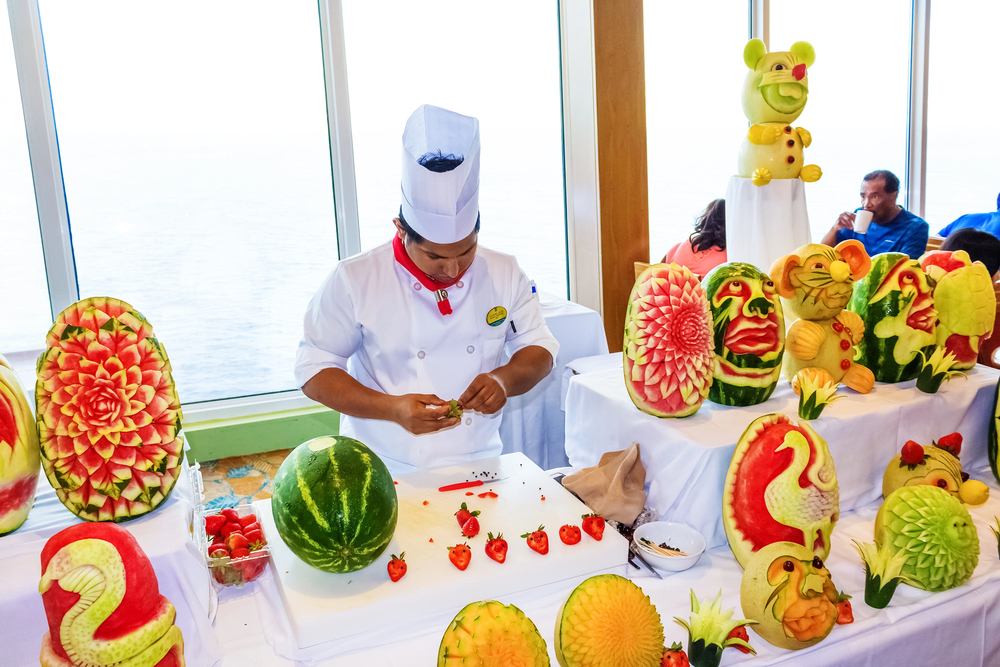
Traditional cruise ships still run on two seatings — early dinner around 6 p.m., late dining around 8:30 p.m. Showing up 30 to 40 minutes into your assigned seating disrupts the entire kitchen rhythm and can result in being redirected to a different table or sent to the buffet instead.
Feeding thousands of people in two coordinated waves is a genuine logistical operation, and late arrivals throw a wrench in the whole thing.
Buying a drink package on a port-heavy itinerary
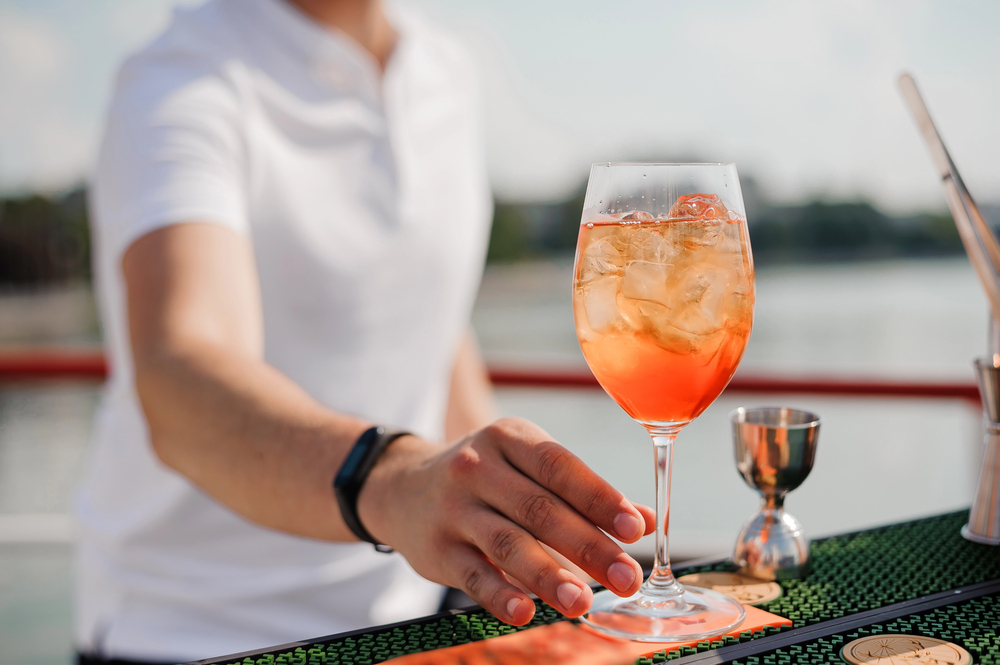
A drink package earns its value on sea days — long stretches where you’re on the ship and actually using it. On a port-heavy itinerary where you’re off the ship by 8 a.m. and back by early evening, you’re essentially paying for a package you can only use at night and on embarkation day.
Running that math against your actual schedule before purchasing is worth the few minutes it takes.
Skipping the kids’ menu in the main dining room

Parents sailing with picky eaters often default straight to the buffet, not realizing the main dining room has a dedicated kids’ menu with straightforward, recognizable options — pasta, chicken, simple desserts — all included in the fare. Getting kids comfortable with the dining room early in the cruise makes evening meals a lot smoother for everyone at the table, including the parents.
Not checking daily menus through the cruise app
Carnival, Royal Caribbean, Celebrity, and most major lines have apps that show the day’s menus across all venues. Not using this means making dining decisions without knowing what’s actually available, which often ends in a disappointing surprise at the door.
A quick look in the morning lets you plan meals around what looks good rather than what’s geographically convenient.
Waiting until you’re onboard to buy a dining package
Pre-cruise dining packages for specialty restaurants are often 20 to 30% cheaper than what you’d pay once onboard. First-timers who discover specialty dining after sailing usually end up paying full price for restaurants they could’ve accessed for less with a little advance planning.
Checking for pre-sale dining offers in the weeks before departure doesn’t take long and can save a meaningful amount.
Treating room service like a free, unlimited perk
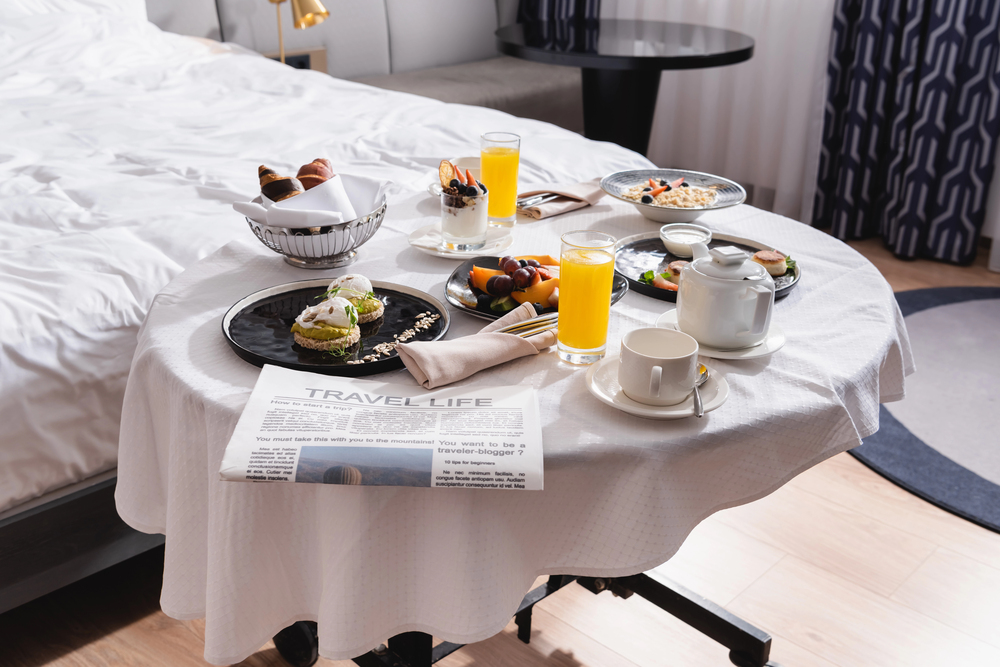
Room service used to be complimentary on most cruise lines. That’s largely changed.
Carnival and Norwegian, among others, now charge delivery fees — often $5 to $10 per order — with some menu items carrying additional charges on top. The room service menu is also much narrower than any dining room option.
It’s fine as an occasional convenience, but planning meals around it as a primary option tends to get expensive and disappointing pretty quickly.
The part of the cruise most people plan last

Cruise dining is easy to underestimate during the planning phase — people spend hours researching shore excursions and cabins, then give the dining situation almost no thought. But the ships themselves have genuinely evolved into serious culinary destinations, with menus developed by well-known chefs, globally influenced cuisine, and venues that range from casual to legitimately impressive.
Knowing your reservation windows, understanding what’s included and what isn’t, and flagging dietary needs before you sail — these aren’t small details. They’re what separate a trip where the food is a highlight from one where it’s a recurring source of frustration.
More from Travel Pug

- Underrated Italian Towns That Beat the Tourist Crowds
- Las Vegas Tourist Traps to Skip
- Prettiest Towns in Every US State
- 18 passport-free countries for Americans
- Signs Your Cruise Is Not Worth The Cost
Like Travel Pug’s content? Follow us on MSN.