

Most cruise itineraries treat a port as a six-hour errand: step off, snap a photo, buy a magnet, return. Along the Pacific, that approach wastes some of the best shoreline in the Americas. From Puget Sound to the fjords of southern Chile, these stops reward travelers who commit to the entire day in port.
The ports below span rainy northern harbors, desert coves, colonial capitals, and volcano country. Each one offers something specific enough to organize a day around.
Seattle and the Market That Never Quite Closes the Show
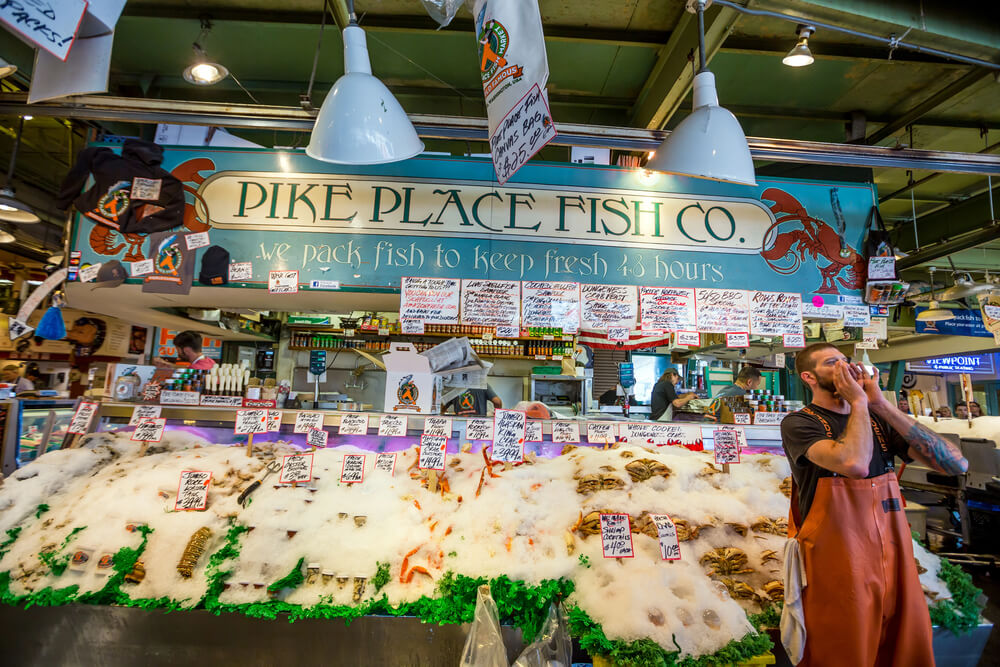
Pike Place Market opened in 1907 and still sells fish, flowers, and produce from the same hillside above the waterfront. At Pike Place Fish Market, employees toss entire salmon across the counter, a routine that has become a ritual for visitors.
A short walk away in Post Alley, the Gum Wall has been coated with chewed gum for decades, making it one of the stranger photo stops in the Pacific Northwest. Arrive early, because the crowds thicken fast once the ships unload.
Vancouver and a Seawall Worth a Full Morning
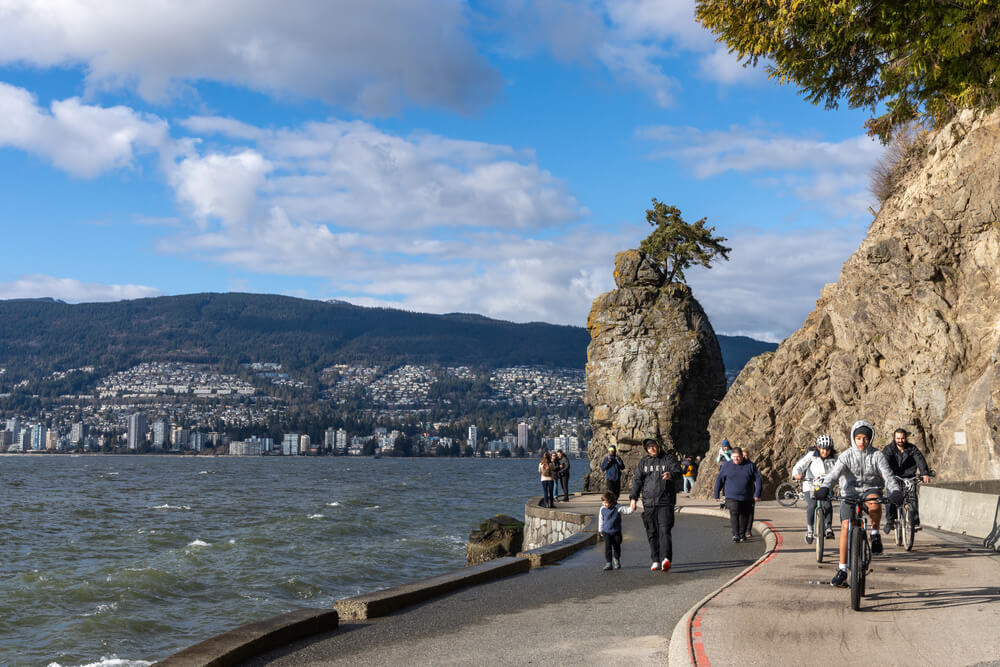
Stanley Park occupies roughly a thousand acres of forest on the edge of downtown Vancouver, and a seawall path circles its perimeter for about 5.5 miles. Cyclists, walkers, and skaters share the route, which passes totem poles, beaches, and views of the North Shore mountains.
The park sits within a few miles of Canada Place, where most cruises depart, so there is no need for a taxi if you are comfortable with a longer walk or bike ride. A full circuit at an easy pace fills a morning, leaving the afternoon for Gastown.
Victoria and a Garden Built in an Exhausted Quarry
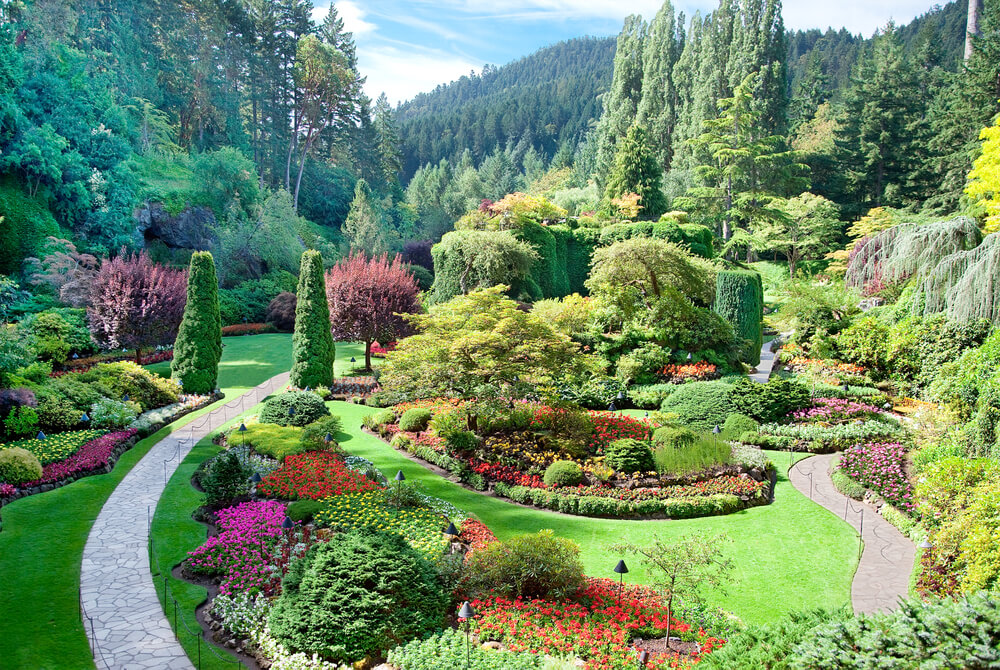
Butchart Gardens covers 55 acres on the Saanich Peninsula, and it began as a worn-out limestone quarry feeding the family cement business. Jennie Butchart transformed the pit into the Sunken Garden, which now draws visitors from around the world.
The grounds also include Japanese, Italian, and rose gardens, plus summer fireworks nights. Back in the Inner Harbour, the Fairmont Empress offers afternoon tea, though reservations help.
Astoria and a Column That Tells Oregon’s Story in Paint
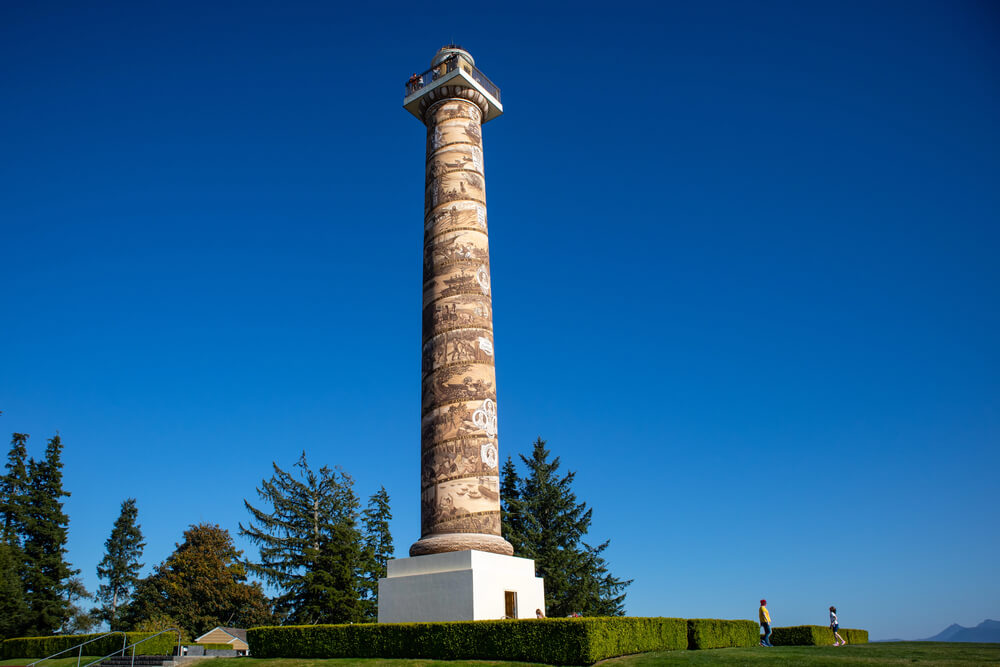
The Astoria Column rises 125 feet above Coxcomb Hill and was completed in 1926. A spiral staircase of 164 steps leads to an observation platform with views of the Columbia River meeting the Pacific.
The exterior is wrapped in a painted frieze depicting scenes from the region’s history, from early Native peoples to the arrival of settlers. Astoria also appears in The Goonies, the 1985 film shot around town, which gives the waterfront a loyal fan following.
San Francisco and the Island Prison Under the Fog
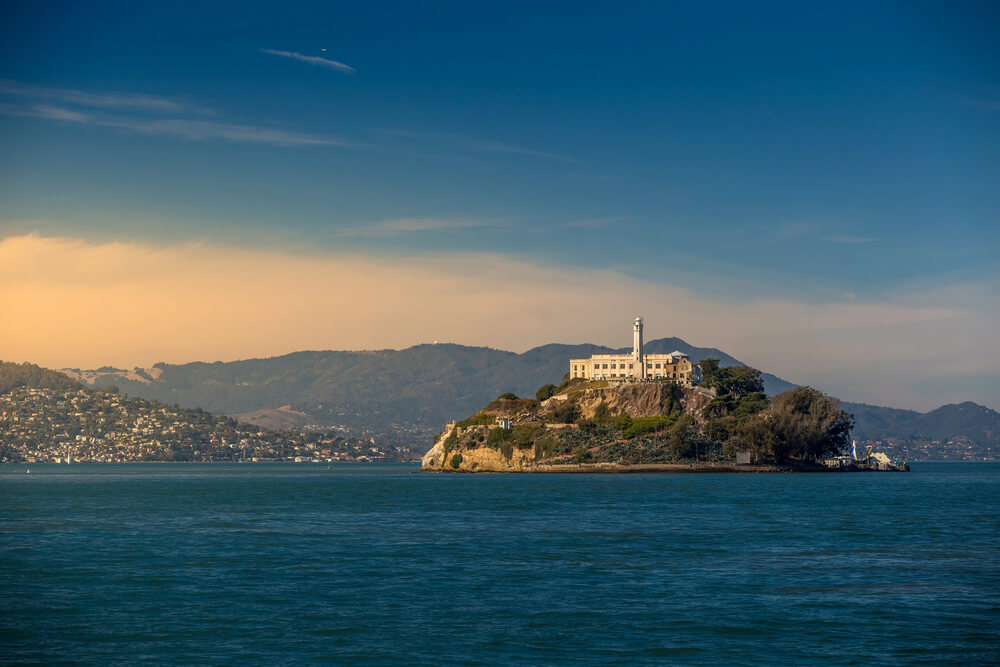
Alcatraz served as a federal penitentiary from 1934 to 1963, holding some of the most notorious inmates of the era. A ferry from Pier 33 carries visitors across the bay, and an audio tour narrated by former guards and prisoners guides them through the cell house.
The island has another chapter, too: in 1969, a group of Native American activists occupied it for nearly two years. Book tickets well ahead, since the boats sell out in busy seasons.
Monterey and the Cannery That Became an Aquarium
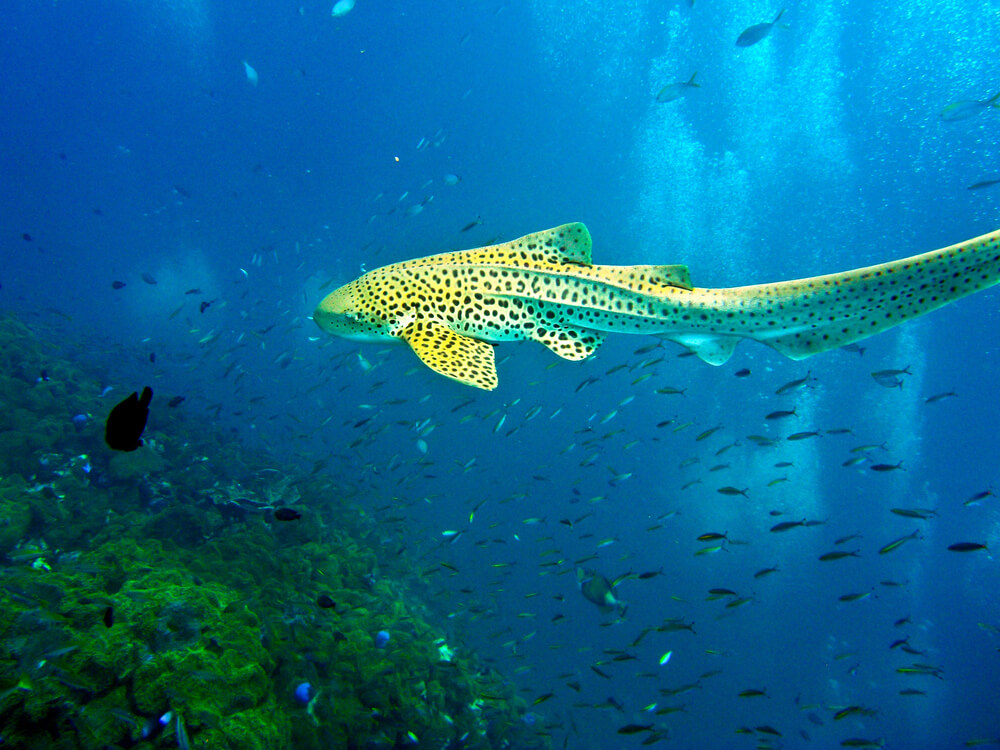
The Monterey Bay Aquarium opened in 1984 inside a former sardine cannery on Cannery Row. The sardine fishery collapsed in the 1950s, and John Steinbeck’s 1945 novel Cannery Row preserved the street’s hard-luck reputation.
Its kelp forest exhibit rises through the building’s full height, with leopard sharks and giant sea bass passing through the swaying fronds. A short walk along the waterfront ties the old fishing economy to the marine science that replaced it.
Santa Barbara and the Mission Called the Queen
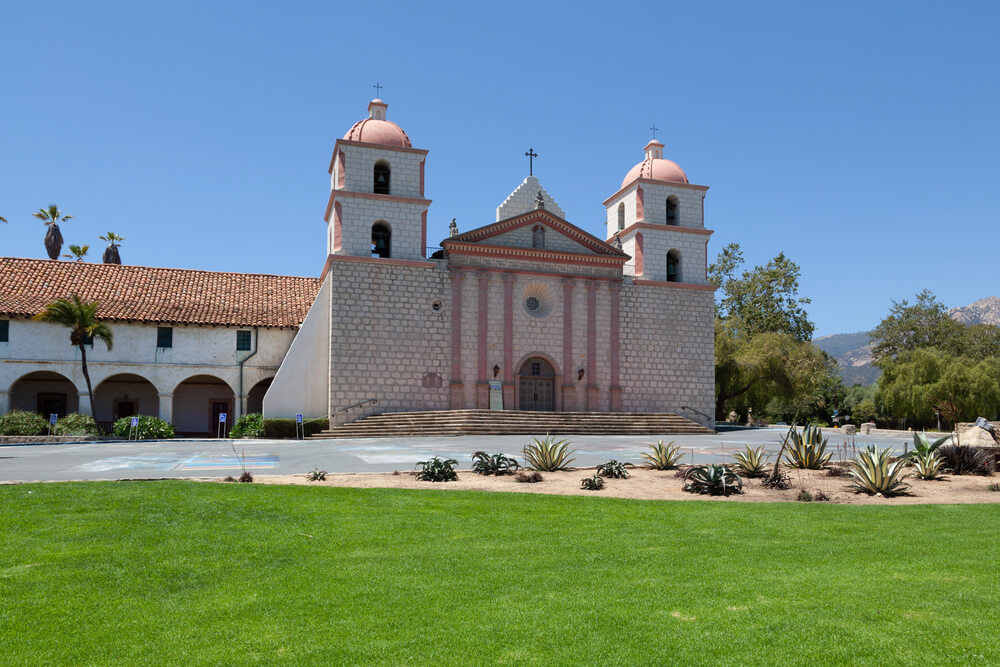
Old Mission Santa Barbara was founded in 1786 by Franciscan friars, and its twin bell towers and stone facade earned it the nickname Queen of the Missions. Unlike some of its California counterparts, it has remained an active place of worship for more than two centuries.
Ships anchor offshore here, so passengers reach the pier by tender. From there, the mission and the Spanish-style county courthouse tower are accessible by a short ride.
Los Angeles and a Battleship That Carried a President
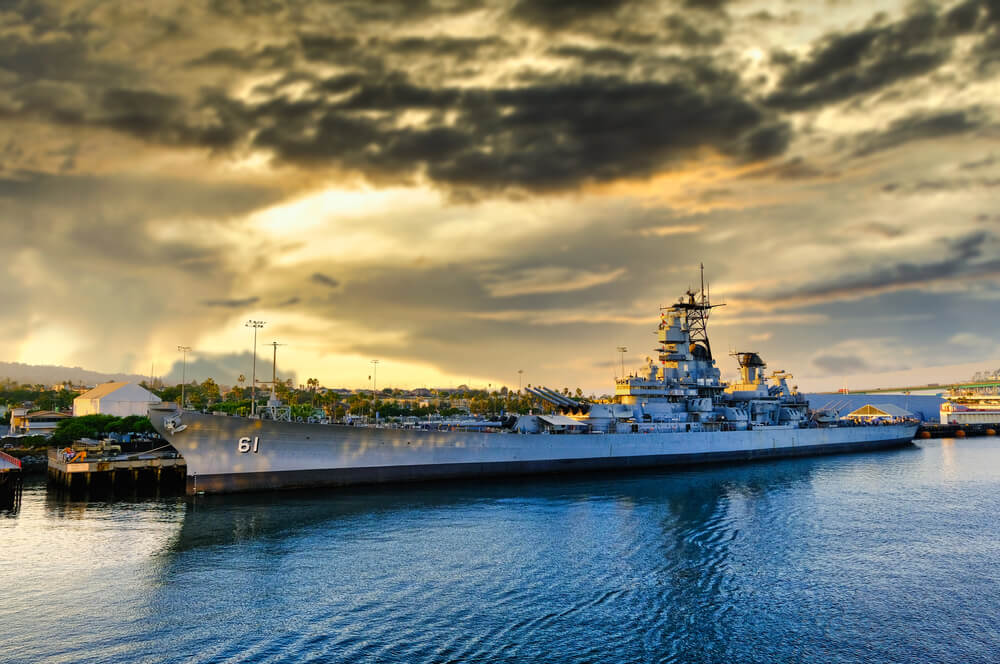
The Battleship USS Iowa, commissioned in 1943, now sits at the Port of Los Angeles in San Pedro as a museum. During World War II, it carried President Franklin Roosevelt across the Atlantic toward the Tehran Conference.
Visitors can walk the teak decks, stand beneath the massive 16-inch gun turrets, and tour the officers’ quarters. The ship rewards unhurried exploration, because its decks and compartments are spread across a vessel nearly 900 feet long.
Long Beach and an Ocean Liner That Never Left
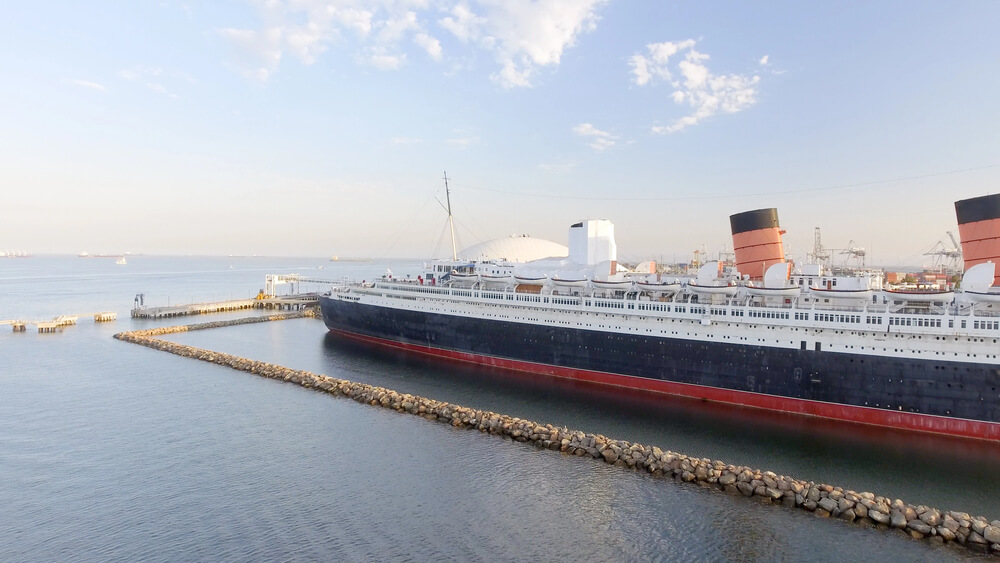
The Queen Mary made her maiden voyage in 1936 and has been moored in Long Beach since 1967. Her Art Deco interiors, with inlaid wood paneling and brass fixtures, belong to the golden age of transatlantic travel.
During World War II, she was painted gray and used as a troopship under the nickname the Gray Ghost. Guided tours explore the engine room, bridge, and decks that once carried Hollywood stars and royalty.
Catalina Island and the Casino Without Cards
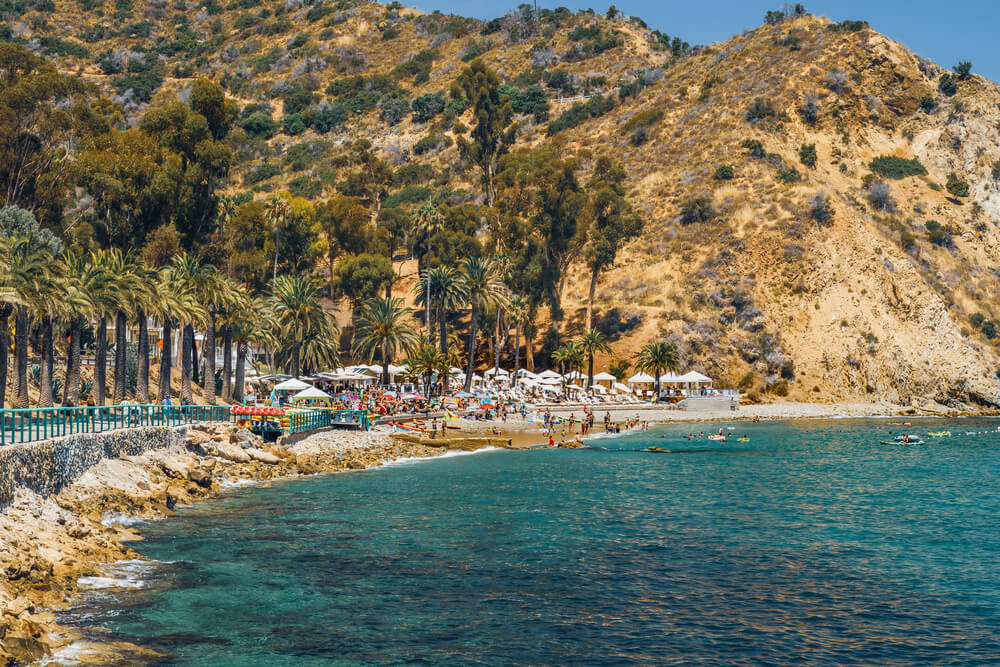
The Avalon Casino on Catalina Island opened in 1929, and it has never been a gambling hall; the word is used in its older Italian sense of a gathering place. Its circular Art Deco building sits at the edge of Avalon Bay and houses a movie theater with murals along its walls.
Tours reveal how the building was designed to host both films and dances. The harbor town around it is compact enough to cover on foot, with a beach, golf carts, and a hillside above the harbor.
San Diego and the Carrier That Missed the War
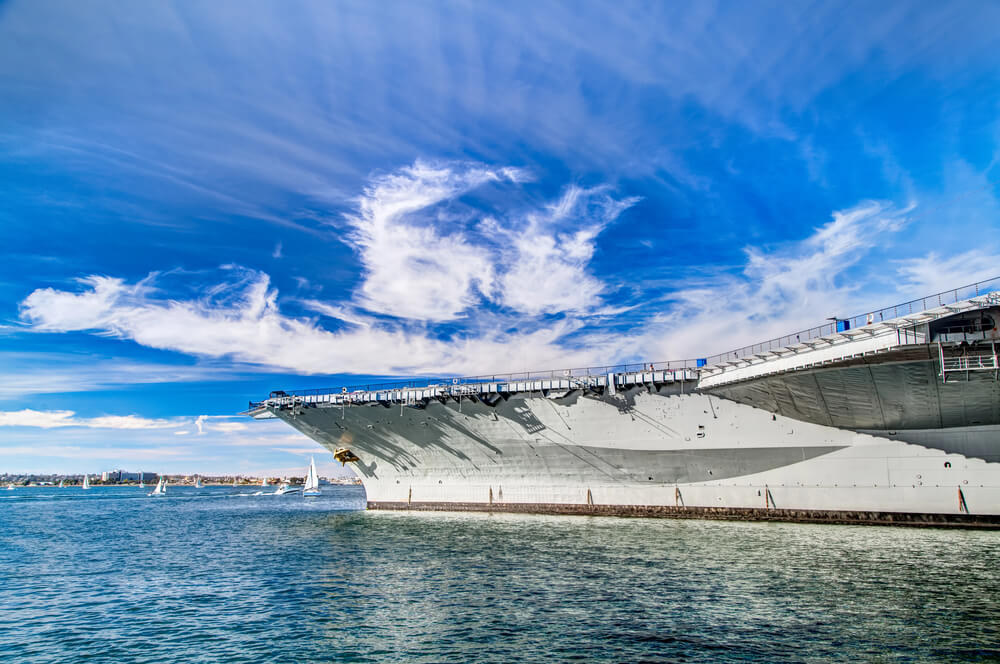
The USS Midway was commissioned in 1945, several weeks after World War II ended, and went on to serve for 47 years before retiring in 1992. It opened as a museum on the San Diego waterfront in 2004. Visitors can climb into cockpits, stand on the flight deck beside restored aircraft, and hear stories from volunteers who served aboard.
The carrier sits beside the cruise terminal, making it one of the easiest major attractions in any Pacific port.
Ensenada and the Bar That Claims the Margarita
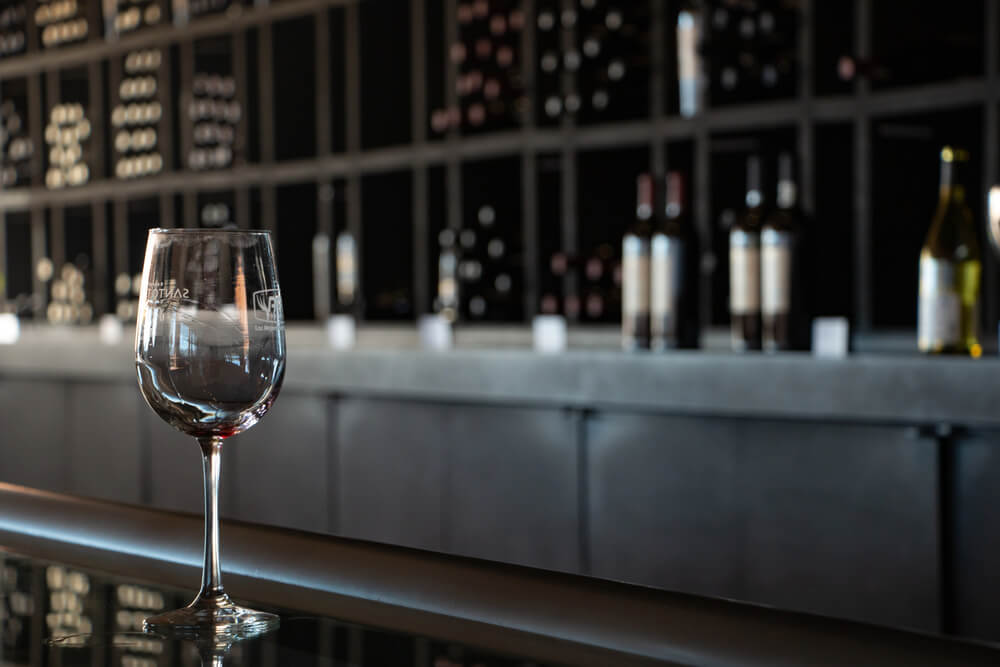
Hussong’s Cantina opened in Ensenada in 1892 and still operates with sawdust on the floor and mariachi in the corners. The bar says the margarita was invented here in 1941 for a customer named Margarita, a story rival cities dispute.
Whatever its true origin, the drink is on every menu on the block. Ensenada is also the gateway to the Valle de Guadalupe, where wineries produce many of Mexico’s best bottles.
Cabo San Lucas and the Arch at Land’s End
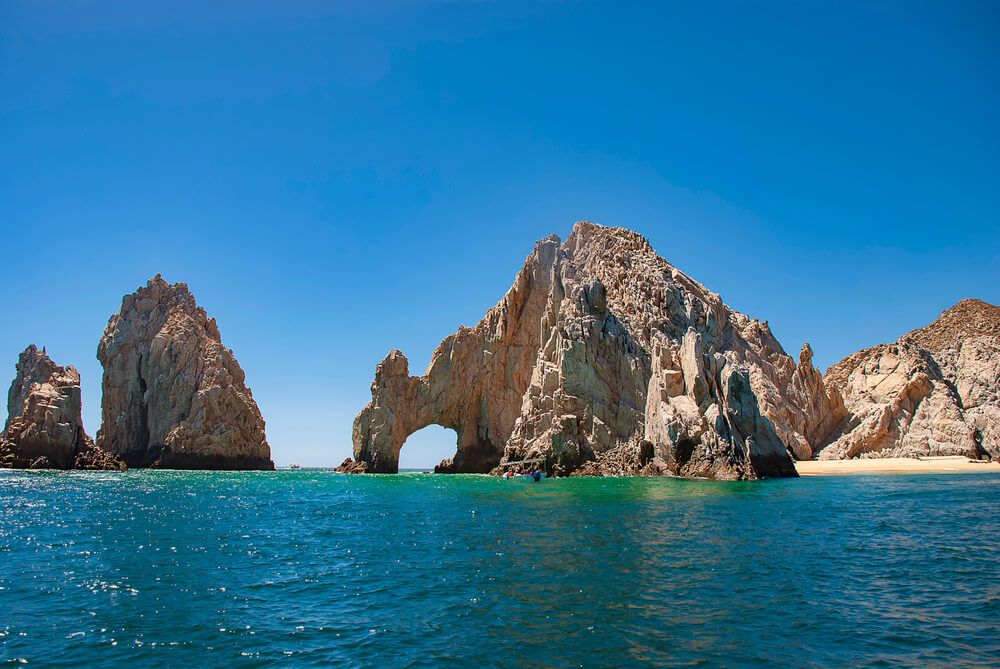
El Arco, a granite rock arch, marks the spot where the Sea of Cortez meets the Pacific Ocean. Water taxis and glass-bottom boats leave from the marina and pass a colony of sea lions lounging on the rocks.
On either side of the arch lie two beaches, Lover’s Beach on the Sea of Cortez side and Divorce Beach facing the open Pacific. Swimming on the Pacific side is dangerous because of strong currents, so most visitors stay on the calmer side.
La Paz and a Swim Beside Whale Sharks
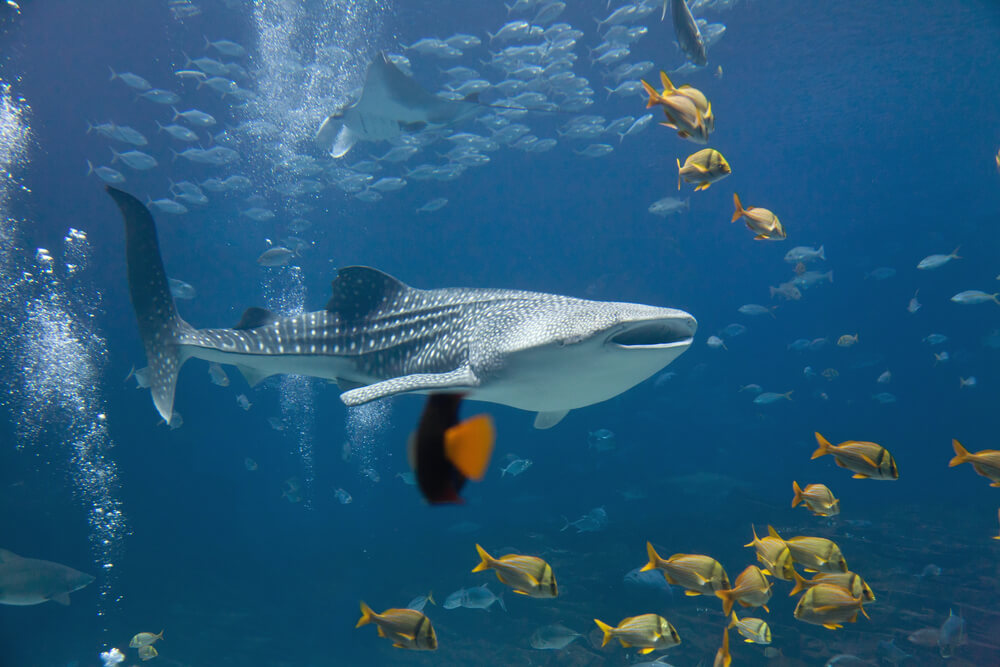
Cruise ships dock at Pichilingue, about ten miles from the city of La Paz, where tours leave for the waters off Isla Espíritu Santo. The bay is known for seasonal encounters with whale sharks, gentle filter feeders that can grow longer than a school bus.
Whale shark tours generally take place in La Paz Bay, while trips to Isla Espíritu Santo often focus on snorkeling and wildlife viewing, including sea lions at Los Islotes. The islands are part of a UNESCO World Heritage listing for the Gulf of California.
Loreto and the Mother of the California Missions
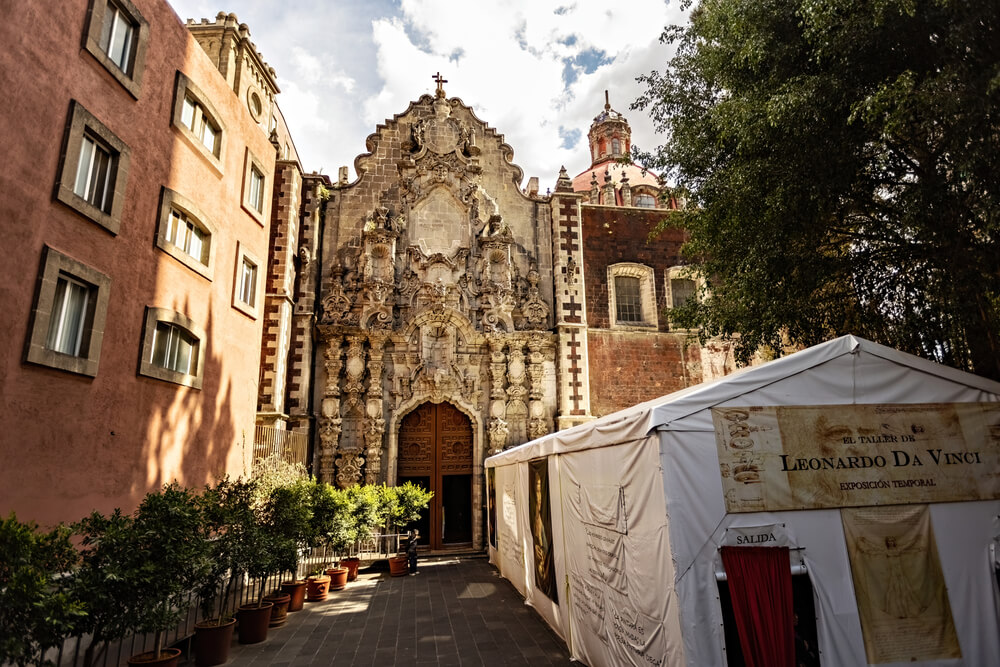
Loreto was the site of the first permanent mission in the Californias, founded by Jesuit Juan María de Salvatierra in 1697. The stone Misión de Nuestra Señora de Loreto still stands in the town center, and a museum next door tells the mission’s story.
Loreto served as the capital of the Spanish Californias until 1777. Ships anchor offshore, so passengers tender into a quiet town set against the Sierra de la Giganta mountains.
Mazatlan and a Lighthouse on a Cliff
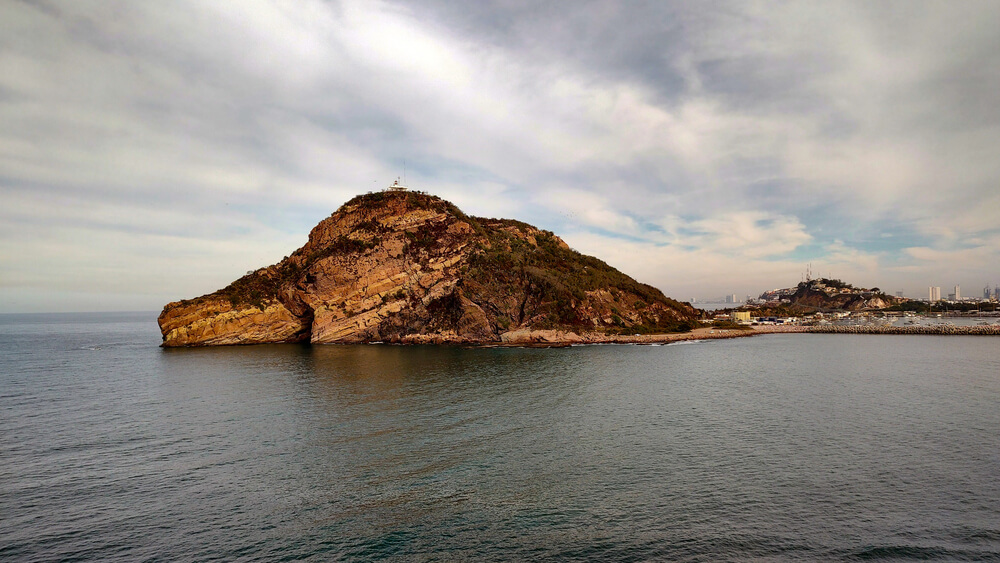
El Faro sits atop Cerro del Crestón, a hill rising roughly 500 feet above the Pacific Ocean, and the climb takes about 25 minutes along a steep trail. Hikers who reach the top are rewarded with sweeping views of the harbor, the Old Town, and the offshore islands. Back down at sea level, the historic center has a restored cathedral and a plaza with a lively market.
The mix of a big hike and a walkable Old Town gives Mazatlan an unusually full day.
Puerto Vallarta and a Church Crowned Like an Empress
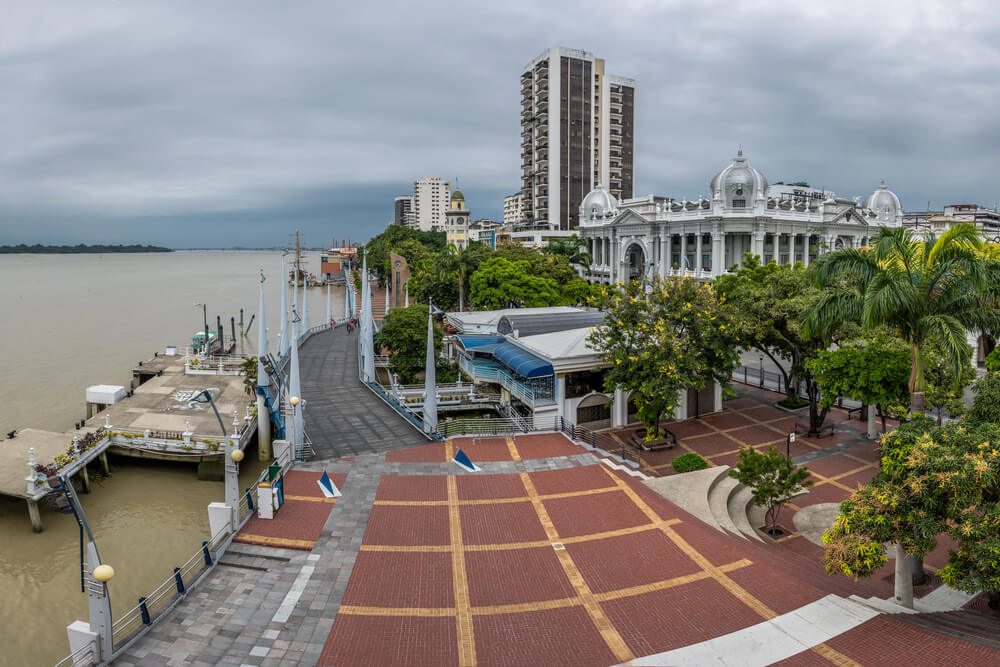
The tower of Our Lady of Guadalupe church is topped with an oversized crown, often described as a replica of the crown worn by Empress Carlota of Mexico. The church rises above the cobblestone streets of the Old Town, a short walk from the waterfront.
The Malecon boardwalk stretches along the bay, lined with bronze sculptures, street performers, and open-air cafes. Passengers who add a boat trip along the coast see beaches that cannot be reached by road.
Manzanillo and the Sailfish Capital
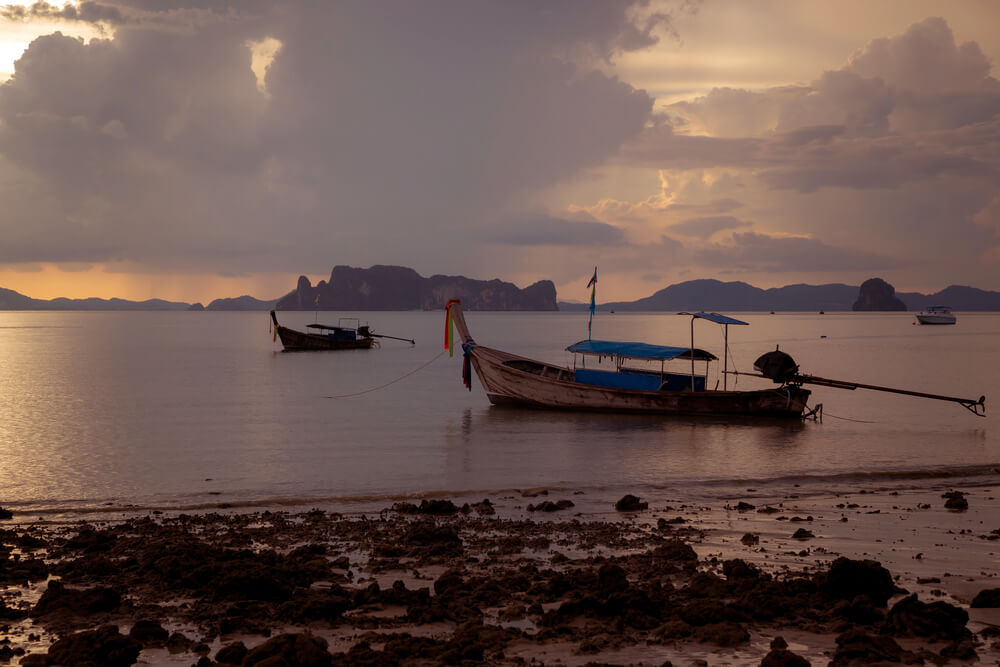
Manzanillo bills itself as the sailfish capital of the world, and sportfishing tournaments draw anglers to its waters each year. The city is also among the busiest cargo ports on the Mexican Pacific, so the cruise berth shares the bay with container cranes. Beyond the docks, the curving beaches of the bay offer calm water and seafood shacks serving the day’s catch.
Fishing charters can be booked for a morning, leaving time to return before the ship sails.
Zihuatanejo and the Resort Built From Nothing
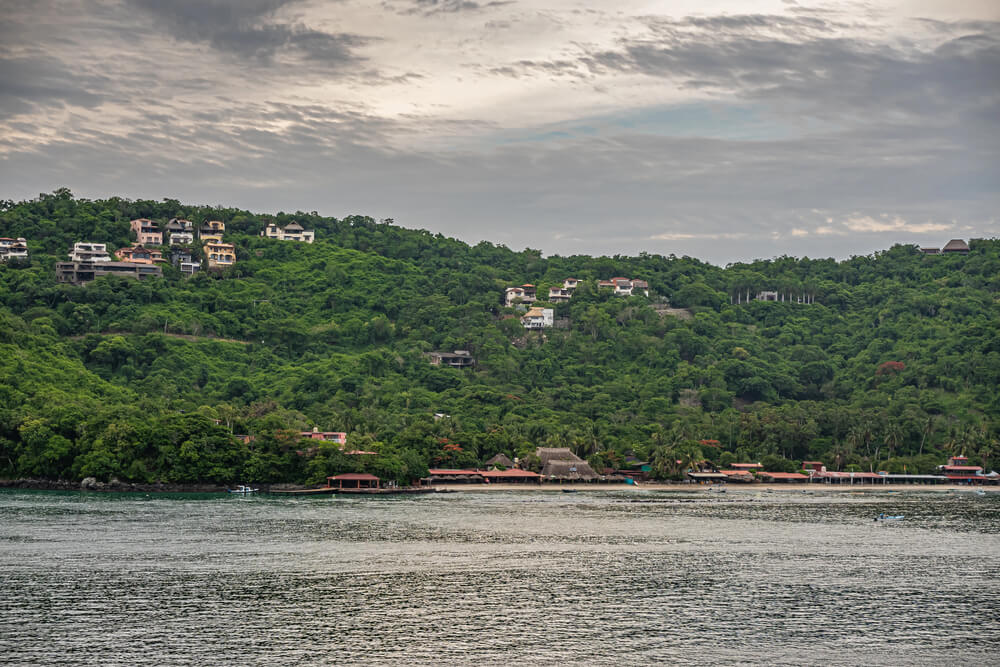
Zihuatanejo was a quiet fishing village when the Mexican government developed neighboring Ixtapa as a planned resort in the 1970s. The old village retained its character, with a pier, a fish market, and a crescent beach, Playa La Ropa, that locals consider among the best in the area.
The town is also famous for the final scene of The Shawshank Redemption, though the beach in the film was actually shot in the U.S. Virgin Islands. A day here balances the polish of Ixtapa and the older rhythm of the fishing harbor.
Acapulco and the Divers of La Quebrada
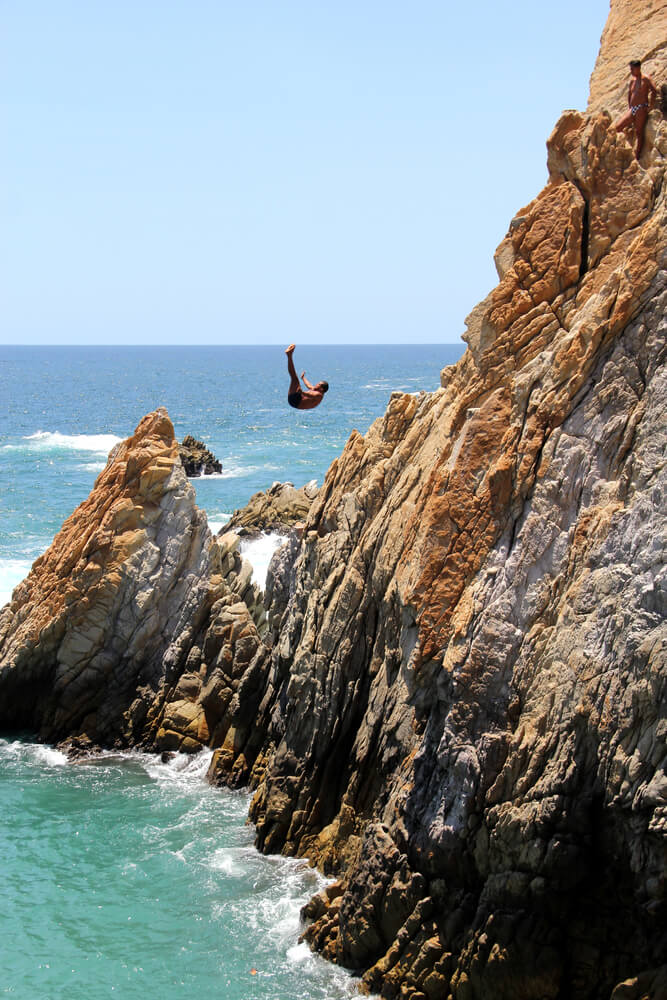
At La Quebrada, professional cliff divers leap from ledges well over a hundred feet above a narrow rocky inlet, timing each dive to the surge of the incoming wave. The shows run daily, and the best views come from the viewing platform near the cliff.
Elsewhere in the city, Fort San Diego, built in the early 1600s to protect Spanish treasure ships from the Philippines, now houses a museum. Acapulco offers glamour and history in the same afternoon.
Huatulco and Nine Bays of Calm Water
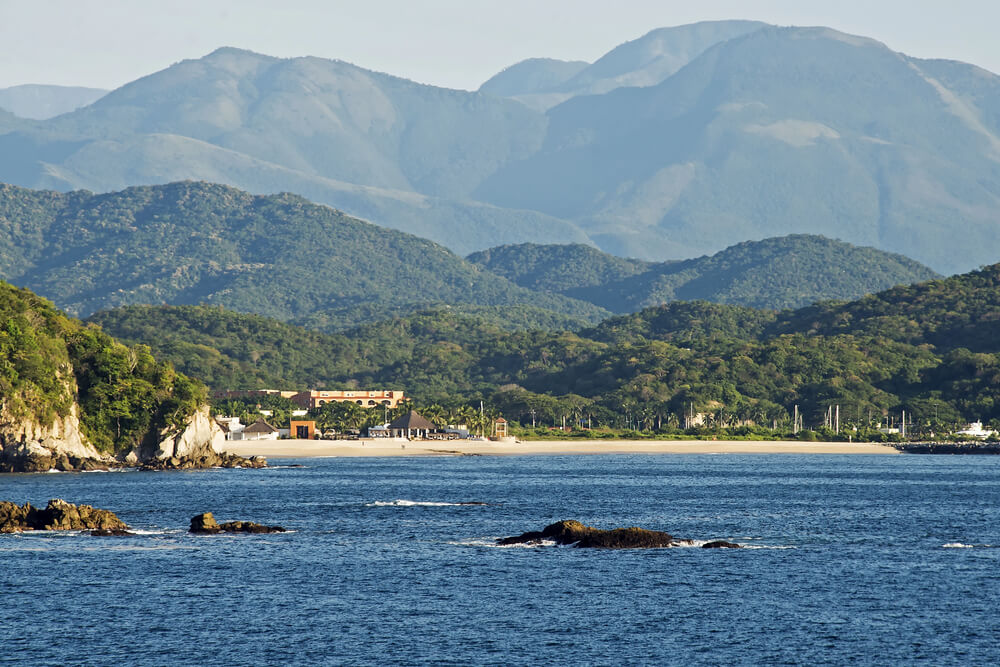
Huatulco is a chain of nine bays and 36 beaches along the Oaxaca coast, most of it protected as a national park. Cruise ships dock in Santa Cruz Bay, within walking distance of a small harbor lined with restaurants.
Boat tours visit coves with clear water suitable for snorkeling, including the sheltered bay of La Entrega. Coffee grown in the Oaxacan hills is a popular souvenir.
Puerto Quetzal and Antigua’s Volcano Backdrop
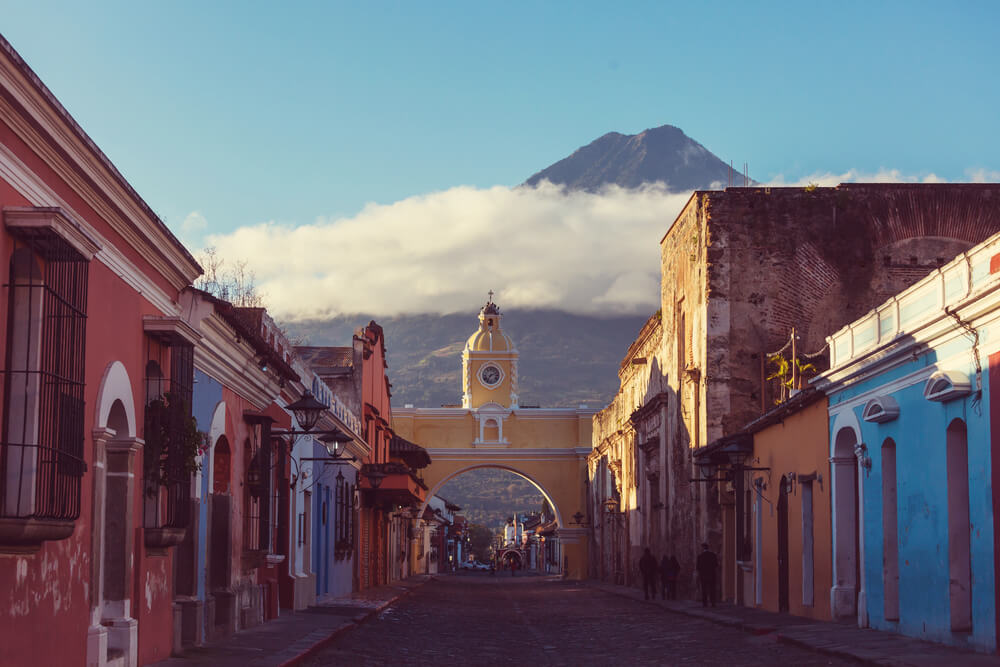
Puerto Quetzal is the gateway to Antigua Guatemala, a UNESCO World Heritage city about two hours inland. The drive can take longer depending on traffic and excursion routing, but Antigua served as the colonial capital until the 1773 earthquakes destroyed much of it, after which authorities moved the capital to present-day Guatemala City.
Its streets still hold ruined churches, a famous yellow arch, and three looming volcanoes. The long drive is worthwhile because few cities in the Americas have preserved so much of their Spanish colonial character.
Corinto and the Largest Cathedral in Central America
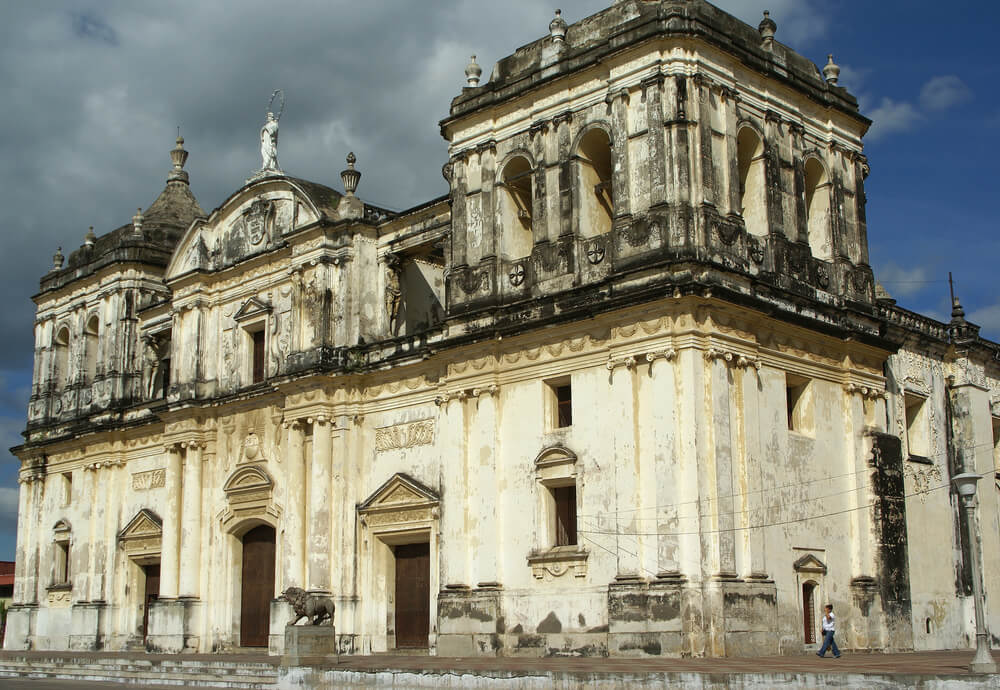
From the port of Corinto, a ride inland leads to the city of León, home to the Basilica Cathedral of the Assumption. The enormous cathedral took more than a century to build, and UNESCO inscribed it as a World Heritage site in 2011.
Visitors can climb to the whitewashed rooftop for views of volcanoes along the horizon. Inside lies the tomb of the poet Rubén Darío, Nicaragua’s most famous literary figure.
Puntarenas and the Country With No Army
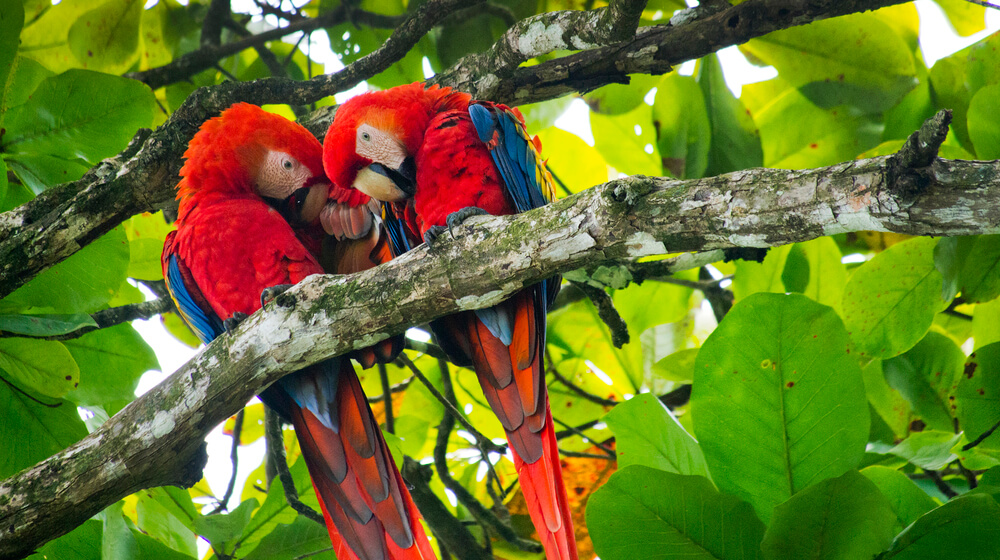
Puntarenas sits on a narrow spit of land in the Gulf of Nicoya, and it is the main Pacific gateway for cruise passengers visiting Costa Rica. Excursions lead to Carara National Park, where scarlet macaws fly overhead, and to Monteverde’s misty cloud forest. Both destinations involve substantial travel from the port, so tour duration and ship departure time should be checked carefully.
Costa Rica abolished its army in 1948, and the money redirected toward education and conservation helped build the green reputation the country enjoys. Back at the pier, locals sell a shaved-ice dessert called a churchill, a Puntarenas specialty.
Panama City and a Canal That Changed the World
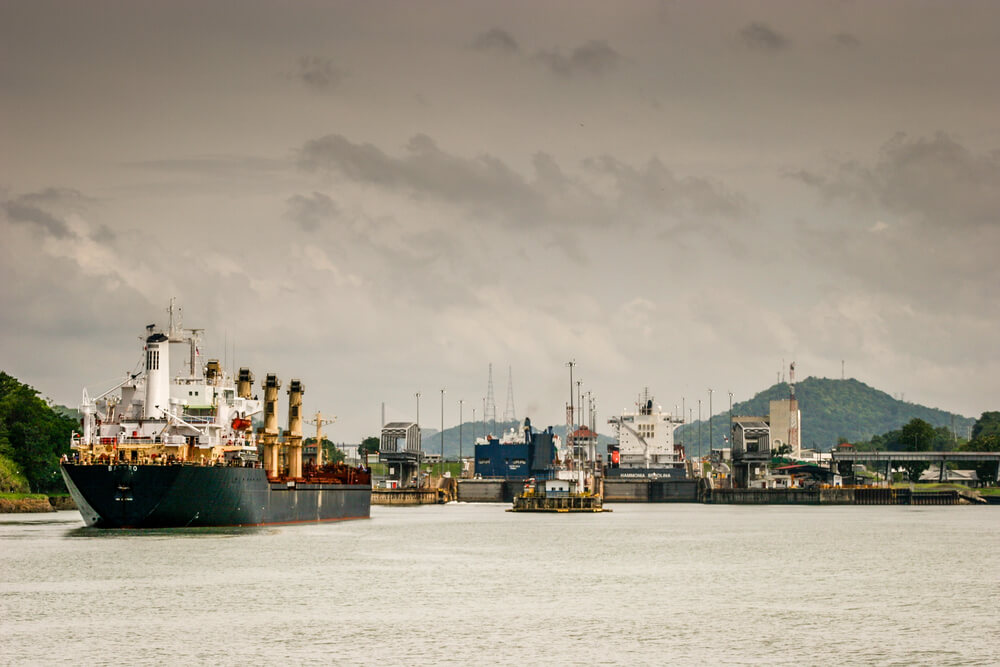
The Panama Canal opened on August 15, 1914, and the Miraflores Locks remain a popular place for passengers to watch ships being lifted and lowered. The visitor center has observation decks, a museum, and a film explaining how the engineers pulled it off.
In the historic district of Casco Viejo, narrow streets lead past restored churches and plazas. Founded in 1673 after pirate Henry Morgan sacked the original city in 1671, the district now holds cafes, rooftop bars, and boutique hotels.
Manta and the Real Home of the Panama Hat
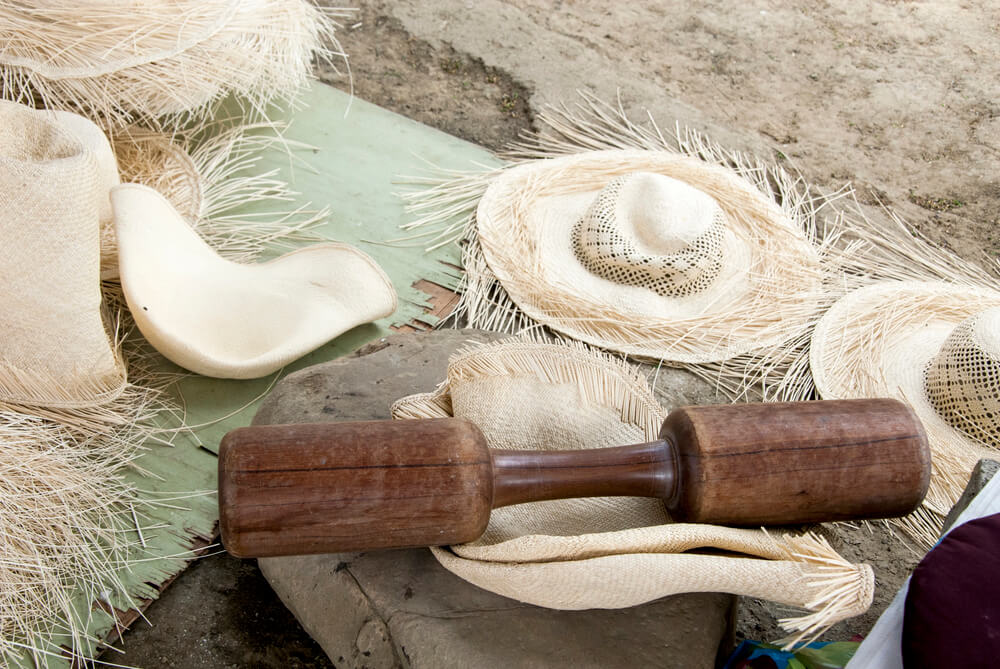
Despite the name, the so-called Panama hat originated in Ecuador, and the nearby town of Montecristi is among its best-known weaving centers. UNESCO recognized the traditional weaving of the toquilla straw hat as intangible cultural heritage in 2012.
Shore excursions from Manta visit workshops where artisans weave the finest hats for hours at a time. The hats gained their misleading name when workers on the Panama Canal wore them in the sun.
Callao and the Catacombs Beneath Lima
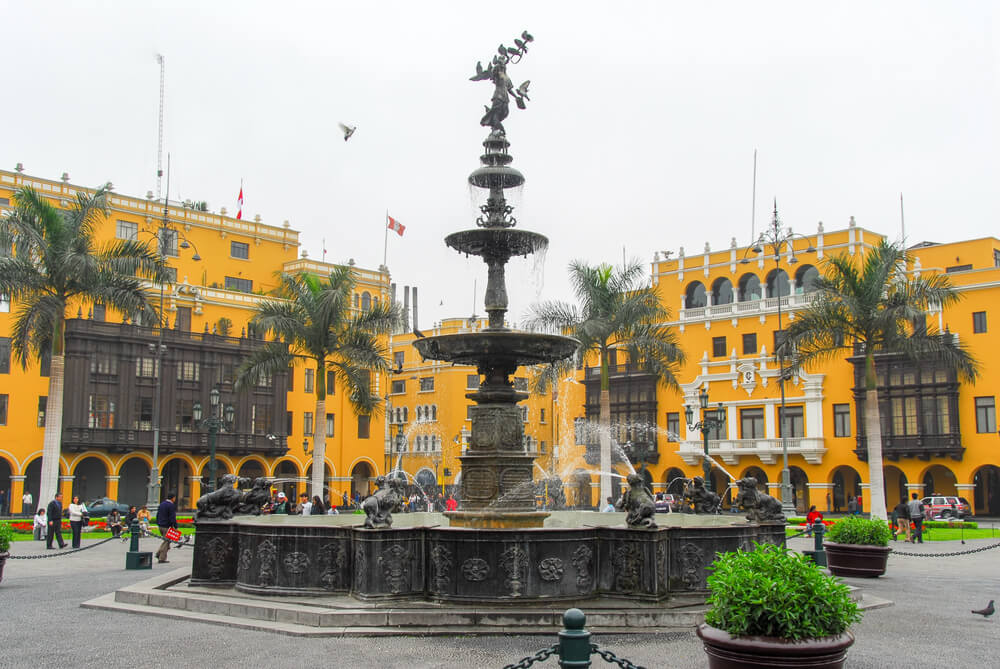
Callao serves as the port for Lima, a capital whose historic center is a UNESCO World Heritage site. Beneath the San Francisco Convent, catacombs hold thousands of burials, with bones arranged in circular patterns in the crypts.
Above ground, the Plaza Mayor, founded by Francisco Pizarro in 1535, is surrounded by the cathedral and the government palace. A full day allows time to see both the colonial core and the elegant cliffside districts along the coast.
Valparaiso and a City Climbed by Funicular
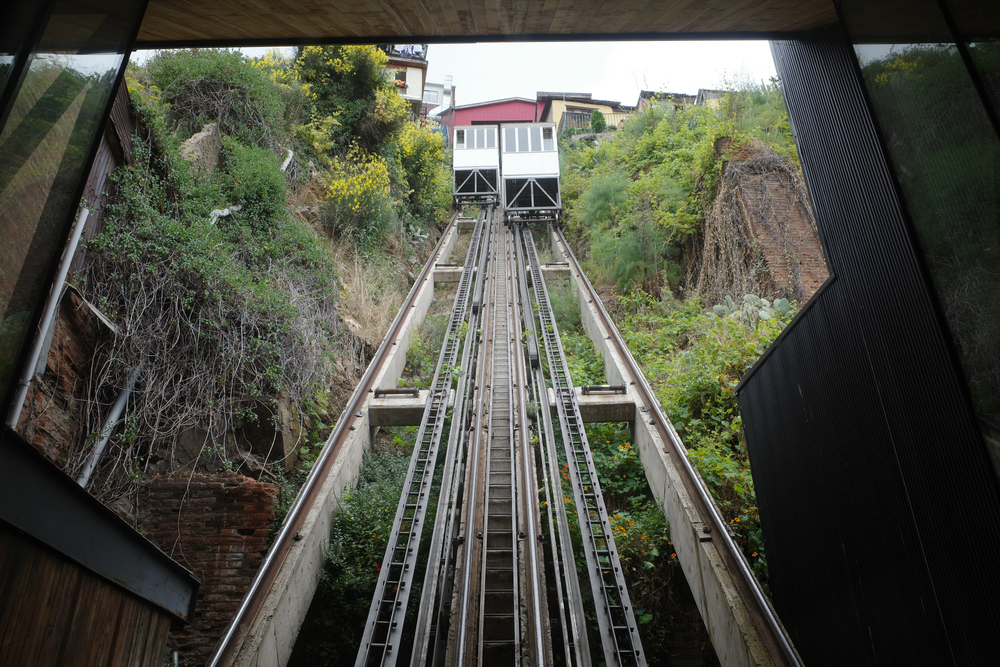
Valparaiso spreads across steep hills above the Pacific Ocean, and its historic quarter earned a UNESCO World Heritage listing in 2003. Old funiculars known as ascensores, many dating to the late 1800s, carry riders up the slopes in wooden cars.
At the top, La Sebastiana, the house where poet Pablo Neruda lived, looks out over the harbor from its upper floors. The hillsides are covered in murals, so wandering without a plan produces plenty of surprises.
Arica and the Oldest Mummies on Earth
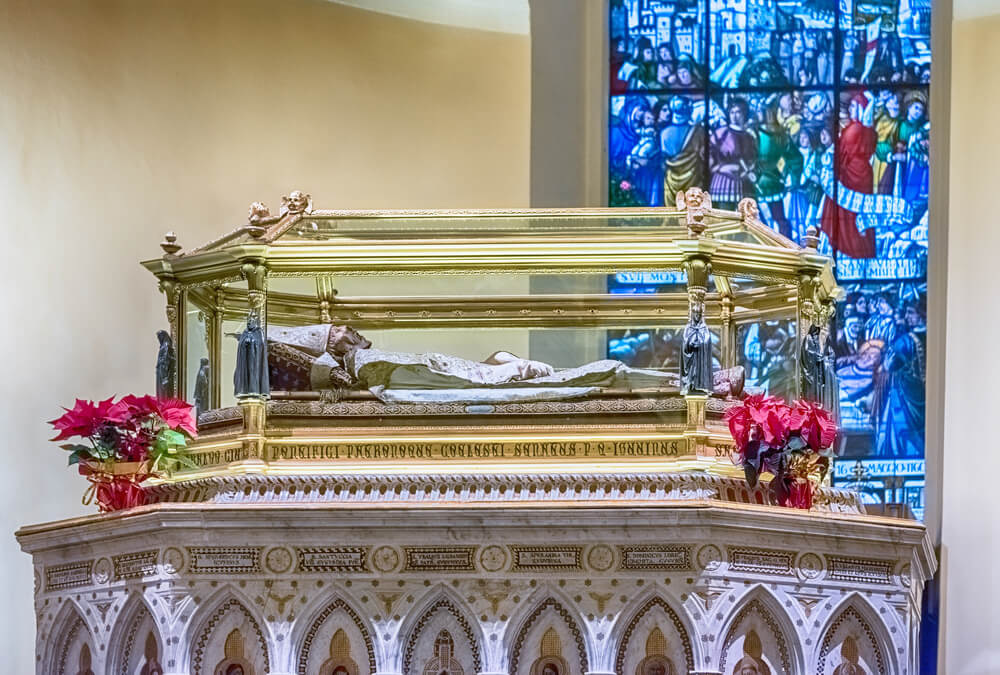
The Chinchorro people of the Arica region preserved their dead roughly 7,000 years ago, making their mummies older than those of ancient Egypt. UNESCO added the Chinchorro mummification sites to the World Heritage list in 2021.
The San Miguel de Azapa Archaeological Museum displays several of them, along with pottery and textiles from the Andean cultures that followed. Back in the city, the San Marcos Cathedral was designed by the workshop of Gustave Eiffel.
Puerto Montt and the Volcano Across the Lake
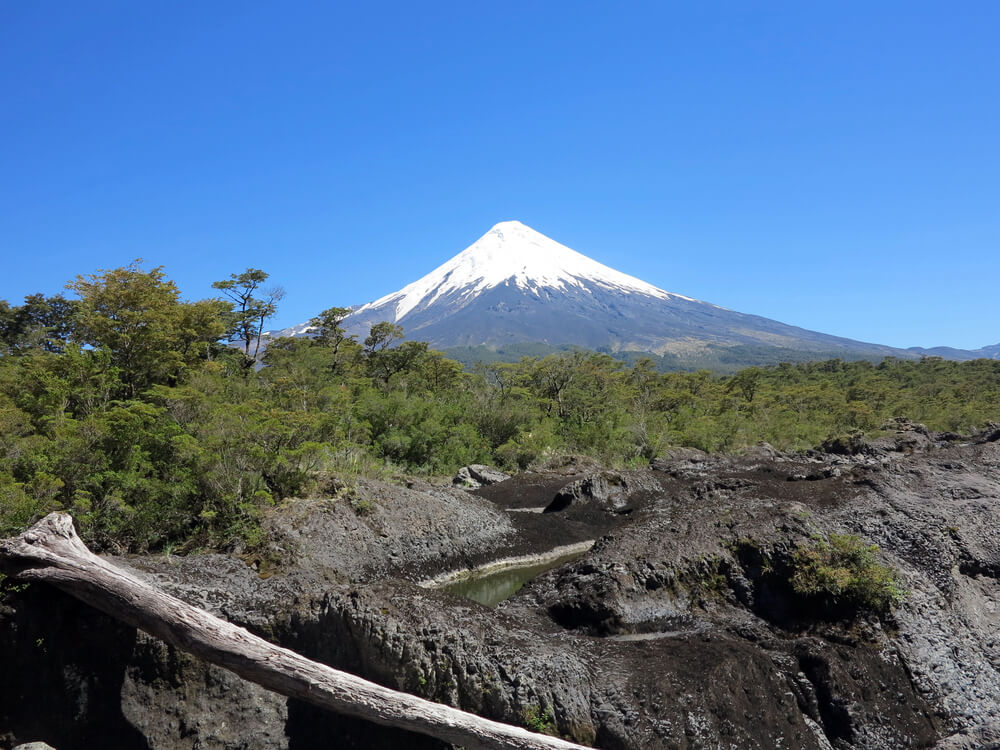
Osorno volcano is a nearly perfect cone rising more than 8,700 feet above Lake Llanquihue, and it dominates the scenery on a day trip from Puerto Montt. German settlers arrived in the 1850s, and the lakeside town of Puerto Varas still carries Bavarian touches in its architecture and pastries.
Nearby, the Petrohue Falls rush over dark volcanic rock in a gorge of vivid blue-green water. Back in port, the Angelmo fish market serves seafood stews to visitors eager for a taste of southern Chile.
Coquimbo and the Valley of the Stars
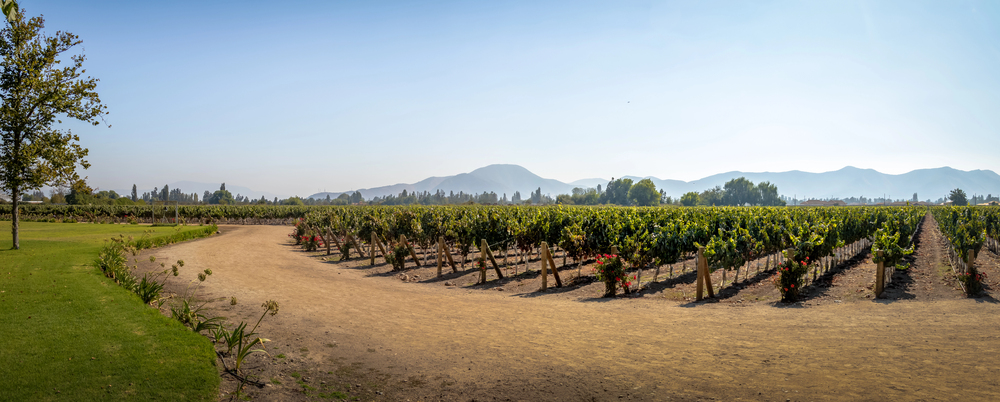
Coquimbo, next door to the colonial city of La Serena, is the base for excursions into the Elqui Valley. The valley is known for its pisco distilleries, where grapes grown in dry mountain air are turned into Chile’s national spirit.
It is also home to some of the clearest night skies on Earth, hosting several observatories. Gabriela Mistral, who won the Nobel Prize in Literature in 1945 as the first Latin American to do so, was born in the valley town of Vicuña.
Why the Pacific Rewards the Long Stay
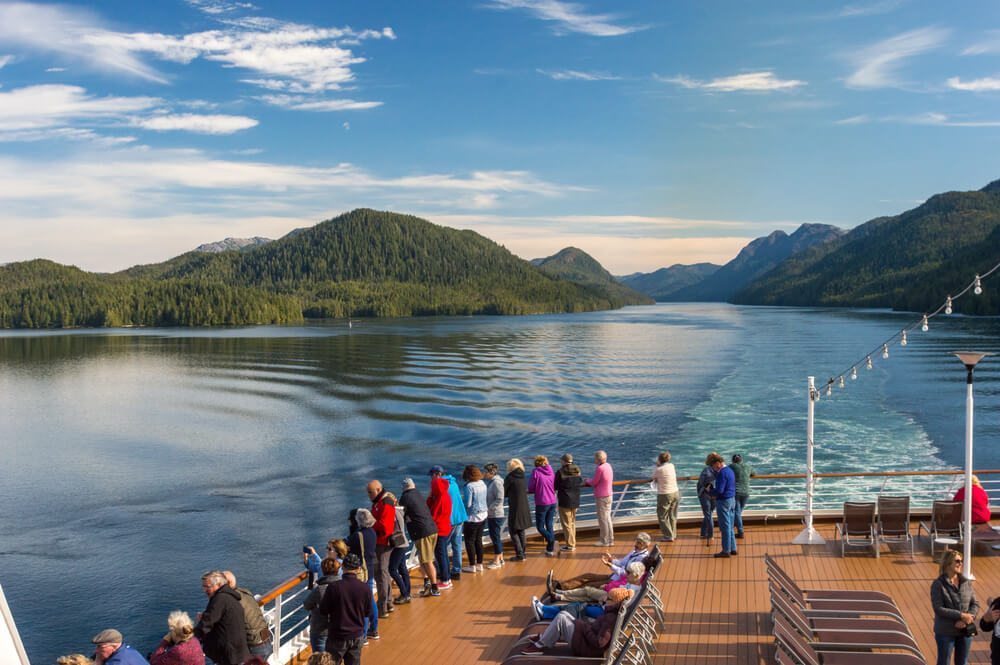
A cruise itinerary compresses thousands of miles into a handful of days, and the compression tempts travelers to sample everything lightly. The ports above suggest a different approach: pick one thing that cannot be rushed, whether a hike, a museum, a drive inland, or a swim, and give it the day.
The Pacific coast makes this easy, because its harbors sit close to the places that justify the trip.The best port days tend to end with one clear memory rather than a checklist of sights.
A lighthouse climb, a mummy older than the pyramids, or a hillside cathedral stays in the mind long after the ship’s buffet blurs together. The coast offers more than enough variety to make the next voyage a different trip entirely.
More from Travel Pug

- Underrated Italian Towns That Beat the Tourist Crowds
- Las Vegas Tourist Traps to Skip
- Prettiest Towns in Every US State
- 18 passport-free countries for Americans
- Signs Your Cruise Is Not Worth The Cost
Like Travel Pug’s content? Follow us on MSN.