

Choosing between an Eastern and Western Mediterranean cruise feels like deciding between two completely different love letters to the same sea. Both routes promise sun-soaked ports, ancient history, and that particular Mediterranean magic that makes ordinary life seem impossibly far away.
Yet the experiences couldn’t be more distinct. Eastern itineraries pull you toward the crossroads of civilizations, where minarets pierce Byzantine skylines and the air tastes of spice markets.
Western routes lean into Renaissance grandeur and coastal glamour, where cathedral bells echo off marble piazzas and the Mediterranean lifestyle feels polished to perfection.
The choice matters more than cruise lines typically admit. These aren’t just different stops along the same route — they’re entirely different conversations with history, culture, and the sea itself.
Historical periods
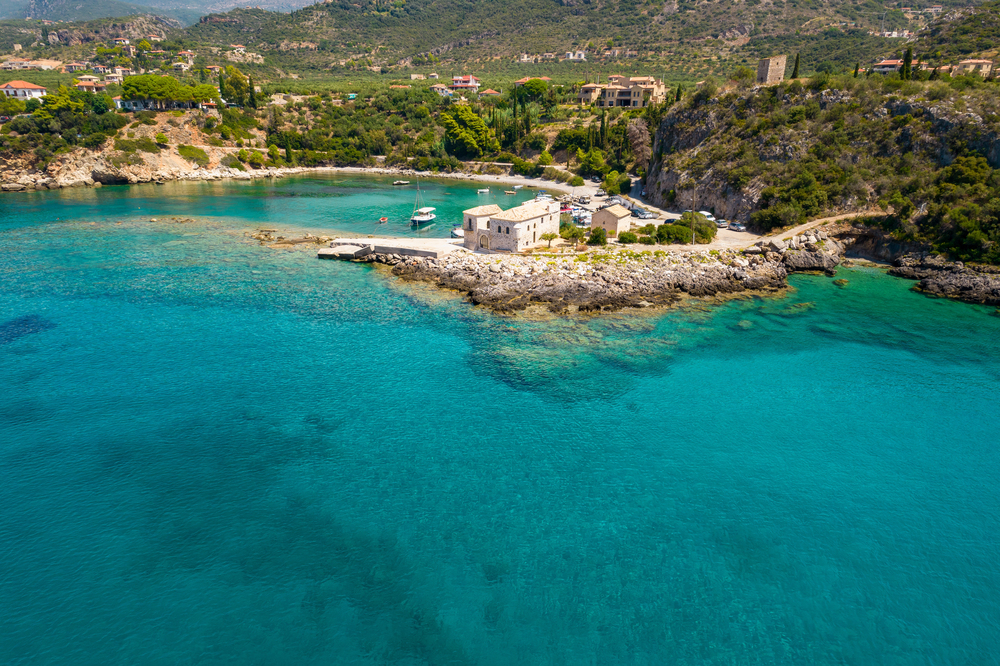
Eastern Mediterranean cruises drop anchor in ports where history layers like sediment. Constantinople became Istanbul, but the Byzantine walls still stand.
Greek islands carry temples older than Rome itself.
Western itineraries favor the Renaissance and Roman periods. Florence, Rome, Barcelona — these ports showcase when Europe rediscovered art, architecture, and the idea that beauty mattered as much as function.
Primary languages

The East throws linguistic curveballs. Greek sounds nothing like Turkish, which shares no roots with Arabic or Hebrew.
Port agents switch between languages mid-sentence, and menus become small adventures in translation.
Western ports stick closer to Romance languages. Italian bleeds into Spanish, and French connects to both.
English gets you further, and pointing at things works more reliably.
Currency situations

Eastern Mediterranean ports scatter currencies like confetti — euros in Greece and Cyprus, Turkish lira in Turkey, Israeli shekels in Haifa (and sometimes Egyptian pounds if the itinerary reaches that far, though cruise lines have grown cautious about including Egypt in recent years, which is unfortunate because Alexandria deserves better than its current political climate). The constant currency conversion becomes its own form of mental gymnastics, where you’re never quite sure if that souvenir costs three dollars or thirty until you’ve done the math twice.
But then you realize something interesting: bargaining works differently when merchants can quote prices in three currencies depending on what makes their offer sound more appealing.
Western cruises deal mostly with euros, which makes the financial side of shore excursions refreshingly straightforward. Even the few non-Euro stops like Morocco or Gibraltar feel manageable.
Climate patterns

Eastern Mediterranean weather runs hotter and more unpredictably. Turkish coasts bake in July.
Greek islands get those sudden afternoon winds that turn calm seas choppy without warning.
Western routes benefit from steadier coastal breezes. The French Riviera perfected its climate for tourism.
Even Barcelona’s heat feels more civilized.
Culinary traditions

Street food in the East tells a different story than café culture in the West. Turkish breakfast spreads could feed families.
Greek tavernas serve fish caught that morning, grilled simply, seasoned with salt and time.
Western Mediterranean food leans into refinement. Italian pasta becomes art.
French cuisine turns lunch into ceremony. Spanish tapas make evening meals last until midnight.
Religious architecture

The East showcases religious complexity that Western Europe largely moved past centuries ago. Hagia Sophia stands as both mosque and former cathedral, its Christian mosaics sharing space with Islamic calligraphy in a way that would seem impossible if you couldn’t see it with your own eyes.
Greek Orthodox churches feel different from Roman Catholic ones — the incense burns differently, the icons watch you differently, and the silence carries a different weight. And yet within a single port, you might encounter a Crusader castle, an Ottoman mosque, and a Byzantine church, each representing a different answer to the same human need for the sacred.
Western religious architecture feels more unified, even when it’s spectacular. St.
Peter’s Basilica overwhelms through sheer scale and ambition. Barcelona’s Sagrada Familia defies every rule of cathedral construction, but it’s still recognizably Catholic in its bones.
Shopping experiences

Eastern Mediterranean markets operate on negotiation and relationship-building. Istanbul’s Grand Bazaar doesn’t list prices because prices aren’t fixed things.
Vendors serve tea, ask about your family, and gradually work toward a number that satisfies everyone.
Western shopping runs more predictably. Boutiques in Monaco price everything clearly.
Italian leather goods cost what they cost. French perfume shops treat browsing as a legitimate activity.
Port infrastructure

Eastern ports range wildly in their cruise readiness. Some Greek islands dock ships at working harbors where fishing boats outnumber tourist facilities.
Others, like Istanbul, handle massive ships with practiced efficiency.
Western Mediterranean ports invested heavily in cruise infrastructure. Barcelona, Rome, and Marseille process passengers like well-oiled machines.
The experience feels more polished, less improvised.
Archaeological sites
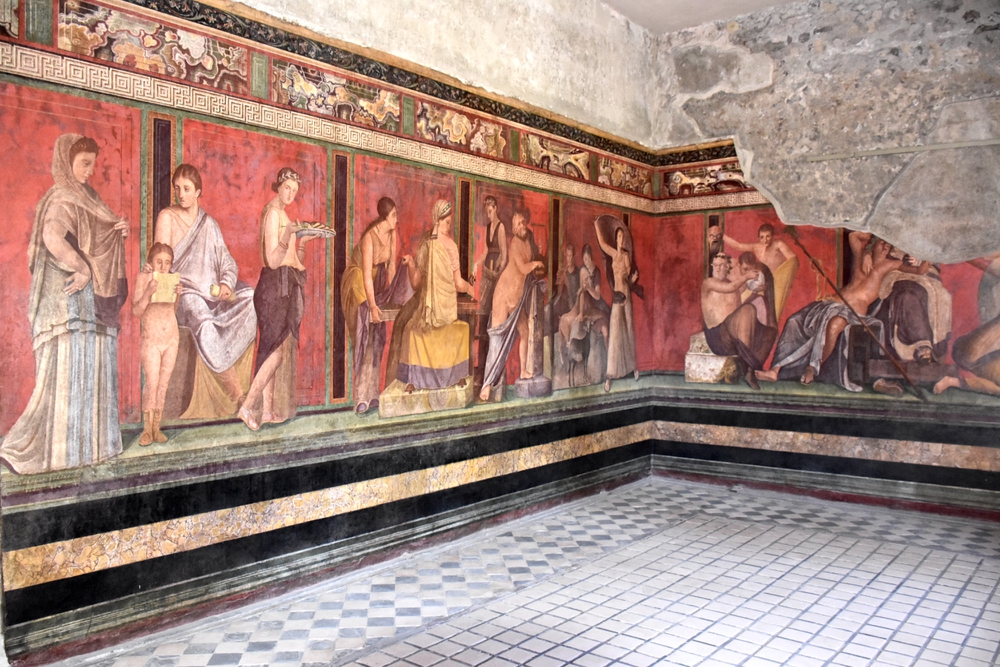
The eastern route serves up archaeology that predates most Western European civilizations by centuries, sometimes millennia, and the difference isn’t just academic — it changes how you think about human time altogether. Ephesus in Turkey preserves an entire Roman city so completely that you can still see the marble grooves worn smooth by chariot wheels, while Greek sites like Delos or Rhodes layer Persian, Hellenistic, Roman, Byzantine, and Ottoman remains on top of each other until history becomes a physical thing you can touch.
The age creates a strange intimacy; these places were already ancient when the Colosseum was new.
Western archaeological sites feel more curated. Pompeii tells a complete story.
Roman ruins in Spain and France get presented with context, guided tours, and gift shops.
Beach quality

Eastern Mediterranean beaches divide between spectacular and serviceable. Turkish coasts hide perfect coves between rocky headlands.
Greek islands offer beaches that match every postcard, but getting to them often requires planning.
Western beaches come with better infrastructure. French Riviera beaches provide loungers, umbrellas, and restaurants.
Spanish costas turn beach days into organized leisure.
Nightlife styles

Eastern nightlife tends toward long dinners that gradually become celebrations. Greek tavernas serve dinner at 10 PM and consider that early.
Turkish rooftop bars overlook the Bosphorus while patrons smoke hookah and nurse drinks until dawn.
Western Mediterranean nightlife offers more variety and structure. Barcelona’s clubs compete with London’s.
Italian coastal towns offer evening passeggiata traditions. French ports perfect the art of sophisticated evening drinking.
Weather patterns

Eastern Mediterranean weather systems create their own drama. The meltemi winds in the Aegean can turn calm sailing days into washing machine experiences.
Turkish coasts alternate between blazing heat and sudden cooling storms.
Western routes benefit from more predictable weather patterns. The mistral wind in southern France blows strong but arrives on schedule.
Spanish coastal weather stays remarkably consistent.
Tourist density

Eastern Mediterranean cruise tourism feels less saturated, partly because the infrastructure can’t handle Western European crowd levels, but also because Americans still think of places like Turkey or even Greece as somehow more complicated to visit than Italy or France. This works in your favor if you don’t mind occasional inefficiencies.
Santorini gets crowded, but Turkish coastal towns often treat cruise passengers as welcome novelties rather than industrial necessities.
Western Mediterranean ports have turned cruise tourism into a refined science, which means smoother experiences but also means competing with thousands of other passengers for the same photo opportunities and restaurant tables.
Cultural etiquette

Eastern ports require more cultural sensitivity. Modest dress expectations vary by country and religion.
Tipping customs range from essential to insulting. Greeting rituals matter more than they do in Western Europe.
Western Mediterranean etiquette runs more familiar to American travelers. Italian, French, and Spanish social customs translate more easily.
Mistakes feel less consequential.
Transportation options
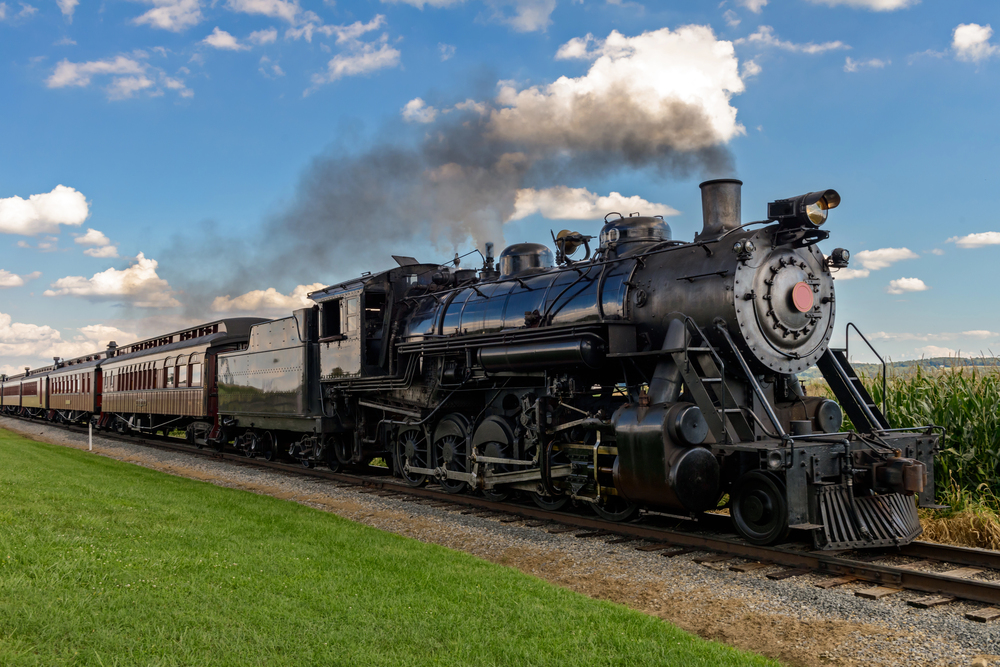
Eastern Mediterranean transportation varies dramatically by port. Istanbul offers world-class metro systems.
Some Greek islands rely on buses that run when they feel like running. Planning shore excursions requires more flexibility and backup options.
Western ports provide reliable transportation infrastructure. Barcelona’s metro connects to major attractions efficiently.
Italian trains run frequently enough to build itineraries around. French ports offer predictable taxi and bus services.
Setting sail with clear expectations
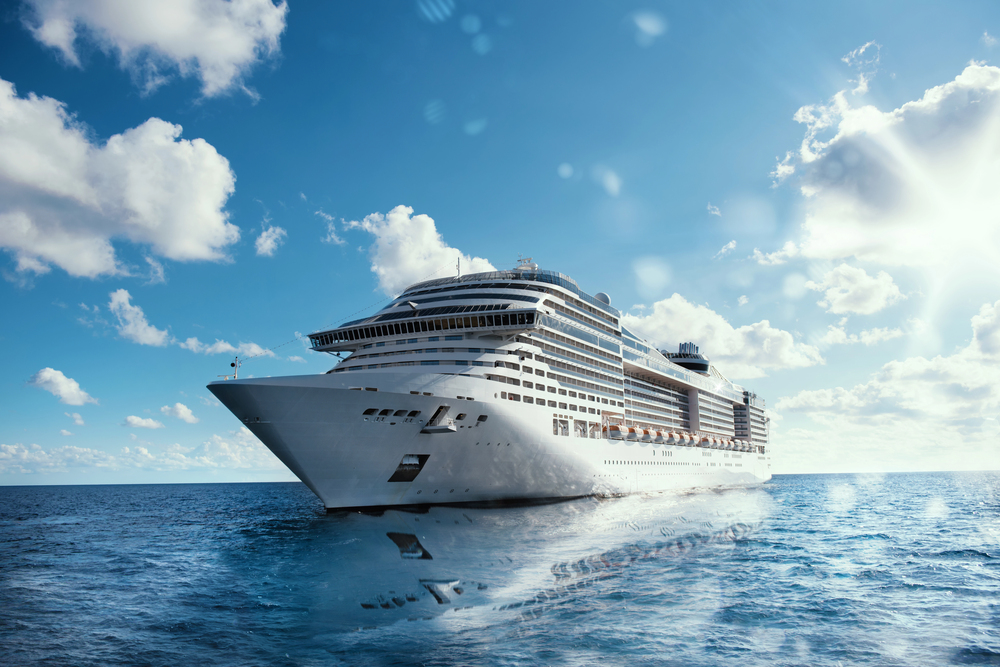
The Mediterranean doesn’t ask you to choose between good and bad — it offers two different versions of extraordinary. Eastern cruises reward travelers who enjoy cultural complexity, historical depth, and the pleasant uncertainty that comes with visiting places where tourism hasn’t ironed out every wrinkle.
Western routes deliver polished experiences, culinary excellence, and the satisfaction of seeing some of humanity’s greatest artistic achievements in their original settings. Both will change how you think about history, food, and the relationship between land and sea.
The question isn’t which one is better — it’s which conversation with the ancient world you’re ready to have.
More from Travel Pug

- Underrated Italian Towns That Beat the Tourist Crowds
- Las Vegas Tourist Traps to Skip
- Prettiest Towns in Every US State
- 18 passport-free countries for Americans
- Signs Your Cruise Is Not Worth The Cost
Like Travel Pug’s content? Follow us on MSN.