

Madrid’s plazas serve as the social hubs of the Spanish capital—gathering spots where locals meet for tapas, tourists pause between museums, and street performers entertain crowds late into warm evenings. These public squares date back centuries, with some hosting everything from medieval markets to bull fights before evolving into the lively meeting places they are today.
The plaza culture runs deep in Madrid, defining daily life in ways you won’t find in cities where public space takes a backseat to commerce. Sitting at a plaza café with a caña (small beer) while watching the world flow past isn’t just acceptable—it’s practically a cultural requirement.
The best people-watching happens when you’re in no rush, when you’ve got a table at a café and several hours to kill. Madrid’s varied plazas each attract different crowds and energy levels, from businesspeople rushing through morning commutes to families strolling after dinner well past 10pm.
Here is a list of 16 Madrid plazas perfect for people watching.
Plaza Mayor
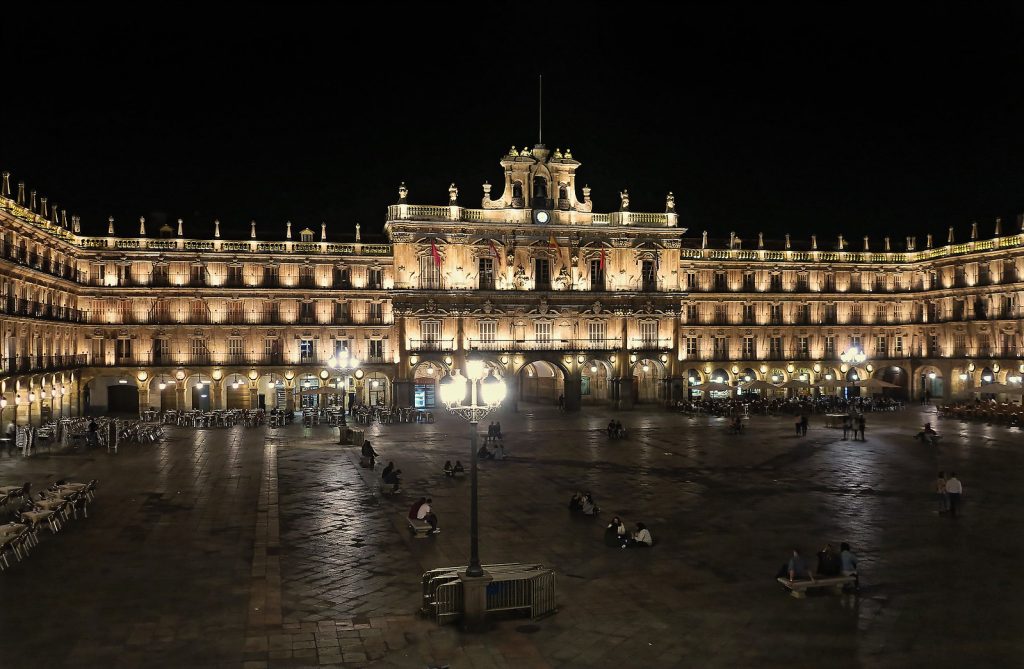
Plaza Mayor ranks as Madrid’s most iconic square—a massive rectangular space surrounded by three-story residential buildings painted rust-red and topped with slate spires. Built in the 17th century during Philip III’s reign, it has hosted executions, bullfights, and royal ceremonies, though nowadays you’ll find street performers drawing crowds and restaurants charging tourist prices.
The square gets packed with selfie-stick-wielding visitors, but that’s precisely what makes it interesting for people watching—you see humanity from every corner of the globe converging in one historic space. The central statue of King Philip III on horseback provides a focal point while cafés around the perimeter offer overpriced but strategically-positioned tables.
Puerta del Sol
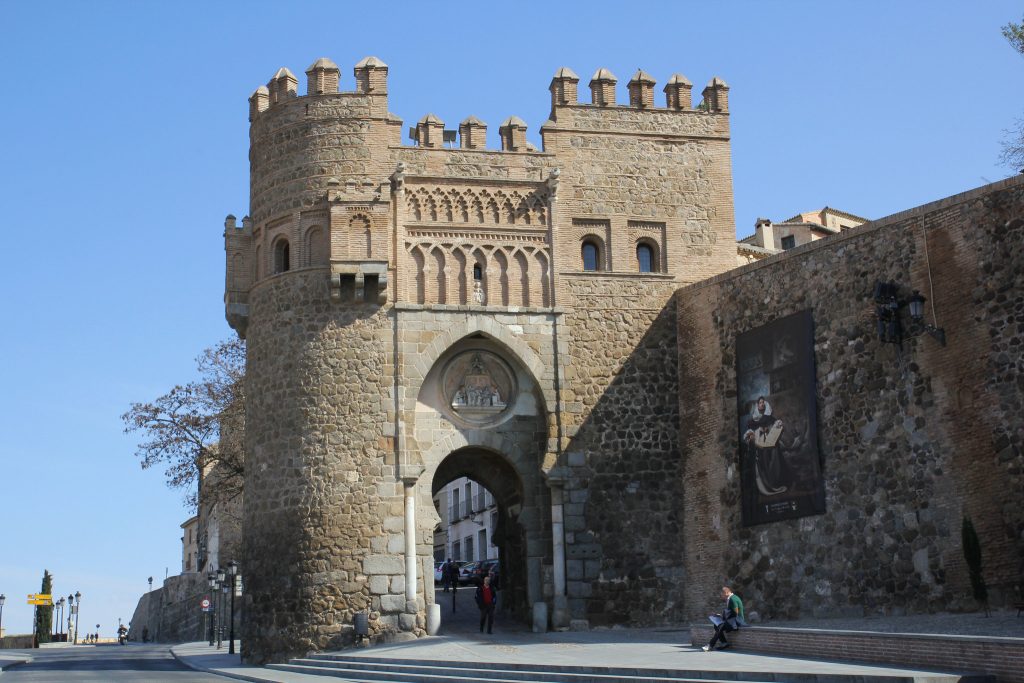
Sitting at the literal center of Spain—where all national radial roads begin—Puerta del Sol pulls crowds constantly. The iconic Tío Pepe neon sign advertising sherry has become such a landmark that it’s practically a character in Madrid’s identity.
This plaza hosts protests regularly, maintaining that rebel spirit dating back to the 1808 uprising against French occupation, though you’re more likely to encounter shoppers than revolutionaries. Street entertainers, tourists checking the zero-kilometer marker, and locals cutting through on their commutes create constant motion.
The mix of neon, historic architecture, and human traffic makes for genuinely fascinating observation.
Plaza de Oriente
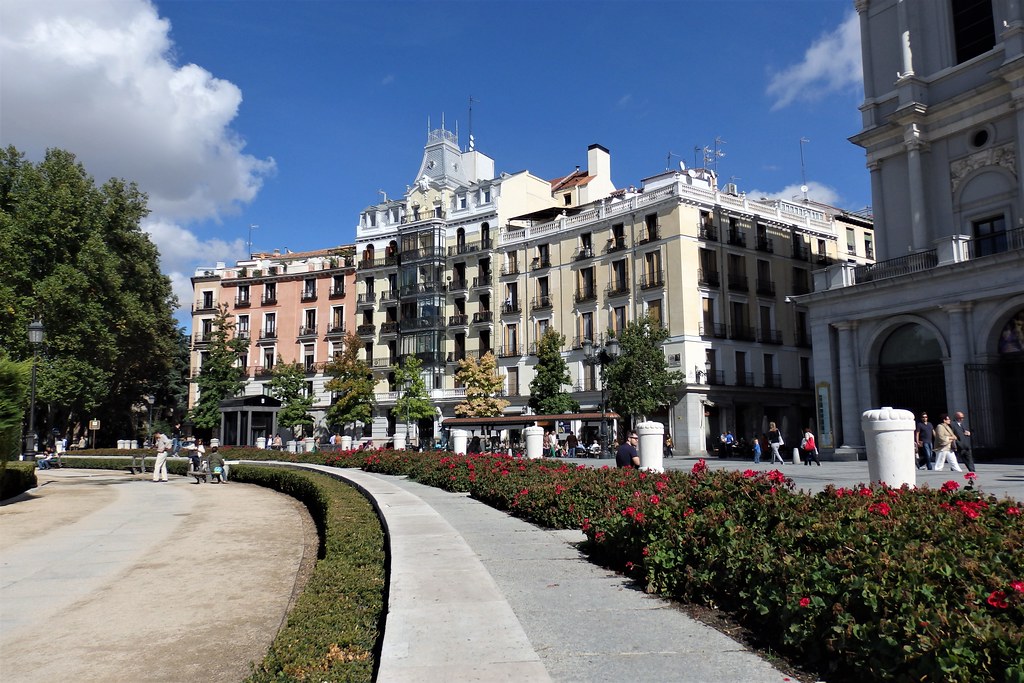
Located directly across from the Royal Palace, Plaza de Oriente brings a more refined atmosphere compared to touristy Plaza Mayor. The gardens feature manicured hedges, fountains, and statues of Spanish kings that were originally intended for the palace roof but proved too heavy. You’ll see
tourists photographing the palace while locals actually use the space to relax rather than just pass through. The cafés here serve solid food at prices that won’t completely destroy your budget, and the outdoor seating provides views of both the palace and the diverse crowd it attracts.
Opera singers occasionally practice in the gardens, adding unexpected entertainment to your people-watching session.
Plaza de Santa Ana
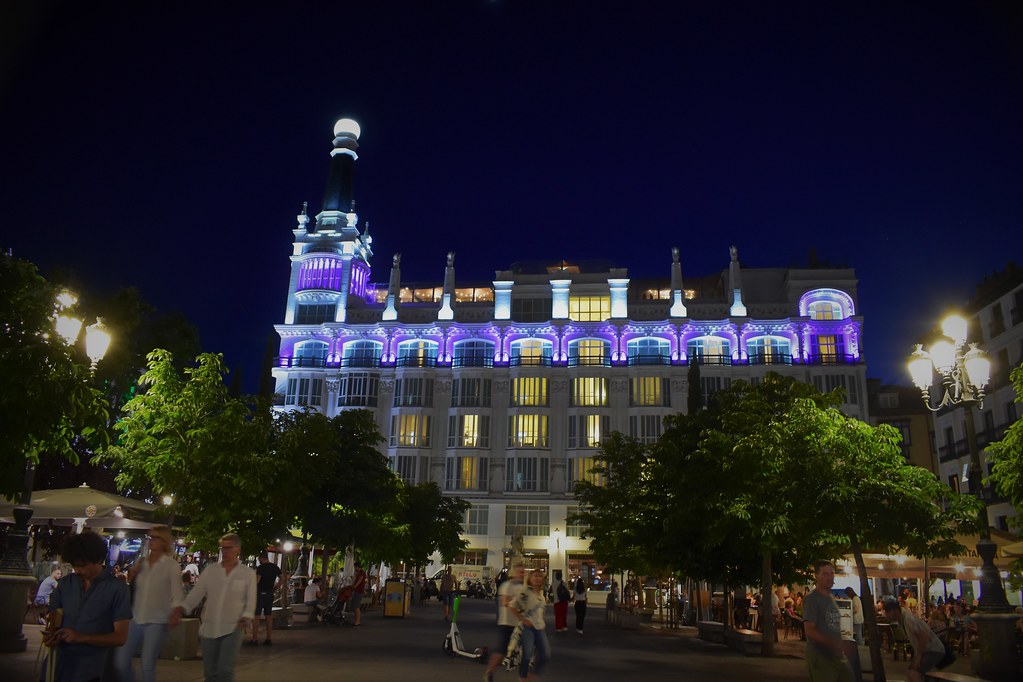
This Barrio de las Letras square attracts a hipper, younger crowd than the more famous plazas—locals who live and work in the area rather than tourists ticking boxes. The statue of 17th-century playwright Pedro Calderón de la Barca watches over a space that’s become central to Madrid’s nightlife and cultural scene.
Restaurants and bars line the square, their outdoor terraces filling up as evening approaches and staying busy until late. The mix of theater-goers, neighborhood regulars, and people bar-hopping creates energy that feels authentically Madrid.
Come here for less polished, more genuine crowd dynamics.
Plaza de Cibeles
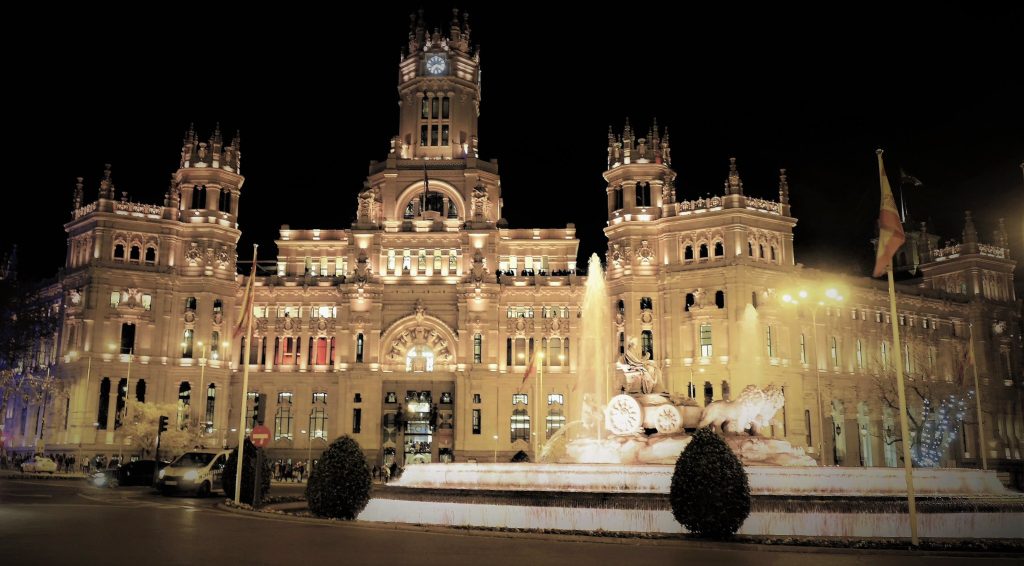
The fountain at the center—depicting the goddess Cybele in a chariot pulled by lions—has become Madrid’s unofficial celebration spot where Real Madrid fans gather after victories. This plaza operates more as a traffic roundabout than a pedestrian space, but the surrounding architecture (Cibeles Palace, Bank of Spain) and the fountain itself draw constant photo-taking crowds.
You’ll watch tour groups cycle through, wedding parties stopping for photos, and sports fans treating the fountain like a shrine. The sheer variety of people drawn here for different reasons makes it worth observing from café tables along Paseo del Prado.
Plaza de España
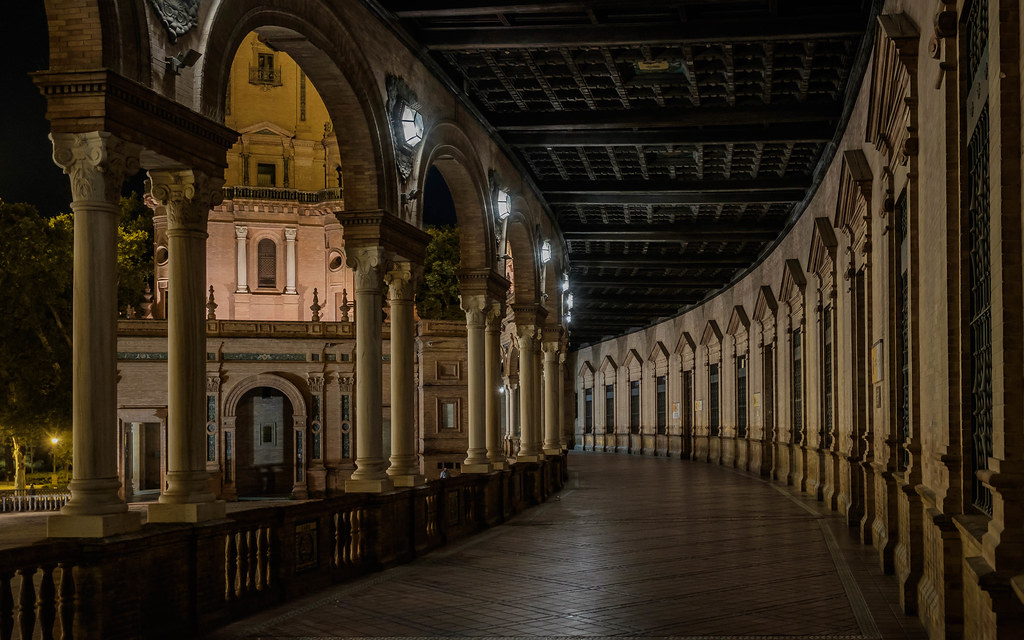
This massive plaza underwent major renovations recently, transforming from a traffic-heavy space into a more pedestrian-friendly area. The monument to Cervantes, featuring statues of Don Quixote and Sancho Panza, dominates the center while locals use the expanded green spaces for picnics and relaxation.
You’ll see families with children, tourists on electric scooters, and locals cutting through between the city center and residential areas. The mix of Spanish and international visitors creates diverse people-watching, particularly during weekends when families claim spots on the grass.
Plaza de la Villa
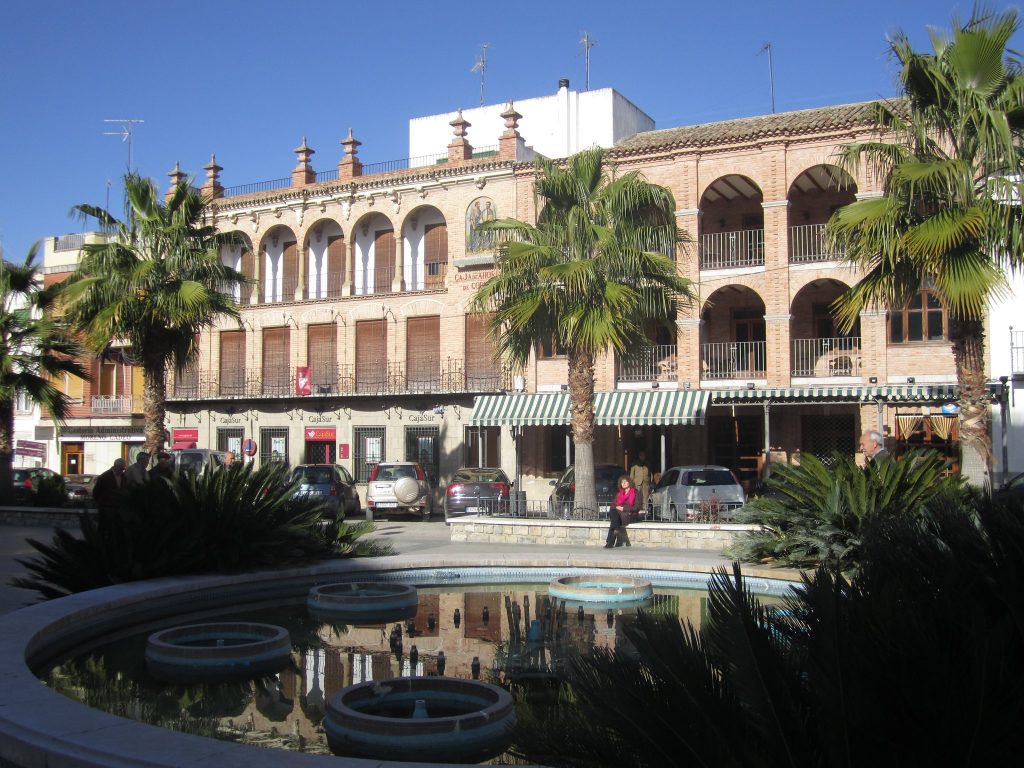
One of Madrid’s oldest and most beautiful plazas sits tucked away from the main tourist routes. The medieval architecture surrounding the square dates back centuries, with the Casa de la Villa (old city hall) showing off spectacular Renaissance and Baroque elements.
Fewer tourists means you’ll observe more locals—people who work in surrounding buildings, residents walking dogs, students studying architecture. The intimate size creates a calmer atmosphere where individual interactions stand out rather than getting lost in crowds.
It’s people-watching in miniature scale, where you notice details you’d miss in bigger plazas.
Plaza de Paja
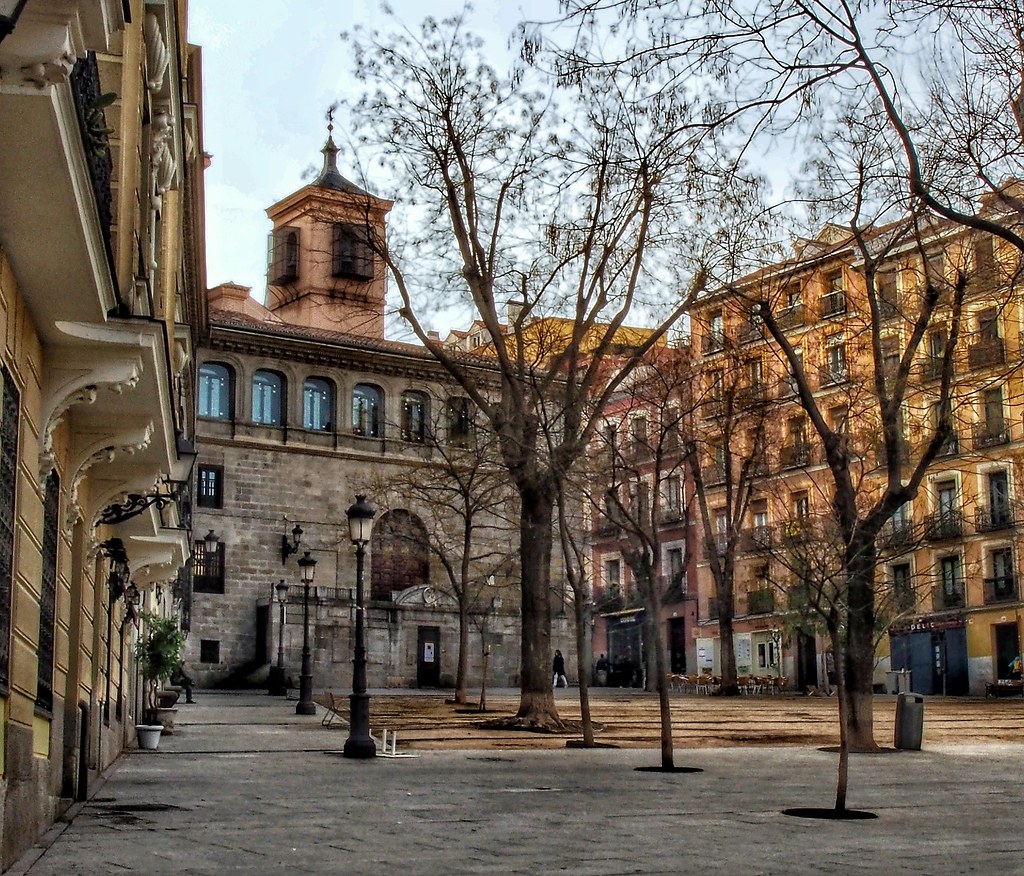
Located in the La Latina district, Plaza de Paja (“Straw Square”) was once one of medieval Madrid’s most important markets. Today it attracts a neighborhood crowd that gives you insight into actual Madrid life beyond tourism.
Sundays bring particularly good people-watching when locals gather for food and drinks after browsing El Rastro flea market. The terrace seating lets you settle in with a beer while watching families, couples, and friend groups enjoying weekend leisure time.
The plaza’s slightly off-the-beaten-path location means most people here have actual reasons for being in the neighborhood.
Plaza de Colón
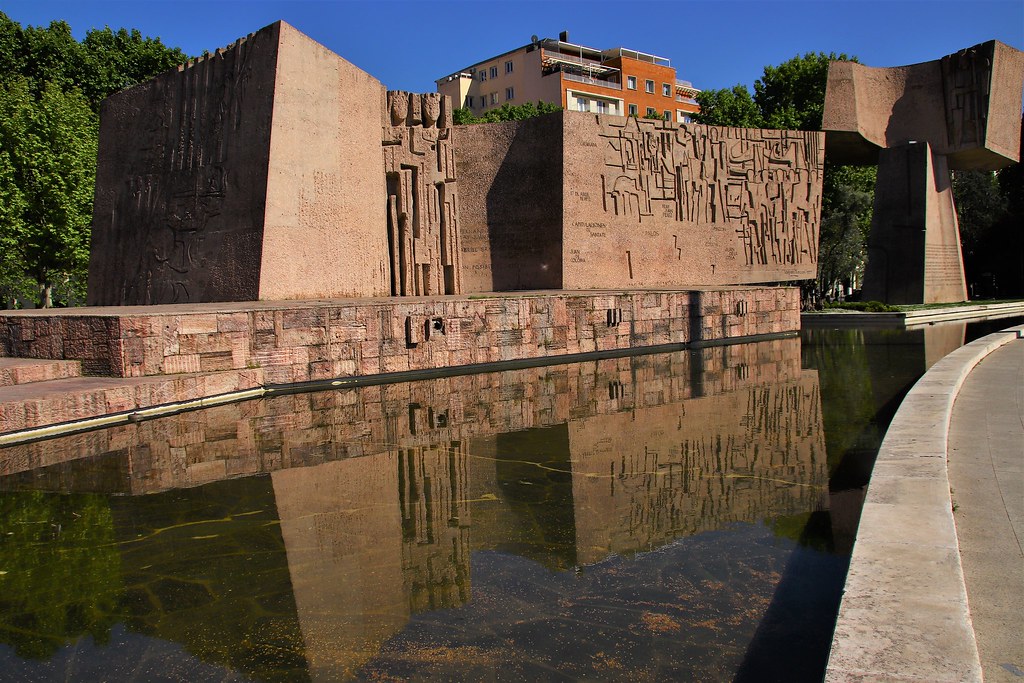
This plaza honors Christopher Columbus with a massive monument and sits at the intersection of major streets, creating constant flow. Business professionals walk through on lunch breaks, tourists photograph the monument, and locals use the surrounding green spaces for afternoon breaks.
The nearby National Library and cultural centers bring an educated, professional crowd during weekdays. Watching the mix of purposeful stride (people with places to be) and leisurely wandering (tourists and relaxing locals) provides contrast that makes the observation interesting.
Plaza Dos de Mayo
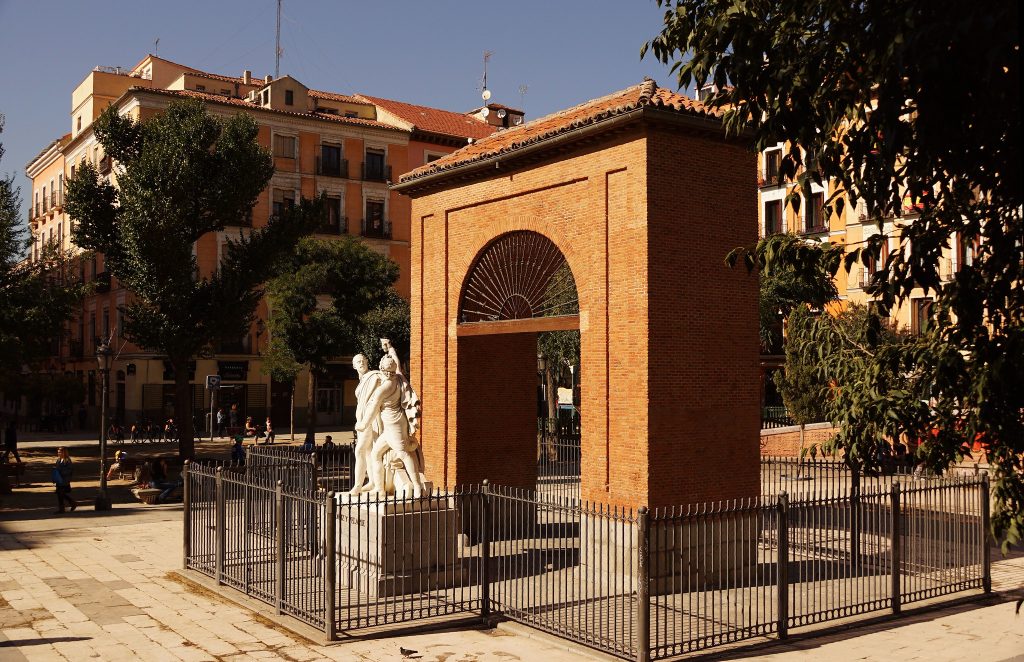
The heart of Malasaña, this plaza attracts Madrid’s alternative and bohemian crowd—artists, students, and young professionals who’ve chosen this historically working-class neighborhood. The monument commemorating the May 2, 1808 uprising against Napoleon stands in the center while bars and cafés around the edges stay busy late into the night.
Weekend afternoons bring markets with vintage goods, while evenings transform the plaza into an outdoor drinking spot where people buy beers from corner shops and socialize on benches. The demographic skews younger and more alternative than central tourist plazas.
Plaza de las Cortes
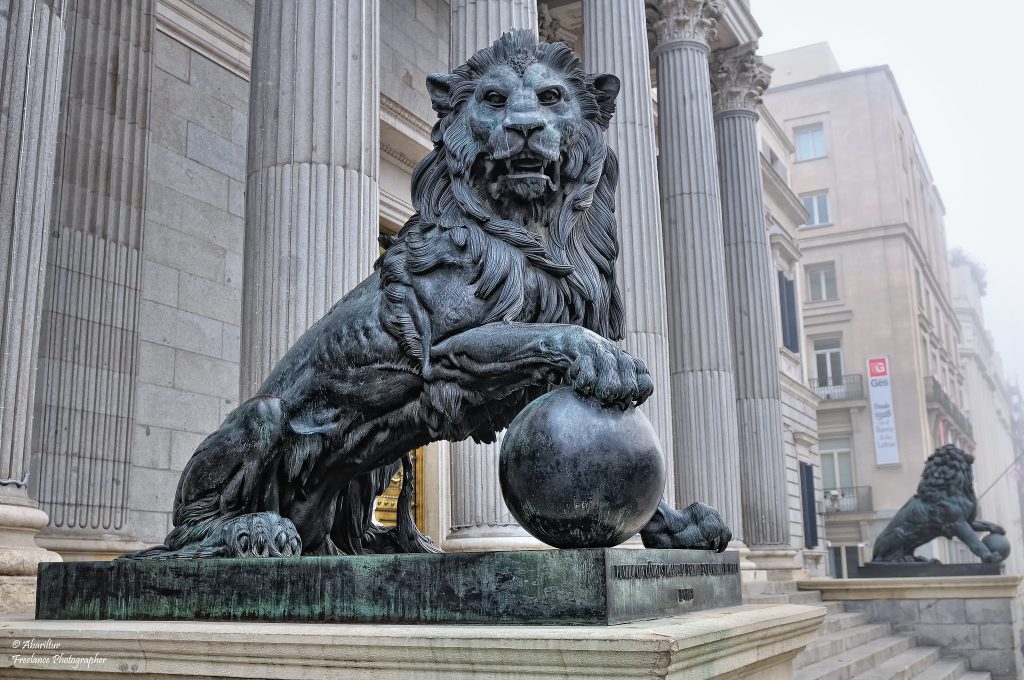
Sitting in front of the Spanish Congress of Deputies, this plaza sees politicians, journalists, and protesters mixing with tourists visiting nearby museums. The Neptune Fountain provides a focal point while the political importance of the location brings security and serious-faced people in suits.
Watching the contrast between casual museum-goers and people conducting Spain’s governmental business creates interesting dynamics. Protests occasionally take over the space, though security keeps demonstrations organized and controlled.
Plaza de Olavide
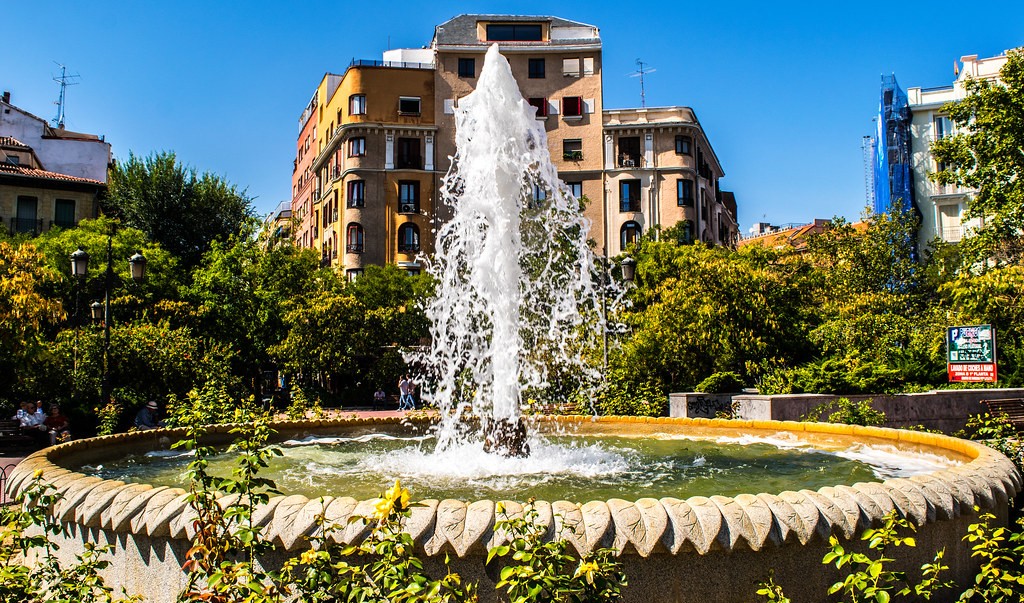
Located in the Chamberí neighborhood, Plaza de Olavide remains firmly in local territory rather than tourist space. Shaded terraces serve cold beers and small plates to neighborhood residents who treat this as their living room extension.
The circular design with trees providing cover makes it particularly pleasant during hot afternoons. You’ll observe genuine neighborhood dynamics—people who know each other greeting across tables, children playing while parents chat, elderly residents reading newspapers.
It’s Madrid minus the tourism overlay.
Plaza Ramales
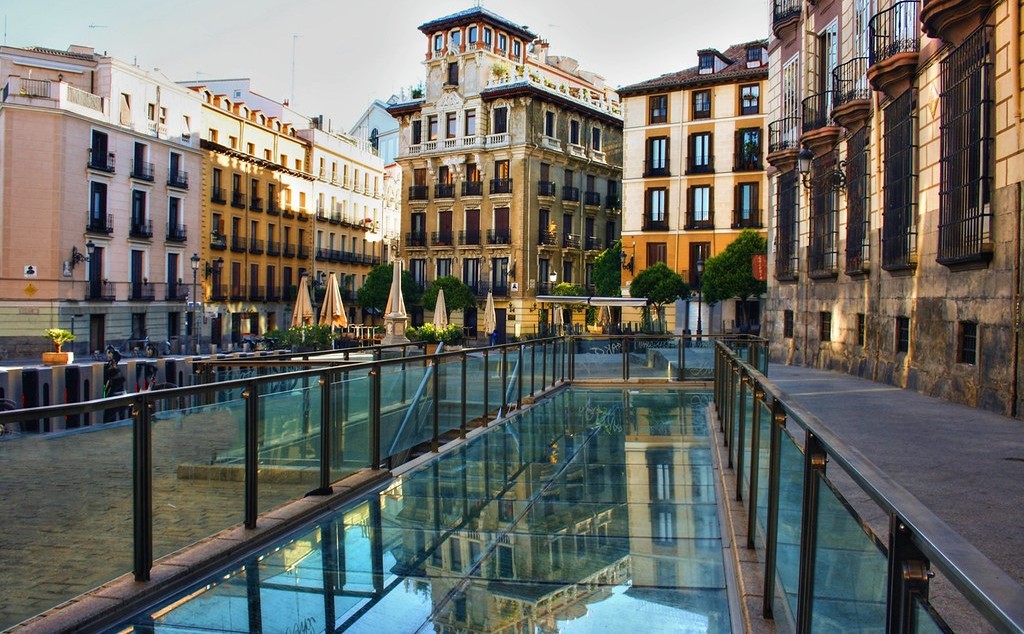
This serene and charming square near the Royal Palace doesn’t attract tourist hordes despite its beautiful architecture. The peaceful atmosphere and stunning surroundings make it a hidden gem for observing without distraction.
People who end up here usually discovered it by accident or know about it specifically—which creates a self-selecting crowd of curious explorers rather than box-checking tourists. The terraces provide spots to relax with a refreshing drink while soaking up the tranquil ambiance.
The lack of crowds means you actually notice individuals rather than just masses.
Plaza de San Andrés
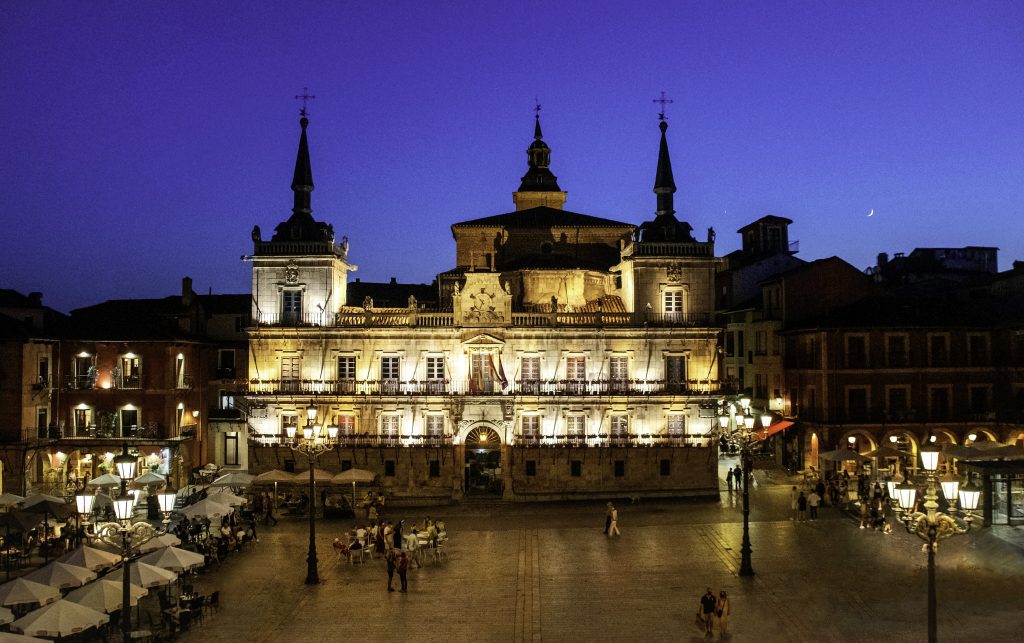
Home to a magnificent Romanesque church, this plaza draws families gathering for a leisurely time, particularly on weekends. The La Latina location keeps it grounded in neighborhood life while being close enough to tourist areas that you get mixed crowds.
Sunday afternoons see particularly good people-watching when locals flood the area for traditional Madrid activities—long lunches, drinks with friends, family gatherings. The plaza provides enough space for children to play while adults socialize, creating multigenerational observation opportunities.
Grassmarket
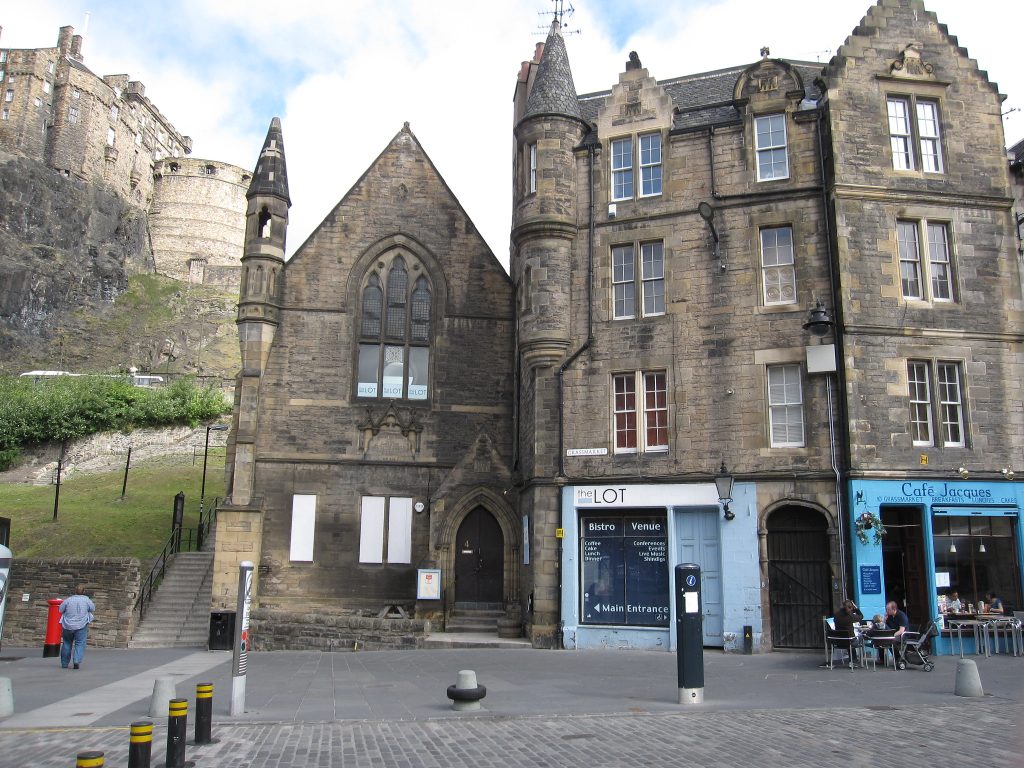
While technically in the La Latina district rather than its own named plaza, the area around the Cava Baja and Cava Alta streets functions as an extended people-watching zone. The historic market area has transformed into a tapas and bar district where locals and tourists mix more successfully than in purely tourist zones.
Thursday through Sunday nights bring crowds bar-hopping between venues, while weekend lunches feature families and friend groups claiming tables for hours-long meals. The energy level rises as evening progresses, creating dynamic observation opportunities.
Plaza de Chueca
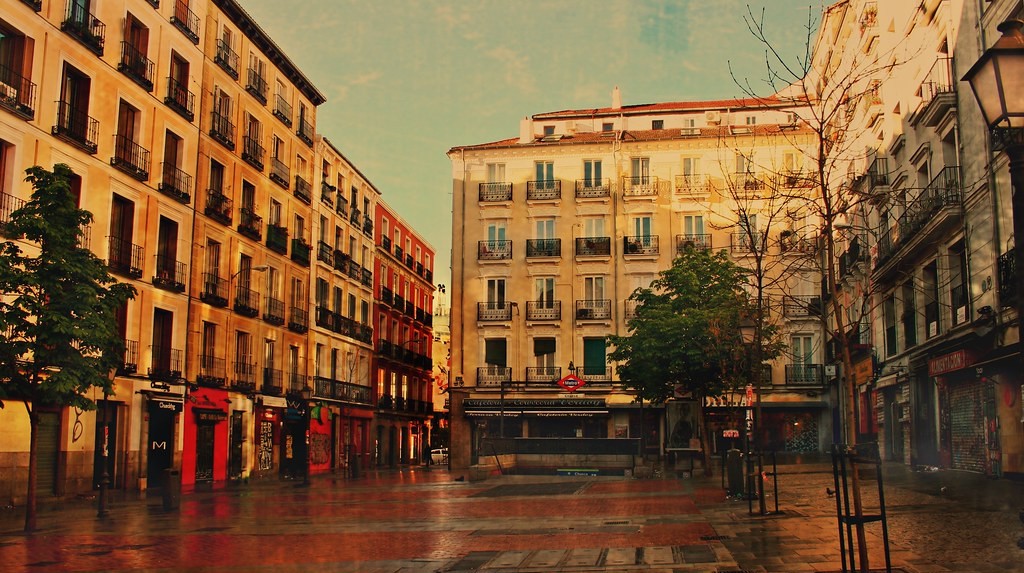
The center of Madrid’s LGBTQ+ community and a neighborhood that has transformed from rough to trendy over recent decades. The plaza attracts a diverse, open-minded crowd and buzzes with energy particularly during warm evenings.
Bars and restaurants surrounding the space spill onto outdoor seating while the plaza itself hosts regular events and markets. The demographic diversity—age, nationality, style—makes for particularly varied people-watching.
The neighborhood’s accepting atmosphere creates more relaxed, authentic interactions than you’ll find in buttoned-up business districts.
Where Madrid’s social life unfolds
Madrid’s plaza culture thrives because these public squares serve as extensions of private living rooms—places where social life happens outdoors rather than behind closed doors. The variety of plazas means you can choose your people-watching experience based on what interests you—tourist chaos at Plaza Mayor, neighborhood authenticity at Plaza de Olavide, alternative vibes in Malasaña’s Plaza Dos de Mayo.
What connects them all is the Spanish commitment to spending time in public space, to seeing and being seen, to treating a café table as a legitimate way to pass hours. Whether you’re sipping caña or cortado, watching Madrid’s plazas means observing the city’s social DNA in action.
More from Travel Pug

- Underrated Italian Towns That Beat the Tourist Crowds
- Las Vegas Tourist Traps to Skip
- Prettiest Towns in Every US State
- 18 passport-free countries for Americans
- Signs Your Cruise Is Not Worth The Cost
Like Travel Pug’s content? Follow us on MSN.