

A few hours ashore is all most cruise itineraries allow, which makes the choice of where to spend them matter. The best ports solve the problem by putting centuries of history within a short walk of the gangway or an easy stroll from the cruise terminal.
Harbors exist because someone once needed to load, unload, defend or tax what moved across the water. Those reasons left behind seawalls, fortresses, warehouses and quays that still make excellent footpaths today.
Charleston’s Battery and White Point Garden
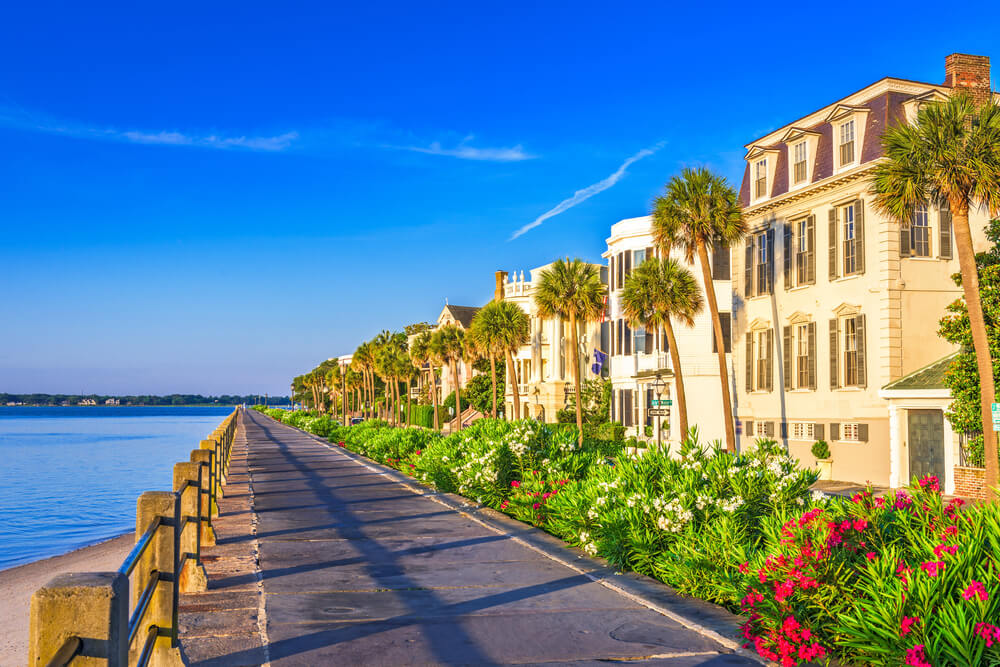
The Battery is a seawall promenade at the tip of the Charleston peninsula, lined with oak shade, antebellum mansions and old cannon. White Point Garden at its edge is tied to the 1718 hanging of the pirate Stede Bonnet, known as the Gentleman Pirate.
The pastel houses of Rainbow Row, a short stroll up East Bay Street, give the walk a colorful second act before you head back toward the waterfront.
Boston’s Freedom Trail From the Harbor
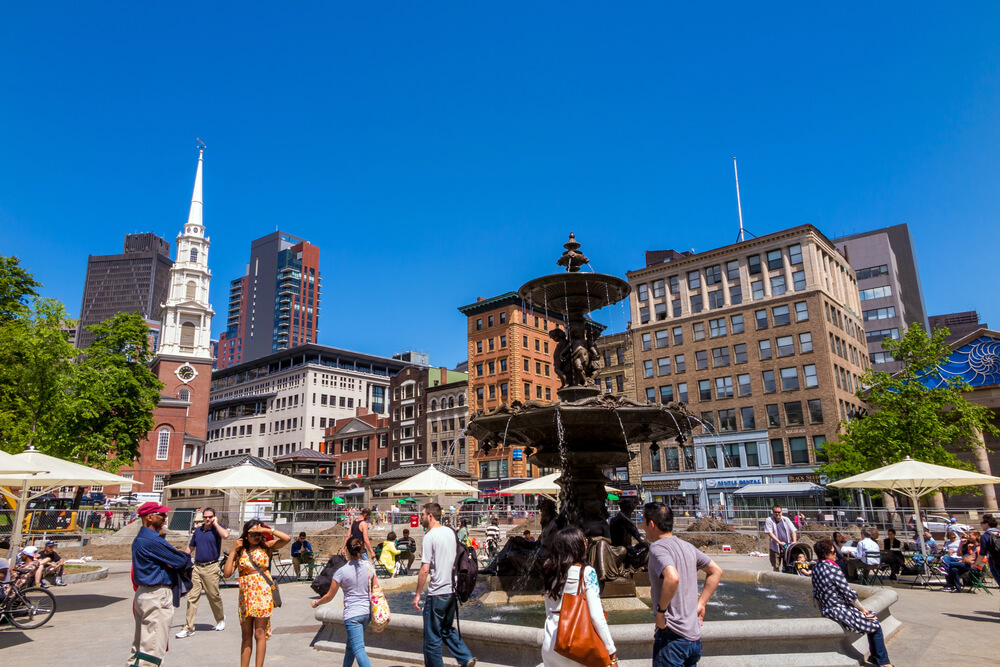
The Freedom Trail is a red line of brick and paint running 2.5 miles through Boston and linking 16 historic sites. It was proposed in 1951 by local newspaper columnist William Schofield, after Old North Church sexton Bob Winn suggested creating a trail to guide visitors to the city’s historic sites.
Cruise passengers can reach sections of the trail from the waterfront area, then follow the red line past the Old State House and Paul Revere’s House toward the USS Constitution. The full trail extends to Charlestown, so allow plenty of time if you plan to walk the entire route.
Halifax Waterfront Boardwalk and Pier 21
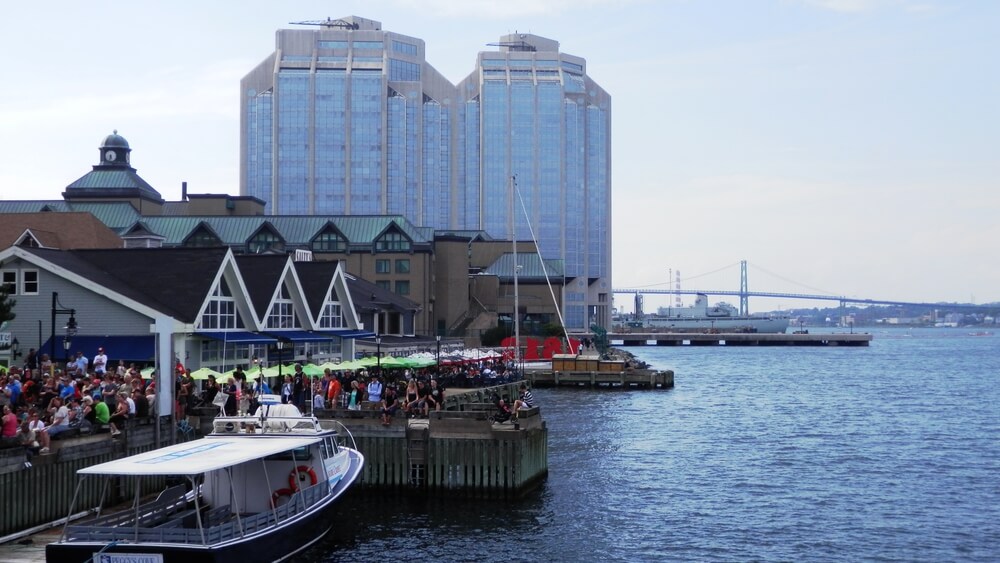
The Halifax boardwalk runs roughly four kilometers along the harbor, past wooden wharves, tall ships and former warehouses now filled with shops. At its southern end sits Pier 21, an immigration shed that operated from 1928 to 1971 and received about one million newcomers to Canada.
Depending on where the ship docks, passengers can reach parts of the boardwalk within a short walk of the terminal.
Quebec City’s Old Port and Place Royale
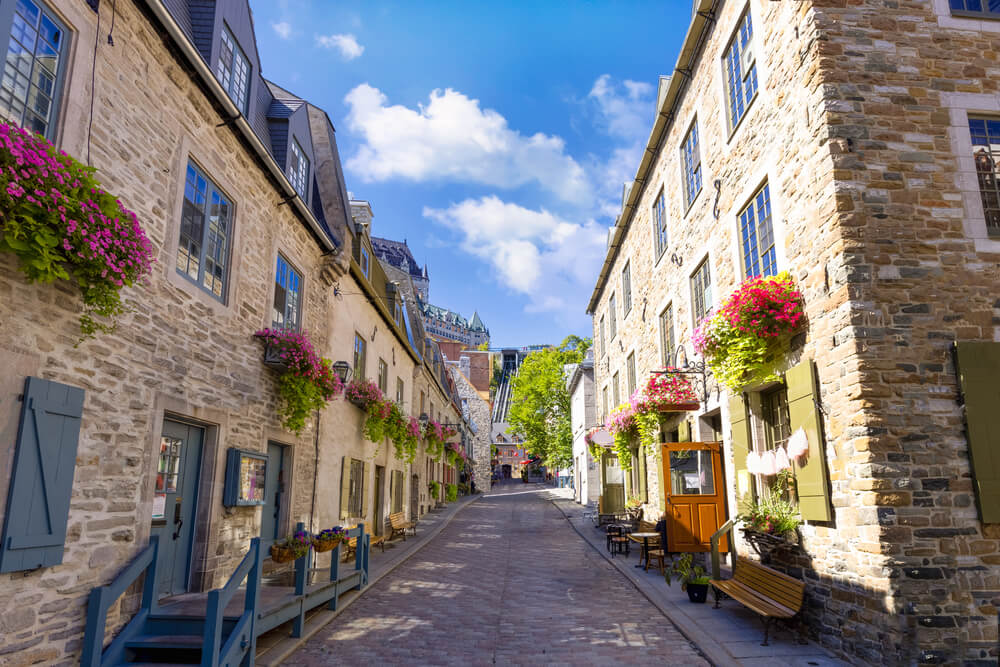
Samuel de Champlain founded a settlement at the foot of the cliff in 1608, and that cramped riverside spot became Place Royale, the heart of the Old Port. The stone houses around it have been restored, and the district sits inside Old Quebec, which UNESCO inscribed in 1985.
From there, the Old Quebec Funicular, which has run since 1879, lifts walkers to the Upper Town in under a minute.
Galveston’s Strand
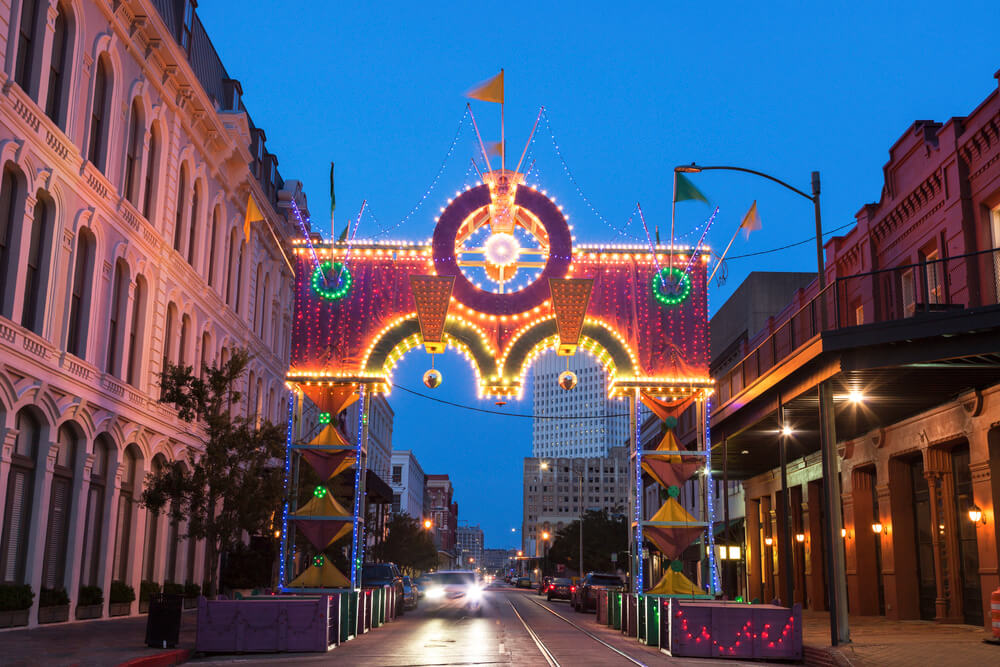
The Strand was once so busy with cotton merchants, banks and shipping offices that Galveston earned the nickname “Wall Street of the Southwest.” The hurricane of 1900 killed thousands and prompted the city to raise much of the island with fill, yet many of the iron-fronted Victorian commercial buildings along the Strand survived.
Cruise terminals sit nearby, so the walk from ship to historic district is relatively short, though the distance depends on the terminal.
Key West’s Mallory Square
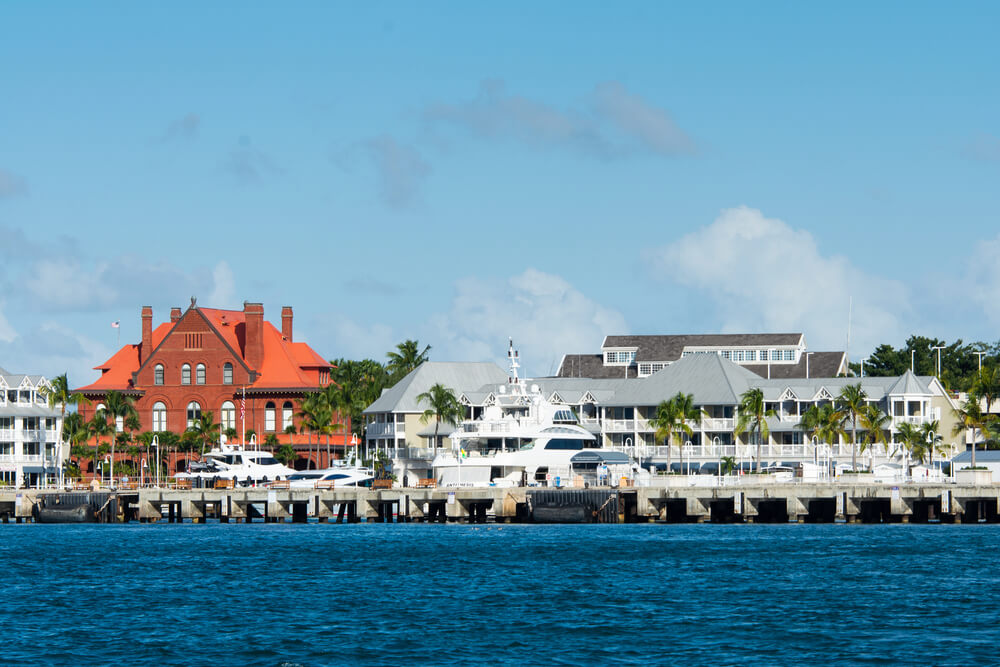
Mallory Square sits on the harbor where wreckers once raced out to salvage cargo from ships that struck the reefs offshore, a trade that built the island’s early fortunes. The pier beside it has historically been a convenient waterfront stop, but cruise ships do not always dock directly beside the square; some anchor offshore and use tenders.
A nightly sunset gathering of street performers keeps the waterfront lively long after the salvage boats vanished.
Valletta and the Grand Harbour
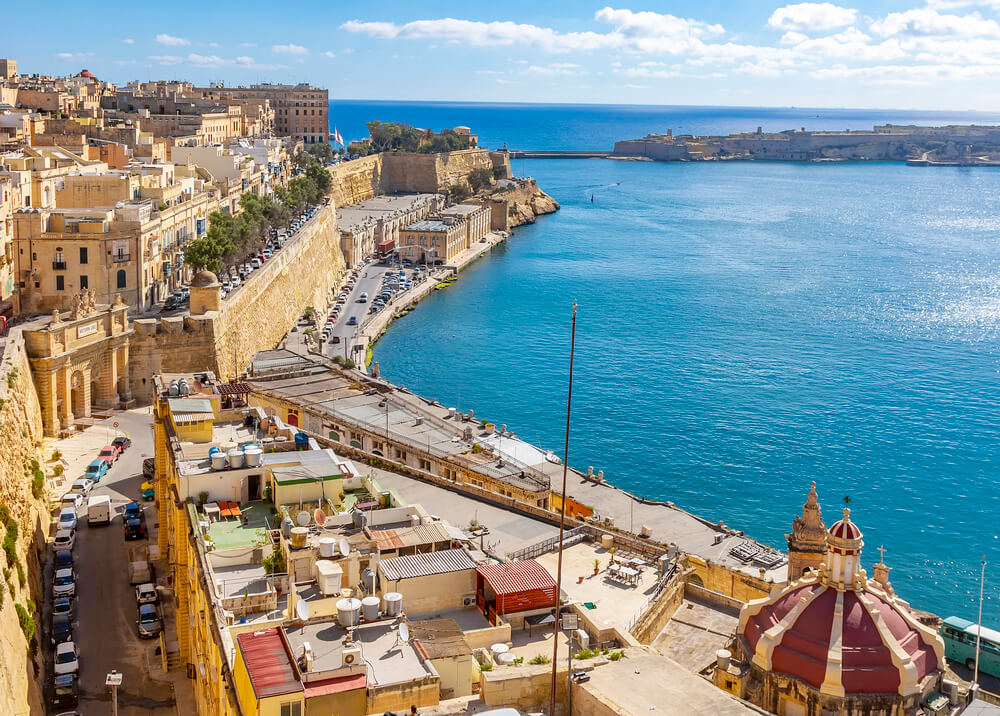
Valletta was founded in 1566 by the Knights of St. John, one year after they survived the Great Siege of Malta. The city was laid out on a grid atop a rocky peninsula, and its bastions look down directly on the Grand Harbour where cruise ships tie up.
At the Upper Barrakka Gardens, the Saluting Battery fires its guns at noon and again at 4 p.m. on operating days, a ritual that gives visitors a spectacular, noisy view of the harbor below. The gardens are free to visit, although access to the battery itself requires a ticket.
Dubrovnik’s Old Port
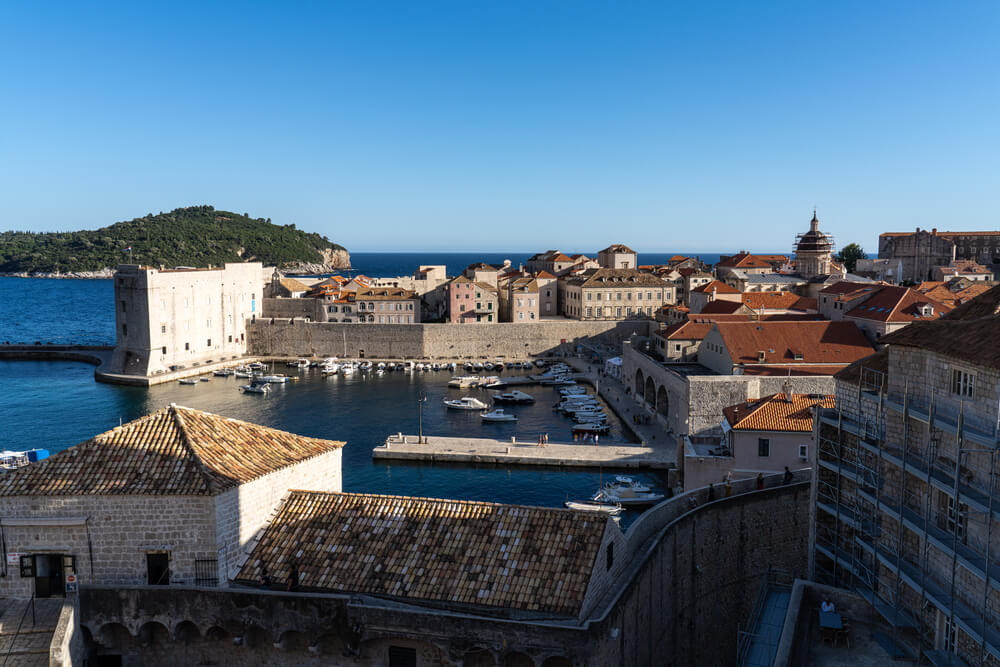
The Old Port tucks into the eastern side of Dubrovnik’s walled city, guarded by a fort and protected by walls that circle nearly two kilometers. The medieval Republic of Ragusa that ran the harbor banned the slave trade in 1416, a decision well ahead of most of Europe.
Walking the city walls from the port gate gives a close-up view of the red rooftops and the Adriatic beyond. The walls require an admission ticket, and visitors should check the available hours and allow enough time to complete the circuit.
Kotor’s Walled Old Town
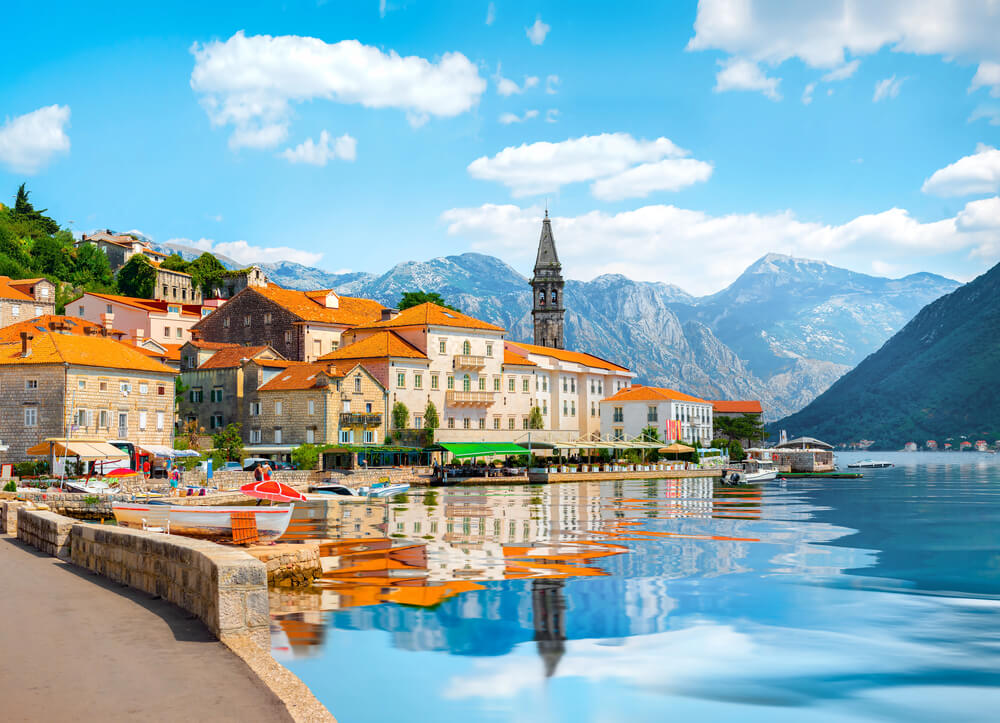
Kotor sits at the end of a deep bay in Montenegro, so ships glide past mountains before docking just outside the city walls. The Venetians controlled Kotor from 1420 to 1797 and left behind much of the fortification that climbs the slope behind town to the Castle of San Giovanni.
A 1979 earthquake damaged the region badly, and UNESCO listed Kotor that same year, prompting extensive restoration. The lower old town is easy to explore on foot, while climbing the fortifications requires more time and effort.
Bergen’s Bryggen Wharf
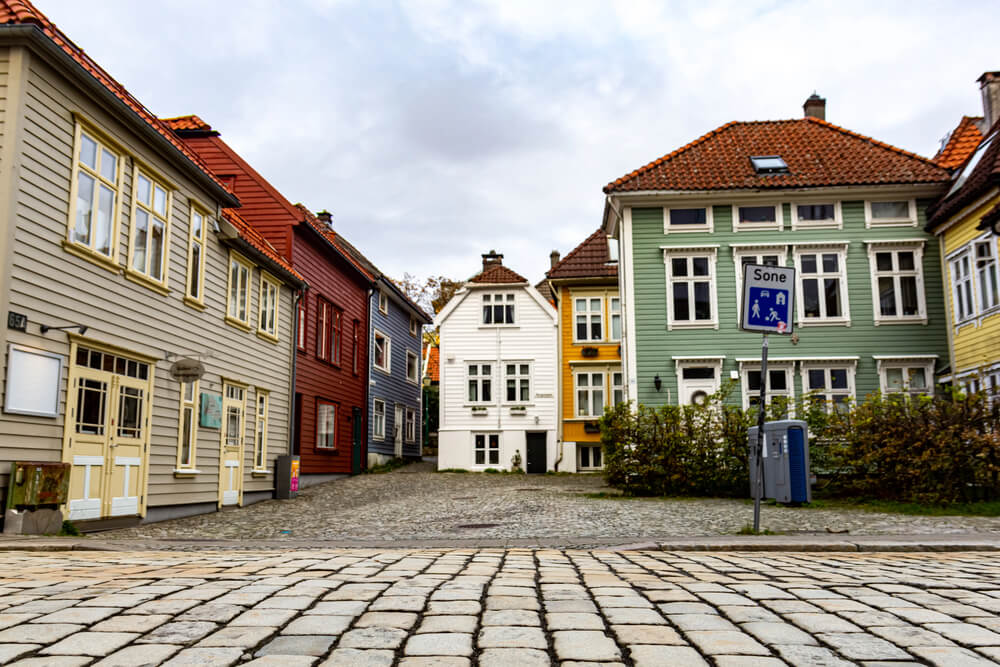
Bryggen is a row of narrow, gabled wooden buildings on Bergen’s harbor, a reminder of the Hanseatic League merchants who ran a trading office there for centuries. A fire in 1702 destroyed much of the city, and the wharf was rebuilt on the same medieval pattern.
UNESCO added it to the World Heritage List in 1979, and the lanes between the leaning timber houses are a short walk from many central cruise berths.
Copenhagen’s Nyhavn Canal
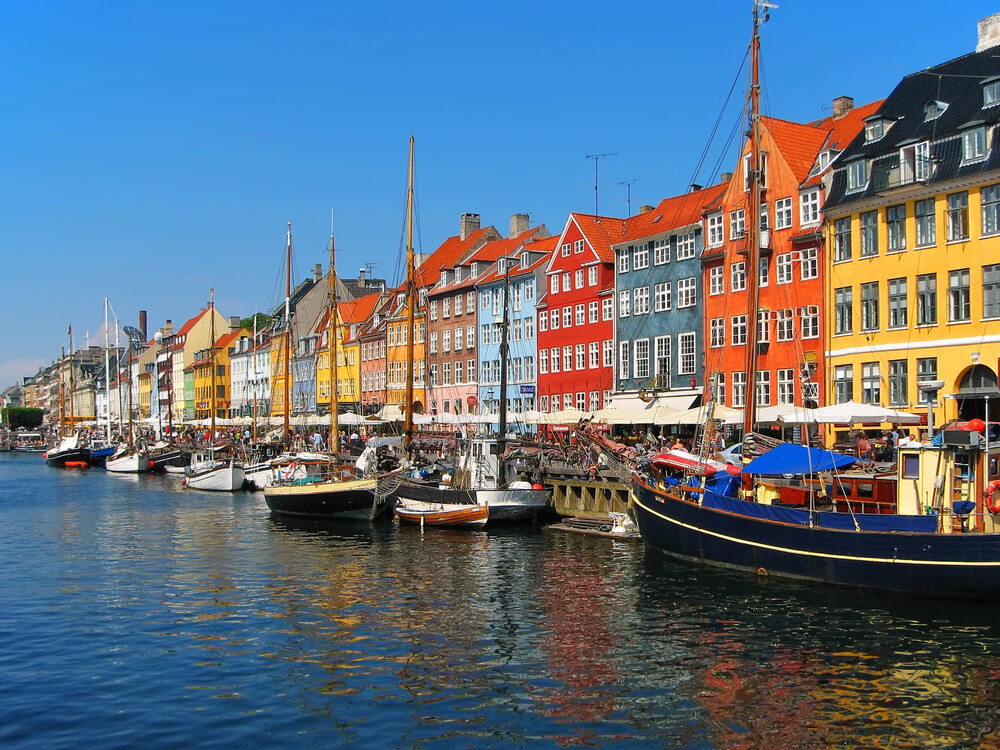
Nyhavn was dug in the early 1670s under King Christian V, creating a channel so ships could unload goods in the middle of the city. The author Hans Christian Andersen lived at three separate addresses along the canal, including Nos. 20, 67 and 18.
The painted townhouses today host cafes, but the old wooden ships moored along the quay still give the canal a working-harbor feel. Nyhavn is a longer walk from some cruise terminals, so check your ship’s berth before setting out.
Gdansk’s Long Market and Motlawa Riverfront
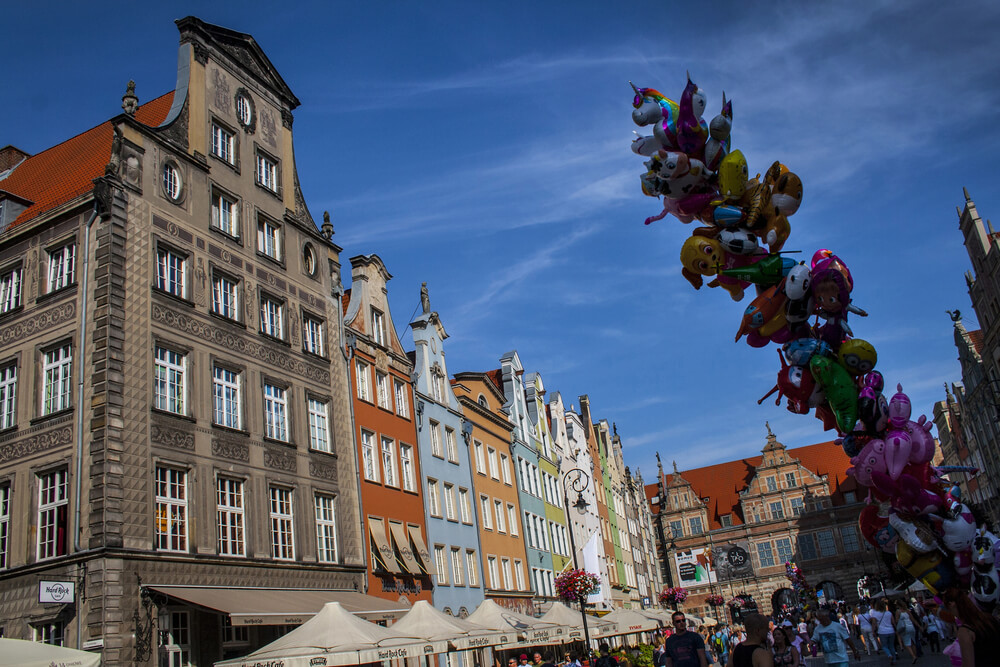
Gdansk’s Long Market leads straight to the Green Gate, where the Motlawa River flows past old merchant houses and a medieval port crane. The wooden Crane dates from the 15th century and once lifted cargo and raised ship masts using treadwheels powered by people walking inside.
Nearby, the Neptune Fountain, completed in 1633, has stood in the Long Market for nearly four centuries as a symbol of the city’s seafaring identity. The historic center is accessible from the waterfront, though cruise passengers may need transport from terminals outside the city center.
Stockholm’s Gamla Stan
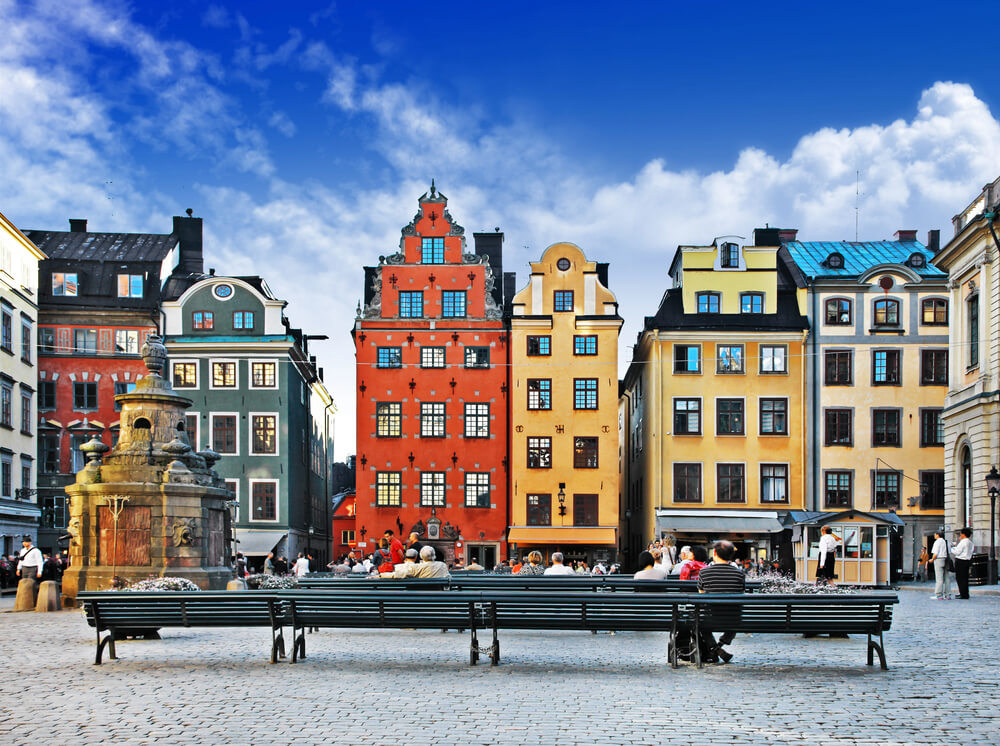
Gamla Stan occupies a small island where Stockholm began in the 13th century, and its crooked lanes sit within walking distance of some central waterfront berths. In Stortorget, the main square, a massacre of Swedish nobles in 1520, known as the Stockholm Bloodbath, set off a rebellion that eventually brought down Danish rule.
Cobblestone alleys, copper-roofed palaces and a royal palace beside the water make the island compact enough to cover in an afternoon.
Cobh and the Quay Where Ireland Left
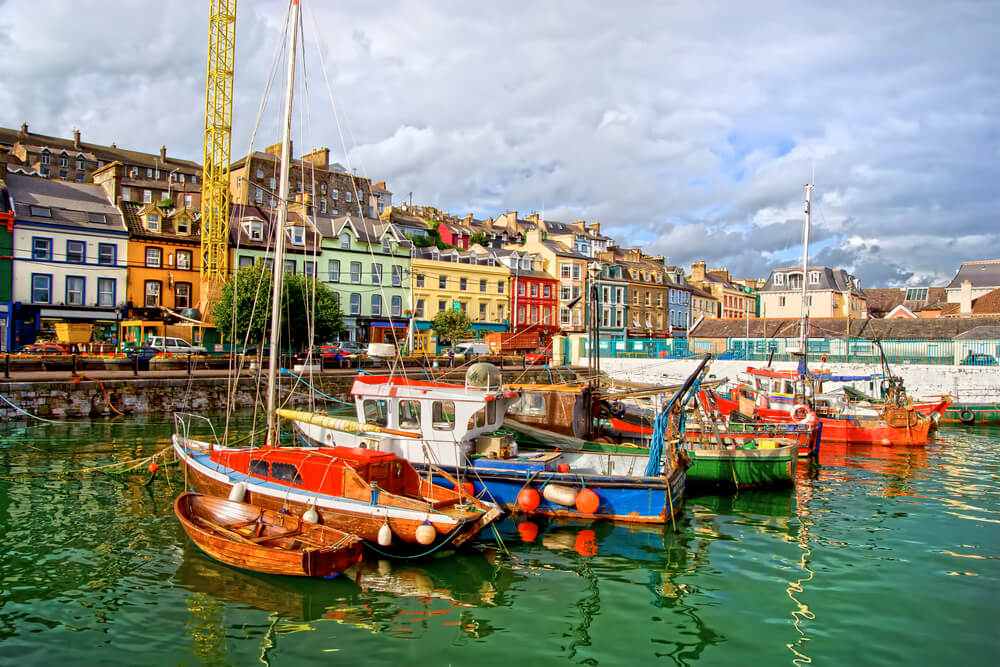
Cobh was called Queenstown from 1849 to 1920, and its harbor was the departure point for huge numbers of Irish emigrants heading to North America. Annie Moore, who left from here in 1891, became the first immigrant processed at Ellis Island on January 1, 1892, and her statue stands on the quay.
The Titanic made its last stop at Cobh on April 11, 1912, a fact the waterfront heritage displays recount in detail. The ship anchored offshore, and passengers boarded by tender, so its final call was not a conventional docking at the quay.
Liverpool’s Royal Albert Dock
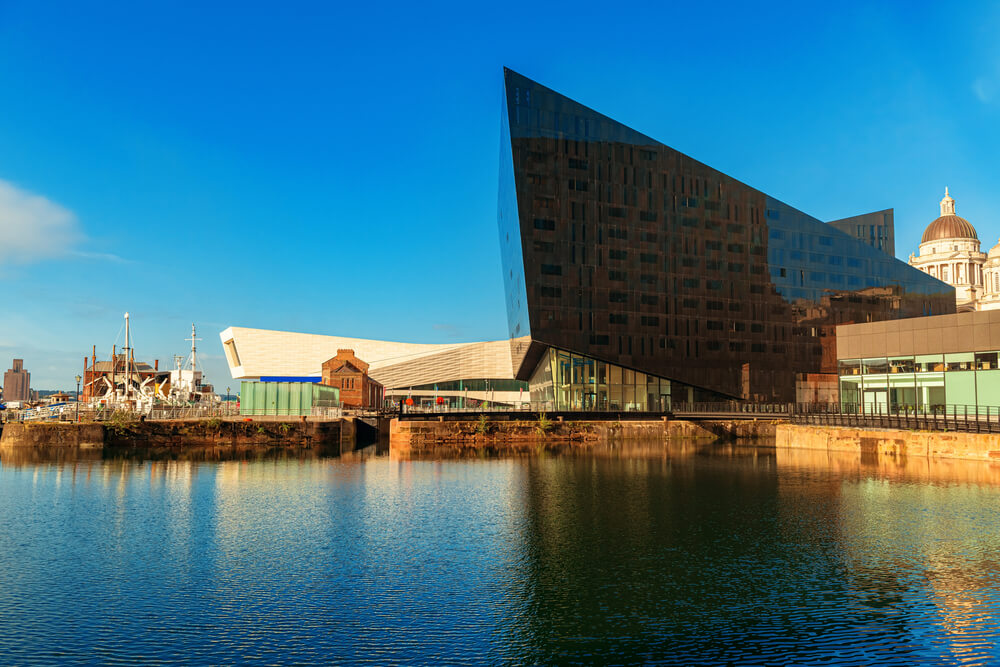
The Royal Albert Dock was opened by Prince Albert in 1846, and its brick warehouses rise from cast-iron columns around an enclosed basin. Closed to shipping in 1972, the complex was rescued and reborn in the 1980s, with Tate Liverpool opening there in 1988.
Cruise ships dock at the Pier Head, so the dock sits a very short walk to the south along the waterfront. Allow extra time if your ship uses a different terminal or berth.
Hobart’s Salamanca Place and Battery Point
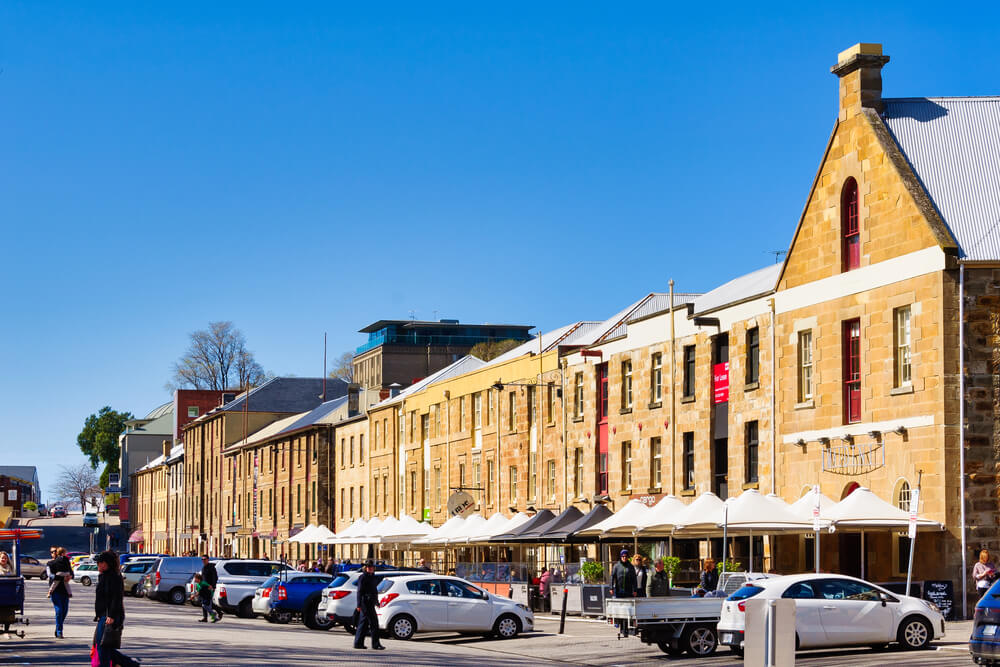
Salamanca Place is a row of sandstone warehouses from the 1830s and 1840s, named after Wellington’s 1812 victory at the Battle of Salamanca. Behind the warehouses, narrow lanes climb to Battery Point, a former maritime village named for the Mulgrave Battery built in 1818.
The Salamanca Market on Saturday mornings fills the street with stalls, so cruise calls on that day are especially lively. The market operates on Saturdays, so visitors arriving on other days can explore the historic warehouses and nearby streets without the market crowds.
Cádiz and the Old Seafront
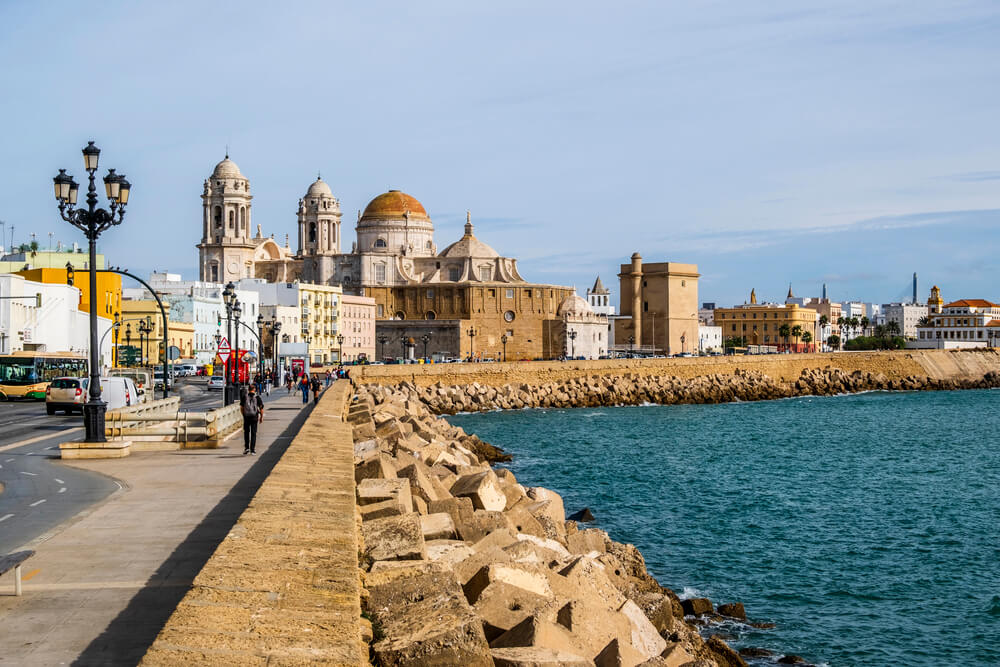
Cádiz was founded by Phoenicians around 1100 B.C. as Gadir, giving its harbor a pedigree few ports in Western Europe can match. The old town sits on a narrow peninsula, and a seafront promenade runs past parks, fortifications and La Caleta beach.
Out on a spit of land, the Castillo de Santa Catalina was finished in 1598 following an English raid on the city two years earlier. The waterfront is walkable from the city center, though the distance from a cruise berth depends on where the ship docks.
Lisbon’s Belém Riverfront
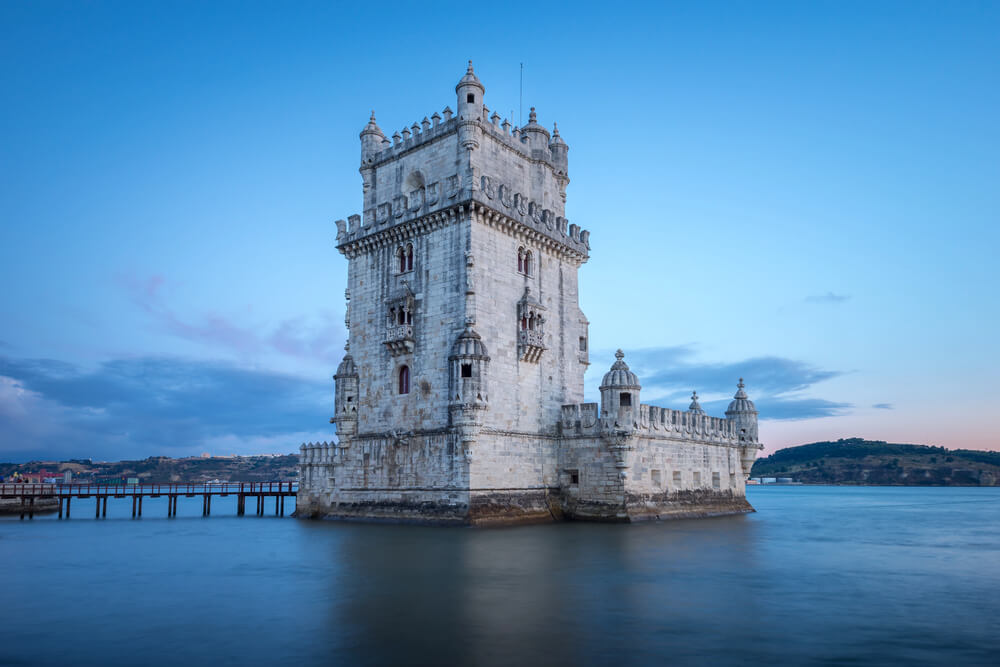
Belém Tower rose along the Tagus River between 1514 and 1520, guarding the approach to Lisbon and marking the point from which Portuguese explorers set sail. UNESCO listed the tower together with the nearby Jerónimos Monastery in 1983.
A riverside path leads between them past the Monument to the Discoveries, a giant stone caravel prow unveiled in 1960 to honor Prince Henry the Navigator. Belém is farther from Lisbon’s central cruise terminals, so plan for public transportation or a longer walk rather than assuming the sights are right beside the ship.
Old San Juan’s Harbor Fortifications
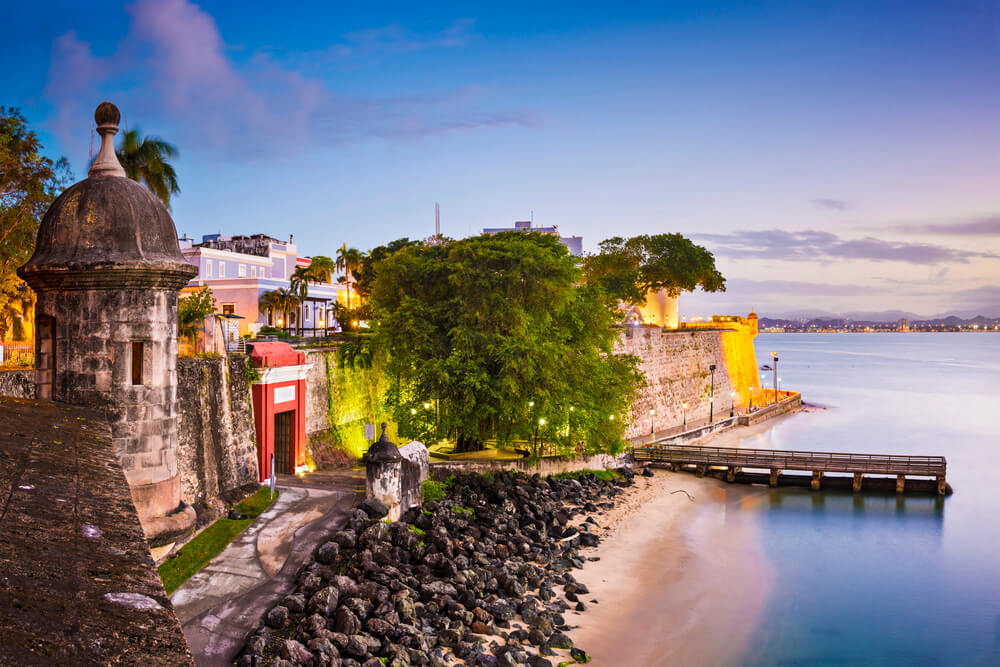
Spain began building Castillo San Felipe del Morro in 1539 at the harbor entrance, and the fortress grew over the centuries into a maze of ramparts and tunnels. UNESCO listed La Fortaleza and the San Juan National Historic Site in 1983.
Cruise piers sit right beside the old city, so passengers can walk uphill along blue cobblestone streets and reach the walls in minutes. The fortifications are part of a historic site with paid admission, and the uphill route can be steep in places.
Victoria’s Inner Harbour

Victoria’s Inner Harbour is framed by the Parliament Buildings, completed in 1898, and the Empress Hotel, which opened in 1908. Both were designed by Francis Rattenbury, an English architect who arrived in British Columbia as a young man.
A waterfront walkway links the two, passing the seaplane docks, a floating fishermen’s wharf and the Royal BC Museum on the way. The museum is a short walk inland from the harbor, while the Fisherman’s Wharf area lies farther along the waterfront.
Sydney’s The Rocks
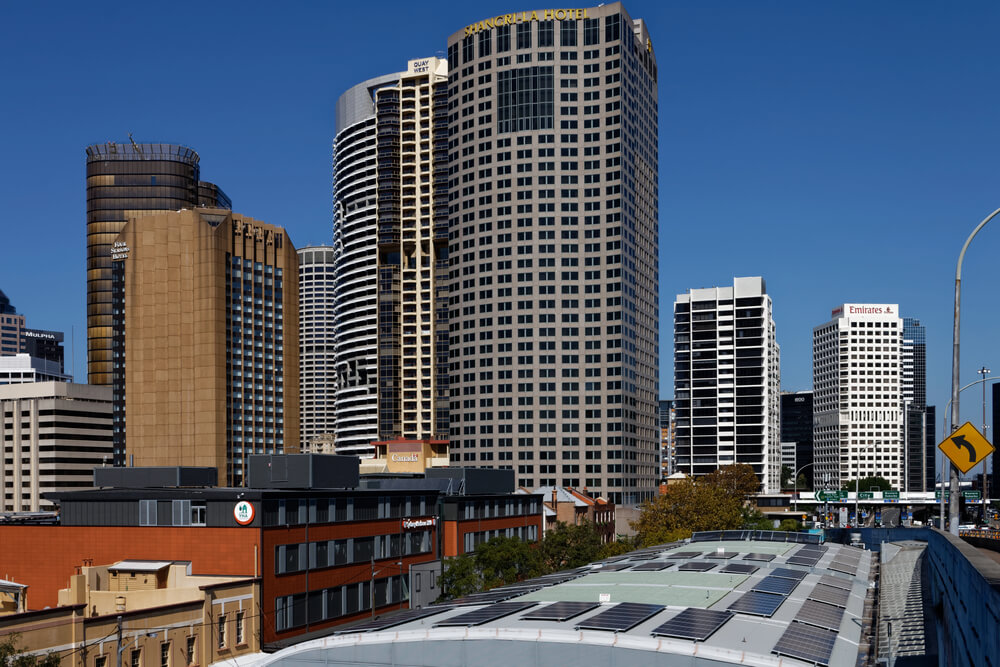
The Rocks is where the First Fleet landed in January 1788 and Sydney’s convict settlement took root along the shoreline of Sydney Cove. Cadman’s Cottage, built in 1816 for the government’s boat crews, still stands near the water’s edge.
Cruise ships tie up at Circular Quay, so cobbled lanes, old pubs and warehouse conversions are right beside the gangway. Ships using other Sydney terminals may require a longer walk or a short ride to reach the district.
Tallinn’s Hanseatic Old Town
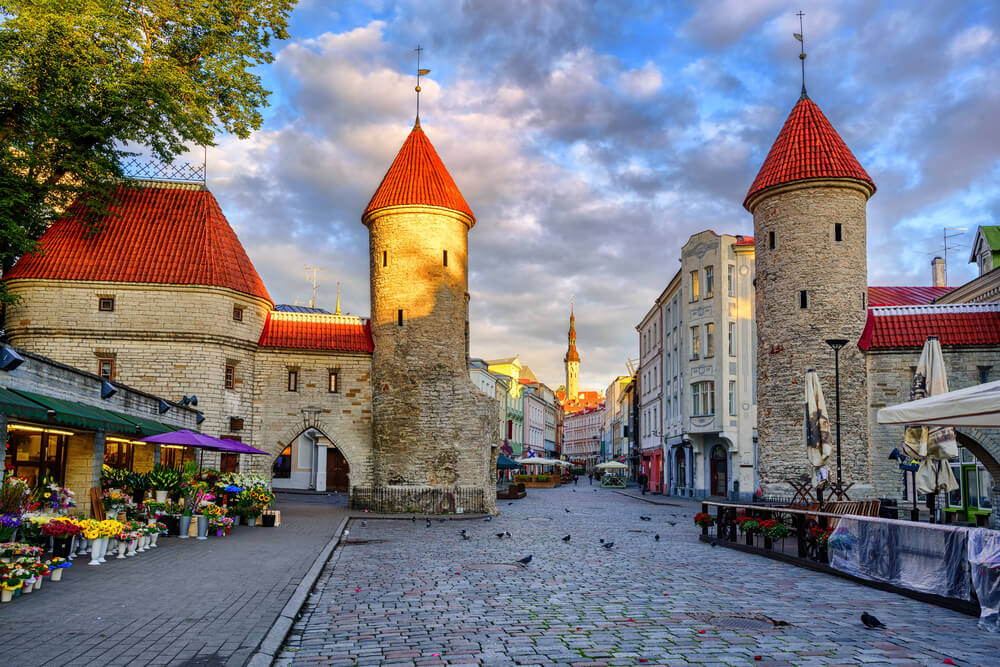
Tallinn’s Old Town grew up as a medieval Hanseatic trading hub, and its walls and towers still frame the quarter beside the harbor. UNESCO recognized the district in 1997, praising it as one of the best-preserved medieval trading centers in northern Europe.
From the cruise terminals, the old town is generally reachable on foot, although the walk may take longer than a few minutes. Visitors can enter through the Viru Gate, wander past Fat Margaret’s artillery tower and reach Town Hall Square.
Cartagena’s Walled City
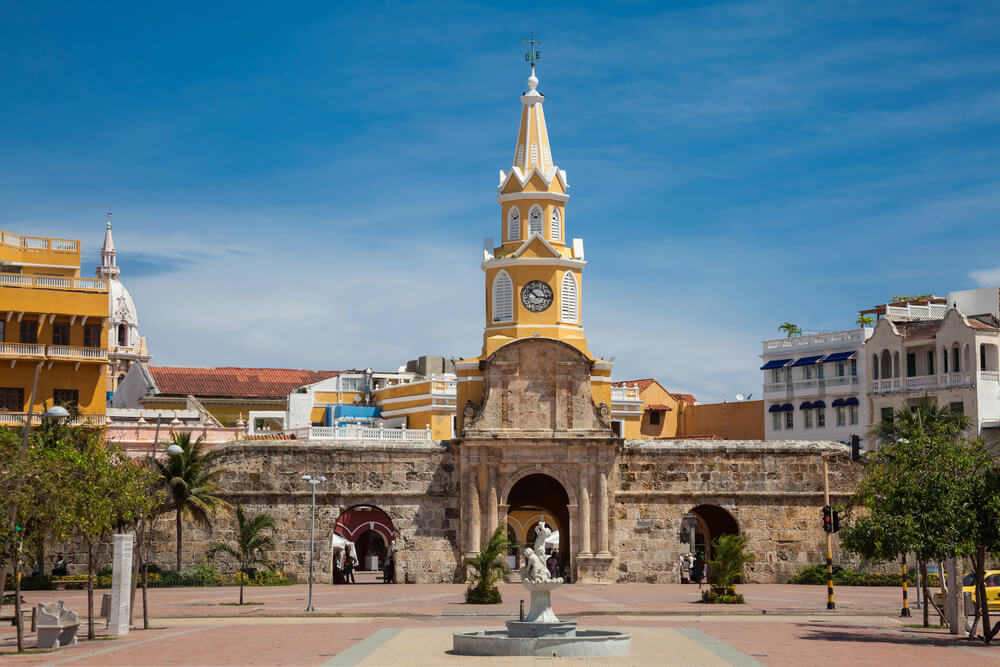
Cartagena built its massive stone walls after the English privateer Francis Drake sacked the city in 1586, and construction continued for generations. The walls enclose colonial streets, plazas and churches, and the entire fortification system earned UNESCO status in 1984.
A walk along the top of the ramparts gives views of the Caribbean to one side and balconied houses to the other. Access to some wall sections and nearby historic attractions may have separate opening hours or fees.
Southampton’s Medieval Walls and Town Quay
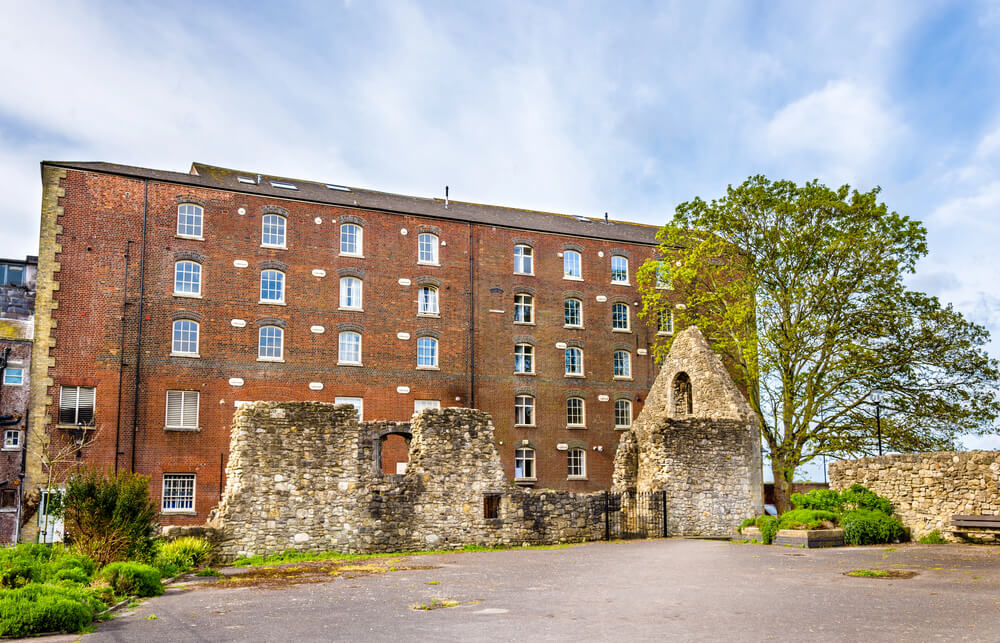
Southampton still has long stretches of its medieval town walls, along with the Bargate, a gateway whose origins go back to the 12th century. The Pilgrim Fathers departed from Southampton in 1620 as part of their journey aboard the Mayflower, though the ship’s final departure for America was from Plymouth.
The Titanic left from Southampton in April 1912. Walking the walls from the waterfront toward the old town links those departures to the city’s maritime history. Cruise terminals are spread across the port, so check your berth and transport options before planning to walk from the ship.
Why the Harbor Always Comes First
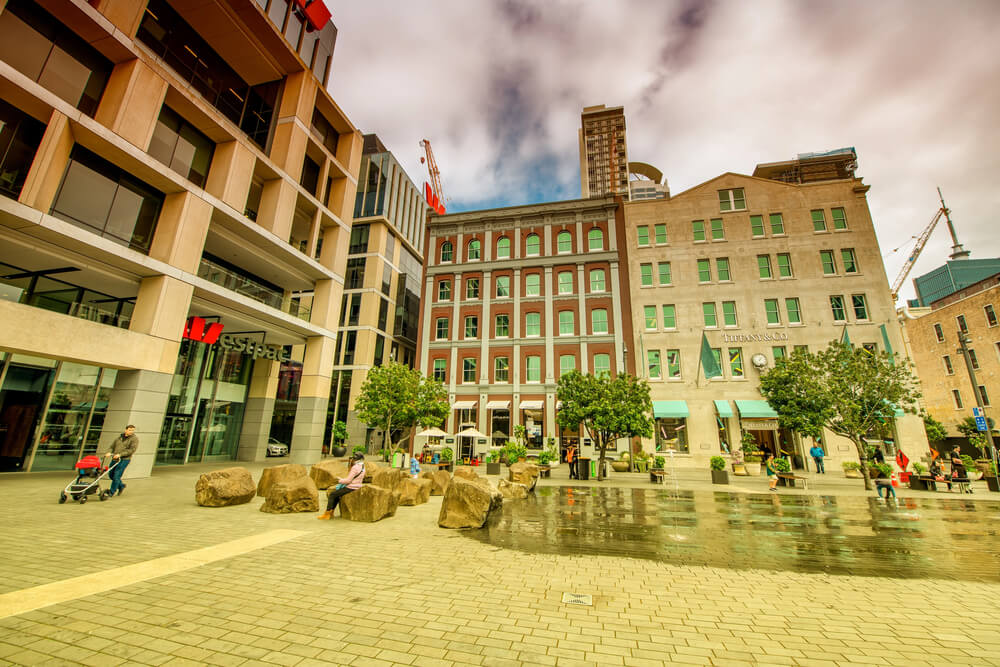
Every walk on this list begins with the same logic. A city grows where the water meets the land, and the buildings that defend, tax and house the trade tend to cluster at the edge. That clustering is why a visitor with only a few hours can see so much history without leaving the quayside.
The pattern also explains why these places last. Walls, wharves and warehouses were built to endure storms and sieges, and many were later saved because people recognized what they represented. Stepping off a ship into one of them repeats, in a small way, the journey that created the port.
More from Travel Pug

- Underrated Italian Towns That Beat the Tourist Crowds
- Las Vegas Tourist Traps to Skip
- Prettiest Towns in Every US State
- 18 passport-free countries for Americans
- Signs Your Cruise Is Not Worth The Cost
Like Travel Pug’s content? Follow us on MSN.