

Every July, the same scene repeats across Europe: a medieval lane built for donkey carts fills with rolling suitcases, selfie sticks, and tour groups following colored umbrellas. Residents squeeze past on their way to buy bread, and the bread shop is now a gelato counter.
The backlash has stopped being polite. Cities have introduced entry fees, daily caps, bans on vehicles and rentals, and in a few cases water pistols.
These 31 places show how far the pushback has gone.
Venice, Italy
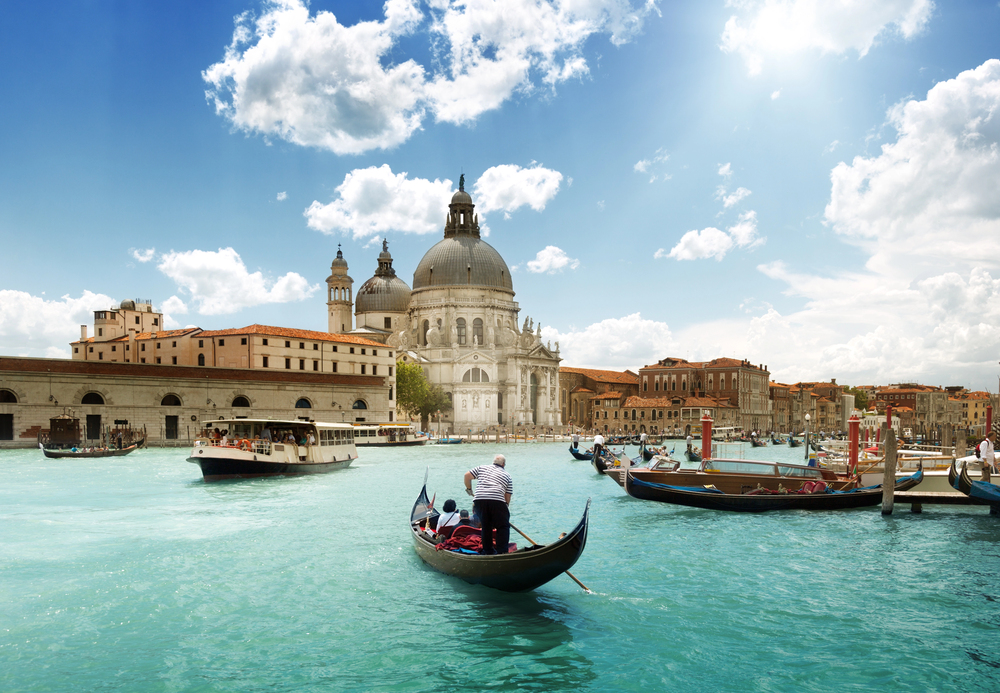
Venice has turned the day trip into a ticketed event. In 2026, visitors who were not staying overnight had to pay an access fee on designated peak days and show a QR code before entering the historic center.
The seasonal trial ended in July, and the city has not yet announced the 2027 dates. Tour groups face size limits, and the use of loudspeakers by tour guides is prohibited on the narrow lanes.
A busy summer weekend can put a crowd on the Rialto Bridge and in St. Mark’s Square for every resident left in the old city.
Barcelona, Spain
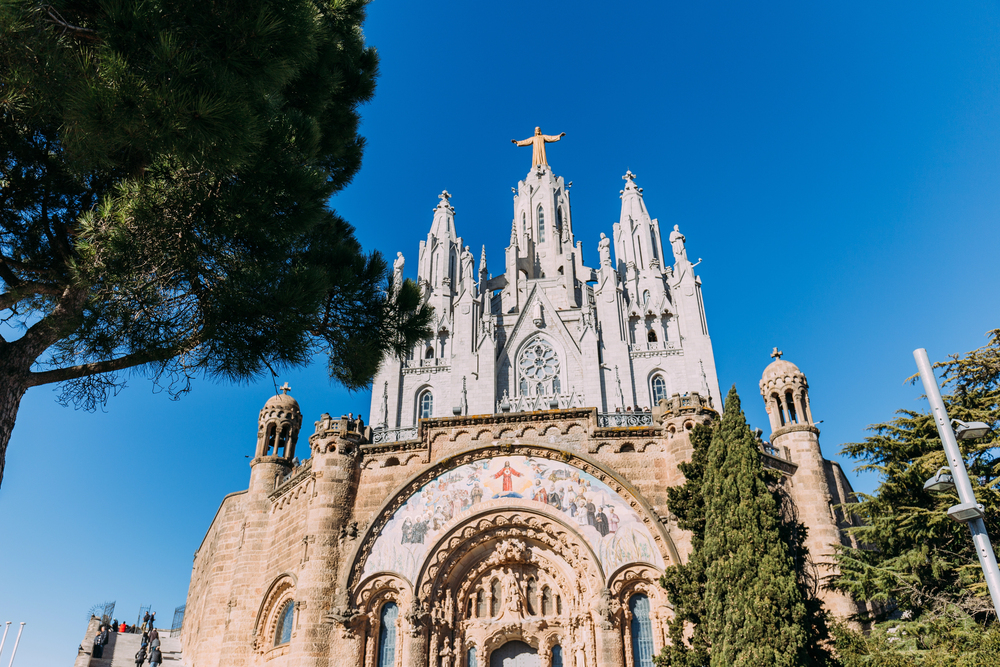
Demonstrators in Barcelona marched through the city and sprayed tourists with water pistols while chanting that visitors should go home. The widely reported protest in July 2024 reflected anger over housing costs and the spread of tourist apartments in neighborhoods that used to belong to locals.
Cruise terminals near the foot of La Rambla add thousands of day visitors to streets already crowded around the Sagrada Família and Park Güell. The water pistols made the headlines, but the housing fight is the real story.
Amsterdam, Netherlands
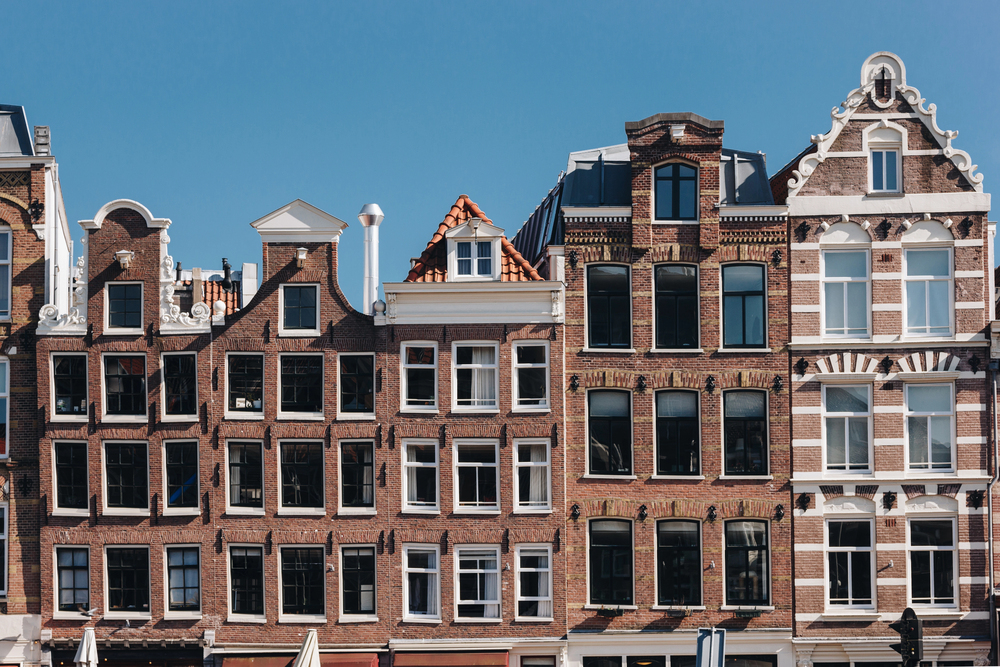
Amsterdam has spent years telling visitors to behave or stay away, including an online campaign aimed at rowdy young men planning party weekends. Guided tours of the Red Light District were banned to ease pressure on the narrow canal-side streets.
The Anne Frank House, Dam Square, and the bridges over the canals fill with people and bicycles at the same time, which is a hazard of its own. The city now markets itself less as a place for a wild weekend and more as a place to live.
Dubrovnik, Croatia
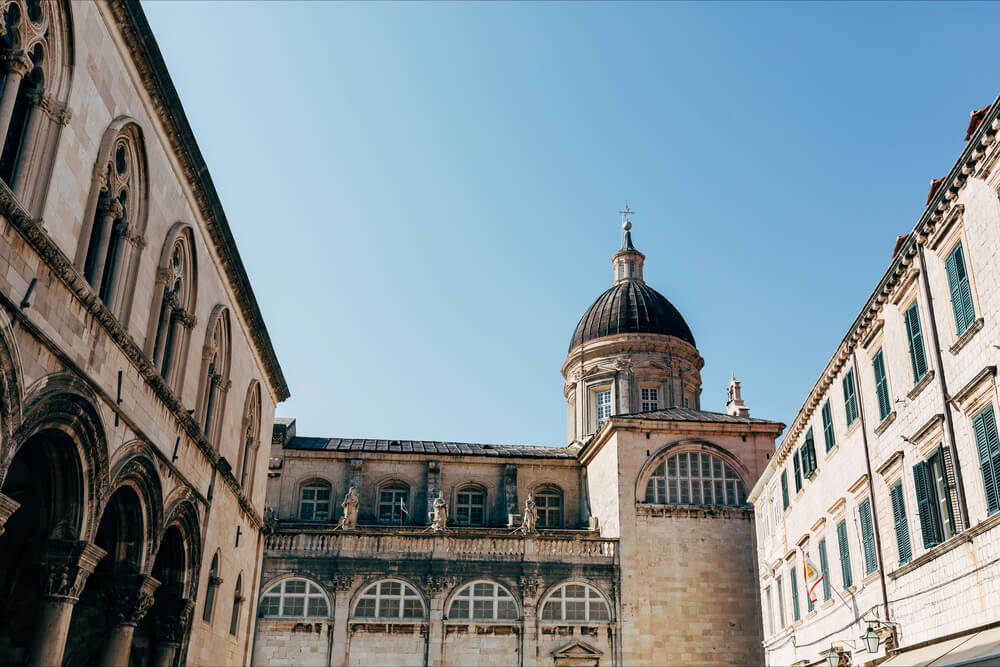
Dubrovnik’s walled Old Town is small enough to cross in minutes, which is exactly the problem when several cruise ships unload at once. The Stradun, the polished limestone main street, becomes a slow river of tour groups by late morning.
Popularity from the television series Game of Thrones, which filmed scenes along the city walls and around the old harbor, drew crowds that never left. City leaders have pushed to limit cruise arrivals and manage the number of people inside the walls at once.
Hallstatt, Austria
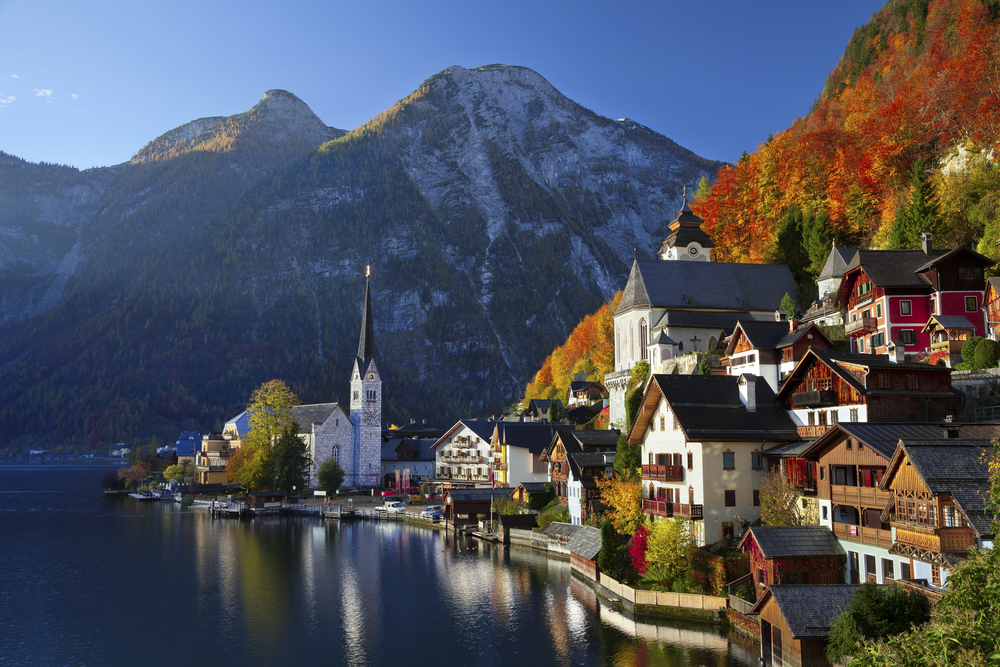
Hallstatt is a tiny lakeside village in the Salzkammergut, yet tour buses can deliver crowds that dwarf the local population in a single summer day. Residents have protested against the daily swarm of people photographing the lakeside view of wooden houses beneath the mountains.
A wooden barrier was once built to block the most popular photo spot, and it did not last. Authorities have since required tour buses to book entry and exit time slots through a reservation system.
Santorini, Greece
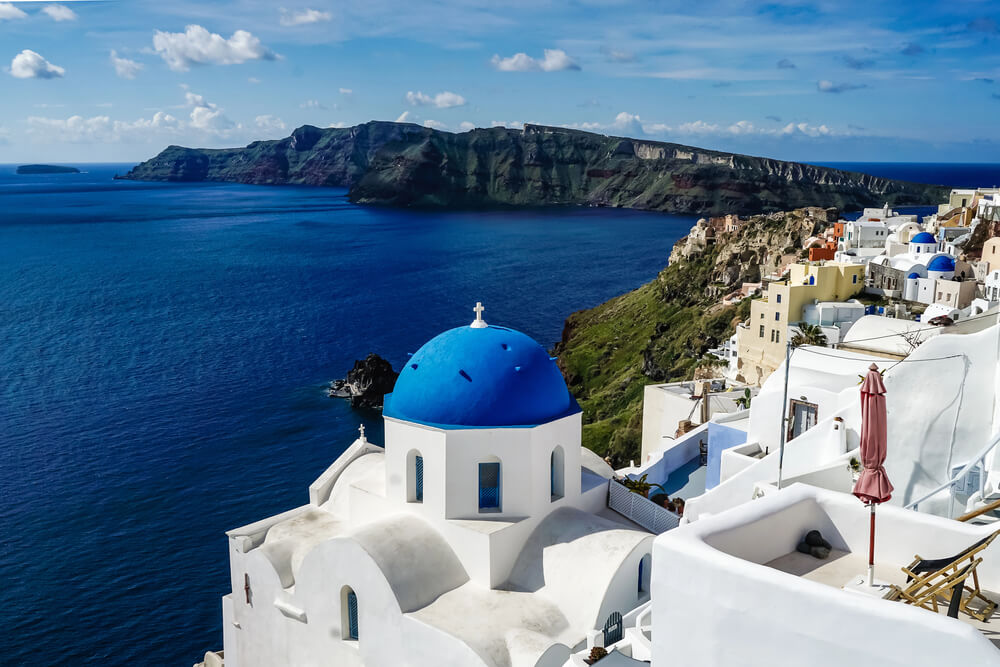
On Santorini, crowds gather along the narrow cliffside paths of Oia every evening to watch the sunset, and cruise passengers arrive in waves. Greece introduced a cruise passenger levy aimed at Santorini and Mykonos during the busiest season.
Passengers reach the clifftop town of Fira by cable car, on foot, or on the donkey trail, and the queues for each can run long. The island has a small year-round population compared with the number of visitors it receives.
Athens, Greece
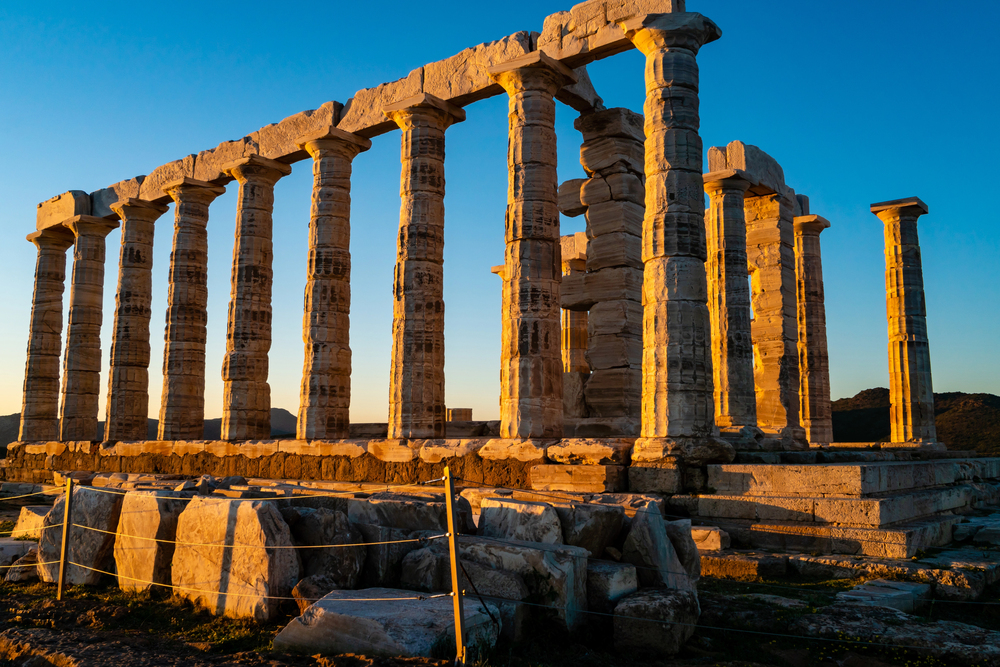
The Acropolis now uses timed entry slots and a daily limit on visitors after photos of dense summer queues circulated widely. The measure protects the ancient marble, which has been worn smooth in places by countless footsteps.
Midday heat can be punishing, so the most popular slots are first thing in the morning. Even with limits in place, the path up to the Parthenon can feel like a packed escalator.
Rome, Italy
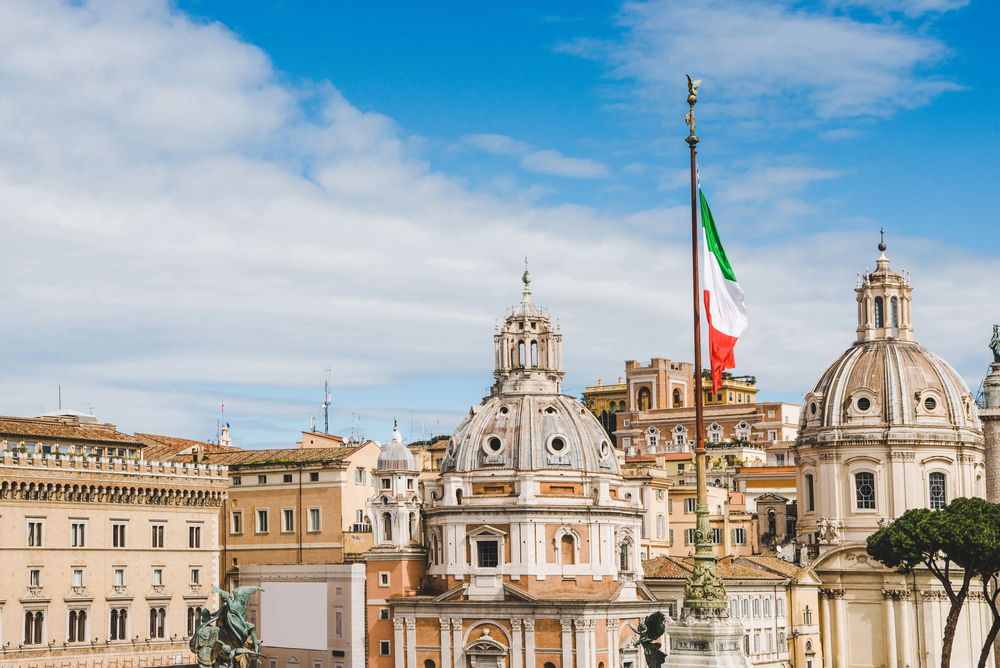
Rome introduced a €2 fee in February 2026 for non-residents who want to enter the area immediately beside the Trevi Fountain’s basin. The fountain had become so congested that the coin-tossing ritual turned into a shoving match.
The fee was designed to manage the flow of people rather than to raise large sums. Viewing the fountain from the surrounding piazza remains free.
The fountain itself is a monument of the Baroque era, long before anyone imagined a turnstile beside it.
Palma, Spain
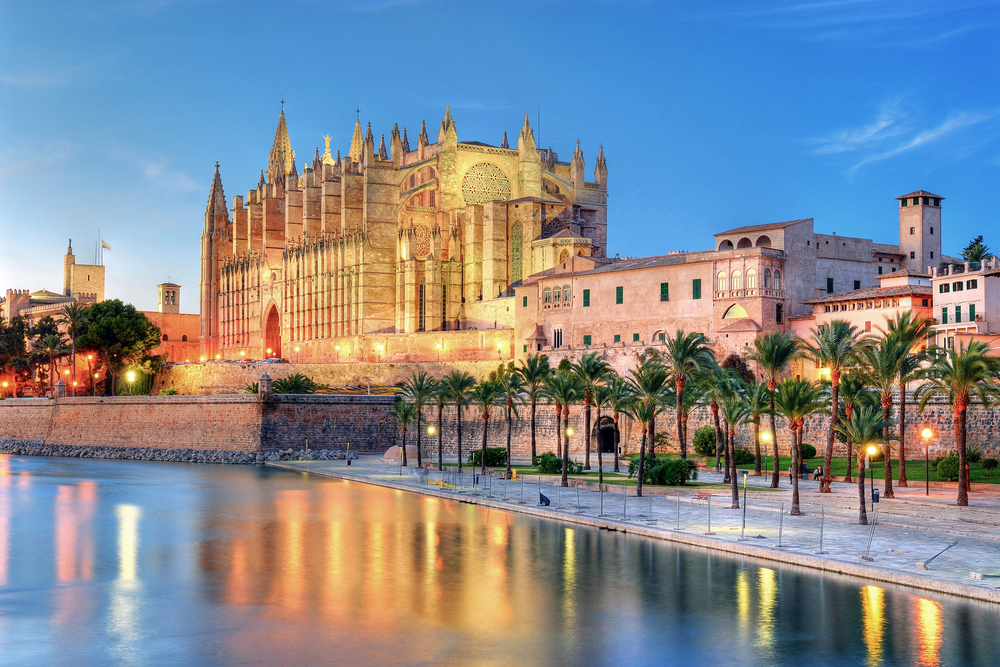
Palma, on the island of Mallorca, has an agreement with cruise operators that limits how many ships may arrive each day. A renewed agreement sets a maximum of 3 cruise ships per day and reduces the summer passenger limit from 8,500 to 7,500 daily berths, with the new restrictions scheduled for 2027 through 2029.
Residents have repeatedly protested against overtourism, with demonstrations filling the streets during the summer. Critics argue the limits have not been strict enough, and the city has talked about tightening them further.
The port sits within walking distance of the cathedral known as La Seu, so each ship lands passengers directly into the old center.
Florence, Italy
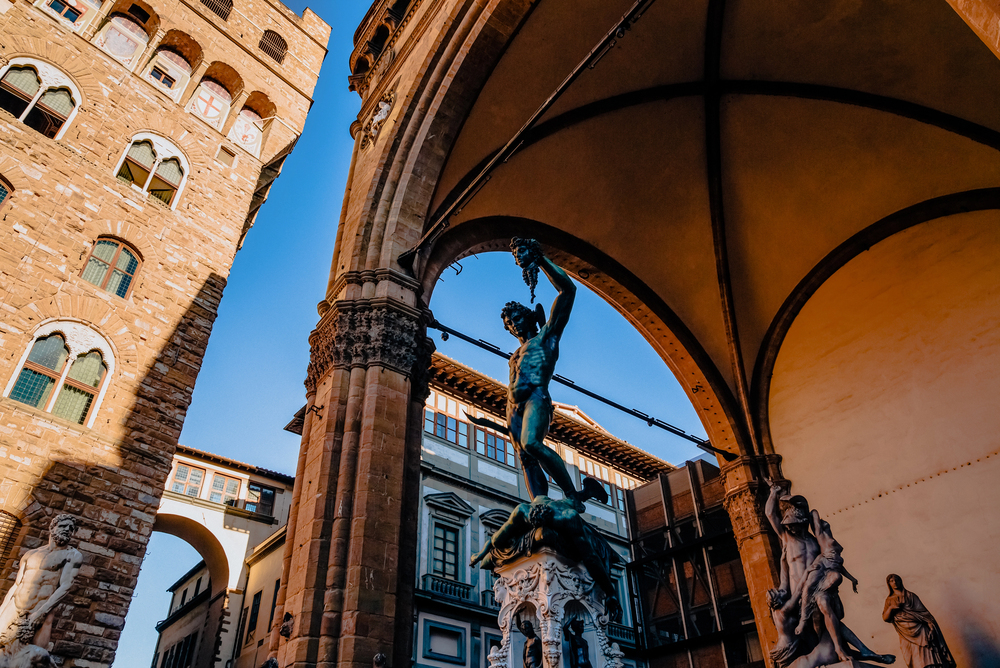
Florence banned key boxes, the little lockers that let short-term rental hosts hand over apartments without meeting guests, from its historic center. The city also moved to prevent new short-term rentals inside the UNESCO-protected core.
Officials have placed limits on the golf carts that shuttle tourists through the old streets. The rules aim to keep apartments in the hands of locals who might otherwise be priced out of neighborhoods near the Duomo and the Ponte Vecchio.
Prague, Czech Republic
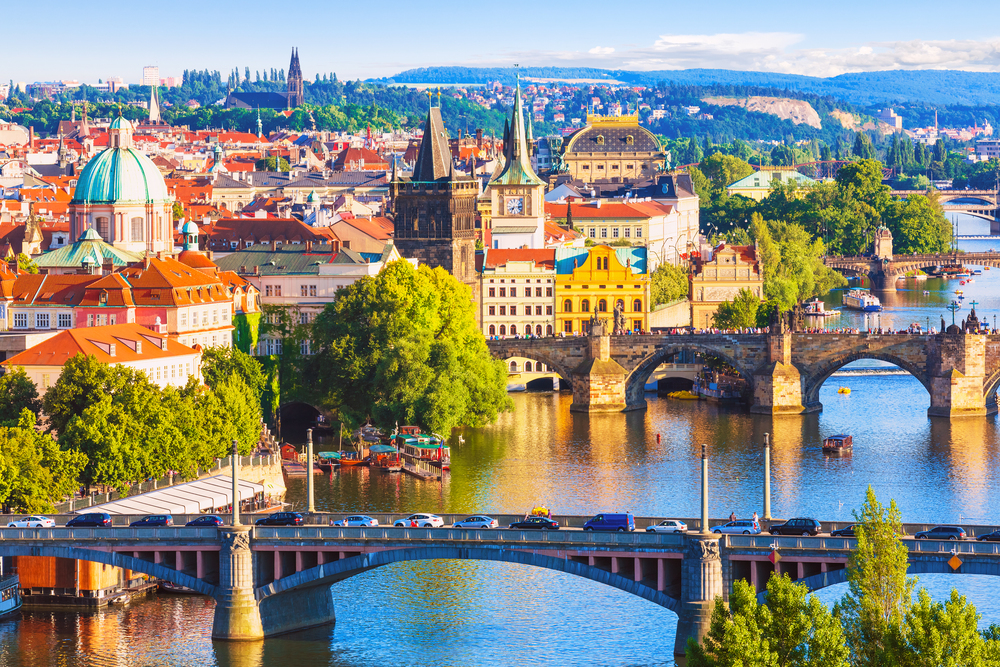
Prague moved against organized nighttime pub crawls in the historic center, targeting groups of rowdy visitors who disturb residents. Beer bikes, the pedal-powered party vehicles that rolled through the old streets, have also been pushed out.
The Charles Bridge becomes so packed by mid-morning in summer that crossing it takes patience, and Old Town Square is not much better when the astronomical clock is about to chime. City officials have said they want fewer party tourists and more visitors who come for the architecture.
Lisbon, Portugal
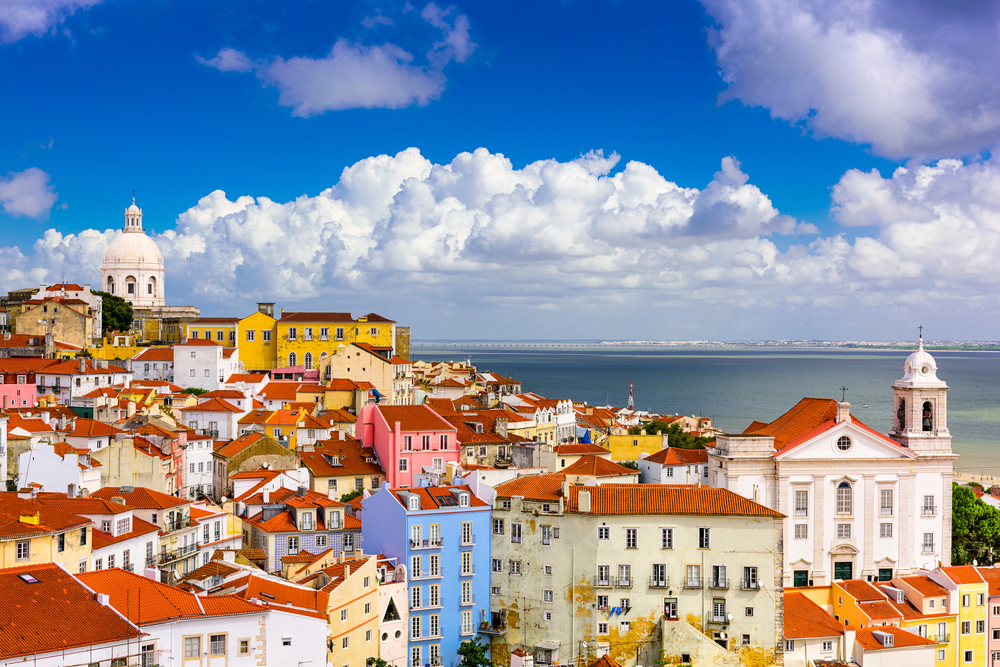
Lisbon has restricted tuk-tuks on many streets and designated set stopping points for them. The three-wheeled rides had multiplied across hilly neighborhoods such as Alfama, clogging lanes originally built for pedestrians and trams.
Tram 28 has also become notorious for packed carriages, with locals often unable to board. The restrictions show that even a charming vehicle becomes a problem when there are hundreds of them.
Edinburgh, Scotland
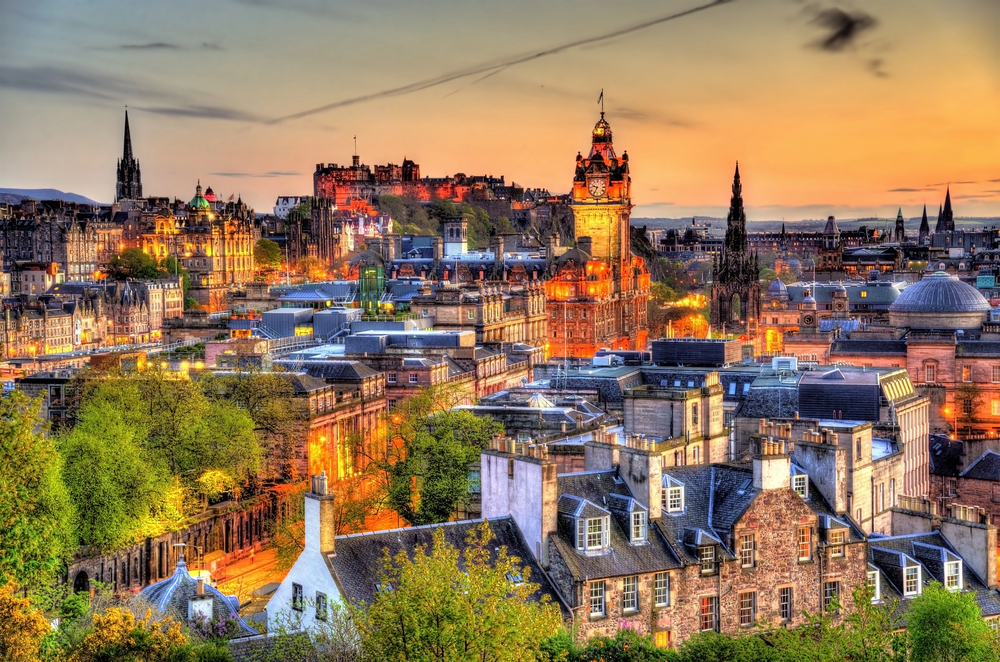
Edinburgh introduced a visitor levy on paid overnight accommodation for stays beginning July 24, 2026, at a rate of 5% of the accommodation cost, capped at the first 5 nights. The place is at its most crowded during the August festivals, when the Royal Mile fills with performers handing out flyers and spectators trying to walk past them.
The Fringe alone turns the old town into a stage, with every pub back room and church hall competing for audiences. Revenue from the levy is meant to be reinvested in the services that visitors strain most.
Bruges, Belgium
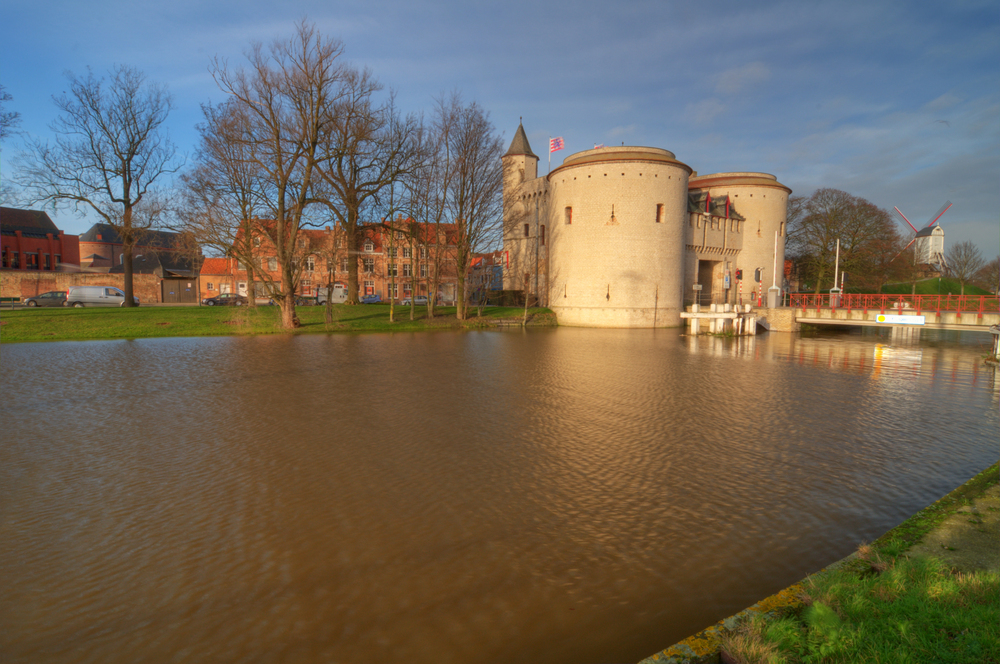
Bruges decided it had too many day visitors and stopped advertising to them. The city also moved to limit the number of cruise ship passengers coming through nearby ports.
Its medieval center, with canals, a towering belfry, and cobbled squares like the Markt, is small enough that a summer afternoon can feel like walking through a theme park. Officials say the goal is to attract visitors who stay overnight and spend time in the city rather than a few hours.
Cinque Terre, Italy
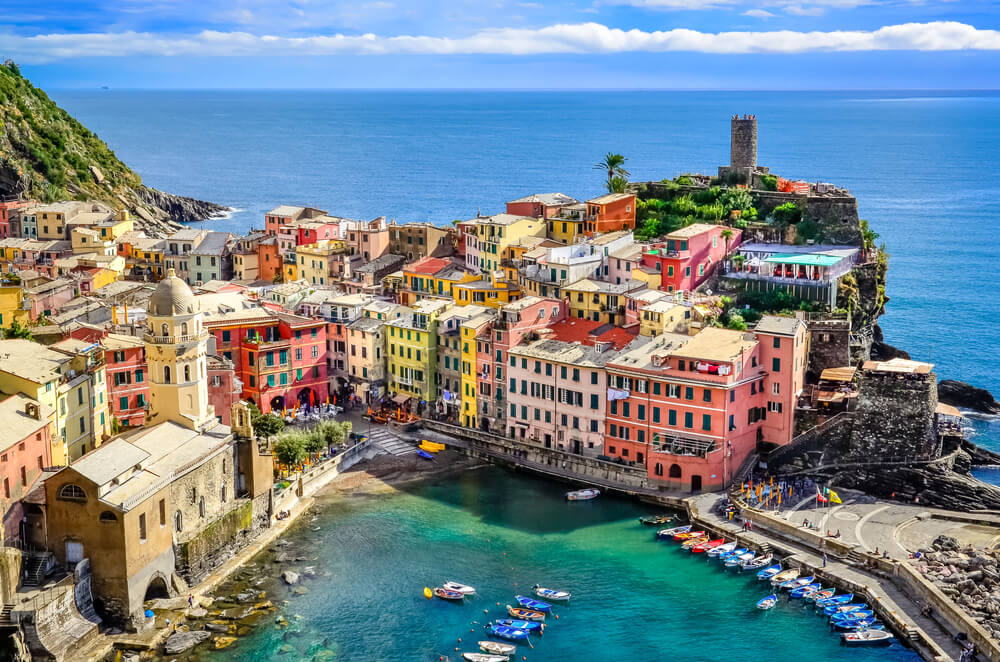
The five villages of Cinque Terre cling to cliffs along the Ligurian coast, and the trails between them can feel like a conveyor belt in summer. Vernazza and Manarola have harbors and main streets barely wider than a hallway.
Hikers on the area’s trails face footwear requirements, and certain routes may use one-way systems during peak periods intended to prevent accidents and congestion. A single arriving train can overwhelm the main street of a village that has far fewer residents than the carriage held.
Positano, Italy
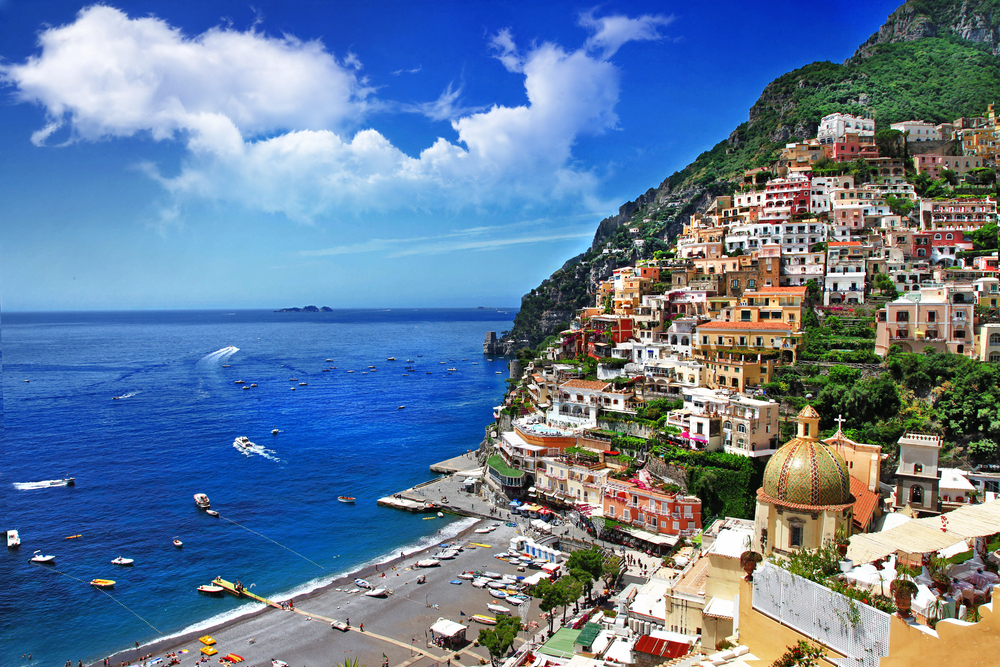
The coast road to Positano and the rest of the Amalfi Coast clogs so badly in summer that Italy has tried alternating-day traffic rules based on license plates. The restrictions apply to non-resident cars on the SS163 Amalfitana during designated dates and hours, with the exact schedule changing by season.
The rule aims to untangle the traffic jams that form along the narrow cliff highway. Positano’s stacked pastel houses look timeless, but the hairpin turns were not designed for tour buses.
Granada, Spain
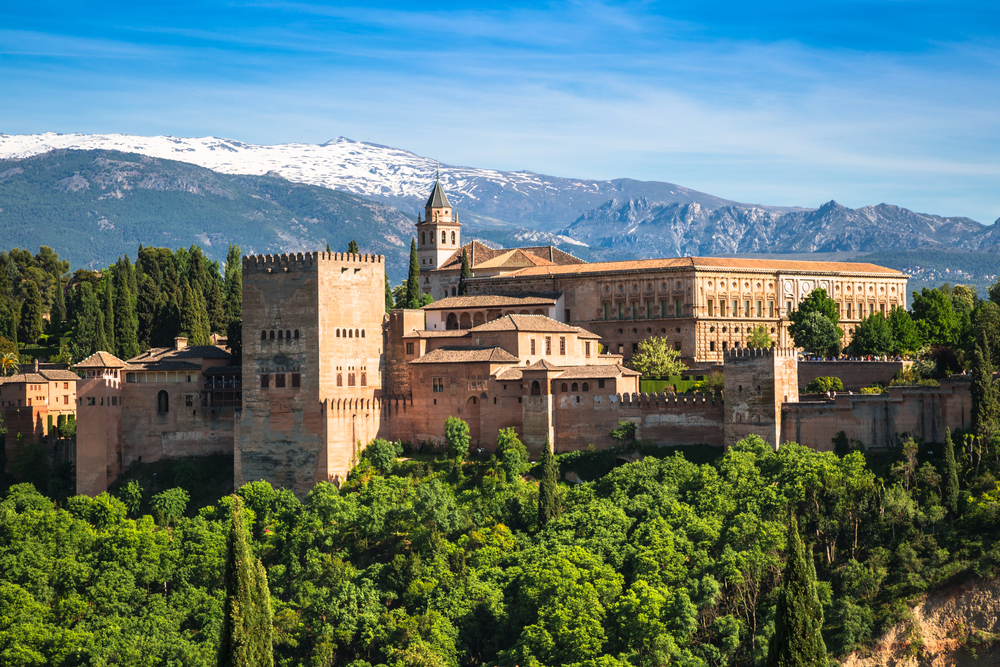
The Alhambra palace complex sells entry to the Nasrid Palaces by timed slot, a system meant to keep the delicate rooms from being overrun. Tickets for the busiest dates sell out far in advance, leaving many travelers shut out at the gate.
The restricted access protects carved plaster and tilework that have survived since the Moorish era. Granada’s Albaicín neighborhood below faces its own strain from walking tours and crowded lookout points facing the palace.
Paris, France
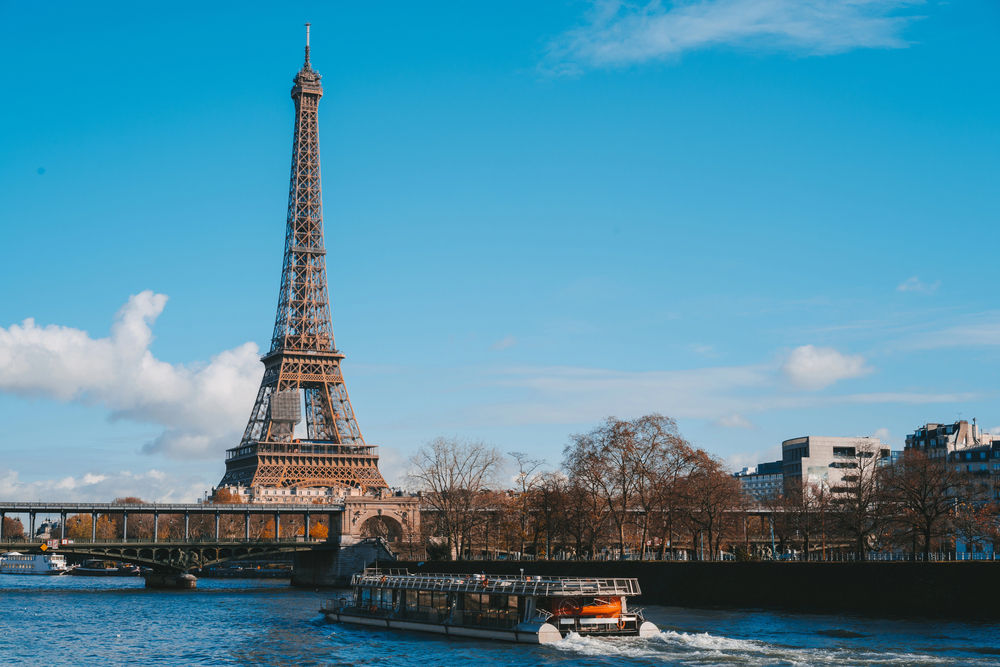
Louvre workers walked off the job in protest over overcrowding and understaffing, forcing the world’s most famous museum to close for the day. The Mona Lisa’s gallery had become a crush of phones held above heads.
Staff complained that conditions were unmanageable for both employees and visitors. The strike turned a labor dispute into a public statement about what mass tourism does to a cultural landmark.
Mont-Saint-Michel, France
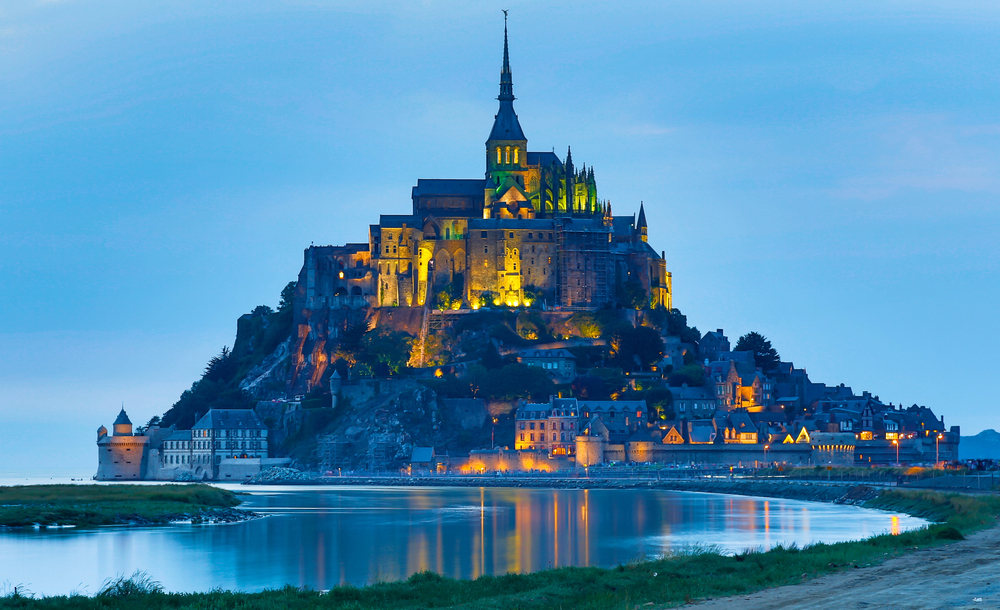
This tidal island in Normandy has very few residents, yet it receives crowds that funnel up a single main street to the abbey. By midday in summer, the lane is a slow shuffle of people pressed between souvenir shops and old stone walls.
Visitors arrive across a causeway and then queue for the climb, with the tide adding its own schedule to the day. The abbey at the summit dates to the Middle Ages, but the traffic jam on the way up is strictly modern.
Málaga, Spain
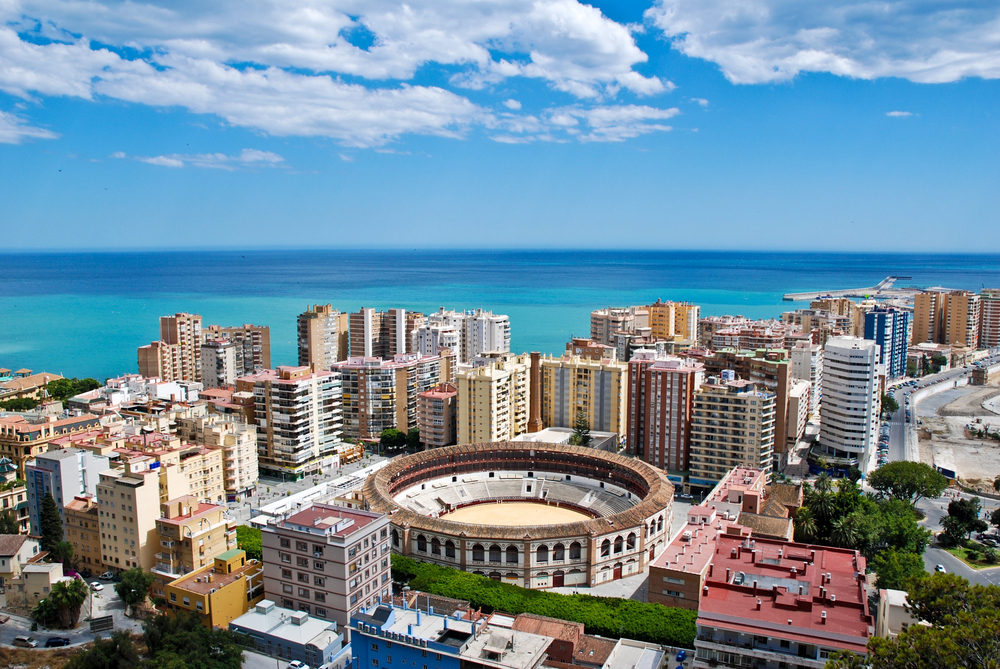
Málaga restricted new tourist apartments in many central neighborhoods after rents climbed and residents protested against being pushed out of their own city. The city is a gateway to the Costa del Sol, so summer brings both beach holidaymakers and cruise passengers into the center.
Calle Larios, the Alcazaba, and the Picasso Museum all draw heavy foot traffic at once. Protest marches have drawn crowds who say the historic core is turning into a stage set.
Bergen, Norway
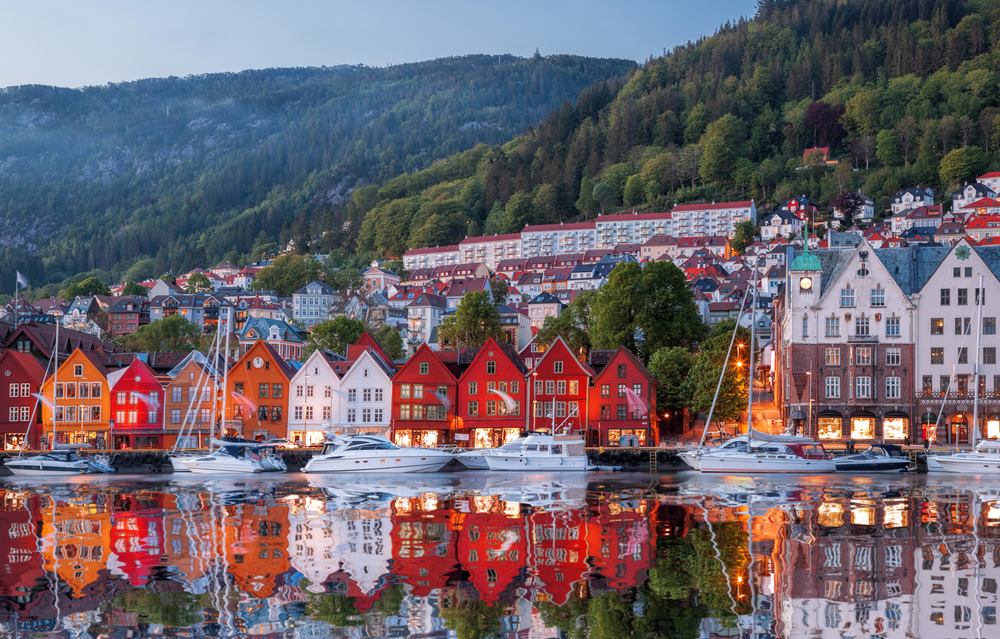
Bergen has pushed to limit the number of cruise visitors who arrive each day, a rule meant to stop the harbor area from turning into a human traffic jam. The UNESCO-listed Bryggen wharf, with its leaning wooden buildings, is a magnet for every arriving ship.
The funicular up Mount Fløyen and the fish market on the waterfront fill up early. Rain is frequent in the city, so crowds crush into museums and covered markets when showers hit.
Cannes, France
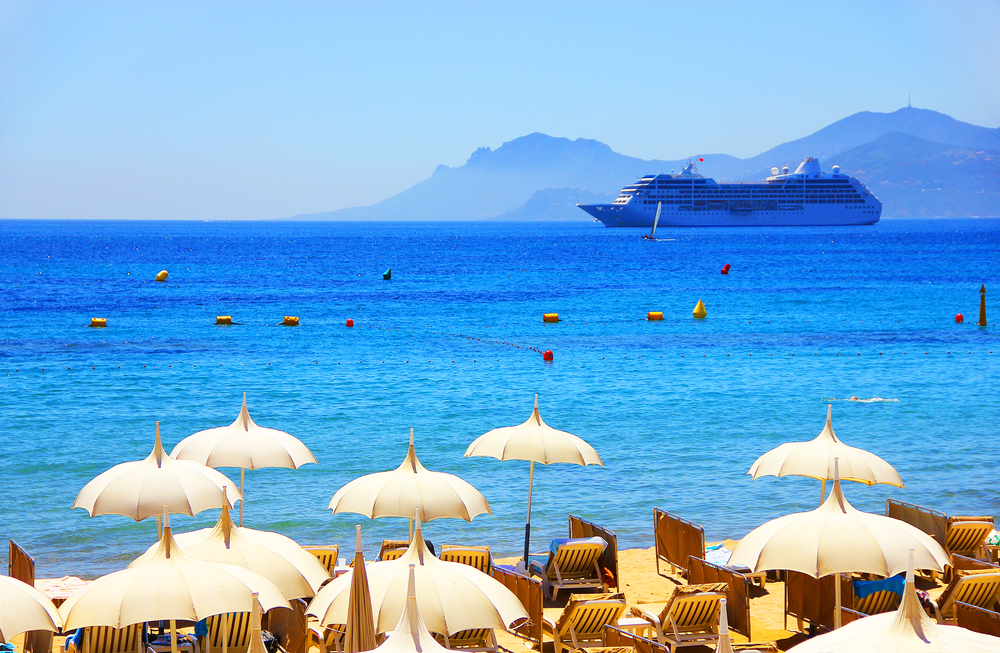
Cannes has taken steps to limit the impact of large cruise ships, including restrictions on the biggest vessels and limits on passenger arrivals. The city is best known for its film festival, but summer brings its own red carpet of yachts, day-trippers, and cruise tenders.
The Croisette waterfront fills with people heading to the beach clubs and shops. Officials say the limits are meant to protect both residents and the bay.
Saint-Tropez, France
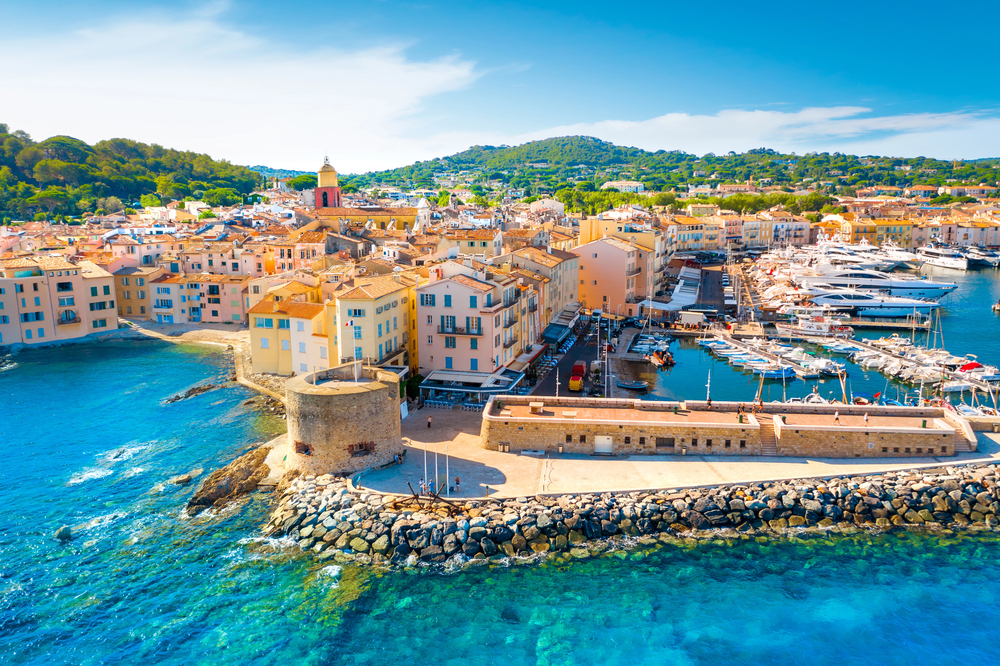
The mayor of Saint-Tropez has publicly urged tourists to think twice before descending on the town in summer. A fishing village with a small population becomes a traffic standstill when yachts, celebrities, and day-trippers arrive.
The road into town backs up for hours at peak times, and the harbor is lined with boats that block the view of the water. Locals complain that the very glamour that made the town famous now makes it hard to live there.
Verona, Italy
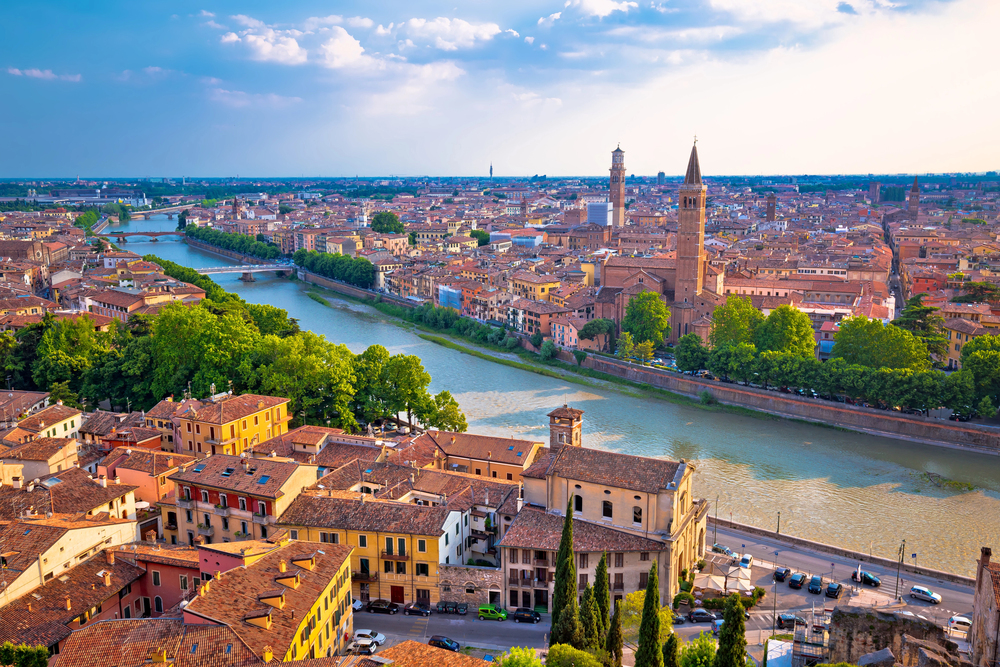
Juliet’s House in Verona now charges admission to reach the famous balcony, and daily visits are managed through a ticketing system. The balcony is not medieval at all: it was added in the twentieth century, and the story it commemorates is fiction from Shakespeare.
Crowds in the small courtyard had grown so thick that officials introduced tickets. The wall at the entrance is covered with notes and graffiti left by lovers.
Nice, France
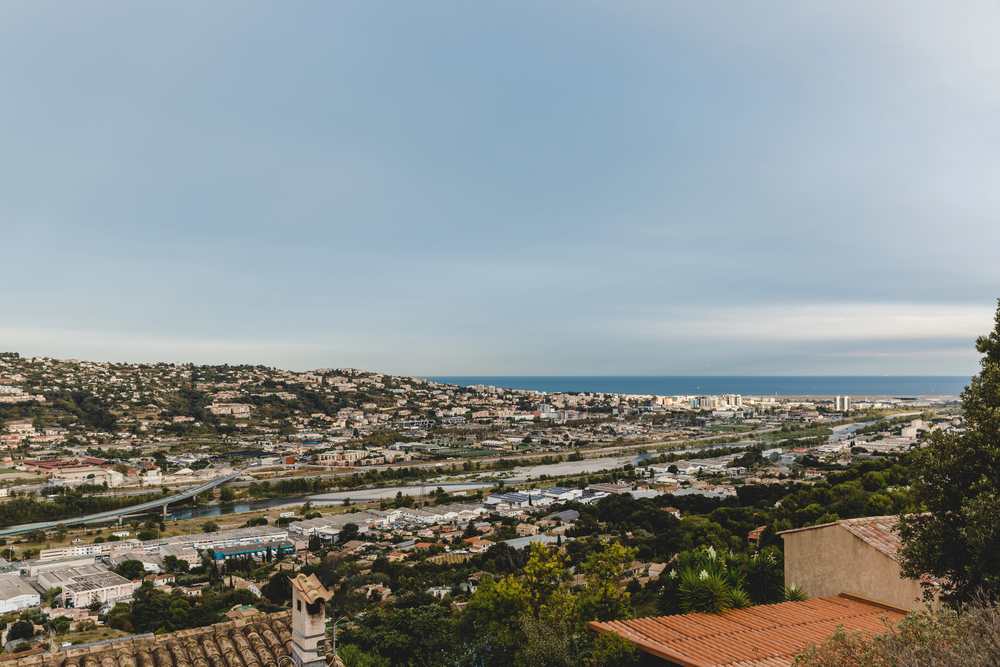
Nice announced a plan to ban large cruise ships and then softened it after pushback from the cruise industry. The seafront along the Promenade des Anglais fills with day-trippers from ships and trains through July and August.
The narrow lanes of the old town and the flower market on Cours Saleya get the worst of it by lunchtime. The episode showed how hard it is for a Riviera city to turn away visitors who bring both money and crowds.
Kotor, Montenegro
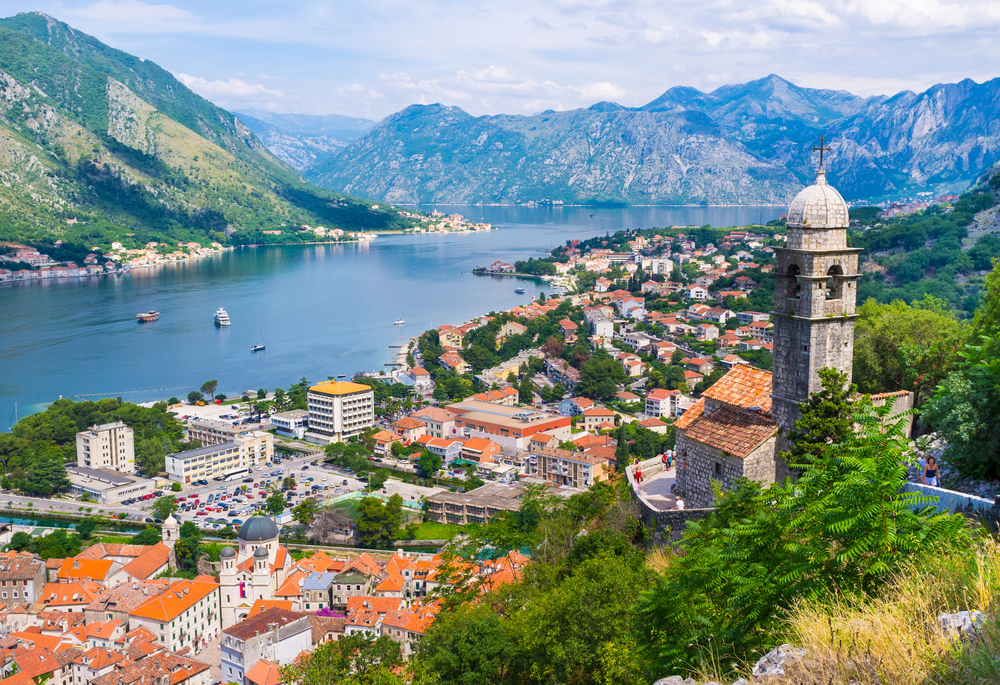
Kotor’s walled old town sits at the end of a fjord-like bay, and cruise ships dock almost beside the ramparts. International heritage bodies have warned that the crowds could put the town’s UNESCO status at risk.
Cruise passengers pour through the narrow lanes in waves, leaving little room for residents. The fortifications climbing the mountainside above the town add another bottleneck for hikers each day.
Budapest, Hungary
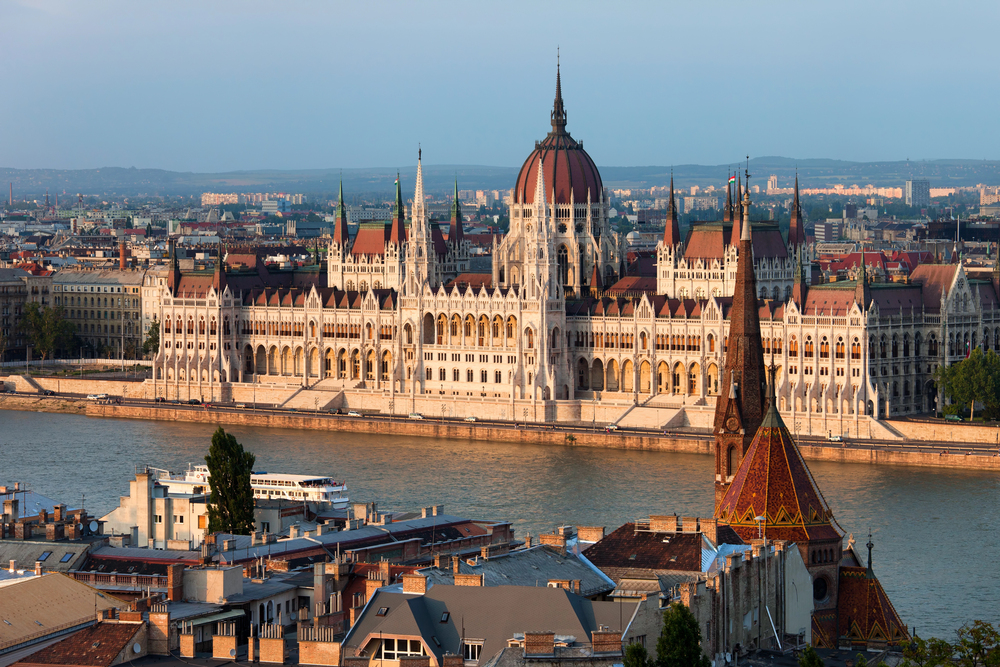
Terézváros, one of Budapest’s inner districts, voted to ban short-term rentals, with the ban taking effect on January 1, 2026. The ban is meant to keep apartments for residents and cut the noise of weekend party groups.
Budapest draws summer crowds to its thermal baths, the Danube embankments, and Buda Castle. The vote made the Hungarian capital part of a wider European rental rebellion.
Istanbul, Turkey
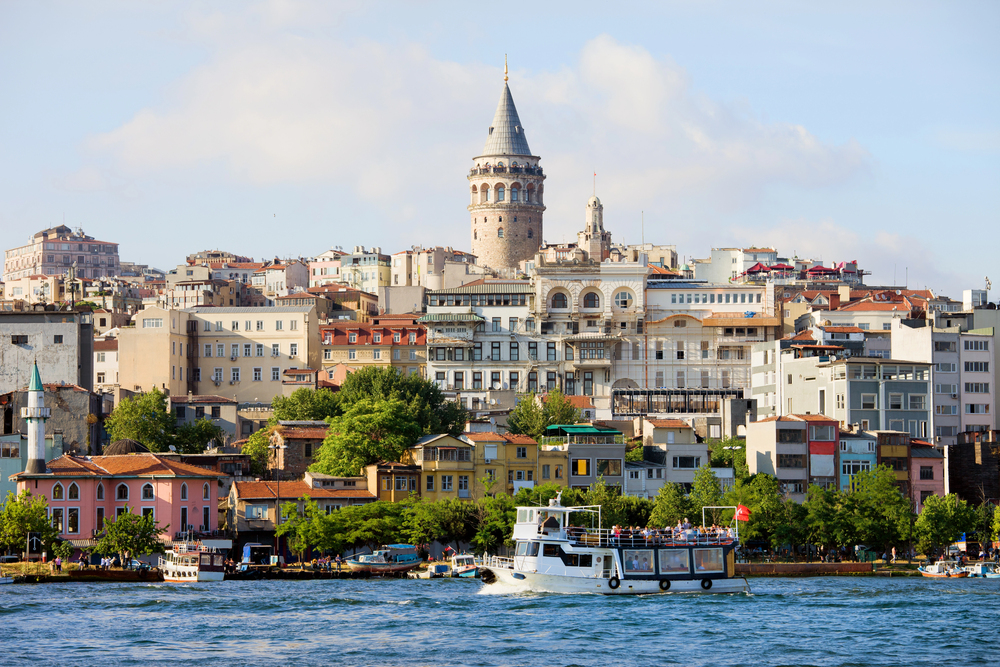
Hagia Sophia, built in the sixth century, now charges foreign visitors an entry fee. The ticket was introduced as part of efforts to control the crowds that fill the building in peak season.
Queues snake across the plaza between the Hagia Sophia and the nearby Blue Mosque. The building remains a working mosque, so visitors share space with worshippers and their schedules.
Split, Croatia
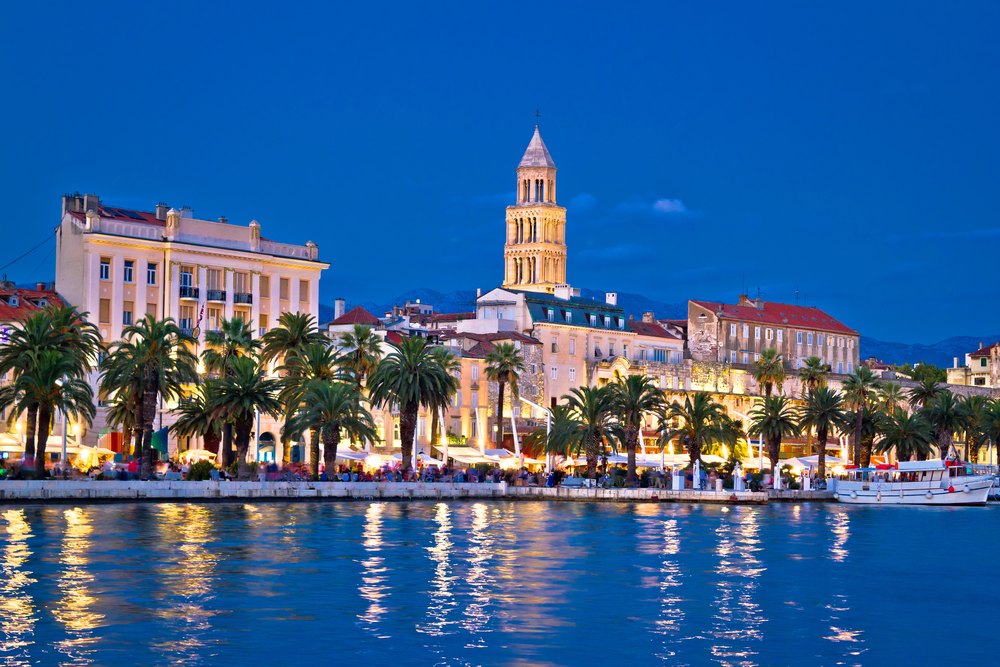
Split’s old center is built inside Diocletian’s Palace, constructed for the Roman emperor around the year 300. Residents have complained of soaring rents and rowdy behavior from visiting party groups.
The palace walls and the narrow marble lanes funnel cruise passengers and day-trippers into the same few squares, including the Peristyle. Locals say living inside a monument has become hard when it is also a nightly gathering spot.
Porto, Portugal
Livraria Lello, the ornate bookshop that opened in the early twentieth century, now requires a ticket to enter because of the lines that formed outside. Visitors arrive hoping to see the curving red staircase that is often linked with fantasy novels.
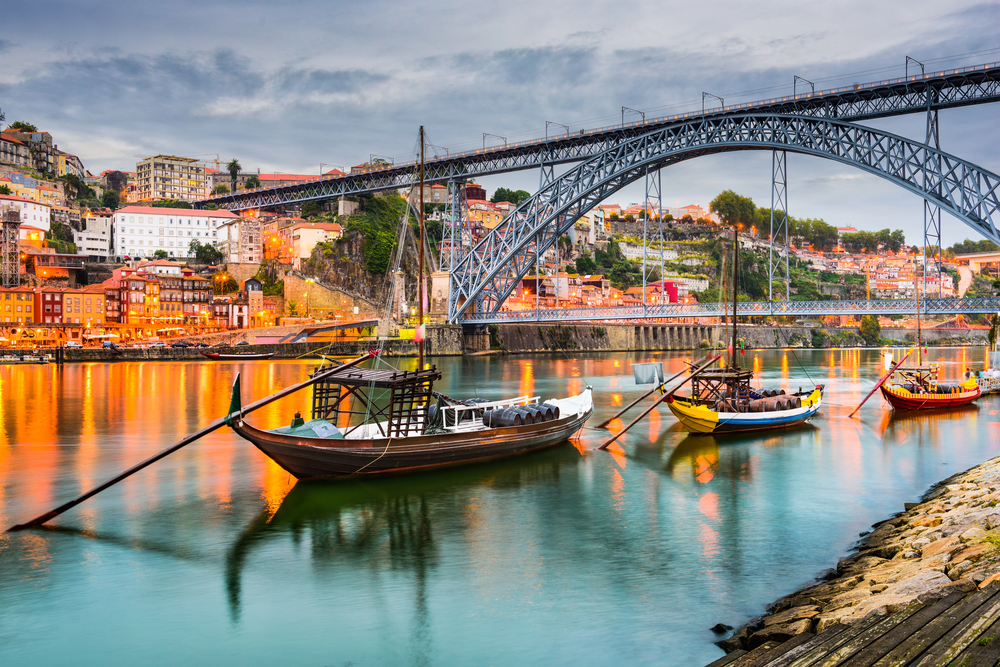
Meanwhile, the riverside Ribeira district and the Dom Luís I Bridge fill with day-trippers and wine tourists. The ticket system shows how even a bookstore can need crowd control.
Seville, Spain
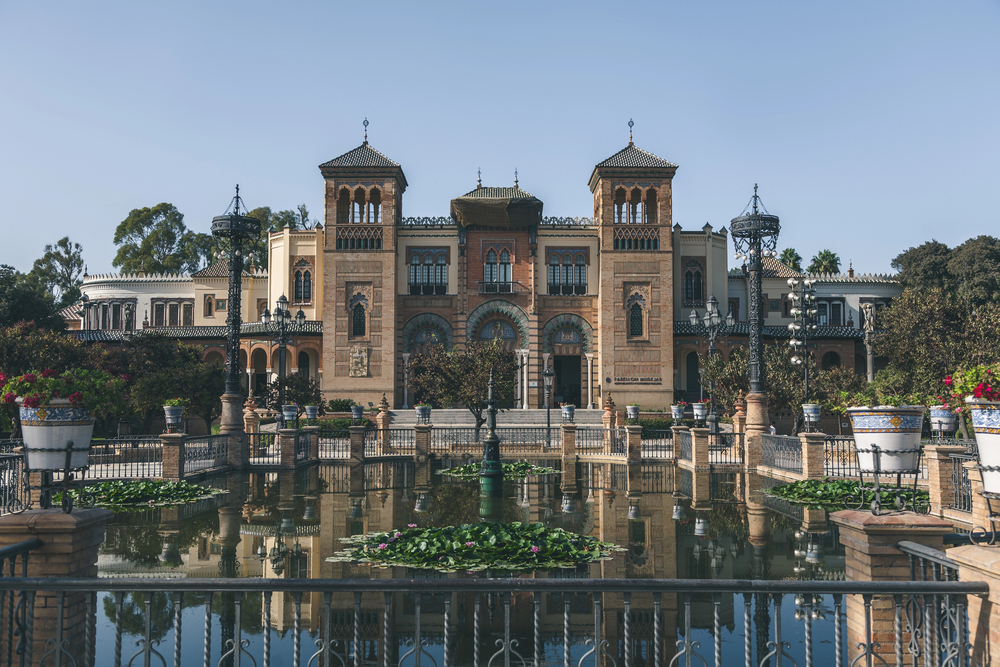
Seville has discussed plans to charge visitors to enter the Plaza de España, the grand semicircular complex built for the 1929 Ibero-American Exposition, but the proposal has drawn backlash from residents who use the square as a public space. The plaza’s tiled alcoves, one for each Spanish province, make it a magnet for photographers.
Summer heat in the Andalusian capital pushes crowds into the shade of the same few courtyards, including those around the cathedral and the Alcázar.
The Price of a Postcard
Taken together, these cities are not rejecting visitors so much as asking them to behave like guests. Fees, caps, bans, and booking systems are blunt tools, but they signal that a place has limits.
Residents are not objecting to travelers; they are objecting to being squeezed out of their own streets.
The next wave of travel may depend on timing. Visiting in shoulder seasons, staying overnight, and choosing lesser-known neighbors of famous cities can ease pressure on the places that have reached their limits.
The postcard view is still available, though increasingly it comes with a reservation.
More from Travel Pug

- Underrated Italian Towns That Beat the Tourist Crowds
- Las Vegas Tourist Traps to Skip
- Prettiest Towns in Every US State
- 18 passport-free countries for Americans
- Signs Your Cruise Is Not Worth The Cost
Like Travel Pug’s content? Follow us on MSN.