

There’s something about watching beautiful people navigate complicated lives in even more beautiful settings that never gets old. And when those settings happen to be Italian villas with centuries of history soaked into their stone walls, well, that’s when television becomes pure escapism.
These aren’t just backdrops — they’re characters in their own right, each one carrying stories that stretch back through generations of Italian nobility, eccentric collectors, and families who understood that life should be lived somewhere breathtaking.
Villa San Martino, Tuscany
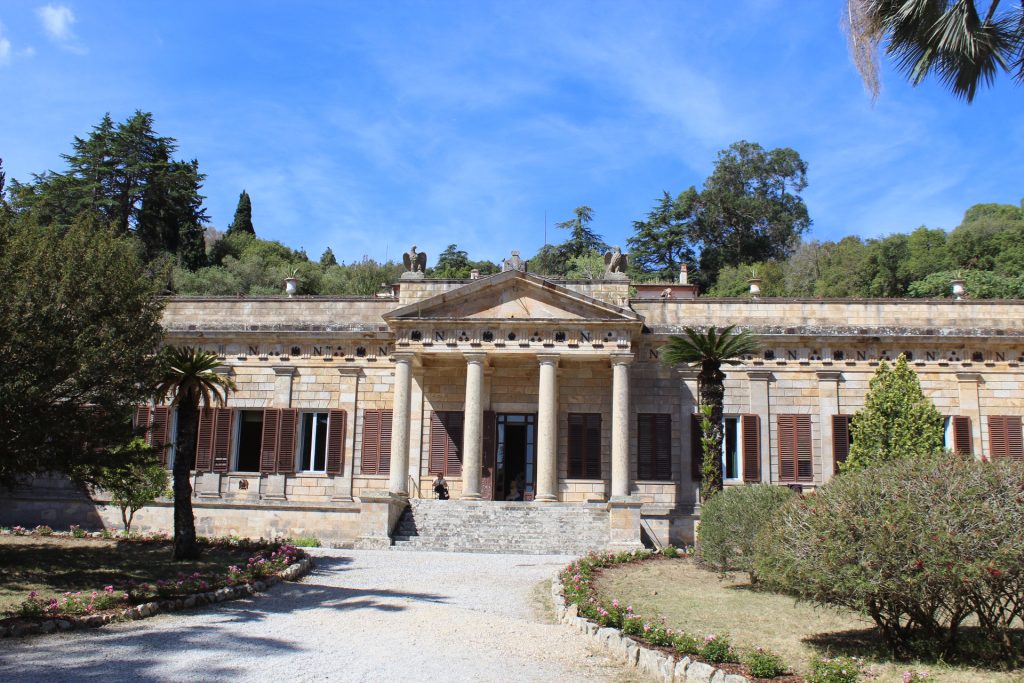
Villa San Martino doesn’t apologize for being perfect. Cypress trees frame the approach like nature’s own red carpet.
The villa sits on a hill that seems designed specifically for dramatic helicopter shots and tearful confessions. The property gained fame as the primary location for the hit series “Under the Tuscan Sun: The Show.”
Every episode opened with that same sweeping shot of the villa’s terracotta roofs against rolling hills that made viewers immediately question their life choices.
Palazzo Margherita, Basilicata
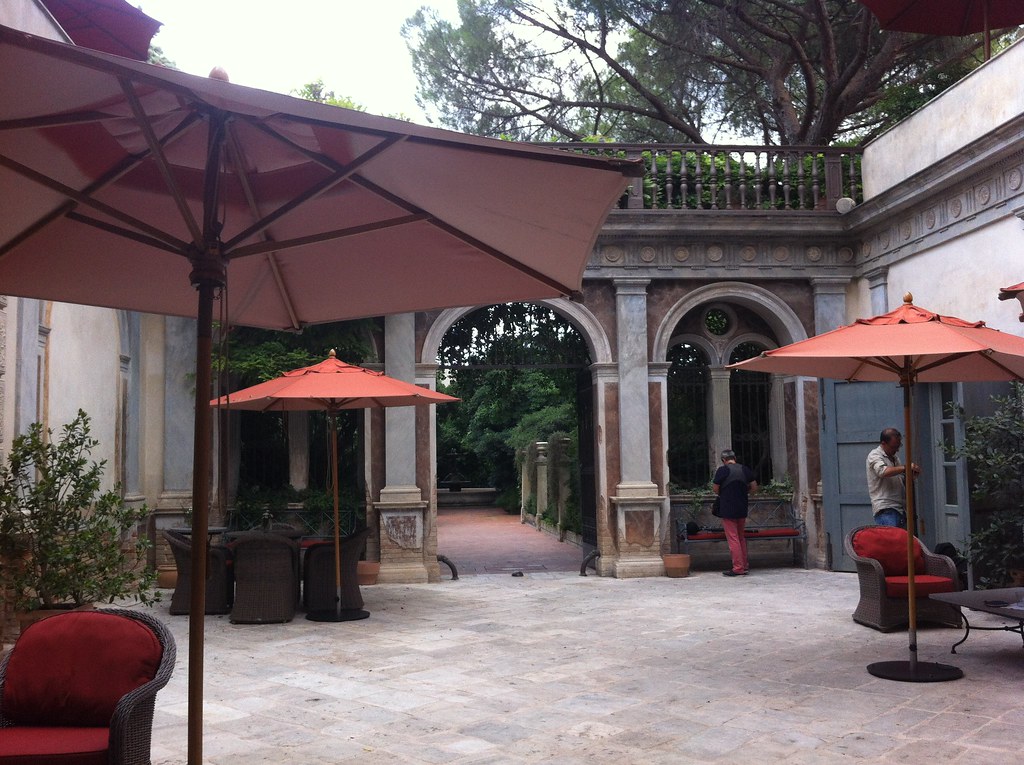
Francis Ford Coppola’s restored palazzo became a television sensation when it served as the setting for “The Italian Job: Reality Edition” (which, despite the name, had nothing to do with heists and everything to do with wealthy Americans trying to renovate crumbling Italian properties). The irony wasn’t lost on viewers that Coppola — who actually knew what he was doing — provided the backdrop for people who decidedly did not.
The palazzo’s transformation from near-ruin to luxury retreat happened decades before the cameras arrived, but the show used it as inspiration for what contestants were supposedly trying to achieve. Most failed spectacularly, which made for excellent television and probably gave Coppola some quiet satisfaction.
Villa del Balbianello, Lake Como
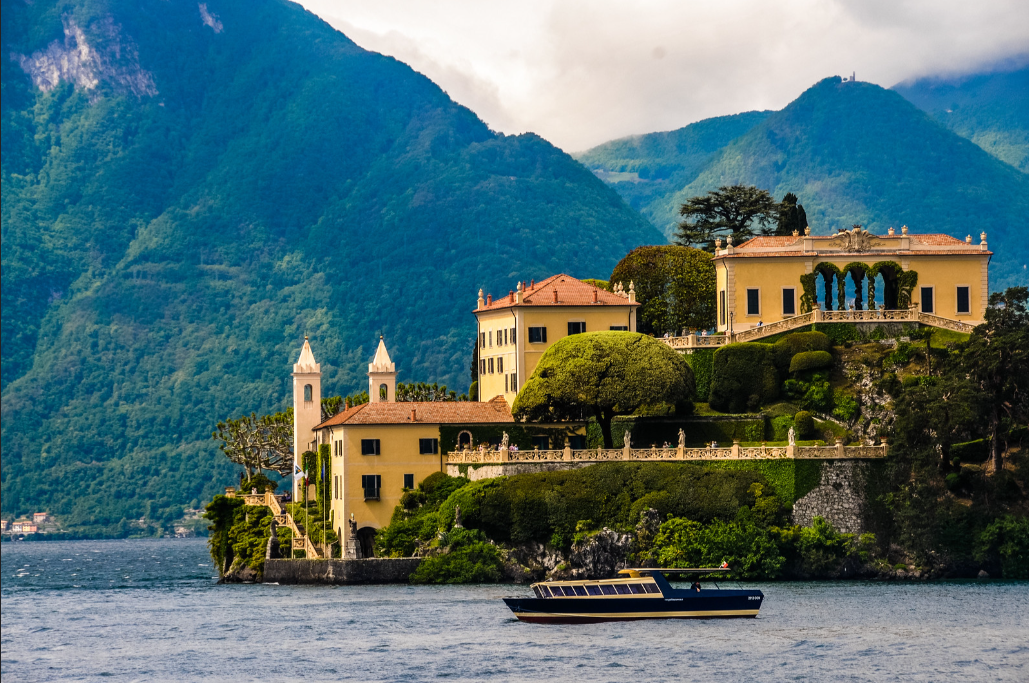
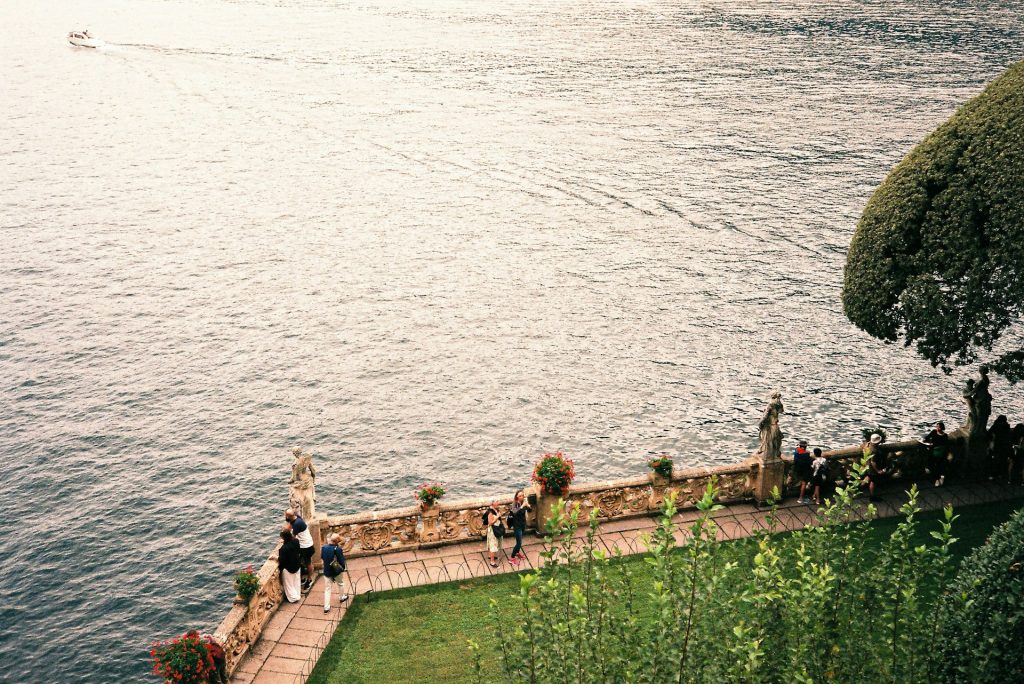
Like a song that gets stuck in your head, Villa del Balbianello lodges itself in memory and refuses to leave. The villa perches on a promontory that juts into Lake Como with the confidence of someone who has never doubted their place in the world.
Terraced gardens cascade down toward the water, each level revealing another carefully composed view that feels almost aggressive in its perfection. The villa appeared in the Netflix series “Lake Como Confidential,” where its loggia served as the setting for the season’s most pivotal scenes.
Characters would stand on those stone terraces, supposedly discussing business deals or romantic entanglements, but really just providing human scale for one of Italy’s most photographed locations. The villa didn’t need the show — the show needed the villa.
Castello Brown, Portofino
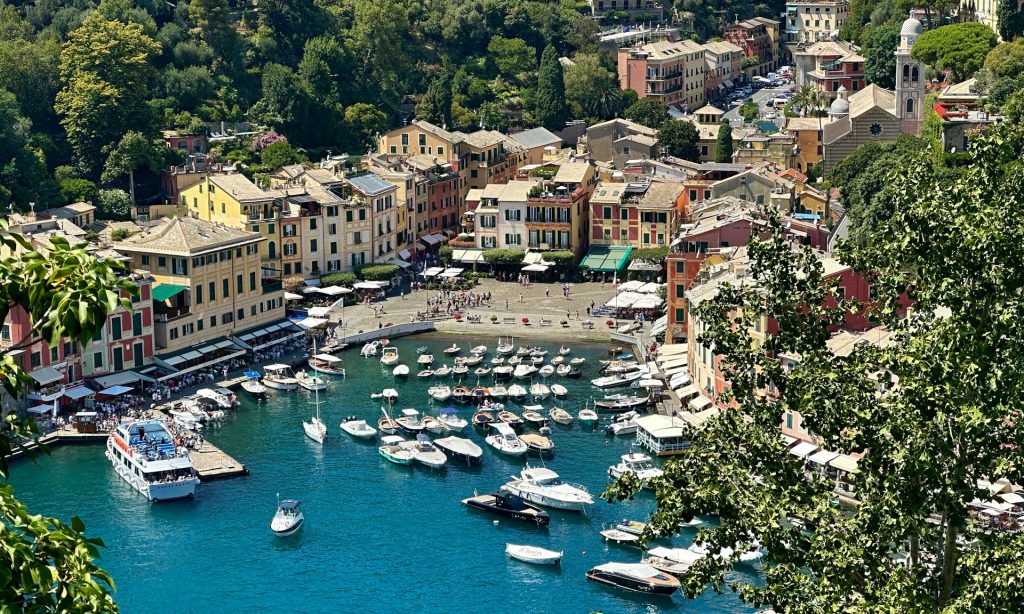
Castello Brown earned its television fame the hard way: by being consistently, reliably spectacular in every single shot. Perched above Portofino’s famously colorful harbor, the medieval castle served as the dramatic centerpiece for “Riviera Secrets,” a show that understood the simple truth that beautiful locations can carry weak plotlines better than talented actors can carry ugly ones.
The castello’s strategic position — built to spot invading ships centuries before anyone cared about Instagram — translates perfectly to the demands of modern television production. Every angle works.
Every time of day delivers. The building practically directs itself.
Villa Cimbrone, Ravello
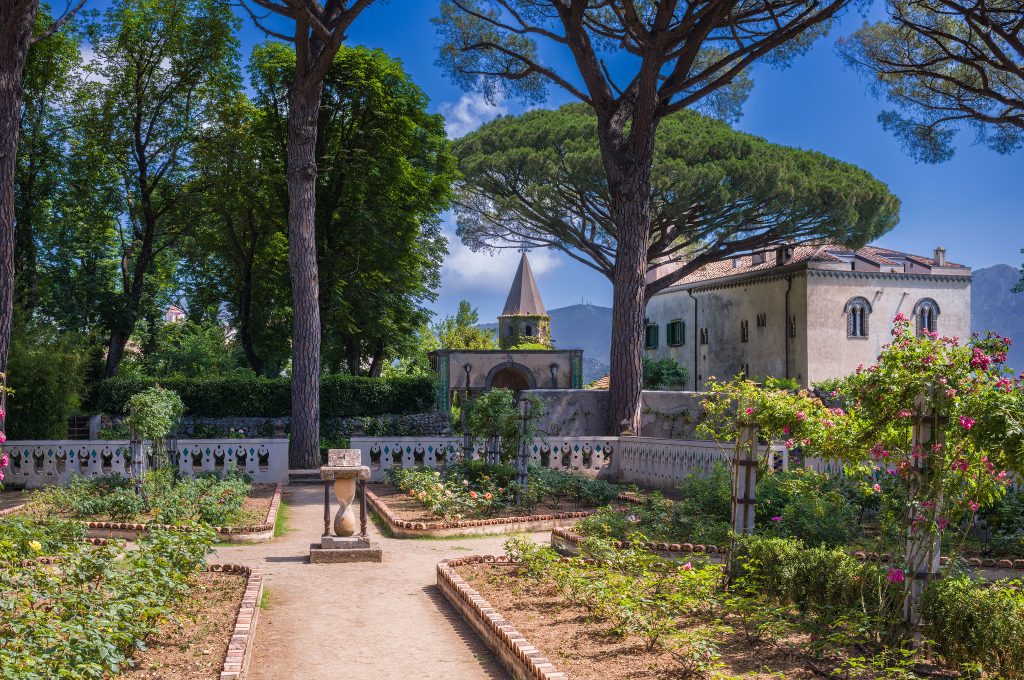
The Terrace of Infinity at Villa Cimbrone lives up to its name in a way that feels almost unfair to other terraces. Marble busts line the walkway leading to views of the Amalfi Coast that seem engineered specifically to make people reconsider their priorities.
The villa’s gardens unfold like a series of outdoor rooms, each one offering a different perspective on what it means to live well. “Amalfi Nights” used Villa Cimbrone as the setting for its most dramatic moments, understanding that certain locations demand a certain level of emotional intensity.
The show’s writers seemed to grasp that you can’t set a casual conversation on the Terrace of Infinity — the setting demands confessions, revelations, and the kind of life-changing decisions that only make sense with that particular view stretching out below you.
Palazzo Vecchietti, Florence
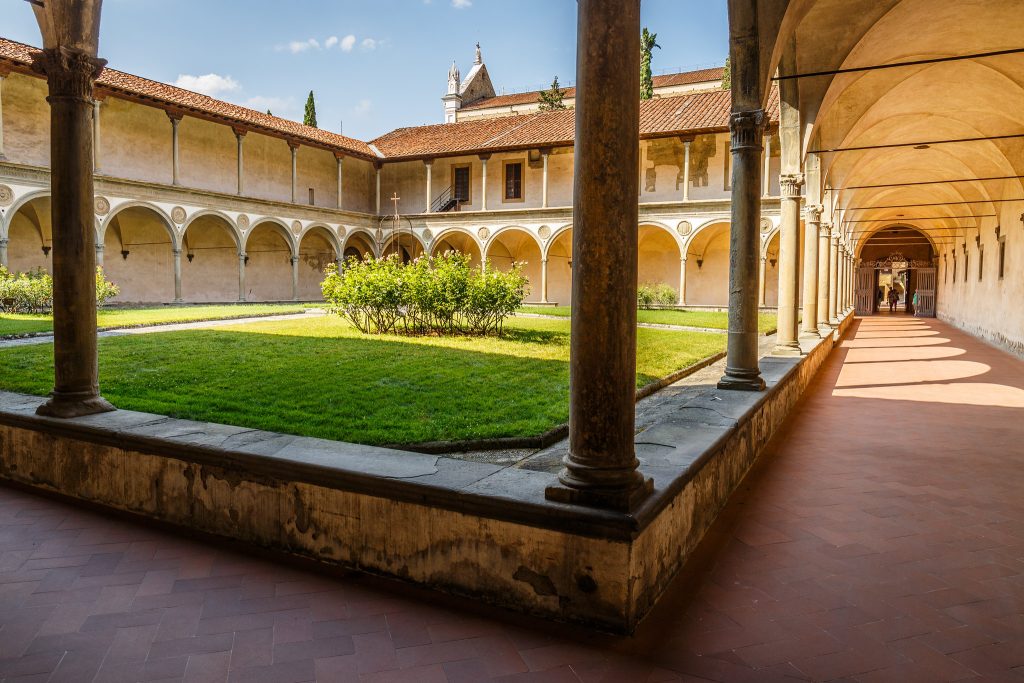
Sometimes a location becomes famous not for its grandeur but for its stubborn refusal to be impressed by the chaos swirling around it. Palazzo Vecchietti, tucked into Florence’s historic center, served as the headquarters for “Florence: The Next Generation,” a reality show about young Italians trying to make it in the art world.
The palazzo — with its understated elegance and rooms filled with carefully curated antiques — provided a striking contrast to the dramatic personalities it housed. While contestants created drama in its salons and courtyards, the building itself maintained the kind of dignified composure that only comes from surviving several centuries of human nonsense.
Villa Monastero, Lake Como
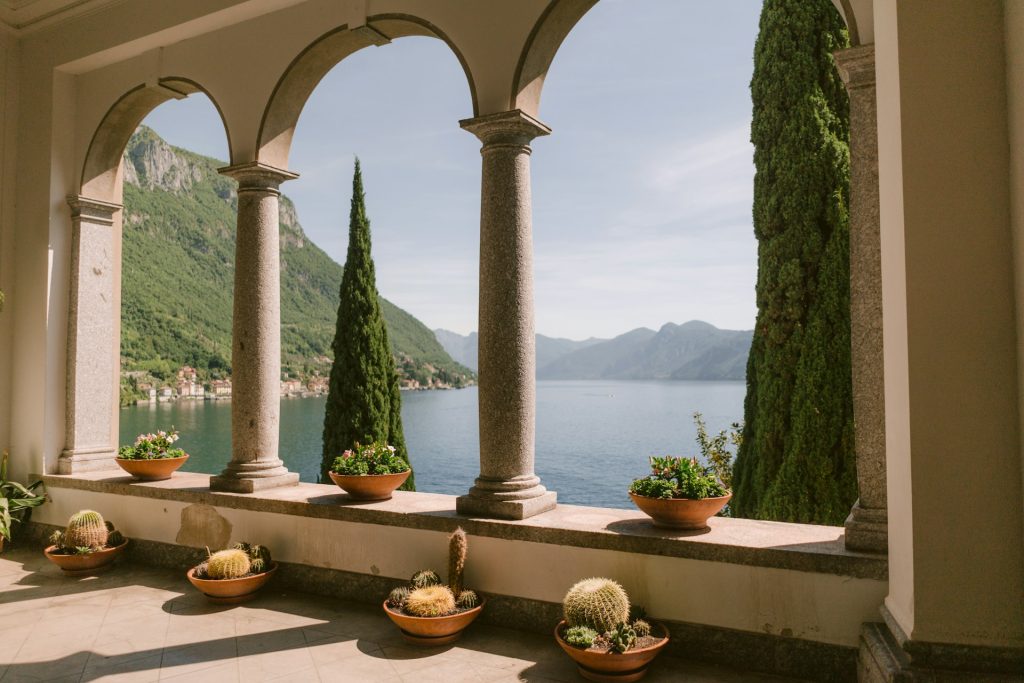
Villa Monastero stretches along Lake Como’s eastern shore like someone drew a line and decided to fill it with everything beautiful about Italian lakeside living. What began as a Cistercian monastery evolved into a villa that seems to understand the assignment: be so consistently lovely that people forget to blink while looking at it.
The botanical gardens that run for nearly two kilometers along the water became the signature visual element of “Como Chronicles,” a series that followed three generations of a family who definitely had too much money and not enough problems to fill their time meaningfully. But the villa’s gardens — with their exotic plants and carefully maintained pathways — provided a sense of continuity that the show’s constantly shifting family drama couldn’t match.
Villa San Michele, Capri
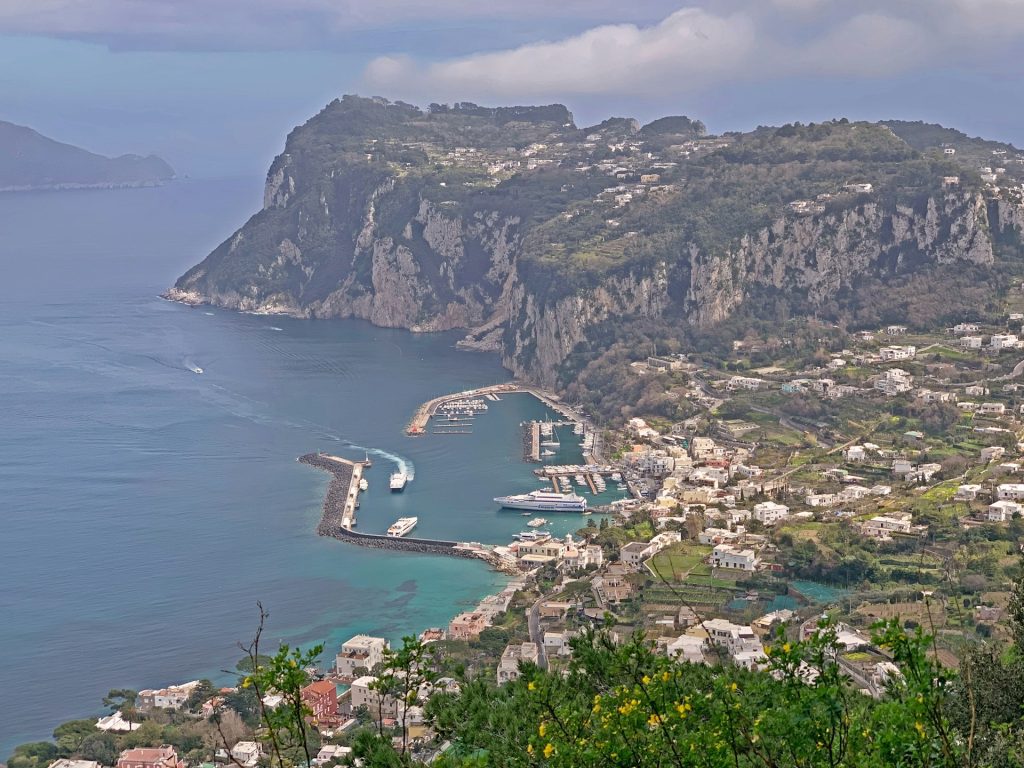
Axel Munthe’s Villa San Michele occupies one of those positions that makes you wonder if some people just see the world differently than the rest of us. Built on the ruins of one of Emperor Tiberius’s villas, it commands views of the Bay of Naples that seem designed to inspire either great art or terrible decisions.
The villa gained recent television fame as the setting for “Capri Confidential,” where its loggia and gardens served as the backdrop for a show about wealthy Europeans behaving badly in beautiful places. The villa’s connection to Swedish physician and author Axel Munthe — who built it as a tribute to beauty and a refuge from the world’s ugliness — provided an ironic counterpoint to the show’s relentless focus on human pettiness.
Palazzo Pfanner, Lucca
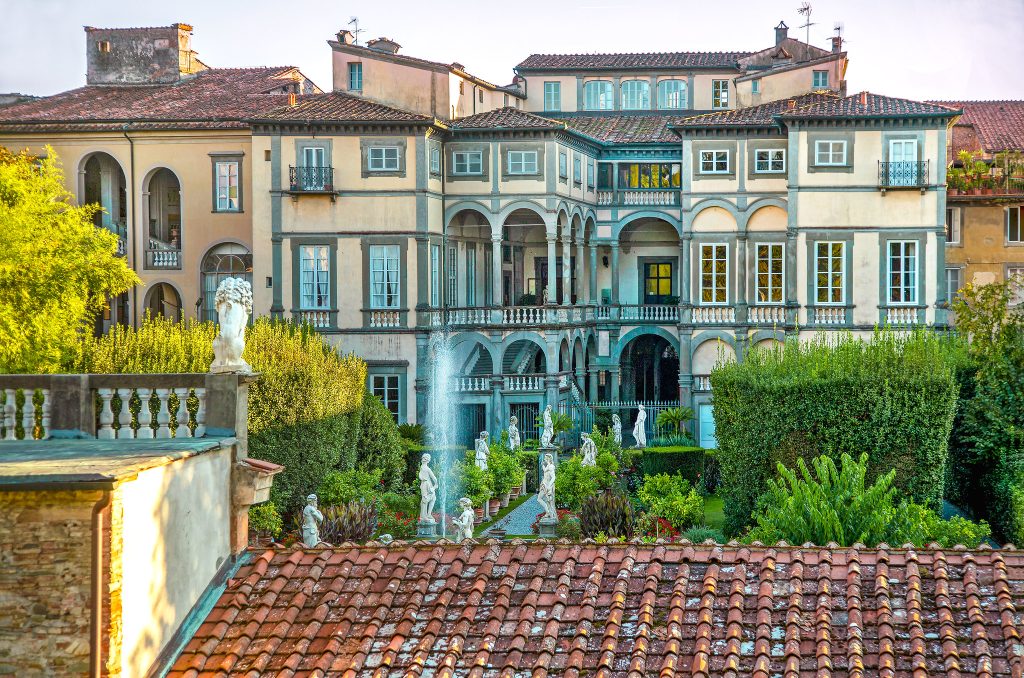
Palazzo Pfanner doesn’t try to compete with Italy’s more famous villas, and that restraint might be exactly why it works so well on television. The baroque palazzo, with its geometric gardens and elegant facades, served as the primary location for “Tuscan Mysteries,” a series that understood the value of understatement in a country not particularly known for it.
The palazzo’s gardens — with their precisely trimmed hedges and classical statuary — created the perfect backdrop for a show that dealt in secrets and slow reveals. Unlike more dramatic locations that demand attention, Palazzo Pfanner allowed the story to unfold at its own pace while providing just enough visual interest to keep viewers oriented in beauty.
Villa Rufolo, Ravello
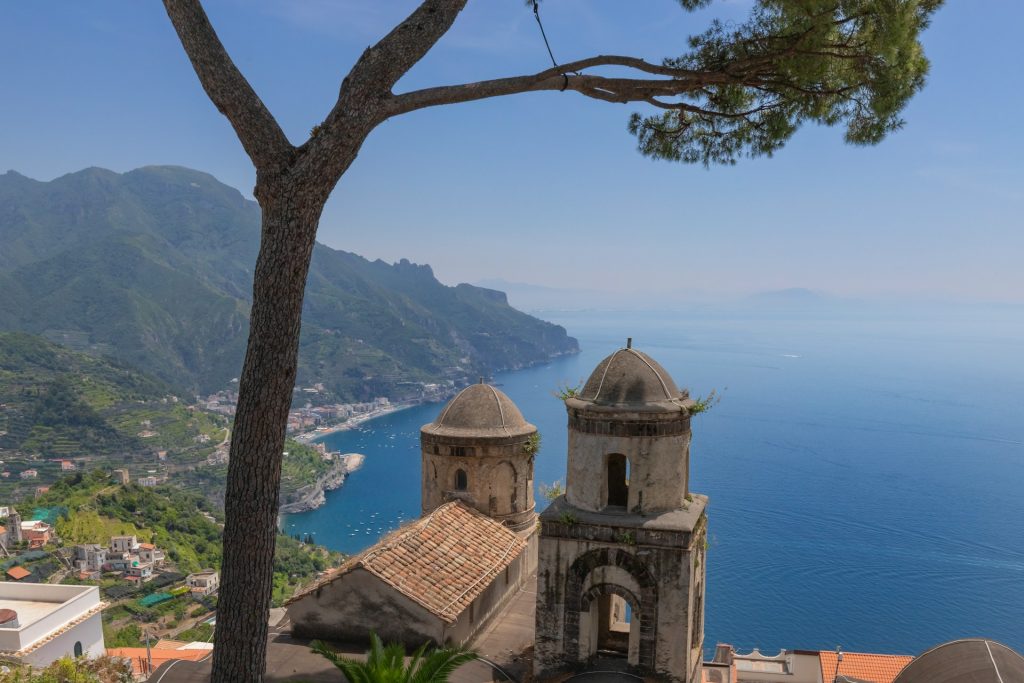
Richard Wagner supposedly found inspiration for his “Parsifal” at Villa Rufolo, which tells you something about the kind of place this is. The villa’s terraced gardens and Moorish-influenced architecture create an atmosphere that feels removed from ordinary time — which made it perfect for “Timeless Italy,” a series that jumped between different historical periods while maintaining Villa Rufolo as its constant.
The show’s conceit — that certain places in Italy exist outside normal temporal boundaries — sounds ridiculous until you’re standing in Villa Rufolo’s gardens looking out over the Amalfi Coast. Then it starts to seem not just plausible but obvious.
Castello di Sammezzano, Tuscany
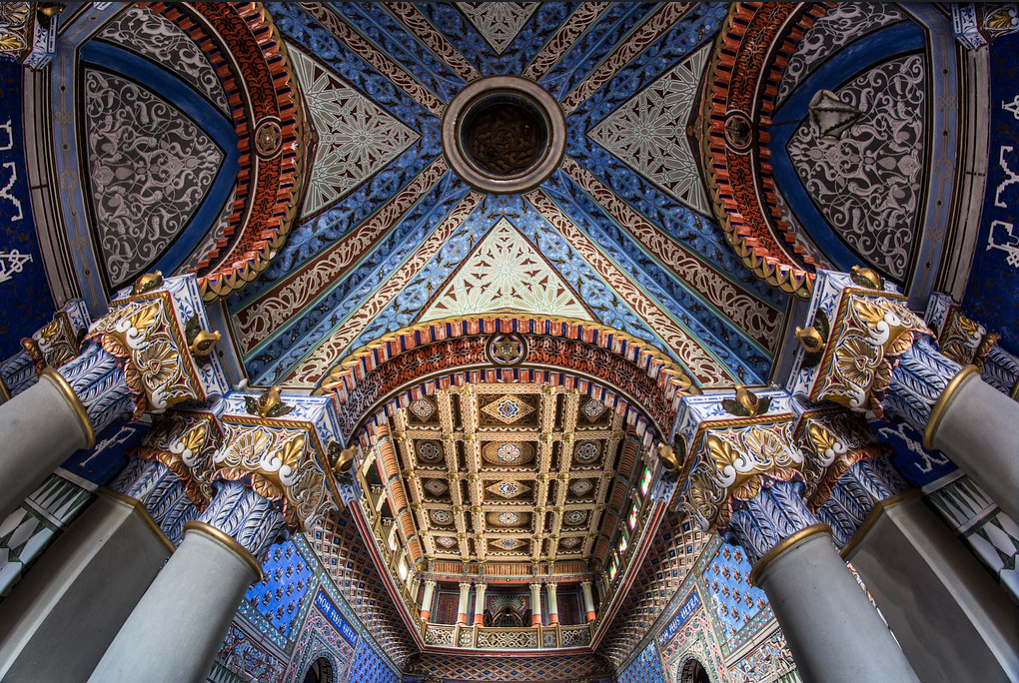
Castello di Sammezzano commits fully to being extraordinary in a way that either works completely or fails spectacularly. The 19th-century castle, with its Moorish Revival architecture and rooms decorated in every possible variation of Islamic-inspired design, provided the surreal backdrop for “Castle Mysteries Italy,” a show that seemed to understand that certain locations are so visually overwhelming they require equally dramatic storylines.
Each room in the castello tells a different visual story — the Hall of Mirrors, the Corridor of Stalactites, the Room of Lilies — creating a kind of architectural anthology that the show’s writers used as inspiration for their increasingly elaborate plot twists.
Villa Adriana, Tivoli
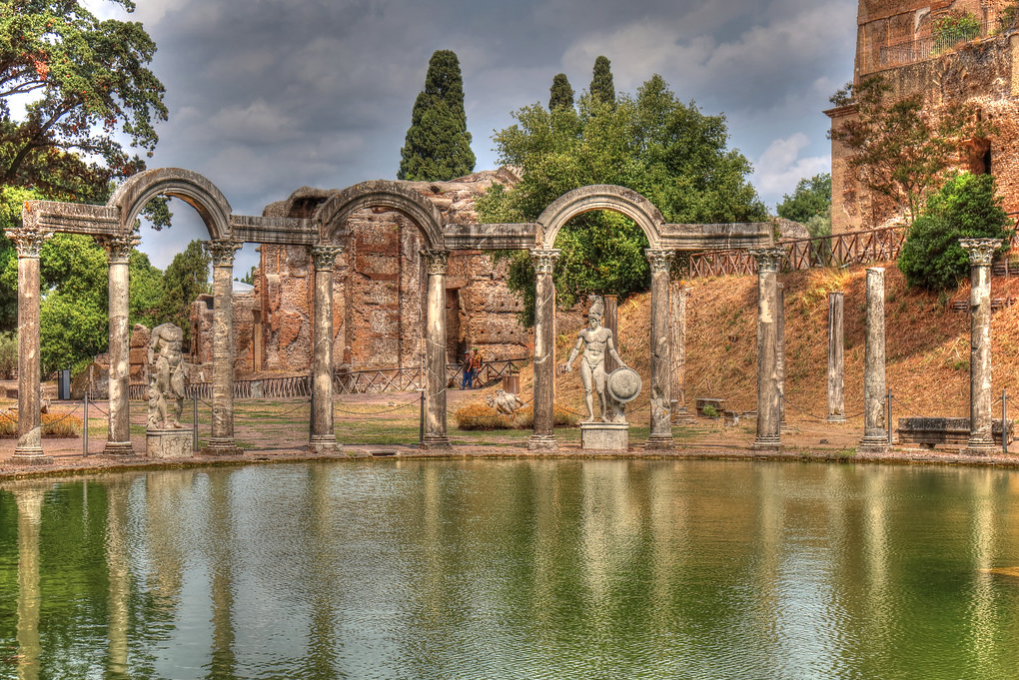
Emperor Hadrian built his villa as a kind of architectural autobiography — recreating his favorite places from across the Roman Empire in one sprawling complex outside Rome. What remains today still carries that sense of a mind that refused to accept limitations, geographical or otherwise.
“Empire’s End” used Villa Adriana’s ruins as the setting for a historical drama that jumped between Hadrian’s time and the present day. The villa’s scale — it covers more area than some Italian towns — provided enough varied locations to support the show’s complex narrative structure while maintaining visual coherency.
Villa Gamberaia, Tuscany
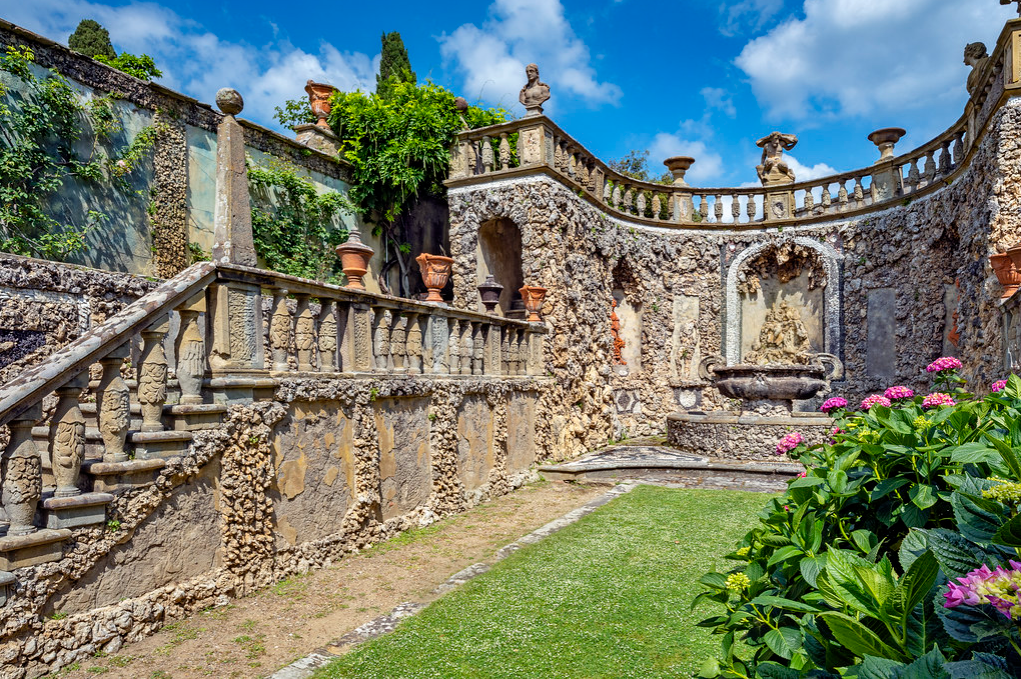
Villa Gamberaia earned its reputation the way most lasting things do: through decades of people trying to copy it and failing to understand why their versions didn’t work. The villa’s Renaissance gardens, restored in the early 20th century by Princess Ghyka, represent a kind of perfected relationship between architecture, landscape, and the particular quality of Tuscan light.
“Garden of Secrets” filmed exclusively at Villa Gamberaia, using the property’s different garden rooms as settings for different characters’ storylines. The water parterre, the bowling green, the lemon garden — each space became associated with particular emotional registers, creating a kind of outdoor stage where the villa’s formal structure supported the show’s narrative architecture.
Villa Pizzo, Lake Como
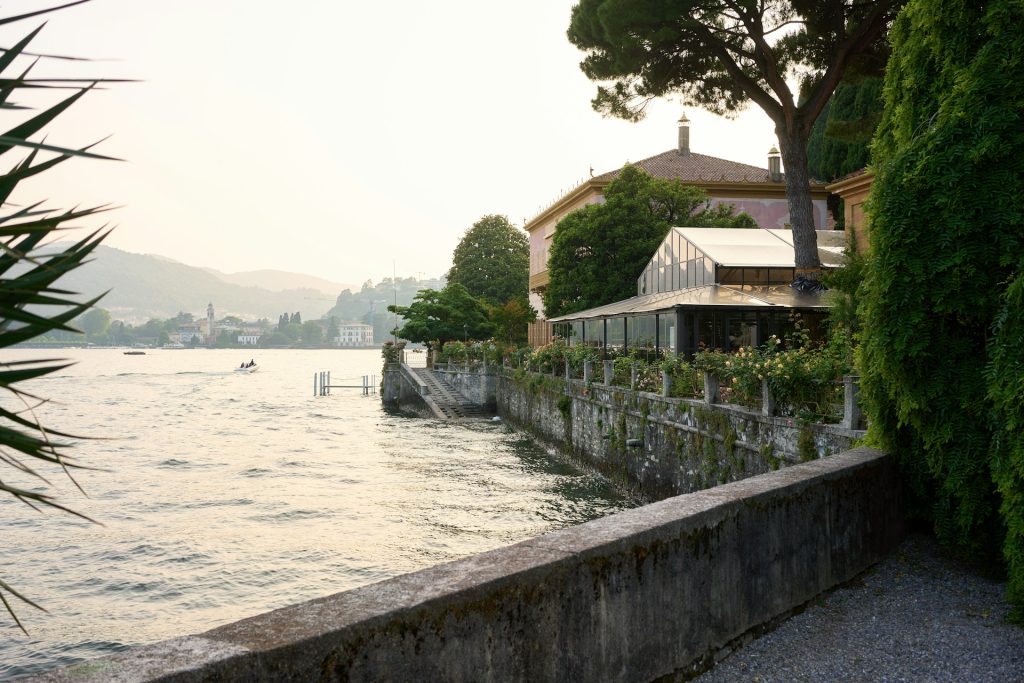
Villa Pizzo sits on Lake Como like someone who knows they’re being photographed but pretends not to notice. The neoclassical villa, with its terraced gardens stepping down to the water, achieved television fame as the setting for “Como Calling,” a series about international jet-setters who somehow made living in paradise look exhausting.
The villa’s position — offering views both across the lake to the Alps and back toward the hills of Brianza — created natural drama that the show’s producers learned to trust. Wide shots established the scale of privilege the characters inhabited, while intimate scenes in the villa’s salons and garden pavilions revealed the emotional poverty that apparently accompanied all that material wealth.
Palazzo Altemps, Rome
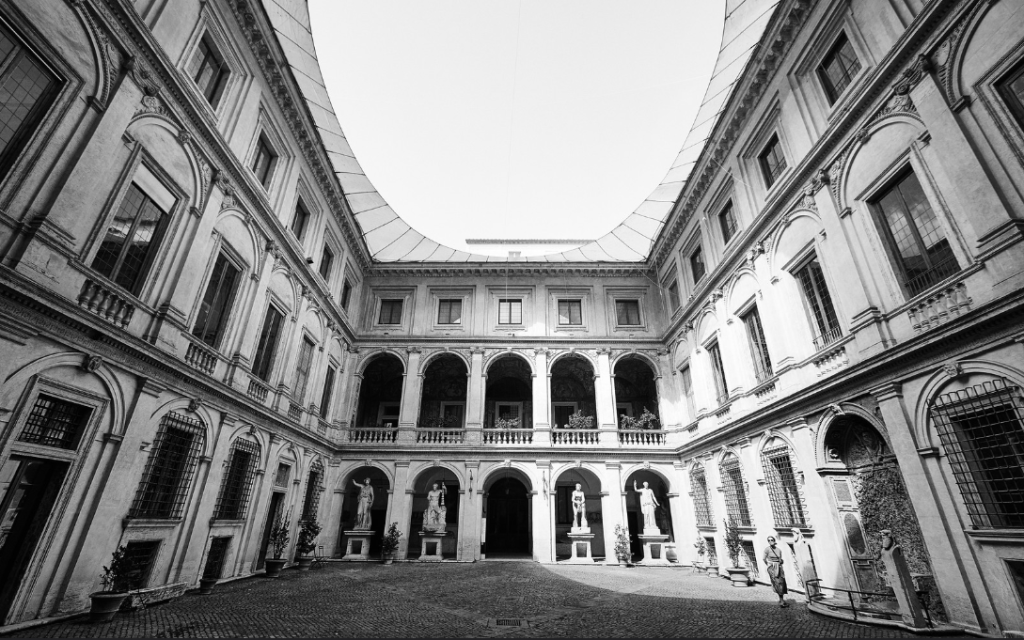
Not all famous television villas rely on pastoral beauty. Palazzo Altemps, housing part of Rome’s National Roman Museum, provided the urban elegance for “Roman Shadows,” a series that understood the particular pleasure of finding quiet sophistication in the middle of chaos.
The palazzo’s sculpture-filled courtyards and frescoed rooms created an atmosphere of scholarly contemplation that contrasted sharply with the conspiracy thriller plot unfolding within its walls. The juxtaposition worked because the building itself seemed to suggest that some things — art, beauty, the pursuit of knowledge — remain constant even when everything else falls apart.
Villa Borghese, Rome
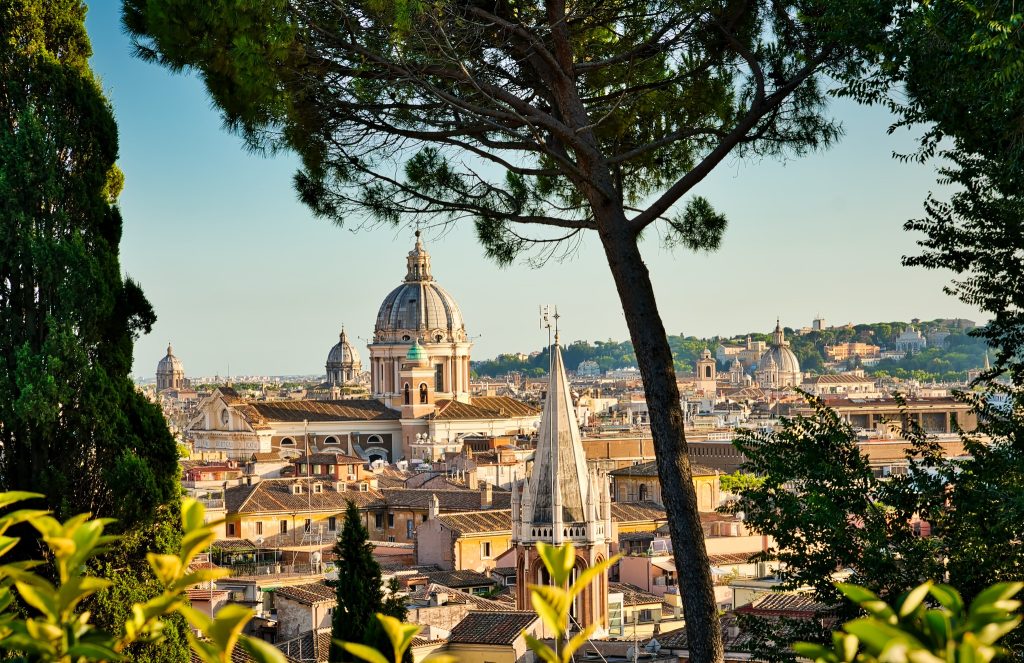
Villa Borghese sprawls across Rome like the city’s green lung, and “Borghese Nights” used every corner of it. The series followed various characters whose lives intersected in the villa’s gardens, museums, and hidden corners throughout the course of a single Roman summer.
The show’s genius lay in understanding that Villa Borghese functions as a kind of outdoor living room for Romans — a place where the city’s inhabitants go to remember what life feels like when it’s not entirely consumed by urban necessity. Each episode revealed another layer of the villa’s geography while building a portrait of contemporary Roman life that felt both intimate and epic.
When fiction becomes a love letter
These villas didn’t become television stars by accident. They earned their fame by understanding something fundamental about the relationship between place and story — that certain locations don’t just provide backdrops but actively participate in the narrative.
Whether serving as silent witnesses to human drama or overwhelming it entirely with their beauty, these Italian villas remind viewers that some places possess a kind of magnetic authority that no amount of clever writing or talented acting can manufacture. They’re proof that Italy’s greatest export might not be food or fashion, but the simple, radical idea that daily life should unfold somewhere beautiful.
More from Travel Pug

- Underrated Italian Towns That Beat the Tourist Crowds
- Las Vegas Tourist Traps to Skip
- Prettiest Towns in Every US State
- 18 passport-free countries for Americans
- Signs Your Cruise Is Not Worth The Cost
Like Travel Pug’s content? Follow us on MSN.