

There’s something quietly rebellious about traveling when everyone else is either rushing toward vacation season or already packing it away. Shoulder season sits between the chaos of peak travel and the limitations of offseason, offering a sweet spot that most travelers stumble into by accident rather than design.
The crowds thin, the prices drop, and destinations reveal a more honest version of themselves. It’s travel with the volume turned down just enough to hear what you came looking for.
Book last-minute accommodations

Hotels panic in shoulder season. Rooms sit empty, and empty rooms make no money.
You can walk into properties that would laugh at your budget during peak season and find them suddenly flexible on rates. The same suite that costs $400 in July might drop to $180 in October.
Even luxury resorts start making deals they’d never consider when demand is high.
Chase perfect weather windows

Shoulder season doesn’t mean bad weather — it means unpredictable weather. And unpredictable cuts both ways.
You might catch that one perfect 75-degree day in late October when the leaves are at their peak, and the air is crisp. Or hit a stretch of warm, sunny days in early May when everything’s blooming, but the summer heat hasn’t arrived.
Peak season guarantees crowds, not perfect weather.
Experience destinations without the crowds
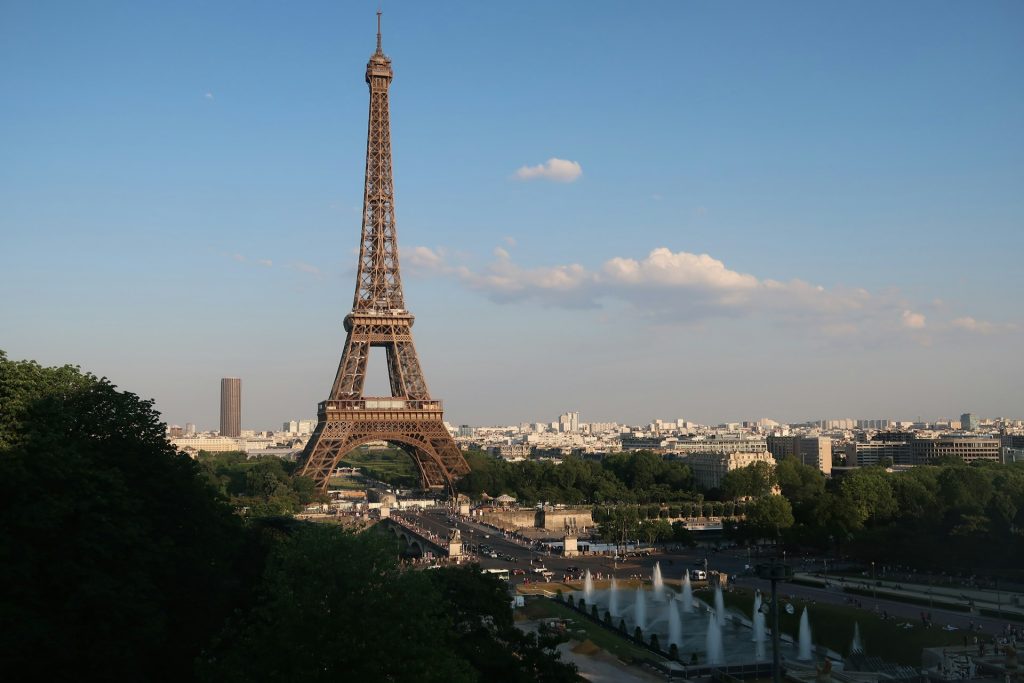
The difference between seeing the Sistine Chapel with 200 other people and seeing it with 30 is the difference between checking something off a list and actually experiencing it (which sounds dramatic until you’re standing there, realizing the crowd noise was drowning out your own thoughts). Restaurants that require reservations months ahead suddenly have tables available.
Museums where you normally shuffle through in a human conveyor belt let you linger. And sometimes — just sometimes — you get those moments where a famous place feels like your own discovery, even though millions have stood there before.
Take advantage of flexible pricing
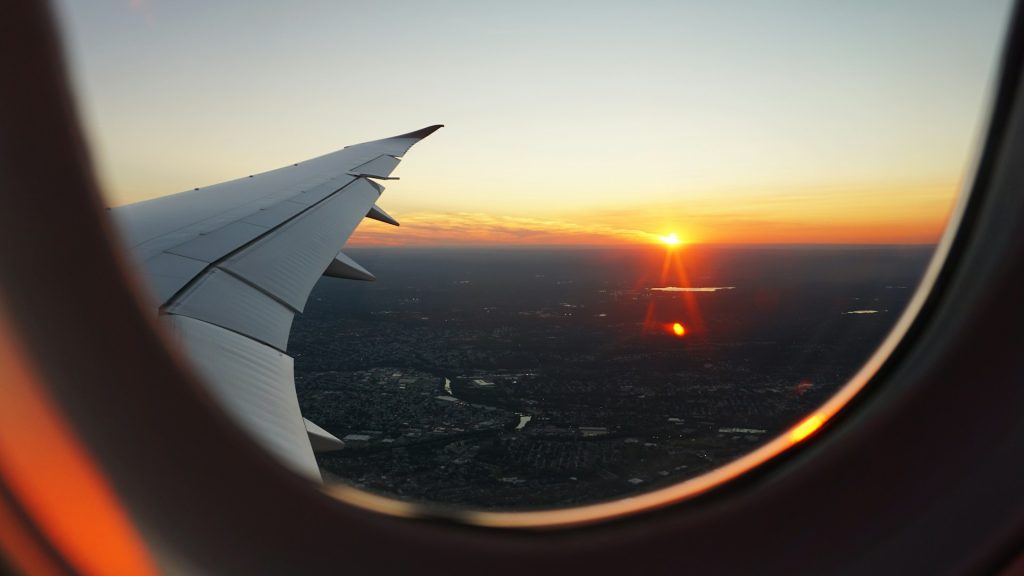
Airlines and hotels operate on supply and demand, but shoulder season messes with their algorithms in your favor. So prices swing wildly — a flight that costs $800 in summer might drop to $320 in late fall, then jump back up for holidays.
Hotels discount rooms they can’t fill. Even rental cars get cheaper when demand drops.
The savings aren’t just modest — they’re often dramatic enough to upgrade your entire trip.
Connect with locals more easily
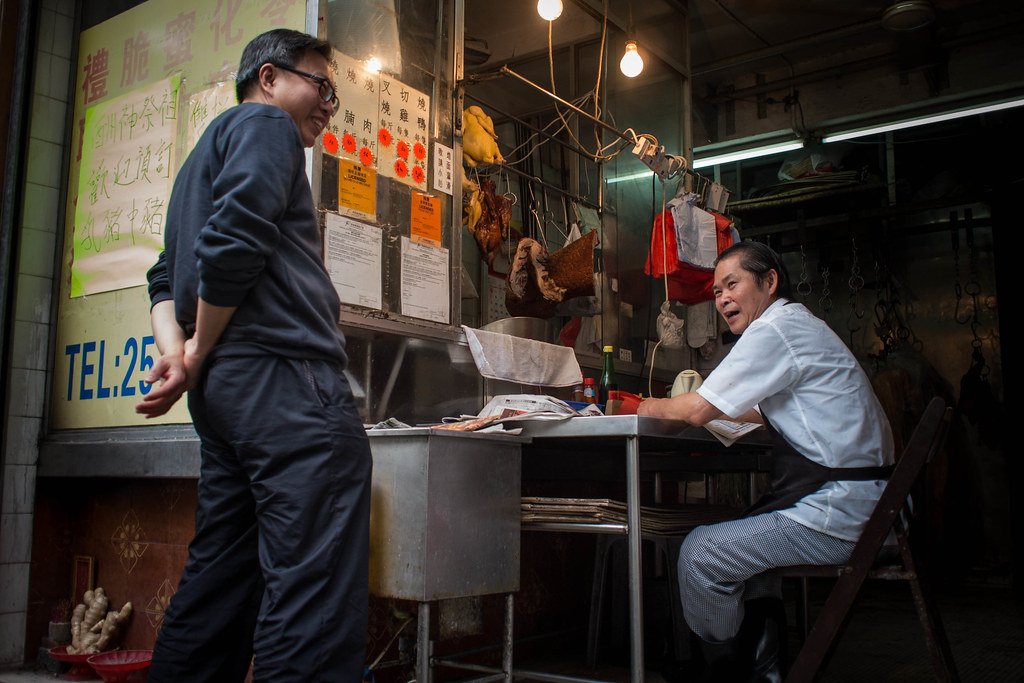
When a town isn’t overrun with tourists, the people who live there remember how to interact with the occasional visitor. Restaurant servers aren’t rushing to turn tables.
Shopkeepers might actually chat instead of just processing transactions. Tour guides can take their time instead of herding groups through scripted presentations.
But this only works if you’re genuinely interested in the place rather than just passing through — locals can sense the difference immediately, and they respond accordingly.
Enjoy restaurant availability
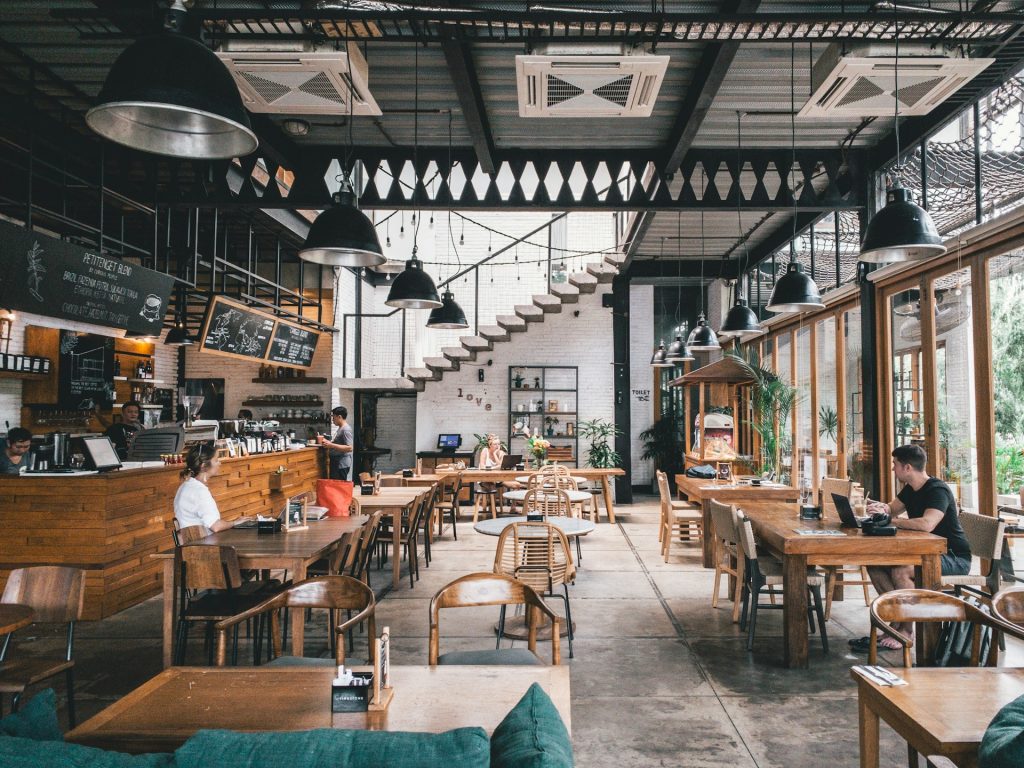
Peak season turns dining into a competitive sport — reservations booked weeks ahead, wait times that kill entire evenings, restaurants that stop caring about quality because they’ll be busy regardless. Shoulder season flips this completely.
That impossible-to-book place suddenly has tables. Chefs who were too busy to experiment start offering seasonal specials again.
Service improves when staff aren’t overwhelmed.
Capture better photos

Every famous viewpoint has been photographed millions of times, but most of those photos include crowds of other tourists doing the exact same thing. Shoulder season gives you cleaner shots — fewer people to work around, better light (since you’re not competing for the prime spots), and sometimes weather that’s more interesting than the predictable blue skies of peak season.
Storm clouds can make a landscape more dramatic than perfect sunshine.
Access seasonal activities

Different times of year unlock different experiences that peak season crowds would ruin. Fall brings harvest seasons and changing leaves.
Spring offers wildflower blooms and mild hiking weather. Winter opens up skiing and holiday markets.
Each shoulder season has activities that only work during that specific window — and they’re better when they’re not packed with people who showed up because a guidebook told them to.
Get personal attention from service staff
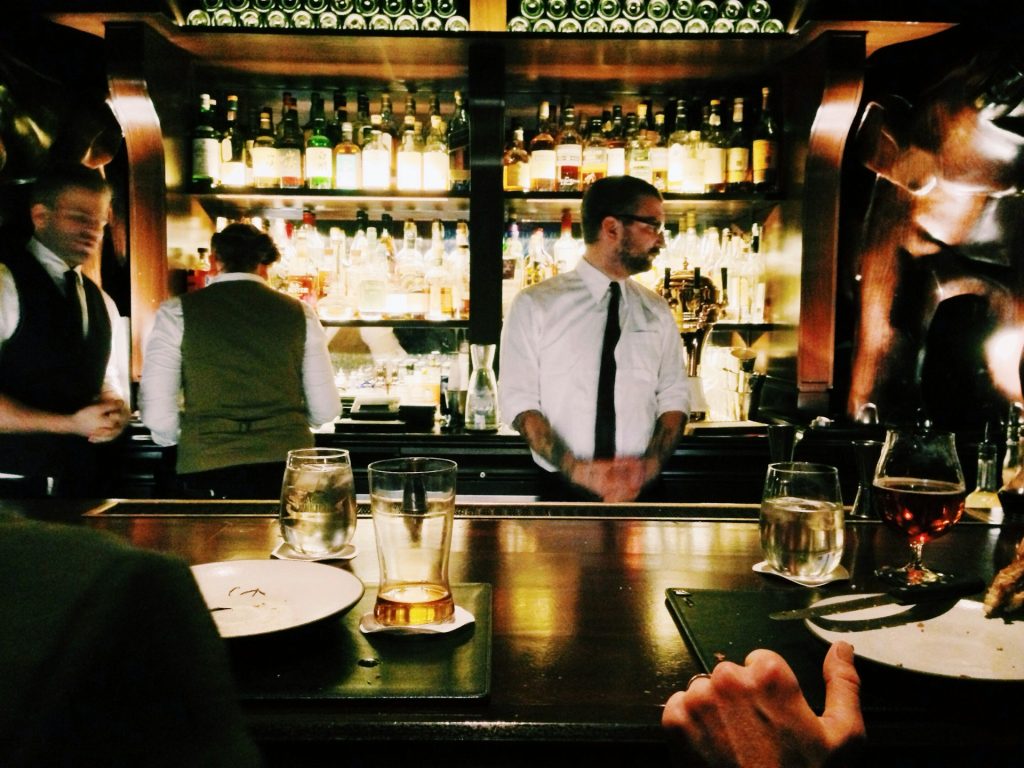
When hotels aren’t at capacity, and restaurants aren’t slammed, the quality of service jumps noticeably. Front desk staff remember your name and preferences.
Concierges have time to give real recommendations instead of handing you a generic list. Tour guides can answer questions without worrying about keeping a large group on schedule.
It’s the difference between being processed and being welcomed.
Save on transportation
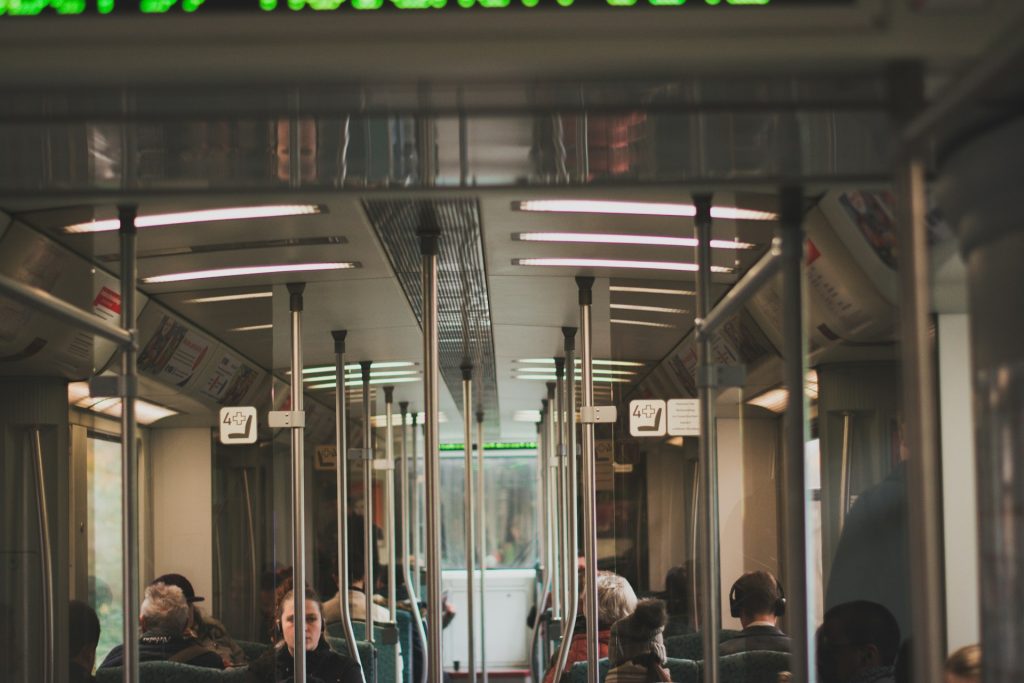
Rental cars get significantly cheaper when demand drops. Flights offer sales to fill empty seats.
Even train travel becomes more affordable and comfortable with fewer passengers competing for space. But the bigger advantage isn’t just price — it’s availability.
Peak season sells out months ahead, leaving you with expensive or inconvenient options. Shoulder season keeps doors open.
Discover off-menu experiences
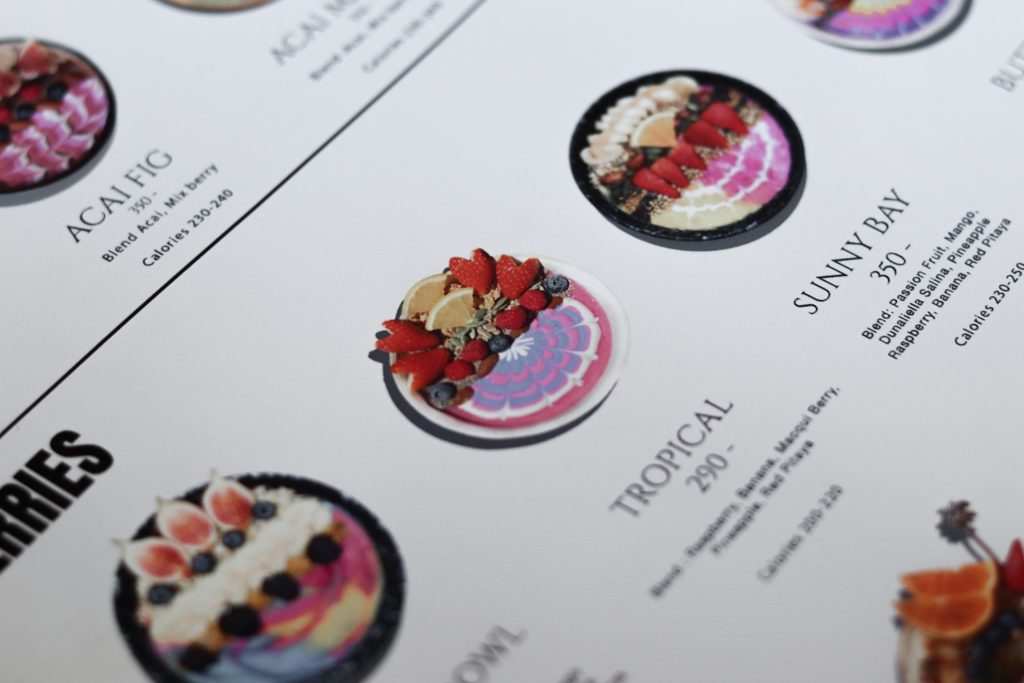
When businesses aren’t running at maximum capacity, they have bandwidth to offer things they can’t manage during busy periods. Restaurants might prepare special dishes that aren’t worth the complexity when they’re slammed.
Hotels offer room upgrades because they have availability. Tour companies create smaller, more personalized experiences instead of cramming everyone into large groups.
These opportunities exist, but only when there’s space for them.
Weather variety creates unique moments

Shoulder season weather isn’t consistent, which most people see as a disadvantage. That’s backwards thinking.
Consistent weather is boring. A sudden afternoon thunderstorm can make a landscape more memorable than weeks of predictable sunshine.
Morning fog lifting off a lake. Unexpected snow dusting a mountain.
The brief golden light between storm clouds. These moments happen more often when weather patterns are transitional.
Explore without reservations
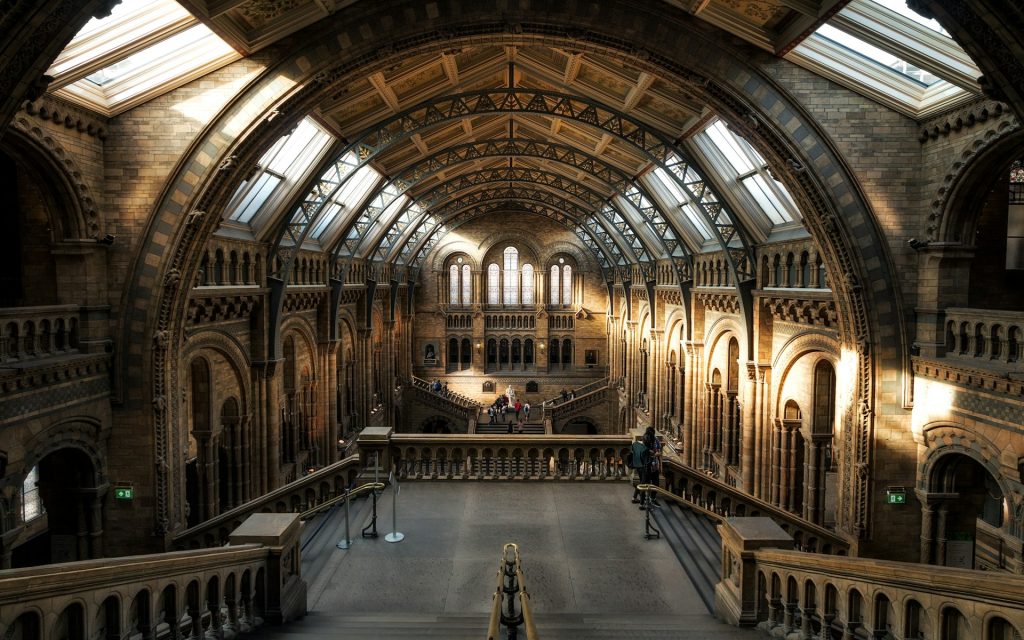
Peak season forces you to plan everything in advance or miss out. Shoulder season brings back spontaneity.
You can decide that morning to visit a museum, try a restaurant, or take a day trip without discovering everything’s booked solid. This flexibility changes how you travel — instead of checking items off a predetermined list, you can follow interesting leads and change plans when something better comes up.
Enjoy shorter lines everywhere
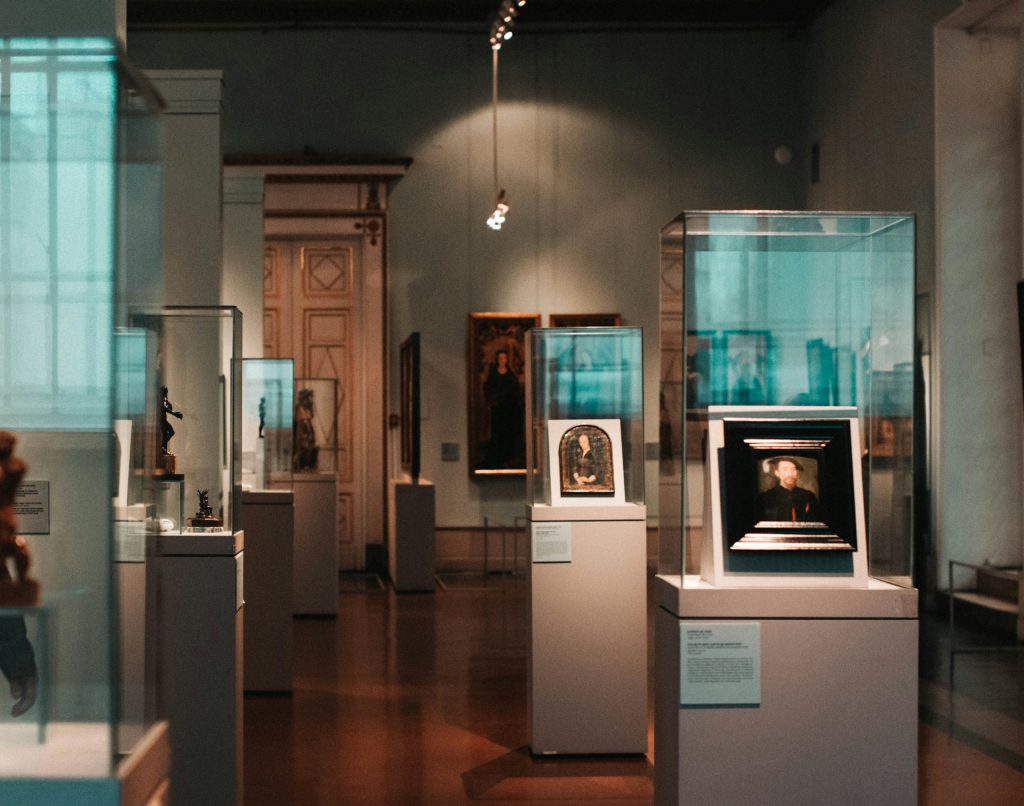
The time you save not waiting in lines during shoulder season adds up to hours of extra vacation. Museums, attractions, restaurants, even airport security moves faster when volume is down.
You spend more time experiencing and less time queuing. That might sound trivial, but standing in line for 45 minutes to see something isn’t seeing it — it’s waiting to see it while your patience runs thin.
Experience authentic local life
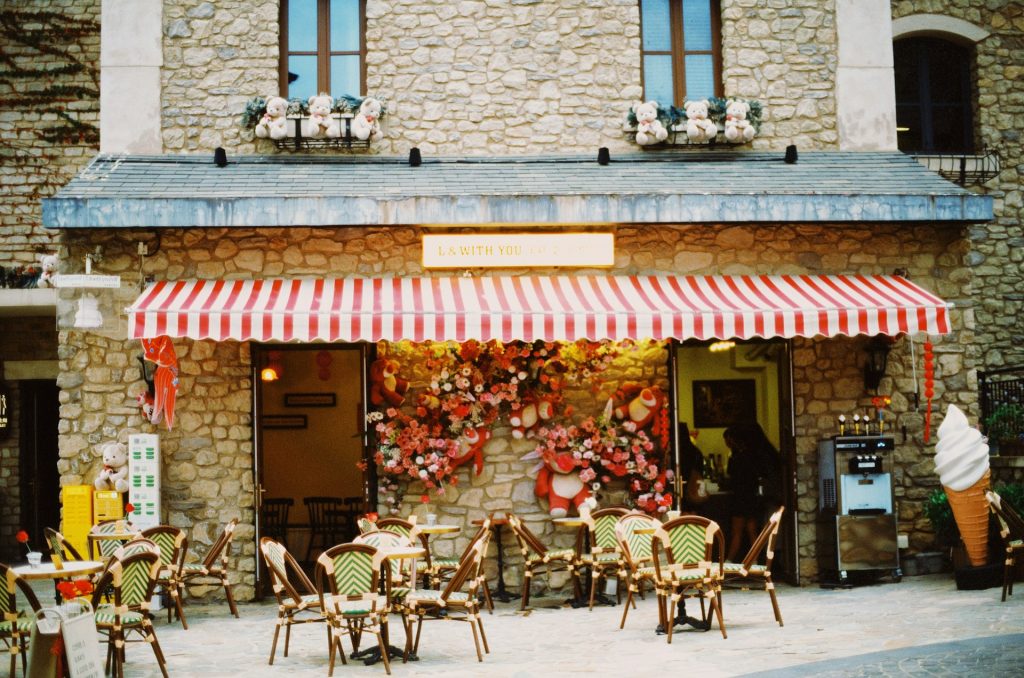
Peak season turns popular destinations into performance spaces where locals play supporting roles in tourists’ vacations. Shoulder season lets places return closer to their normal rhythm.
You see how people actually live rather than how they behave when their town is temporarily invaded. Markets serve locals, not just visitors.
Festivals happen for community reasons, not tourism revenue. It’s a more honest version of wherever you’re visiting.
Take advantage of shoulder season sales
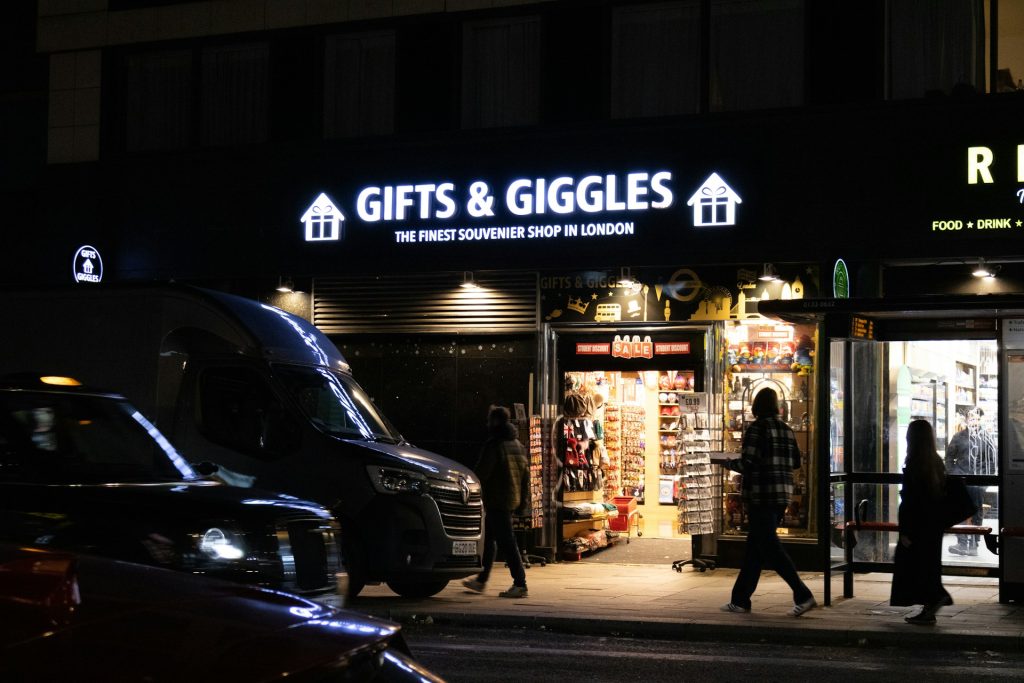
Businesses know shoulder season is slow, so they create incentives to draw visitors. Hotels offer package deals.
Restaurants run specials. Attractions offer discount admission.
Local shops clear inventory between seasons. These aren’t desperate measures — they’re strategic pricing that benefits both sides.
You get better value, and businesses maintain cash flow during slower periods.
Access better accommodations for less
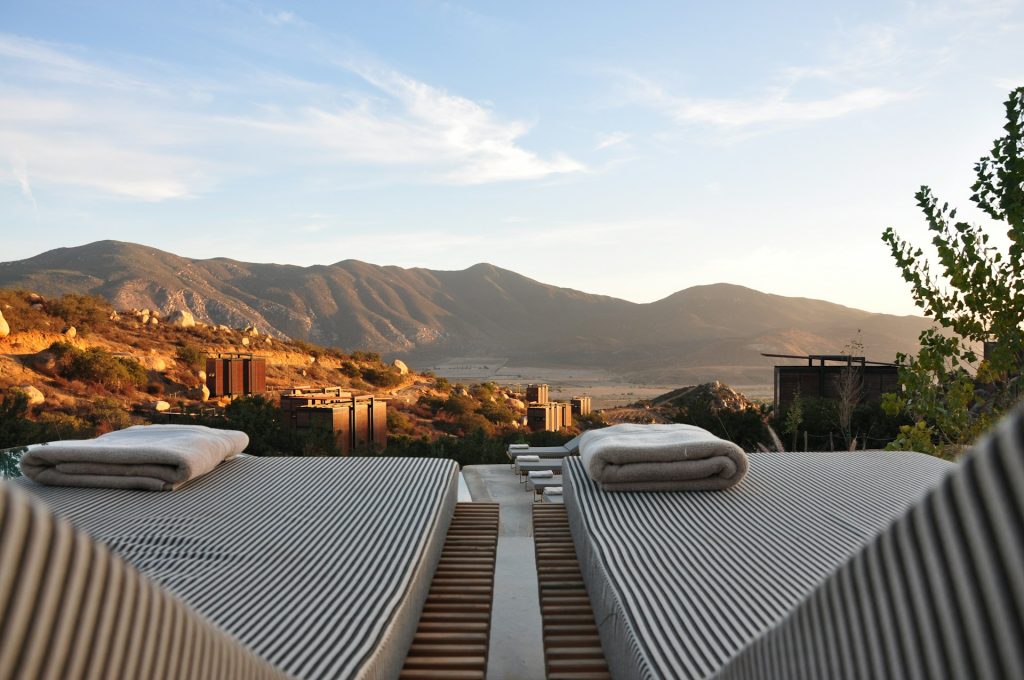
The luxury hotel that’s completely booked at peak rates suddenly has availability at prices that make it affordable. That charming bed and breakfast that’s reserved months ahead has open rooms.
Vacation rentals that command premium prices during high season become reasonable alternatives to chain hotels. Shoulder season doesn’t just save money — it upgrades your options entirely.
Finding your own rhythm

Travel works best when you can move at your own pace rather than the pace the crowds dictate. Shoulder season gives you that freedom back.
The attractions are still there, the restaurants still serve food, the scenery hasn’t gone anywhere — but the frantic energy of peak season disappears. You remember why you wanted to travel in the first place: to see something new, at a speed that lets you actually see it.
More from Travel Pug

- Underrated Italian Towns That Beat the Tourist Crowds
- Las Vegas Tourist Traps to Skip
- Prettiest Towns in Every US State
- 18 passport-free countries for Americans
- Signs Your Cruise Is Not Worth The Cost
Like Travel Pug’s content? Follow us on MSN.