

Every seasoned traveler has witnessed it: the dreaded bag check announcement that brings an entire TSA line to a grinding halt. While some 18.3 million people prepared to navigate airports during recent peak travel periods, many discovered that small oversights can turn a quick security check into a time-consuming ordeal. Here are 16 proven strategies to help you glide through TSA checkpoints with minimal delays.
Get TSA PreCheck
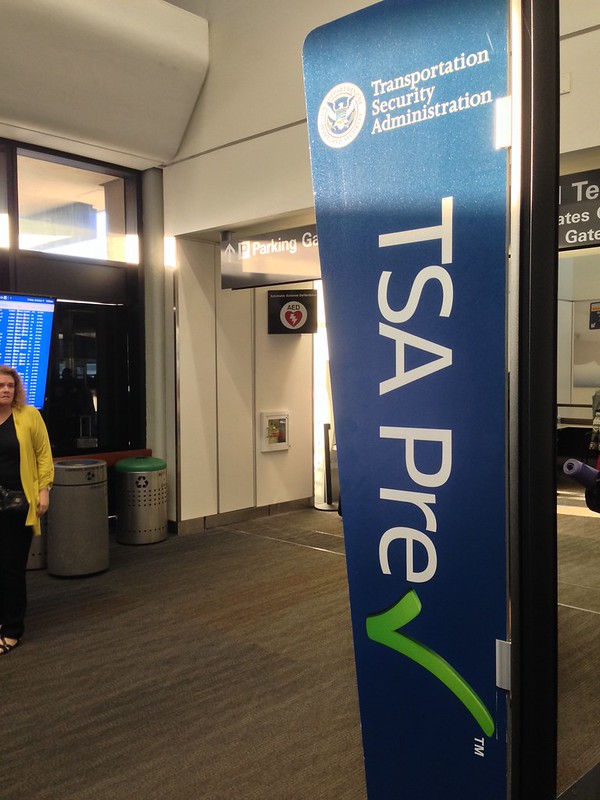
About 99% of TSA PreCheck passengers wait less than 10 minutes, compared to standard lanes that can take 30 minutes or more. The program costs around $78–$85 and lasts five years.
With PreCheck, shoes, belts, and light jackets stay on. Electronics and liquids remain in your bag. But here’s what many don’t realize—even PreCheck members aren’t guaranteed expedited screening every time.
Master the 3-1-1 rule completely
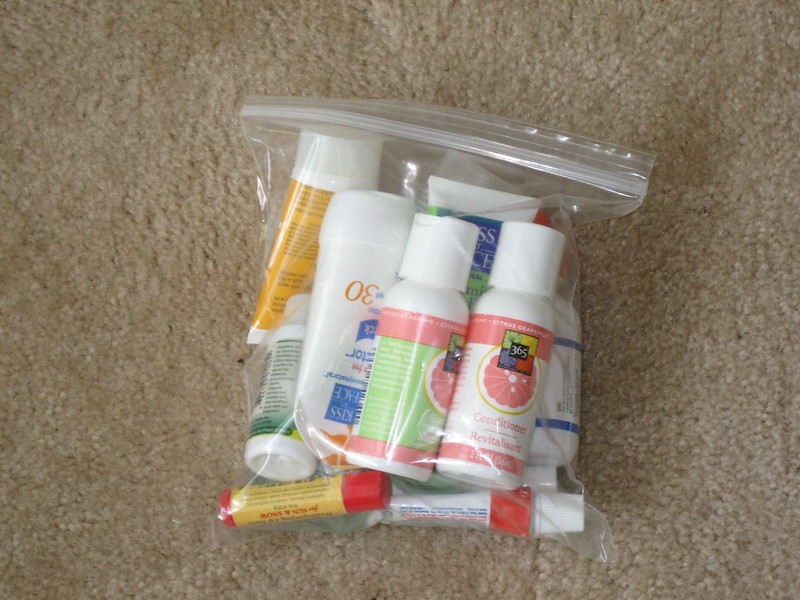
Liquids must be in containers no larger than 3.4 ounces, all containers must fit in one clear quart-sized bag, and each passenger gets only one bag. Simple enough, right?
Wrong. If an item spreads, squeezes, smears, sprays, or pours, it counts as a liquid. This includes peanut butter, hummus, and hair gel.
Pack electronics on top

Large electronics should go on the top layer of your carry-on for screening accessibility. Laptops, tablets, and cameras need quick access during screening.
Still, some airports with newer CT scanning technology don’t require laptop removal. The catch? You won’t know until you arrive.
Arrive genuinely early
— Photo by kumar3332
Plan to arrive at least two hours prior to domestic flights and three hours for international flights. This accounts for parking, terminal navigation, baggage check, and security screening.
Peak travel times can double these recommendations. Not great if you’re catching an early morning flight.
Bring REAL ID compliant identification
You must have a REAL ID-compliant ID to fly by May 7, 2025. Standard driver’s licenses from many states won’t cut it anymore.
Check the TSA website to verify which IDs are acceptable. The last thing you want is to discover your identification doesn’t work while standing in line.
Choose easily removable shoes
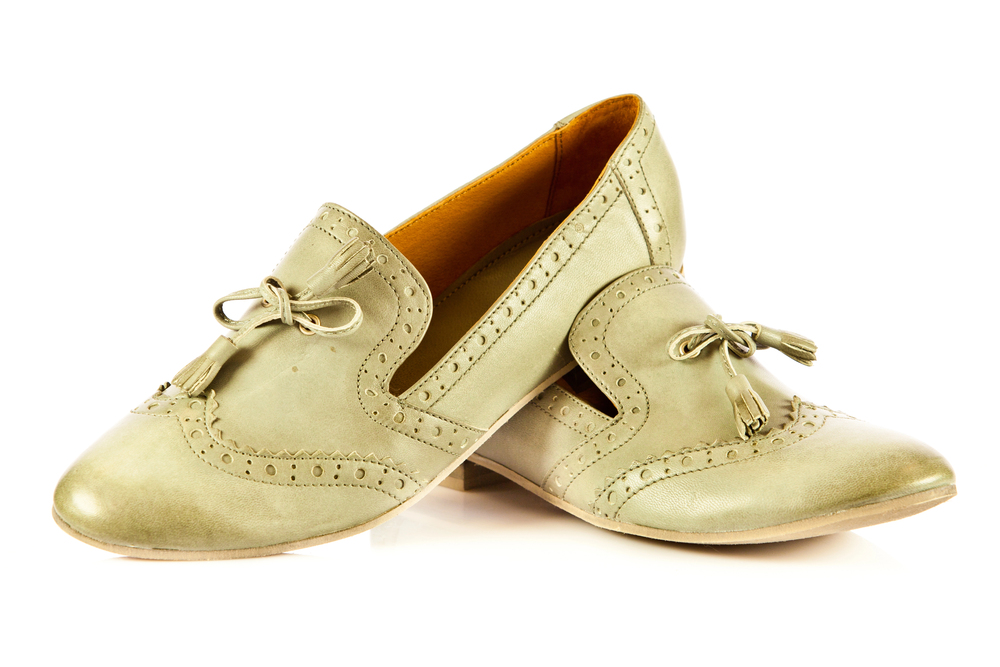
Wear easily removable shoes unless you have TSA PreCheck. Boots with multiple buckles or laces create bottlenecks.
And that fresh coffee aroma wafting through the terminal? Resist the urge to grab a cup right before security—you’ll need both hands free.
Keep liquids accessible
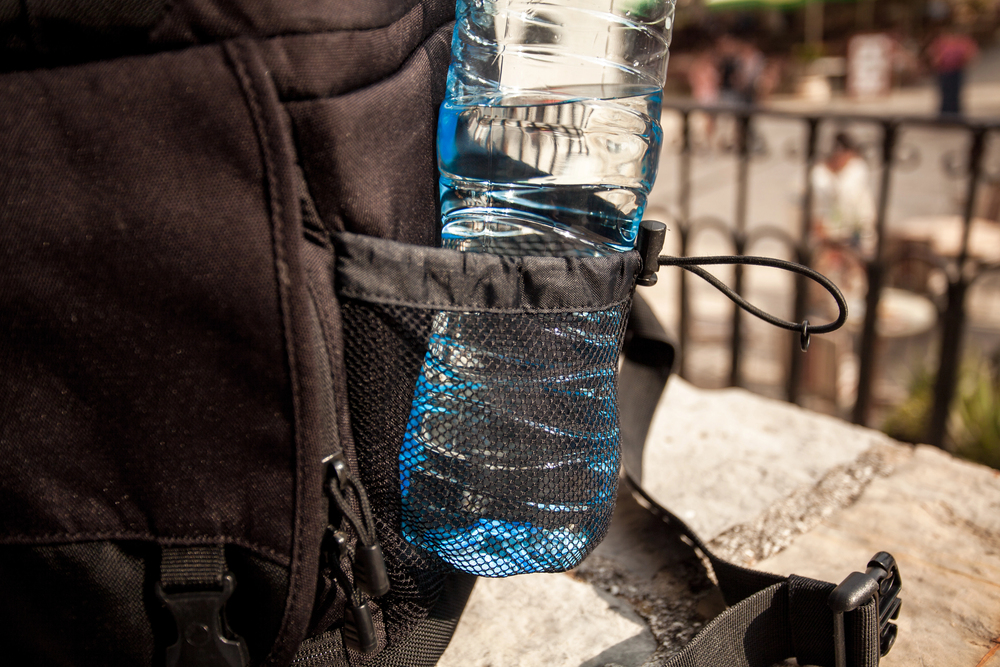
Place your 3-1-1 bag with liquids in the front pocket of your carry-on for accessibility. Security officers need to see these items quickly during screening.
Pack them in a clear, resealable bag that opens and closes easily. Some travelers use freezer bags, which are sturdier than sandwich bags.
Understand CT scanner locations
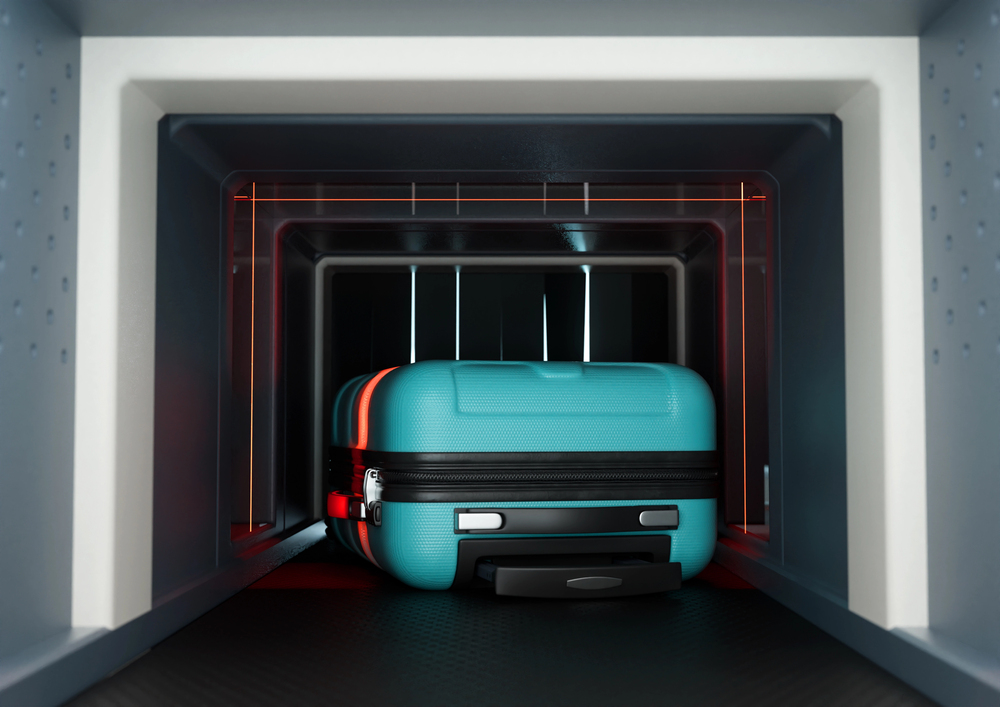
Airports with CT units don’t require you to remove 3-1-1 liquids or laptops, but you must place every carry-on item into a bin for screening. These scanners create 3D images and significantly improve threat detection.
Currently available at major airports including New York, Los Angeles, Las Vegas, Dallas, Chicago, Minneapolis, Miami, Houston, Newark, Seattle, and Atlanta.
Start with an empty bag
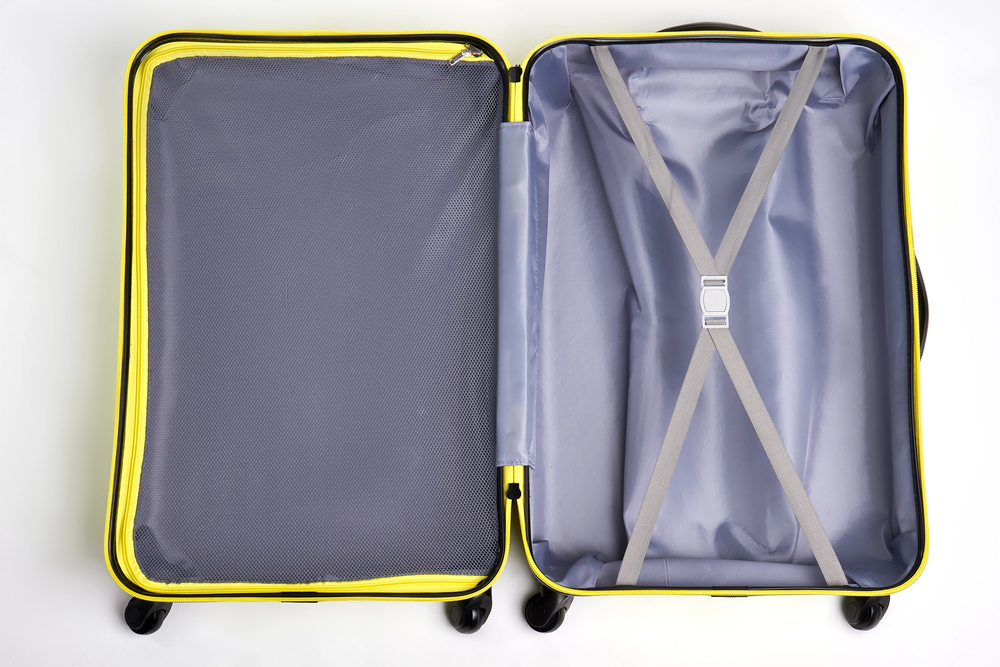
If you pack starting with an empty bag, you’re less likely to bring prohibited items to the checkpoint. This simple habit prevents most security delays.
Check the “What Can I Bring?” webpage before packing. Could be worse—at least you’re not the person trying to bring a full-sized shampoo bottle.
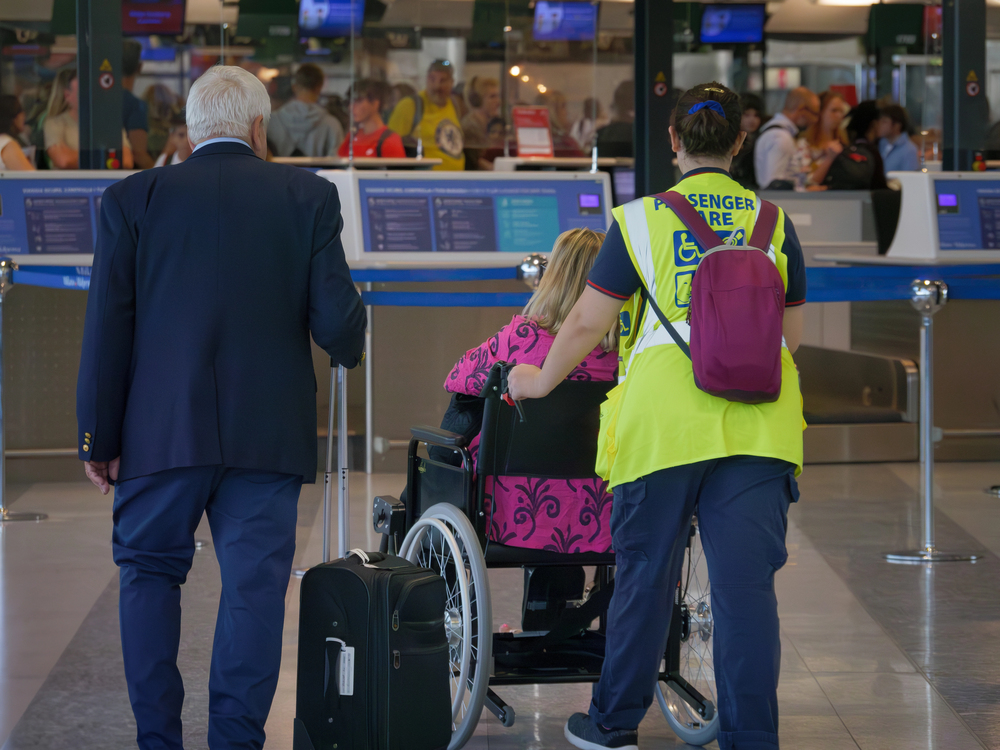
Request passenger assistance when needed
— Photo by giorgiorossi73
Call TSA Cares at (855) 787-2227 at least 72 hours before your trip if you need additional assistance. Passenger Support Specialists receive specialized training for travelers with disabilities or medical conditions.
Organize medical supplies separately

Medications exceeding 3.4 ounces are allowed but require separate screening. Remove them from your carry-on and place them in a bin for inspection.
If you have an insulin pump or glucose monitor attached to your body, inform officers before screening begins. You may need to conduct a self-pat-down of the device.
Pack prohibited items correctly
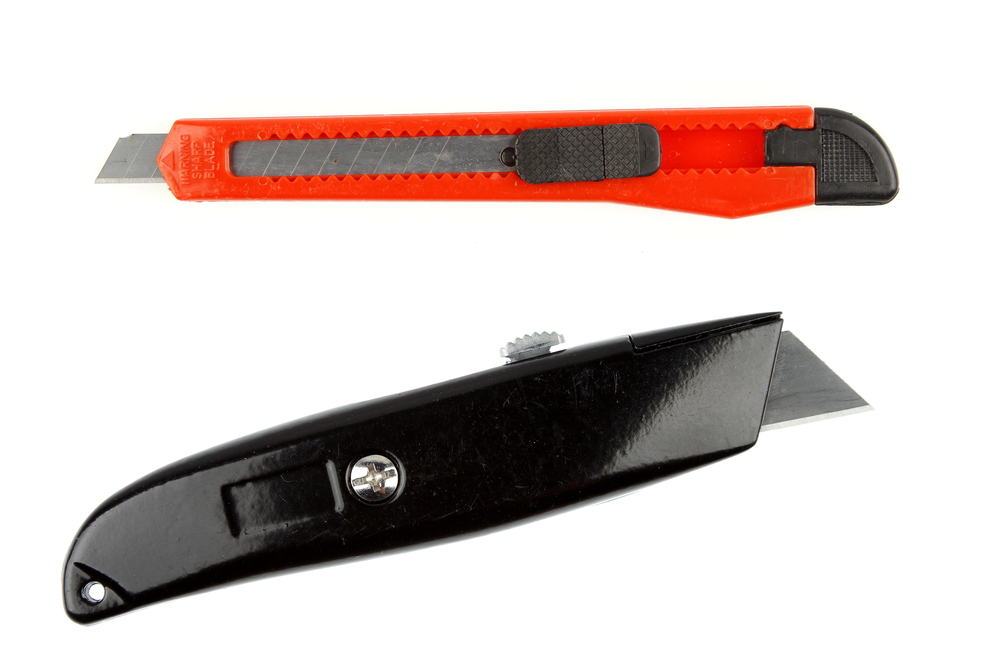
• Box cutters, utility knives, and loose razor blades go in checked luggage only
• Firearms must be properly packed in hard-sided, locked cases in checked baggage
• All fireworks are prohibited in both carry-on and checked bags
Bringing a firearm to security, even accidentally, can result in civil penalties up to $15,000.
Use automated screening lanes
— Photo by Mark Heider
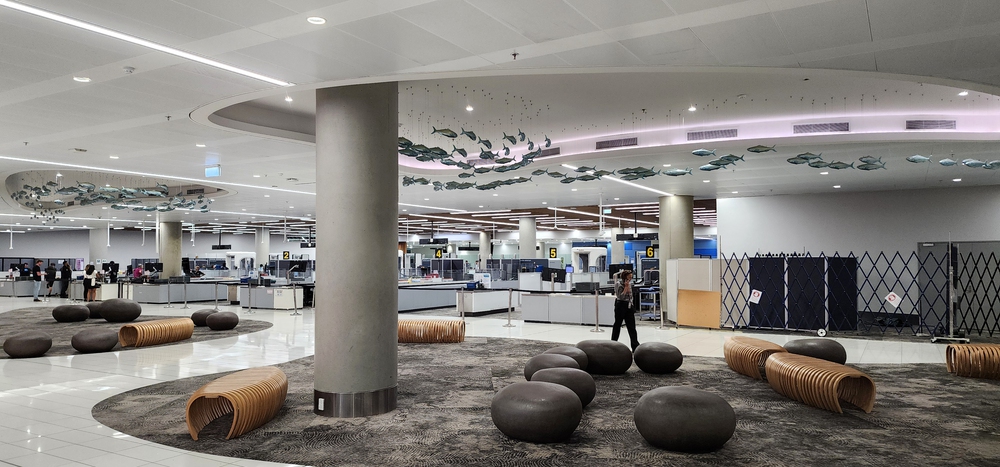
Automated Screening Lanes enhance security efficiency while decreasing screening time. These state-of-the-art checkpoints allow multiple travelers to prepare simultaneously.
But they’re not everywhere yet. Look for them at major hubs.
Follow liquid exemption rules
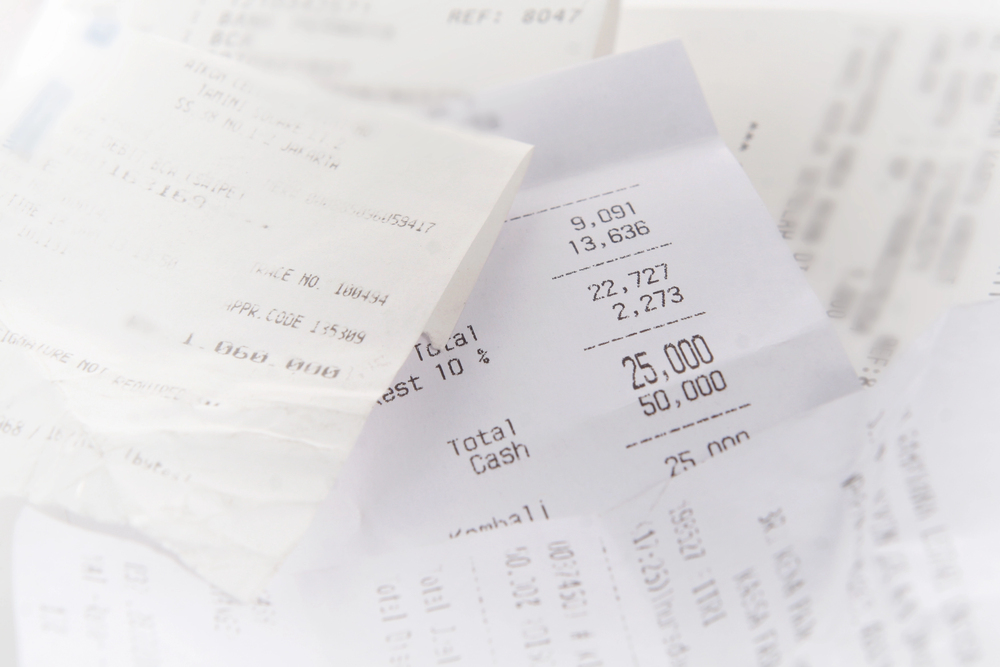
Breast milk, formula, and medically necessary liquids can exceed 3.4 ounces but require additional screening. Duty-free liquids purchased within 48 hours are also exempt if they’re in sealed, tamper-evident bags.
Keep receipts for duty-free purchases. Officers need proof of recent purchase.
Use TSA communication channels
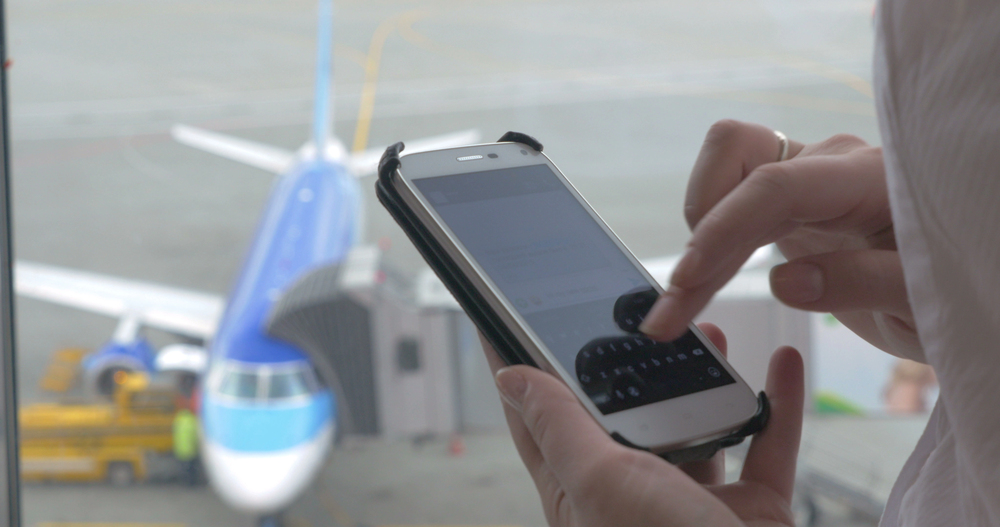
Text “Travel” to AskTSA (275-872) for real-time assistance, or reach out through @AskTSA on social media. An automated virtual assistant operates 24/7.
The TSA Contact Center at (866) 289-9673 provides additional support. Sometimes talking to a human helps clarify confusing situations.
Show patience and respect

Pack an extra dose of patience, especially during high travel volumes, and show gratitude to TSA personnel working to ensure safe travel. Violence and unruly behavior create significant delays for everyone.
Follow instructions from Transportation Security Officers during screening. They’re doing their jobs, often under challenging circumstances.
The bottom line

These strategies won’t guarantee lightning-fast security checks—TSA uses unpredictable measures throughout airports—but they significantly increase your odds of smooth sailing. Smart preparation beats hoping for the best every single time.
More from Travel Pug

- 20 Best Beach Towns in the Carolinas
- 13 Destinations Where Tourists Regularly Regret Their Trip
- 20 Things You Actually Get in First Class
- 20 Small Airports With Aviation Museums
- 20 Places in the U.S. That Are Perfect for a Reset Trip
Like Travel Pug’s content? Follow us on MSN.