

While millions of tourists flock to Santorini and Mykonos each summer, Greece harbors dozens of forgotten villages where life moves at the pace of centuries past. Here’s a list of 19 authentic Greek villages where travelers can experience the true rhythm of traditional life, far from the crowds and Instagram queues.
Zagora

This prosperous village spreads across a green slope overlooking the Aegean Sea on Mount Pelion, built at 500 meters elevation with houses made mostly of wood and stone. Four districts correspond to four main churches, each with its own character and ancient stories.
The Public Historic Library of Zagora, founded in 1762, houses about 3,500 old and rare books. Walking the village squares feels like stepping into a living museum. The smell of fresh apples drifts from nearby orchards—Zagora’s agricultural cooperative has been marketing local apples since 1916.
Apiranthos
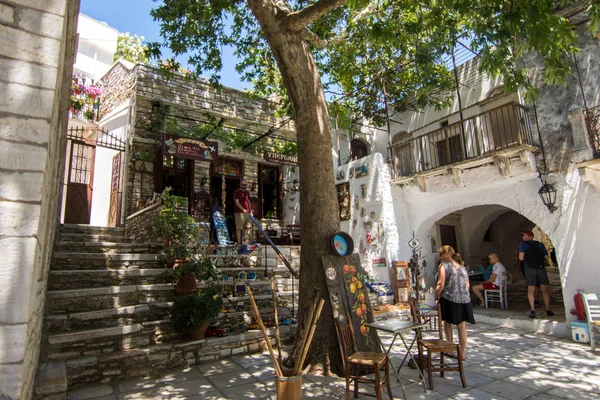
This marble village on Naxos clings to the mountainside like a white bird perched on stone cliffs. Apiranthos is one of the main villages on Naxos, known for its traditional character. The old men still speak Venetian phrases passed down through generations.
Narrow alleys wind between houses built entirely from local marble. Three small museums showcase everything from geology to folklore. Not great for rushing through—this place demands slow wandering.
Papingo
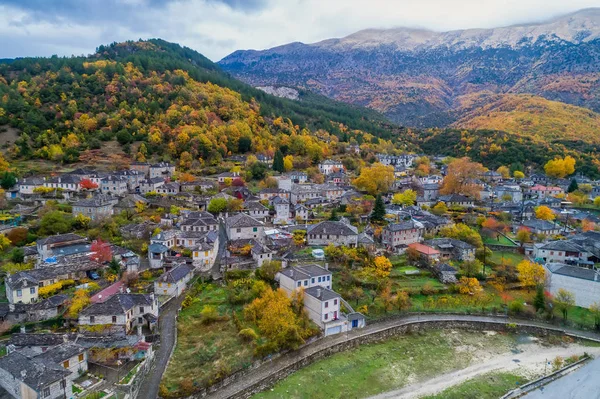
In the Zagorochoria region of northwestern Greece, Papingo exemplifies traditional stone homes built to withstand harsh mountain winters, with thick walls and slate roofs. The twin villages of Megalo and Mikro Papingo seem carved from the landscape itself.
Ancient stone bridges arch over rushing streams. The Vikos Gorge, featuring Eocene limestone and Jurassic rocks, creates a tough and magnificent landscape around the villages. Dragon Pool, a natural alpine pool, lies hidden in the mountains above—worth the two-hour hike.
Tsagarada
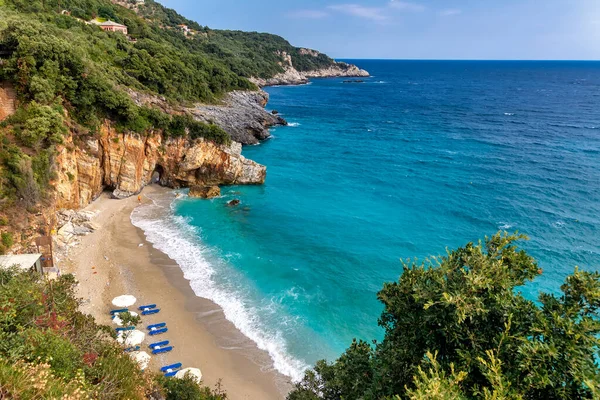
Tsagarada is located on the east side of Mount Pelion, where visitors can sip coffee at Agia Paraskevi square by a huge plane tree believed to be a millennium old. Four neighborhoods cascade down forested slopes toward secret beaches.
The village bakery still fires its ovens with chestnut wood. Dense forests of beech and oak surround traditional mansions with ornate wooden balconies. Every corner reveals another hidden church or forgotten fountain.
Lefkes
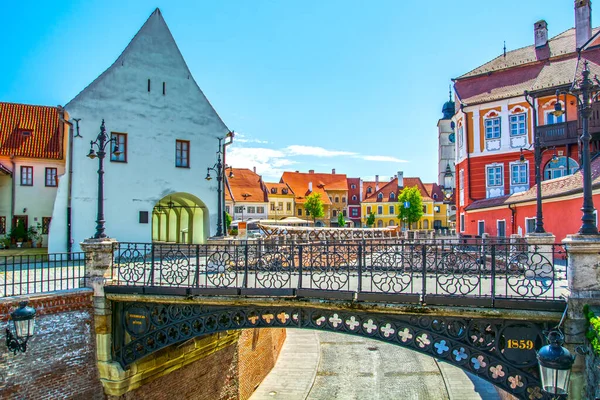
This hilltop village on Paros boasts narrow, marble-paved streets and traditional whitewashed houses adorned with blooming bougainvillea. Built on a verdant hilltop covered with pine trees, Lefkes served as Paros’s original capital during the Middle Ages.
The Byzantine Road, a 3.5-kilometer footpath dating back to the Byzantine era and paved with Parian marble, winds through olive groves. The Church of Agia Triada showcases beautiful Byzantine architecture. Still no ATM in the village—cash only.
Makrinitsa
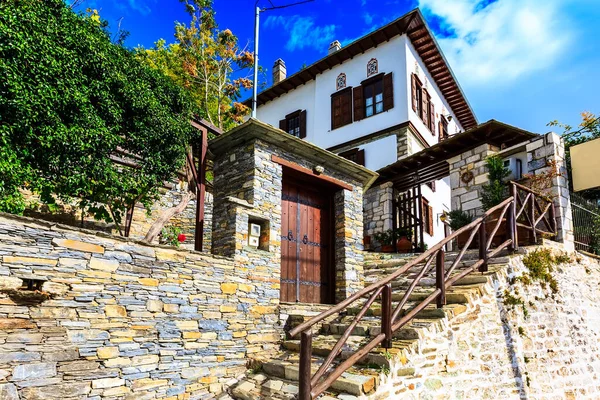
Perched gracefully on the verdant slopes of Mount Pelion, Makrinitsa is often called the “balcony village” due to its breathtaking panoramic views over Volos and the Pagasetic Gulf. Stone-built mansions known as “archontika” date back to the 18th and 19th centuries.
Traditional mansions feature intricately carved wooden balconies, slate roofs, and ornate stonework, reflecting the prosperity of their original inhabitants. The central square buzzes with the sound of water from an elaborate fountain. Coffee here tastes better when drunk while gazing at the endless blue below.
Koronos
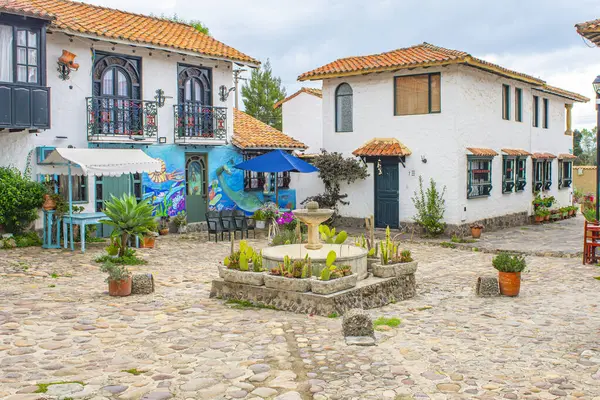
This traditional Naxian village sits less than 20 miles from Naxos Town, with a dramatic mountaintop setting and delightfully shabby steep narrow streets offering a peek into traditional Naxian life. Locals are friendly, but English speakers remain sparse.
The Church of Panagia Agrokiliotissa deserves a visit. If you’re looking for an authentic village experience away from hotels and tourists, Koronos is a perfect choice. Elderly women still weave on traditional looms in doorways.
Milies
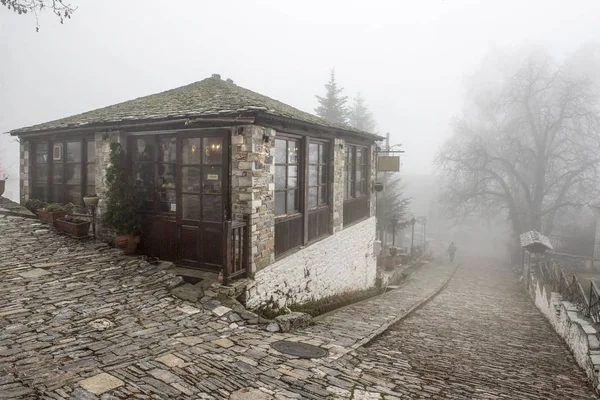
Milies’ history and fame connect with Moutzouris, the picturesque 19th-century steam train that starts at Ano Lechonia Village and ends at Milies, traversing beautiful, lush forest. The village square centers around an 18th-century church with remarkable post-Byzantine icons.
Local ladies prepare quality jams and handmade pasta. The old railway station has been converted into a charming café. And yes, the train still runs from spring to early autumn—perfect for car-free travelers.
Vikos
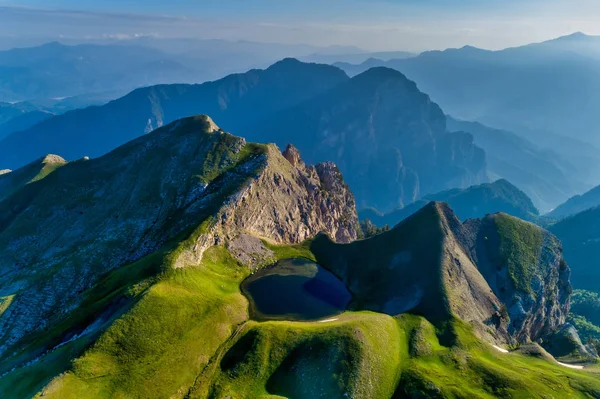
Deep in the Zagori region, Vikos village sits at the edge of one of the world’s deepest gorges relative to its width. Vikos Gorge features steep sides that remind visitors of the Grand Canyon, making it a top place for enjoying natural beauty and adventure in Greece.
Stone houses seem to grow from the clifftops. Local tavernas serve hearty mountain fare:
- Wild greens foraged from the gorge
- Slow-cooked lamb with local herbs
- Homemade cheese from village goats
- Tsipouro distilled in copper stills
The silence here can be overwhelming for city dwellers.
Nymfaio
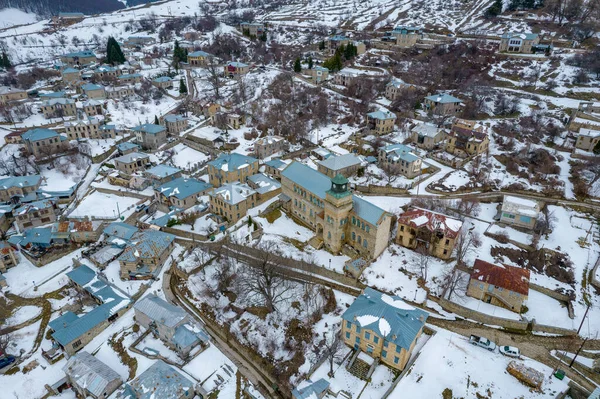
Nymfaio has been voted one of the 10 most beautiful villages in all of Europe, with aristocratic, traditionally Vlach mansions built between the 17th and 19th centuries. Snow blankets the entire village in winter when locals cross-country ski to get around.
The Arcturos Bear Sanctuary sits on the edge of Nymfaio in thick birch forest, where nearly 20 brown bears live and can sometimes be glimpsed through the fence. Several mansions have been converted into impossibly charming guesthouses.
Kalarrites
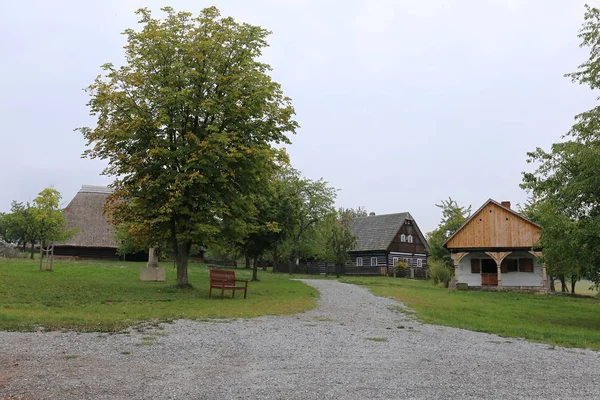
Kalarrites is one of two lovely stone-built villages in the Arta region whose distinctive character is protected by law, even the roofs made out of layered rock. This gravity-defying settlement clings to mountainsides above the Arachtos River.
Traditional silversmithing workshops still operate here. The village was heavily damaged during WWII but rebuilt using traditional methods. Stone staircases replace streets in many areas.
Aristi
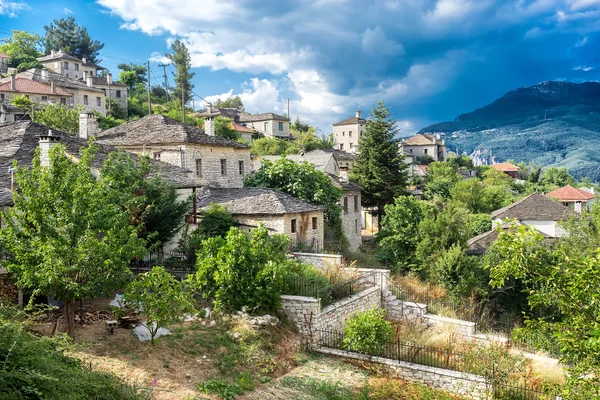
The village of Aristi sits among 46 villages in the Zagori region that value eco-friendly tourism. Ancient stone paths connect neighboring settlements through primeval forests.
The Aristi Mountain Resort leads in sustainable tourism practices, using local materials and supporting traditional crafts. Village festivals celebrate music, dance, and food during the summer months. Local farms offer hands-on experiences with traditional Greek cooking.
Dimitsana
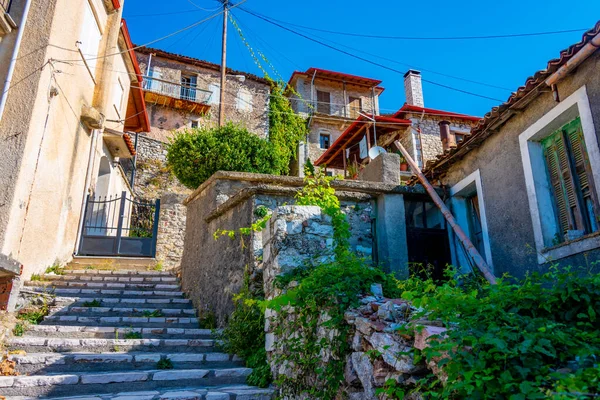
This hillside town in the Peloponnese cascades down a mountainside like a stone waterfall. Traditional architecture blends seamlessly with the rocky landscape. The old gunpowder mills tell stories of the Greek Revolution.
A folklore museum displays traditional crafts and costumes. Multiple hiking trails lead to hidden monasteries and natural springs. The scent of wild thyme fills the mountain air during spring.
Kissos
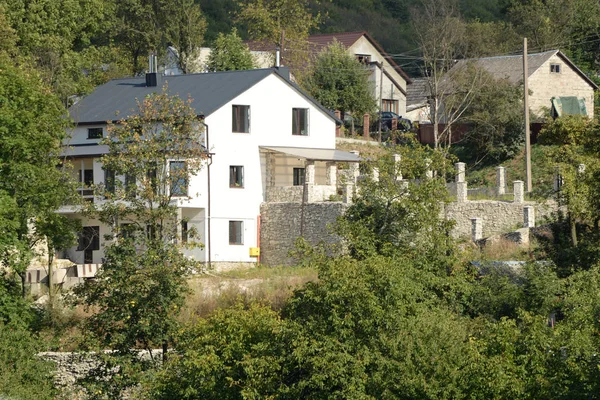
Driving approximately 8 miles from Volos, visitors reach the serene, lush-green village of Kissos, which has great taverns with local recipes such as spetzofai and freshly collected greeneries. The Basilica of Agia Marina on the main square is one of the most beautiful churches in Greece, famed for its masterpiece gilded, wood-carved temple of linden wood, unique in Greece.
Rare frescoes inside the church include one depicting God as a venerable old man. Village cats lounge beneath ancient plane trees while locals play backgammon.
Galaxidi
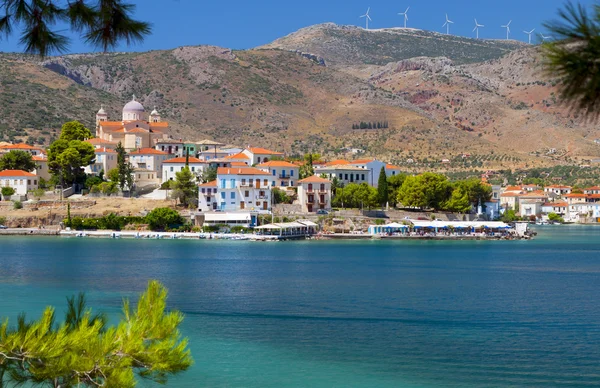
A prosperous shipbuilding town in the 19th century, Galaxidi was home to wealthy marine merchants whose Neoclassical mansions make it one of the prettiest places on the Gulf of Corinth. The harbor still echoes with maritime history.
If you come on Clean Monday, the first day of Orthodox Lent, there’s an unforgettable, colorful flour fight in the main square where travelers are welcome to join and hurl vibrantly dyed flour at locals and other tourists. But most days, it’s perfectly peaceful.
Kardamyli
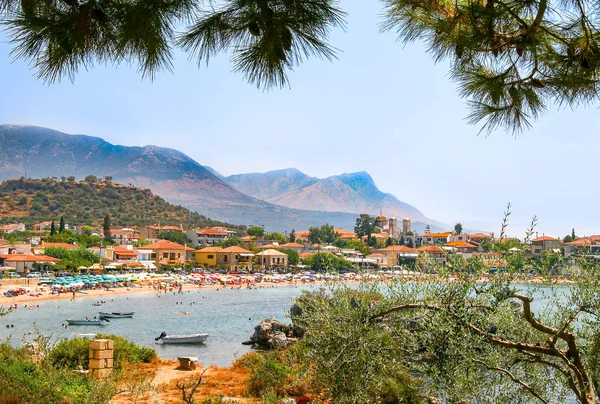
Kardamyli is a beautiful little village on the Peloponnese coast where locals speak some English and are notably friendly. Ancient towers and Byzantine churches dot the surrounding hills.
The village became famous through Patrick Leigh Fermor’s writing about the Mani Peninsula. Stone houses cluster around a small harbor where fishing boats bob gently. Olive groves stretch inland toward mountains.
Agios Lavrentios
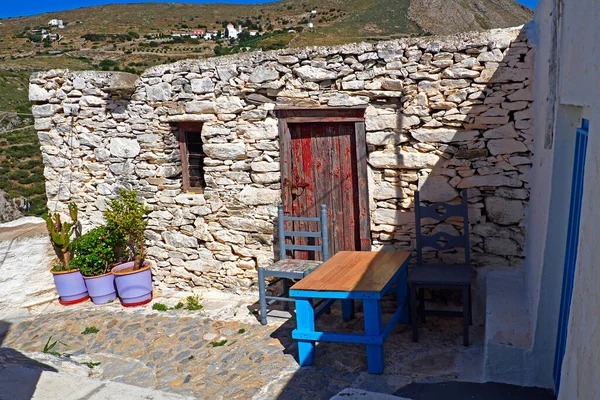
Nestled on Mount Pelion, Agios Lavrentios is a serene village with cobblestone streets and traditional mansions creating a harmonious blend of nature and architecture. Chestnut forests surround the settlement.
Traditional architecture remains beautifully preserved. Village fountains provide fresh mountain water. Local tavernas serve dishes made with ingredients foraged from surrounding forests. Time moves differently here.
Archanes
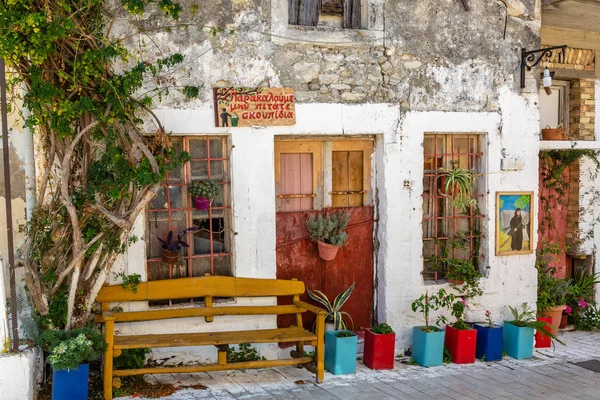
Archanes, a vibrant Cretan village near Heraklion, captivates with colorful houses, ancient finds, and lush surroundings, recognized as one of Greece’s most beautiful villages. Museums and Byzantine churches fill the lively streets.
Hike the sacred Mount Juktas, said to resemble a sleeping Zeus, or follow the European E4 path through gorges and forests. This award-winning village offers a perfect mix of history, nature, and authentic Cretan hospitality.
Molyvos
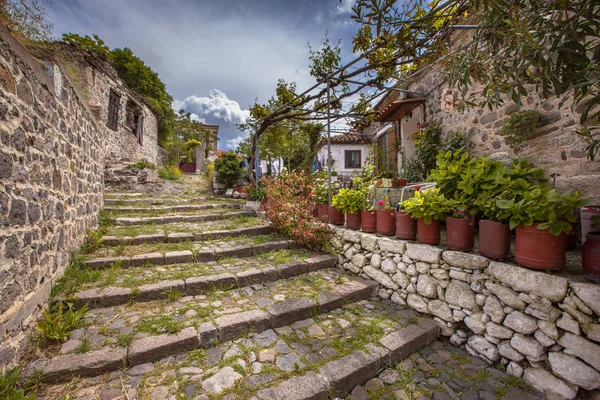
Molyvos inspires with its unique charm, imposing fortress, picturesque harbor full of fishing boats and taverns, famous cobbled alleyways shaded by dominant wisteria, traditional market, mansions, and old fountains. The Byzantine Castle overlooks the settlement.
About 2.5 miles northeast of Molyvos lies Eftalou, a summer resort with wonderful beaches and an endless view over Asia Minor. The village maintains vibrant cultural traditions with local festivals and authentic crafts.
Finding your rhythm

These villages exist outside tourist time zones, where conversations happen over unhurried coffee and meals stretch late into starlit evenings. Choose slowly, stay longer, and let Greece’s authentic rhythm reshape your own.
More from Travel Pug

- Underrated Italian Towns That Beat the Tourist Crowds
- Las Vegas Tourist Traps to Skip
- Prettiest Towns in Every US State
- 18 passport-free countries for Americans
- Signs Your Cruise Is Not Worth The Cost
Like Travel Pug’s content? Follow us on MSN.