

Since 1903, French mountains have been more than mere obstacles—they’ve been the stage for cycling’s greatest dramas, heartbreaks, and triumphs. From tragic deaths that shocked the world to legendary battles that still inspire riders today, these peaks hold secrets that transform riders into legends.
Here are the eighteen French mountains where Tour de France history was written in sweat, tears, and sometimes blood.
Mont Ventoux
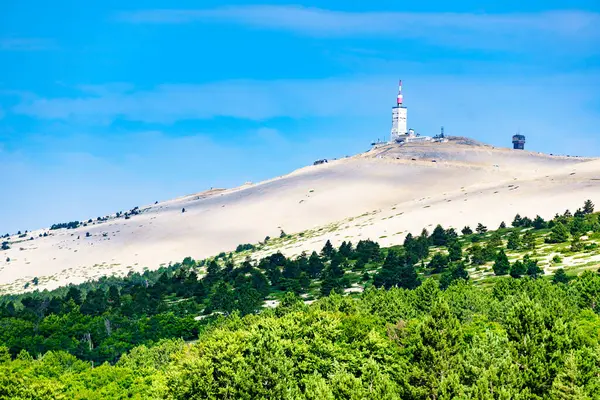
The Giant of Provence stands alone. Not metaphorically—literally alone, rising from the flatlands like a lunar monument. Tom Simpson died here in 1967, collapsing on the barren slopes while spectators pried his hands from the handlebars. His memorial sits 700 meters from the summit, where cycling pilgrims leave bottles and caps.
Despite only appearing 16 times in Tour history, Ventoux commands more respect than mountains climbed twice as often. The Mistral winds can hit 300 kilometers per hour. But it’s the psychological warfare that breaks riders—seeing that endless white summit for 20 brutal kilometers.
Col du Tourmalet
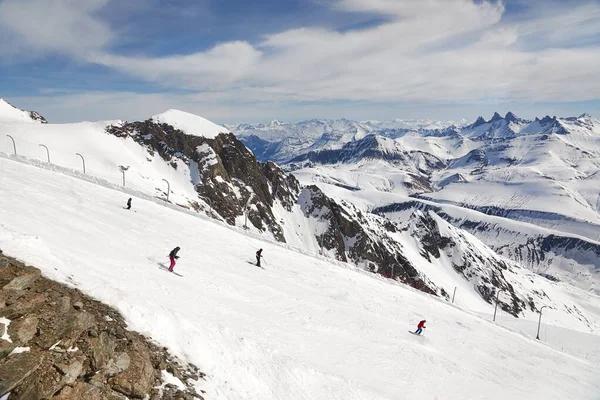
The most visited mountain in Tour history with 87 appearances, yet still nicknamed “the Queen of the Pyrenees”. In 1910, Octave Lapize became the first rider over the summit and famously shouted at race organizers: “You are assassins!” A giant statue of Lapize now stands at the summit, gazing toward the stars.
Race founder Henri Desgrange hyped the danger, doubting anyone would make it up alive. The south face from Luz-Saint-Sauveur stretches 19 kilometers. Still an assassin.
Alpe d’Huez
Twenty-one hairpin bends. Each one is numbered and named after a stage winner. In 1952, only a handful of fans attended the first Tour stage here. Now, 500,000 people gather along the climb, arriving days early to claim their spot.
And the Dutch. Corner seven belongs to them, painted orange every July. The mountain’s 8.1% average grade sounds gentle until you’re grinding through hairpin fifteen with lungs screaming. Dutch cycling fans camp in Bourg d’Oisans all season, waiting for their moment.
Col du Galibier
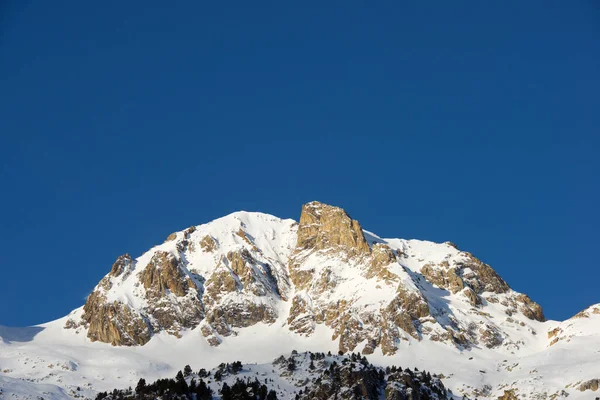
Henri Desgrange eulogized this climb in 1911: “Oh Sappey, oh Laffrey, oh Bayard, oh Tourmalet! I will not shirk from my duty in proclaiming that compared to the Galibier you are no more than pale and vulgar babies”. The Tour founder had a point. At 2,645 meters, it hosted the highest finish in Tour history.
The first rider to earn the Henri Desgrange prize has a memorial dedicated to the Tour’s founder near the summit. Twenty-two kilometers via the Col du Télégraphe. The tunnel at the top opened in 1891 and still terrifies riders.
Col d’Aubisque
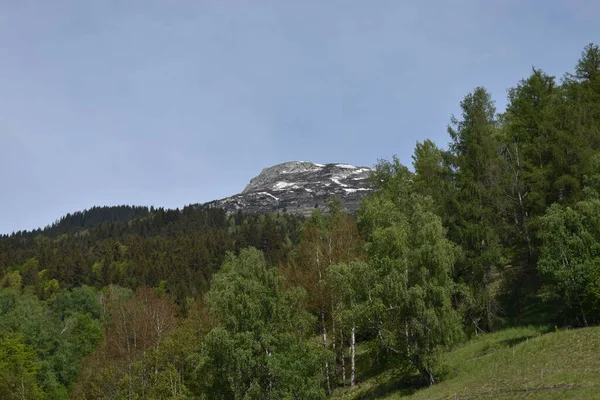
Part of the original 1910 “Circle of Death” that nearly killed the Tour before it started. The descent from Eaux Bonnes toward Col du Soulor remains dangerous—a narrow road, sheer cliffs. In 1951, Wim van Est, leading the Tour in yellow, crashed over the cliff but survived thanks to his teammates’ tire inner tubes, which they tied together to pull him up.
Van Est’s Pontiac team car still carries the dent from that rescue. The Dutchman never won the Tour, but he gave cycling one of its greatest survival stories.
Col d’Aspin
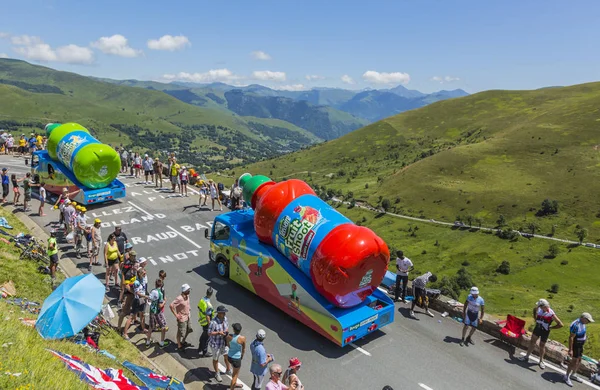
Climbed 71 times by the Tour, making it one of the most frequent ascents. But its fame comes from one broken fork. Eugene Christophe led the 1913 Tour when his front fork snapped on the descent. He walked 10 kilometers to the village blacksmith in Sainte-Marie-de-Campan and fixed it himself—race rules demanded no outside help.
Col de Peyresourde
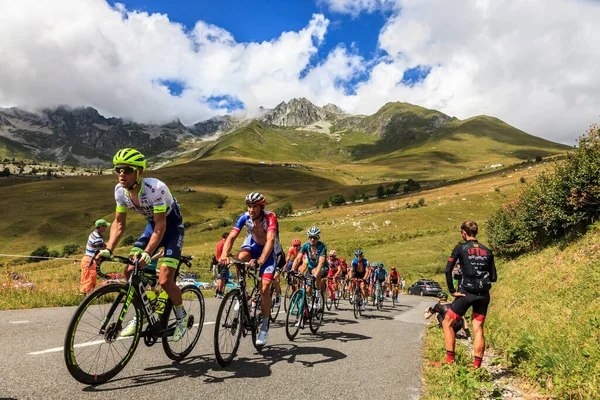
Former Tour director Jean-Marie Leblanc described this climb perfectly: “This climb makes you want to lie down and sleep in the grass, next to the sheep and cows”. The moss-covered Alpine pastures create an almost fairy-tale setting.
Its irregular incline, with 12% stretches and frequent wind gusts, makes this more delicate than the numbers suggest. Climbed 65 times, the Peyresourde has ended more Tour dreams than its gentle appearance suggests.
Col de la Madeleine
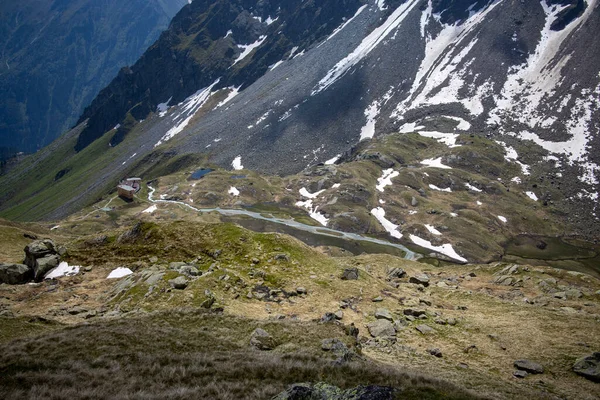
“Beautiful, but heartbreaking”—the official description doesn’t lie. Twenty-five kilometers north and 19 kilometers south, both sides are punishing. The frequent changes in gradient torture riders’ legs, and there’s a sign reading “2000m” at the summit, even though it’s 1,993 meters.
Richard Virenque won here three times. In 1997, he attacked alone from Le Bourg-d’Oisans, caught the leaders at the summit with just 22 seconds, then waited for them before launching again toward Courchevel.
Col de l’Iseran
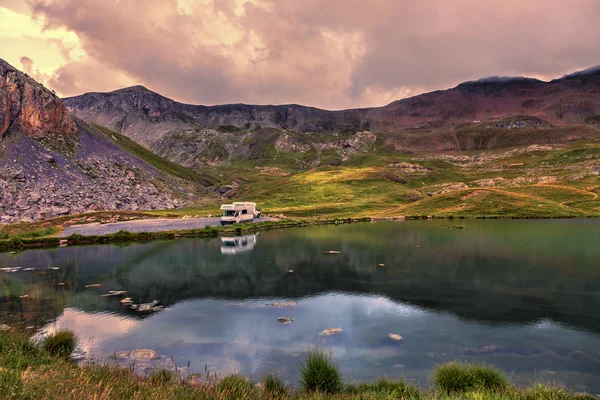
At 2,770 meters, the highest paved mountain pass in the Alps. First included in the 1938 Tour, it represented Henri Desgrange’s relentless pursuit of higher, more difficult routes. The 2019 stage was stopped here due to hailstorms and mudslides—nature still trumps the Tour.
Professional teams send reconnaissance riders weeks early to check snow conditions. Even in July, the weather can shut down the pass in minutes.
Col de la Bonette
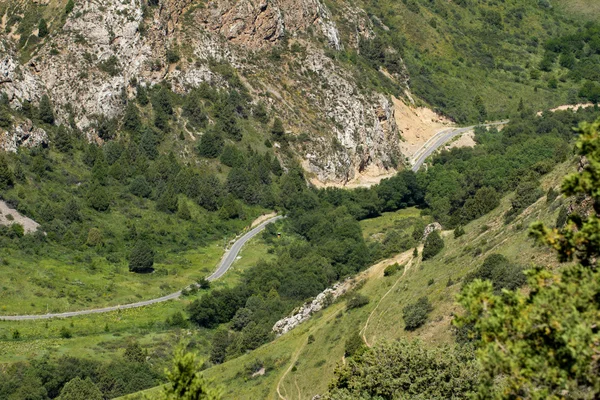
The highest point ever reached by the Tour de France is 2,802 meters. Only used four times. The climb extends over 40 kilometers, necessitating careful time management due to the hazardous Italian motorcycles that treat the pass like a racetrack on weekends.
Jon-Lee Augustyn reached the summit first in 2008. The Cime loop adds extra elevation for bragging rights. Cycling through snow walls in summer feels surreal.
Col du Granon
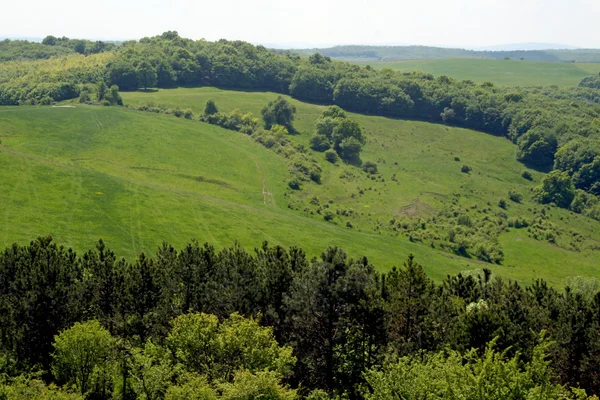
At 7,917 feet, the seventh-highest road col in France. Only appeared twice in Tour history—1986 and 2022. Both times changed everything. Greg LeMond put three minutes into Bernard Hinault here in 1986, sealing his grip on yellow. In 2022, Tadej Pogačar cracked, losing time to Jonas Vingegaard.
Mile after mile of 10% gradients. No reprieve. Only one side is tarmacked, the other remains gravel.
Plateau de Beille
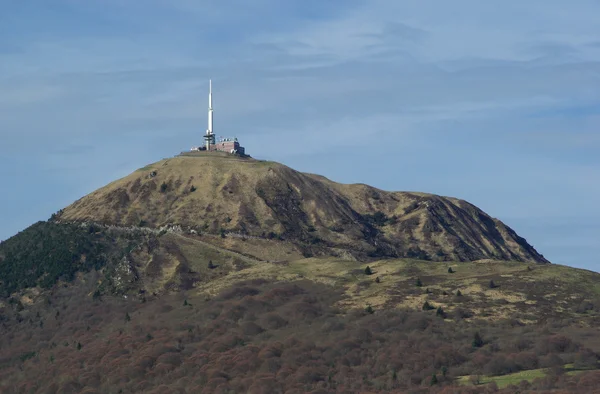
“For amateurs, this mountain is a horror”. Sixteen kilometers at 7.9% average, continuously above 7% with little room to recover. Four Tour stage finishes have produced three overall Tour winners: Marco Pantani (1998), Lance Armstrong (2002, 2004), and Alberto Contador (2007).
Pantani’s 1998 victory created a legend. Jan Ullrich punctured at the base, chased back to the leaders, then watched Pantani launch an acceleration that left him standing still. Some climbs reveal champions.
Puy de Dôme
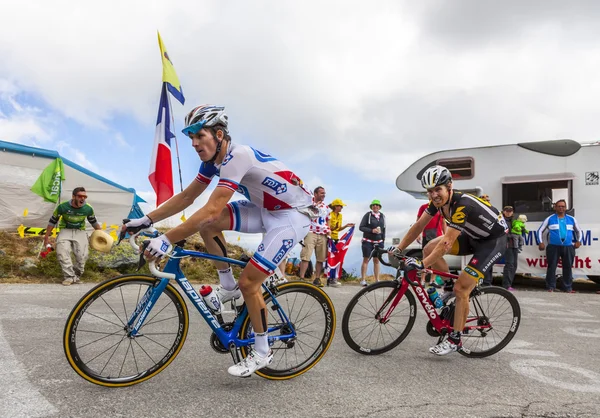
An extinct volcano in the Massif Central with a single, spiraling road to a Roman temple at the summit. The 1964 battle between Jacques Anquetil and Raymond Poulidor was so fierce that they leaned against each other while climbing. Half a million spectators witnessed this legendary duel.
The final 2.5 miles average 11%. On his deathbed, Anquetil compared fighting cancer to climbing Puy de Dôme. After a 35-year absence, Mike Woods conquered it in 2023.
Col de la Croix de Fer
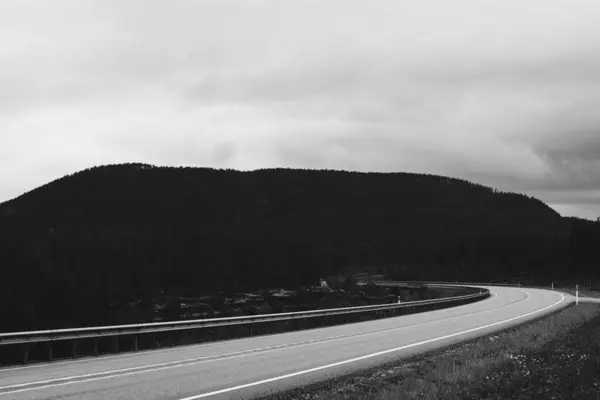
Twenty-seven kilometers from the Isère side, 30 from Savoie—it’s not just the average gradient but the irregularity and length that make this difficult. Sixteen Tour appearances since 1947. Riders are rewarded with waterfalls plunging into valleys and views of the Grand-Maison Dam.
The name means “Cross of Iron.” Appropriate for a climb that tests metal as much as muscle.
Col des Saisies
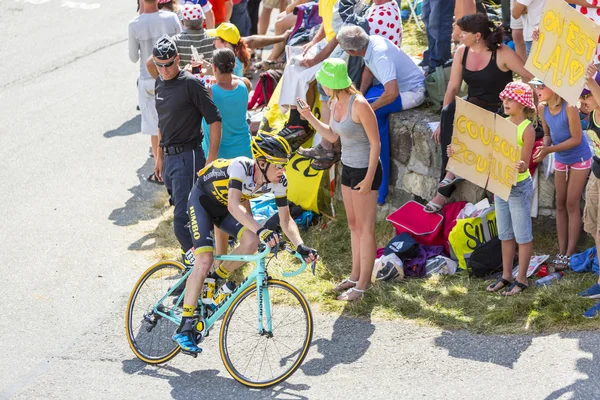
Often used in Tour routes, most recently in 2023. The true altitude is 1,633 meters, not the 1,650 displayed at the tourist station. The actual col sits west of the ski station, where the 1992 Olympic Nordic events were held.
Twelve different ascent routes exist. The northern approach from Flumet spans 14.6 kilometers with steady 6-7% grades. Strategic, more than spectacular, but strategy wins Tours.
Col du Glandon
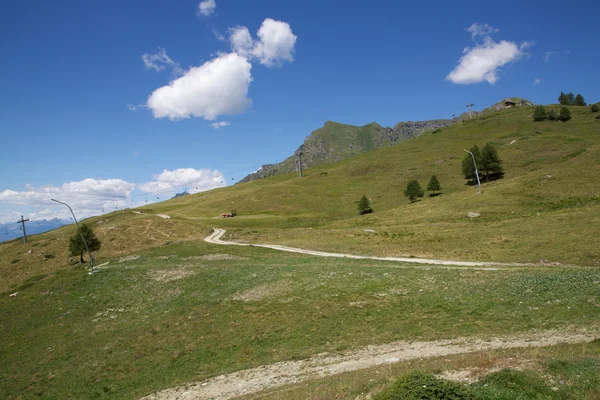
A beast of a climb and bucket list worthy, challenging, and lengthy at just under 2,000 meters, yet stunningly beautiful. Often combined with the Croix de Fer to create one of cycling’s most demanding days. The Glandon serves as the warm-up act.
That’s like calling a shark the opening band for a great white. The Glandon has ended plenty of Tour hopes before riders even reach the main event.
Col de Joux Plane
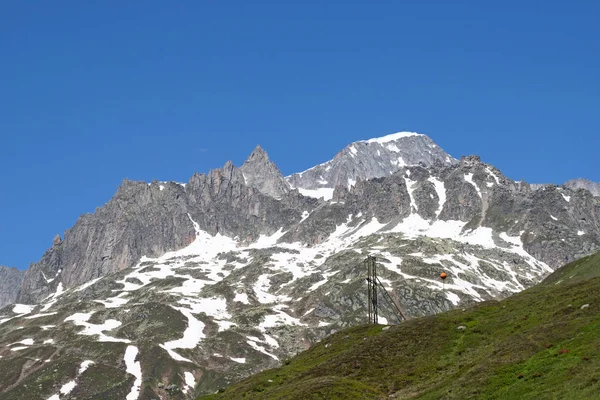
At 1,691 meters with 11% sections, it is often described as one of the most difficult Tour cols due to its irregular sections and high average gradient. Often decisive for final Tour classifications. The climb’s reputation comes from its unpredictability—just when legs adjust to one gradient, another wall appears.
Col du Portet
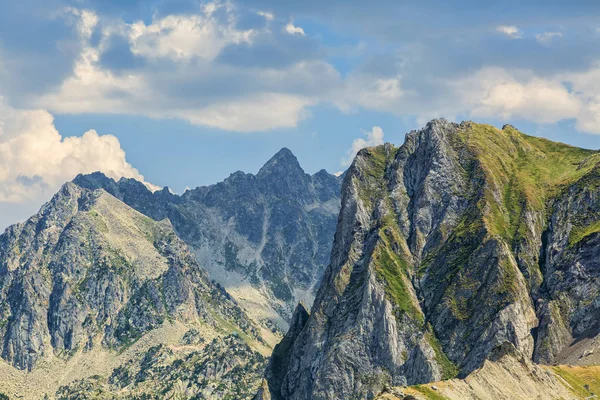
At 7,267 feet, the highest road in the Pyrenees. But its legend is darker. In 1995, Fabio Casartelli died while descending the Col de Portet-d’Aspet after hitting his head during a crash. The following day’s stage over the Soulor was neutralized out of respect.
The Tour waits for no one, except when it loses a champion. Olympic gold medalist, Tour stage winner, 24 years old. Some mountains take more than they give.
The high calling

These eighteen peaks represent more than geographical obstacles—they’re cathedrals of suffering where ordinary riders discover their limits and legends transcend mortality. Every pedal stroke on these sacred slopes echoes with the ghosts of champions and the dreams of those still climbing toward their piece of Tour de France immortality.
More from Travel Pug

- Underrated Italian Towns That Beat the Tourist Crowds
- Las Vegas Tourist Traps to Skip
- Prettiest Towns in Every US State
- 18 passport-free countries for Americans
- Signs Your Cruise Is Not Worth The Cost
Like Travel Pug’s content? Follow us on MSN.