

Resort booking pages love a good tiered menu. Standard room, then deluxe, then premium, then club level, each one priced a little higher with a description that promises just enough extra to make the upgrade feel reasonable.
Some of these jumps genuinely deliver. Others amount to a different view angle, a few additional amenities, or access to services that not every guest will use.
Pricing varies enormously by property, season, and brand, so nothing here is a universal rule. But these are the categories where the extra cost can be difficult to justify unless the specific benefit is something you actually want.
Partial Ocean View Versus Garden View

Resorts frequently charge a premium for “partial ocean view” rooms, which can mean a limited or side-angle view of the water rather than the broad vista guests imagine when they see the word ocean. At some properties, the difference from a garden view is substantial; at others, the ocean is visible only from a particular part of the balcony or room.
A true full ocean view usually costs more and provides a clearer benefit, making the partial tier worth comparing carefully rather than assuming the label guarantees a dramatic view.
Club Level Access Without Club Lounge Use
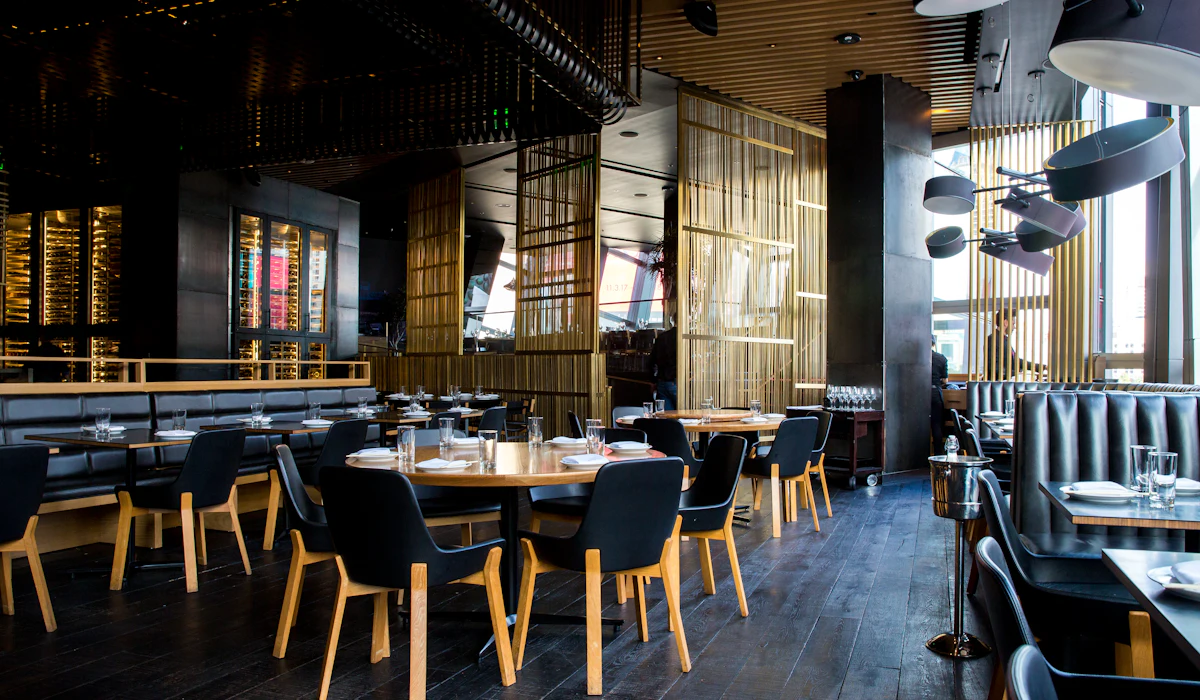
Club-level rooms can include meaningful benefits such as private lounges, upgraded food and drinks, concierge service, separate check-in, and access to restricted pools or other facilities. The question is whether you’ll actually use them.
Guests who spend most of their time at the beach, pool, or off-property and rarely visit the lounge may pay a substantial premium for services that barely affect their stay. The room itself may also be similar to a standard category, making the value depend largely on how much you use the club benefits.
Swim-Up Rooms at the Busiest Pools

Swim-up rooms offer direct access from a terrace to a pool or shared swim-up area, which can be a genuinely different experience from a standard room. But the exact layout matters.
Some swim-up categories share a long pool section with several neighboring rooms, while others have a more private plunge-pool arrangement. At a busy resort, a shared swim-up area can also mean more activity and less privacy than the photographs suggest.
Checking whether the water is private, semi-private, or shared is more important than the category name alone.
Honeymoon Suite Without Substantial Extra Space
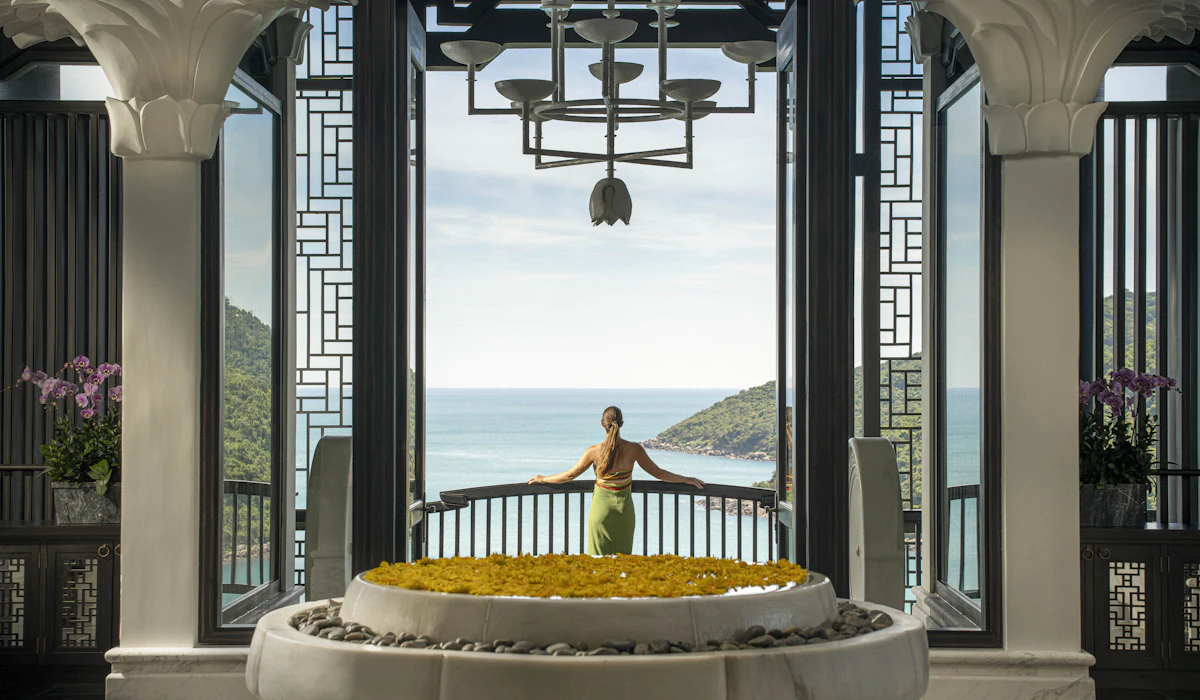
“Honeymoon suite” is not a standardized room category, and the label can describe anything from a genuinely larger suite to a standard room with romantic amenities or a special package. Some properties provide larger layouts, better views, tubs, or private outdoor space, while others emphasize decorative touches and arrival amenities.
Couples celebrating a honeymoon or anniversary should compare the actual floor plan, view, and included services with the regular suite categories before paying a premium for the name.
Higher Floor Premiums in Low-Rise Buildings
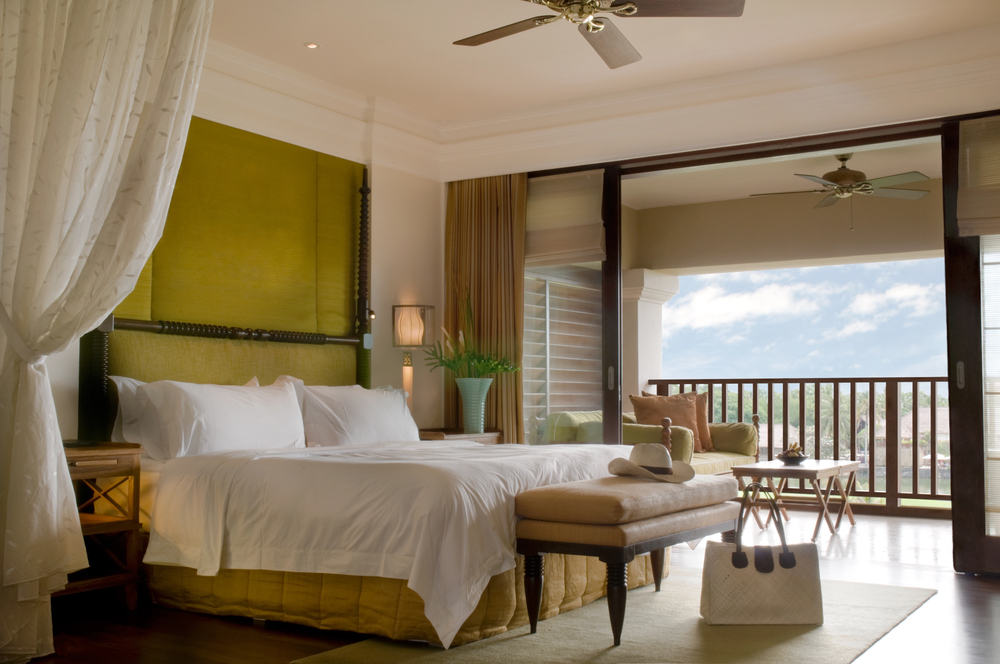
Some resorts charge more for higher floors, and that can make sense when the building is tall enough for the elevation to produce a substantially better view or more privacy. In a three- or four-story building, however, the difference between floors may be much less dramatic.
A higher room can also mean a longer trip to the pool, beach, or lobby. The value of the premium depends almost entirely on what the higher floor actually overlooks.
Connecting Rooms Booked as a Suite Upgrade
Connecting rooms can be extremely useful for families, but they are still two separate rooms connected by an interior door. When a resort packages them as a family or suite category, compare that price with the cost of booking two standard rooms independently.
The bundled option may include additional benefits or a guaranteed configuration, but the convenience of making one reservation does not automatically make the combined price a bargain.
Butler Service Tiers at Mid-Size Resorts

Butler service can be a substantial upgrade at properties where the service is genuinely personalized and the staffing level supports it. At other resorts, however, a butler may handle requests for many rooms rather than providing the highly individualized attention guests associate with the term.
Response times and the exact services included can vary considerably. Before paying a large premium, check whether the category provides dedicated service, a shared butler team, or simply a concierge-style request system.
Adults-Only Wing Upgrades at Family Resorts

An adults-only wing can offer a meaningful benefit when it provides quieter pools, separate restaurants, restricted common areas, or a more peaceful atmosphere. The room itself, however, may be nearly identical to rooms elsewhere in the resort.
Guests primarily interested in room size, furnishings, or views should compare those features directly rather than assuming an adults-only designation automatically means a superior room.
Oceanfront Versus Ocean View at Sprawling Resorts

Large resort properties often distinguish between oceanfront and ocean-view categories, with oceanfront rooms commanding a substantial premium. The difference can be worthwhile when the room sits directly on the shoreline with an unobstructed view.
But at sprawling properties, location within the resort can matter almost as much as the view. An oceanfront room may be farther from restaurants or the main pool, while an ocean-view room in a more central building may be more convenient.
Compare both the view and the location before deciding which premium matters more.
Suite Category Without Additional Living Space
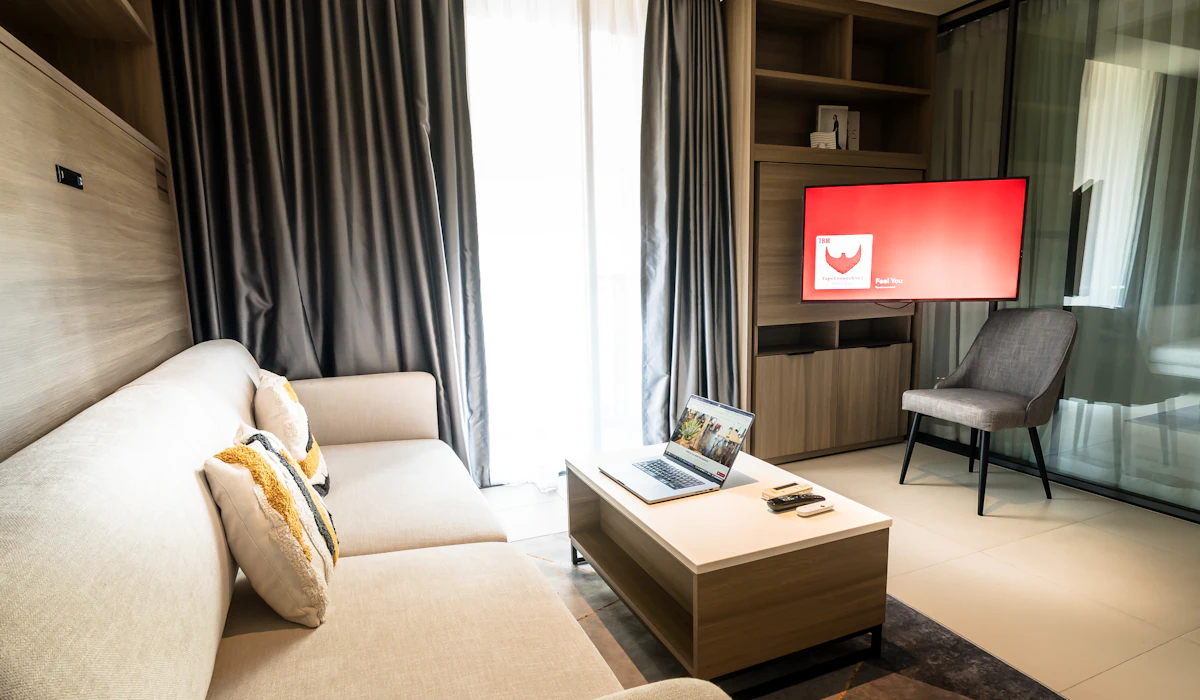
The word “suite” does not guarantee a separate living room. Some resorts use categories such as junior suite for a larger room with a sitting area, while true suites may have a separate bedroom and living space.
Guests expecting a distinct lounge should check the floor plan rather than relying on the category name. Paying extra for a suite designation makes less sense when the only meaningful difference is an extra chair or slightly larger bedroom.
Premium Bedding Upgrades

Some properties distinguish room categories partly through higher-end mattresses, linens, pillows, or other sleep-related amenities. That can be worthwhile for guests who prioritize sleep quality, but it may be a difficult upgrade to value without knowing exactly what changes.
A premium bedding package that adds a small difference to an otherwise identical room may not justify a large nightly premium, particularly when the standard room already has good-quality bedding.
Balcony Rooms Facing Service Areas
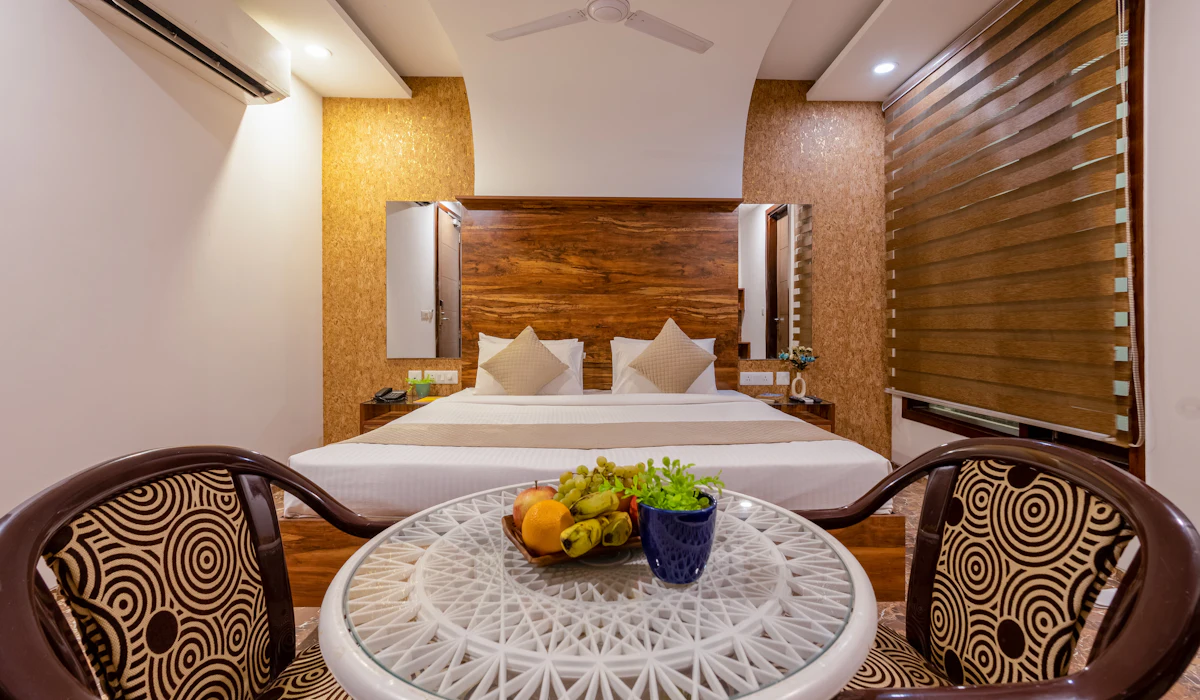
A balcony is only as useful as the view and surroundings beyond it. Some resort buildings have rooms whose balconies face parking areas, service roads, neighboring buildings, or mechanical equipment rather than gardens, pools, or water.
Guests paying a balcony premium should check the room’s orientation whenever possible. Recent guest photos and room-specific reviews can sometimes reveal differences that the generic booking photograph doesn’t show.
Concierge Floor Access at Business Hotels
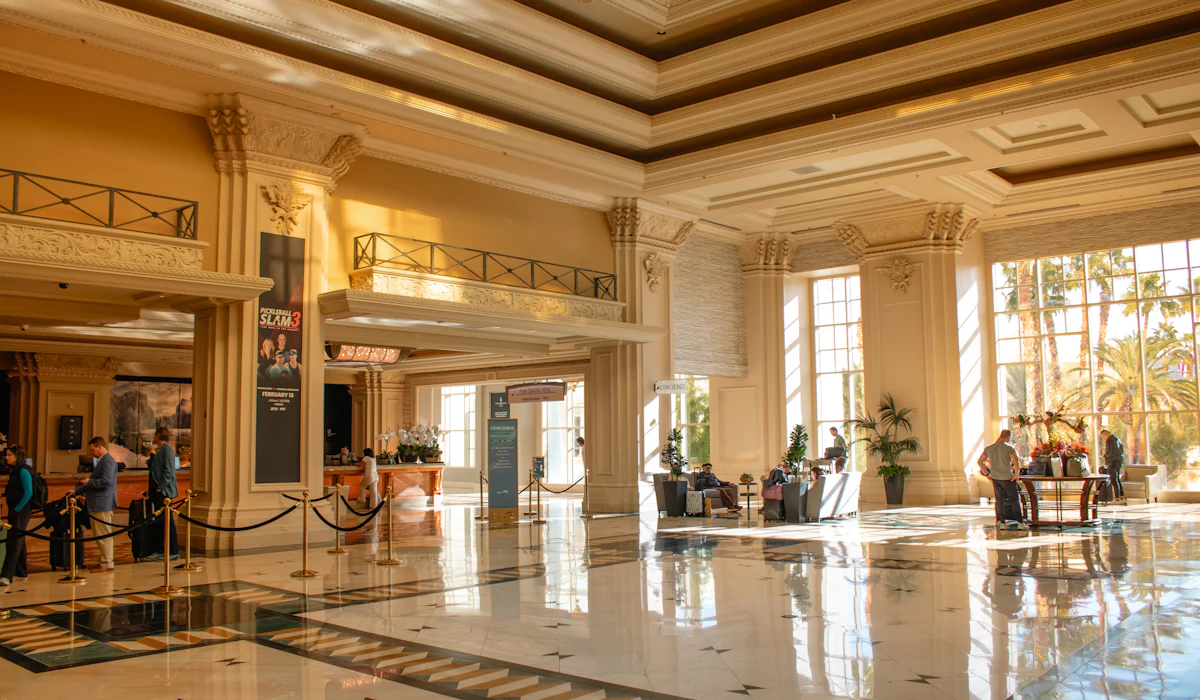
Concierge or executive floors can provide useful benefits such as dedicated check-in, breakfast, lounge access, meeting areas, and evening refreshments. Business travelers or guests who use those services frequently may get substantial value from them.
Leisure travelers who spend most of the day outside the hotel and rarely visit the lounge may not. In many properties, the room itself is not dramatically different from a standard room, making the value depend on the included services rather than the floor number.
Infinity Pool View Rooms

A room overlooking an infinity pool can offer an attractive view, particularly at a resort with a dramatic ocean or mountain backdrop. But the premium is primarily paying for the perspective from the room rather than exclusive access to the pool itself.
If the same pool is available to every guest, travelers who plan to spend their time swimming rather than looking at the pool from the balcony may prefer to put the money toward a better overall room location or a different amenity.
Rooftop Terrace Suites With Shared Terrace Access
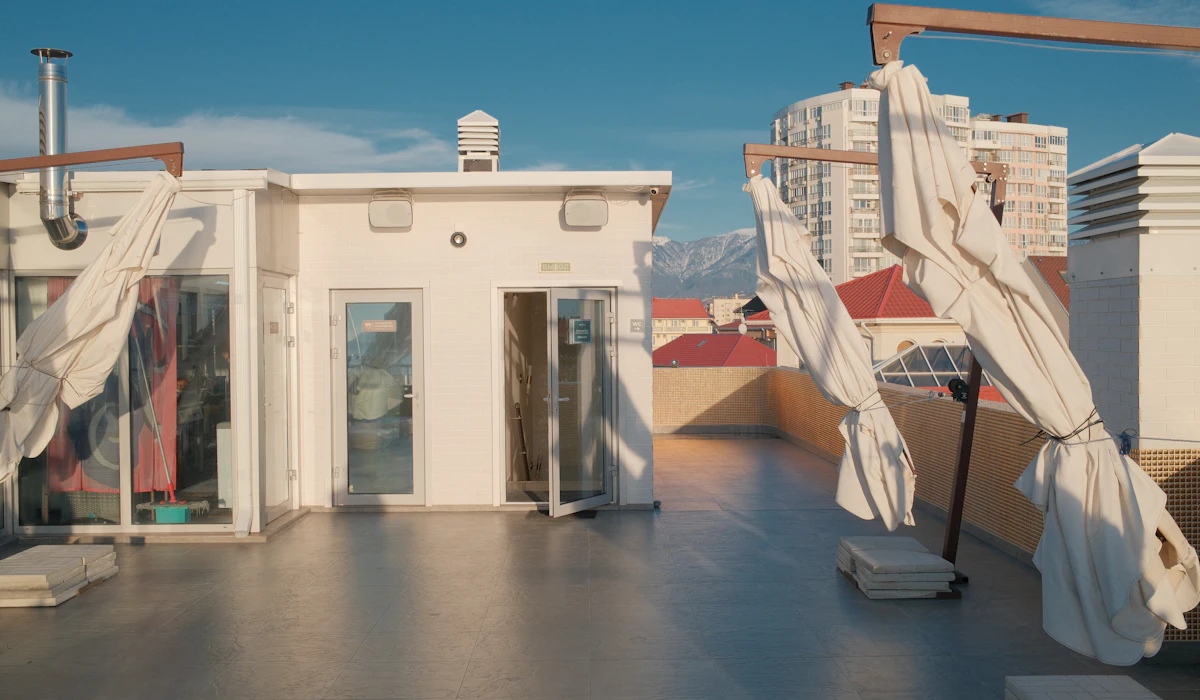
A room advertised with terrace access does not necessarily come with a completely private rooftop. Some properties have terraces shared by several rooms or suites, while others provide genuinely private outdoor spaces.
The distinction can dramatically change the experience, particularly for guests expecting to use the terrace for private dinners or evening relaxation. Checking the floor plan and exact wording before booking can prevent a significant mismatch between the category name and the actual space.
Extra Amenity Bundles Disguised as Room Upgrades
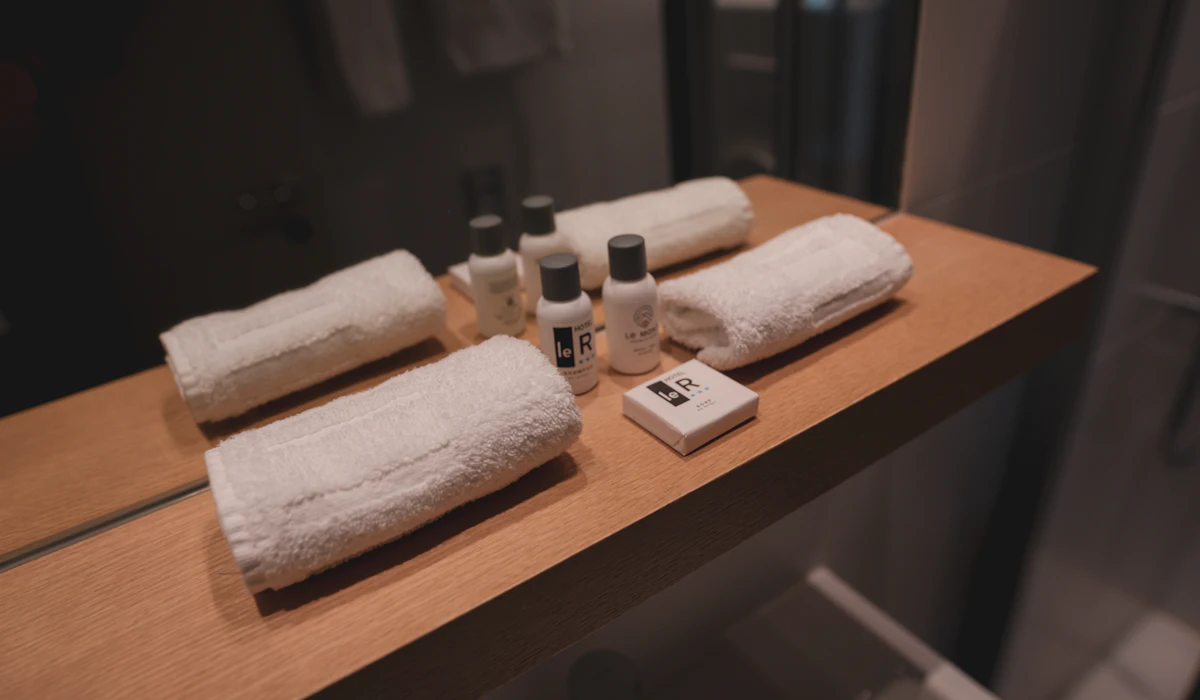
Some premium room categories add a package of extras such as wine, fruit, spa credits, welcome amenities, or other perks instead of providing substantially more space or a better location. These bundles can be worthwhile when the included services are things you would have purchased anyway.
They are less compelling when the advertised retail value of the extras is much lower than the nightly room premium. The useful comparison is the actual value of each included benefit, not the number of perks listed on the booking page.
Corner Rooms Without a Corner View Advantage
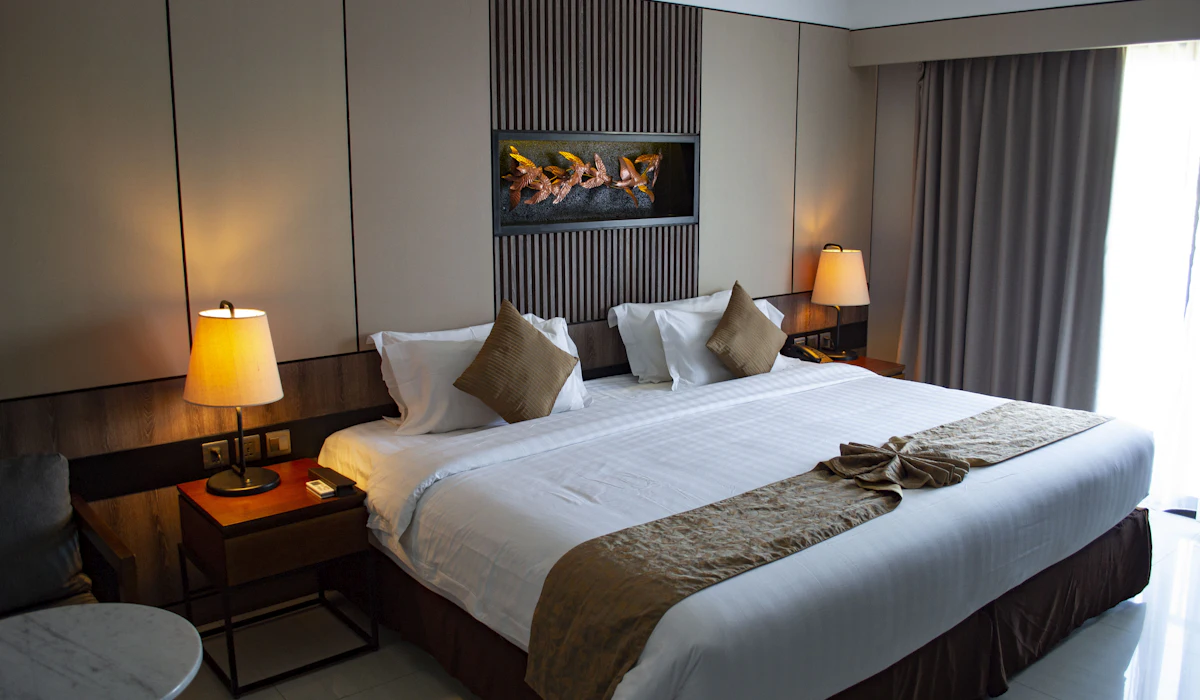
Corner rooms can offer larger windows, extra light, or views in two directions, but the benefit depends entirely on what those two directions contain. At some resorts, a corner room provides a spectacular double aspect.
At others, one side faces a parking structure, neighboring building, service area, or another unremarkable part of the property. A standard room facing the resort’s best direction can sometimes provide a better experience than a corner room with a mixed outlook.
When the Upgrade Isn’t the Point
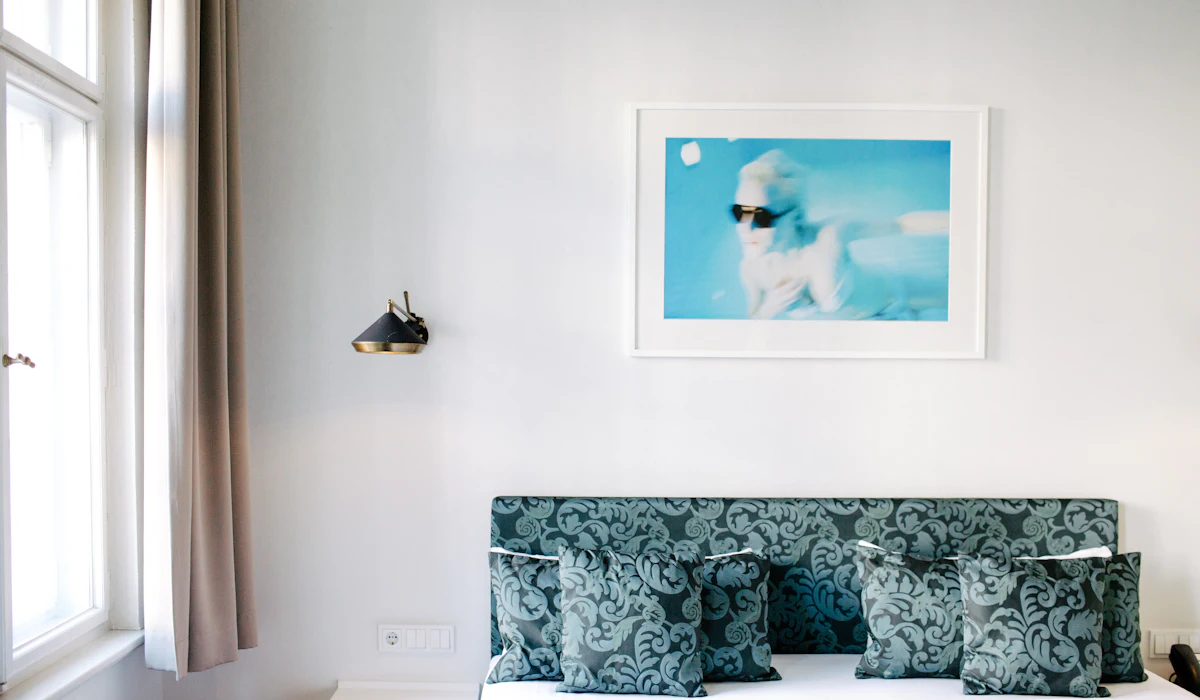
The pattern across nearly all of these categories is the same. A resort identifies a word—oceanfront, suite, club, corner, swim-up—that carries strong positive associations, attaches a price premium to it, and lets the guest’s imagination fill in the gap between the label and the actual room.
Sometimes the gap is small and the upgrade genuinely earns its price. Sometimes the most valuable difference is simply access to an amenity you may or may not use.
The way to tell is to look past the category name. Check the floor plan, view, room location, exact inclusions, and recent guest photos before comparing the prices.
A room upgrade is only an upgrade if the particular difference matters to the way you plan to use the resort.
More from Travel Pug

- Underrated Italian Towns That Beat the Tourist Crowds
- Las Vegas Tourist Traps to Skip
- Prettiest Towns in Every US State
- 18 passport-free countries for Americans
- Signs Your Cruise Is Not Worth The Cost
Like Travel Pug’s content? Follow us on MSN.