

Cruise ports promise adventure, authentic culture, and unforgettable memories. What they often deliver instead are overpriced experiences designed to separate tourists from their money as efficiently as possible.
Shore excursions sold through cruise lines frequently steer passengers toward sanitized attractions that bear little resemblance to genuine local life. The worst part isn’t just the inflated prices—though paying $120 for a $30 taxi ride certainly stings.
It’s the missed opportunities. While tour groups shuffle through gift shops selling mass-produced souvenirs, the real treasures of each destination remain hidden just a few blocks away.
Authentic restaurants serve incredible food for a fraction of what tourist traps charge, and genuine cultural experiences wait for those willing to venture beyond the well-worn path of organized excursions.
Dolphin swimming experiences in the Caribbean
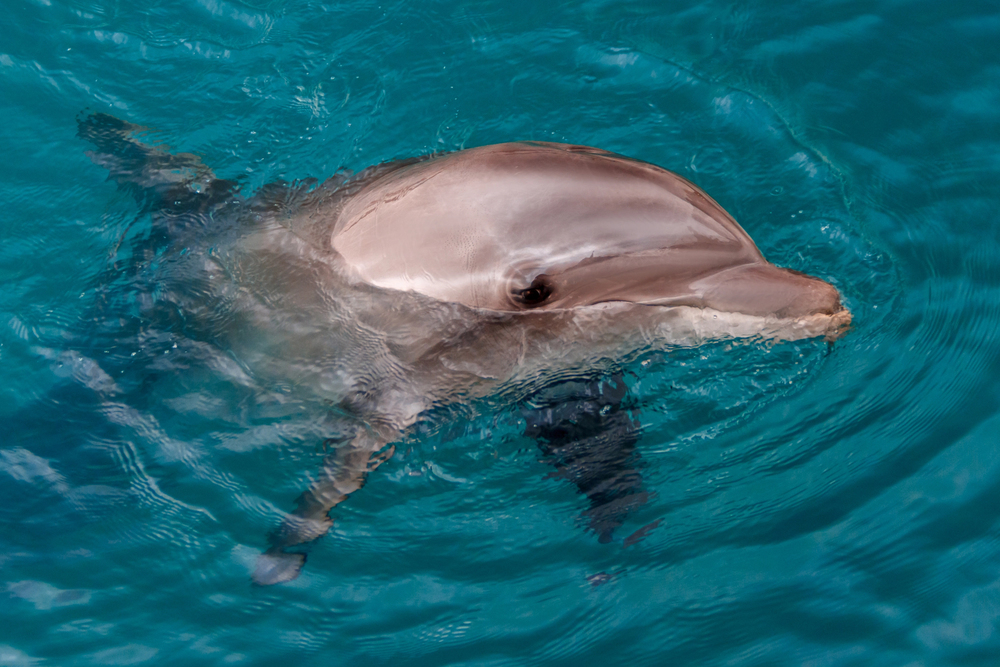
Swimming with dolphins sounds magical until reality sets in. These facilities keep intelligent marine mammals in cramped pools, teaching them tricks for tourist entertainment.
The “swim” usually lasts fifteen minutes and costs upward of $150 per person. The dolphins show signs of stress that most visitors miss or ignore.
Repetitive behaviors, worn dorsal fins from concrete pool edges, and listless floating between shows tell a different story than the marketing materials. Meanwhile, authentic snorkeling opportunities with wild marine life exist just offshore—often for less money and infinitely more rewarding.
Shopping tours in Cozumel
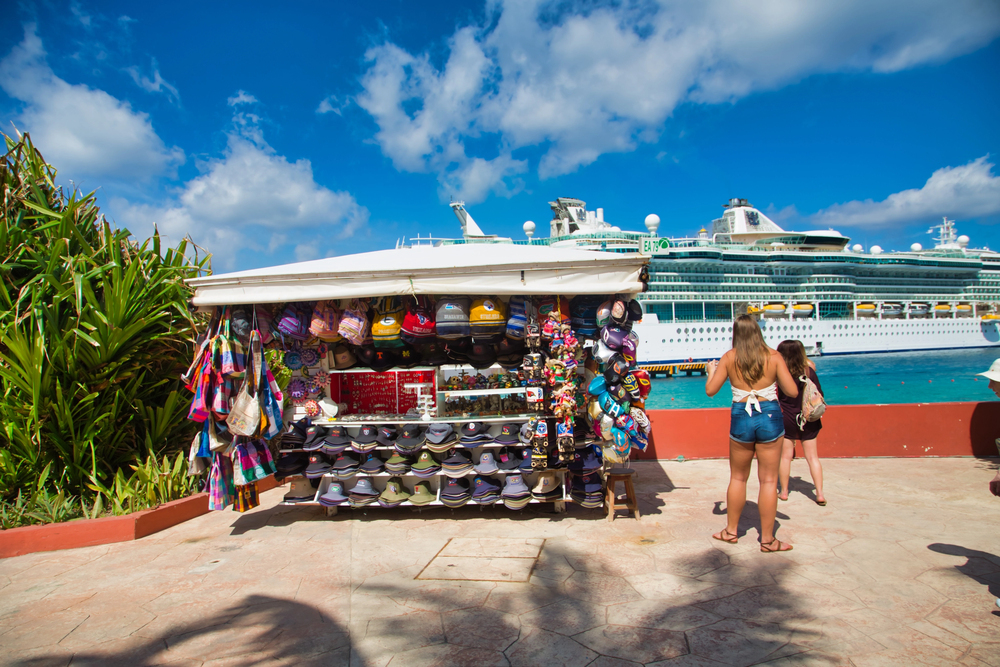
The “cultural shopping experience” in Cozumel operates like a well-oiled machine designed to extract maximum dollars from cruise passengers. Tour guides receive commissions from specific shops, which explains the enthusiastic recommendations and the curious reluctance to visit other stores that might offer better prices or quality.
These curated shopping experiences (and that’s really what they are, despite the cultural wrapper) funnel tourists through a series of jewelry stores, souvenir shops, and textile vendors where prices remain mysteriously fixed regardless of haggling attempts. So you end up paying tourist prices for items that were likely manufactured elsewhere, while the charming local markets with genuinely handcrafted goods—markets where artisans actually create what they sell and where prices reflect local rather than cruise-passenger economics—sit empty just a few streets away because the tour bus somehow never manages to find them.
But the real tragedy isn’t the overpriced silver jewelry or the mass-produced hammocks; it’s that participants miss the chance to interact with actual craftspeople who have fascinating stories about their work, their families, and their island.
Scenic helicopter tours in Alaska
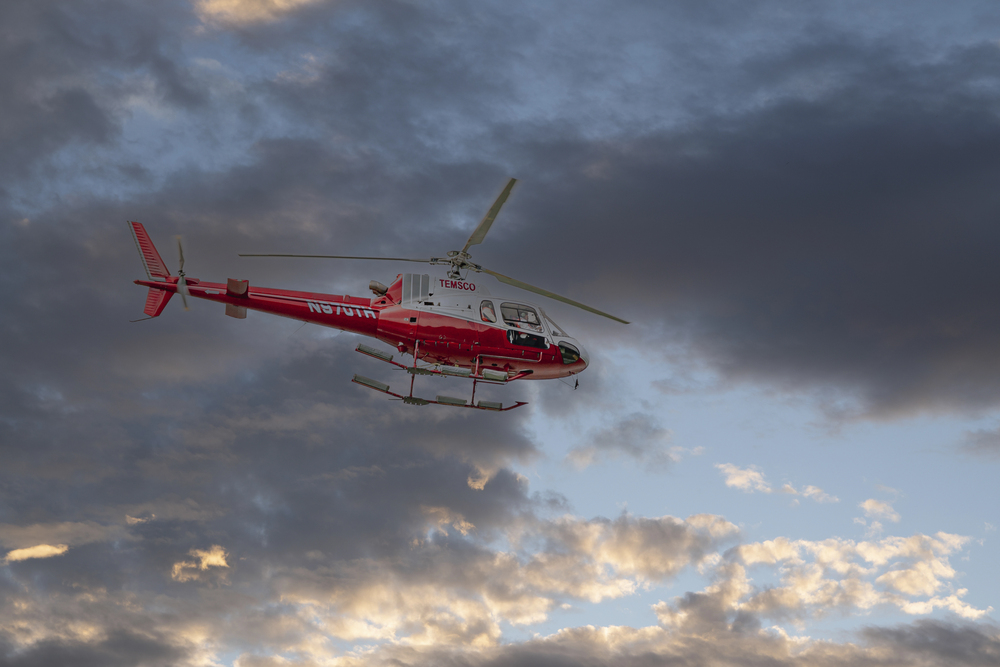
There’s something theatrical about the way these helicopter tours are marketed—the promise of untouched wilderness viewed from impossible angles, the suggestion that this aerial perspective will somehow unlock Alaska’s deepest secrets. The reality feels more like an expensive taxi ride with windows.
Most scenic helicopter tours follow identical flight patterns, lasting twelve to fifteen minutes, while charging $400 or more per person. The aircraft stays well above the landscape, turning those promised “intimate wilderness encounters” into distant glimpses of terrain that looks surprisingly similar to what passengers saw from the ship’s deck.
The commentary tends toward generic observations about wildlife that may or may not be visible from that altitude. And yet the helicopter companies have mastered the art of making the ordinary feel extraordinary, at least until the rotors stop spinning.
Ground-based alternatives offer longer, deeper experiences for less money—but those require getting out of the helicopter.
Glass-bottom boat tours in the Mediterranean
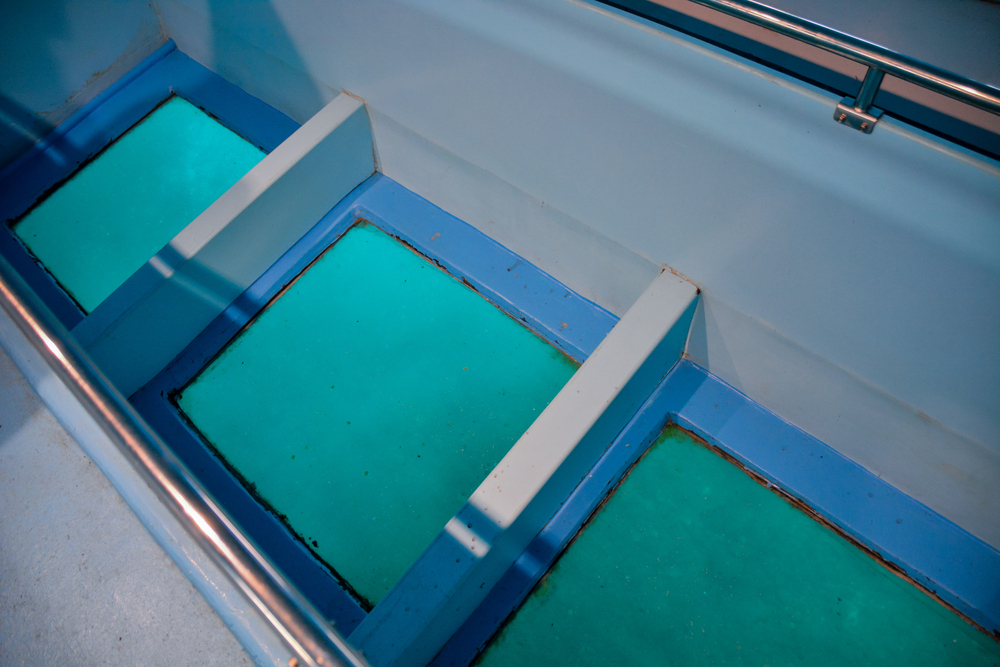
Glass-bottom boats represent everything wrong with tourist-trap thinking. Someone decided that people wanted to see underwater life without getting wet, then built an industry around that assumption.
The boat’s motor slowly over predetermined routes while passengers peer through scratched acrylic panels at whatever happens to swim by. The Mediterranean’s coastal waters near major cruise ports aren’t exactly teeming with marine life worth viewing through cloudy glass.
Most tours deliver mediocre glimpses of rocky seafloor and occasional fish, all while charging premium prices for what amounts to a slow boat ride with a gimmick.
Jeep safari adventures in the Canary Islands
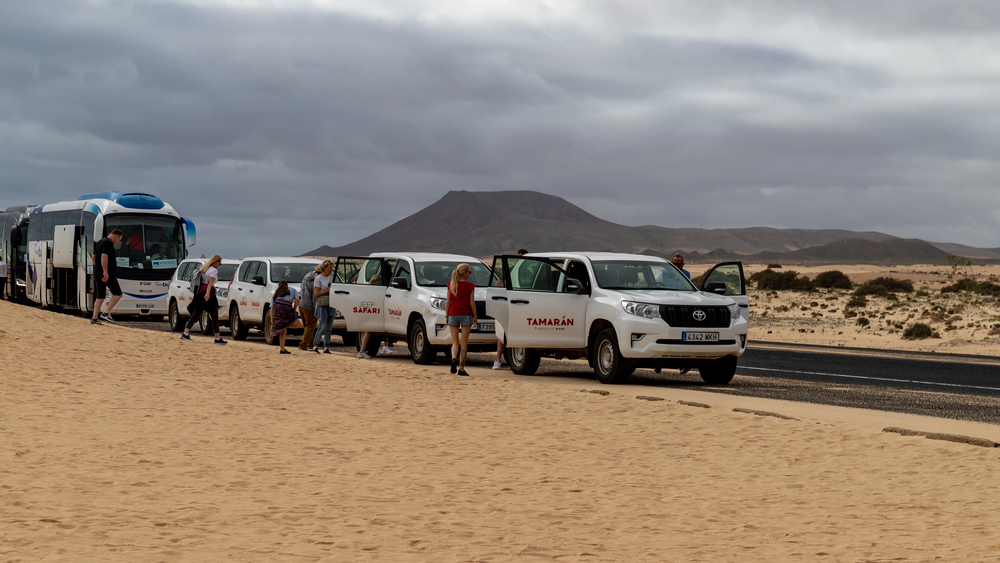
The “safari” consists of following other jeeps in a single file along established dirt roads, stopping at predetermined viewpoints for photos, and listening to guides point out landscape features that would be obvious to anyone with functioning eyesight. The adventure element exists primarily in the marketing materials.
These convoy-style tours visit the same locations at the same times every day, creating traffic jams of identical vehicles at scenic overlooks. Participants spend more time waiting for photo opportunities than experiencing any genuine adventure.
The Canary Islands offer incredible hiking trails and authentic villages accessible by public transportation—but those don’t generate the same profit margins as organized jeep caravans.
Cultural village visits in Southeast Asia
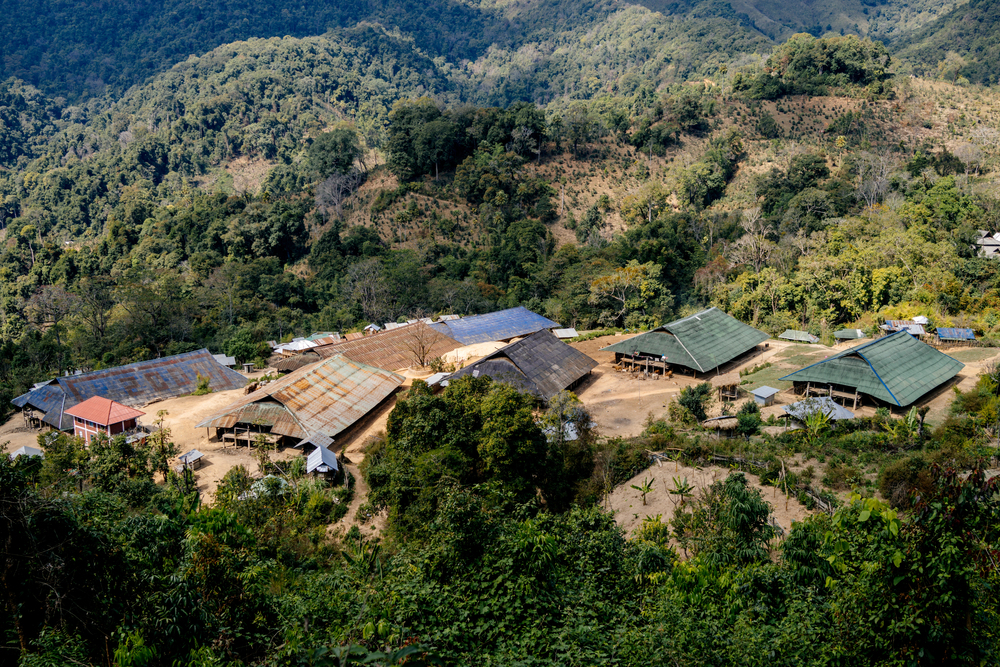
These aren’t villages in any meaningful sense—they’re outdoor museums designed to look like authentic communities while operating as elaborate gift shops with performances. The “villagers” commute to work each morning, change into traditional costumes, and spend their days demonstrating crafts for tourist groups before heading home to their actual communities.
Everything about these places feels carefully curated to match tourist expectations rather than reflect genuine cultural practices. The demonstrations follow scripts, the handicrafts get mass-produced off-site, and the entire experience unfolds with the artificial precision of dinner theater.
Real villages exist throughout Southeast Asia, filled with people living actual lives rather than performing cultural stereotypes, but tour operators rarely venture there because authentic experiences can’t be controlled or scheduled with the same reliability.
Butterfly gardens in Costa Rica

Butterfly gardens flourish near cruise terminals because they solve a fundamental problem for tour operators: they’re completely predictable. Unlike actual rainforest experiences, where wildlife sightings depend on luck and patience, butterfly gardens guarantee colorful photo opportunities regardless of weather or season.
The gardens themselves resemble greenhouses more than natural habitats, with concrete pathways winding past planted flowers and enclosed butterfly populations. Guides point out species while visitors snap photos, but the entire experience feels removed from Costa Rica’s extraordinary biodiversity.
The country’s national parks and wildlife reserves offer genuine encounters with hundreds of species—not just butterflies—yet these require more time and effort than most cruise excursions allow.
Traditional cooking classes in Italy

Picture this: thirty cruise passengers crowded around a demonstration kitchen, watching someone who may or may not be Italian prepare dishes that may or may not represent regional cuisine, using ingredients that definitely don’t represent local sourcing practices. The “hands-on” element usually involves stirring a pot or rolling pre-made dough for thirty seconds before returning to observation mode.
These classes operate like cooking-themed theater, complete with enthusiastic commentary about Italian traditions that often bear little resemblance to how actual Italian families prepare food. The recipes get simplified for mass production, the techniques get streamlined for time constraints, and the ingredients get sourced for consistency rather than authenticity.
Meanwhile, genuine cooking experiences exist throughout Italy—small family-run establishments where the grandmother actually teaches techniques passed down through generations, where ingredients come from local markets, and where the class might last an entire afternoon because good food simply takes time.
Volcano tours in Hawaii
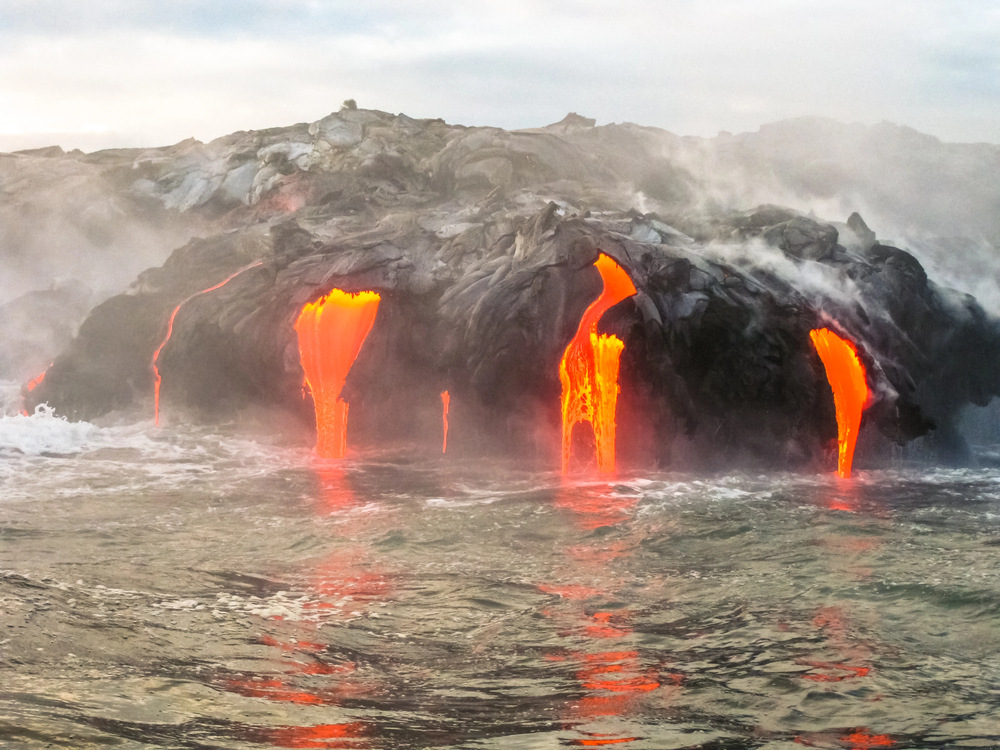
Volcano tours promise dramatic encounters with active geological forces but typically deliver distant views of steam vents and hardened lava fields. Tour buses follow established routes to designated viewpoints, where passengers disembark for scheduled photo opportunities before moving to the next predetermined stop.
The tours avoid anything genuinely dramatic or dangerous, which makes sense from a liability perspective but transforms one of Earth’s most dynamic landscapes into a series of scenic overlooks. Hawaii Volcanoes National Park offers self-guided trails that provide more intimate experiences with volcanic activity, but those require independent transportation and personal initiative.
Snorkeling excursions in the Bahamas
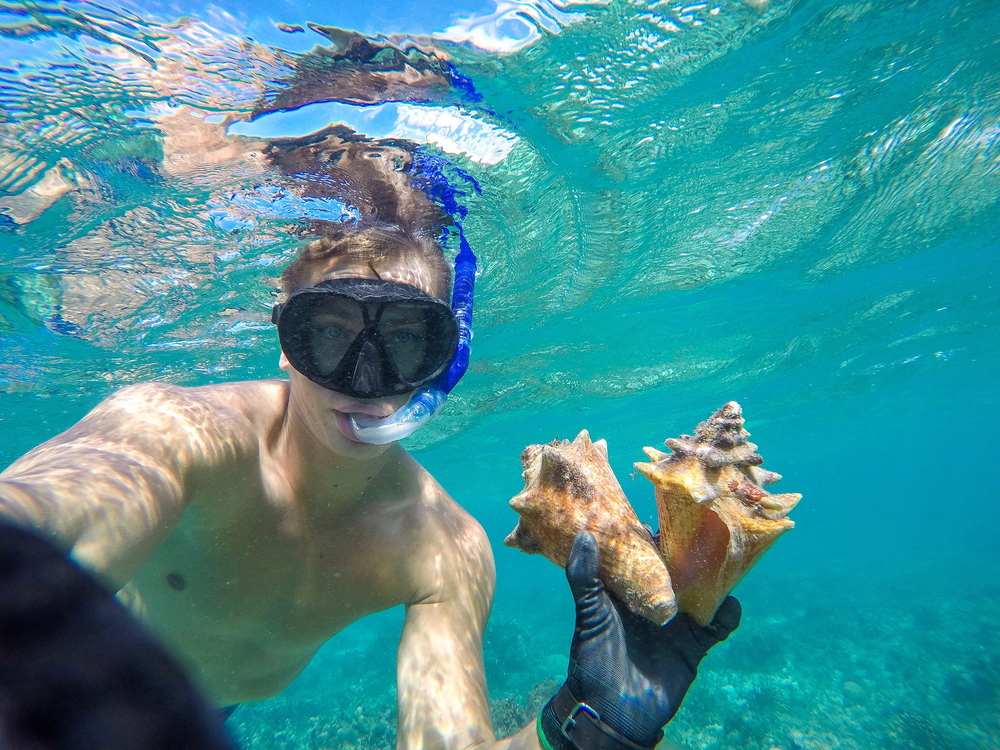
The snorkeling happens in shallow, heavily trafficked areas chosen more for convenience than marine life abundance. Dozens of tour boats converge on the same coral patches, creating underwater traffic jams while fish flee the commotion.
Equipment quality varies wildly, from barely functional masks to fins that don’t fit properly. Guides rush groups through the water, allowing minimal time for actual observation before herding everyone back onto boats.
The Bahamas contains spectacular reefs accessible through local dive operators who work smaller groups and visit less crowded locations, but cruise ship partnerships rarely extend to these authentic providers.
Historic walking tours in European ports
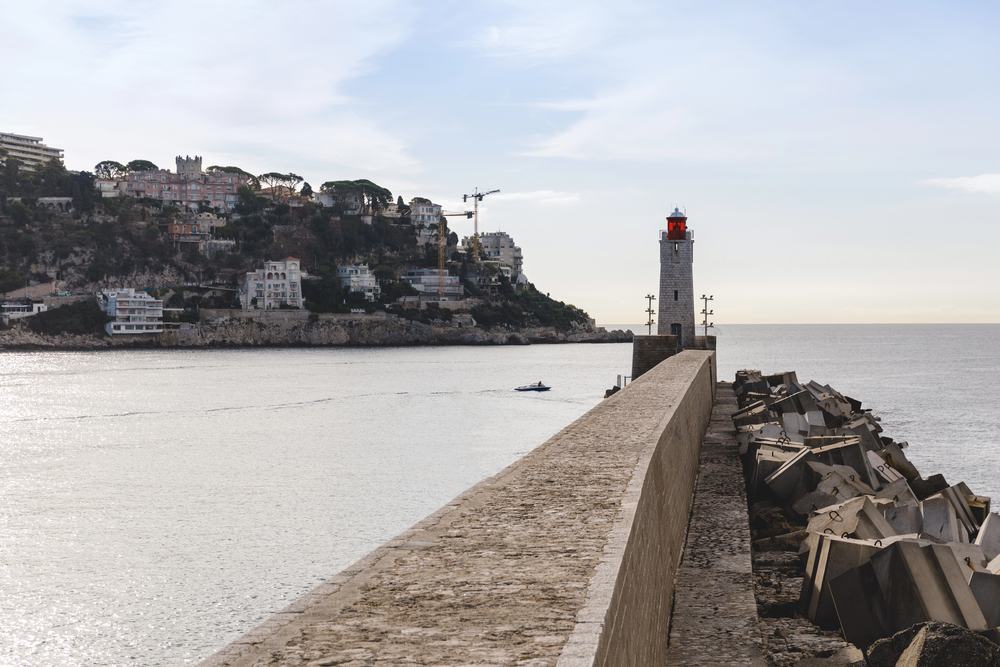
These tours follow identical routes through the same historic districts, stopping at the same landmarks while guides recite the same scripted information. The “walking” element gets interrupted every few blocks by extended stops at shops where guides receive commissions for bringing groups inside.
European cities contain fascinating neighborhoods and historical sites that never appear on cruise ship itineraries—not because they’re less interesting, but because they’re less convenient for tour operators managing large groups on tight schedules. The scripted presentations rarely acknowledge local controversies, contemporary challenges, or perspectives that might complicate simplified historical narratives.
Wine tasting in California
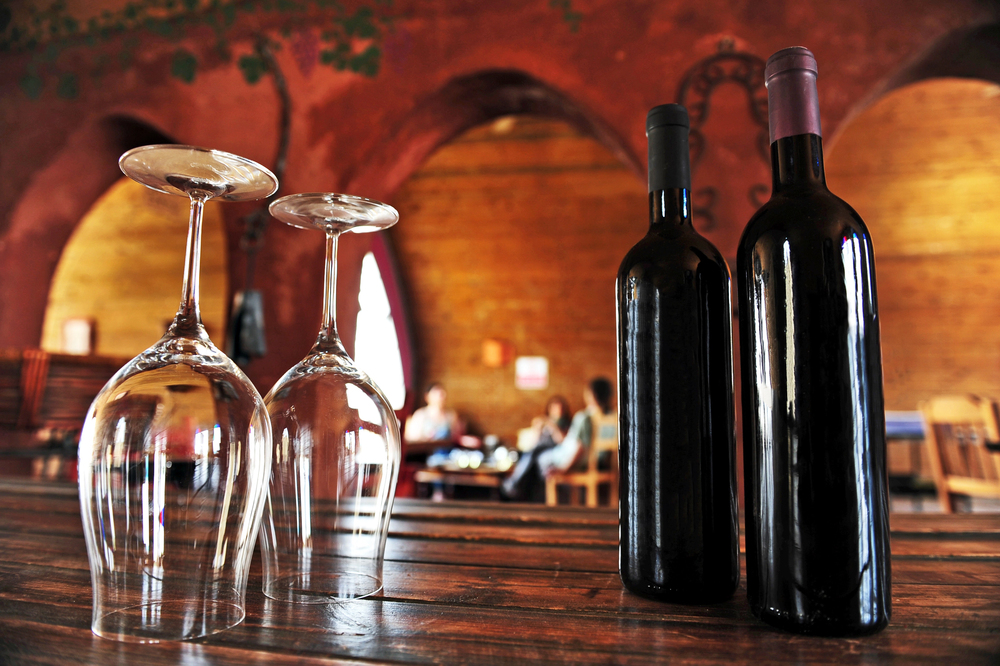
Wine tasting tours from cruise ports typically visit large commercial wineries that handle bus groups efficiently rather than smaller family operations that produce more interesting wines. The tastings themselves get rushed through predetermined selections while guides focus more on sales techniques than wine education.
California’s wine regions contain thousands of small producers creating exceptional wines, many of whom welcome visitors for genuine tastings and conversations about winemaking. These experiences require advance planning and individual transportation, which explains why tour operators stick with large commercial operations that can process cruise ship groups quickly.
Native American cultural centers in Alaska
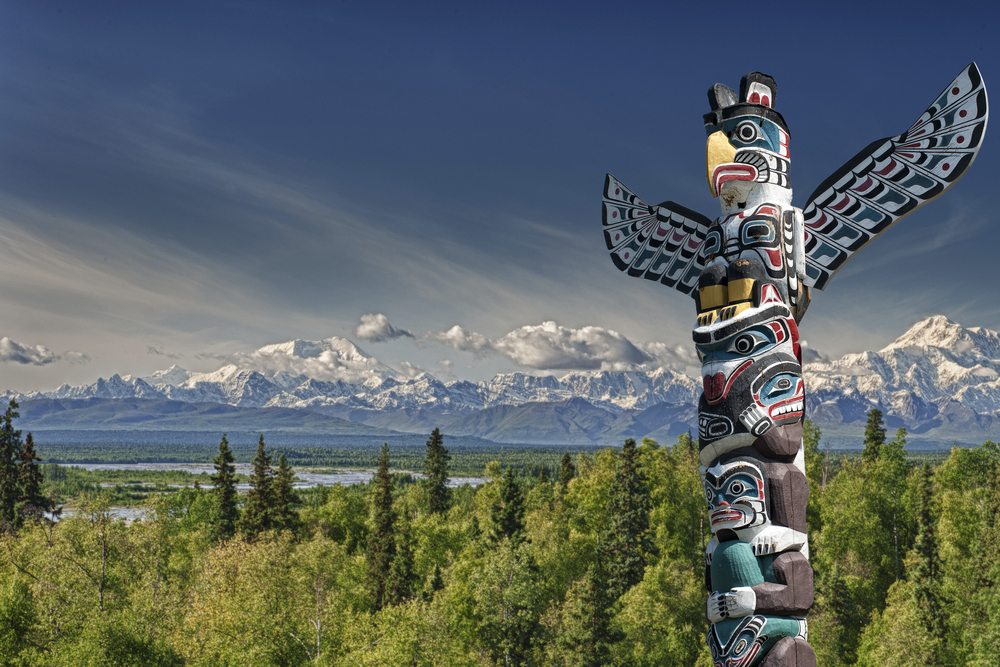
These centers present sanitized versions of indigenous culture designed for tourist consumption rather than authentic cultural education. Performances follow standardized scripts, demonstrations showcase simplified versions of traditional practices, and gift shops sell mass-produced items marketed as authentic Native American crafts.
The presentations avoid complex historical realities or contemporary indigenous issues, focusing instead on safe cultural elements that won’t challenge tourist expectations or create uncomfortable conversations. Genuine cultural centers throughout Alaska offer more substantial educational experiences, often run by tribal organizations focused on cultural preservation rather than tourist entertainment.
Beach excursions in the Caribbean
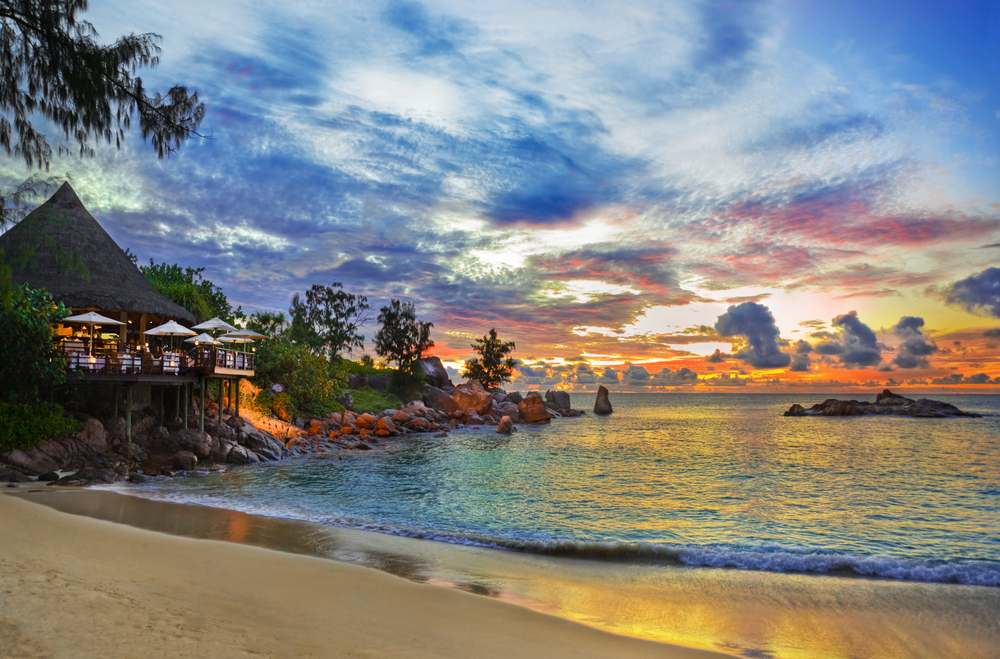
Beach excursions transport cruise passengers to “private” beaches that operate more like outdoor theme parks than natural coastlines. These facilities feature organized activities, scheduled meal service, and managed environments designed to prevent any spontaneous experiences.
The beaches themselves get chosen for infrastructure rather than natural beauty, with concrete facilities, imported sand, and controlled access that eliminates the possibility of discovering hidden coves or interacting with local fishing communities. Caribbean islands contain hundreds of spectacular beaches accessible by public transportation or short taxi rides, many offering better swimming, snorkeling, and local food options.
Zip-lining adventures in Central America
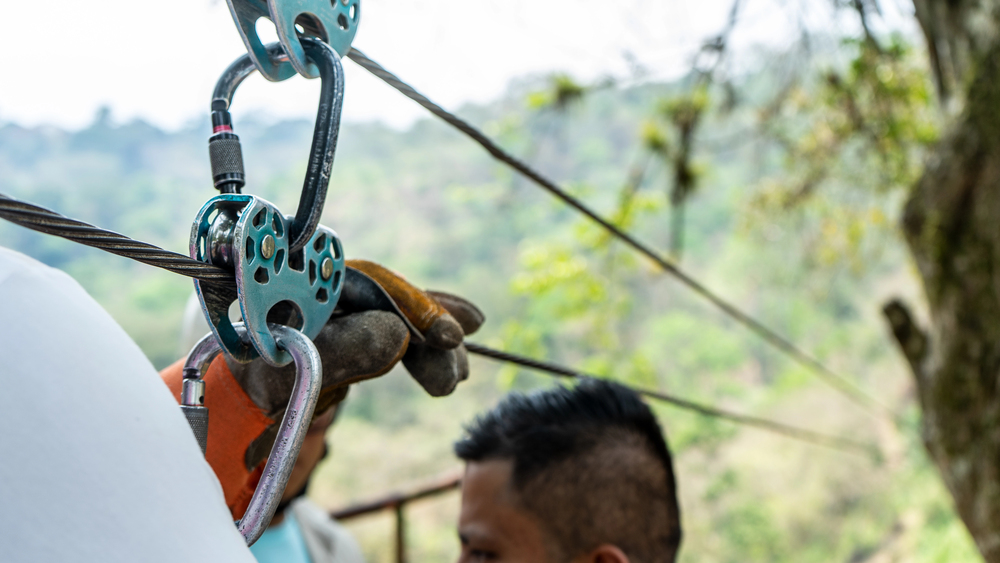
Zip-lining has become the default “adventure” activity at cruise ports throughout Central America, despite being essentially a mechanical amusement ride installed in natural settings. The experience involves being strapped into harnesses and sent down predetermined cables while guides control every aspect of the descent.
The adventure element gets eliminated through safety procedures that remove any genuine challenge or risk. Participants follow identical paths at controlled speeds, stopping at predetermined platforms for brief photo opportunities before continuing to the next cable.
Central American countries offer incredible adventure opportunities—from volcano hikes to river rafting—but these require more time and flexibility than cruise schedules allow.
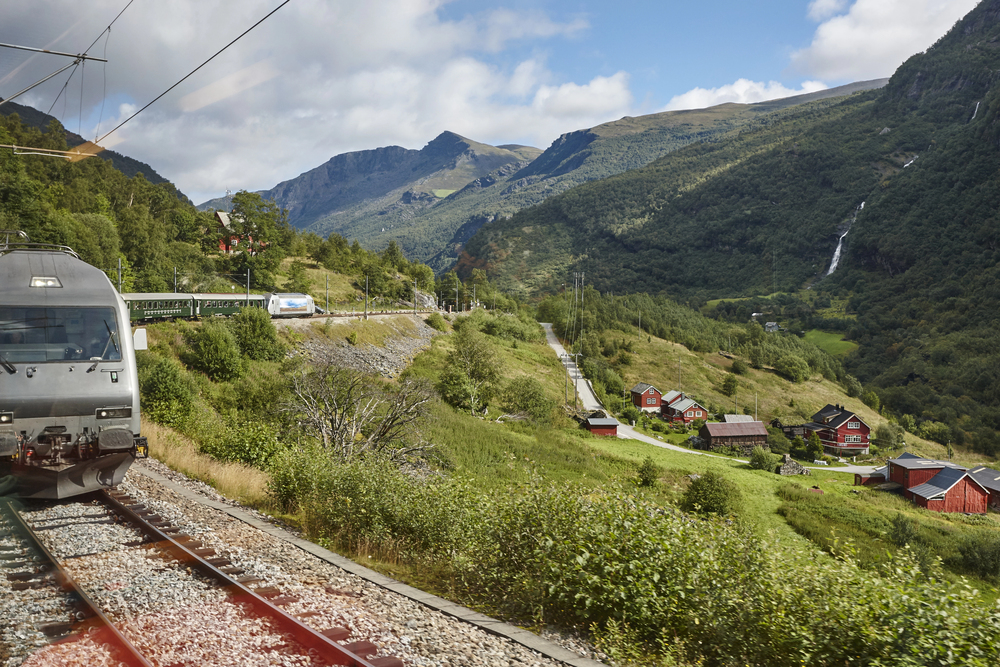
Scenic train rides in Norway
— Photo by ABBPhoto
These train excursions follow tourist-specific routes designed to showcase picturesque landscapes while avoiding authentic transportation experiences. The trains often use vintage cars that look charming but lack the efficiency and comfort of regular Norwegian rail service.
The scenic routes focus on predetermined viewpoints and photo opportunities rather than connecting passengers with Norwegian communities or transportation systems. Regular Norwegian trains offer more spectacular scenery, lower prices, and opportunities to interact with local passengers, but cruise ship partnerships rarely extend to authentic transportation options.
Camel riding in Morocco
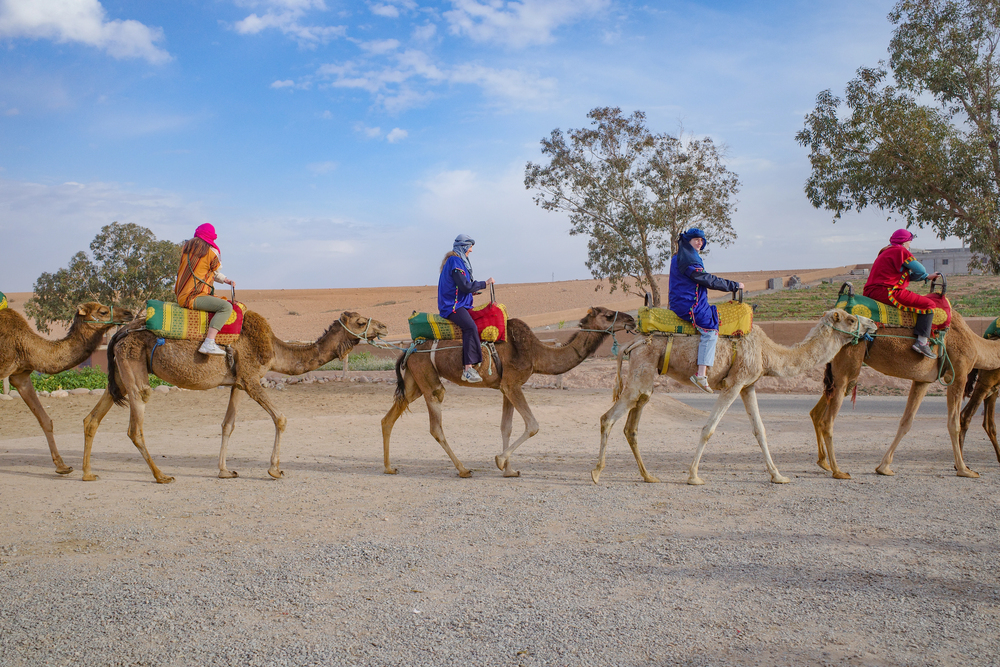
Camel riding near cruise ports involves short circuits around designated areas while animals show signs of overuse and poor care. The “desert experience” typically happens in sandy lots rather than actual desert landscapes, with tour operators prioritizing volume over animal welfare or authentic experiences.
The rides last fifteen to twenty minutes and cost significantly more than longer, more genuine desert excursions available through local operators. Morocco offers extraordinary desert experiences involving overnight camping, traditional meals, and encounters with nomadic communities, but these require multiple days and independent travel arrangements.
Beyond the tourist trap circuit
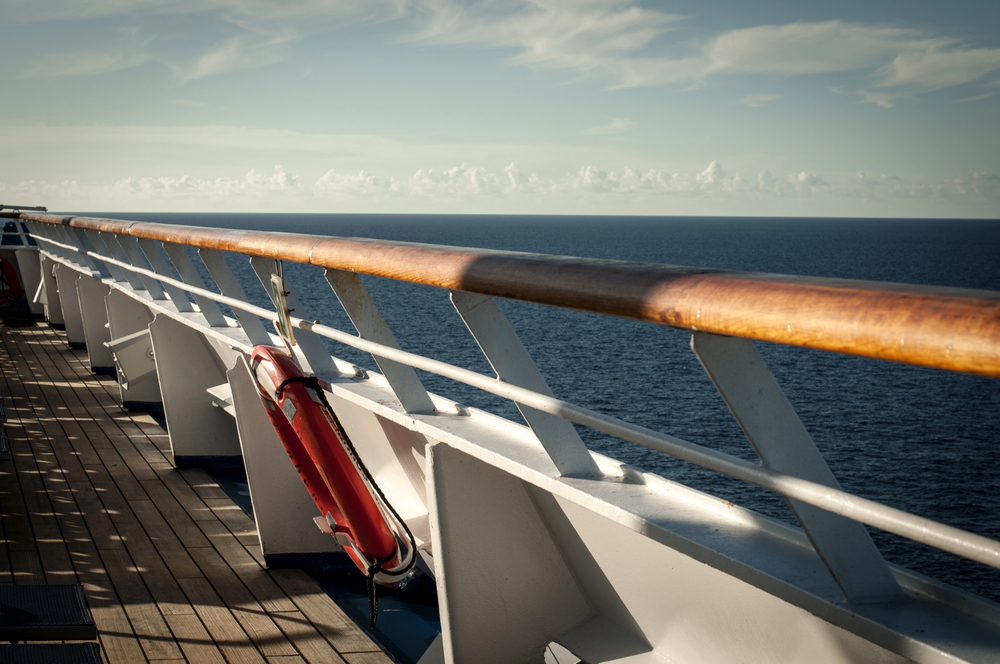
The cruise industry has mastered the art of packaging destinations into digestible, profitable experiences that protect passengers from uncertainty while maximizing revenue per person. But uncertainty—the possibility of discovering something unexpected—is precisely what makes travel memorable.
Every port contains authentic experiences waiting just beyond the official excursion circuit. Local buses run regular routes to neighborhoods tourists never see. Family restaurants serve incredible food without tour group markups.
Markets sell genuine crafts at fair prices. The best parts of any destination usually can’t be scheduled, packaged, or guaranteed—which explains exactly why they don’t appear on cruise ship itineraries.
More from Travel Pug

- Underrated Italian Towns That Beat the Tourist Crowds
- Las Vegas Tourist Traps to Skip
- Prettiest Towns in Every US State
- 18 passport-free countries for Americans
- Signs Your Cruise Is Not Worth The Cost
Like Travel Pug’s content? Follow us on MSN.