

There’s something almost stubborn about the appeal of a natural hot spring — no chlorinated pool smell, no wristband, no checkout time. Just water that’s been slowly heating underground for longer than you’ve been alive, rising to the surface and waiting.
The best ones don’t come with a lobby or a spa menu. They come with a trail, a parking pullout, or a muddy path through the brush.
The 26 spots below are all publicly accessible, most of them free or close to it, and none of them require you to book a room to earn the right to get in.
Bog Hot Springs
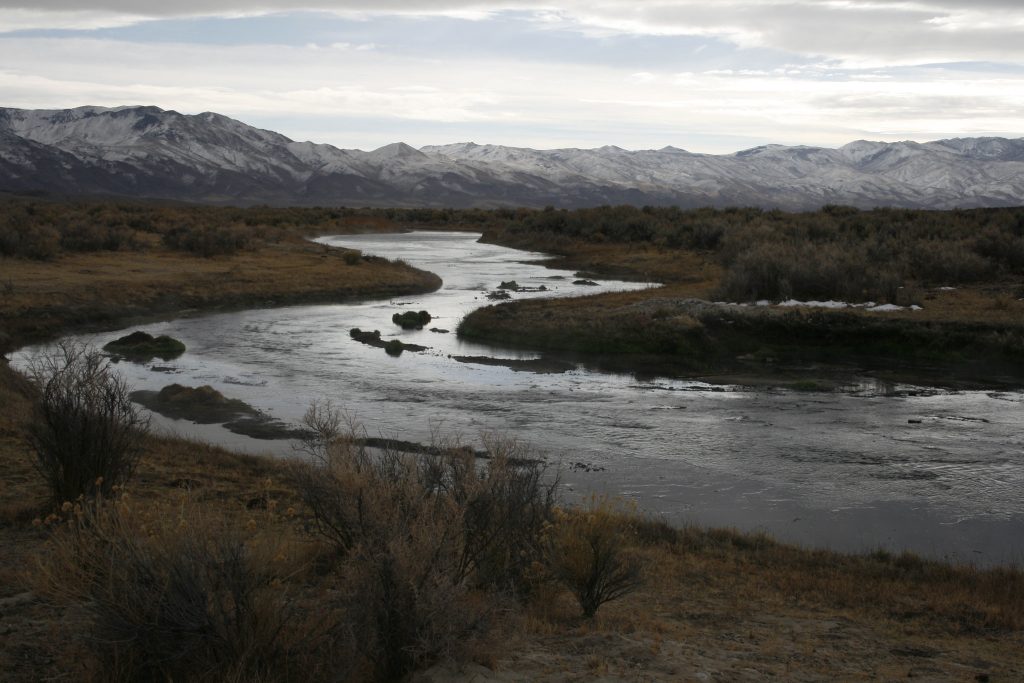
Bog Hot Springs sits in the Black Rock Desert region of Nevada, about 100 miles north of Winnemucca, and it’s exactly the kind of place that rewards people who don’t mind driving on dirt roads. The water hovers around 109°F, and someone has thoughtfully diverted it into a large concrete soaking trough — unglamorous, effective, and consistently hot.
You camp right next to it on Bureau of Land Management land for free.
Kirkham Hot Springs
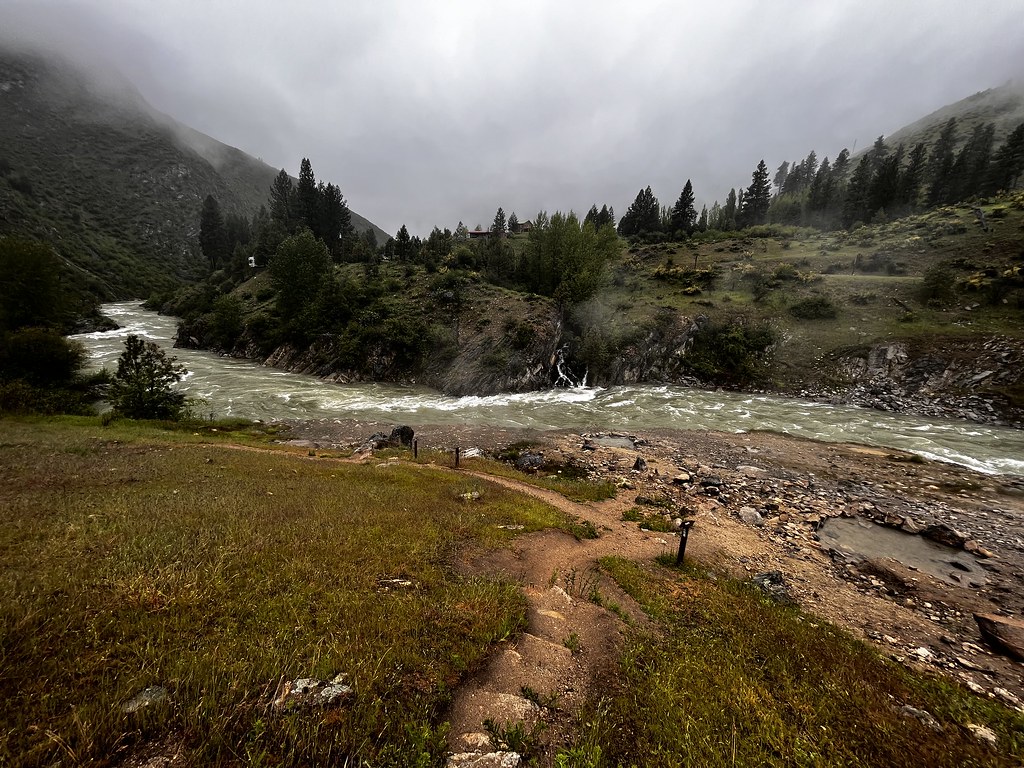
The river does half the work at Kirkham. Hot water seeps directly from the rocky bank of the South Fork of the Payette River in Idaho, just a few miles east of Lowman on Highway 21, creating a series of natural pools that sit right at the river’s edge — so you can slide into 100°F+ water one moment and into the rushing cold river the next.
It’s a Forest Service day-use site with a small fee, no resort required.
Goldbug Hot Springs
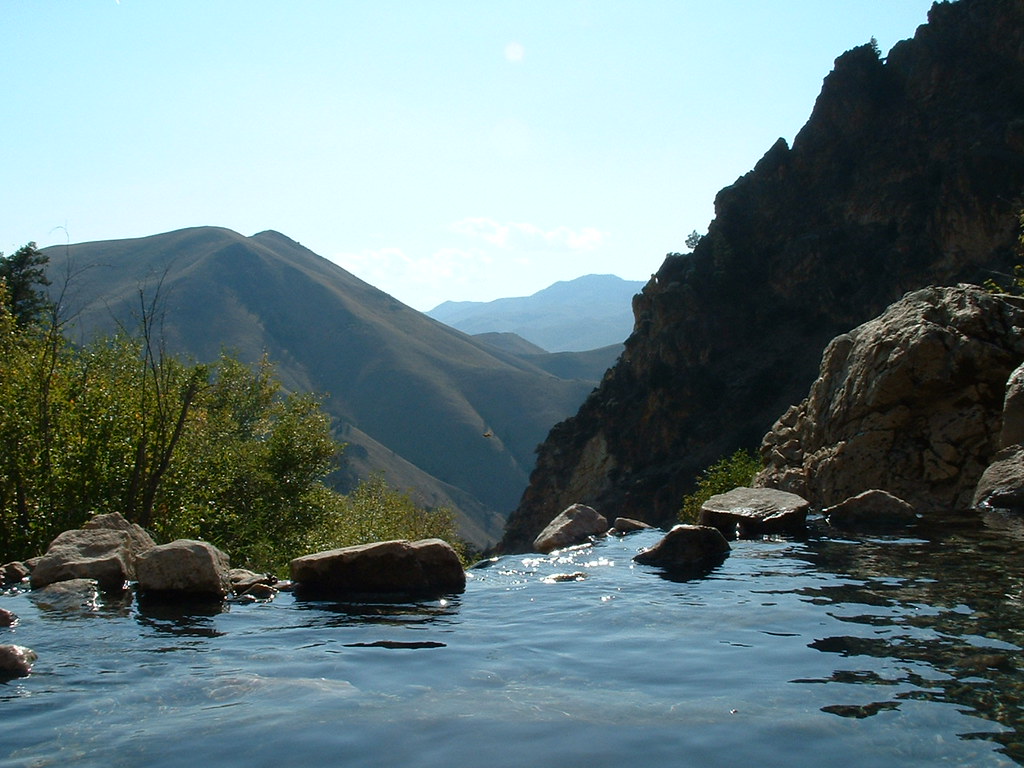
Goldbug is a hike, not a soak-and-leave situation. The trailhead sits along the Salmon River in central Idaho, and the springs themselves are a steep 2-mile climb up — which means by the time you reach the terraced pools cascading down the hillside, you’ve actually earned the warmth.
The water is clear, the views over the canyon are uninterrupted, and there’s no fee beyond the standard Salmon-Challis National Forest rules.
Meadow Hot Springs
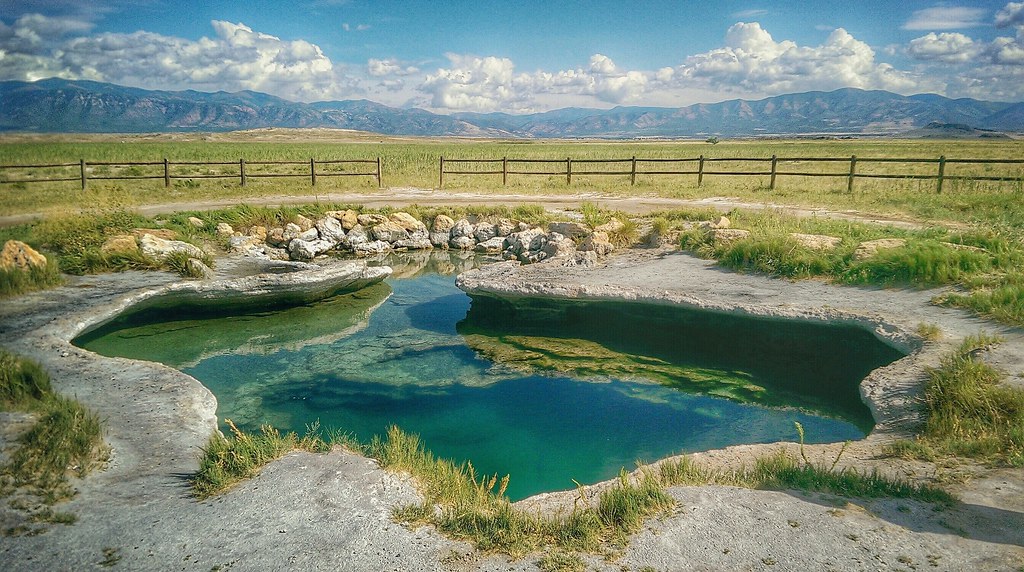
Free. Open 24 hours. No permit. Meadow Hot Springs in central Utah, about 15 miles north of Fillmore off I-15, is quietly one of the most accessible geothermal spots in the country — three deep, circular pools sitting in an open field, surrounded by nothing but farmland and sky.
The water is around 102°F, deep enough to float in, and clear enough to see the bottom. Go figure.
Dunton Hot Springs (Public Access Area)
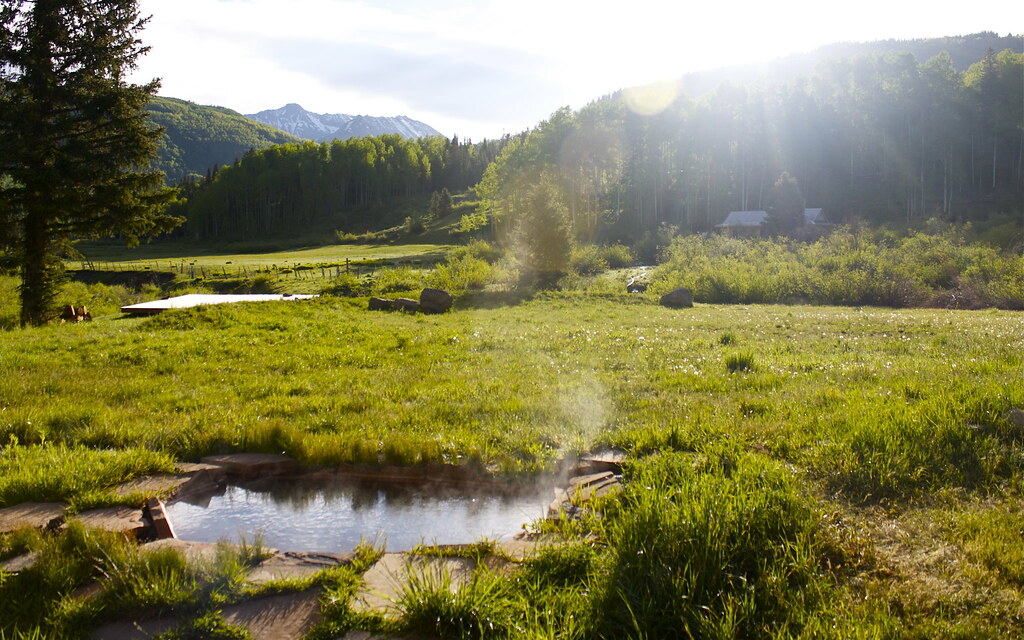
Dunton, the resort, is famously expensive, but the hot springs that surface near the ghost town of Dunton, Colorado — in the San Juan Mountains — aren’t entirely locked behind that price tag. Nearby public lands in the Dolores River region contain geothermal features, though access conditions and property boundaries change regularly.
The Alvord Hot Springs
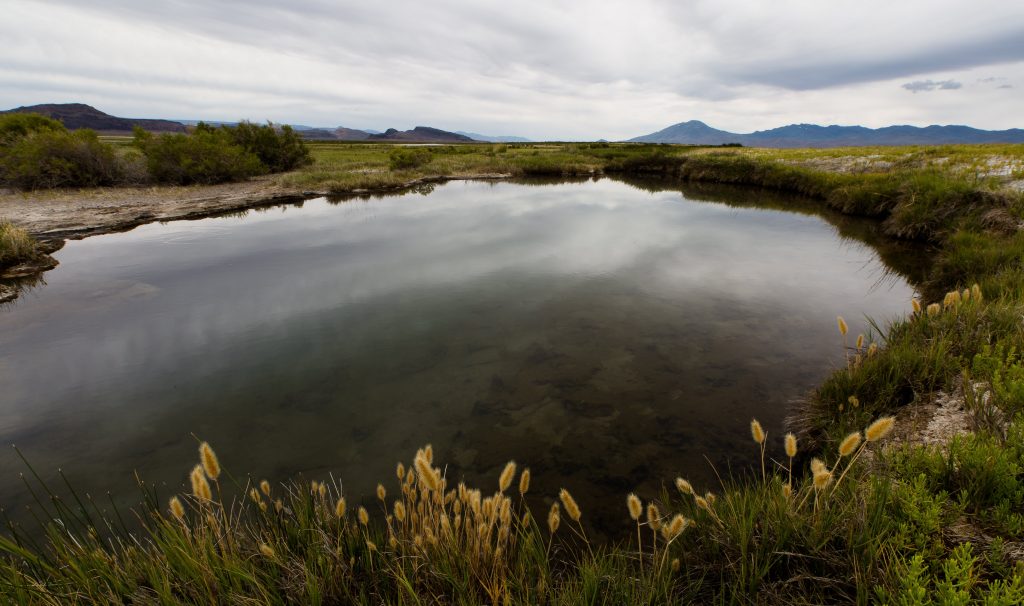
Oregon’s Alvord Desert is one of those places that recalibrates your sense of scale. The Alvord Hot Springs sit at the foot of Steens Mountain, staring out across a dry lakebed so flat and pale it looks like the earth ran out of ideas — and the two corrugated metal soaking tubs filled with 170°F water (cooled before it reaches you) cost a few dollars per person, owned and maintained by a small private operator.
No resort. No room booking. Just the desert and the hot water and the silence.
McCredie Hot Springs
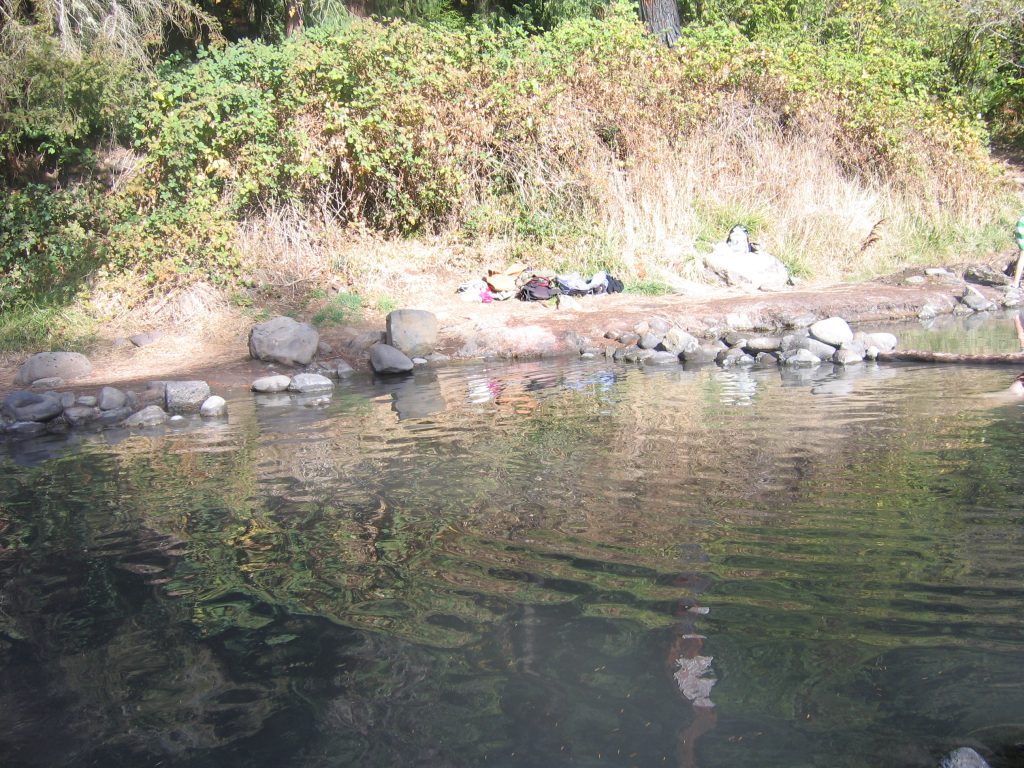
McCredie sits right along Highway 58 near Oakridge in Oregon’s Willamette National Forest, and the approach is almost comically easy — park the car, walk less than five minutes, get in. The springs feed into pools along Salt Creek, and the temperature varies depending on where you settle.
It’s free, it’s well-known to locals, and it draws a crowd on weekends.
Radium Hot Springs (Colorado)
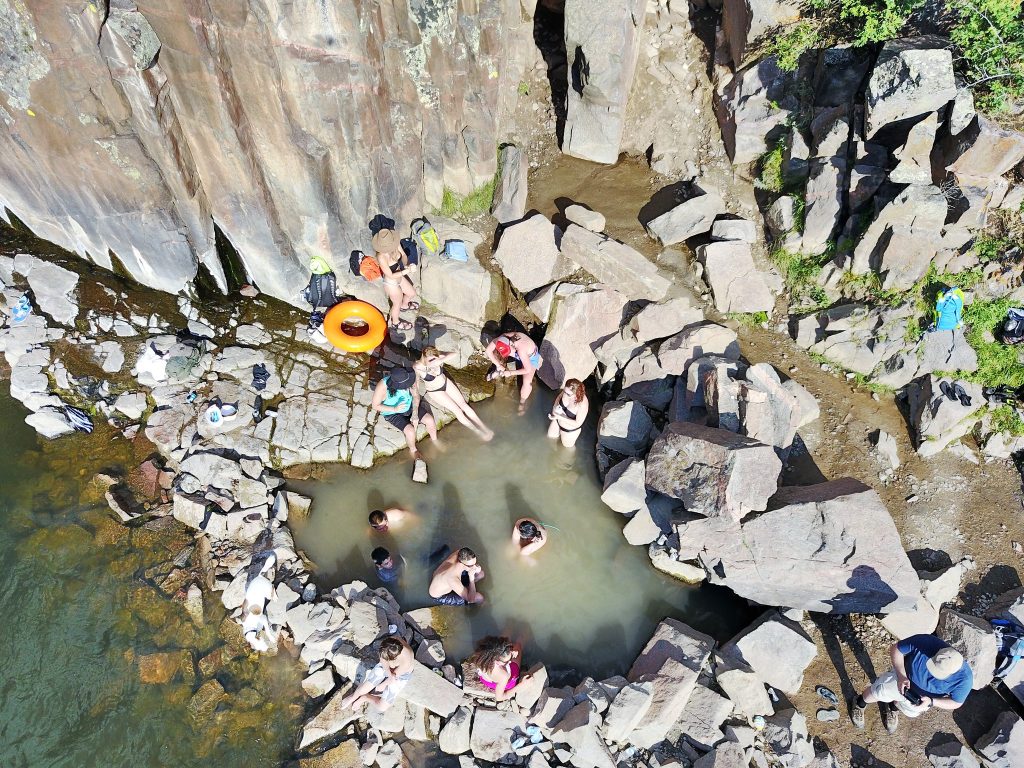
Not the famous Canadian one — the one in Colorado, along the Colorado River near Kremmling. Radium Hot Springs is a primitive, undeveloped seep along the river canyon, accessible via a short trail off BLM land. The water temperature depends on where the thermal and river water mix, which means it shifts with the season and the river level.
It’s exactly as rough around the edges as it sounds, which is precisely its appeal.
Fifth Water Hot Springs
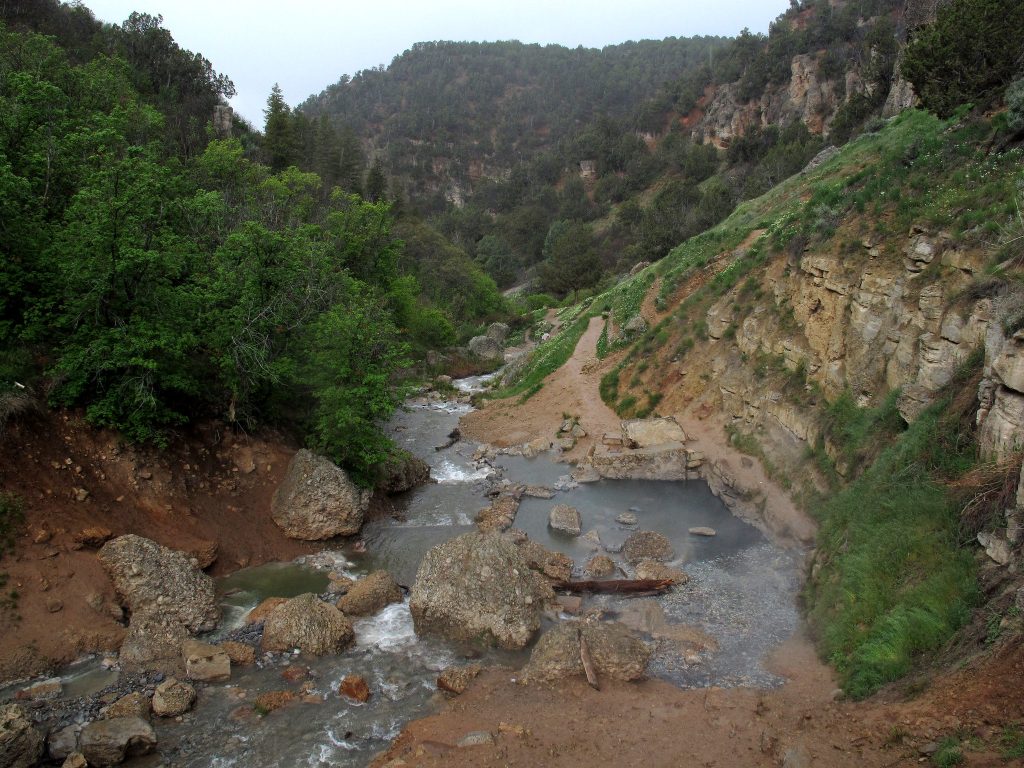
Fifth Water is the trail-access-only hot spring in Utah’s Uinta National Forest that locals have been quietly visiting for decades. The hike is about 4.5 miles round trip along the Diamond Fork River, and the reward is a series of blue-tinged thermal pools set into a narrow canyon — the color comes from dissolved minerals, and the temperature range is wide enough that you can move between pools depending on your heat tolerance.
A day-use fee applies to the trailhead parking, nothing more.
Chico Hot Springs
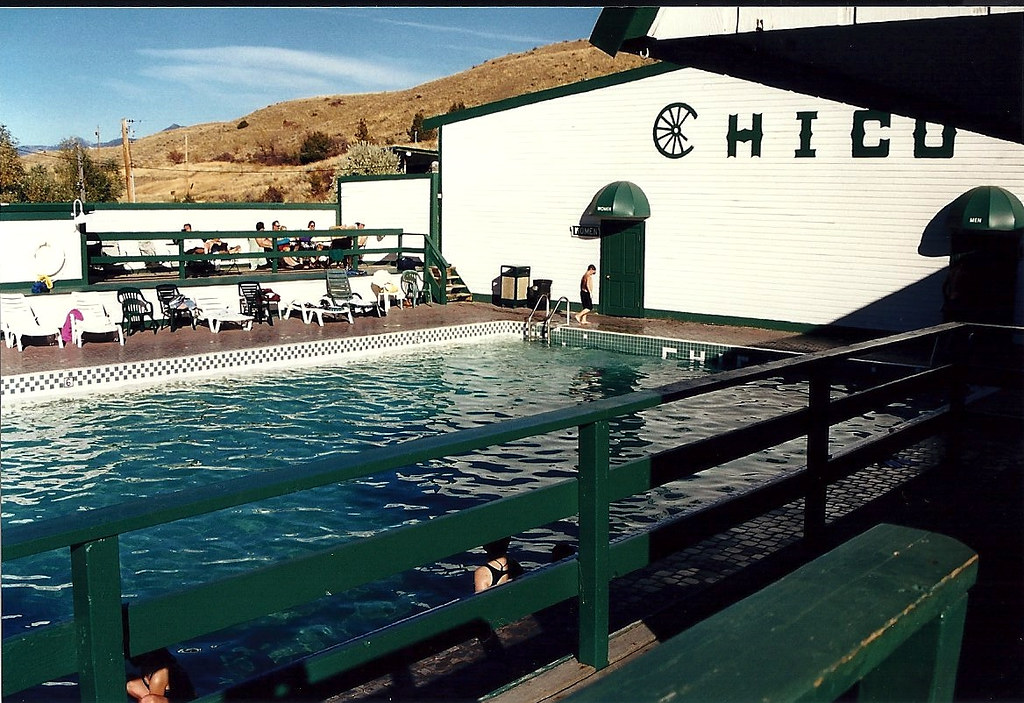
Chico Hot Springs in Pray, Montana runs a resort, but the outdoor soaking pool is open to the public without a room reservation. Day passes are available for a reasonable flat fee, and the pool itself is large, historically used, and kept at a temperature that actually feels geothermal rather than heated by machinery.
The Absaroka Range sits directly above it.
Barth Hot Springs
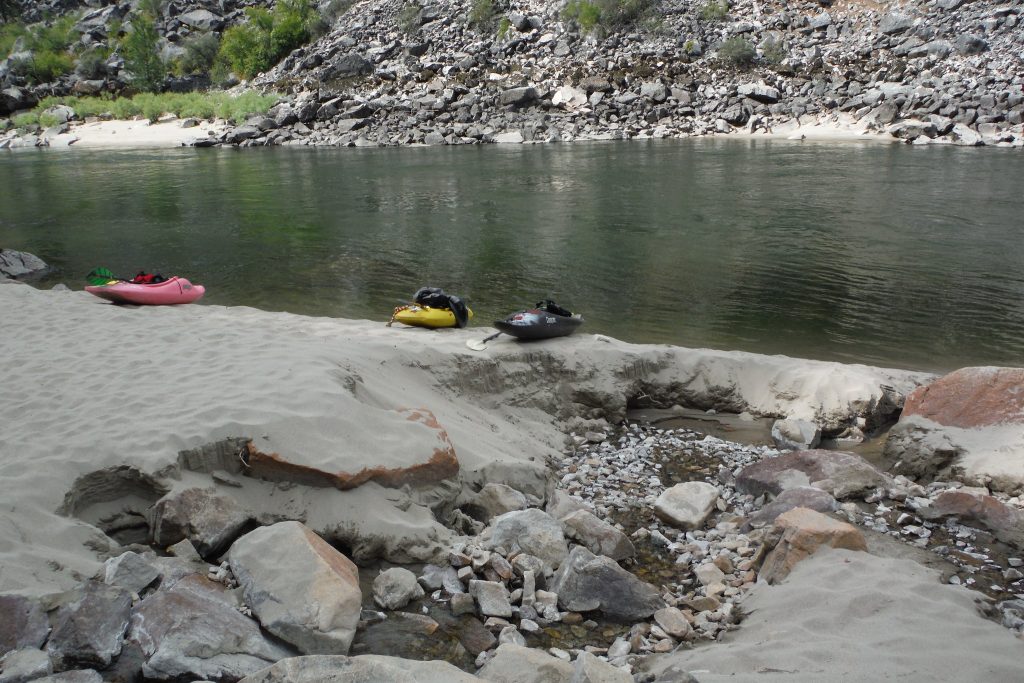
Remote is an understatement. Barth Hot Springs in the Frank Church–River of No Return Wilderness in Idaho requires either a float trip down the Middle Fork of the Salmon River or a serious backcountry hike — there are no roads within reach.
But the pools that emerge from the canyon wall above the river are some of the most undisturbed thermal water in the American West, and the lack of any fee structure is entirely consistent with the lack of any infrastructure.
Ojo Caliente
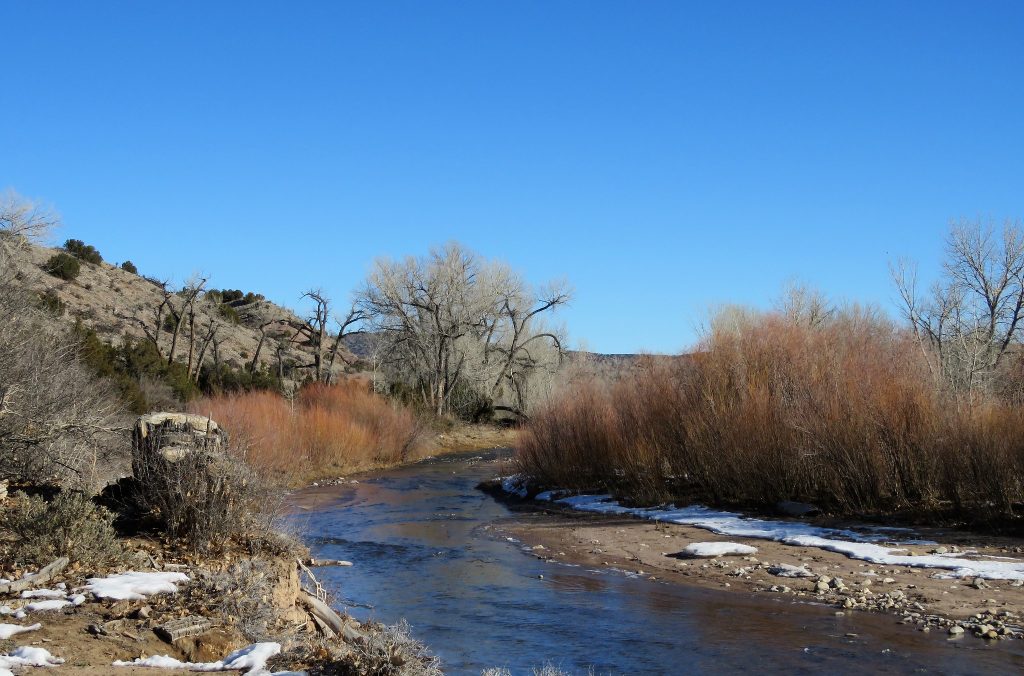
Ojo Caliente in northern New Mexico is a resort — and an honest one, with lodging and a spa menu. But it’s also one of the few places in the world where four distinct mineral spring types (iron, lithia, arsenic, and soda) surface in the same location, and day visitors can access the pools without booking a room. The day-use fee is not trivial, but it’s a fraction of resort pricing, and the history of the place stretches back thousands of years of human use.
Boquillas Hot Springs
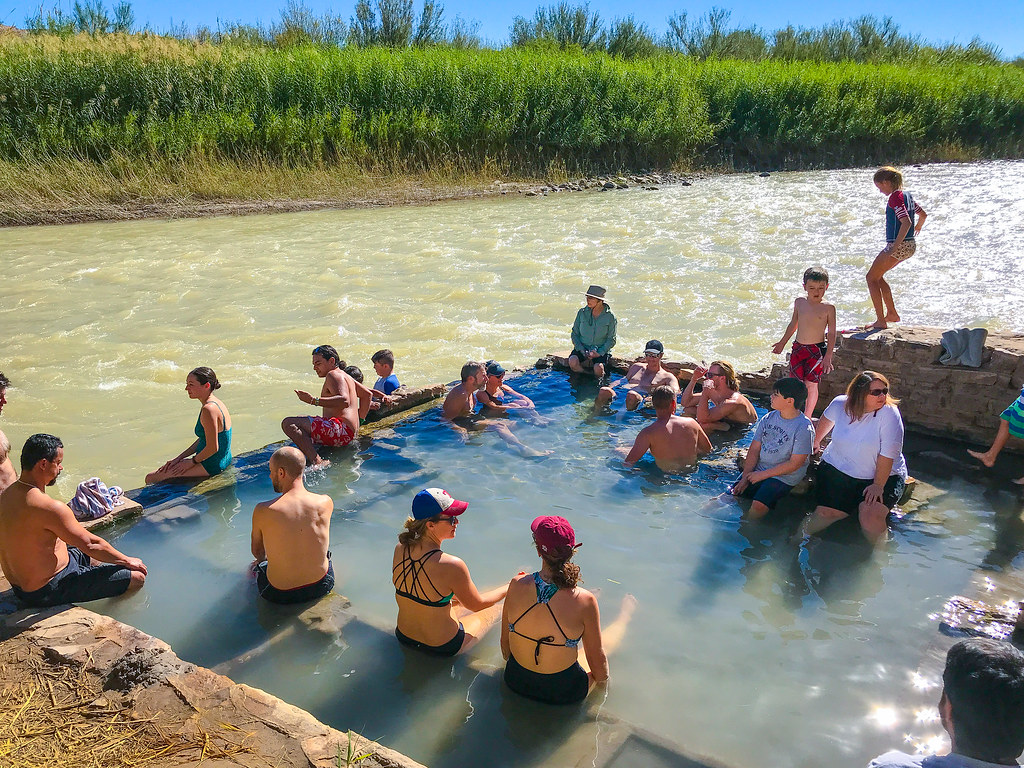
On the US side of the Rio Grande in Big Bend National Park, the Boquillas Hot Springs sit inside the ruins of an old bathhouse foundation — stone walls, open sky, river views into Mexico. The temperature runs around 105°F. Park entrance fees apply, but there’s no separate charge for the spring itself.
The hike from the parking area is less than half a mile.
Travertine Hot Springs
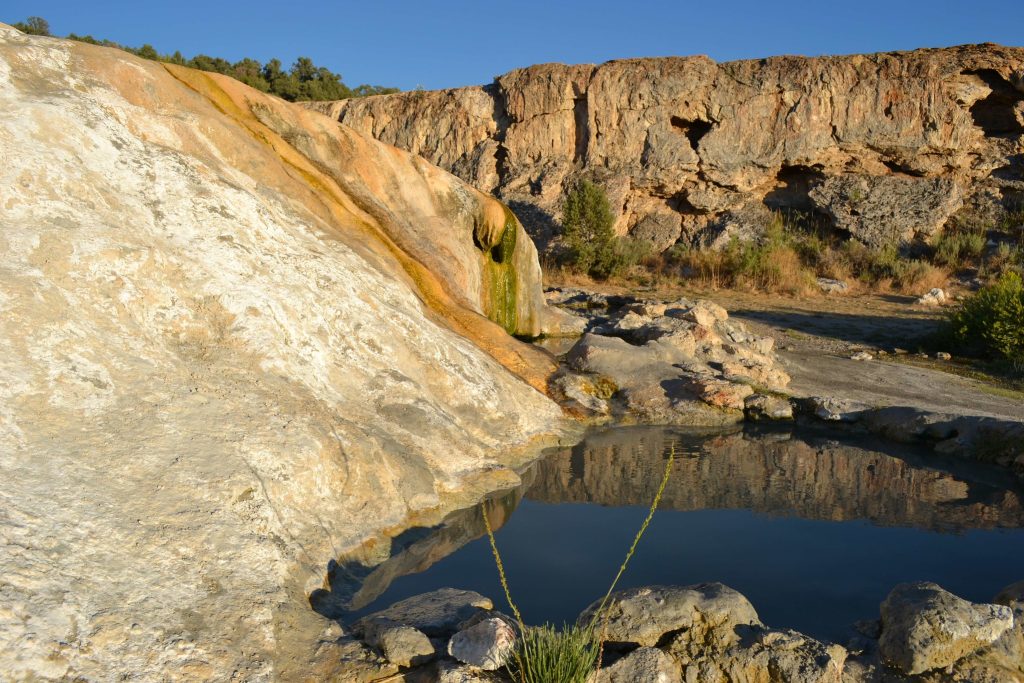
Just outside Bridgeport, California, the Travertine Hot Springs are BLM land — free, open, and positioned with an almost theatrical view of the Eastern Sierra ridgeline. The pools are naturally formed, built up over time by the same mineral deposits that give the water its milky-white tinge.
There’s a small developed area and some more primitive pools further up the hill.
Buckeye Hot Spring
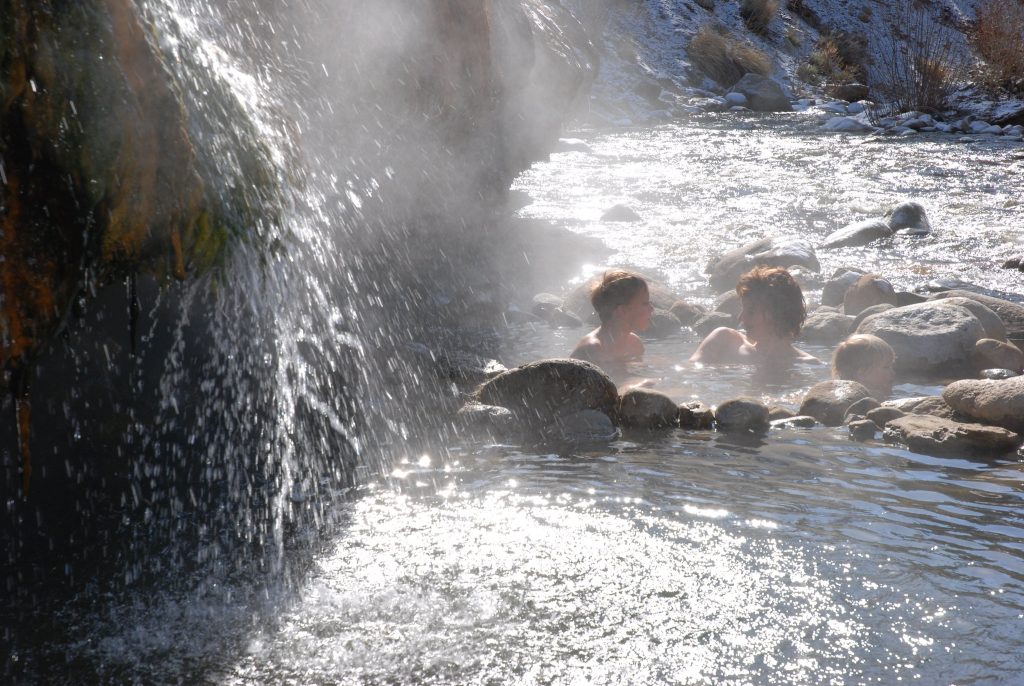
Buckeye Hot Spring, a few miles north of Bridgeport, California, is the kind of place that makes you wonder why you ever paid for a spa. A thermal stream runs across a travertine shelf above Buckeye Creek, and you can soak in the overflow while cold creek water keeps the ambient temperature honest — the contrast is jarring, then addictive.
It’s free, it’s BLM land, and the drive in on a dirt road keeps the crowd self-selecting.
Stanley Hot Springs
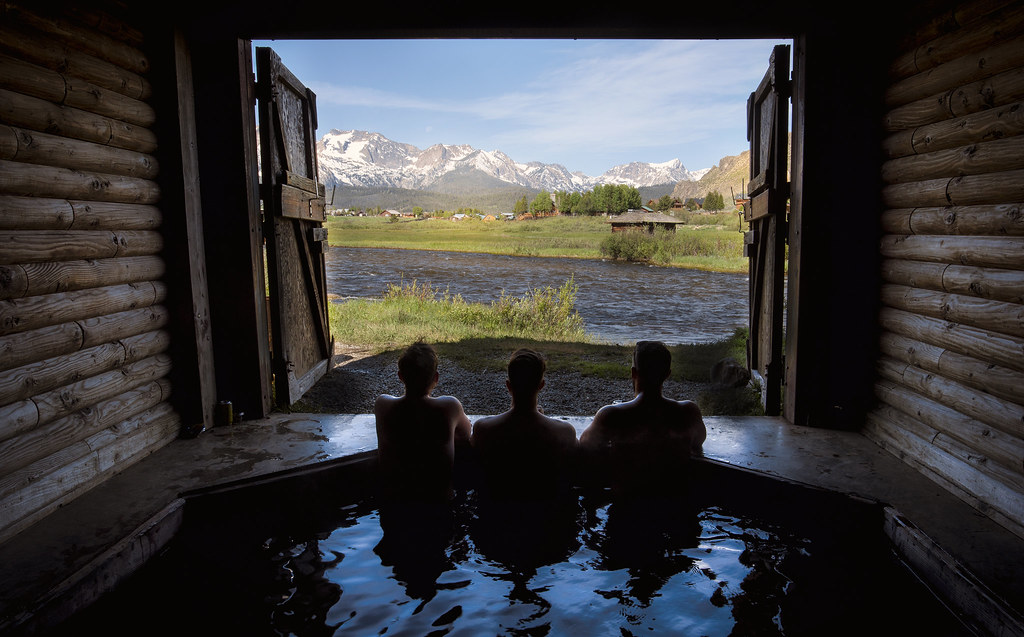
Getting to Stanley Hot Springs in the Selway-Bitterroot Wilderness of Idaho takes 9 miles of trail each way — so it is genuinely not for everyone, which is largely the reason it remains genuinely rewarding for those who make it. The wilderness designation means no motors, no shortcuts, just the forest and the trail and eventually a cluster of small thermal pools near the Selway River.
No fees, no facilities.
Ringbolt Hot Springs (Arizona Hot Springs)
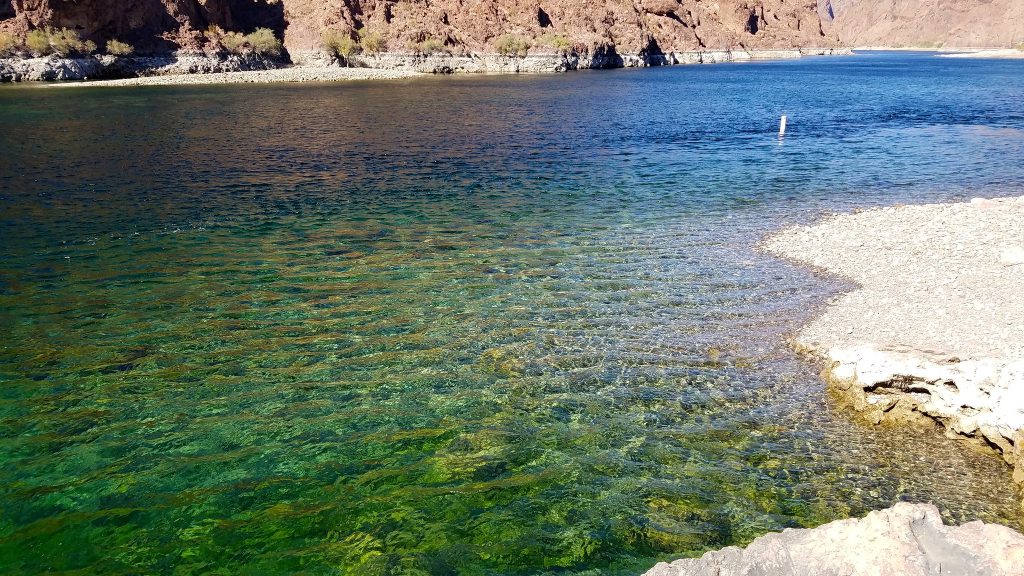
Ringed by the narrow canyon walls of the Colorado River below Hoover Dam, Arizona Hot Springs — sometimes called Ringbolt — requires a 6-mile round-trip hike through the Lake Mead National Recreation Area and a short ladder scramble through a slot canyon. What’s waiting at the end is a warm-water grotto that runs around 100°F, tucked so neatly into the canyon that it feels invented.
The recreation area entry fee covers it.
Jemez Springs Soda Dam
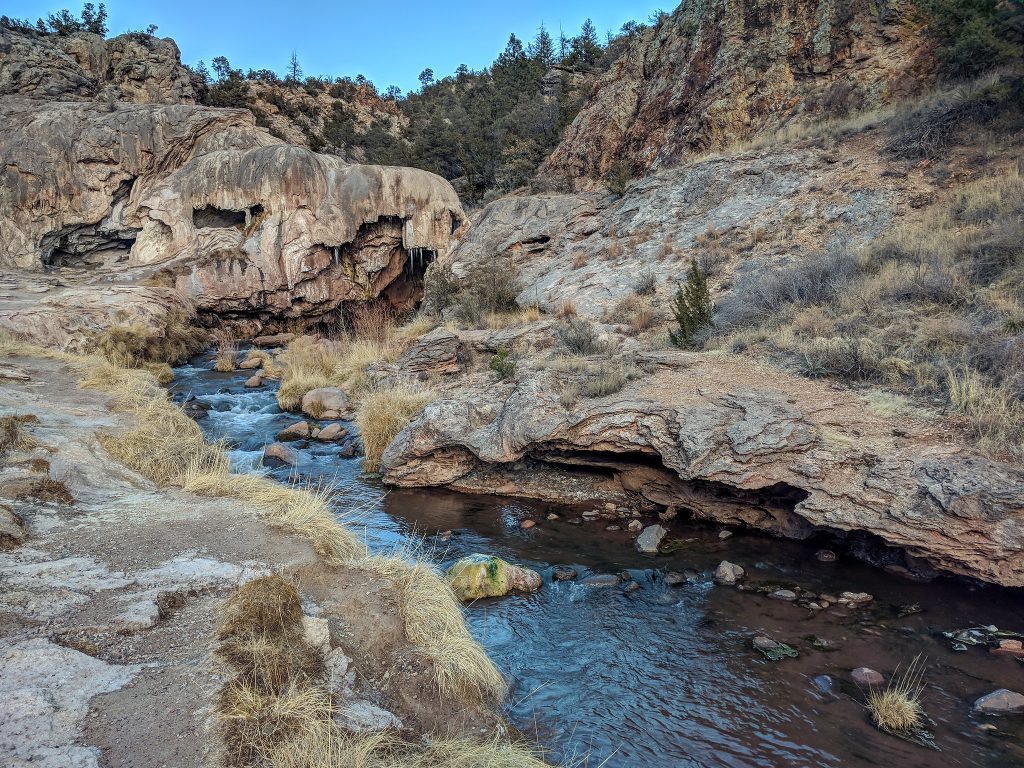
The Jemez River in New Mexico produced one of the stranger geological formations in the Southwest: a massive travertine dam built up by carbonated, mineral-rich water over thousands of years, with the river punching directly through it. Nearby, the public bathhouse in the village of Jemez Springs offers geothermal soaking for a very modest fee — and the landscape surrounding the whole area, red canyon walls and ponderosa pine, is the kind of thing that makes the drive feel like part of the experience.
Hart Mountain Hot Spring
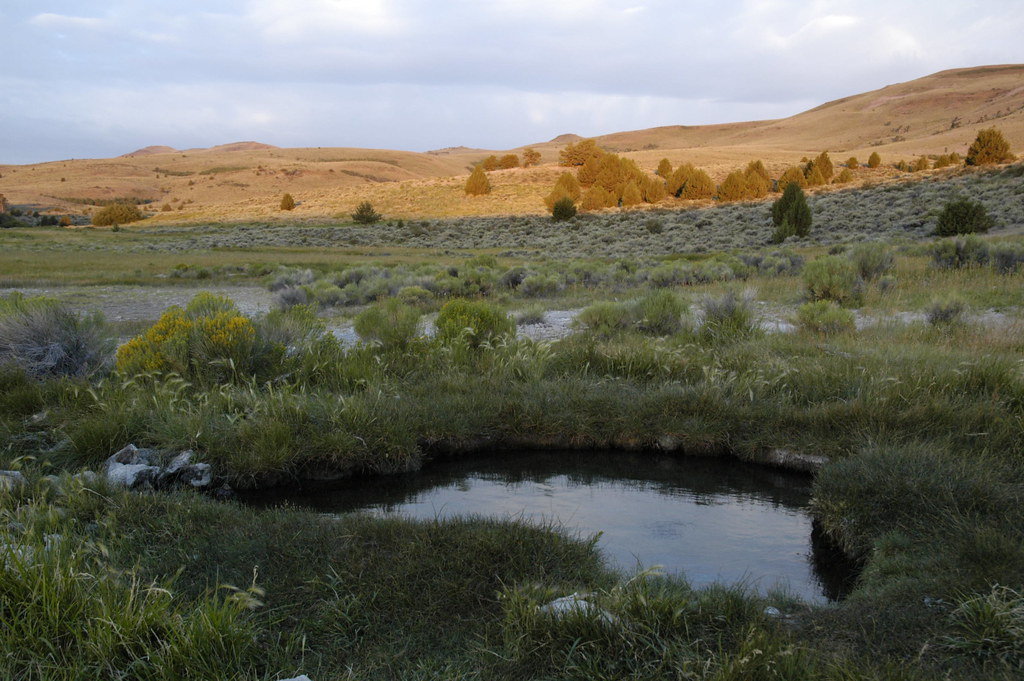
Hart Mountain National Antelope Refuge in southeastern Oregon is spectacularly isolated — pronghorn antelope, vast plateaus, almost no people — and right in the middle of it, the US Fish and Wildlife Service maintains a free, open-air concrete soaking tub fed by a natural hot spring. The water runs around 104°F.
The campground next to it is also free. It is, by any honest measure, an extraordinary deal.
Thermopolis State Bath House
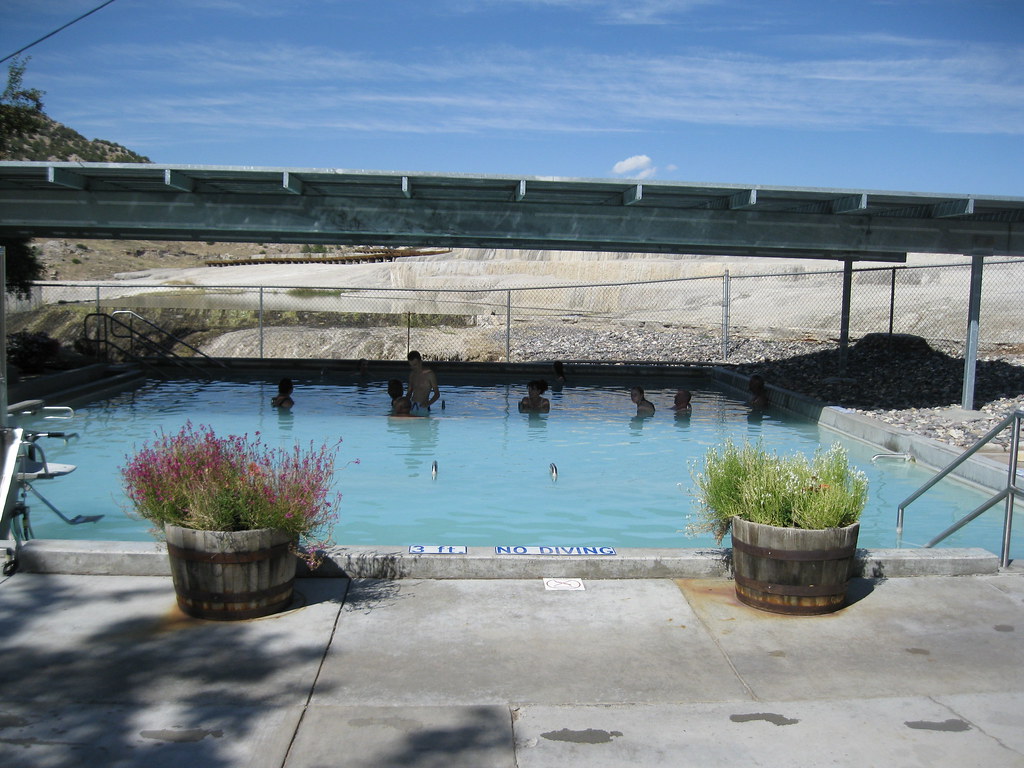
Wyoming’s state legislature made a promise to the Shoshone and Arapaho tribes when the hot springs at Thermopolis were ceded — that a portion of the water would always be available to the public for free. That promise is still kept.
The Star Plunge and Hellie’s facilities charge admission, but the State Bath House on the grounds of Hot Springs State Park offers free soaking daily in indoor and outdoor pools. It’s a genuinely unusual piece of public infrastructure.
Lost Trail Hot Springs
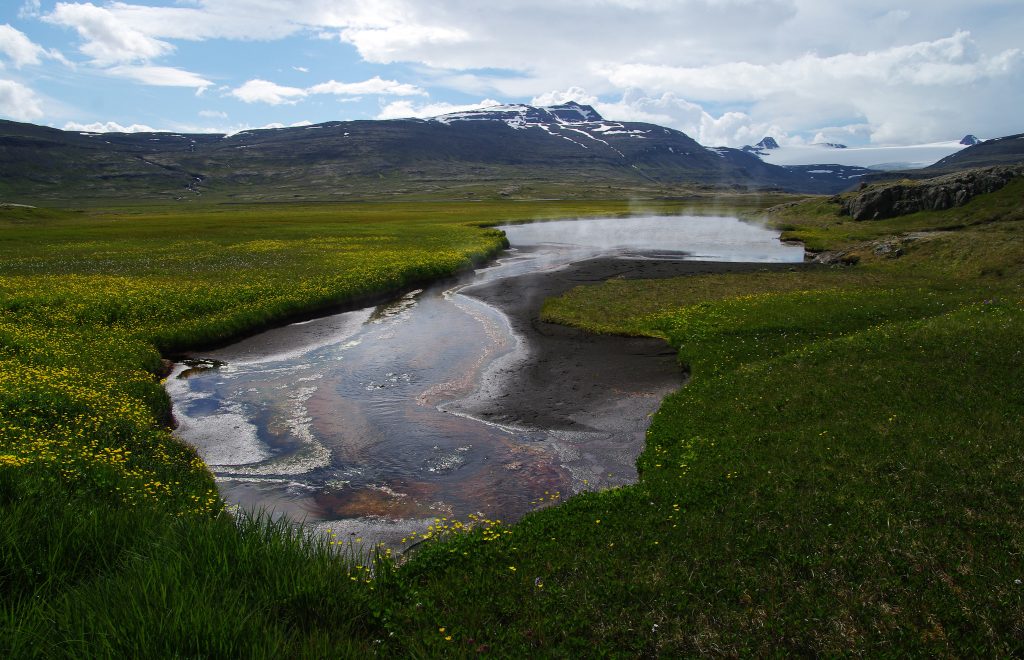
Lost Trail Hot Springs in Montana, near the Idaho border on Highway 93, runs a small lodge — but the outdoor pool is open to the public without a stay. Day passes are modest and the pool is fed by a natural spring that surfaces at around 103°F before it reaches the basin.
The surrounding Bitterroot Valley in late afternoon looks like something a landscape painter would attempt and then quietly give up on.
Orvis Hot Springs
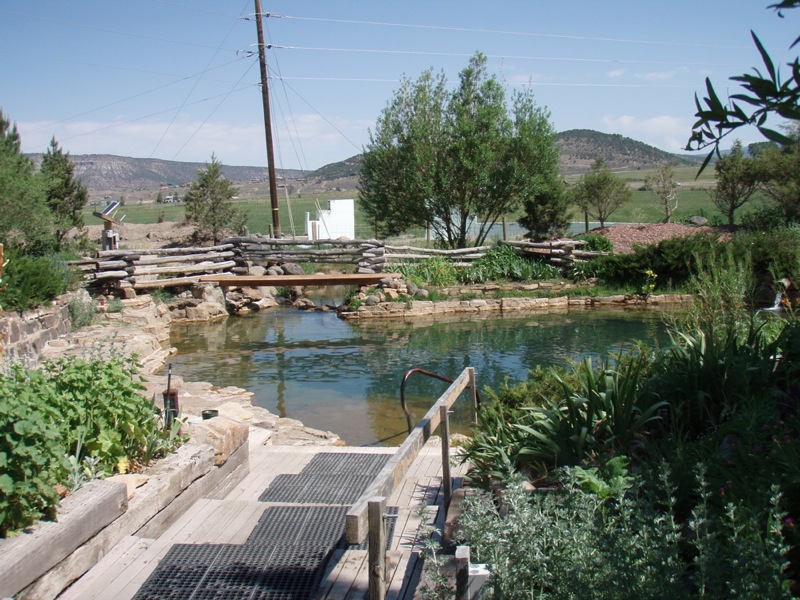
Orvis Hot Springs near Ridgway, Colorado, operates as a clothing-optional, adult-oriented soaking facility — small, quiet, and deliberately low-key, with several outdoor pools and a greenhouse bath fed entirely by the natural spring. Day use is available without lodging, and the fees are reasonable.
The views toward the San Juan Mountains from the outdoor pools are not incidental.
Mystic Hot Springs
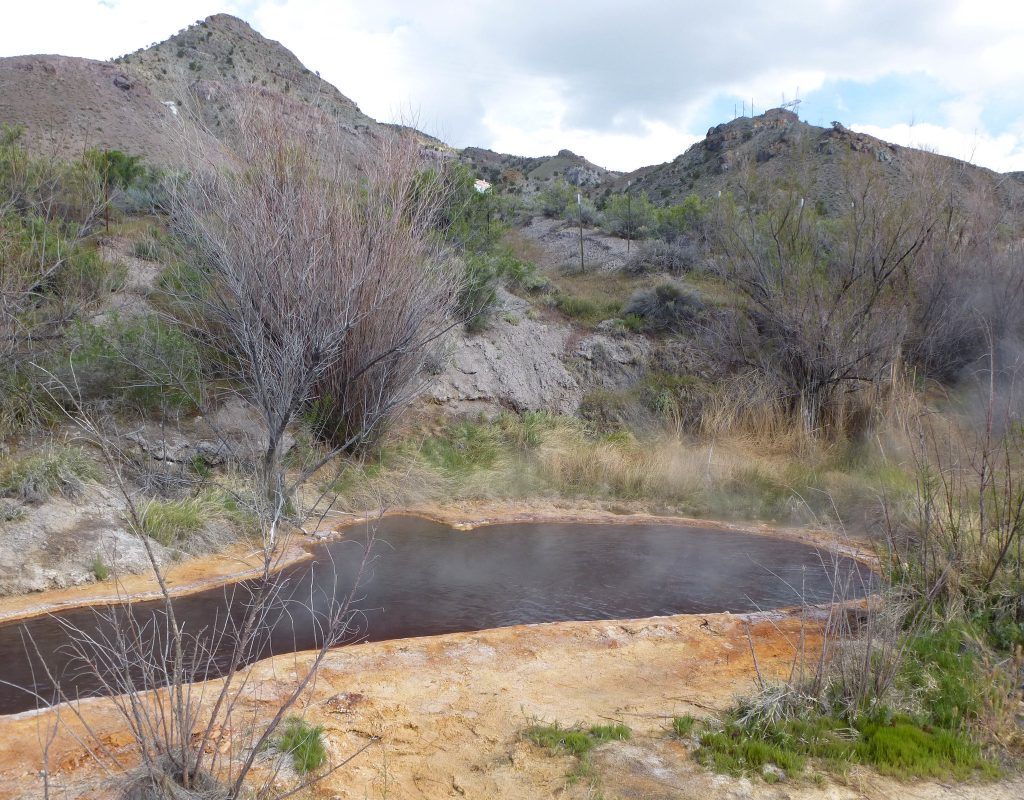
Mystic Hot Springs in Monroe, Utah, is one of the more creatively run geothermal spots in the country — old claw-foot bathtubs converted into individual soaking vessels, each fed by the spring through a pipe, and a larger communal pool for when you want company. Converted school buses serve as the lodging option if you want to stay, but day soakers are welcome for a flat fee.
The travertine formations growing up around the tubs give the whole place a look that shouldn’t work but absolutely does.
The Water Knows Where to Go
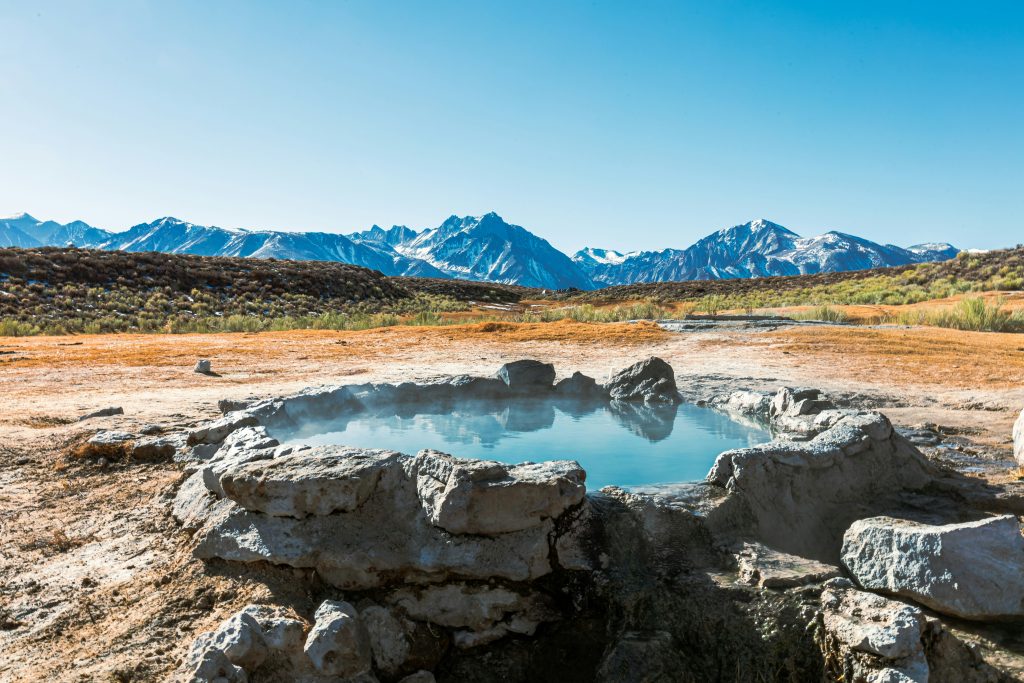
There’s no amenity package that improves on water that’s been heated by the earth itself and surfaced in the middle of a canyon, a desert, or a forest with a mountain above it. The springs on this list exist independent of anyone’s business plan — they were here before the roads and they’ll be here after the roads are gone.
What you bring to them is just yourself, a towel, and however many miles of driving it takes to get there. That’s always been the whole deal.
More from Travel Pug

- Underrated Italian Towns That Beat the Tourist Crowds
- Las Vegas Tourist Traps to Skip
- Prettiest Towns in Every US State
- 18 passport-free countries for Americans
- Signs Your Cruise Is Not Worth The Cost
Like Travel Pug’s content? Follow us on MSN.