

The cruise industry’s holy grail isn’t what you’d expect. It’s not the newest ship or the fanciest suite.
It’s the World Cruise — that mythical three-to-four-month journey that circumnavigates the globe while you sleep in the same bed every night. These epic voyages have developed their own culture, their own unspoken rules, and their own secrets that shorter cruise veterans never quite grasp.
The difference between a World Cruise and hopping on a seven-day Caribbean getaway isn’t just about time — it’s about entering an entirely different universe where the normal rules of cruising simply don’t apply.
Laundry becomes a social event

World cruisers don’t just wash their clothes. They gather.
The laundry rooms transform into informal meeting spaces where alliances form and gossip flows faster than the rinse cycle. People informally reserve machines weeks in advance and leave little notes claiming their territory.
Shore excursions are completely different animals
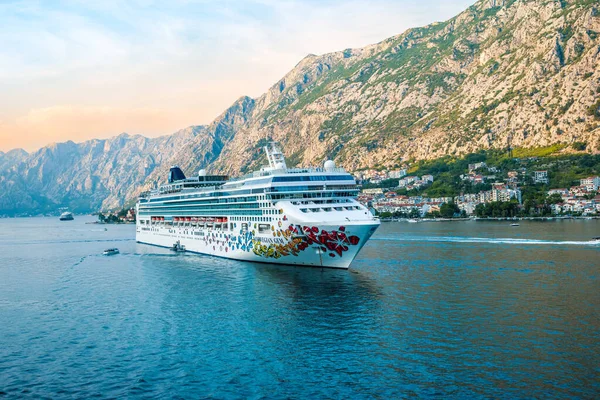
Forget those rushed six-hour port visits. World cruisers treat shore excursions like a local would — they find the neighborhood café, strike up conversations with shopkeepers, and sometimes skip the famous landmarks entirely.
Many book independent tours or just wander, knowing they have the luxury of potentially returning to the same region later in the voyage.
The social hierarchy runs deeper than the ocean
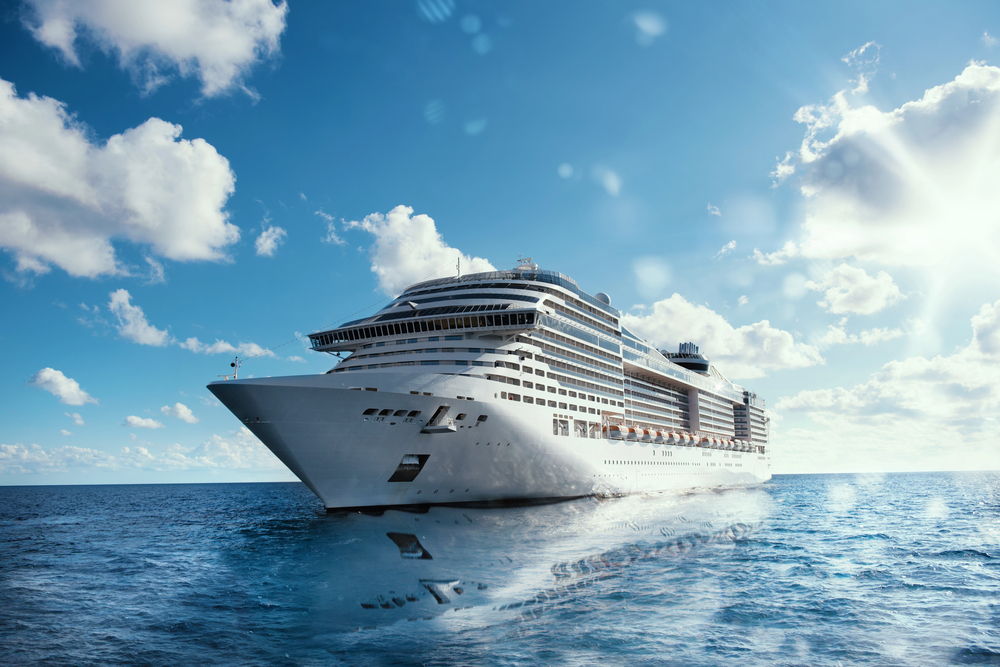
There’s an entire ecosystem aboard a World Cruise that makes high school look simple by comparison (and that’s saying something, considering most passengers graduated decades ago). The early boarders — those who joined the ship from the very beginning — occupy a different social stratum than those who hop on for segments.
And the ones who’ve done multiple World Cruises? They’re practically cruise royalty, dispensing advice and claiming their favorite deck chairs with the confidence of someone who knows exactly how many days it takes to cross the Pacific when the weather turns rough.
The dining room seating arrangements become as carefully orchestrated as a state dinner, with certain tables turning into exclusive clubs that newcomers can’t penetrate without the right introductions. But here’s the thing about this hierarchy: it’s not mean-spirited the way you’d expect — it’s more like an extended family where everyone knows their place, and surprisingly, most people find comfort in that structure when they’re going to be living together for months.
Cabin fever is real but manageable
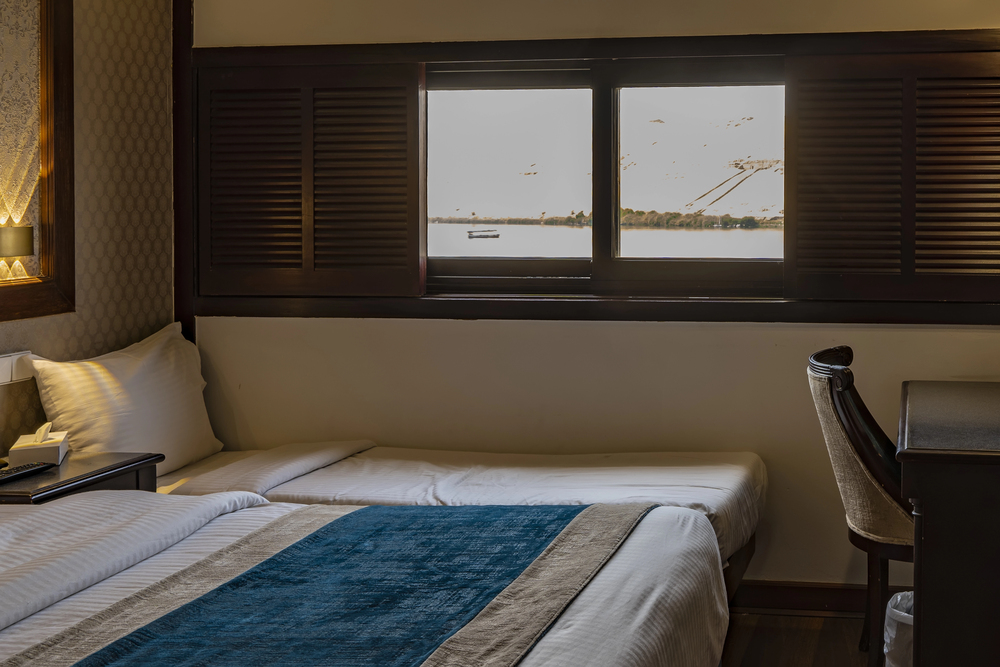
World cruisers develop coping mechanisms that shorter cruise passengers never need to learn. They rotate their daily routines, create artificial deadlines for themselves, and treat certain deck areas like private offices.
The smart ones pack completely different wardrobes for different segments of the journey.
Medical facilities become genuinely important

On a week-long cruise, the medical center is mostly for seasickness and minor cuts. On a World Cruise, it’s a legitimate healthcare facility.
Passengers develop relationships with the medical staff, schedule routine checkups at sea, and some even time procedures for specific ocean crossings. The pharmacy stocks medications you won’t find on shorter cruises.
Dining room politics are a full-time job

The maître d’ wields more power than a small-town mayor, and table assignments spark negotiations that would impress a corporate merger attorney. People switch tables multiple times throughout the voyage — not because the food is different, but because the conversation is.
Some passengers eat in the buffet for weeks just to avoid the social complexity, while others treat formal dining like their personal United Nations, collecting dinner companions from every continent they visit.
Early seating versus late seating becomes less about convenience and more about lifestyle philosophy: the early crowd tends toward structured days and early bedtimes, while late seating attracts the night owls who want to squeeze every moment from each port day. And then there’s the phenomenon of the “floating table” — passengers who’ve managed to charm their way into eating wherever they want, whenever they want, like cruise ship nomads with dining room privileges.
Time operates on its own rules

Shorter cruises run on vacation time — everything feels urgent and exciting. World cruises run on life time.
Passengers stop checking their watches obsessively and start moving to natural rhythms. They’ll spend three hours reading a book without noticing, or realize they’ve been talking to the same person for an entire afternoon.
Entertainment preferences shift dramatically

The flashy Broadway-style shows that wow seven-day cruisers become background noise after the first month. World cruisers gravitate toward lectures, book clubs, and quieter entertainment.
Many become genuinely invested in improving at shuffleboard or bridge, treating these activities with the seriousness of someone who has plenty of time to master something new.
Technology habits change completely

WiFi becomes less about staying connected and more about necessity. World cruisers develop specific times for checking email, often treating it like a scheduled appointment rather than a constant urge.
Many disconnect almost entirely for weeks at a time, then binge on digital life during longer port days. The ship’s internet cafe transforms from a tourist convenience into a genuine community space.
The relationship with their phones changes too — instead of constant photography, many World cruisers switch to more thoughtful documentation, keeping journals or taking photos only when something genuinely moves them. Some abandon social media entirely for the duration, while others become prolific bloggers, treating their followers like pen pals receiving letters from a very long journey.
Packing becomes an art form
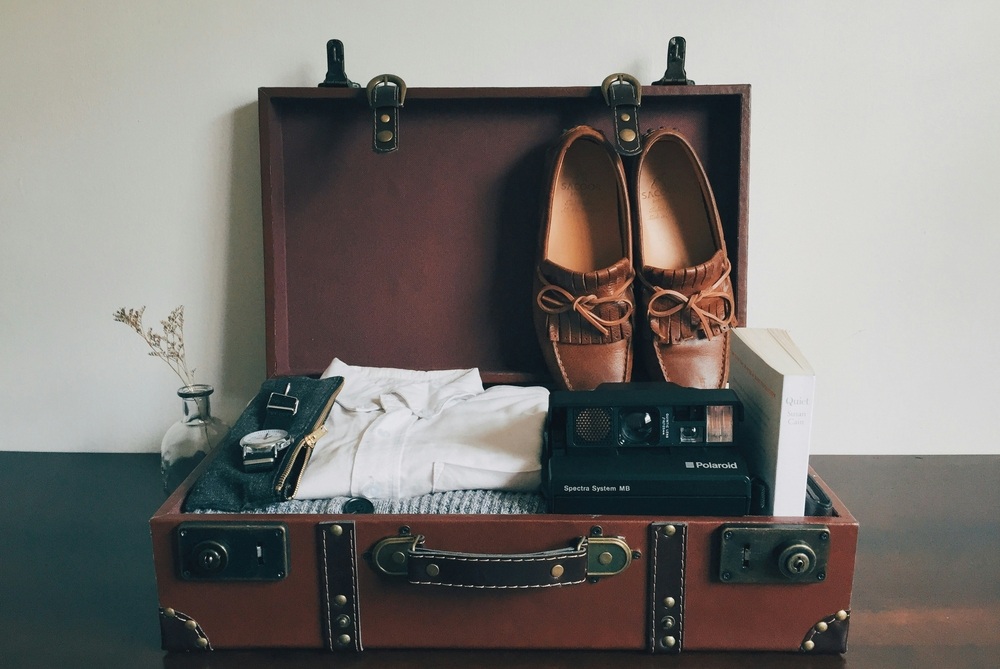
World cruisers pack like they’re moving, not vacationing. They bring multiple seasonal wardrobes, ship purchases home from ports, and develop complex clothing rotation systems.
Many pack completely different shoes for different climate zones and latitudes they’ll encounter.
Weather awareness reaches meteorologist levels

These passengers track weather patterns weeks in advance. They know which Pacific crossing route the captain prefers in February and can predict rough seas three days out.
Weather becomes a legitimate hobby, not just small talk. They understand how atmospheric pressure affects their arthritis and plan their activities around maritime forecasts.
Port strategies are completely reversed
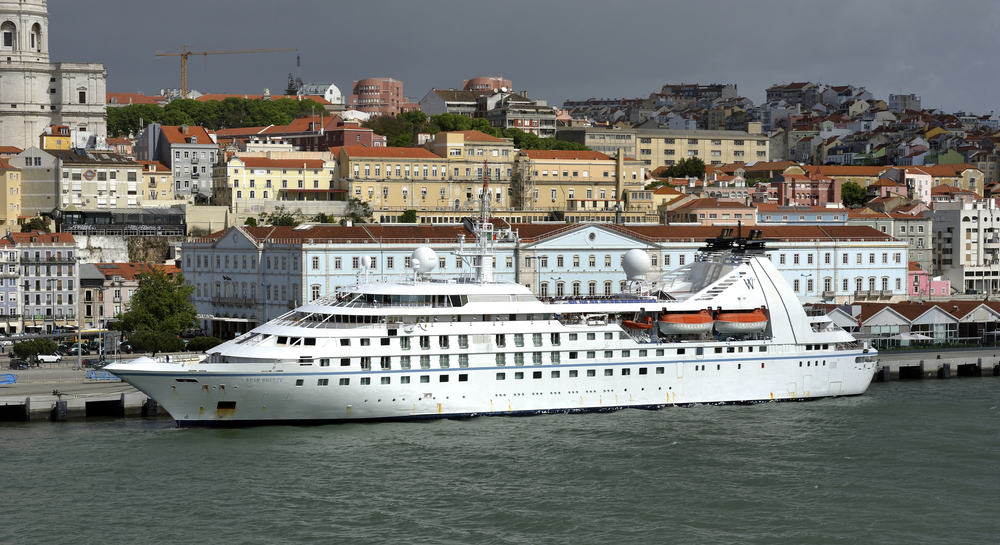
While shorter cruise passengers maximize every minute in port, World cruisers often stay aboard during the busiest port days. They’ve figured out that the ship is most peaceful when everyone else is ashore, and they use these days for laundry, spa treatments, or simply enjoying empty decks.
Some skip famous ports entirely, choosing ship life over tourist crowds.
Friendships form differently

The relationships that develop on World cruises don’t follow vacation friendship rules — they’re more like workplace relationships that slowly deepen into genuine connections. People who might never speak to each other on land find themselves becoming close friends simply because they share morning coffee at the same table for three months.
These friendships often continue for years after the cruise ends, with passengers planning future voyages together or visiting each other’s home cities.
But the friendships also strain differently than vacation friendships — spending that much time with the same group means personality conflicts can’t be smoothed over with the knowledge that everyone’s leaving soon. People learn to navigate disagreements and social tension with the diplomatic skills of roommates who can’t move out, which actually makes the successful friendships surprisingly strong and authentic.
Crew relationships are deeper
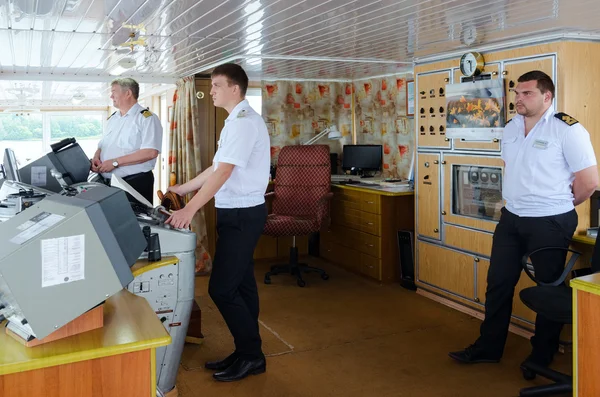
World cruisers know crew members’ names, their home countries, and often details about their families. The crew, in return, remembers passenger preferences and treats them more like temporary residents than customers.
These relationships develop naturally over months, creating a ship atmosphere that feels more like a small community than a vacation service.
Shopping strategies become sophisticated

Forget impulse buying. World cruisers research purchases for weeks, compare prices across multiple ports, and sometimes wait until the final legs of the journey to buy items they’ve been considering since the first month.
They know which ports have the best deals on specific items and often coordinate group purchases for better prices.
Health routines become sacred

The gym stops being a vacation novelty and becomes a necessity for maintaining sanity and health over months at sea. World cruisers develop specific workout routines, stake out favorite equipment times, and treat physical activity as essential maintenance rather than optional vacation enhancement.
Many achieve better fitness levels than they maintained on land, simply because their routine is so consistent and there are fewer outside distractions.
Walking the deck becomes less about getting steps and more about meditation or social time — passengers develop specific deck walking partnerships and routines, treating their daily walks like appointments with friends. The spa transforms from luxury splurge to regular healthcare, with passengers scheduling treatments as preventive maintenance rather than special treats.
The psychology of unlimited time

Perhaps the most profound secret is how unlimited time changes everything. On shorter cruises, there’s always an underlying urgency — you need to try that restaurant tonight because you leave tomorrow.
World cruisers lose that urgency entirely, which sounds relaxing but actually requires mental adjustment. Some passengers struggle with the lack of deadline pressure, while others find it liberating in ways they never expected.
The ship becomes less like a vacation destination and more like a temporary hometown where you happen to wake up somewhere new every few days.
Finding your sea legs in uncharted waters

The World Cruise remains cruising’s best-kept secret, not because the industry hides it, but because the experience defies easy explanation. These extended journeys create their own reality where time moves differently, relationships deepen naturally, and the distinction between vacation and life temporarily disappears.
The passengers who thrive on World Cruises often discover something unexpected: that the luxury isn’t in the ship’s amenities or the exotic destinations, but in having enough time to actually settle into a rhythm instead of racing through it. For those wondering whether they’re built for months at sea rather than days, the only real way to find out is to book passage and discover which version of cruise life fits better — the intense burst of a shorter cruise, or the slow burn of circumnavigating the globe one sunrise at a time.
More from Travel Pug

- Underrated Italian Towns That Beat the Tourist Crowds
- Las Vegas Tourist Traps to Skip
- Prettiest Towns in Every US State
- 18 passport-free countries for Americans
- Signs Your Cruise Is Not Worth The Cost
Like Travel Pug’s content? Follow us on MSN.