

Tokyo is the world’s most compelling demonstration of how the very latest technology and ancient tradition might peacefully coexist within one city. Take a stroll down any street in the capital of Japan and you will see centuries-old temples looming over shining high-rises, skilled artisans working in conjunction with advanced robots, and corporate types in crisp business suits bowing properly at Shinto shrines on their way to lunch. This magnificent city, with more than 13 million inhabitants, excels at preserving its cultural heritage while driving the trend in technological progress and urban development.
Instead of letting modernization erase its history, Tokyo has incorporated traditional elements into the fabric of modern life, weaving a distinctive city tapestry in which the old and new coexist and complement each other. Here is a list of 20 remarkable ways Tokyo blends its ancient heritage with its futuristic aspirations.
Ancient Senso-ji Temple shares skyline with Tokyo Skytree
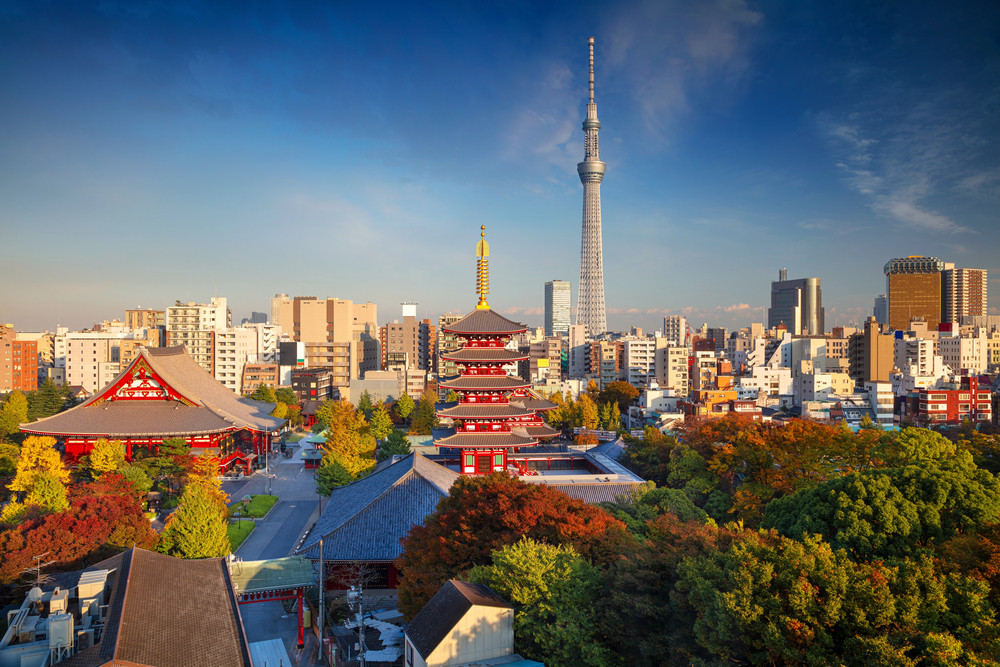
— Photo by rudi1976
The 1,400-year-old Senso-ji Temple in Asakusa stands just across the river from the ultra-modern Tokyo Skytree, creating one of the world’s most striking architectural contrasts. Visitors can light incense and pray at Buddhism’s oldest temple in Tokyo, then turn around to see the 634-meter broadcasting tower piercing the sky with its contemporary steel and glass design. This juxtaposition perfectly captures Tokyo’s ability to honor its spiritual heritage while embracing technological progress, with both landmarks serving as essential symbols of the city’s identity.
Tokyo Skytree incorporates traditional design elements
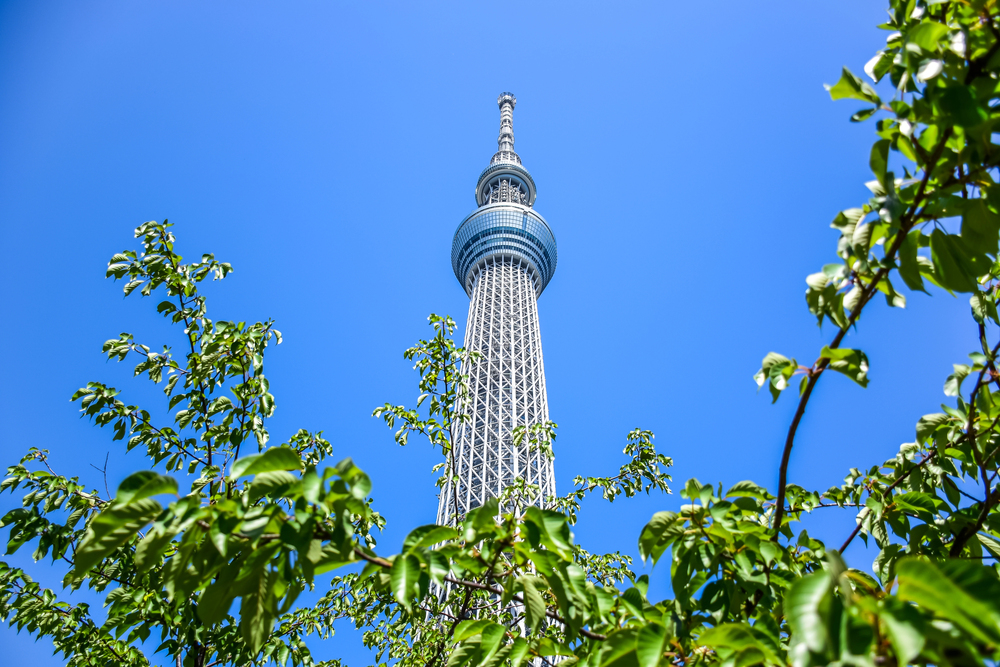
— Photo by parrysuwanitch
Despite being one of the world’s tallest structures, Tokyo Skytree draws its elegant curves from traditional Japanese aesthetics, specifically the gentle arc of a samurai sword and the structural principles of ancient pagodas. The tower’s base transitions from triangular to circular as it rises, mimicking the soft cambers found in the pillars of 1,300-year-old temples like Kyoto’s Horyuji. This fusion of ancient design wisdom with modern engineering creates a structure that feels both futuristic and deeply rooted in Japanese architectural tradition.
Neighborhoods preserve distinct historical identities within a modern metropolis
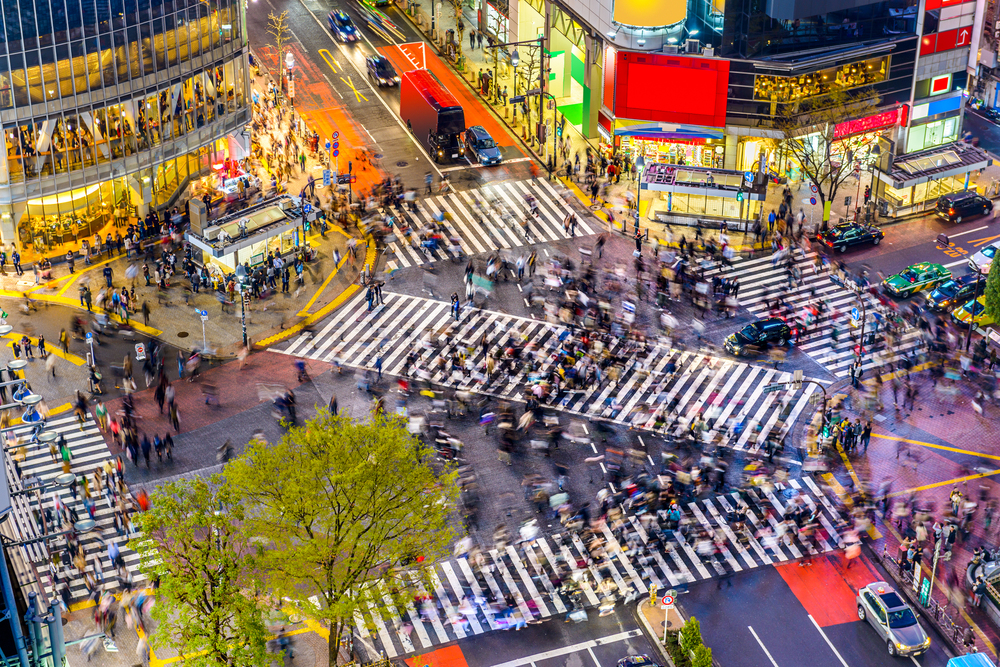
Traditional Asakusa maintains its centuries-old atmosphere of narrow streets, craft shops, and temple festivals, while just a few train stops away, ultra-modern Shibuya pulses with neon lights, digital billboards, and the world’s busiest pedestrian crossing. Each neighborhood in Tokyo has preserved its unique character, from the electronics wonderland of Akihabara to the traditional gardens of the Imperial Palace area. This diversity allows residents and visitors to experience vastly different eras of Japanese culture simply by changing train stations.
Yamanote Line connects traditional and modern districts seamlessly
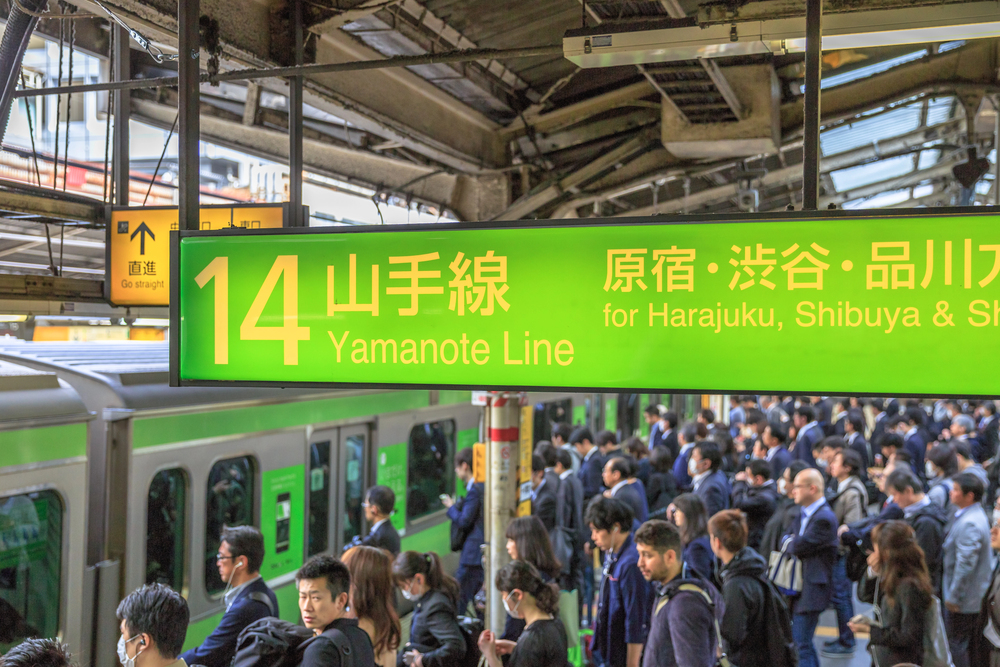
Crowd of commuters waiting for rail train at Tokyo main railway station.
— Photo by bennymarty
The iconic green Yamanote Line, operating since 1885, forms a perfect circle connecting Tokyo’s most traditional neighborhoods with its most futuristic districts, carrying over 3 million passengers daily. This historic railway loop brings commuters from ancient temple grounds in Ueno to the neon-lit entertainment districts of Shinjuku and Shibuya in just minutes. The line itself embodies Tokyo’s blend of old and new, maintaining its original circular route while incorporating the latest train technology and efficiency systems.
Traditional festivals thrive in modern urban settings
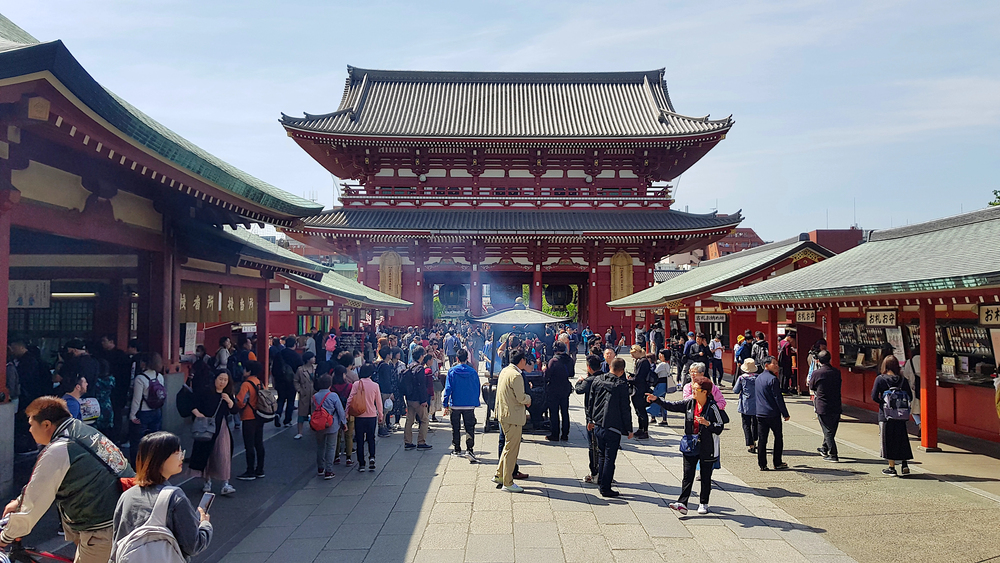
The area is famous for the Senso-ji Buddhist temple, festivals and stores.
— Photo by gianliguori
The 1,400-year-old Sanja Matsuri festival transforms modern Asakusa into a sea of traditional mikoshi portable shrines carried by participants wearing happi coats through streets lined with skyscrapers. Summer fireworks festivals like the Sumida River display combine ancient pyrotechnic traditions with cutting-edge technology, launching nearly 20,000 fireworks over the Tokyo Skytree. These celebrations demonstrate how traditional Japanese culture remains vibrantly alive in contemporary urban environments, drawing millions of participants each year.
Vending machines serve traditional foods using cutting-edge technology
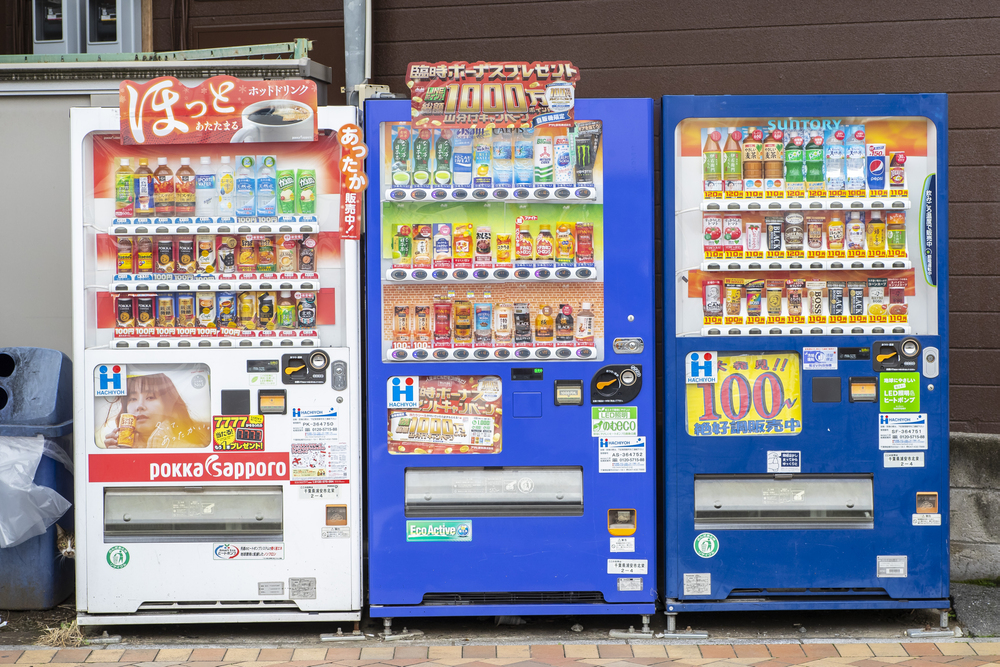
Japan has the highest number of vending machine per capita in the world at about one to twenty three people
— Photo by Torsakarin
Tokyo’s 4 million vending machines represent the perfect fusion of convenience culture and culinary tradition, dispensing everything from hot ramen and traditional oden stew to sake and wagyu beef using advanced refrigeration and heating systems. Some machines can prepare fresh ramen in just 90 seconds using robotic cooking technology, while others maintain traditional foods at perfect temperatures using AI-powered systems. These automated vendors make traditional Japanese cuisine accessible 24/7 throughout the city, from temple grounds to corporate districts.
Restaurant ordering systems blend traditional dining with modern efficiency
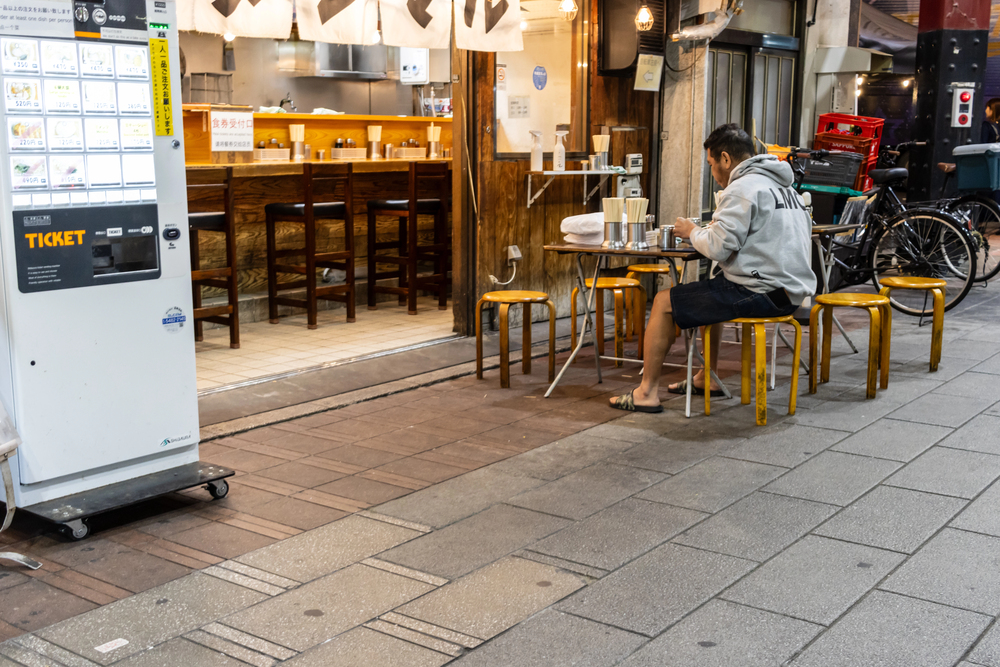
— Photo by HenryStJohn
Traditional ramen shops and izakaya pubs use sophisticated vending machine ticket systems that maintain the authentic dining experience while streamlining operations through modern technology. Customers select their meals from illuminated displays and receive tickets they present to chefs, preserving the traditional interaction while eliminating language barriers and speeding service. This system allows century-old family restaurants to serve both local regulars and international tourists efficiently without compromising their traditional atmosphere.
Craftsmen use modern tools to preserve ancient techniques
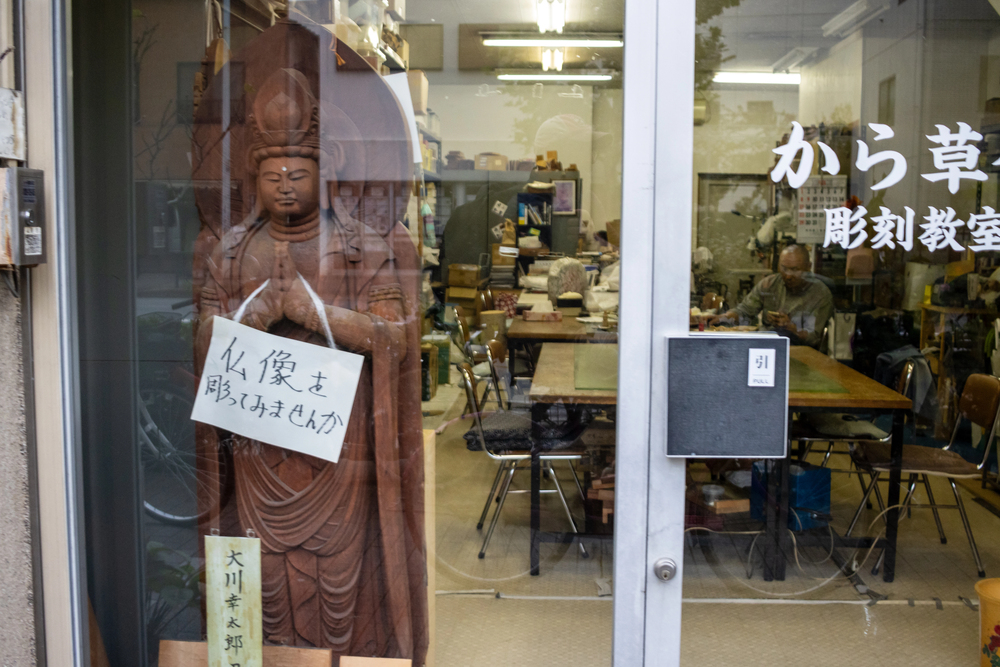
— Photo by HenryStJohn
Traditional artisans in districts like the Asakusa area create edo kiriko cut glass, hand-forged knives, and intricate textiles using contemporary tools that enhance rather than replace time-honored methods. Master craftsmen teach students to blow glass wind chimes using techniques passed down for generations, while employing modern kilns and precision instruments to achieve perfect results. These workshops demonstrate how technology can serve tradition, making ancient crafts more accessible to new generations while maintaining their authentic essence.
Traditional gardens provide tranquil escapes within the modern cityscape
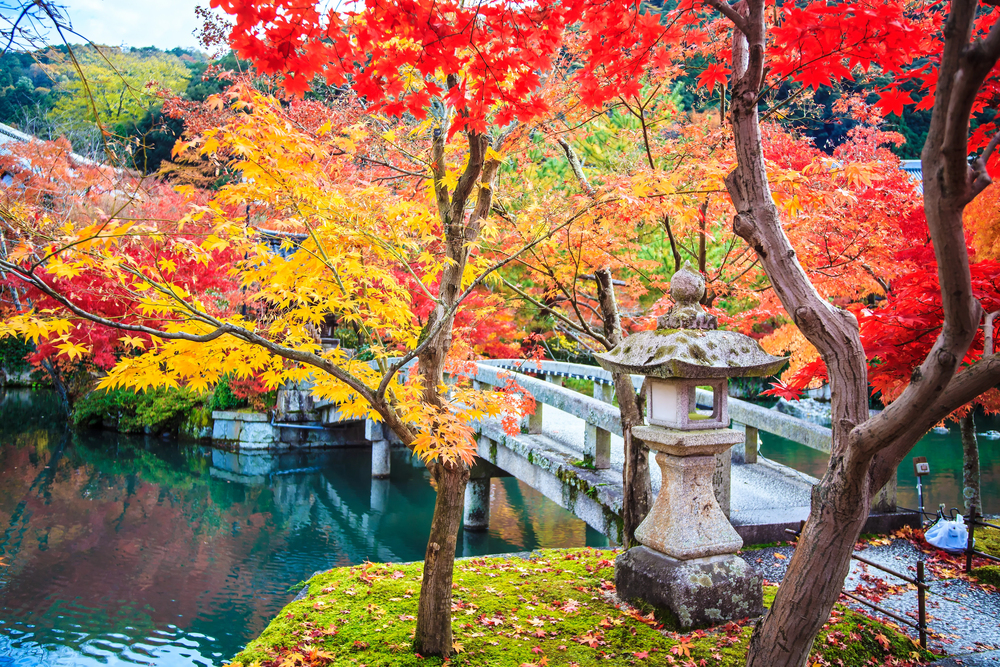
Historic gardens like the 400-year-old Imperial Palace East Gardens and Shinjuku Gyoen offer carefully maintained landscapes of traditional Japanese design principles surrounded by towering skyscrapers and bustling streets. These green spaces preserve centuries-old landscaping techniques, including stone arrangements and tea houses, while serving as essential urban parks for modern city dwellers. The gardens represent Tokyo’s commitment to maintaining natural beauty and traditional aesthetics even as development continues around them.
Modern architecture incorporates traditional Japanese building principles
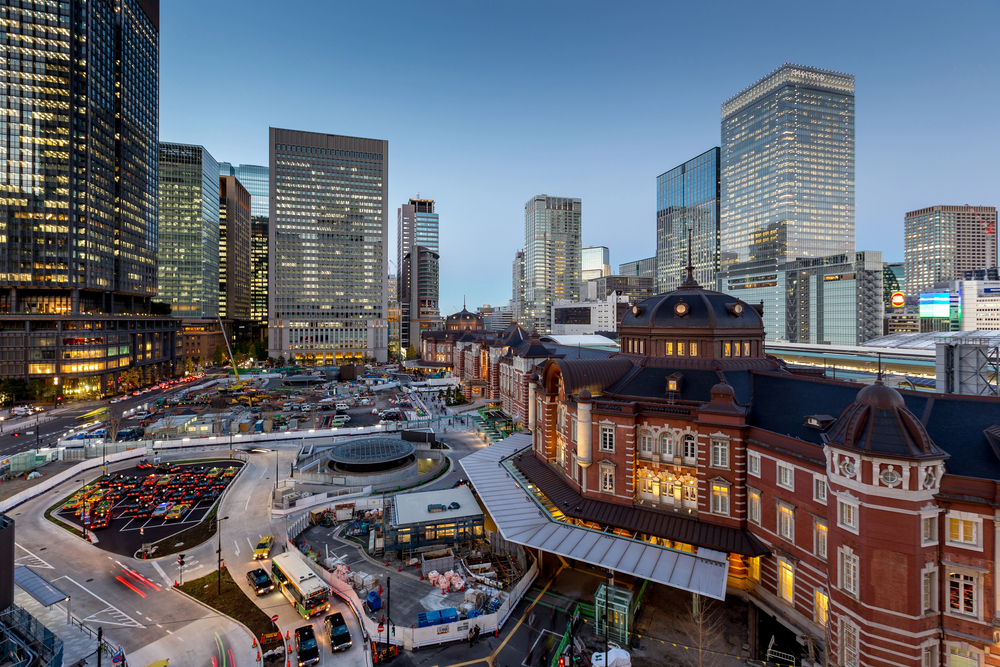
Contemporary Tokyo buildings often feature traditional elements like natural wood finishes, sliding door concepts, and harmony with natural light, adapted for modern high-rise construction. Architects like Kengo Kuma and Tadao Ando create structures that honor Japanese design philosophy while meeting contemporary urban needs, using traditional materials in innovative ways. These buildings demonstrate that modern construction doesn’t require abandoning cultural identity; instead, it finds ways to express ancient aesthetic values through contemporary forms.
Transportation technology serves ancient pilgrimage routes
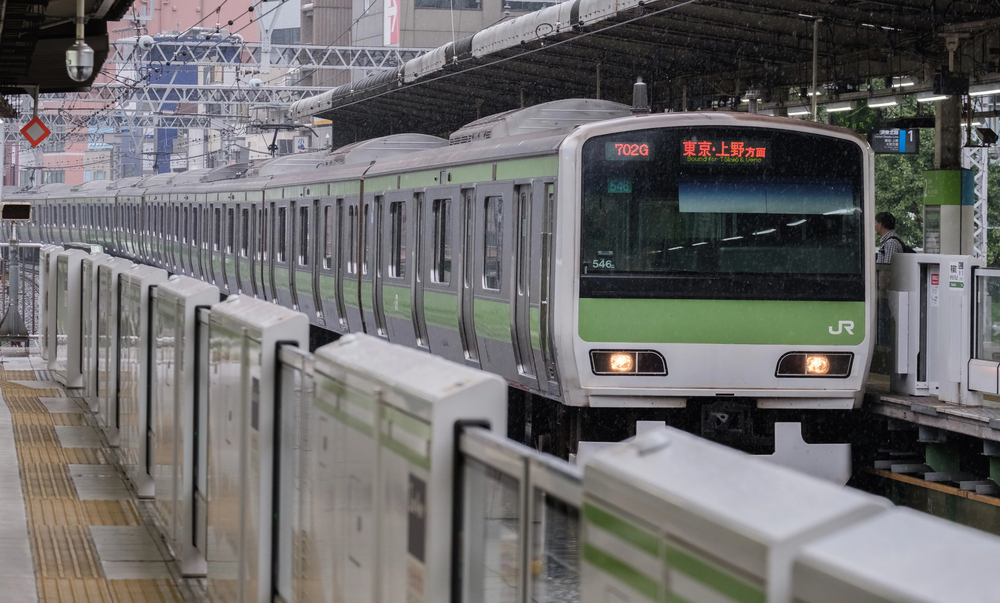
at Yurakucho Station during light morning drizzle.
— Photo by akulamatiau
Modern train lines and bus systems follow many of the same routes used by Edo-period pilgrims traveling to temples and shrines, now carrying millions of commuters and tourists daily. The efficient transportation network makes traditional cultural sites easily accessible from anywhere in the metropolitan area, preserving the spiritual significance of these locations while accommodating contemporary urban life. This integration ensures that ancient sacred sites remain relevant and visited in modern Tokyo.
Traditional business practices persist in modern culture
— Photo by HenryStJohn
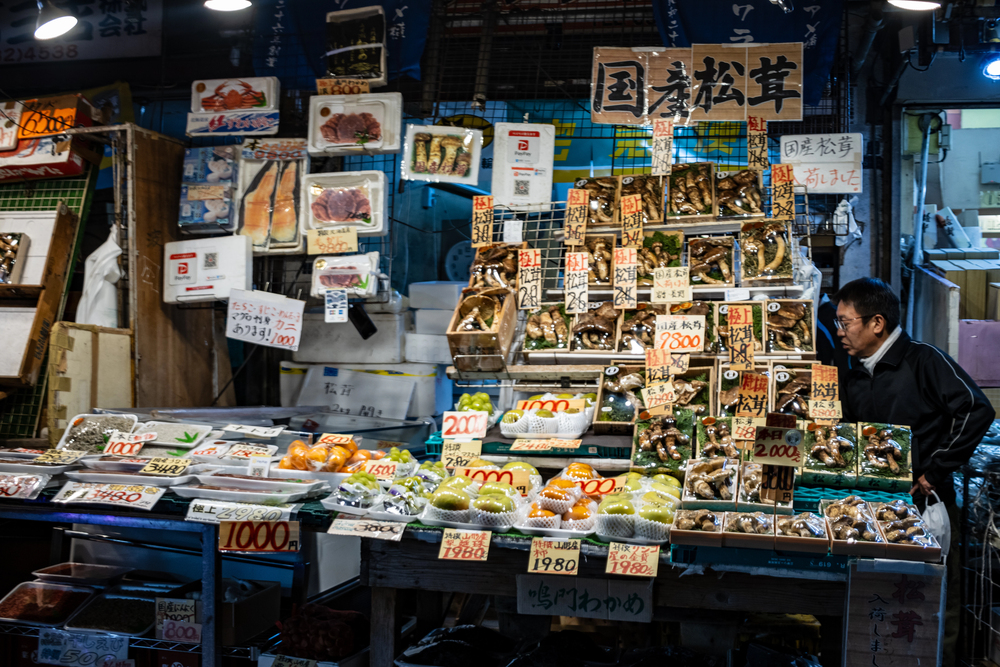
Japanese companies in Tokyo’s business districts maintain traditional practices like morning exercises, consensus-building meetings, and respect for hierarchy while embracing cutting-edge technology and global business methods. The famous bow of greeting and exchange of business cards follows ancient protocols of respect, even in ultramodern office towers filled with the latest digital technology. These customs demonstrate how cultural values can enhance rather than hinder modern business efficiency.
Street food vendors combine traditional recipes with modern food safety standards
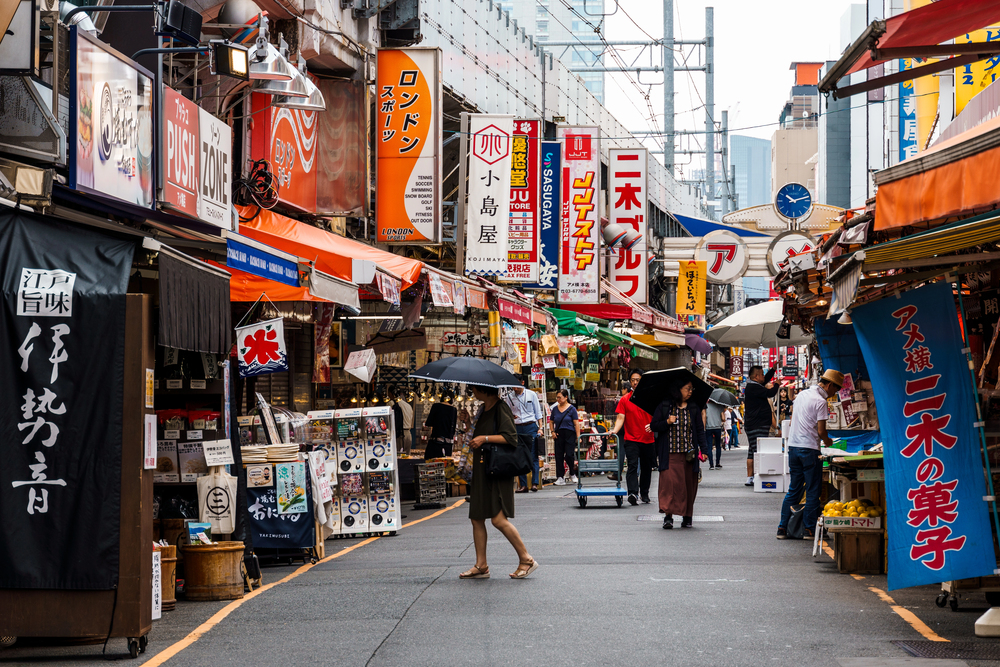
— Photo by JJFarquitectos
Traditional yakitori grills, taiyaki fish-shaped pastries, and takoyaki octopus balls are prepared using centuries-old recipes while adhering to contemporary health regulations and using modern cooking equipment for consistency and safety. Food trucks and festival stalls maintain the authentic flavors and preparation methods that have defined Tokyo street food for generations. This balance allows traditional food culture to thrive while meeting the health and safety expectations of modern urban dining.
Entertainment districts merge traditional arts with contemporary nightlife
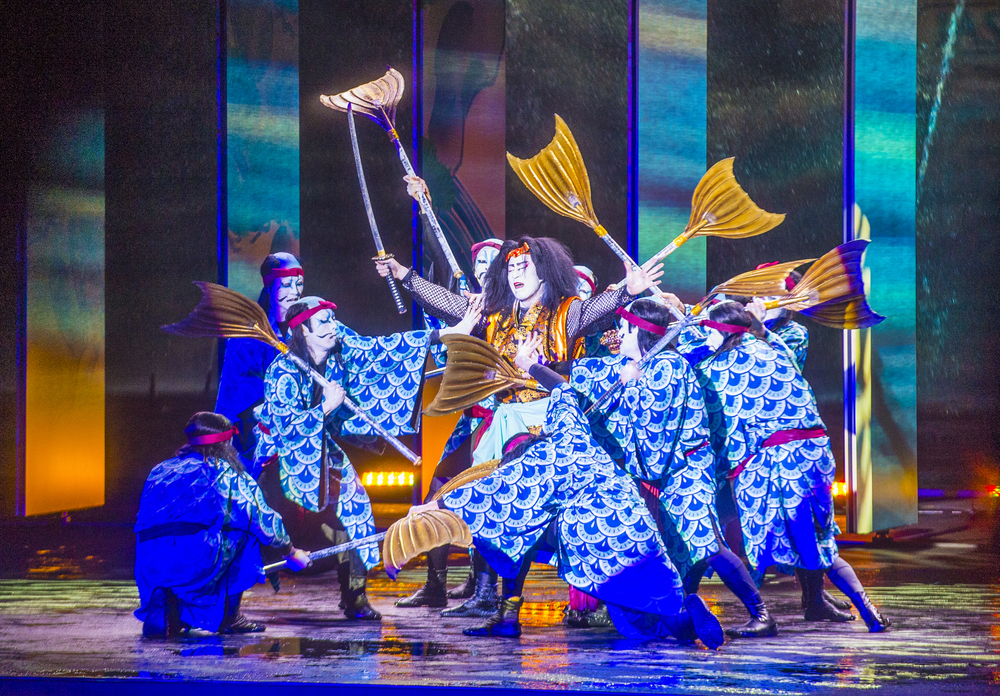
— Photo by kobbydagan
Areas like Kabukicho in Shinjuku offer traditional kabuki theater performances alongside modern karaoke boxes, robot restaurants, and themed cafés, creating entertainment districts that span centuries of Japanese cultural evolution. Traditional geisha districts coexist with modern hostess bars and international cuisine, providing options for every taste and cultural interest. These areas demonstrate how Tokyo’s entertainment culture has expanded rather than replaced its traditional foundations.
Retail spaces blend artisan crafts with high-tech shopping
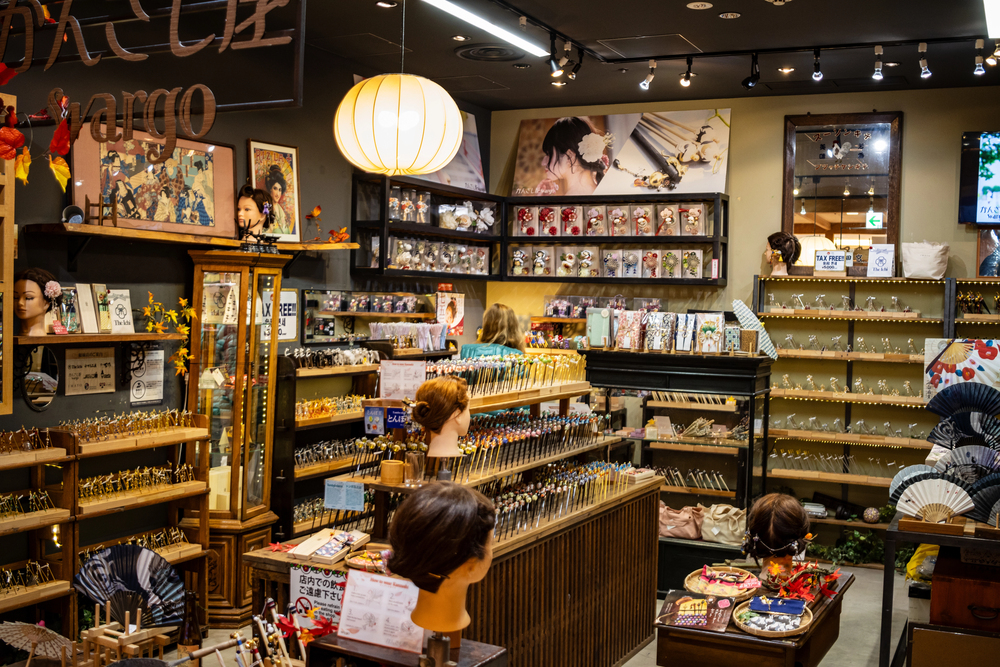
— Photo by HenryStJohn
Department stores and shopping districts feature traditional craft studios and artisan workshops alongside the latest electronics and fashion boutiques, often within the same building or complex. Visitors can watch master craftsmen create traditional pottery or textiles on one floor, then explore cutting-edge virtual reality experiences or robot demonstrations on another. This integration makes traditional crafts accessible to modern consumers while introducing technology enthusiasts to Japan’s cultural heritage.
Religious sites adapt ancient rituals for contemporary urban life
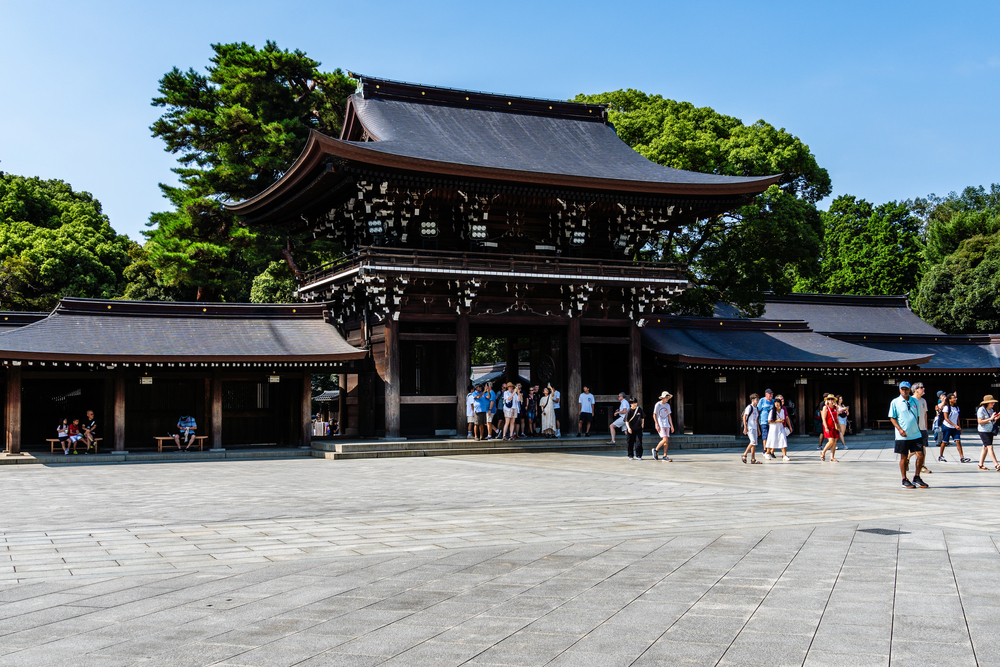
— Photo by JJFarquitectos
Tokyo’s thousands of temples and shrines maintain traditional ceremonies and festivals while accommodating the needs of modern worshippers through convenient hours, multilingual information, and integration with urban transportation systems. Ancient prayers for good fortune and health continue at sites like Meiji Shrine, now attracting millions of annual visitors who arrive by train rather than on foot. These sacred spaces prove that spiritual traditions can remain relevant and meaningful in contemporary urban environments.
Public spaces combine traditional design with modern functionality
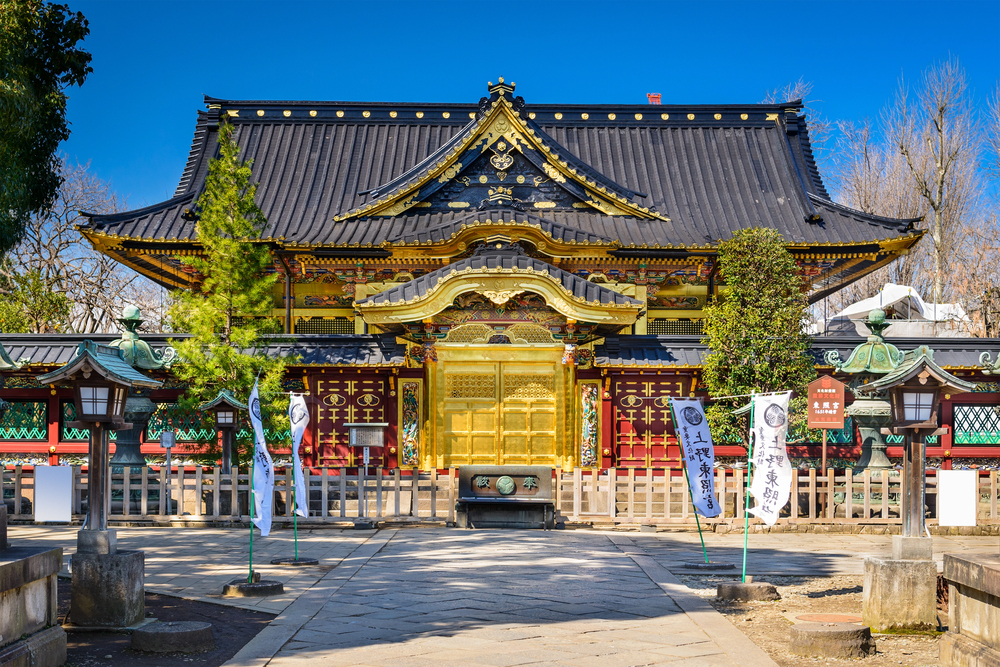
Parks and plazas throughout Tokyo feature traditional Japanese landscaping principles and materials, while incorporating modern amenities such as Wi-Fi, charging stations, and contemporary seating designed for today’s urban lifestyle. Spaces like Ueno Park seamlessly blend historic temples and traditional gardens with modern museums and concert halls, creating a comprehensive cultural experience. These public areas demonstrate how traditional aesthetics can enhance rather than conflict with contemporary urban needs.
Food culture maintains traditional techniques with modern presentation
— Photo by HenryStJohn
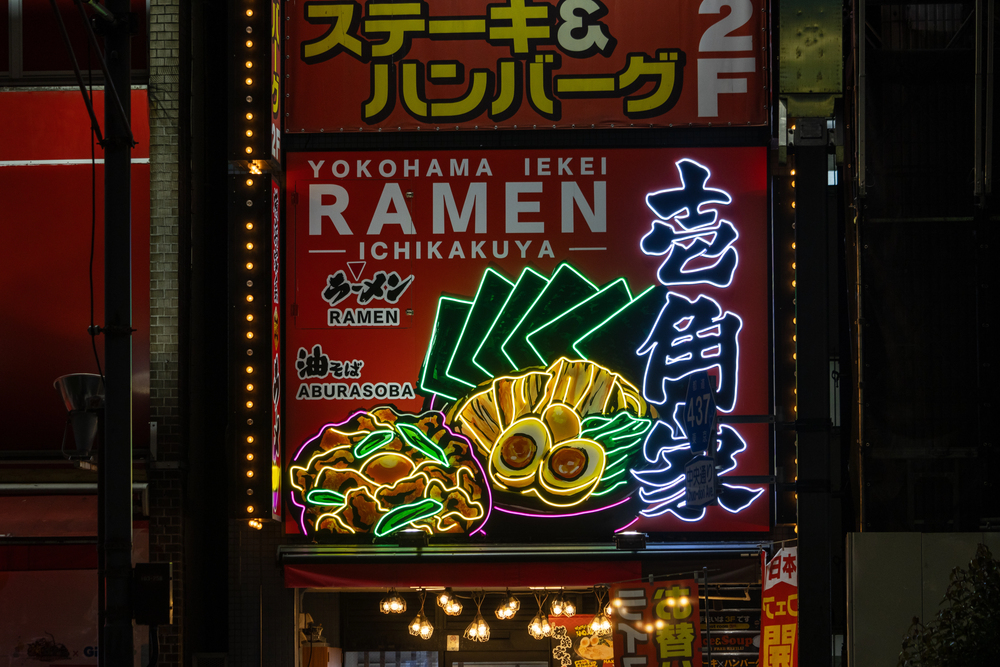
Tokyo’s renowned restaurant scene preserves ancient cooking methods and seasonal ingredients while embracing contemporary plating techniques, fusion concepts, and international influences that enhance rather than replace traditional flavors. Michelin-starred establishments often feature centuries-old recipes prepared with modern precision and presented with contemporary artistry. This evolution shows how traditional cuisine can grow and adapt while maintaining its essential character and cultural significance.
Technology enhances rather than replaces traditional customer service
— Photo by HenryStJohn
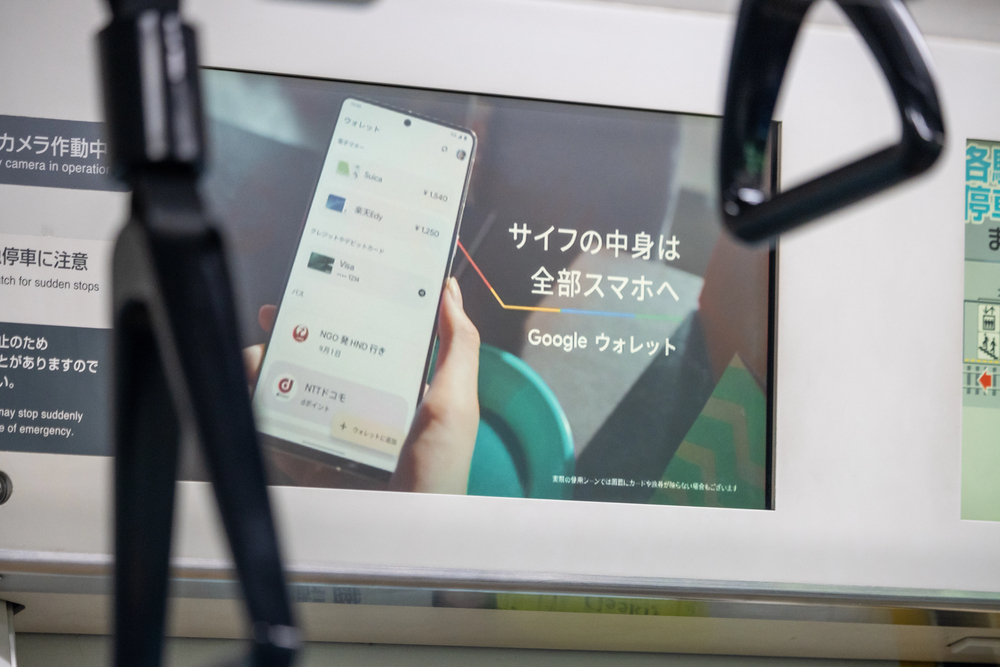
Services throughout Tokyo use advanced technology like automated systems and digital payments while maintaining the traditional Japanese emphasis on hospitality, attention to detail, and respect for customers. Modern conveniences support rather than replace the personal touch that defines Japanese service culture, from hotel concierges using translation apps to help international guests to train station attendants maintaining their traditional courtesy while using digital information systems. This integration proves that technology can enhance human connection rather than diminish it.
Cultural education preserves traditions through modern teaching methods
— Photo by HenryStJohn
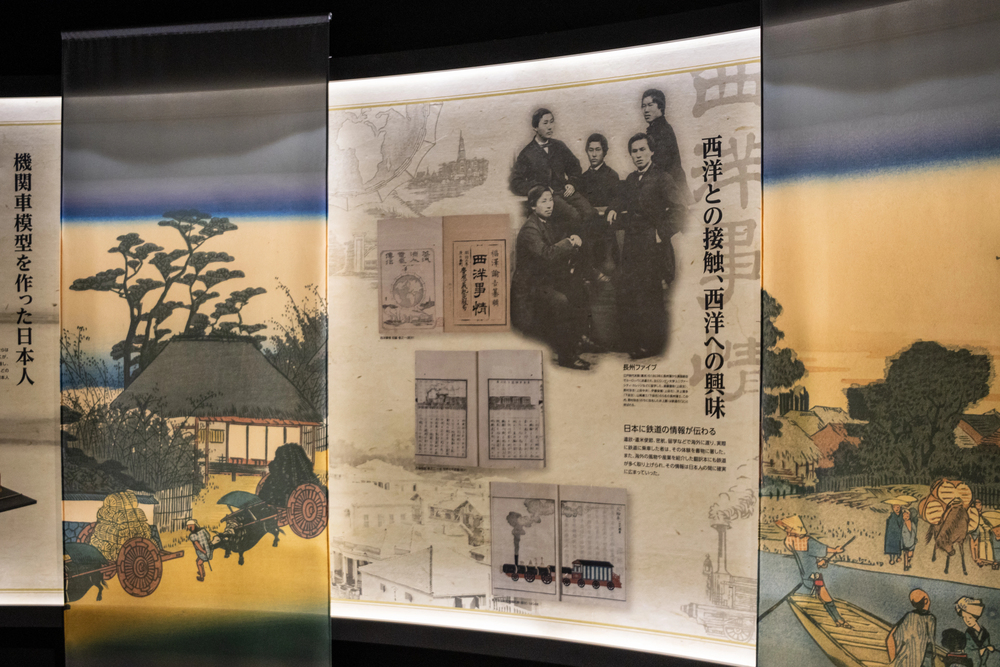
Schools, museums, and cultural centers throughout Tokyo teach traditional arts like calligraphy, tea ceremony, and martial arts using contemporary educational techniques, multimedia presentations, and interactive experiences that make ancient practices accessible to modern students. These institutions demonstrate how traditional knowledge can be preserved and transmitted effectively using modern pedagogical methods. The approach ensures that cultural traditions remain living practices rather than museum pieces, engaging new generations while maintaining authenticity.
Where ancient wisdom meets infinite possibility
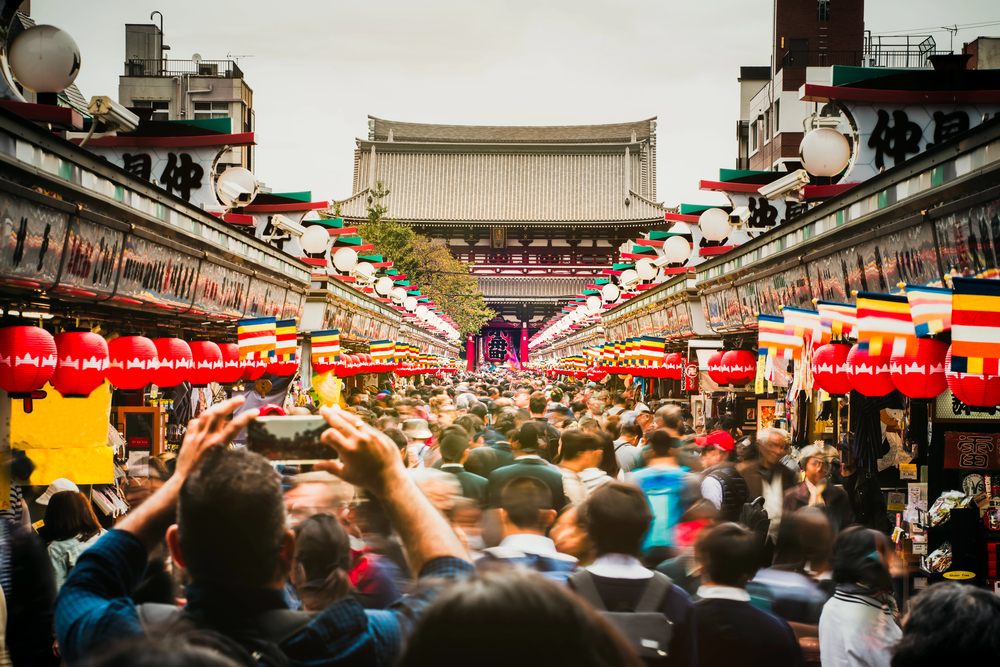
Sensoji temple is one of the most famous landmarks in Tokyo.
— Photo by fenlio
Tokyo’s exceptional ability to merge old and new is a result of an instinctive realization that tradition and innovation are not opposing forces, but rather complementary ingredients of a living culture that becomes invigorated by synthesis. From vending machines dispensing traditional cuisine with robotic efficiency to ancient temples offering spiritual ballast in a high-tech urban landscape, Tokyo demonstrates that holding onto the future does not mean leaving the past behind—it means carefully interweaving both to create something more than either could attain separately.
This great city remains the world leader in striking a balance between preserving its heritage and fearlessly embracing innovation, providing a model for sustainable cultural transformation that retains the finest of human traditions while boldly seeking out the potential of the future.
More from Travel Pug

- Underrated Italian Towns That Beat the Tourist Crowds
- Las Vegas Tourist Traps to Skip
- Prettiest Towns in Every US State
- 18 passport-free countries for Americans
- Signs Your Cruise Is Not Worth The Cost
Like Travel Pug’s content? Follow us on MSN.