

Tender ports, where a ship anchors offshore and ferries passengers to land on smaller boats, run on a different rhythm than a straightforward dock arrival. Weather calls the shots, lines can form early, and a change in sea conditions can rearrange an entire day.
Passengers who’ve done it enough times stop treating it as a hassle and start treating it as its own small skill. The habits below show up again and again among people who’ve tendered into enough ports to know that the process depends on the ship, the weather, and the port rather than simply following the schedule in the daily planner.
Grabbing a Tender Ticket Early
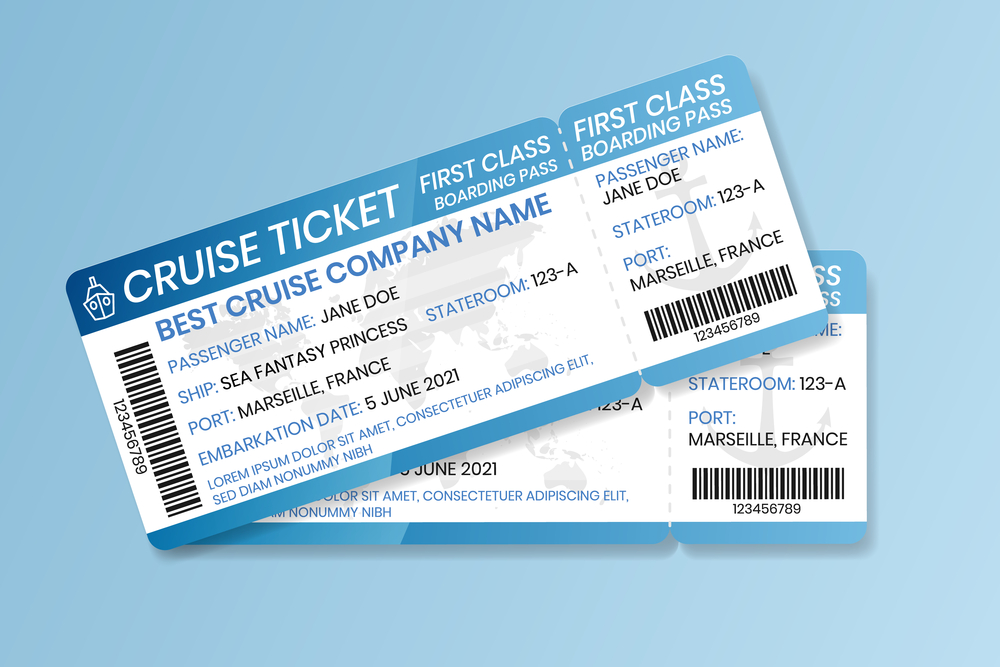
On ships that still use physical tender tickets, regulars often head to the designated location early rather than waiting until they’re ready to go ashore. The exact system varies by line and ship, and some now use digital or other assigned boarding procedures, but getting the required tender authorization early can make a difference on a busy morning.
Watching the Captain’s Morning Announcement
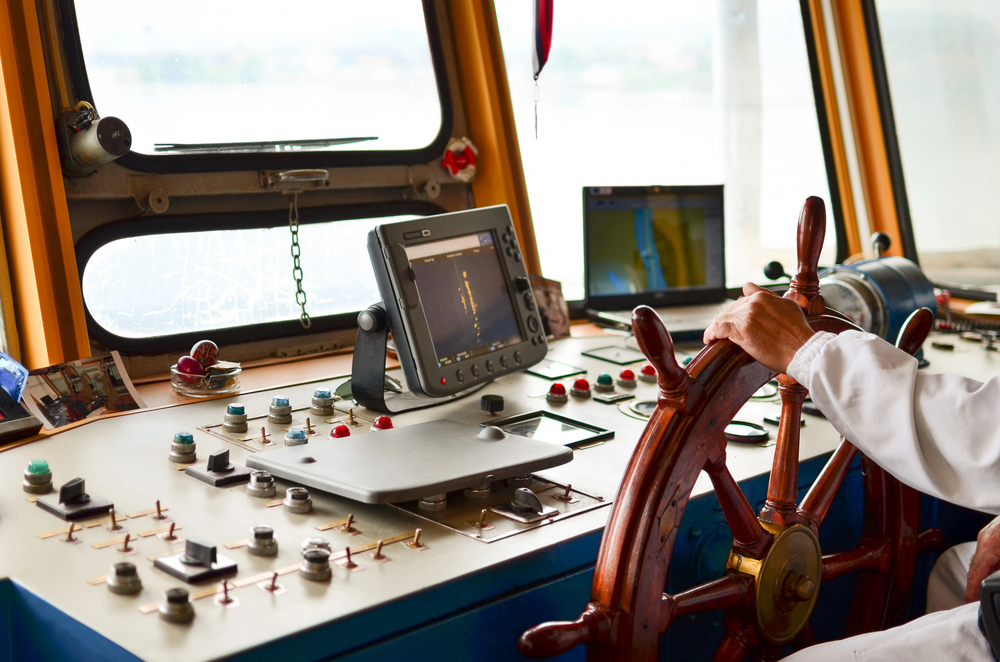
Experienced cruisers pay attention to the first announcements on a tender-port morning because weather and sea conditions can affect whether boats operate normally. The decision ultimately comes from the ship and its operating team, not from a passenger’s reading of the forecast, but early updates can signal that the day’s tender schedule may change.
Skipping the First Tender Rush
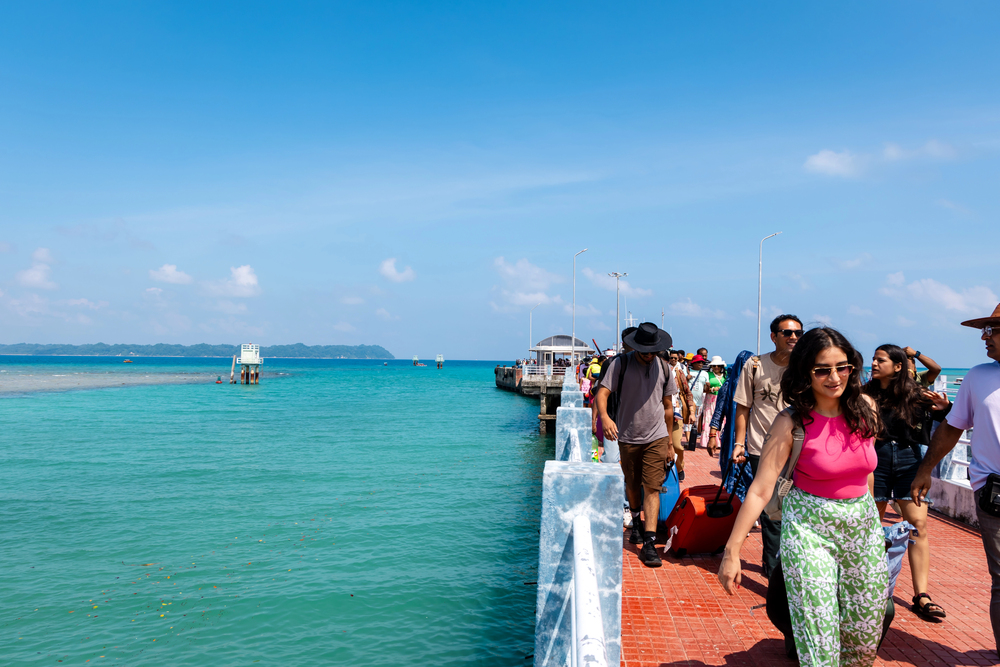
Rather than joining the first wave of passengers ashore, some regulars deliberately wait for a later tender when their schedule allows. The first departures can be busy because independent passengers, excursion groups, and other early risers are all trying to leave at once. Waiting can make sense when there’s no reason to be ashore immediately.
Suite and Loyalty Priority Tender Access
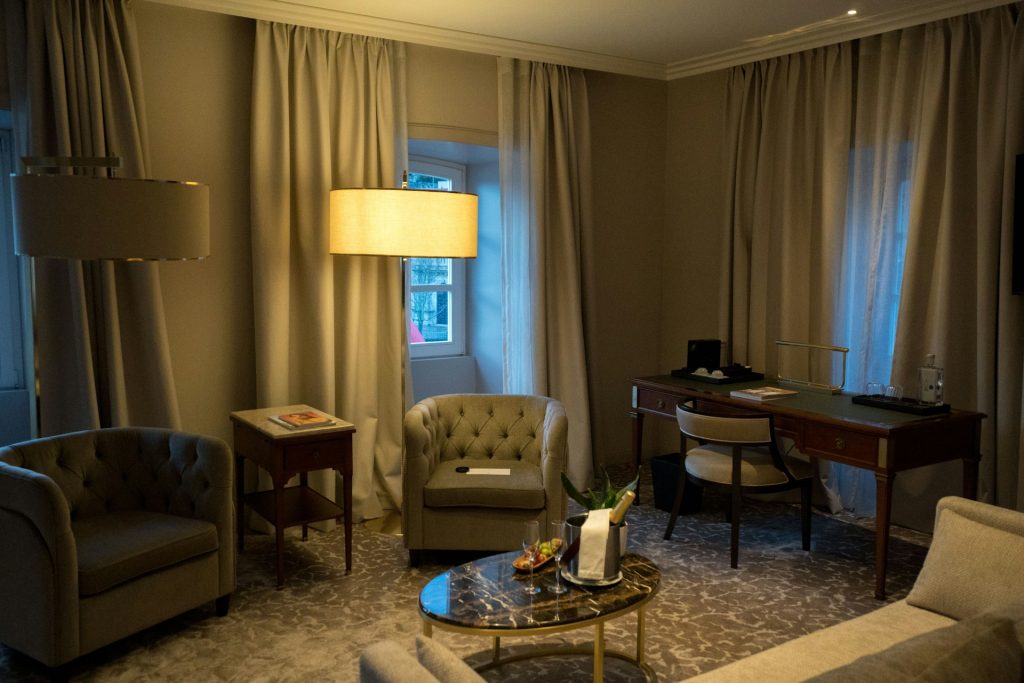
Some cruise lines give qualifying suite guests or loyalty members priority tendering. Holland America, for example, provides priority tendering to qualifying Mariners, while Princess and other lines offer priority to certain guests or circumstances. The benefit is line- and status-specific, so passengers should check their own booking rather than assume suite or loyalty status automatically means priority everywhere.
The Ship-Excursion Priority
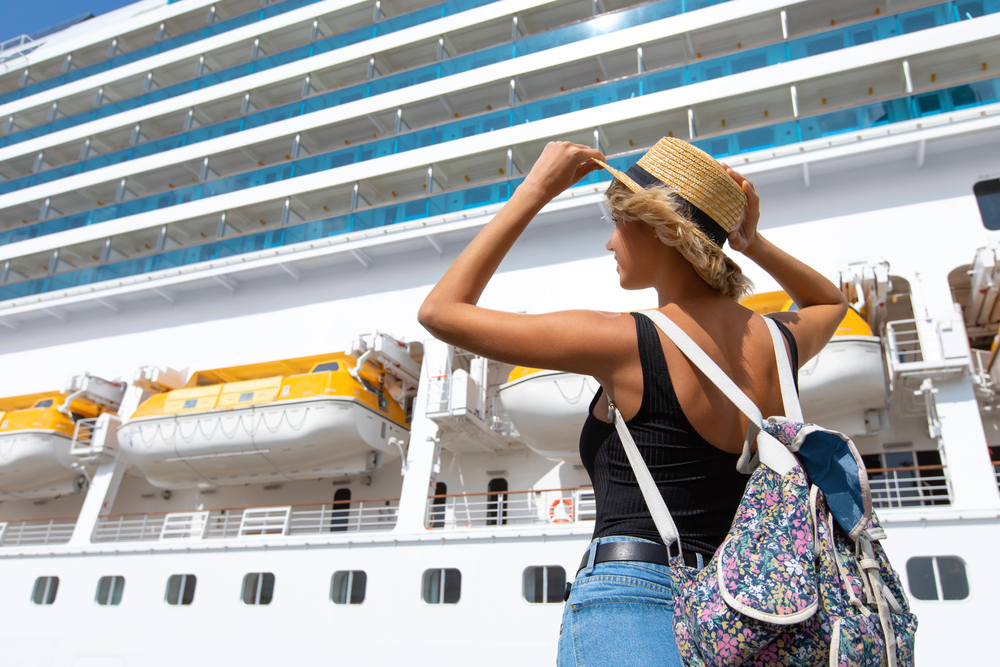
Guests booked on a cruise-line shore excursion may receive priority disembarkation or tender boarding when tendering is required. Royal Caribbean explicitly gives shore-excursion passengers priority disembarkation, and Princess similarly advertises priority tender boarding for guests on its excursions.
This can be one reason passengers with an early ship-sponsored tour are able to get ashore ahead of independent travelers.
Packing a Dry Bag for Wet Conditions

Tender boarding isn’t always a completely sheltered dock-to-boat transfer. Depending on the vessel, platform, weather, and port, passengers can encounter spray or exposed boarding conditions.
Regulars headed somewhere with a potentially wet transfer keep phones, wallets, and other sensitive items in a small waterproof pouch or dry bag rather than an open tote.
Checking the Tender Instructions Against the Excursion

Passengers on ship excursions should follow the tender instructions given for their specific tour rather than assuming any tender will do. The meeting location, boarding procedure, and group instructions can differ from those used by independent passengers.
Checking the excursion ticket or app before leaving the cabin avoids a last-minute scramble.
Wearing Shoes That Can Get Wet

Regulars headed to a tender port with potentially wet boarding conditions choose footwear that can tolerate a little water rather than wearing shoes they need to keep pristine. A spare pair in a day bag can also be useful when the weather is rough or the boarding platform is exposed.
The Last Tender Time Obsession
The posted final tender or return time is one of the most important pieces of information on a tender-port day. Experienced cruisers note it before going ashore and leave a generous buffer for getting back to the landing point.
The last tender time is not something to treat like a suggestion, especially when the next available ship departure is the following day.
Avoiding Elevator Bottlenecks
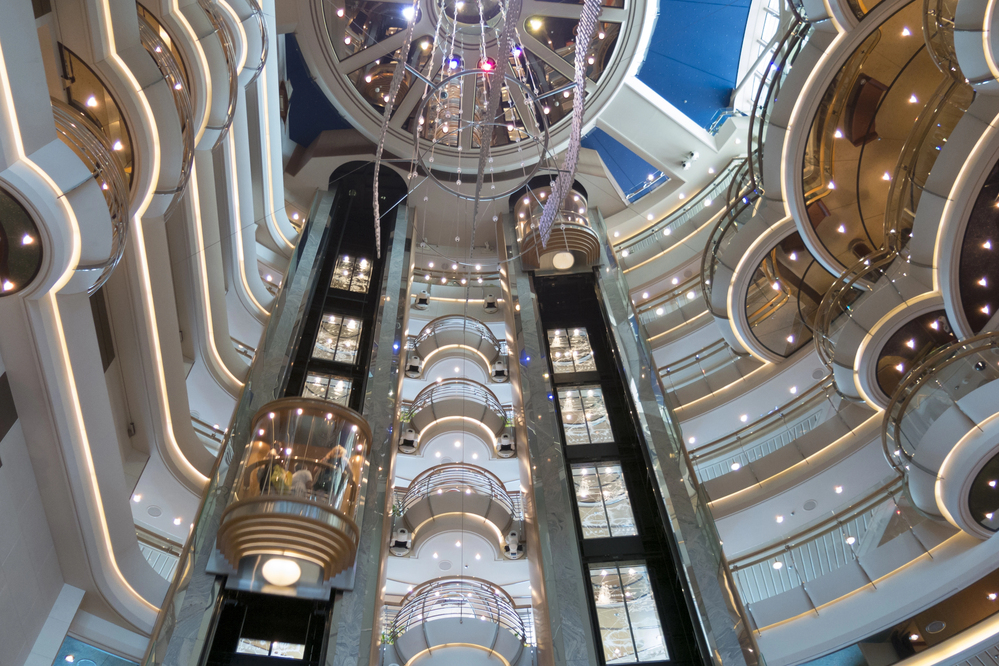
Passengers heading toward the tender platform during a busy departure period can encounter crowded elevator banks near the lower passenger decks. When practical, regulars use stairs for part of the trip instead of waiting through several packed elevator cycles, particularly if they are traveling light.
Motion-Sickness Preparation

The tender ride can feel different from the relatively stable environment of the ship, particularly when the sea is moving. Passengers who know they are susceptible to motion sickness often carry whatever preventative measure they normally use, whether that’s medication, ginger, or another familiar remedy.
Waiting until nausea has already started is generally less useful than planning ahead.
Staying Seated Until Crew Signals
Tender boats have their own loading and safety procedures, and passengers are expected to follow crew instructions during boarding and the crossing. Regulars stay seated when instructed and wait for the crew’s signal before standing to leave the boat, even if the tender appears to have reached the platform.
The Independent Excursion Risk
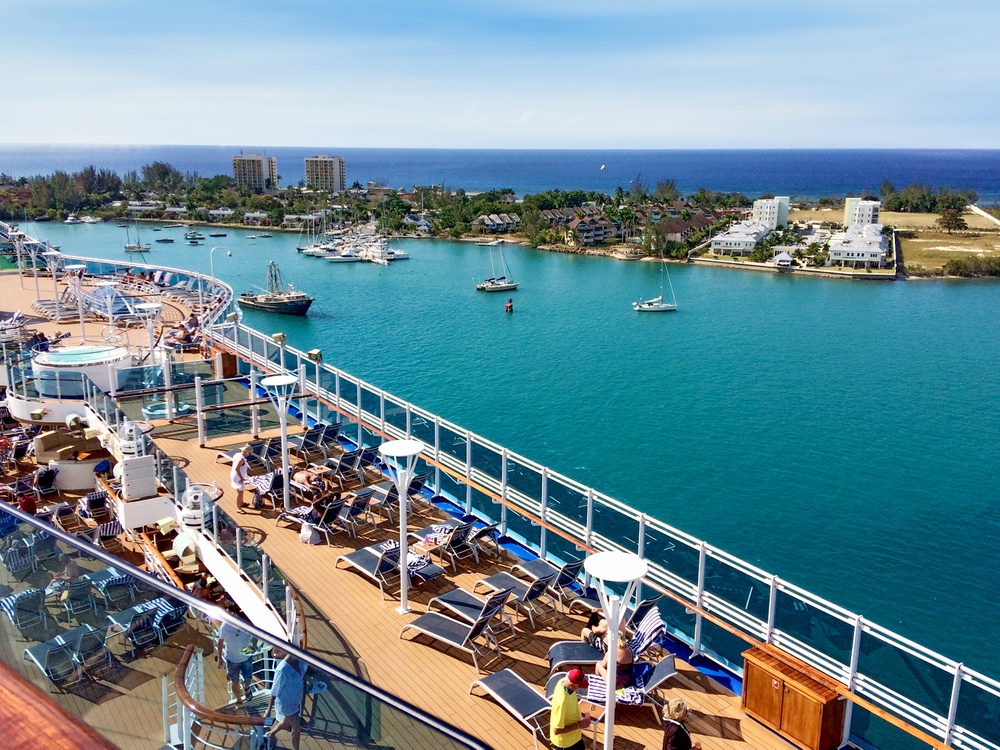
Passengers who book an independent excursion at a tender port have less schedule protection than passengers using a cruise-line excursion. A delayed or canceled tender can disrupt an independently booked tour, while cruise-line excursions have procedures for handling changes when the ship cannot make the planned port or the excursion is canceled.
Royal Caribbean and Carnival both document weather-related excursion cancellations and refund procedures.
Checking the Marine Forecast
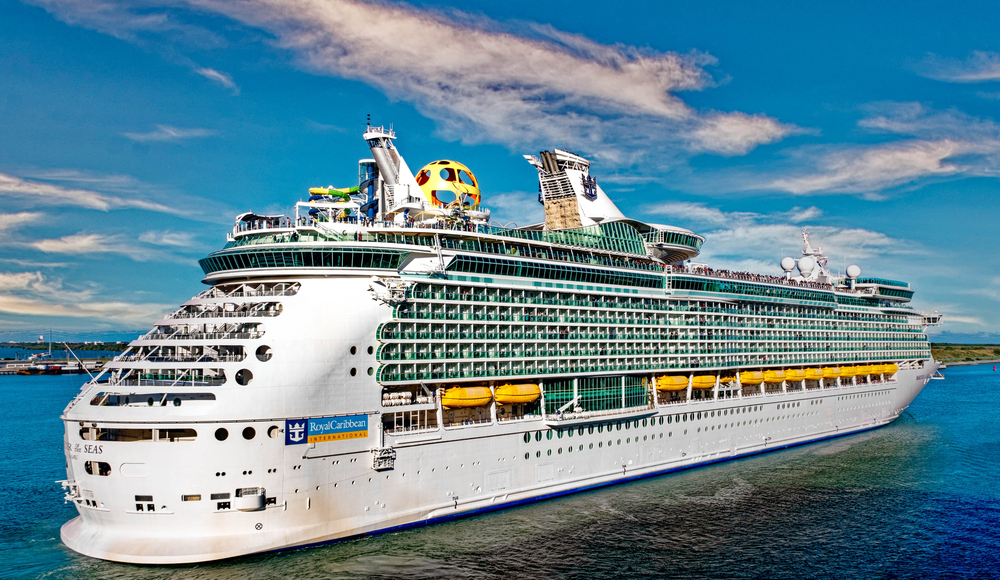
Regulars who are particularly concerned about a tender port may check the marine and weather forecast before bed, especially when the itinerary calls for an exposed anchorage. The forecast is useful for planning, but it isn’t a prediction of whether the ship will be tender.
The captain and operating team make that decision based on actual conditions and operational considerations.
Keeping the Cruise Card Accessible
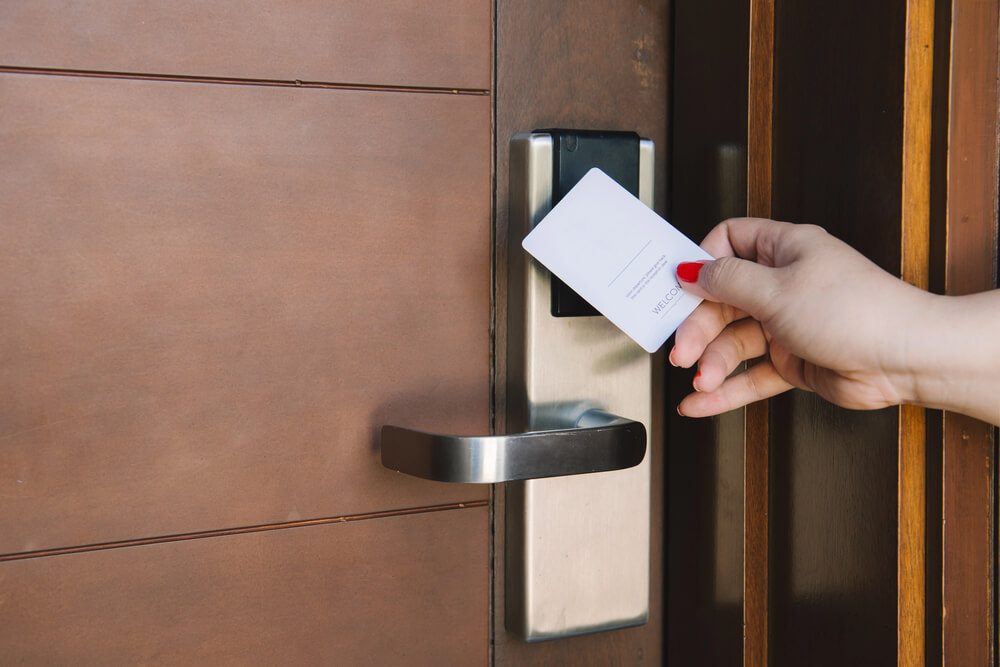
Ships may require passengers to present or scan their cruise card when leaving or returning to the vessel. Regulars keep it somewhere easily accessible rather than buried at the bottom of a beach bag.
The exact security and scanning procedure varies by line and port, but having the card ready is useful either way.
Securing Loose Bags
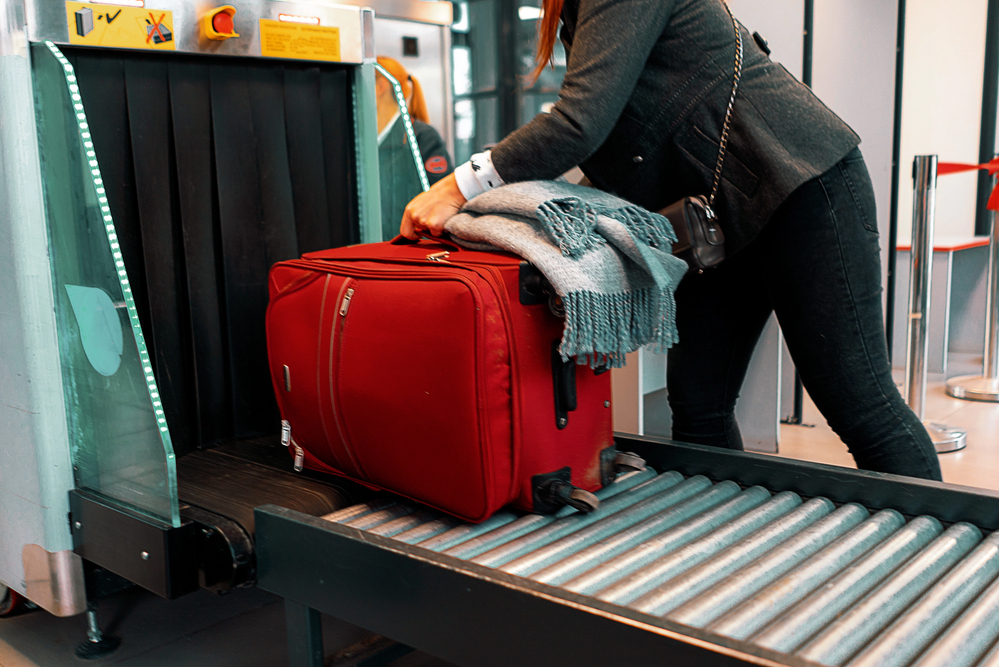
A tender boat can move more than a passenger expects during boarding or in rougher conditions. Regulars keep phones, cameras, and other loose belongings zipped into a bag and avoid leaving items unsecured near the boat’s openings.
A cross-body bag or closed daypack is generally easier to manage than a loose collection of small items.
Building an Early Return Buffer
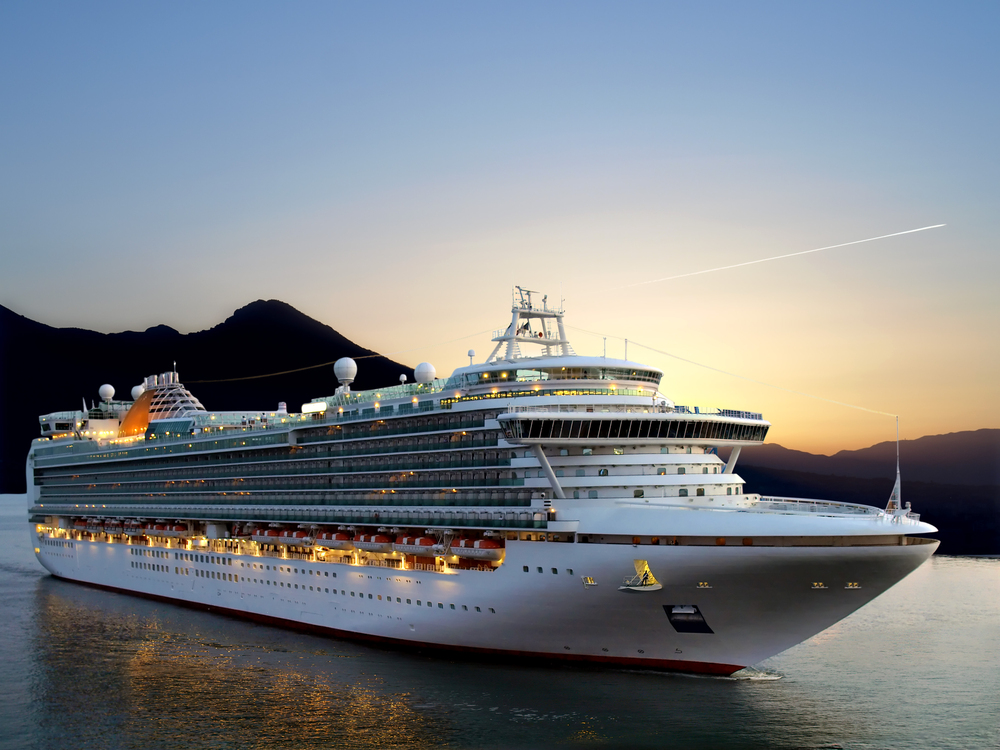
The line for the return tender can become lengthy in popular ports, especially as the ship’s departure approaches. Experienced cruisers start back before the absolute last-tender window rather than planning to arrive at the dock at the final possible minute.
Watching the Published Return Time
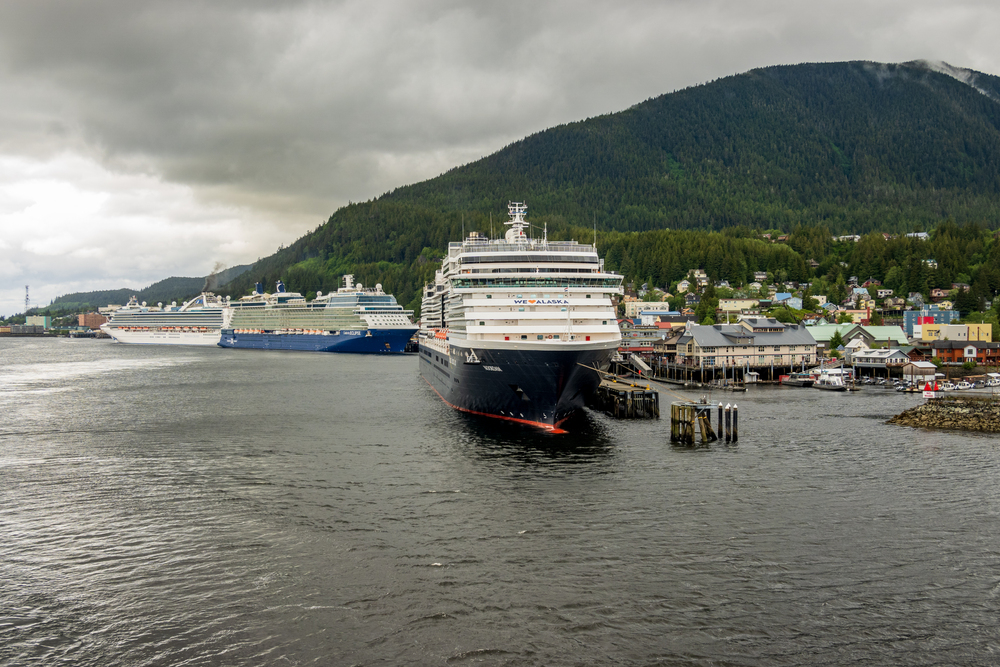
The ship’s general all-aboard time and the tender schedule are related but aren’t necessarily identical. Passengers should follow the specific tender instructions posted for that port and day and allow enough time for the boat ride itself.
Treating the published return window as a hard deadline is safer than assuming there will be another boat if the line is long.
Choosing a Later Tender When Conditions Are Rough
When weather conditions are unsettled, some passengers prefer to wait before committing to the first tender. Conditions can change in either direction, however, so waiting isn’t a guarantee of a smoother ride or even of continued tender service.
It is simply another reason to avoid unnecessary early departures when the schedule allows.
Avoiding the Rails During Rough Loading
Tender boats can move relative to the ship or landing platform while passengers are boarding. Regulars follow crew instructions about where to stand and avoid leaning or reaching toward the gap or outer edge during loading.
The crew’s directions take priority over getting a particular photo or finding a preferred seat.
The Backup Plan for a Canceled Tender Port
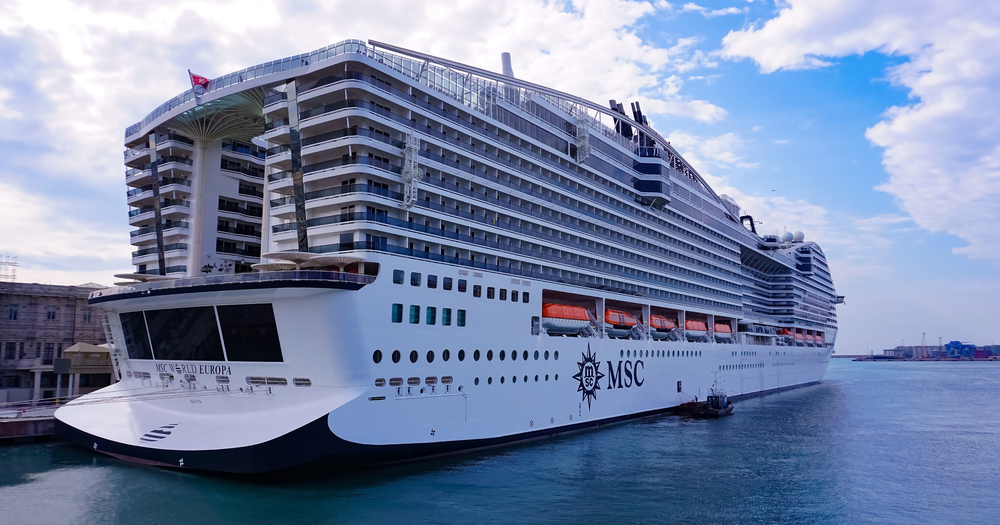
Regulars know that a tender port can disappear from the itinerary because of weather or sea conditions. Cruise lines explicitly reserve the right to alter or cancel tender operations when conditions make them unsafe or impractical.
Having a backup plan for the unexpected sea day—whether that means a spa appointment, specialty meal, workout, or simply a quiet afternoon—makes the change easier to absorb.
Keeping Electronics in a Sealed Pouch
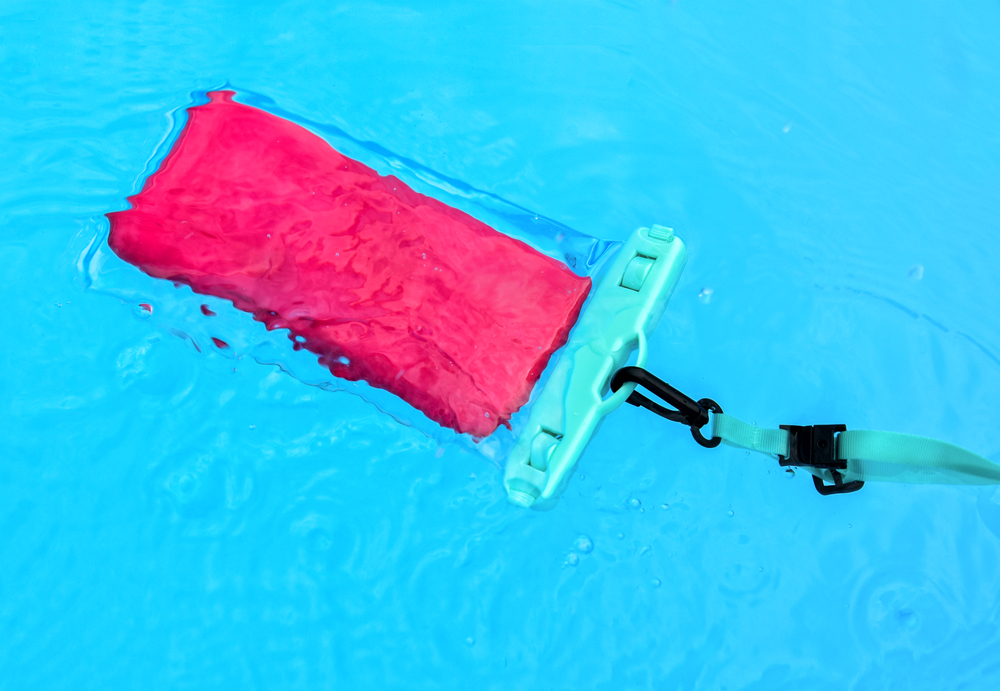
A waterproof phone pouch can be useful even when the tender operation is running normally. Spray, rain, or an accidental splash can turn a routine transfer into an expensive problem, so regulars often keep phones and other electronics protected until they’re firmly ashore.
Learning Which Ports Require Tendering
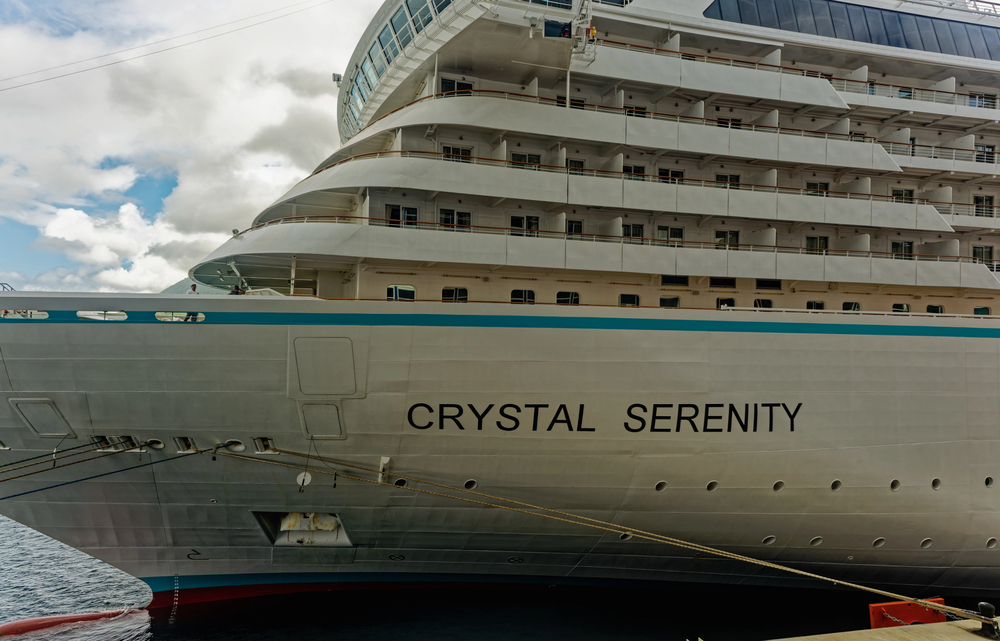
Tendering isn’t always guaranteed even at a port that frequently uses it. NCL’s current tender-port list, for example, marks some destinations as ports where a ship may dock or anchor depending on the call. Regulars therefore check the itinerary and current port information rather than assuming a destination will use the same arrival method every time.
Treating the Tender as Part of the Day
Ultimately, the most useful habit is mental: treating the tender ride as part of the port experience rather than an obstacle before the real day starts. The process takes time, requires some patience, and can change with the weather, but it becomes much easier once passengers plan around those variables instead of expecting a dockside arrival.
Reading the Water Before Reading the Map
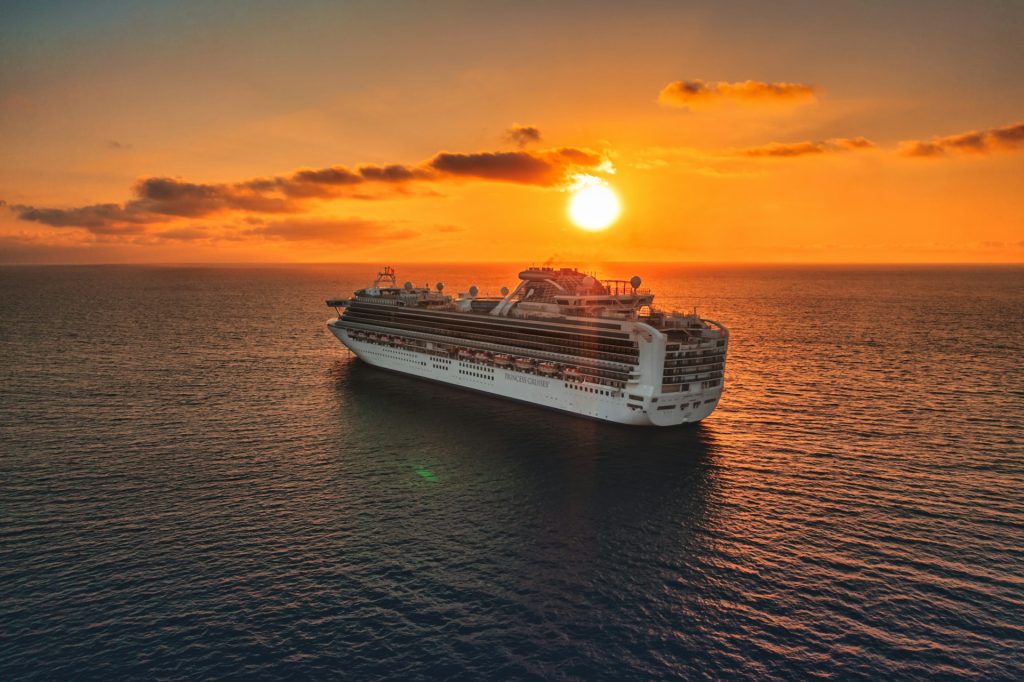
A tender port strips away the illusion that a cruise runs entirely on a fixed schedule. The itinerary says one thing, but the ocean gets a vote, and passengers who cruise often enough learn to leave room for that uncertainty.
What matters most is not memorizing a secret tender trick. It’s knowing which parts of the process are controlled by the cruise line, which depend on the weather, and which are simply better handled with a little extra time. Once that becomes routine, a tender port feels less like a disruption and more like another part of the cruise day.
More from Travel Pug

- Underrated Italian Towns That Beat the Tourist Crowds
- Las Vegas Tourist Traps to Skip
- Prettiest Towns in Every US State
- 18 passport-free countries for Americans
- Signs Your Cruise Is Not Worth The Cost
Like Travel Pug’s content? Follow us on MSN.