

Mexico’s all-inclusive resorts have created a particular kind of tourism experience: walled compounds where sunburned travelers navigate buffet lines in predictable rhythms. But the country’s real treasures—the places that deliver resort-quality beaches and amenities without the resort monotony—sit just beyond the highway exits that tour buses ignore.
These aren’t rougher alternatives to polished hotels; they’re places where local economies still shape the dining scene, where architectural character hasn’t been smoothed into corporate consistency, and where oceanfront stays cost a fraction of what you’d pay for similar views in Cancún. The Mexican coast contains infinite variety if you stop looking at destination maps printed in tour guidebooks.
Whether you seek cenotes that flow directly into the sea, island communities accessible only by ferry, or restored haciendas where wellness retreats replace pool-bar margaritas, these alternatives deliver the beach fantasy without the commercialized packaging.
Bacalar
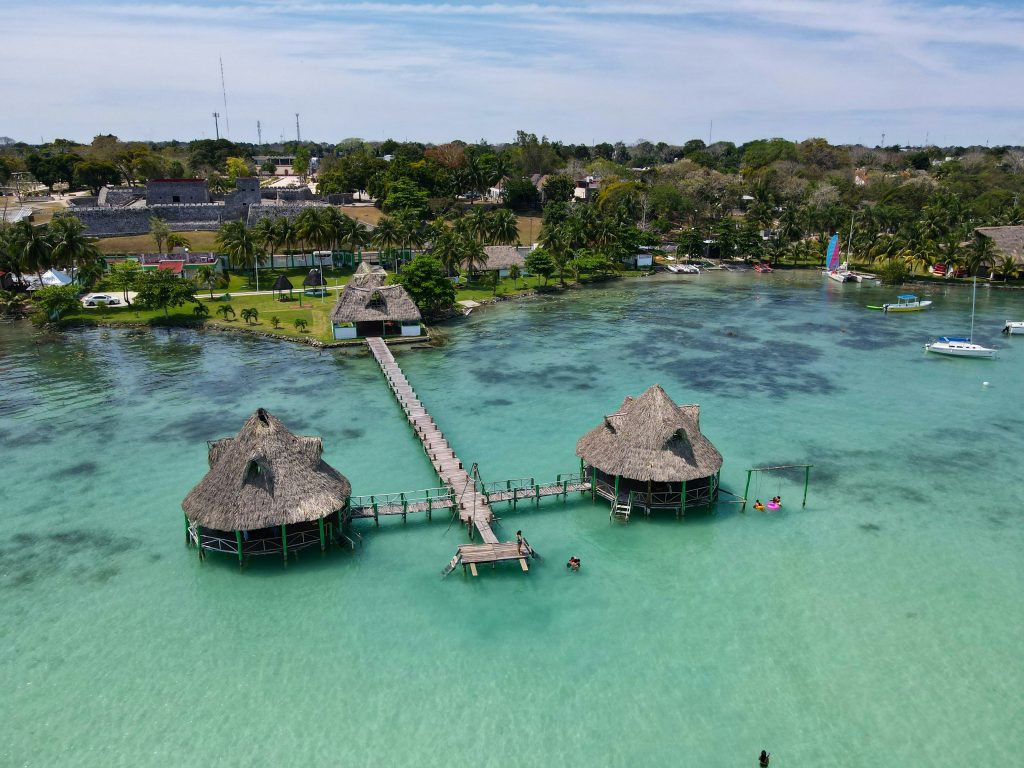
Bacalar’s lagoon earns the nickname “Lagoon of Seven Colors” from its astonishing range of hues—an effect of varying sand depths and mineral content that creates natural color gradients Photoshop couldn’t improve. Designated a Pueblo Mágico by the Mexican government, the town maintains a relaxed atmosphere where restaurant prices stay reasonable and kayak rentals cost a fraction of resort rates.
The colonial fort and equally colonial-era architecture make this genuinely beautiful rather than manufactured, and the absence of cruise ship crowds means sunsets happen quietly.
Puerto Morelos
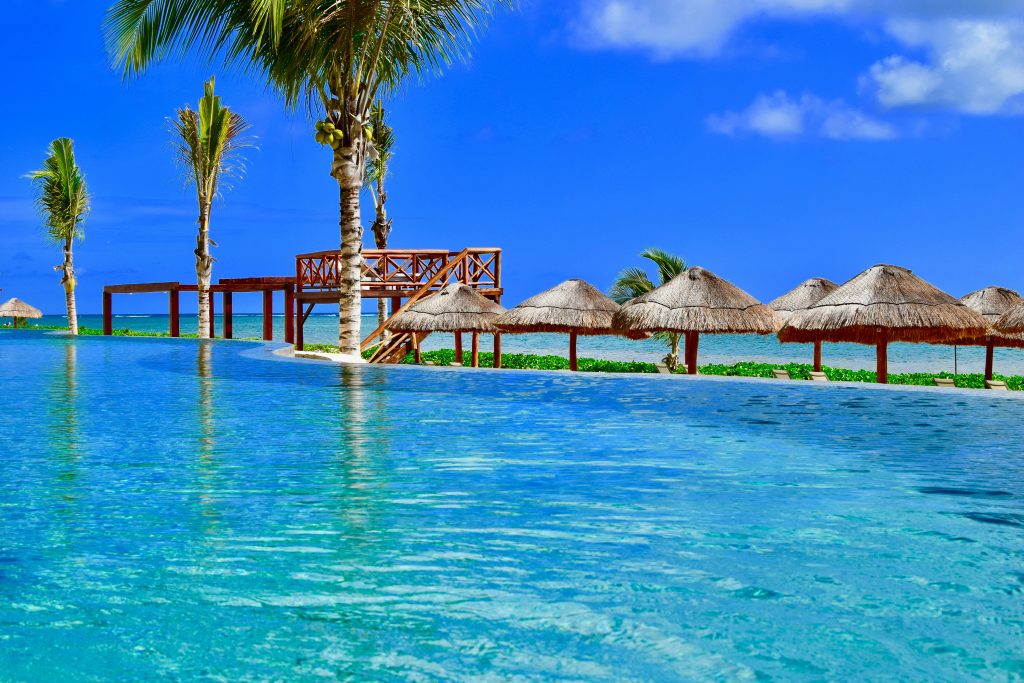
Nestled between Cancún and Playa del Carmen, Puerto Morelos functions as the fishing village that Tulum pretends to be. Pristine turquoise water, white sand beaches, and fresh seafood served at beachfront restaurants create resort-quality scenery at local prices.
The town retains a quieter atmosphere than nearby Cancún and Playa del Carmen, with less large-scale development and a strong local character. A 15-minute ferry puts you at cenote systems, and the legendary coral reef offers snorkeling accessible directly from shore.
Hotel Boutique Pescador, Puerto Escondido
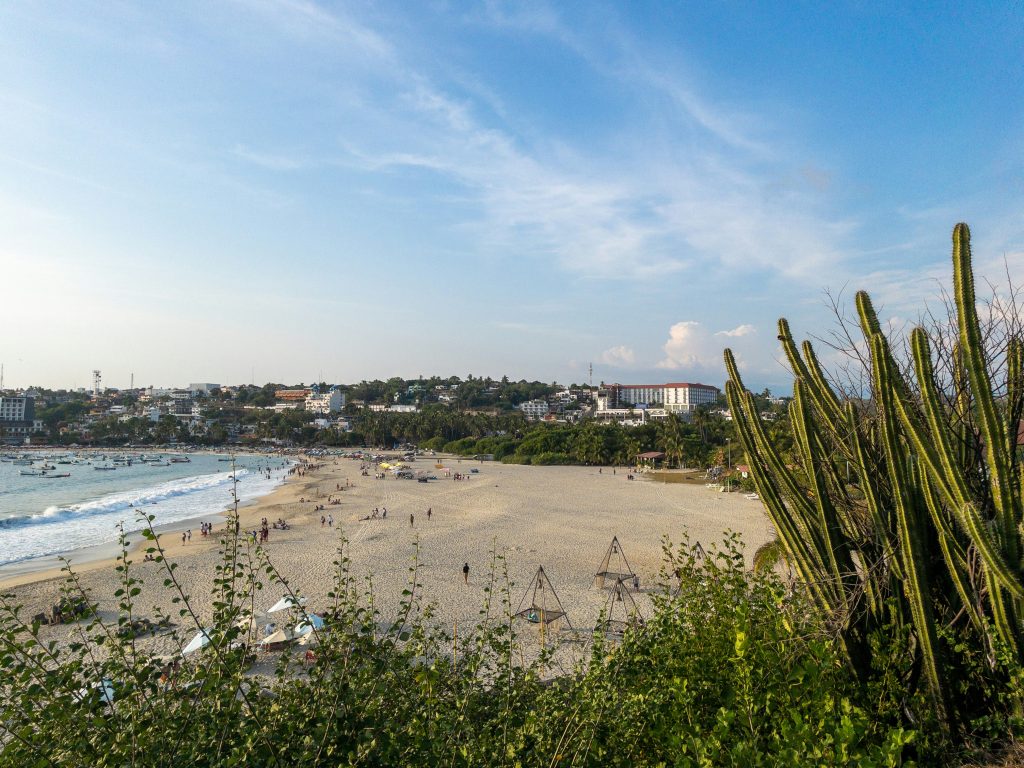
This 30-room property blends modern comforts with local Oaxacan aesthetics in a setting where colonial architecture meets Pacific coast waves. The hotel’s boutique scale means personalized service replaces front-desk anonymity, and the location provides easy access to nearby beaches and cultural attractions without requiring organized tours.
Puerto Escondido itself remains far less commercialized than Playa del Carmen or Cancún, retaining the atmosphere of an actual town rather than a resort destination.
Manzanillo
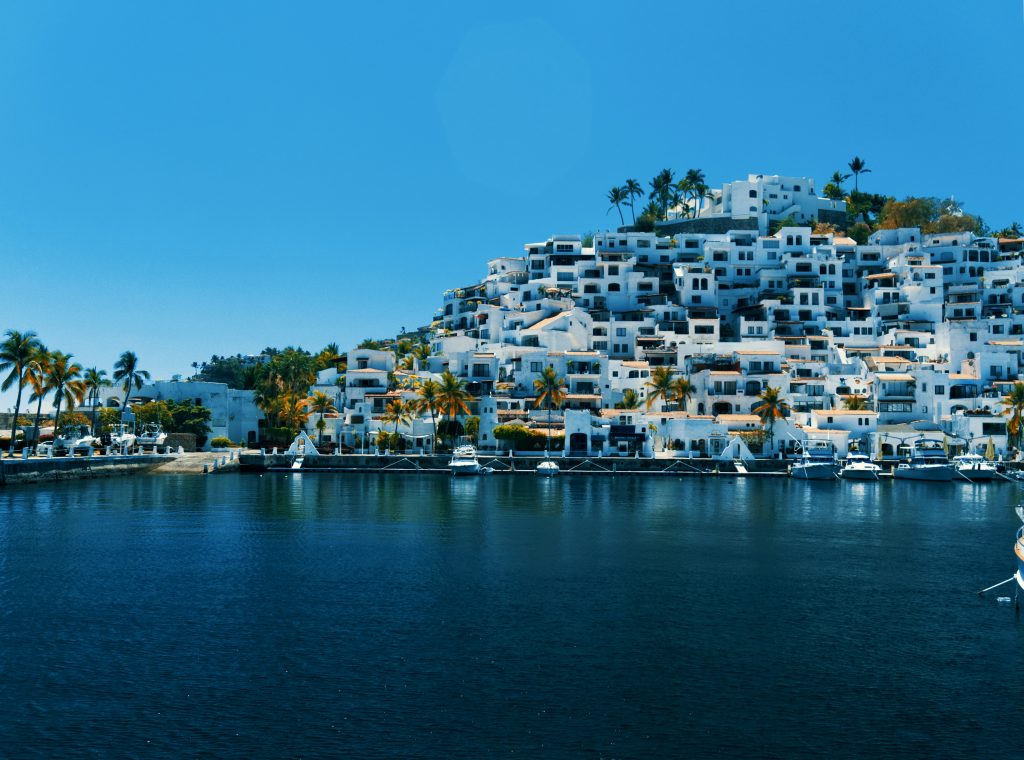
Known for its white hillside buildings overlooking the Pacific, Manzanillo delivers Mediterranean aesthetics in Mexican form. All-inclusive resorts with private beach access start at around $92 per person nightly, which represents 40% savings compared to similar properties in more established resort zones.
The dramatic coastline and sunset views from cliff-edge restaurants create the feeling of luxury without the luxury-level expenses.
Mazunte
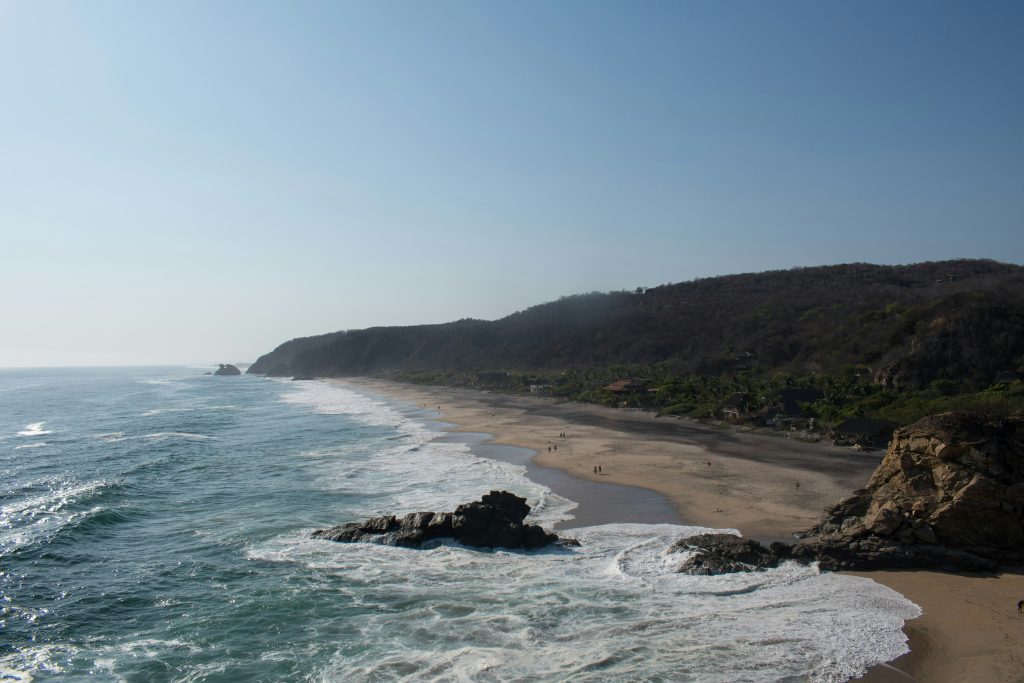
Oaxaca’s coastal town emphasizes sustainability and simplicity in ways that feel intentional rather than impoverished. Boutique hotels like Zoa Hotel offer secluded luxury with ocean views, while El Copal Mazunte provides rustic hillside perches overlooking the Pacific.
The town itself has developed a reputation among travelers seeking authentic immersion without commercial infrastructure—meaning excellent local restaurants, artisan shops, and zero corporate chains.
Zoa Hotel, Mazunte
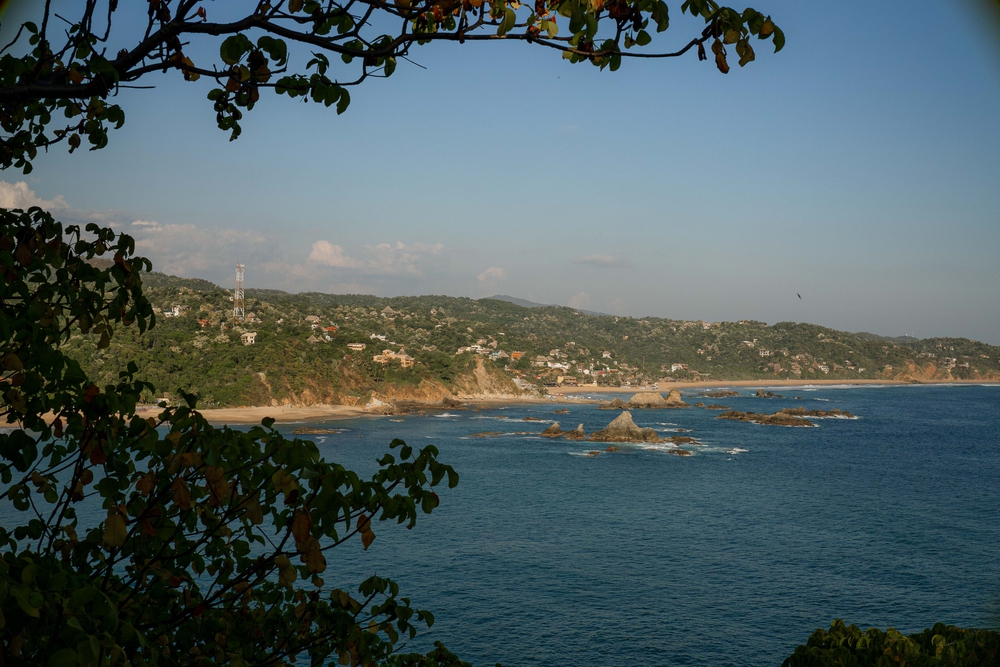
This luxury property sits in Mazunte without sacrificing the town’s unpretentious character, offering oceanfront rooms with design detail typically found at five-star resorts. The setting on Mazunte’s dramatic coastline, combined with the boutique scale and local restaurant scene, creates a luxury escape that costs considerably less than equivalent properties in Playa del Carmen.
The hotel’s architecture and amenities suggest high-end pricing, but the competition from local options keeps rates accessible.
Valladolid

This Yucatán colonial town serves as the underrated base for exploring the peninsula’s Mayan sites. From Valladolid, Chichén Itzá is a short drive, allowing you to arrive before day-trippers from Cancún—and after they’ve left. The nearby ruins of Ek Balam rarely draw crowds, and the yellow city of Izamal sits close enough for day trips.
Colorful architecture, excellent local dining, and accommodations starting under $80 per night make this the smart traveler’s alternative to crowded Tulum.
Merida
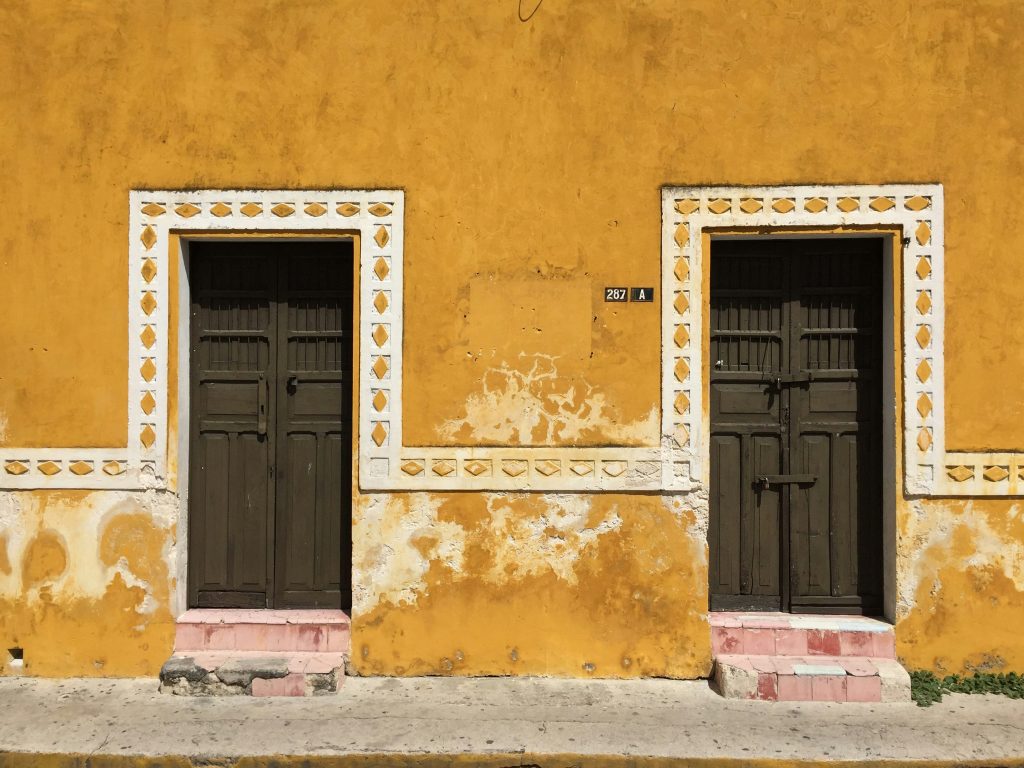
The cultural capital of Yucatán combines colonial elegance with authentic local life, offering museums, markets, and restored haciendas without the beach-resort infrastructure. Restaurants here serve Yucatecan cuisine to locals rather than tourists, meaning genuine flavor at market prices.
The city’s plaza sits surrounded by colonial buildings, and the main cathedral anchors an atmosphere that feels rooted in place rather than tourism-dependent.
Chablé Yucatán, Chocholá
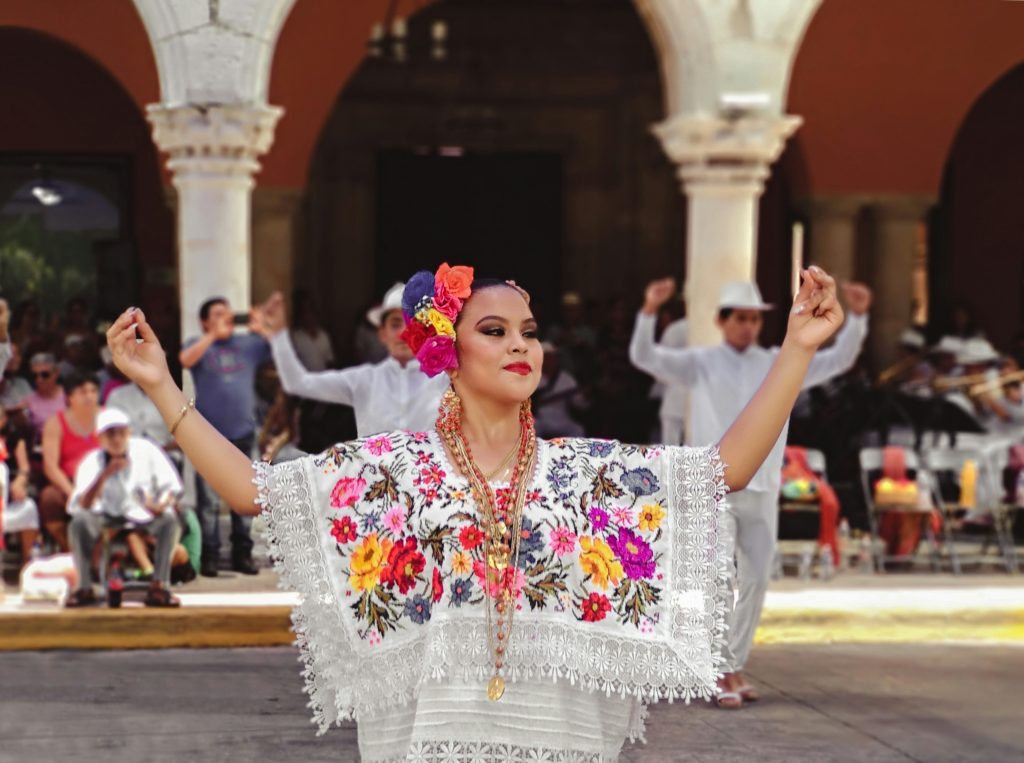
Housed in a restored hacienda, this wellness retreat centers around a sacred cenote and features private casitas with plunge pools. The property’s award-winning spa and exceptional restaurant create a resort experience grounded in the property’s history rather than resort-chain convention.
Chocholá’s location near Merida places it between cultural attractions and natural features, offering both sophistication and authenticity.
Casa Silencio, Oaxaca

This exclusive six-suite boutique hotel combines brutalist design with farm-to-table cuisine and mezcal tastings from its attached working distillery. The location in Oaxaca’s stunning valleys means guests explore one of Mexico’s most culturally rich regions while staying in a property designed specifically for discerning travelers.
The mezcal-centric experience provides something genuinely unique beyond typical resort offerings.
Tepoztlán
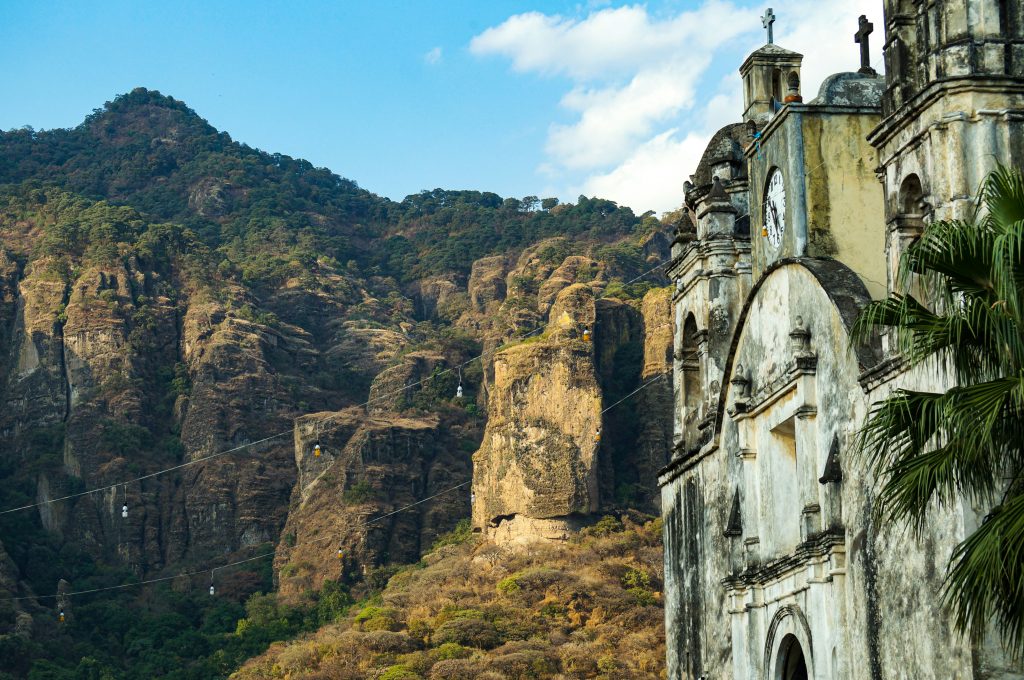
Located an hour south of Mexico City, this spiritual pueblo mágico attracts wellness seekers, artists, and those pursuing genuine cultural immersion. Tepozteco mountain’s pyramid sits visible from everywhere in town, the cobblestone streets host a lively market, and the energy attracts independent travelers rather than package-tour groups.
Restaurants emphasize local ingredients and traditional preparation, and the town’s reputation for spiritual wellness creates a different kind of escape than beach-focused destinations.
Isla Holbox
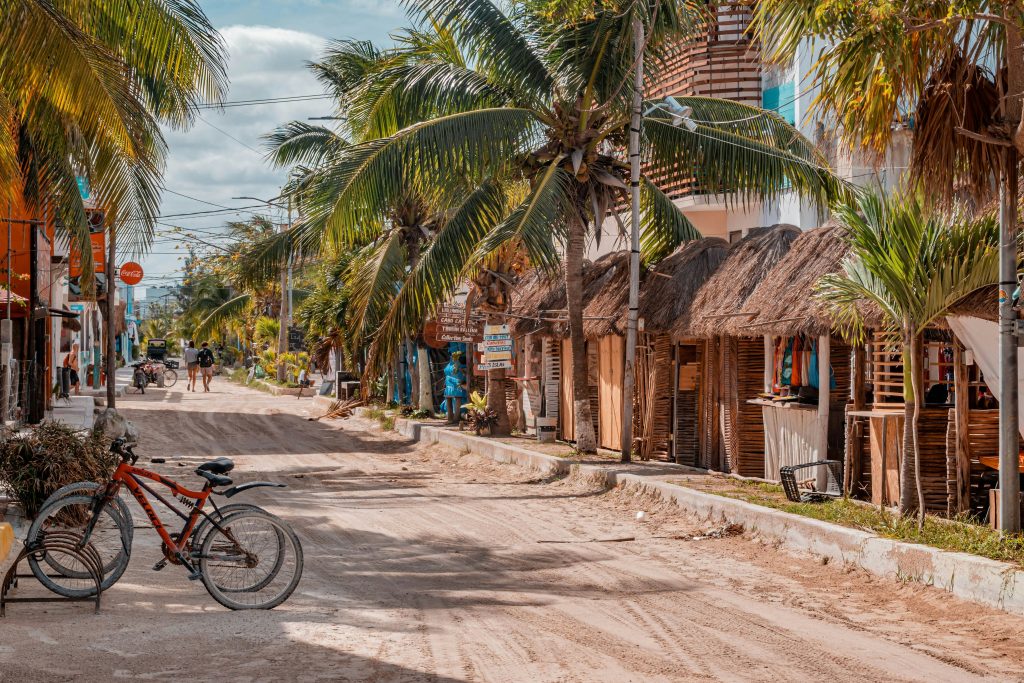
Accessible only by ferry, this Caribbean island prohibits cars—meaning quiet, sandy streets and a boho-chic aesthetic that feels genuinely preserved rather than manufactured. The turquoise waters rival any Caribbean resort, and accommodations range from rustic casitas to boutique hotels at prices substantially below Tulum.
The island’s isolation is its greatest asset, creating the kind of peace impossible on mainland beaches.
La Paz

Baja California Sur’s capital trades Tulum’s Instagram aesthetics for authentic Mexican beach-town charm. Playa Balandra ranks among Mexico’s most beautiful beaches, and the Sea of Cortez—Jacques Cousteau’s “world’s aquarium”—offers snorkeling and diving with sea lions and tropical fish.
Winter brings whale-shark swimming opportunities, and the Malecon waterfront promenade provides sunset scenery without resort infrastructure. Restaurant prices and hotel rates remain far below Caribbean coast alternatives.
Mantarraya Outpost, La Paz

This eco-friendly boutique hotel features six casitas blending seamlessly with natural surroundings, offering privacy and comfort with a 9am breakfast service that prioritizes leisure over efficiency. The property’s garden oasis, hammocks, and outdoor pool create resort-quality relaxation at a fraction of Cancún-area pricing.
La Paz’s location means exploring both desert landscapes and marine ecosystems from the same base.
Todos Santos
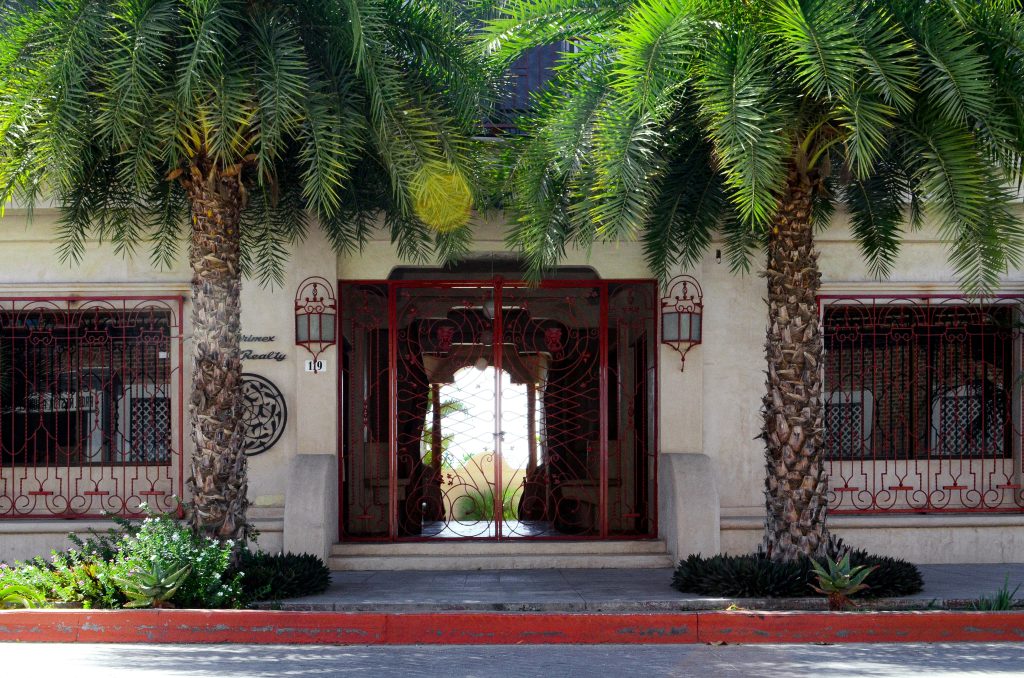
This Baja California Sur pueblo mágico emphasizes authenticity despite tourism infrastructure, retaining the character of a genuine Mexican town where locals outnumber visitors. The beaches are exceptional—including one populated by wild horses—and the restaurant scene showcases chefs importing sophisticated techniques into local cuisine.
Close proximity to California means flight options, but also higher prices than mainland Yucatán destinations, though still reasonable compared to Los Cabos.
Cozumel
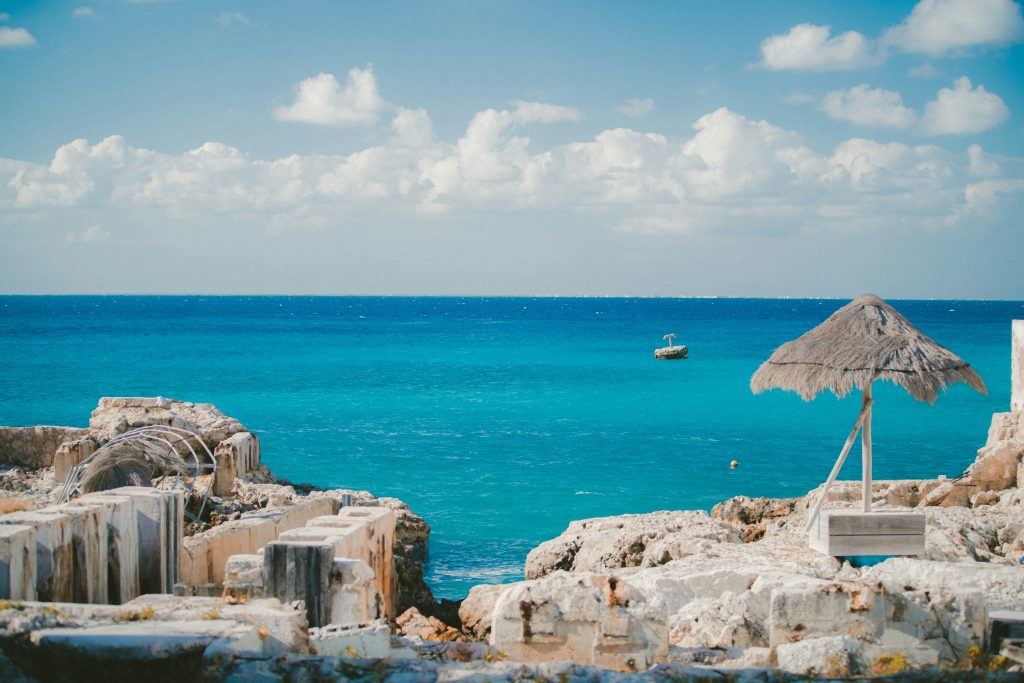
Identified by Expedia as a top Tulum alternative, this island offers world-renowned scuba diving, adventure parks, and natural attractions with a fraction of Tulum’s crowds. Located just offshore from Playa del Carmen via short ferry, Cozumel functions as a genuine destination rather than a day-trip option.
Snorkeling and diving costs significantly less than equivalent Caribbean experiences, and the island maintains an authentically local feel.
Huatulco
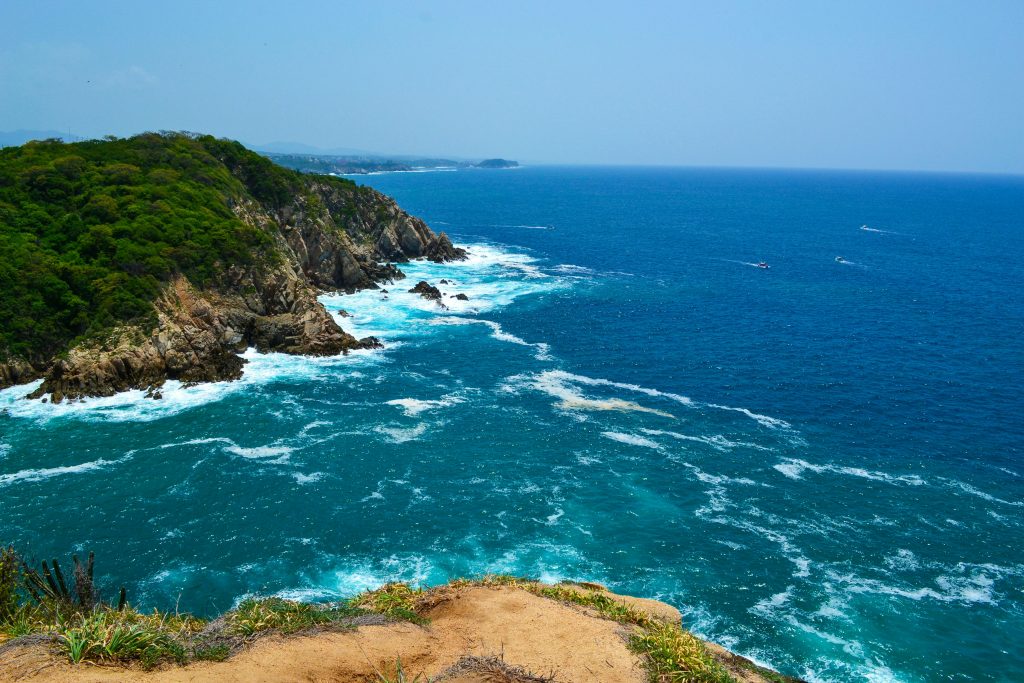
Developed by the Mexican government with sustainable tourism principles, Huatulco applies strict environmental restrictions to prevent the overdevelopment that characterizes similar destinations. Nine bays create multiple beach options, and the development limitations mean no sprawling resort mega-properties.
Restaurant pricing and accommodations remain reasonable compared to over-marketed coastal alternatives.
Hotel Cosijo, Oaxaca

Starting at $78 per night, this Oaxaca property offers boutique-style accommodation at true budget pricing. Located in San Jeronimo Tlacochahuaya, the hotel provides a base for exploring Oaxaca’s cultural attractions while maintaining local character.
The pricing-to-quality ratio makes this exemplary of Oaxaca’s value proposition compared to coastal resort alternatives.
Isla Mujeres
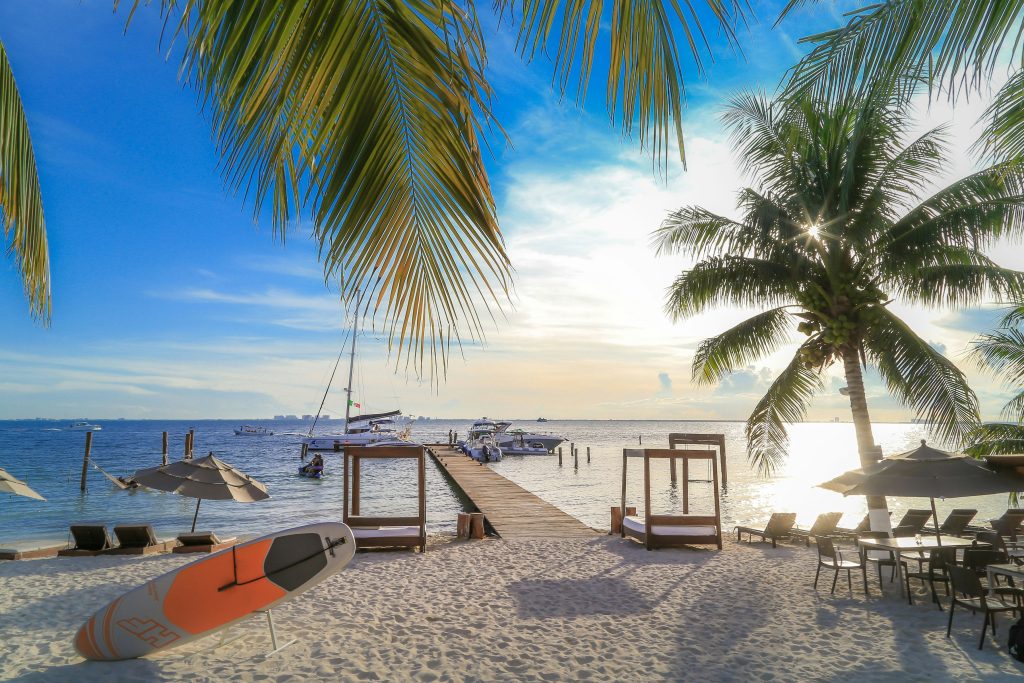
This island paradise sits off Cancún’s coast but feels like an entirely different destination—a tranquil escape with white-sand beaches, turquoise water, and a laid-back island vibe that attracts independent travelers rather than package groups. The island’s manageable size makes it navigable without transportation hassles, and the snorkeling is exceptional.
Accommodations range from budget guesthouses to boutique hotels, all priced below comparable Cancún properties.
Celestún
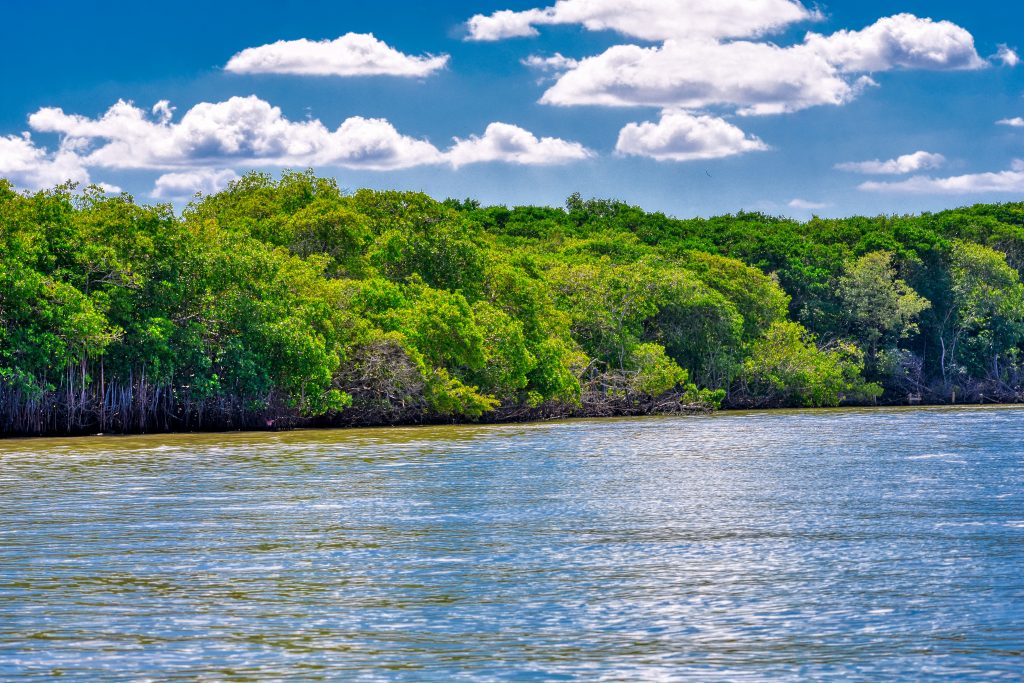
Located two hours from Merida, this Gulf Coast town offers beach escape combined with eco-tourism features like flamingo sanctuaries and mangrove kayaking. Hotel Beach Don Gonzalo provides beachfront eco-conscious accommodation, while the town’s seafood restaurants serve catch-of-the-day at market prices.
The Gulf Coast has significantly fewer tourists than Caribbean alternatives, meaning both lower prices and quieter beaches.
Loreto
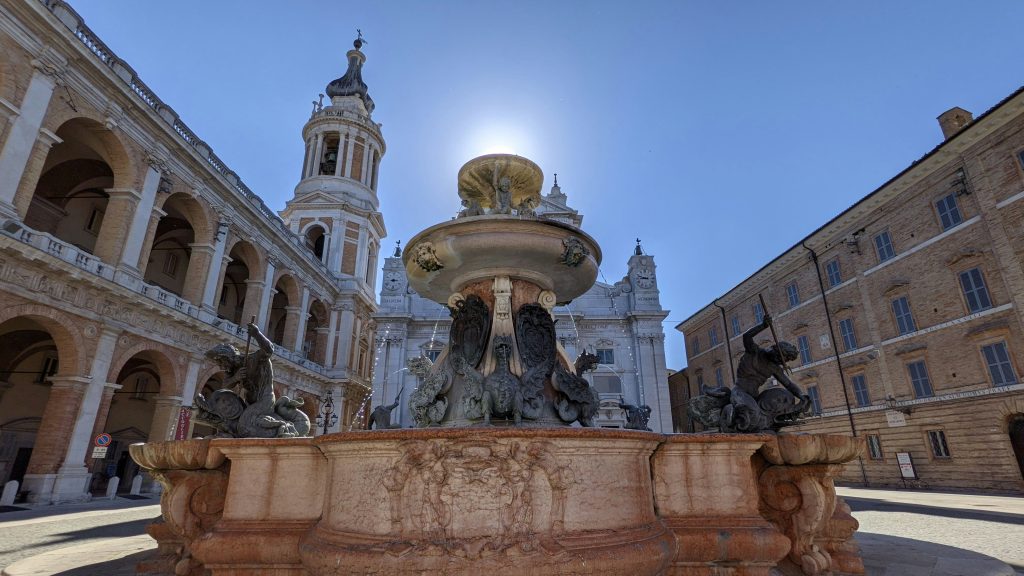
This Sea of Cortez town blends adventure, history, and small-town charm around the 17th-century Mission of Our Lady of Loreto. Island-hopping through Loreto Bay National Marine Park offers snorkeling with sea lions, hiking volcanic islands, and beach time with minimal crowds.
Unlike polished Los Cabos, Loreto remains refreshingly low-key, with cobblestone streets and genuine local character.
Careyes
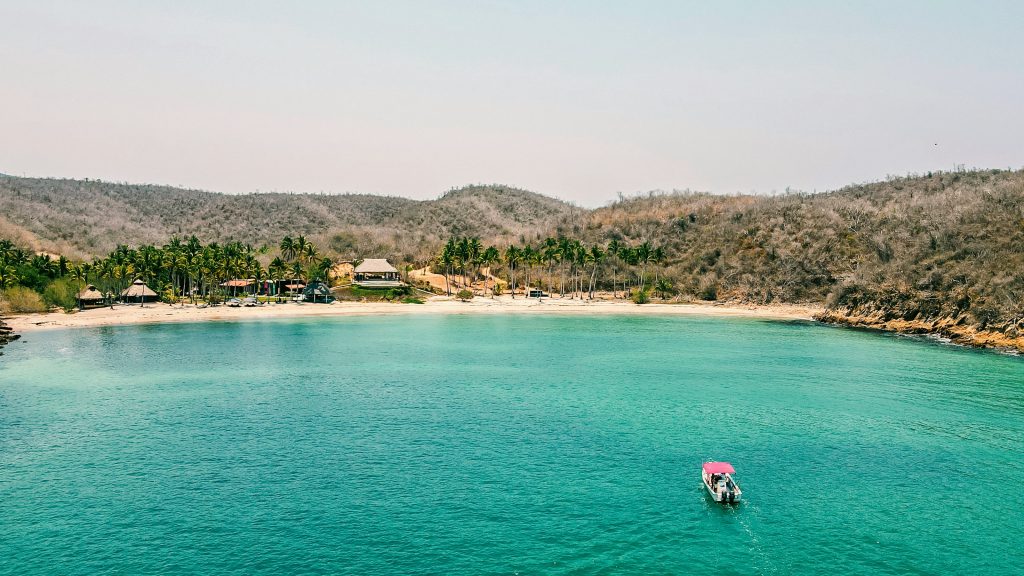
Founder Gian Franco Brignone, an Italian artist and banker, created this 20,000-acre private estate as a high-end retreat where artists could collaborate. Colorful casitas cascade toward the ocean in Cinque Terre-style arrangements, while Ocean Castles with six bedrooms and 360-degree infinity pools cater to larger groups.
Seven on-site restaurants including the pink Playa Rosa Beach Club and DJ-dancing venues create a bohemian luxury experience absent from conventional resorts.
Akumal
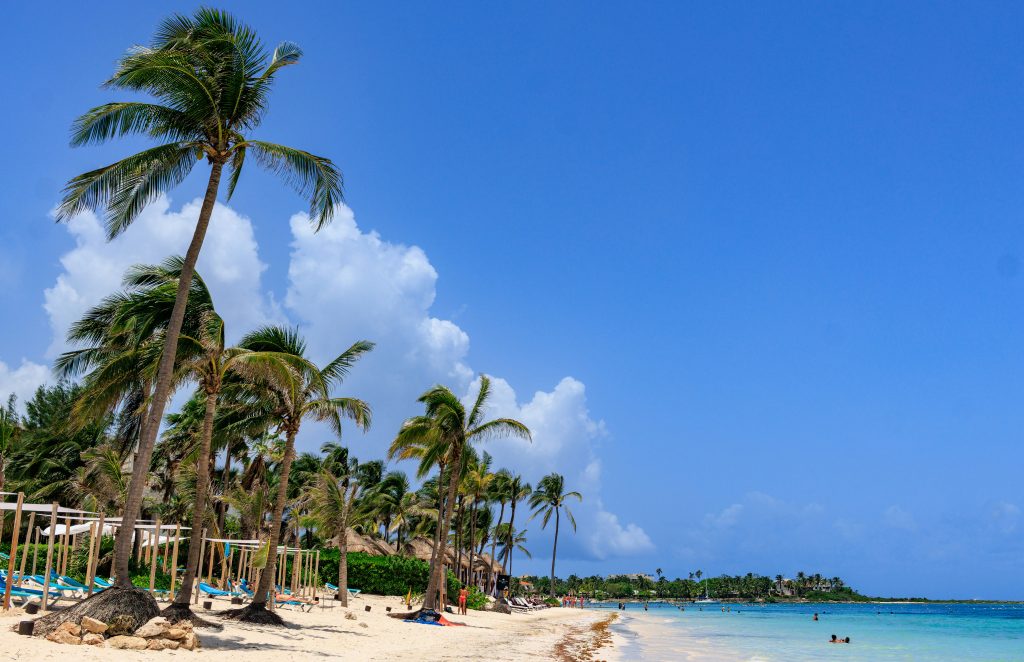
Centered around turtle encounters—the name translates as “place of the turtle”—this Caribbean town offers snorkeling with sea turtles, cenotes, Mayan ruins, and white-sand beaches from a genuine community rather than a resort compound. Vacation rentals and small hotels provide more character than all-inclusive properties, and the turtle-focused conservation message appeals to travelers seeking meaning alongside relaxation.
The proximity to Tulum creates access without Tulum’s commercialization.
Xcacel
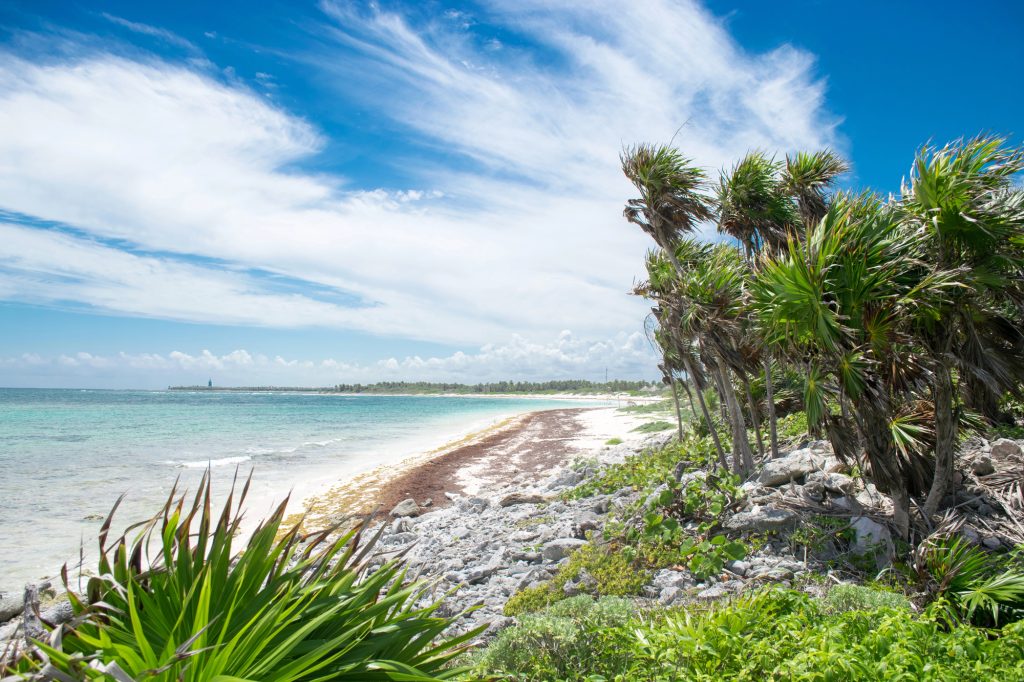
One of Mexico’s more remote Caribbean beaches, Xcacel remains underdeveloped despite proximity to Tulum and Playa del Carmen. The pristine white sand and turquoise water rival developed resort areas, but the absence of infrastructure creates a more authentic experience.
A cenote flows into the sea creating unique freshwater-saltwater dynamics, and the beach remains frequented by locals rather than tour groups.
Naviva, Punta Mita
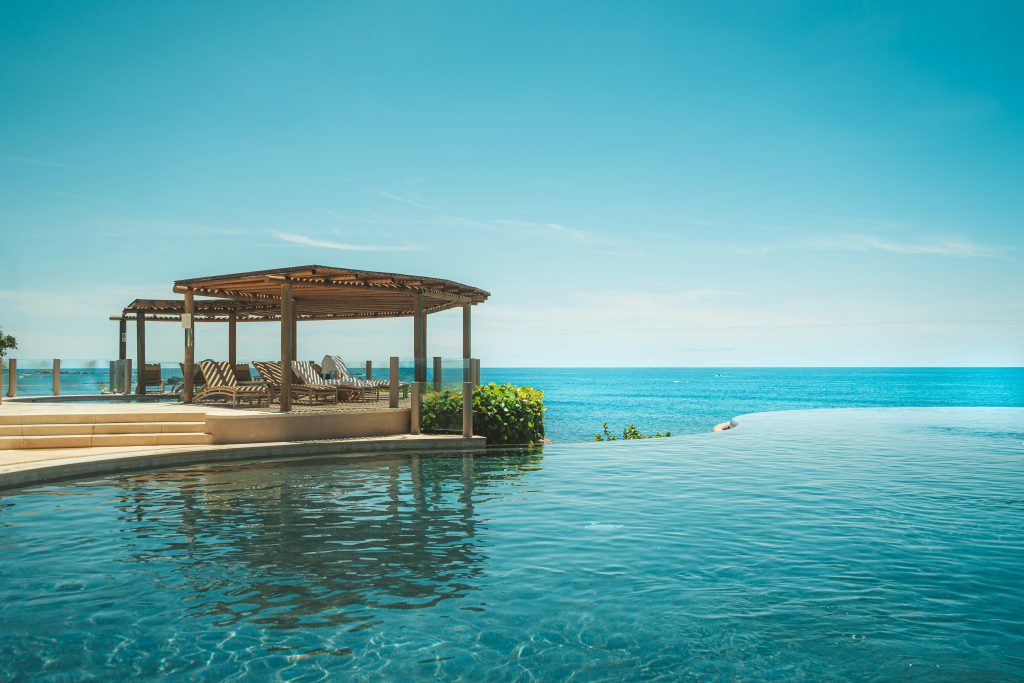
A sister property to Four Seasons Punta Mita, Naviva offers ultra-exclusive tented accommodations with just 15 luxury structures blending into the jungle. This adults-only, all-inclusive experience emphasizes nature, wellness, and transformation through forest bathing and guided meditations rather than typical resort activities.
The tented design creates luxury without architectural obtrusiveness, and the focus on wellness over entertainment creates a distinctly different resort experience.
Playa Punta Esmeralda
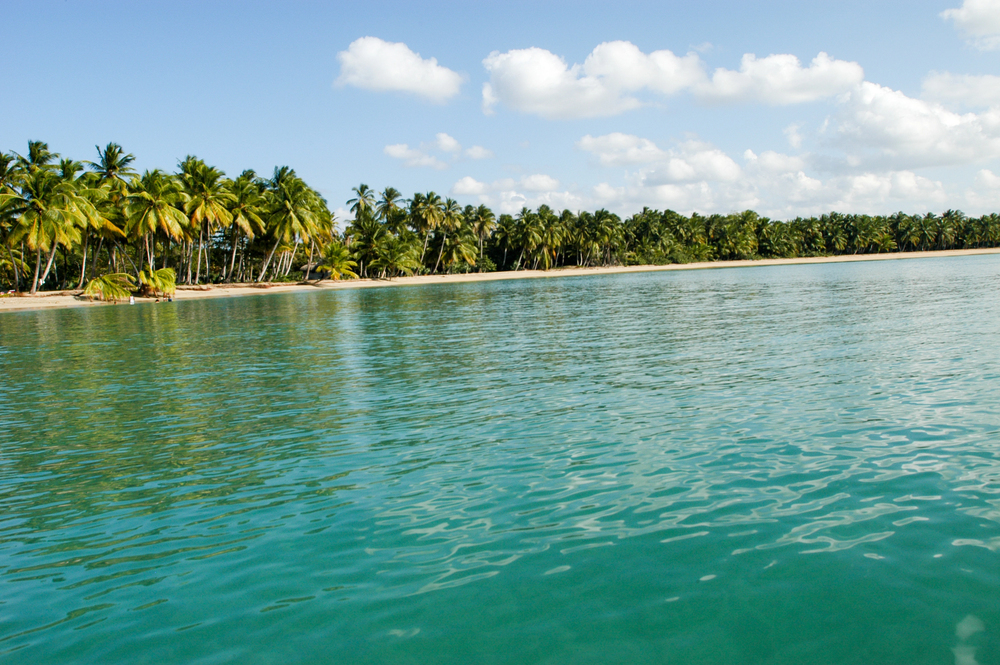
Located near Playa del Carmen but frequented primarily by locals, this peaceful beach features a cenote flowing directly into the sea—creating magical freshwater-saltwater dynamics and unique sunset colors. The minimal development and local-focused character preserve an authenticity that commercialized alternatives have lost.
The cenote provides refreshment distinct from ocean swimming, and the sunset views consistently reward the drive from Playa del Carmen.
Where Authentic Mexico Still Exists
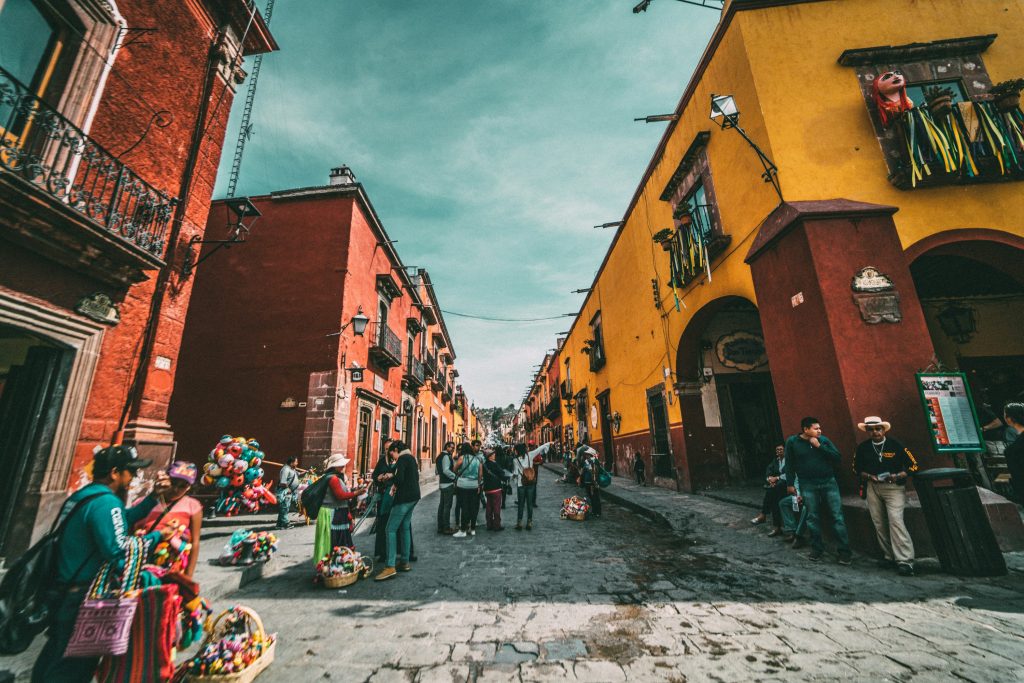
These alternatives exist because Mexico’s tourism infrastructure hasn’t yet homogenized its entire coastline into resort compounds and tour-bus itineraries. The pattern emerges across all of them: towns with genuine local populations, businesses serving locals alongside tourists, restaurants revealing authentic regional cuisine rather than hotel interpretations of it.
Prices stay reasonable not because facilities are inferior, but because development pressure hasn’t yet driven real-estate speculation and commercialization. The advantage of discovering these destinations now is timing—they remain genuinely exceptional for travelers who understand that resort infrastructure creates monotony rather than comfort.
In five years, some of these locations may develop beyond recognition. For now, they offer something rare: Mexican beaches where the experience belongs to the place rather than the hotel.
More from Travel Pug

- Underrated Italian Towns That Beat the Tourist Crowds
- Las Vegas Tourist Traps to Skip
- Prettiest Towns in Every US State
- 18 passport-free countries for Americans
- Signs Your Cruise Is Not Worth The Cost
Like Travel Pug’s content? Follow us on MSN.