

A good kids’ club doesn’t just keep children entertained. It convinces parents that the ship can function without them for an evening.
The difference between a club that makes parents check their phones every 10 minutes and one that makes parents order a second drink is not about slides or theming. It’s about trust.
Some cruise lines build this through staff credentials. Others build it through capacity control.
Some do it through sheer overwhelming Disney magic. The rankings below reflect how deeply parents actually relax while their children are in club care.
Disney Cruise Line’s Oceaneer Club (Perfect Relaxation)
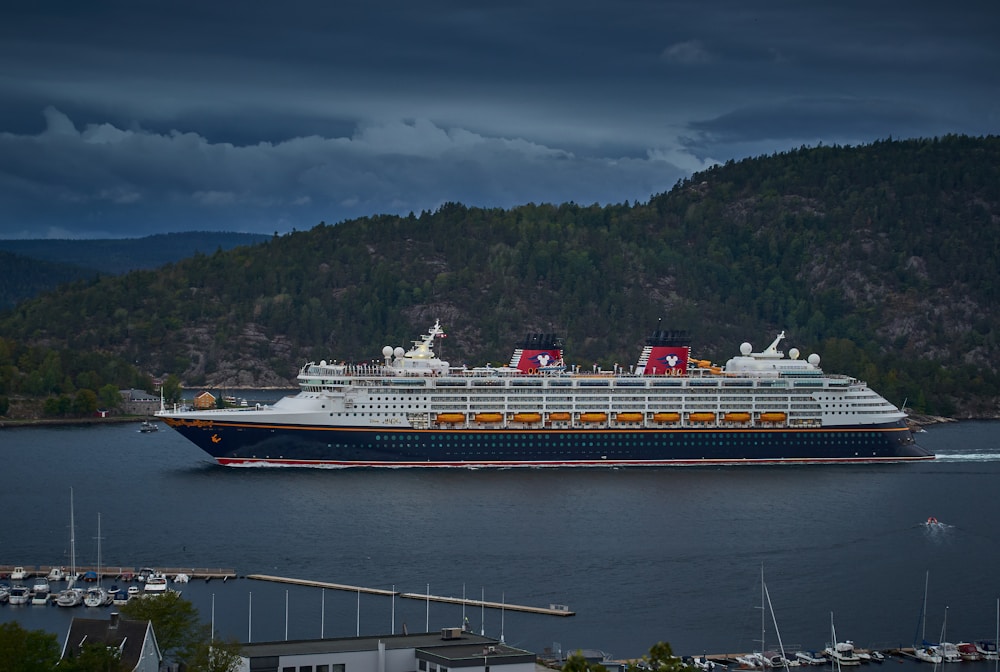
Disney’s kids’ clubs achieve something other lines chase: parents who walk away without guilt. Trained counselors, character appearances, Marvel-themed rooms, and the simple fact that thousands of families do this annually builds absolute confidence.
Your child is in a Star Wars Cargo Bay with trained staff. You’re having a cocktail.
No checking phones. This is peak parental relaxation in cruise form.
Most parents book evening club time before their cruise even departs.
Royal Caribbean’s Adventure Ocean (Multiple Age Groups)
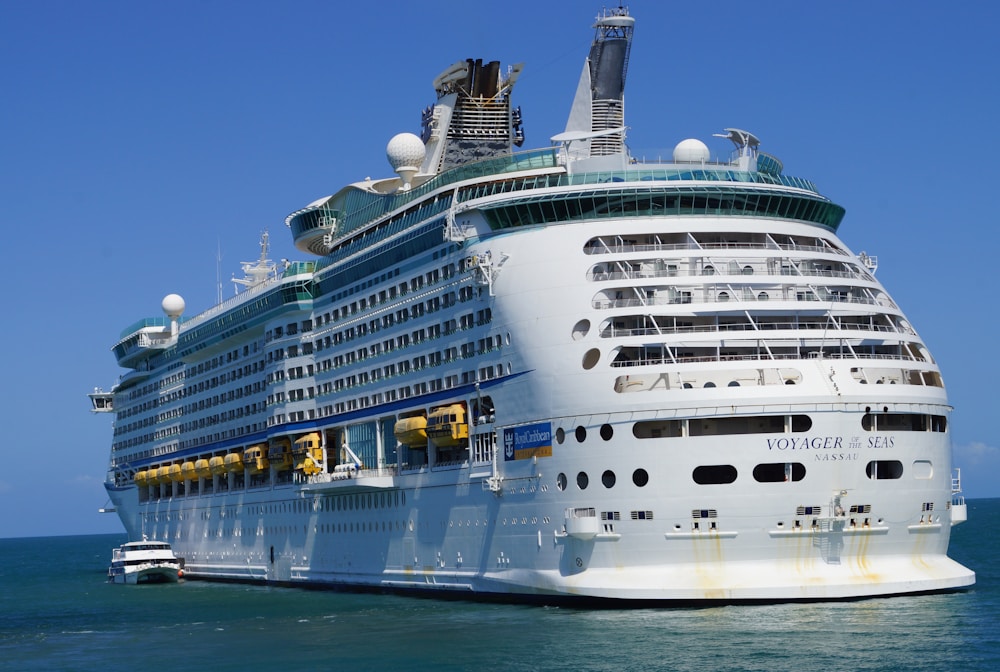
Royal Caribbean’s program for older kids delivers genuine peace of mind. Trained youth staff run hands-on activities—science experiments, arts, themed parties—in well-designed spaces.
By age 9, kids are independent enough to explore without parents, yet old enough that staff can maintain real supervision. Parents relax because their children are truly engaged, not just warehoused.
This is the sweet spot where both kid and parent benefit maximally.
Norwegian Cruise Line’s Entourage Teen Club
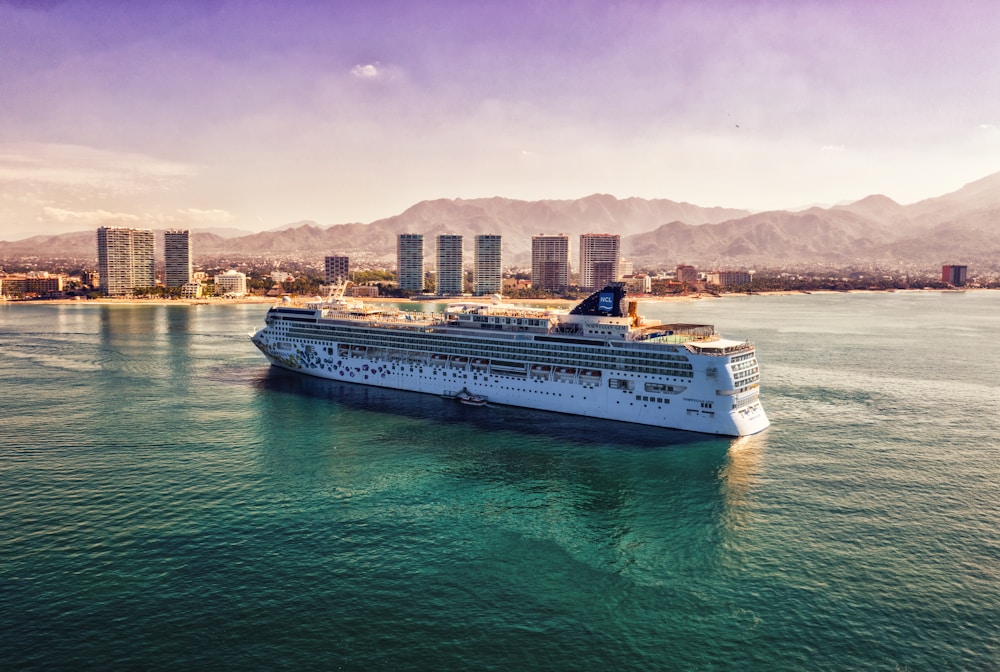
Norwegian’s dedicated teen lounges—with gaming stations, music, karaoke, and movie nights—give teenagers a social destination that doesn’t require parents. Teens who previously saw cruises as parental imprisonment actually want to go to the club.
Parents relax because their teenagers are occupied and supervised without the eye-rolling resistance. This is solving an actual teenage problem, which makes parents deeply grateful.
P&O Cruise Lines Kids’ Clubs (Boutique Relaxation)
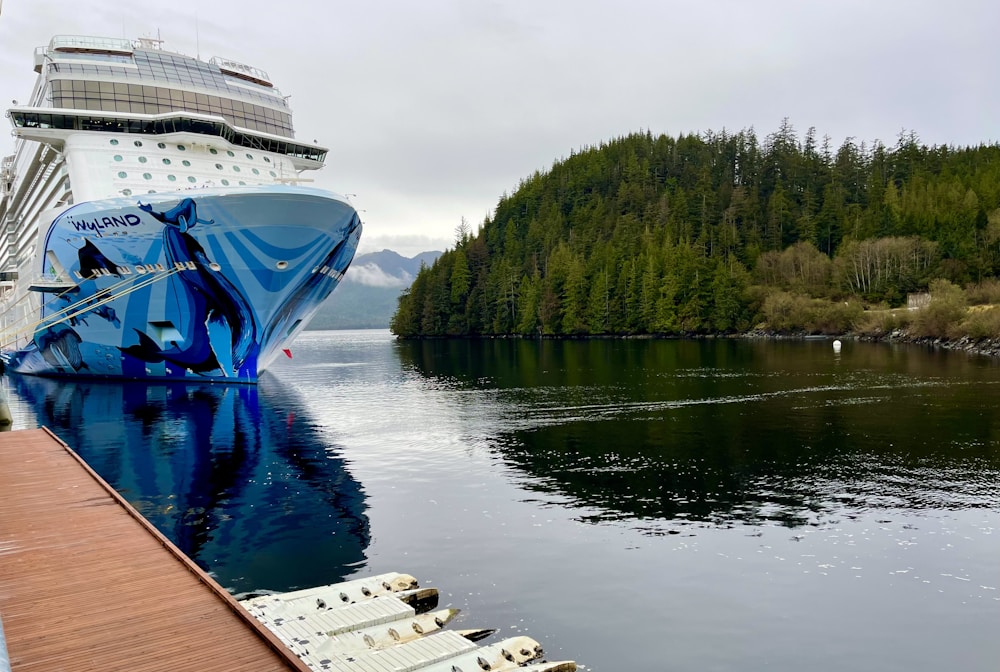
P&O’s family-friendly sailings generally have smaller youth programs than the largest mainstream cruise lines, creating a quieter atmosphere. Small group sizes mean trained staff can actually focus on individual kids instead of managing chaos.
Parents relax because their children receive attention, not just supervision. The trade-off is higher per-child cost and fewer departure dates, but families who value this approach swear by it.
Celebrity Cruises’ Camp at Sea
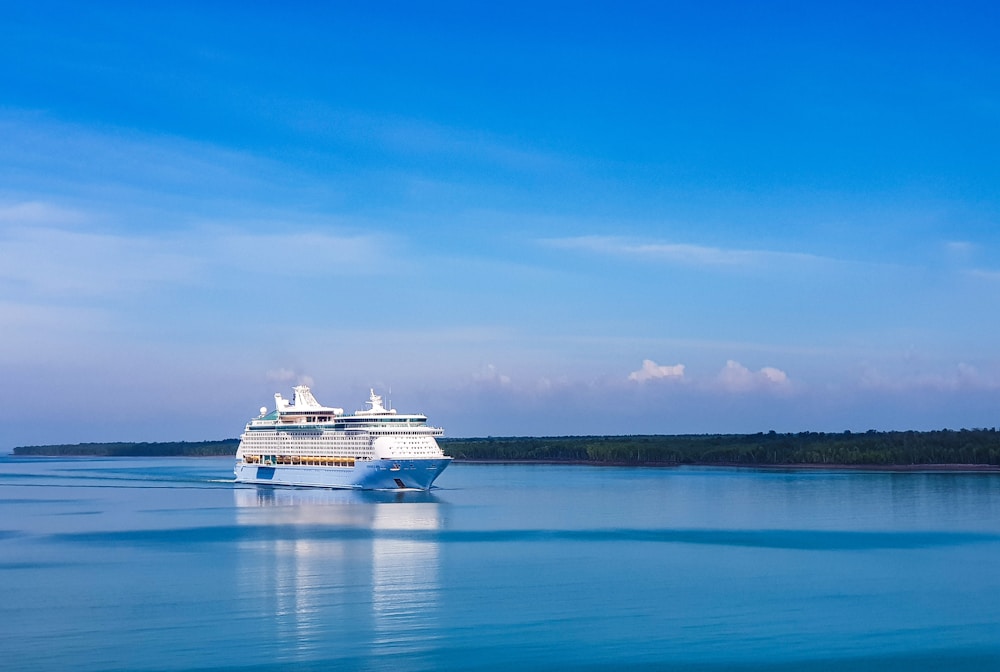
Celebrity offers themed activities—crafts, games, storytelling—in well-organized age groups. The club doesn’t have the global brand recognition of Disney or the playground-scale facilities of Royal Caribbean, but that’s exactly why parents relax here.
The club operates smoothly without performing, which paradoxically makes it lower-stress than more elaborate programs. Your kid is having fun.
You don’t have to think about it. That’s the goal.
Cunard’s Kids’ Programs (Occasionally Offered, British Approach)
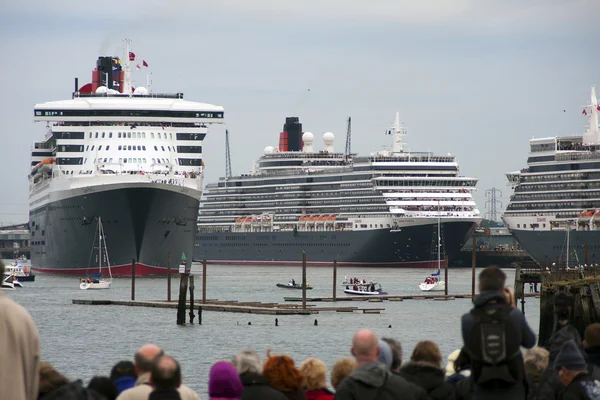
When Cunard offers kids’ programs—which varies by ship and sailing—they take a British approach: formal structure, clear boundaries, educational components. Parents appreciate the predictability and discipline.
Kids know exactly what to expect, which reduces behavioral issues and parental anxiety. It’s less flashy than American cruise lines, which is exactly the point.
This is relaxation through reasonable expectations.
Disney Cruise Line’s It’s a Small World Nursery (Toddlers, Partial Relaxation)
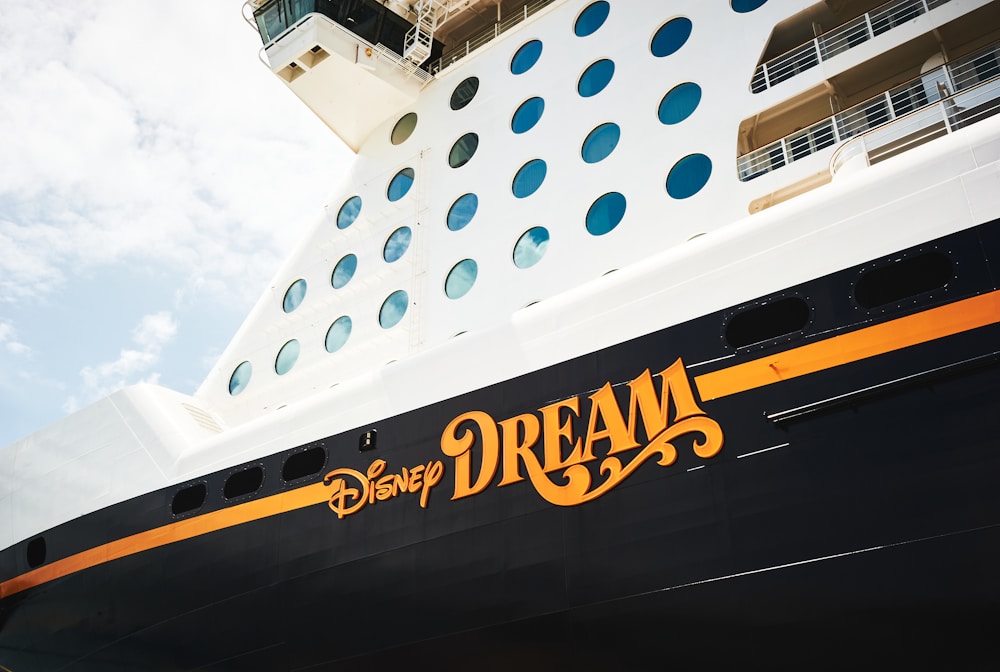
For parents of infants and toddlers, the nursery provides legitimate respite. Drop-off babysitting by trained staff costs around $9 per hour, but it’s reliable.
Parents get a few hours for a couple dinner out or a show without guilt. Partial relaxation only because parents are paying for it and know their child’s need satisfaction depends on feeding schedules and naptime precision, not just play.
Royal Caribbean’s Royal Tots Program (Ages 6-36 Months, Supervised Relaxation)
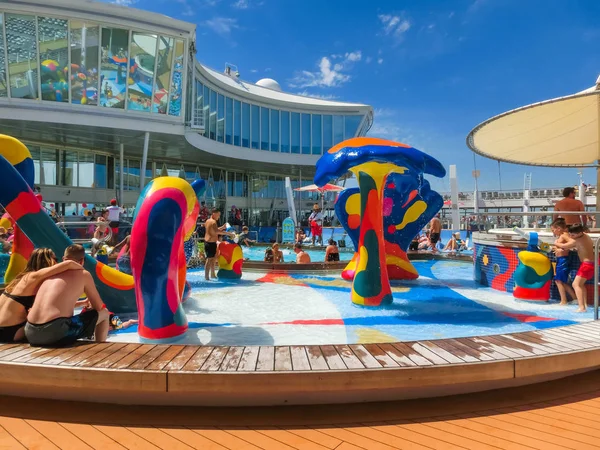
The Royal Tots program accepts children still in diapers, which immediately removes a barrier other lines impose. Parents can drop their non-toilet-trained toddler with confidence because staff are experienced with diaper changes, feeding, and nap time.
This is relaxation that comes from eliminating excuses and accommodating real parenting situations.
Carnival’s Camp Ocean (Consistent If Crowded)
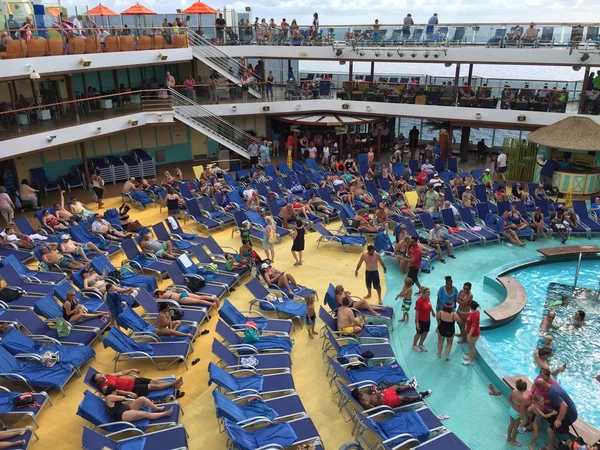
Carnival’s fleetwide kids’ club accepts young children (age 2 and up) and runs dependable programming with Dr. Seuss themes, Build-A-Bear workshops, and structured activities.
The club gets crowded because Carnival attracts families and prices competitively. Parents relax moderately—the programming is solid, but the sheer number of children means less individual attention.
Your child is fine, just one of many.
MSC Cruises’ Doremiland (European Sensibility)
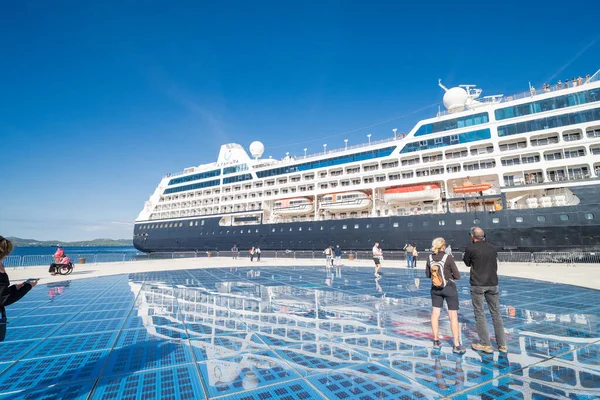
MSC’s kids’ programs operate fleetwide with seven age-specific rooms. The European focus brings different energy—less character-based entertainment, more structured learning and creative play.
Parents who value quieter, more educational activities relax because their child is learning while supervised. Parents wanting high-energy entertainment might not.
It’s a philosophical fit thing.
Princess Cruises’ Kids’ Club (Predictably Adequate)
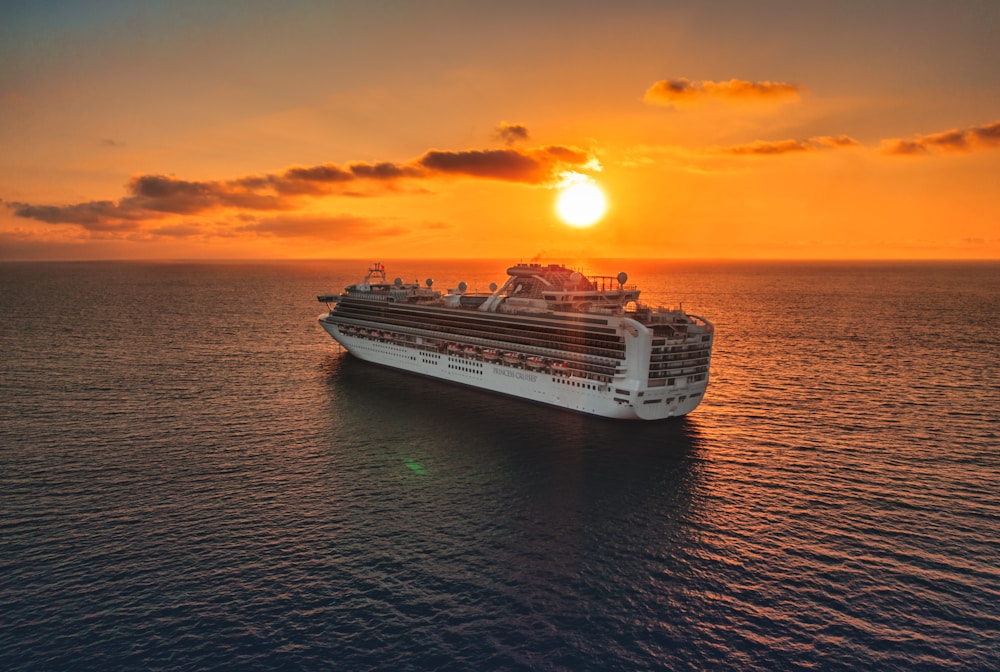
Princess offers reliable programming for ages 3-17, with separate clubs by age group. It’s not as elaborate as Disney or as interactive as Norwegian, but it’s consistent across the fleet.
Parents relax because they know exactly what to expect, and Princess doesn’t overpromise. Your kid will be fine.
It won’t be magical, but it will be safe and supervised.
Holland America Line’s Youth Program (Adult-Oriented Cruise Philosophy)
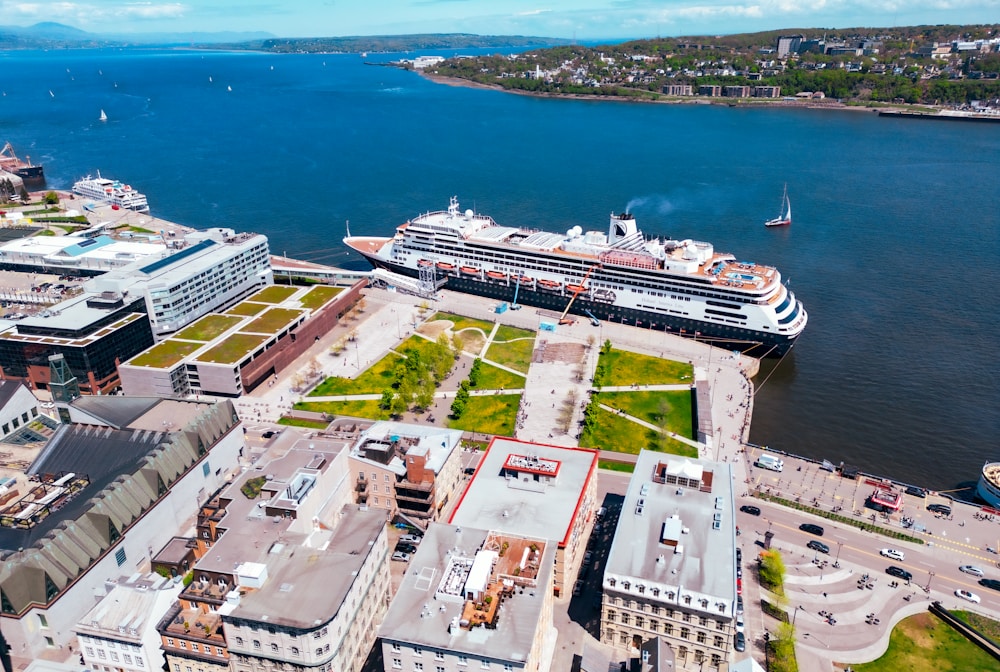
Holland America is known as an older-demographic cruise line. Their kids’ programs exist but aren’t central to ship design.
Parents relax because the reduced number of children means quieter clubs and more staff attention per child. Fewer families board Holland America ships, which creates a completely different vibe than mainstream lines.
If you want relaxation through peace and quiet, this works.
Norwegian Escape Kids’ Club (Inclusive Pricing)
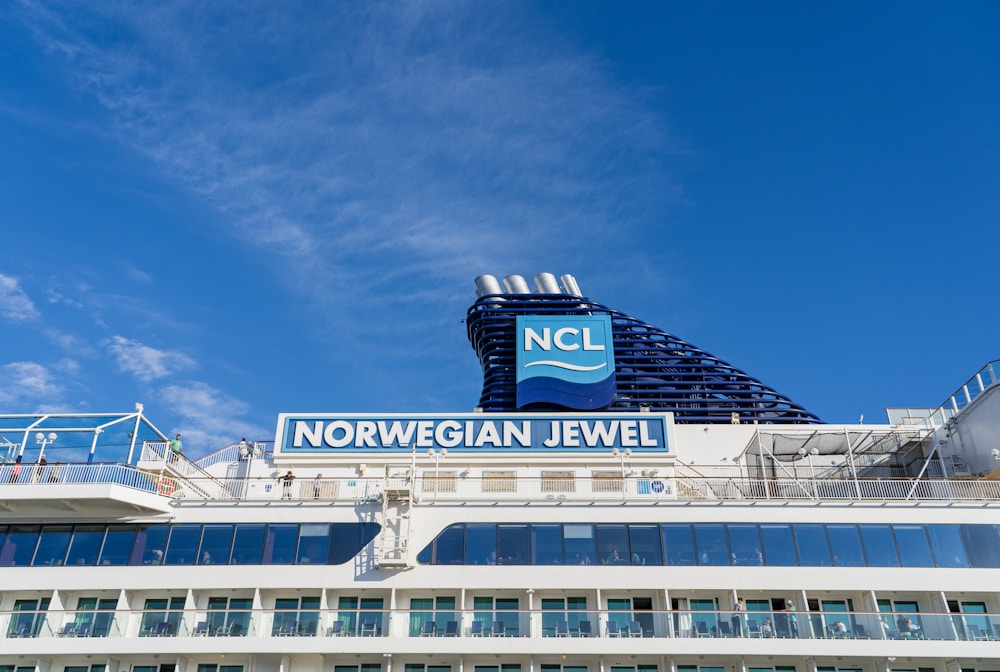
Norwegian Escape includes most kids’ club activities in the cruise fare, with only the late-night club requiring additional payment. Parents relax financially because there’s no surprise bill for daily club fees.
The inclusive model means they can access club time without calculating cost-benefit. This is relaxation through transparent pricing.
Aurora (P&O) Kids’ Club (Niche Positioning)
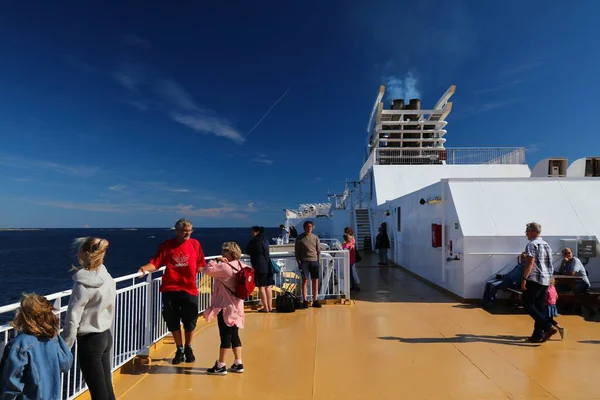
P&O’s Aurora caters to UK passengers and operates kids’ clubs with British structure and curriculum alignment. Parents familiar with UK education systems relax because the club’s framework matches what they understand.
Educational activities tie to learning standards. It’s not universal appeal, but it’s absolute appeal to the right audience.
Seabourn Odyssey Kids’ Activities (Specialized Programming)
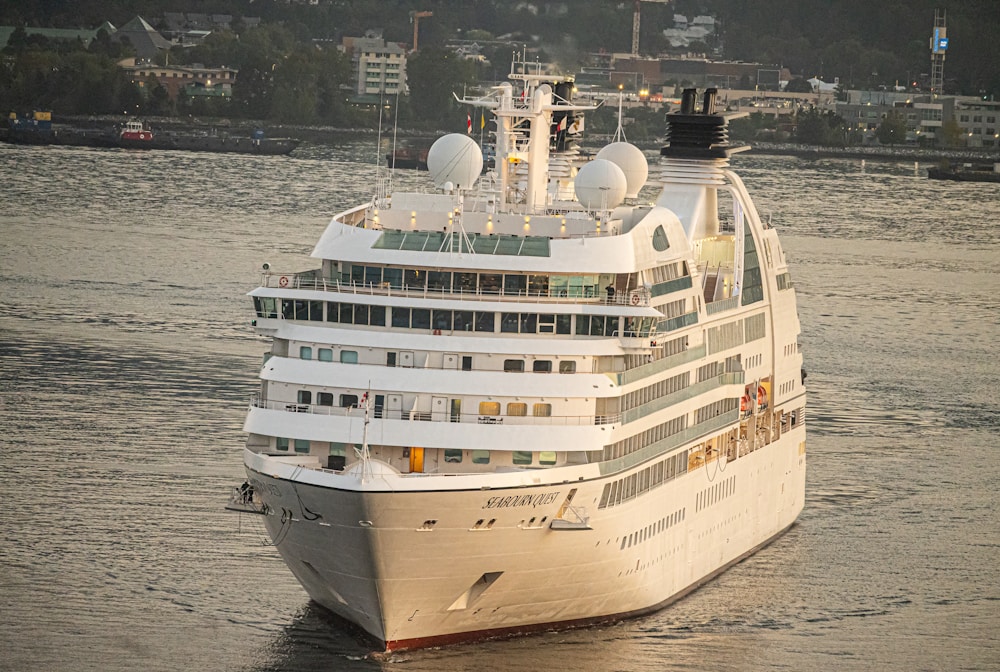
When Seabourn offers kids programming on Odyssey, it includes watersports education and exploration activities. The focus on specialized experience rather than generic entertainment attracts parents who value learning.
Parents relax because their child is developing competence, not just passing time.
Oasis of the Seas Adventure Ocean (Sheer Scale, Managed Relaxation)
Adventure Ocean on Oasis-class ships spans 28,700 square feet across multiple age groups with separate facilities for each age range. The scale allows simultaneous programming—different age groups in different spaces doing different activities.
Parents relax because crowding is managed through space. Overkill design, but effective.
Quantum Class Ships Adventure Ocean (Size Plus Innovation)

Royal Caribbean’s Quantum-class ships advanced Adventure Ocean with technology integration and specialized labs. More space than previous classes means better staffing ratios.
Parents relax because innovation investment suggests the line values the experience. You’re not just paying for kids’ care; you’re paying for thoughtful design.
Carnival Dream Kids’ Club (Deck 12 Dedicated Space)
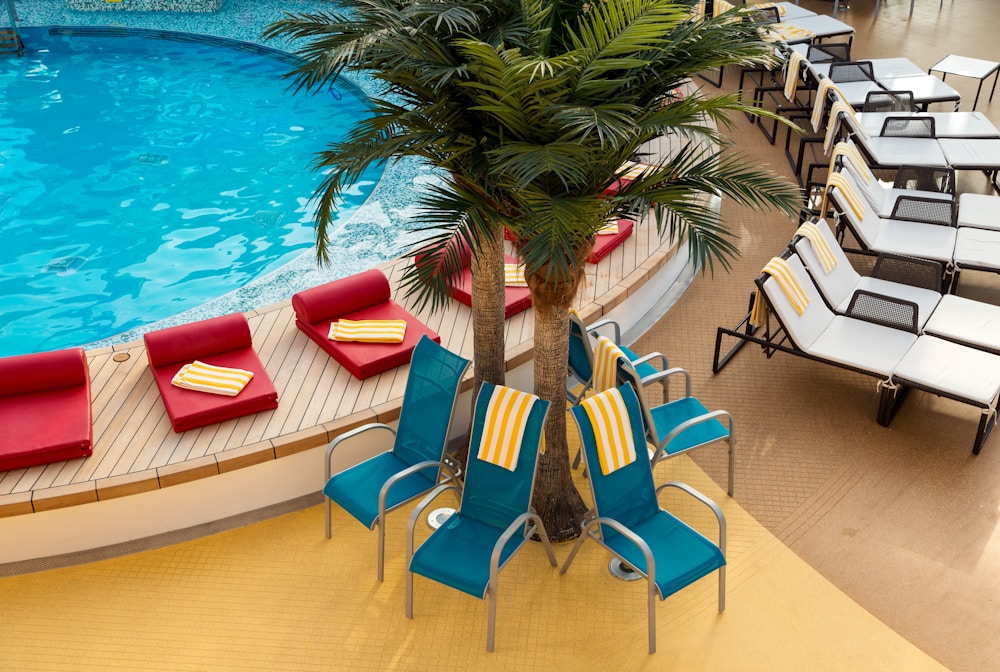
Some Carnival ships dedicate entire decks to kids’ programming. Dream’s well-designed spaces reduce the institutional feel.
When kids’ clubs have proper square footage, parents relax because activities flow instead of feeling crowded. Carnival’s bigger ships sometimes do this better than smaller ones.
Celebrity Edge Kids’ Spaces (Modern Design)

Celebrity Edge’s redesigned kids’ club spaces feel contemporary rather than themed. Modern design can feel more sophisticated to parents.
When kids’ clubs look like thoughtful spaces rather than entertainment boxes, parents feel their children are in real facilities, not temporary care areas.
Disney Fantasy’s Oceaneer Club
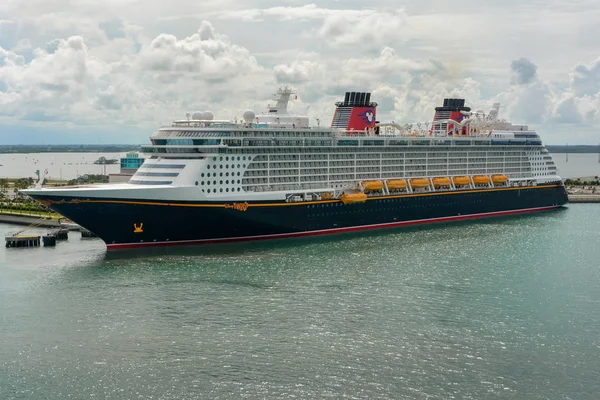
Disney Fantasy’s most recent Oceaneer Club reflects the latest thinking in kids’ programming design. Newer ships mean newer facilities, better technology, and updated activity offerings.
Parents relax knowing they’re using the most current version of the program.
Wish Kids’ Club (Disney’s Newest Innovation)
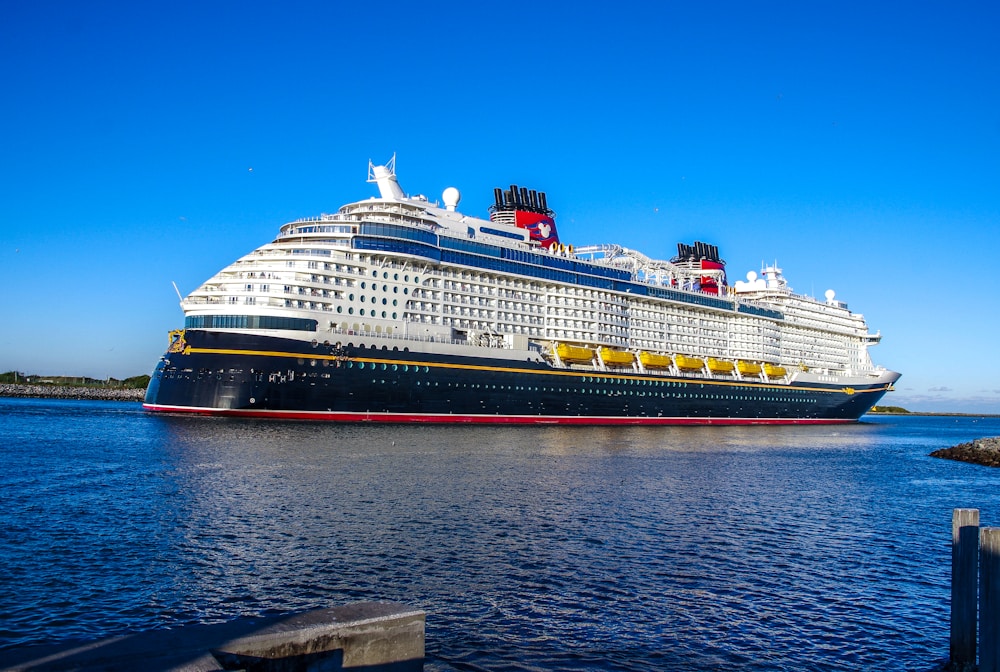
One of Disney’s newest ships, Disney Wish’s kids’ club incorporates the latest Disney experience design. Newest infrastructure means longest facility lifespan.
Parents who prioritize brand confidence relax aboard Wish specifically because it represents Disney’s most current thinking.
Relaxation Is About Confidence More Than Activity
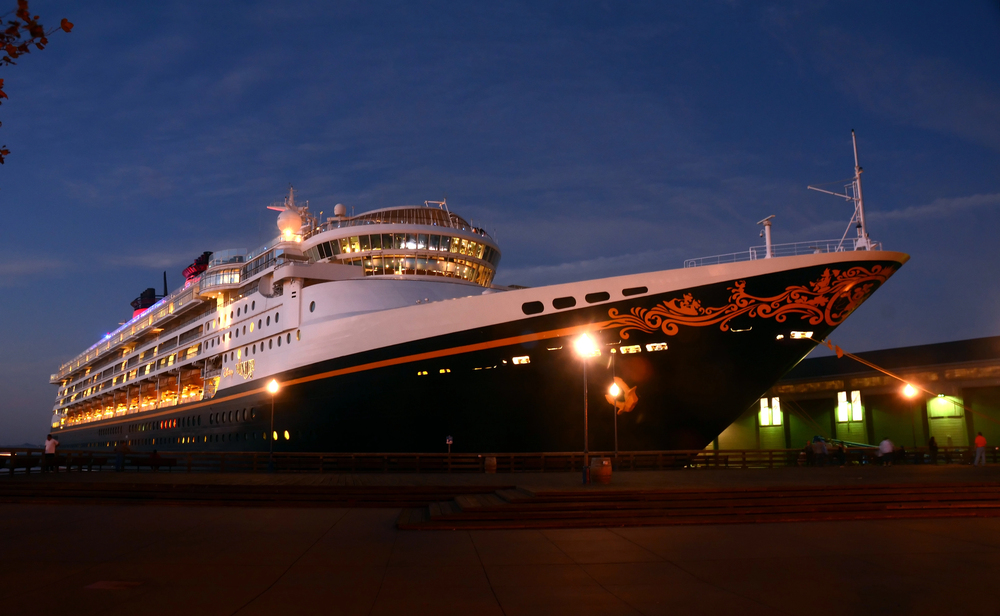
The kids’ clubs that generate the highest parental relaxation share one trait: they make parents believe their children are genuinely safe and engaged, not just supervised and contained. The specific theming, activities, and facility size matter less than the credibility of the operation.
Disney builds credibility through brand reputation. Royal Caribbean builds it through scale and consistent programming.
MSC builds it through educational integration. P&O builds it through capacity control.
The cruise line that makes your specific family relax is the one whose approach matches your confidence needs.
More from Travel Pug

- Underrated Italian Towns That Beat the Tourist Crowds
- Las Vegas Tourist Traps to Skip
- Prettiest Towns in Every US State
- 18 passport-free countries for Americans
- Signs Your Cruise Is Not Worth The Cost
Like Travel Pug’s content? Follow us on MSN.