

Vacation rental platforms offer independence and perceived savings over hotels, but renters frequently make expensive mistakes that exceed what a hotel stay would have cost. Owners and platforms count on renters not reading fine print or understanding damage liability.
Knowing where the costliest mistakes happen helps you avoid paying hundreds in unnecessary charges.
Not Checking the Cancellation Policy Before Booking
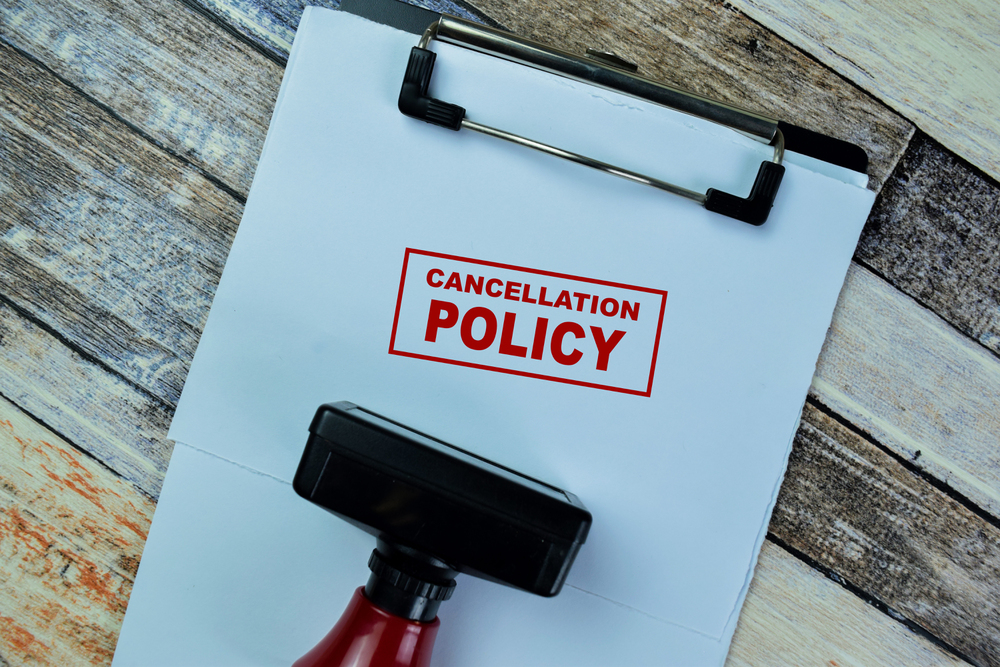
Cancellation policies vary widely, from fully refundable to non-refundable after a certain date. Unexpected illness, weather disruptions, or changes in travel plans can result in losing part or all of your payment depending on the property’s policy.
Review the cancellation terms before booking, and consider travel insurance for expensive or non-refundable reservations.
Not Accounting for Cleaning and Service Fees

While many booking platforms now display the total price before checkout, cleaning fees, service fees, and local taxes can still add significantly to the overall cost. Compare the total booking price—not just the nightly rate—especially for short stays where fixed fees have a bigger impact.
Leaving a Mess and Paying Damage Claims

Renters who leave vacation rentals dirty trigger additional cleaning charges of $100-500 on top of the standard cleaning fee. Owners photograph conditions and charge accordingly.
Leaving a rental cleaner than you found it prevents disputes.
Ignoring Guest Review Warnings

Negative reviews mentioning cleanliness, noise, or operational issues are warnings you should heed. Booking a property with poor reviews expecting it to be better than described guarantees disappointment and potential damage charges if you destroy something attempting to repair issues yourself.
Assuming Every Amenity Is Included

Listings vary widely. While utilities are almost always included in short-term rentals, amenities such as parking, pool access, beach equipment, cribs, grills, or air conditioning may have restrictions or extra fees.
Carefully review the listing so you know exactly what’s provided before you arrive.
Exceeding Maximum Occupancy

Violation of occupancy limits results in charges per extra guest, ranging from $50-200 per person. Some owners evict guests, forfeiting refunds.
The occupancy limit is a legal restriction, not a suggestion.
Damaging Items and Trying to Hide It

Attempting to hide damage by repairing it yourself, hiding broken items, or failing to report damage results in owner photographs and damage claims far exceeding the actual repair cost. Reporting damage immediately prevents exaggerated charges.
Not Taking Photographic Inventory

Arriving at a rental without photographing the condition and documenting existing damage means you’re liable for damage that predated your stay. Taking arrival photos protects you against dishonest damage claims.
Changing Reservation Dates Without Checking the Cost

Changing travel dates may trigger a different nightly rate, especially during holidays or peak seasons. Some platforms allow modifications, while others require canceling and rebooking. Before making changes, compare the new total cost and review the property’s change policy.
Using the Rental as a Party Venue

Hosting parties violates most rental agreements and results in noise complaints, damage charges, and potential eviction. Property owners pursue damages aggressively for parties, and costs often exceed $1,000.
Allowing Unauthorized Guests

Most rentals limit occupancy strictly. Having guests stay overnight who aren’t included in the booking violates agreements and triggers charges or eviction.
The occupancy restrictions are firm.
Smoking in Non-Smoking Rentals

Smoking in rentals designated non-smoking results in severe smoking penalties of $200-500, plus additional cleaning charges. The smell persists and triggers owner fines.
Not Reading House Rules

House rules specify everything from quiet hours to parking restrictions to furniture movement prohibitions. Violating rules results in charges or eviction.
Reading rules before arrival prevents violations.
Booking Without Considering Seasonality

Renting a beachfront property in hurricane season, a ski resort during avalanche warnings, or a city apartment during major events carries risks. Understanding seasonal issues prevents booking properties you’ll need to cancel or suffer through.
Not Confirming Check-In Time

Assuming you can check in early or late without confirming with the owner means arriving at locked doors and wasted hours waiting. Confirming check-in and check-out times prevents timeline conflicts.
Bringing Pets Without Authorization

Pets violate most rental agreements and trigger cleaning fees of $200-500 plus damage assessments. Booking pet-friendly properties prevents these charges entirely.
Ignoring the Checkout Time

Late checkout without approval can delay cleaning crews and incoming guests. Depending on the property’s policy, you may be charged a late checkout fee or, in some cases, an additional night’s stay.
Ask in advance if you need extra time.
Not Arranging Parking Appropriately
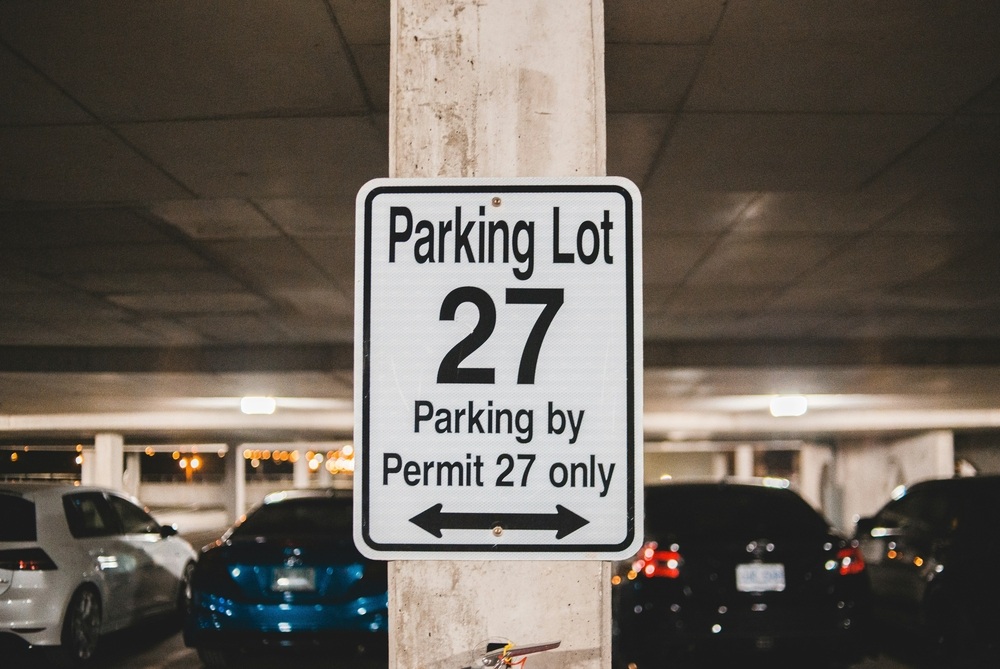
Parking violations in rentals trigger fines from local authorities that get charged back to you. Some rentals charge for parking that you assumed was included.
Confirming parking arrangements prevents expensive surprises.
Damaging Appliances Through Misuse
Attempting to use rental appliances improperly—overfilling the washing machine, using wrong cookware on stoves, microwaving non-microwave items—results in damage charges. Using items as directed prevents accidental damage costs.
Breaking Agreements About Noise

Excessive noise violates rental agreements and triggers neighbor complaints, police involvement, and potential eviction without refund. Respecting quiet hours and reasonable noise levels prevents escalation.
Not Calculating the True Total Cost

The nightly rate plus cleaning fees, service fees, taxes, parking, and utilities often exceed the nightly advertised rate by 50 percent. Calculating total cost before booking reveals true pricing.
Booking Outside Trusted Channels Without Verification

Booking directly with a property owner can save money, but it also removes some of the payment protections and dispute resolution offered by major booking platforms. Before paying outside a platform, verify the property’s legitimacy, confirm ownership, and use secure payment methods.
Not Returning Keys or Access Devices

If a rental uses physical keys, parking passes, gate fobs, or key cards, failing to return them as instructed may result in replacement charges. Follow the checkout instructions carefully to avoid unnecessary fees.
Assuming Internet Quality Matches the Listing

A listing may advertise Wi-Fi, but connection speed and reliability can vary greatly, especially in rural or remote areas. If dependable internet is essential for work or streaming, check recent guest reviews or ask the host about typical speeds before booking.
Waiting Too Long to Dispute Damage Charges

If you’re charged for damage after checkout, it’s much easier to dispute the claim if you’ve documented the property’s condition with photos taken at arrival and departure. Review any charges promptly, as most booking platforms have deadlines for filing disputes.
Failing to Get Checkout Instructions in Writing

Unclear checkout procedures lead to accusations of improper departure. Getting written checkout instructions prevents ambiguity about cleaning expectations, item return locations, and property locking procedures.
Not Knowing When Refunds Are Processed

If you’re entitled to a refund, it may take several business days—or longer depending on your payment method and booking platform—to appear. Understanding the refund timeline helps avoid unnecessary concern after canceling or changing a reservation.
Booking Budget Properties and Expecting Premium Amenities

Budget vacation rentals offer basic amenities—you don’t receive luxury. Expecting a $50-per-night rental to have premium linens, modern appliances, and perfect maintenance guarantees disappointment.
Ignoring Extra Property Fees

Some vacation rentals charge additional fees for optional services such as heated pools, hot tubs, firewood, pet stays, resort amenities, or parking. Read the listing carefully so these optional costs don’t surprise you after booking.
Learning to Rent Responsibly

Vacation rental mistakes accumulate to thousands in costs because renters don’t read agreements, understand policies, or treat rentals with appropriate care. Booking strategically—reading all terms, understanding charges, confirming policies, documenting conditions, and following rules—prevents most expensive surprises.
Vacation rentals offer savings only when booked carefully and managed responsibly; otherwise they become expensive lessons in reading fine print.
More from Travel Pug

- Underrated Italian Towns That Beat the Tourist Crowds
- Las Vegas Tourist Traps to Skip
- Prettiest Towns in Every US State
- 18 passport-free countries for Americans
- Signs Your Cruise Is Not Worth The Cost
Like Travel Pug’s content? Follow us on MSN.