

There’s something about dining on a cruise ship that blurs the line between restaurant and theater. The tables are set before you arrive, the menus arrive on cue, and the waitstaff move through the room with the kind of practiced efficiency that looks effortless only because they’ve done it a thousand times.
But behind that performance is a crew that works exhausting hours — often seven days a week for months at a stretch — and deals with a full spectrum of human behavior before the dessert course even arrives. A little awareness goes a long way.
These are the moves that dining room staff genuinely notice, and quietly appreciate more than they’ll ever say out loud.
Showing Up on Time
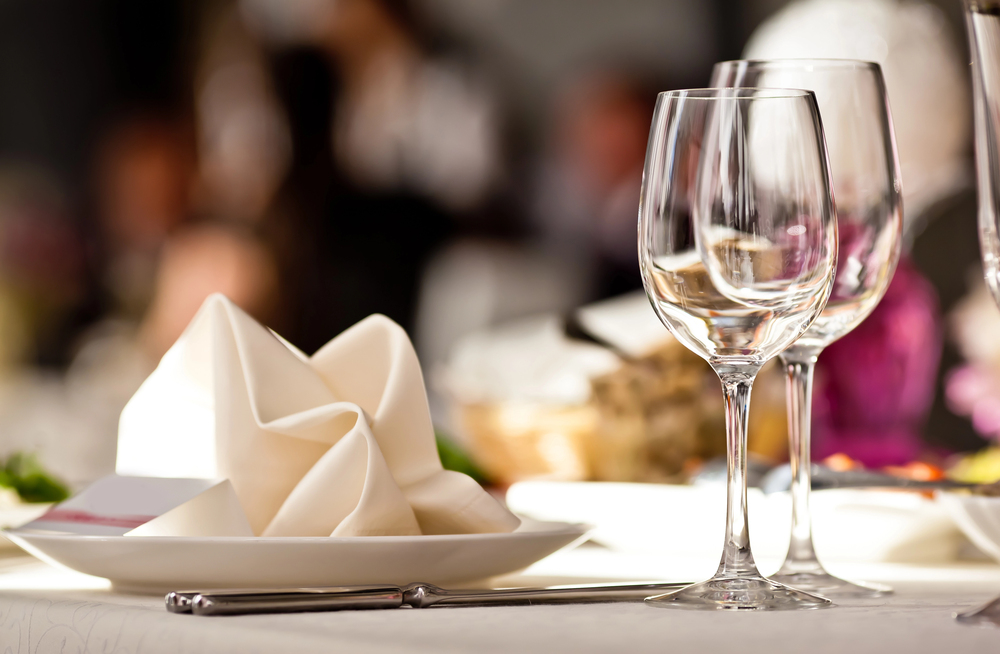
Punctuality is a form of respect, and in cruise dining, it has a name on a schedule. When you arrive late to a fixed-seating dinner, the kitchen has already fired your courses, the timing is thrown off for the whole table, and your server has to quietly manage a cascade of problems while acting like nothing happened.
Showing up when you said you would is, turns out, one of the kindest things you can do without saying a single word.
Learning Your Server’s Name
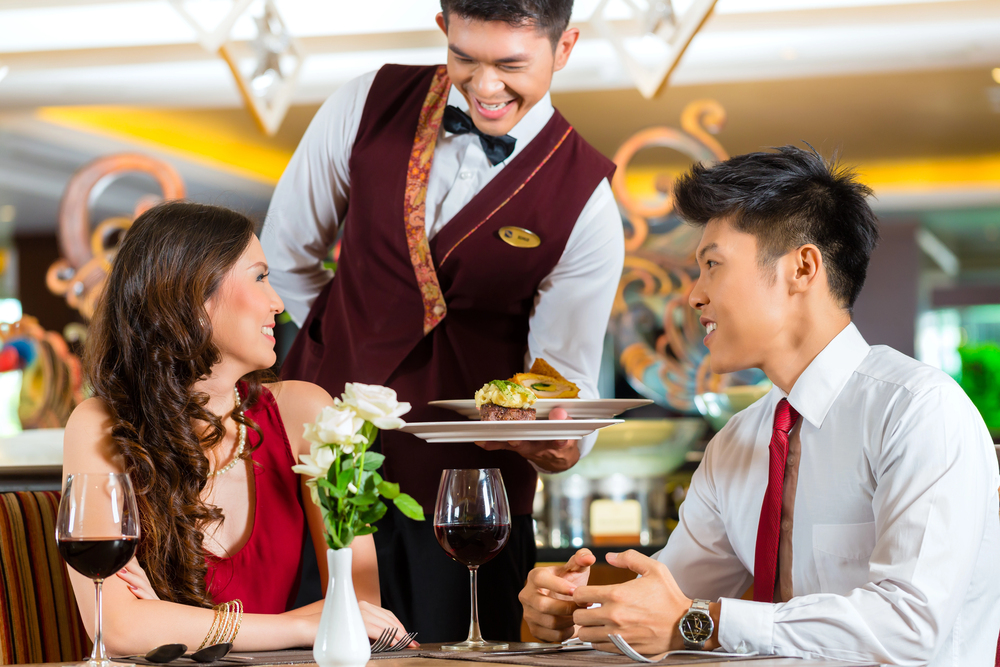
Names matter — not as a social nicety, but as a signal that you see the person in front of you as a person. Cruise waitstaff often serve the same guests for an entire week or longer, and there’s a quiet shift in the dynamic when a guest uses their name rather than flagging them down like a taxi.
It costs nothing, takes five seconds, and lands differently than you’d expect.
Not Rearranging the Entire Table Setup
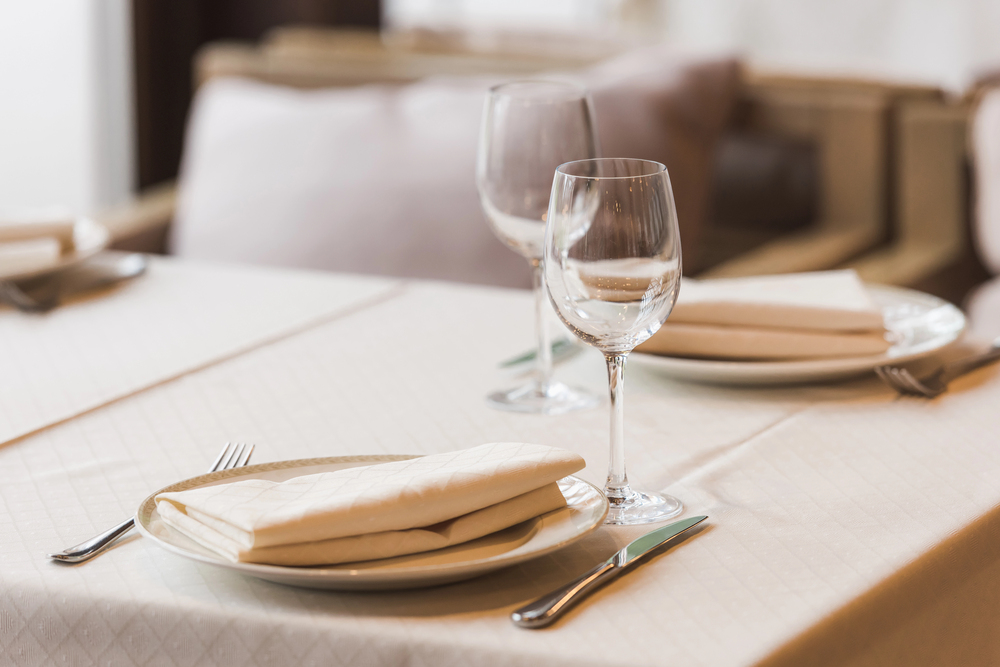
The table is set the way it is for a reason — and that reason usually involves a system so finely tuned that one moved salt shaker can throw off a server’s mental map of a dozen tables. When guests shift everything around before the first course, stack plates the wrong way, or push items to the edge where they inevitably fall, the cleanup adds invisible minutes to an already compressed service window.
Leave the setup where it is until you actually need to change something.
Flagging Allergies Before You Sit Down
Allergy disclosures at the last second are the dining equivalent of a fire drill: disruptive, stressful, and entirely avoidable with a little planning. Most cruise lines have a process — an allergy form, a pre-boarding questionnaire, a conversation with the maître d’ — and that process exists precisely because the kitchen needs lead time to prepare safely.
Using the system as designed isn’t just considerate; it’s the difference between a substituted dish that actually tastes good and one that was thrown together in a panic.
Stacking Your Own Plates Neatly
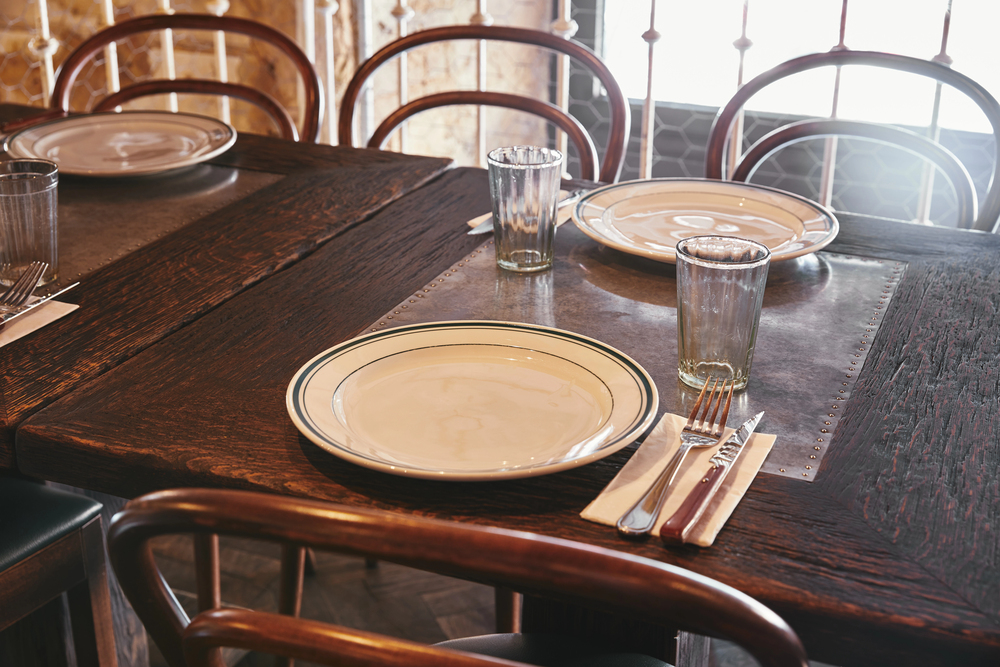
There’s a particular geometry to clearing a table efficiently — plates stacked in a certain order, cutlery placed together, glasses moved inward — and guests who intuitively understand this make a server’s job measurably easier. It doesn’t require training, just the faint memory of ever having carried a stack of dishes yourself.
A neat pile at the edge of the table is, in its small way, a kind of silent conversation.
Ordering Decisively

Cruise menus are not designed for indefinite contemplation. The kitchen runs on timing, the server has six other tables, and the person at the next table who ordered two minutes ago is already half a course ahead — so when you’ve read the menu and you know what you want, just say it.
Decisiveness at the table is underrated as a social skill, and waitstaff across every type of dining would agree: it is genuinely one of the most appreciated moves a guest can make.
Not Splitting Every Course Into Substitutions
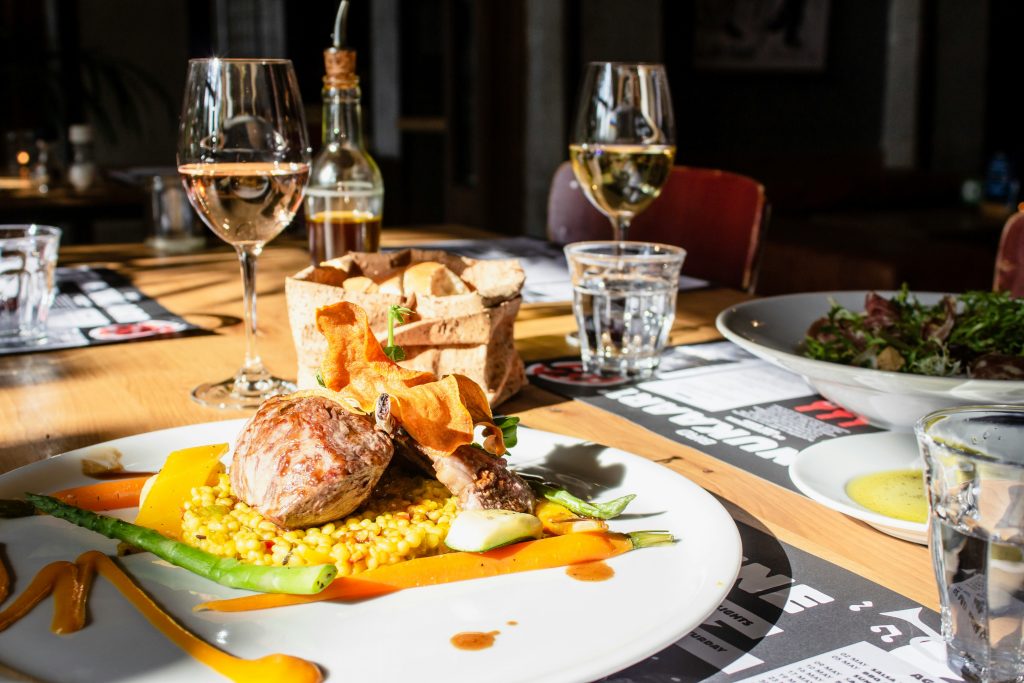
Customization is fine, and any good cruise line will accommodate it — but there’s a meaningful difference between a reasonable substitution and essentially ordering a dish that doesn’t exist. When a guest substitutes the protein, swaps the sauce, asks for a different starch, and then requests everything on the side, the kitchen isn’t making your meal anymore; they’re inventing one from scratch mid-service, and the pressure falls squarely on the server to communicate every deviation without error.
Pick something close to what you want and make one change, not five.
Keeping Kids at the Table
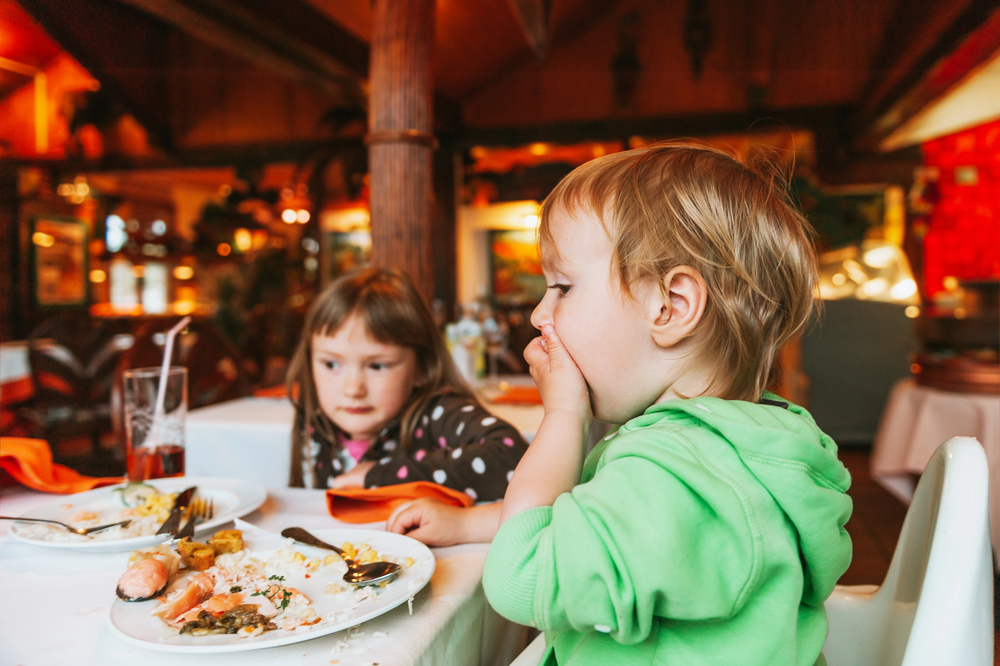
A child wandering the dining room during dinner service is, in a certain light, just a small person exploring — but from the waitstaff’s perspective, it’s a moving obstacle in a high-traffic environment where everyone is carrying hot food and glassware. The dining room isn’t a large space relative to the number of bodies moving through it, and the risk of a collision is real. Keeping younger guests seated — or at least within arm’s reach — is one of those courtesies that prevents a bad night from happening.
Saying Please and Thank You
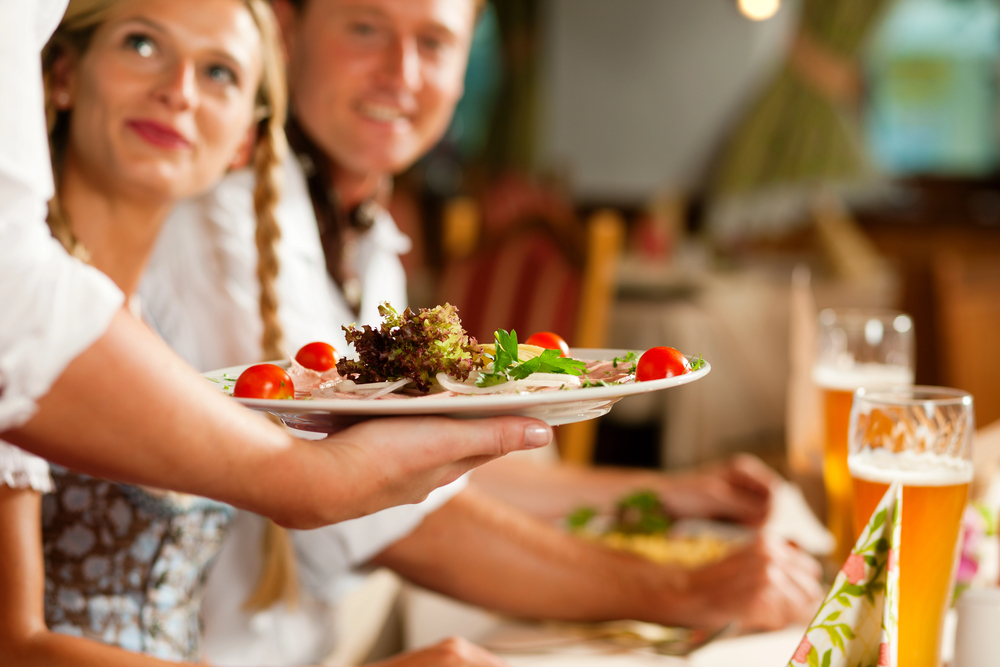
This one shouldn’t need to be on a list, and yet — here it is, because it does. Cruise waitstaff absorb an enormous amount of entitled behavior over the course of a sailing, and a simple, genuine “thank you” when a plate is set down registers as something close to relief.
Not performance, not theater — just two words that acknowledge one human being doing something for another.
Not Monopolizing the Table Past Service Hours
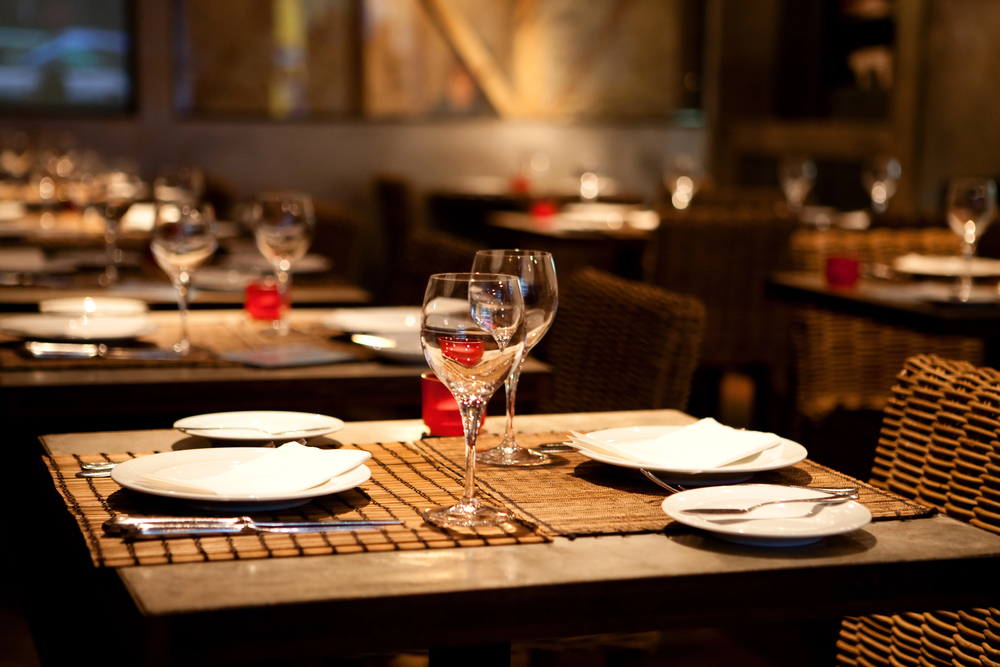
The dining room has a closing time, and the staff closing it have side work to do — resetting tables, polishing glassware, completing end-of-night tasks — that can’t start until the last guest leaves. Lingering for forty-five minutes after the last dessert plate is cleared, with coffee long finished and nothing left to order, stretches someone else’s workday in a way that’s easy to be oblivious to and harder to justify once you notice it.
The ship has a bar, a lounge, a deck with stars — dinner doesn’t have to end there.
Handling Wrong Orders with Patience

Mistakes happen in cruise dining rooms, and when they do, the server already knows before you say anything — that look of recognition crosses their face a fraction of a second before you open your mouth. A calm, clear correction is all that’s needed: no sighing, no heavy disappointment, just a simple statement of what went wrong.
The kitchen will fix it, the server will advocate for you, and the meal will recover faster when no one has to spend emotional energy managing the reaction alongside the problem.
Keeping Phone Calls Away from the Table

Sound carries in dining rooms — the acoustics of a ship’s restaurant are rarely designed with private phone conversations in mind, and a voice raised to manage a bad connection becomes background noise for everyone within twenty feet. Waitstaff can’t ask you to step away, but they notice when they have to talk over your conversation to take an order.
Taking it outside the dining room is the kind of consideration that doesn’t require anyone to ask.
Reading the Dress Code
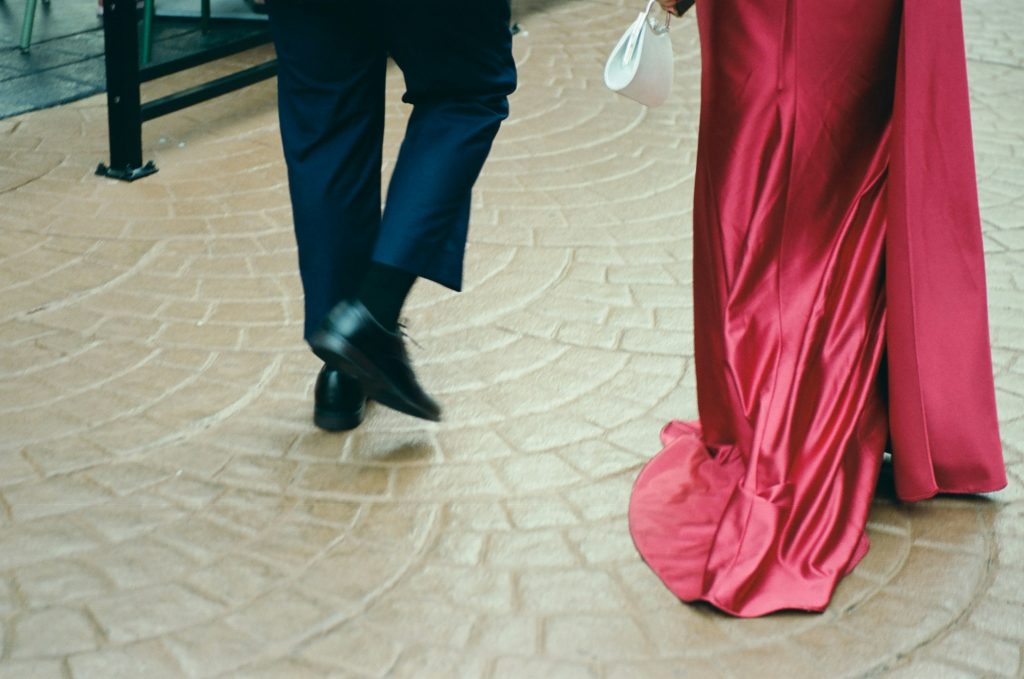
Cruise formal nights exist for a reason — and that reason isn’t to inconvenience you, but to create a collective experience that elevates dinner from a meal into an occasion. Waitstaff who work formal nights take quiet pride in the atmosphere of the room, and showing up in shorts to a white-tablecloth setting undercuts something they’ve had a hand in creating.
To be fair, nobody’s going to turn you away in most cases, but the effort of dressing appropriately registers as respect for the room itself.
Asking Questions Before the Order, Not After
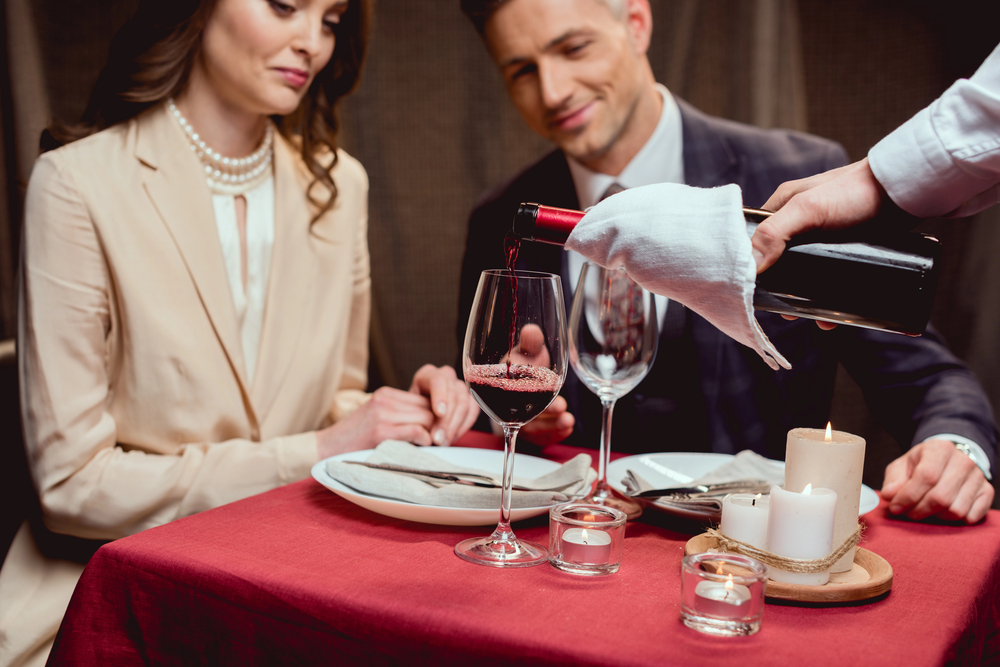
There is a window — a perfectly reasonable, generously sized window — during which questions about the menu are not only welcome but genuinely helpful to everyone involved. That window closes the moment the order is placed.
Asking what’s in a sauce after the dish arrives, or wondering aloud whether it could have been prepared differently, puts the server in the impossible position of either defending a completed kitchen decision or running back to request a change on a full ticket. Front-load the questions, and dinner flows the way it’s supposed to.
Tipping in Cash When Possible
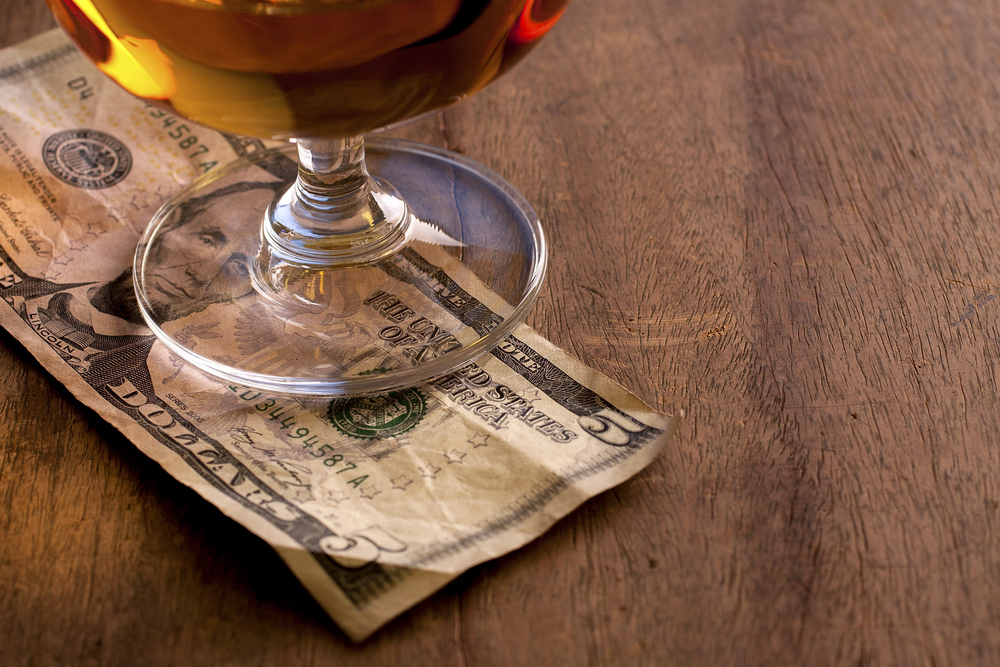
Most cruise lines include gratuities in the bill, but cash tips handed directly to a server bypass the pooling systems that sometimes dilute where the money actually lands. It’s a small act — a folded bill at the end of a meal — but it’s one the server takes home in the most literal sense, and they know exactly who it came from.
Direct recognition, financial and personal, is a different thing than a percentage on a receipt.
Not Complaining About Things the Server Can’t Control
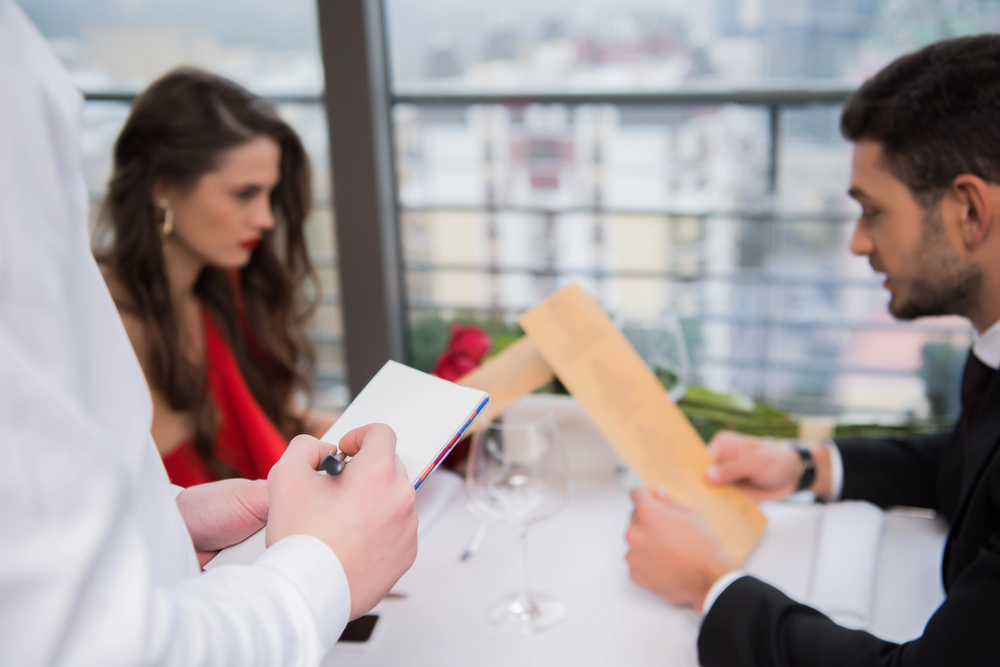
The server did not design the menu, set the price of the drinks package, choose the dining room hours, or decide the ship’s itinerary — and yet these are exactly the subjects on which they receive complaints with some regularity. Waitstaff are conduits for feedback, not architects of policy, and venting frustration at them about things entirely outside their control wastes both their time and the window when they could be actually helping you.
Save the structural complaints for the comment card; bring the server problems they can actually solve.
Letting Them Clear Finished Plates Promptly
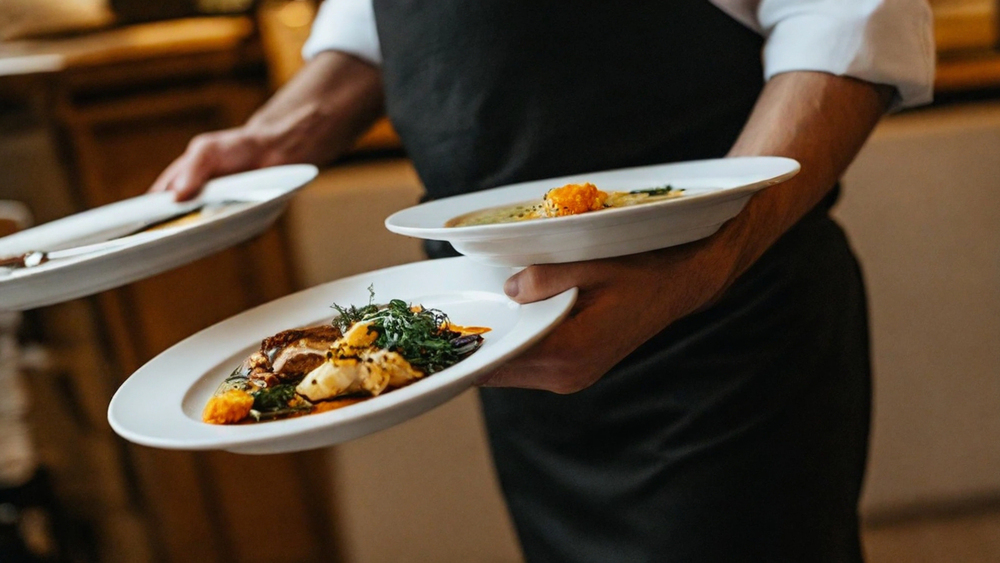
Holding onto a finished plate — not because you’re still eating, but because it feels too soon to let it go — is a small but genuine friction point in cruise dining service. The kitchen is timing the next course to the clearing of the last, and a table that holds finished plates too long creates a pileup that runs backward through the whole meal.
When you’re done, a slight push toward the center of the table is all the signal a server needs.
Making Special Requests Early in the Cruise

The first night of a sailing is the right time to mention that you prefer your fish well-done, that your partner avoids cilantro, or that you’d like a certain table every evening. Cruise dining is, at its best, a system that personalizes itself over time — and that personalization requires raw material.
Waiting until night five to mention a preference you’ve had all along doesn’t leave much runway for anyone to act on it.
Not Treating Specialty Restaurants Like the Buffet
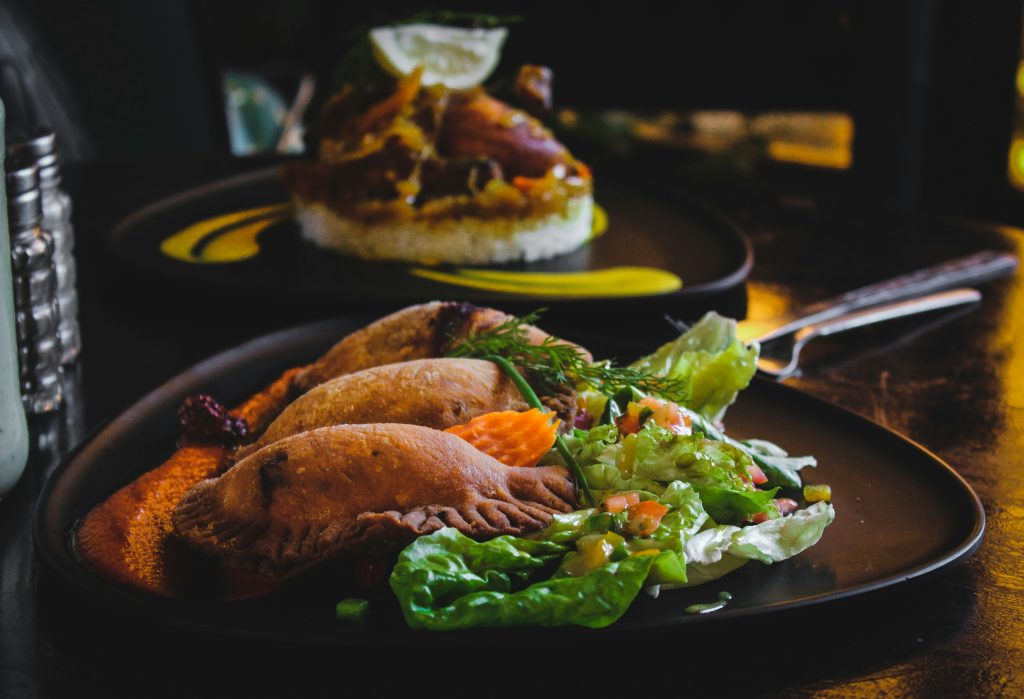
The distinction between the buffet and a specialty dining room isn’t just price — it’s the nature of the service itself, which is slower, more intentional, and built around a different rhythm. Guests who treat a specialty dinner like a quick fuel stop — impatient for the next course, visibly bored between plates — create friction against a pacing that the kitchen and server have carefully constructed.
The meal is supposed to take two hours. That’s not a flaw.
Keeping the Noise Level Readable
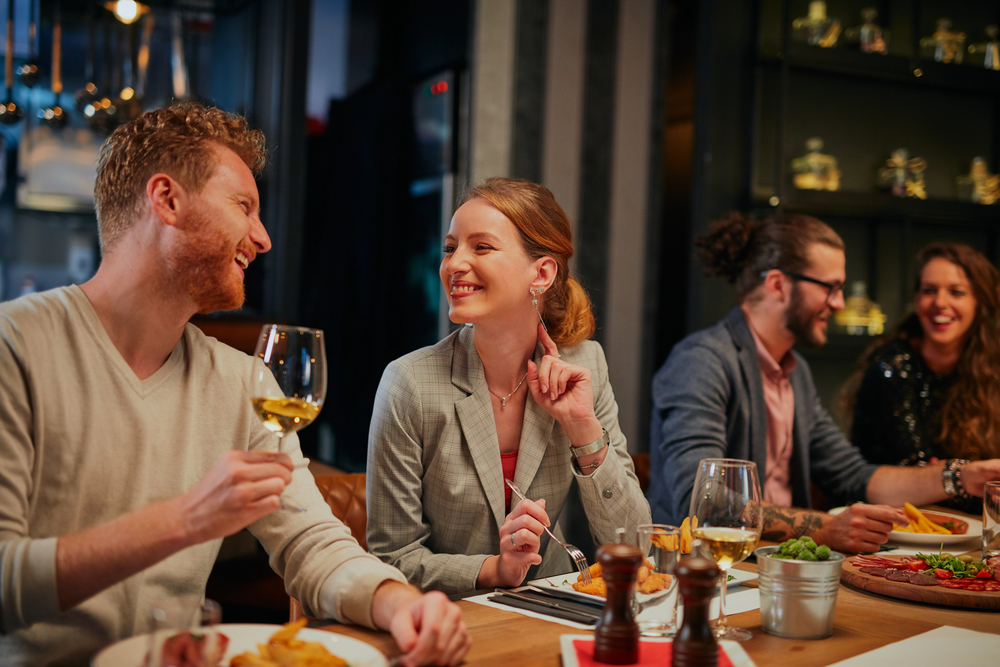
Cruise dining rooms tend to run loud — there’s ambient music, the clatter of service, and dozens of conversations happening simultaneously — but there’s a meaningful difference between the natural hum of a full room and a table that’s competing with all of it. Servers working a loud table have to repeat themselves constantly, miss cues, and occasionally just guess at what was ordered, none of which produces the meal anyone wanted.
A manageable volume at your own table is a courtesy that benefits everyone around you, not just the person taking your order.
Giving Honest Feedback When Asked

When a server asks how the meal was and the answer is “fine” when it was genuinely not, the feedback loop that might have improved the dish for the next guest never happens. Cruise dining teams pay attention to what comes back to the kitchen, what gets flagged mid-service, and what guests actually say — and a politely honest response (“the fish was a bit dry”) is more useful to everyone than a reflexive “wonderful, thank you.”
The feedback doesn’t have to be unkind to be real.
Avoiding the Rush at Peak Hours
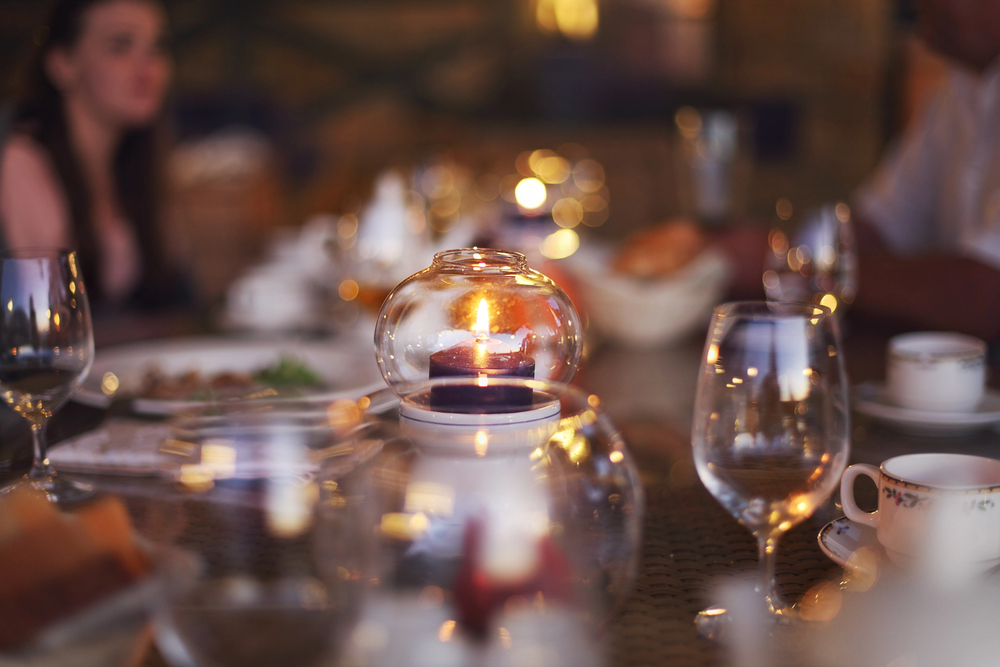
Peak dining hours on a cruise ship are a logistics problem dressed in formal wear — everyone arrives at once, the kitchen hits maximum load, and the servers are stretched across more simultaneous tables than the system was built to handle comfortably. Choosing to eat at 5:30 or 8:30 instead of the 7 p.m. rush isn’t just quieter for you; it distributes the load in a way that produces better service for everyone, including the guests you’d otherwise be competing with for attention.
Being Specific About How You Like Your Steak
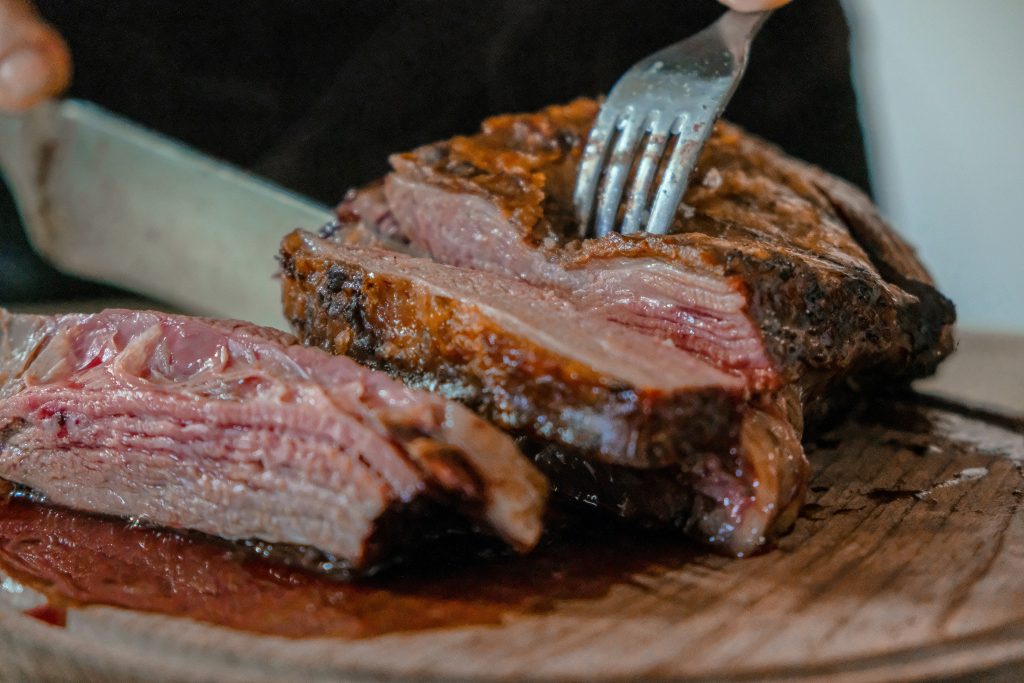
“Medium” means something different to everyone — the guest, the server, and the cook — and a cruise ship galley does not have the margin to send back a steak and rework it without consequences for the whole table’s timing. Being specific from the start — “medium, closer to medium-rare, with a warm pink center” — is not pedantic, it’s useful.
The more precise the instruction, the less likely the correction.
Not Hovering Over the Server During Busy Moments
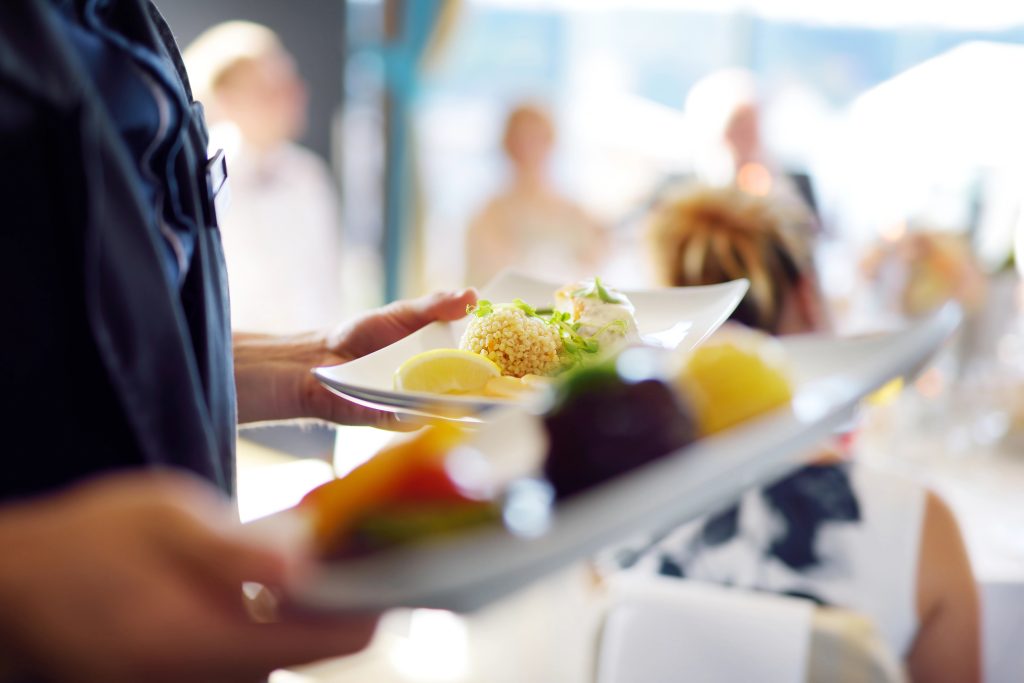
There’s a particular kind of guest who, upon needing something, maintains sustained eye contact with the server across the room regardless of what that server is currently doing — carrying a tray, taking another table’s order, navigating the narrow path between chairs. It’s not malicious, but it creates a pressure that disrupts the server’s focus at the exact moment focus matters most.
Catch their eye once, give a small signal, and trust that they saw it.
Acknowledging That It’s a Hard Job
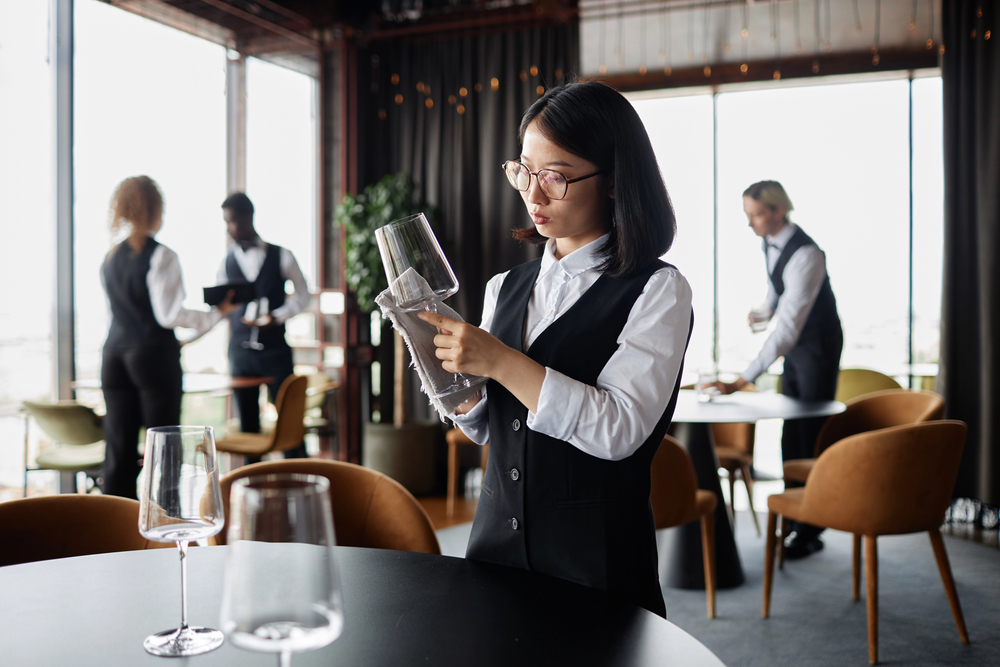
Seven days a week, multiple seatings, guests who range from genuinely delightful to genuinely difficult, months away from home, a ship that is moving — cruise dining is not a gentle line of work. You don’t have to make a speech about it.
But the guests who seem to carry that awareness into the room — whose manner suggests they understand what they’re asking when they ask for something — are the ones servers remember, and the ones who tend to get the best of what the dining room has to offer.
Saying Goodbye on the Last Night
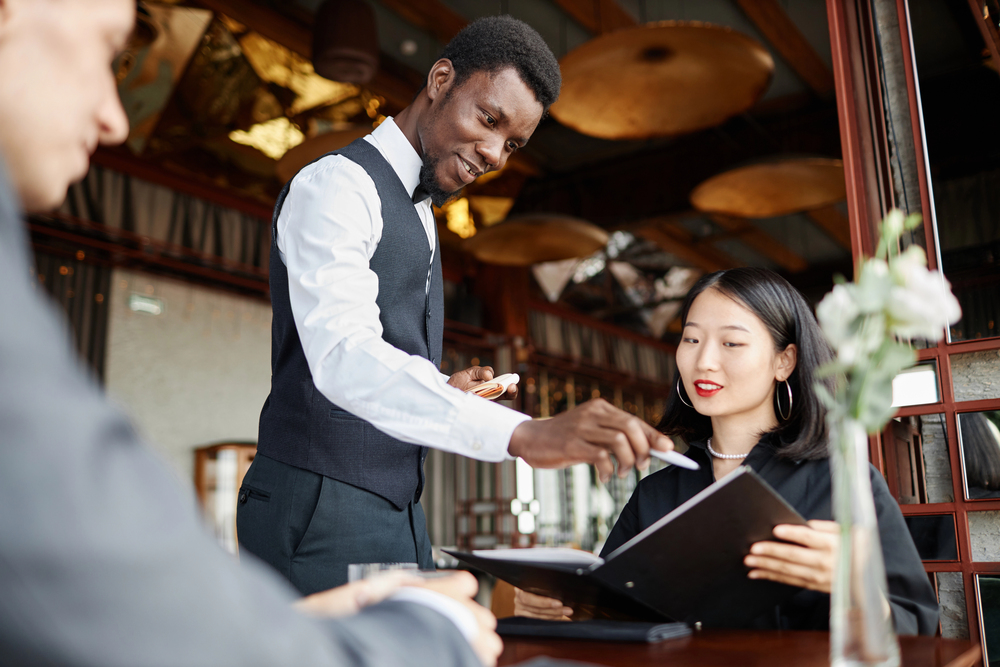
The last evening of a cruise sailing has a particular weight to it — the dining room fills up one final time, everyone is half-thinking about packing and disembarkation, and the service team is already preparing for the next group of passengers who will arrive in two days. Taking thirty seconds on that last night to thank your server by name, to acknowledge the week in some genuine way, is not a large gesture.
And yet, from the other side of the table, it lands like one.
The Part Nobody Sees
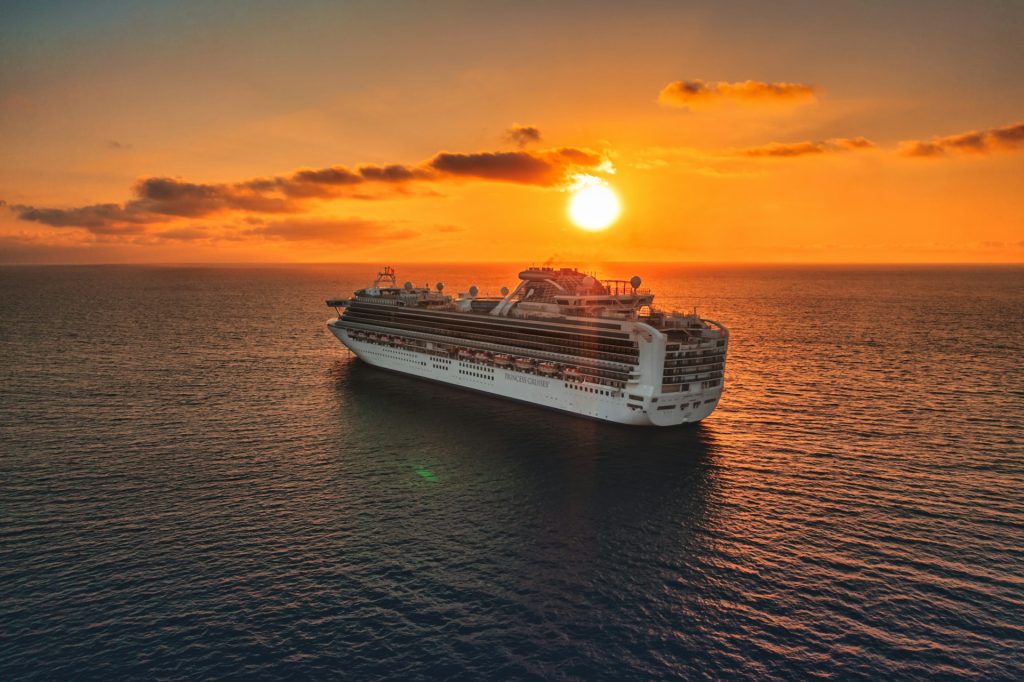
What makes cruise dining feel magical — the warm bread that arrives without being asked, the remembered preference for still water, the birthday dessert that shows up unannounced — is not magic at all. It’s a crew of people paying close attention to you, in a job that asks them to keep paying attention long after it would be easier to stop.
The moves that waitstaff appreciate most aren’t elaborate; they’re just the ordinary signals of someone who noticed that there’s another human being at the other end of the meal. That’s it. That’s the whole thing.
More from Travel Pug

- Underrated Italian Towns That Beat the Tourist Crowds
- Las Vegas Tourist Traps to Skip
- Prettiest Towns in Every US State
- 18 passport-free countries for Americans
- Signs Your Cruise Is Not Worth The Cost
Like Travel Pug’s content? Follow us on MSN.