

When you step aboard a cruise ship, the obvious things grab your attention first. The massive atrium sparkling with light.
The endless buffets stretching toward the horizon. The pools that somehow exist in the middle of the ocean.
But while you’re marveling at the spectacle, hundreds of invisible design decisions are quietly working to keep you safe, comfortable, and blissfully unaware of the complex engineering marvel floating beneath your feet. These aren’t the features that make it into glossy brochures or promotional videos.
They’re the subtle elements that naval architects and marine engineers obsess over — the ones that solve problems you didn’t even know existed. Some prevent disasters.
Others manage human behavior in ways that feel completely natural. A few exist purely because the ocean is an unforgiving environment that demands backup plans for everything.
Carpet Patterns That Aren’t Just Decoration
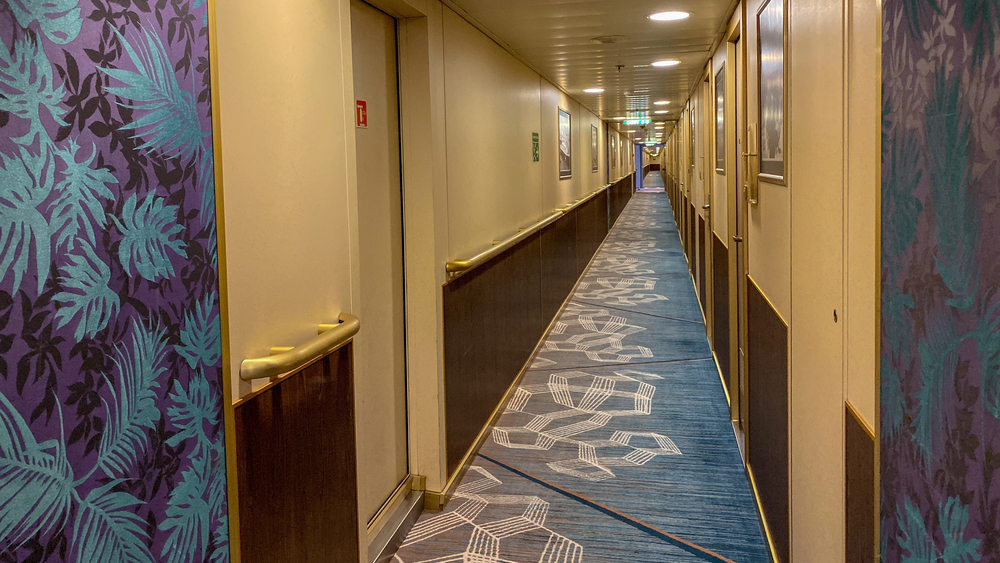
Cruise ship carpets look busy for a reason. Those swirling patterns and seemingly random designs hide stains, wear patterns, and the occasional spill with ruthless efficiency.
Plain carpets would show every footprint and coffee drop across miles of hallways where thousands of passengers trudge daily. The patterns also serve as subtle navigation aids.
Different sections of the ship often feature distinct carpet designs, creating visual landmarks that help passengers orient themselves without realizing it.
Railings Built Higher Than You’d Expect
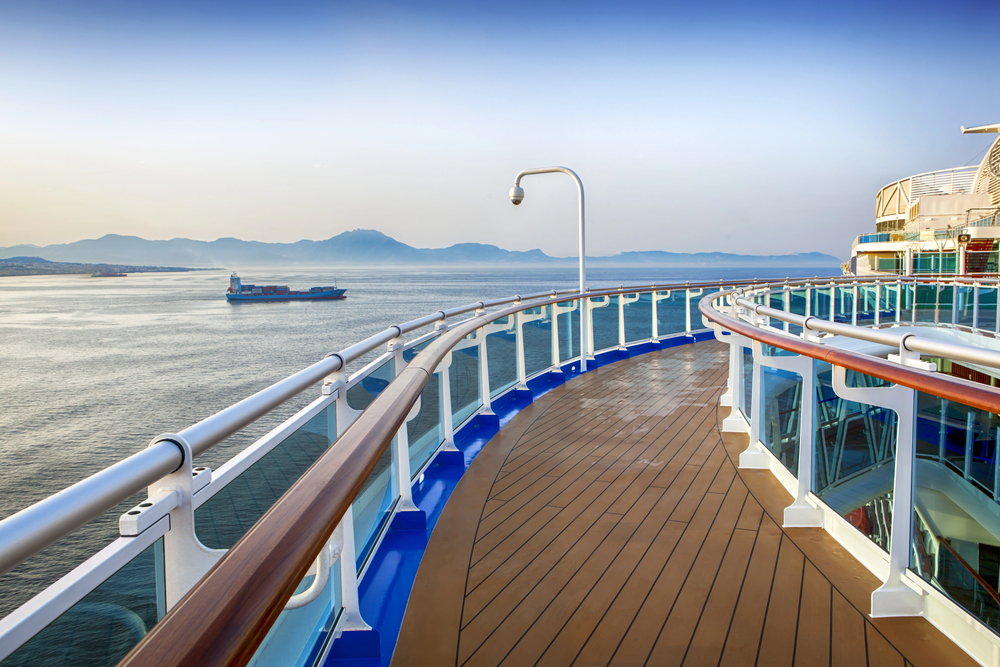
Maritime safety regulations dictate specific railing heights, but cruise ships often exceed these minimums — and there’s a calculated psychology behind it (which becomes especially important when you consider that many passengers spend their evenings enjoying cocktails with ocean views). The extra height creates a stronger psychological barrier that discourages risky behavior without feeling oppressive.
Even when someone’s judgment might be impaired by alcohol or excitement, the higher railings provide an additional layer of protection that works on a subconscious level, making it feel less natural to lean too far or attempt to climb over them. The railings aren’t just tall; they’re designed with materials and profiles intended to discourage climbing while maintaining secure handholds.
So while they appear to be simple safety features, they’re actually sophisticated behavioral management tools that account for human psychology in maritime environments.
Door Thresholds That Trip Everyone
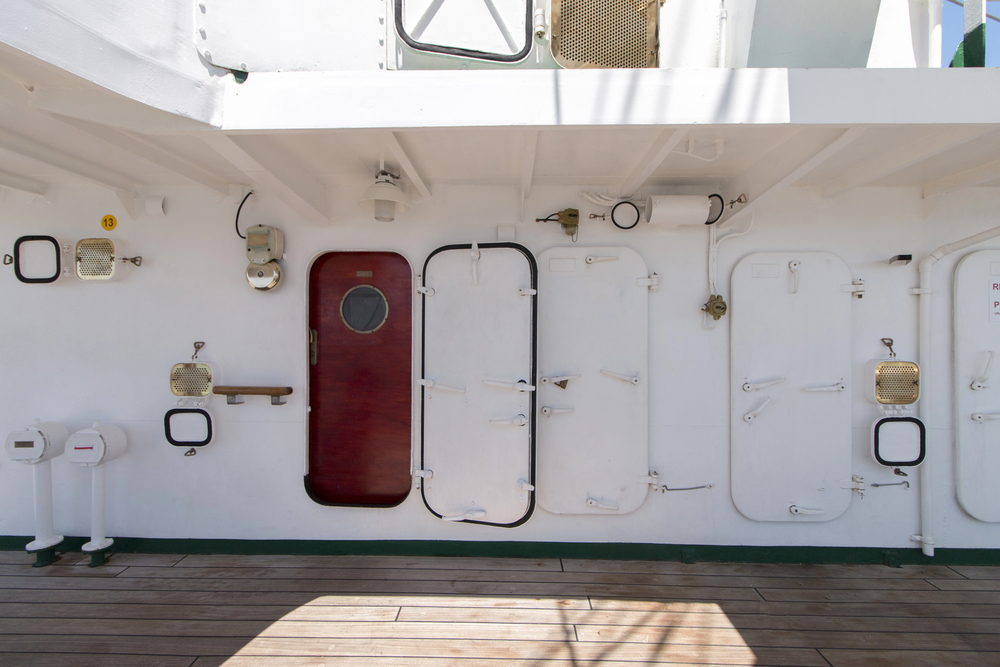
Ship doors have raised thresholds that seem designed to catch your toe every single time. But these aren’t accidents of poor design — they’re watertight barriers that can seal compartments if flooding occurs.
Every time you stumble slightly stepping over one, you’re crossing a potential bulkhead that could save the ship. The height forces water to pool rather than flow between sections.
In an emergency, these seemingly annoying bumps become critical safety features that buy time for evacuation or damage control.
Bathroom Fixtures That Feel Oddly Familiar
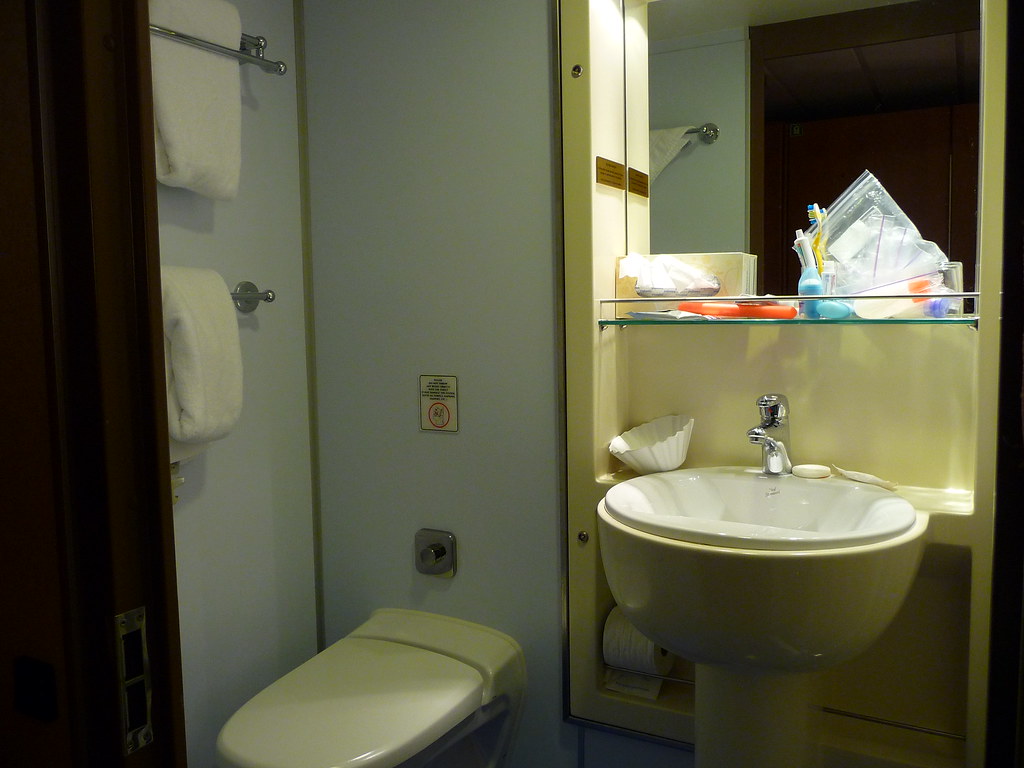
Cruise ship bathrooms deliberately mimic hotel room layouts, not because it’s the most efficient use of space (it isn’t), but because psychological comfort trumps practicality when you’re surrounded by thousands of miles of open ocean. The familiar arrangement of sink, toilet, and shower creates a subconscious sense of being on solid ground, even when the room is swaying gently with the ship’s movement.
The specific placement of grab bars and fixtures also follows patterns that accommodate the ship’s motion. What looks like standard bathroom design is actually carefully calibrated for use during rough seas, when even basic tasks become challenging.
Windows That Never Feel Quite Right
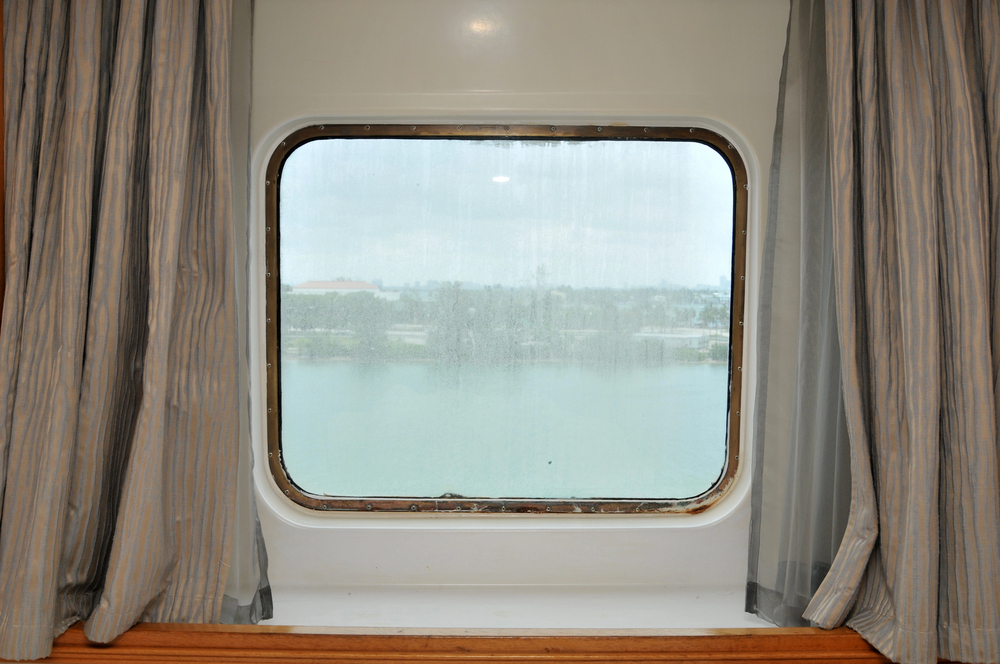
Portholes and cabin windows are positioned at heights that seem slightly off compared to land-based architecture. This isn’t poor planning — it’s deliberate psychology designed to maintain your connection to the horizon while minimizing the visual impact of the ship’s movement.
Window placement can help maintain visual awareness of the horizon, which may reduce motion discomfort for some passengers. Your brain gets the visual cues it needs to maintain equilibrium without being constantly reminded that you’re on a moving vessel.
Elevator Music That Actually Works
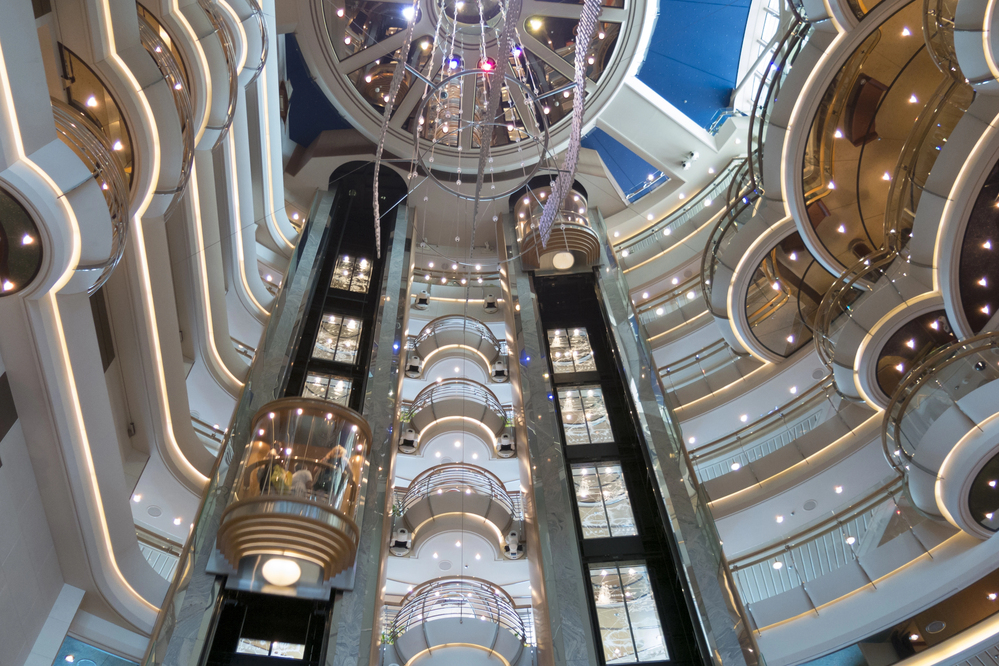
The background music in cruise ship elevators isn’t just filler — it’s carefully selected to mask the mechanical sounds of a ship in motion. Elevators on ships make different noises than their land-based counterparts, including subtle groans and shifts that can make passengers nervous.
The music tempo is also chosen to influence passenger behavior. Faster tempos during peak hours encourage quicker elevator turnover, while slower music during off-peak times creates a more relaxed atmosphere without feeling rushed.
Dining Room Tables That Stay Put
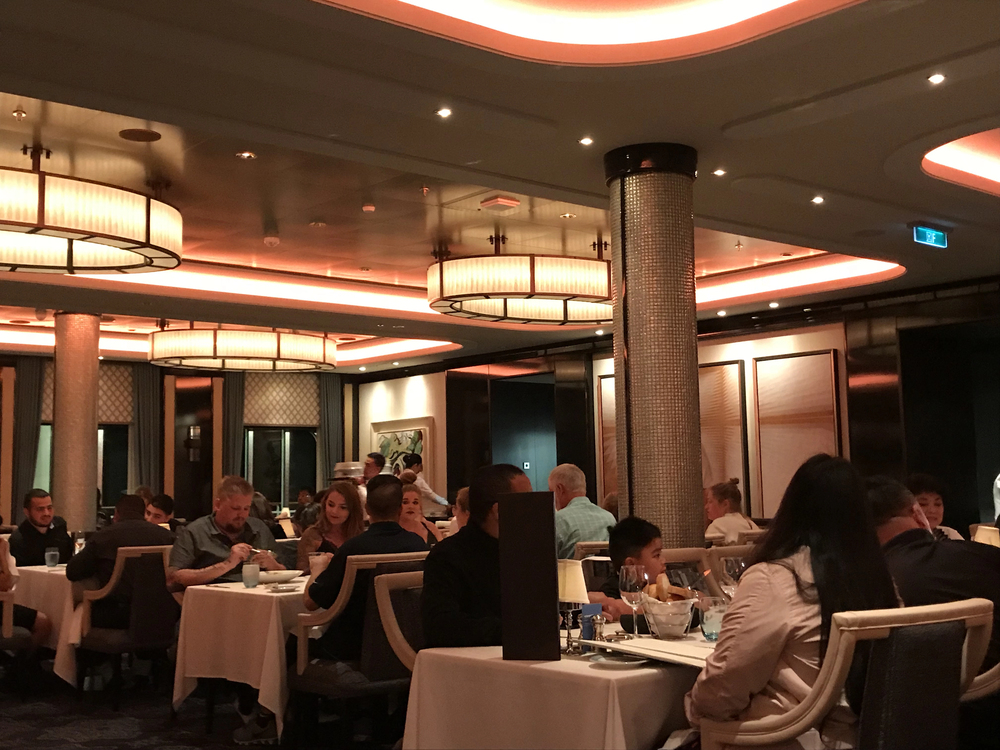
Restaurant tables on cruise ships are heavier and more anchored than they appear. The extra weight isn’t about luxury — it’s about stability during rough weather.
Light tables would slide around, creating noise, potential injuries, and general chaos during meals. The table legs are also designed with specific weight distribution that keeps them stable even when the ship is experiencing significant motion.
What feels like solid, high-quality furniture is actually maritime engineering disguised as dining room decor.
Lighting That Changes Throughout the Day
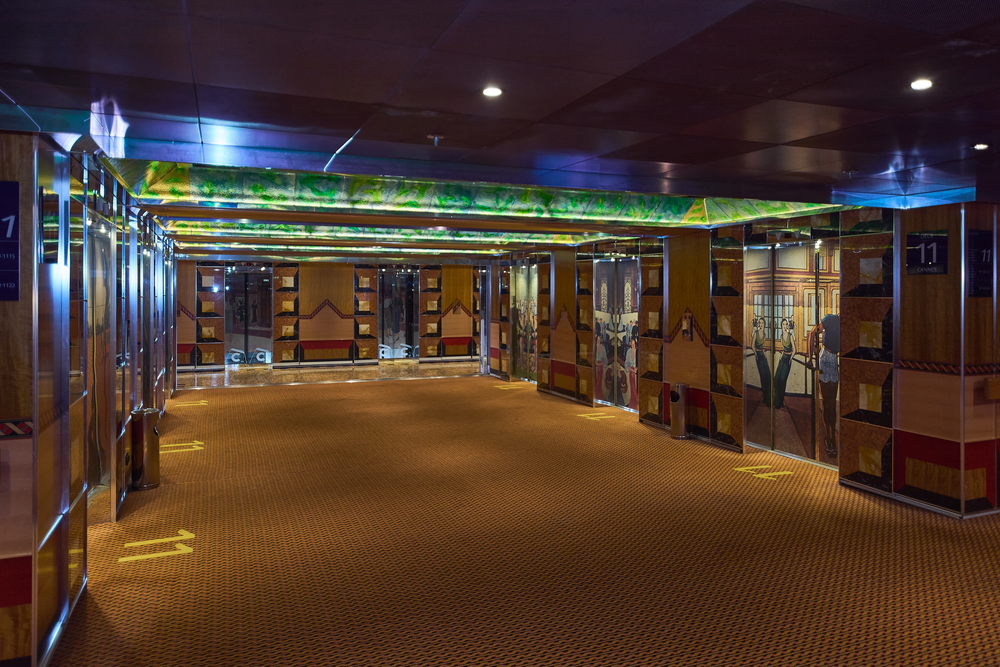
The lighting systems on cruise ships do more than illuminate spaces — they’re programmed to subtly shift color temperature and intensity throughout the day to combat the disorientation that comes with being surrounded by an endless ocean. Without the normal environmental cues of buildings, trees, and varied landscapes, passengers can lose track of time and feel disconnected from natural rhythms.
The lighting mimics the natural progression of sunlight, starting cooler and brighter in the morning, warming up during midday, and shifting to warmer, dimmer tones in the evening. And since passengers often spend hours in windowless interior spaces like casinos, theaters, and shopping areas, these artificial cues become crucial for maintaining circadian rhythms and preventing the kind of temporal disorientation that can make people feel anxious or restless.
Deck Chairs That Resist Rearrangement
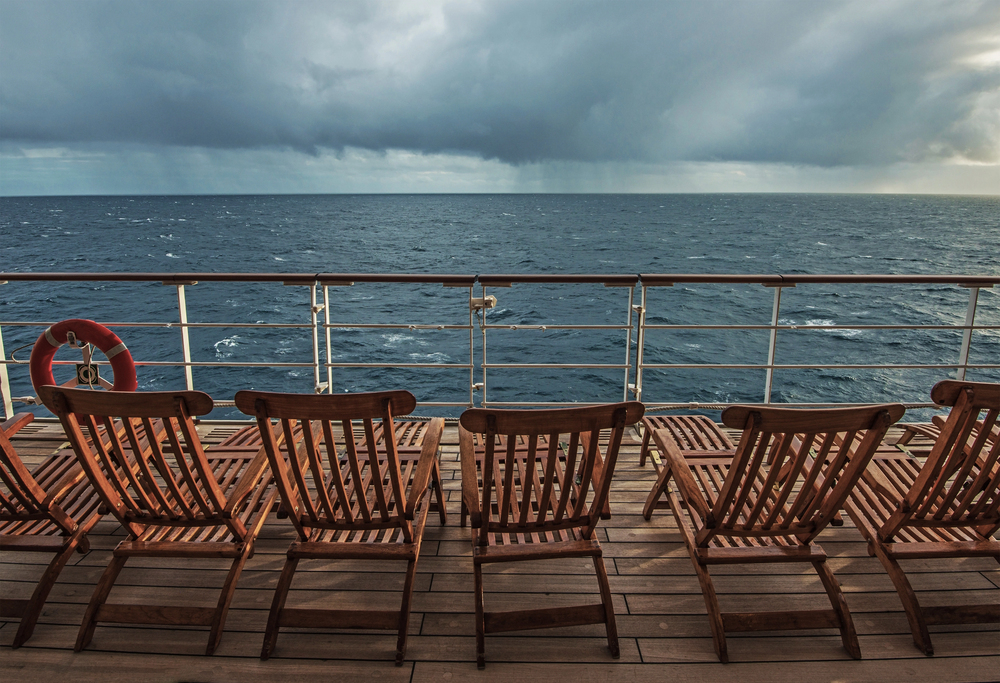
Pool deck furniture is heavier and more unwieldy than necessary because cruise lines have learned that lightweight chairs create chaos. Passengers constantly rearrange them, creating traffic bottlenecks, blocking emergency pathways, and generating complaints about blocked views.
The extra weight makes casual rearrangement more effort than most people want to invest. The chairs stay roughly where they’re supposed to, maintaining sight lines and keeping pathways clear without requiring constant staff intervention.
Stateroom Doors That Open Inward
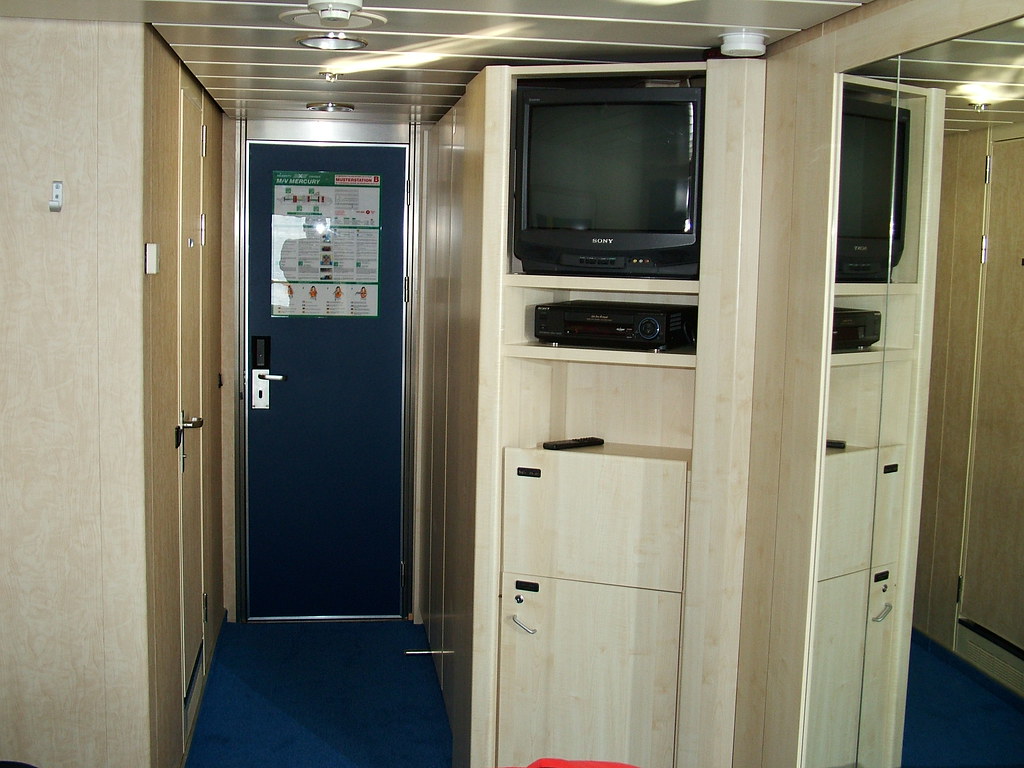
Unlike hotel doors that typically open outward into hallways, cruise ship cabin doors open inward. This isn’t about space efficiency — it’s about emergency evacuation.
In a crisis situation, passengers panic and push against doors rather than pulling them open. Inward-opening doors prevent bottlenecks in narrow ship corridors where panicked crowds could trap people against doors that open into hallways.
The design forces a moment of pause that often allows clearer thinking during high-stress situations.
Handrails That Appear Everywhere
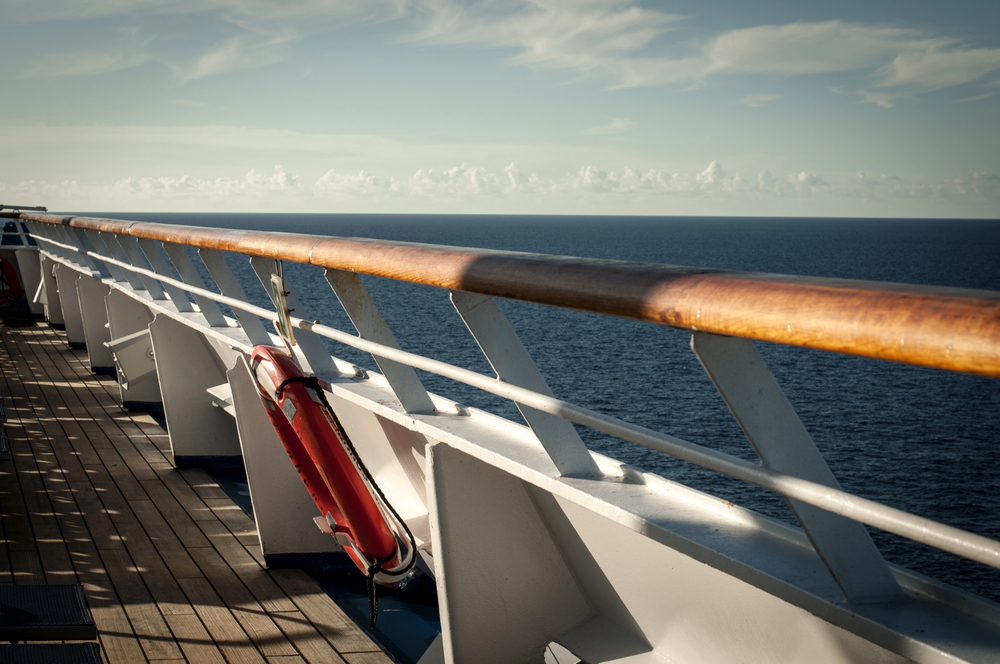
The abundance of handrails throughout cruise ships goes far beyond accessibility requirements — it reflects the reality that even calm seas create subtle motion that affects balance, especially for older passengers or anyone who’s had a few drinks. The rails are positioned at heights and intervals calculated for people of various sizes navigating while the floor beneath them is moving in three dimensions.
But the placement isn’t random: the rails follow specific patterns that account for the ship’s typical motion characteristics, providing support exactly where people need it most during different sea conditions. What appears to be over-cautious safety design is actually sophisticated motion engineering based on decades of data about how people move aboard ships.
Even the rail materials are chosen for their grip characteristics in both wet and dry conditions, since ocean air creates condensation that can make surfaces slippery at unexpected times.
Dining Times That Seem Oddly Specific
Cruise ship dining schedules aren’t just about kitchen logistics — they’re designed around the limitations of the ship’s water and waste systems. Staggered meal times spread out the load on plumbing systems that have to operate independently of any land-based infrastructure.
The specific timing also accounts for the ship’s movement patterns. Meals are often scheduled during times when the ship is likely to be in calmer waters or moving in directions that create less motion in the dining areas.
Air Conditioning That Never Stops
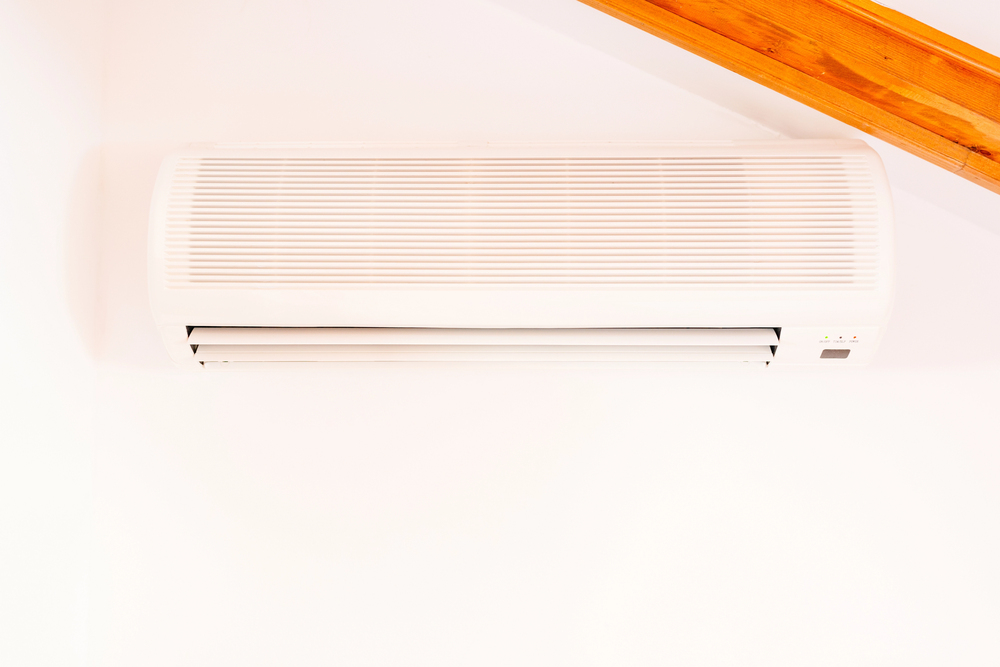
The constant air circulation on cruise ships isn’t about passenger comfort — it’s about preventing the buildup of humidity and odors that would become overwhelming in an enclosed environment with thousands of people. The air systems also maintain positive pressure in certain areas to control airflow and prevent contamination between different ship zones.
The temperature is kept slightly cooler than most people prefer because physical activity levels are typically lower on ships, and the psychological effect of cooler air makes spaces feel fresher and more comfortable when you can’t open a window.
Artwork That Doubles as Navigation
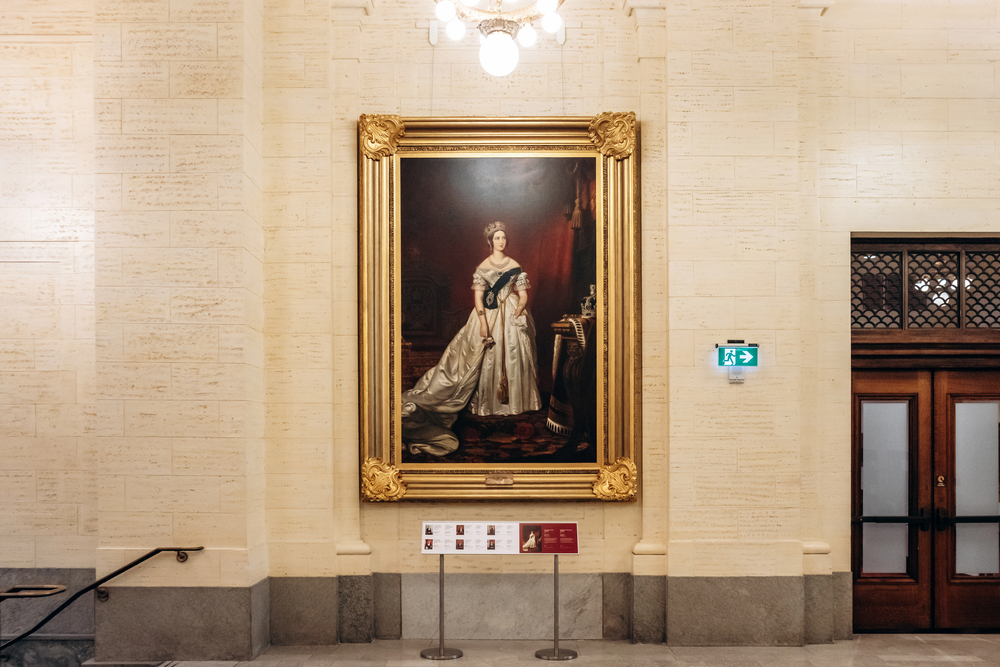
The paintings and decorations throughout cruise ships aren’t randomly chosen — they’re part of a wayfinding system that helps passengers navigate without realizing it. Different deck themes, color schemes, and artistic styles create subtle landmarks that make it easier to remember locations.
The artwork placement also serves to break up long corridors that would otherwise feel institutional or disorienting. The visual breaks help passengers gauge distances and create memorable reference points for finding their way back to cabins or meeting spots.
Promenade Decks That Circle Endlessly
— Photo by illuminaphoto
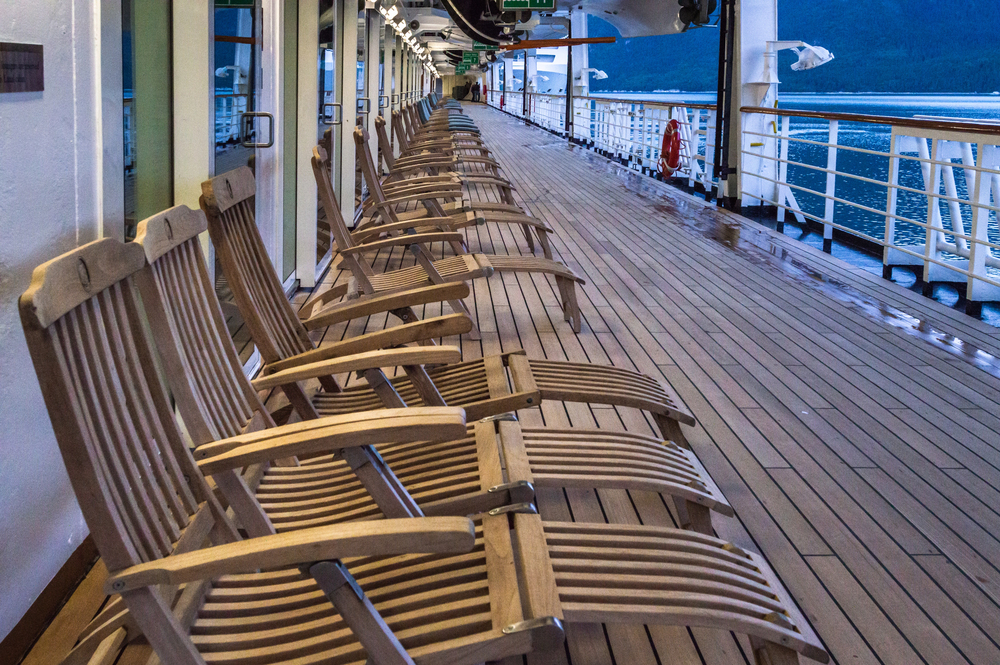
The continuous loop design of promenade decks serves multiple purposes beyond exercise and strolling — it provides a safe space for passengers to experience the ocean environment while remaining contained within the ship’s safety systems, particularly important during rough weather when other outdoor spaces might be closed. The circular path also creates natural crowd flow that prevents bottlenecks and gives passengers a sense of freedom and space even within the ship’s confined environment.
But there’s a subtler psychological element at play: the endless loop eliminates the anxiety that comes with dead-end spaces or having to retrace your steps (and when you’re surrounded by an ocean with no escape route, anything that reduces feelings of confinement becomes crucial for passenger mental health). The deck gives people a way to walk indefinitely without ever reaching a barrier that reminds them they’re trapped on a floating vessel.
And the width and railing height are carefully calculated to accommodate crowds while maintaining safety, even when passengers are focused on ocean views rather than watching where they’re walking.
Cabin Numbers That Skip Around
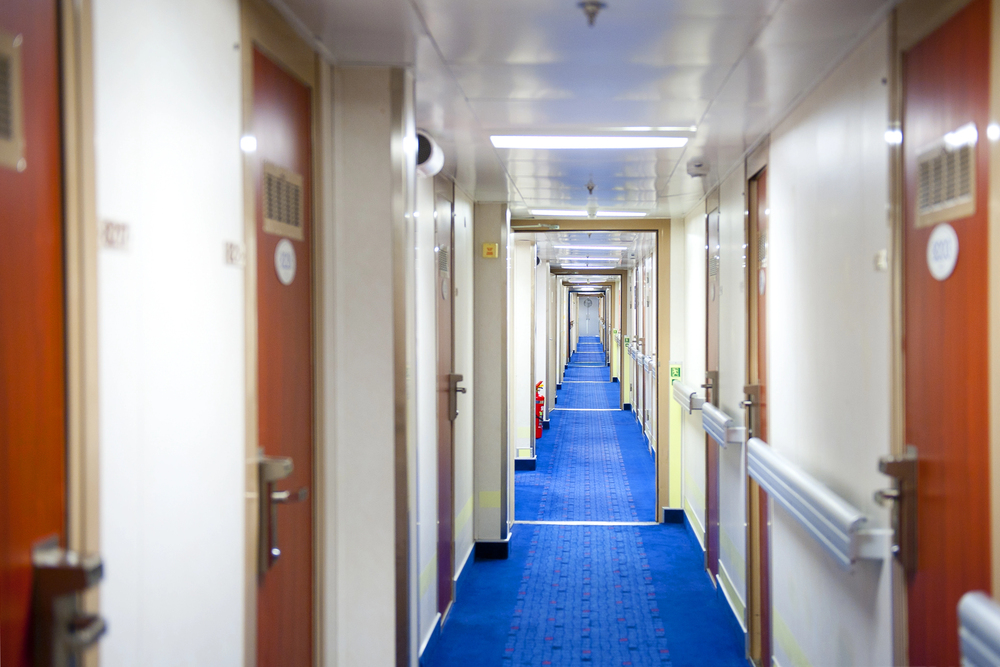
Cruise ship cabin numbering systems seem nonsensical, but they’re designed to distribute passenger load across different areas of the ship. Random-seeming number sequences prevent all passengers with sequential booking numbers from being clustered in the same section.
The numbering also accounts for structural elements, emergency equipment, and crew access areas that make certain cabin locations unavailable. What looks like poor organization is actually sophisticated load balancing disguised as arbitrary numbering.
Swimming Pools That Never Feel Deep
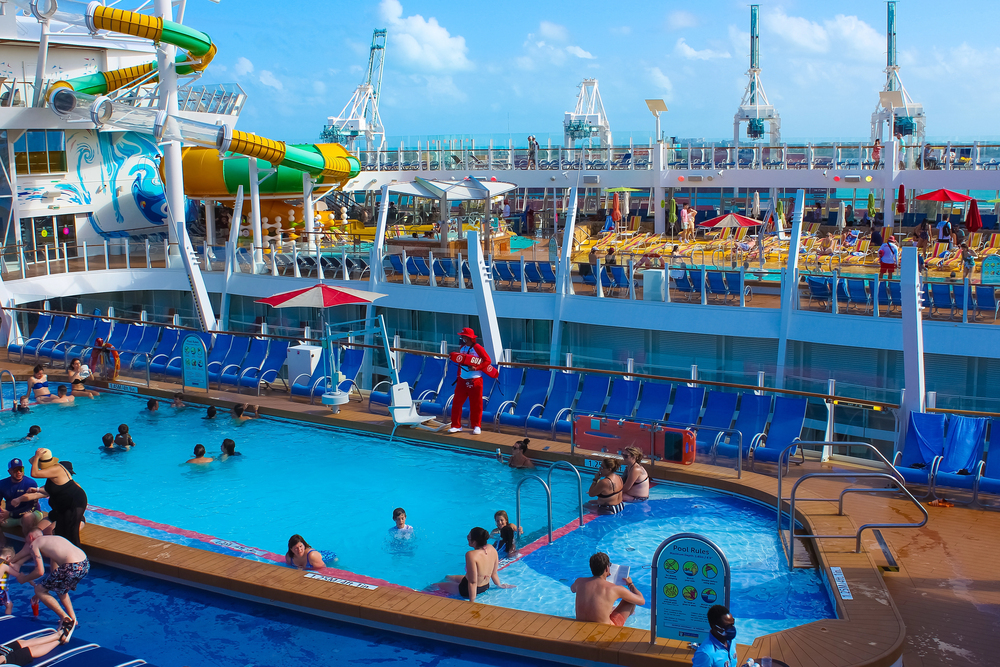
Pool depth on cruise ships is limited not just for safety, but because deeper water creates more violent motion during rough seas. Shallow pools minimize the sloshing effect that would otherwise drench surrounding deck areas and create safety hazards.
The shallow depth also reduces the ship’s center of gravity and limits the amount of water weight that shifts as the ship moves. Every design element is calculated for stability, even when it compromises the swimming experience.
Balcony Railings With Tiny Gaps
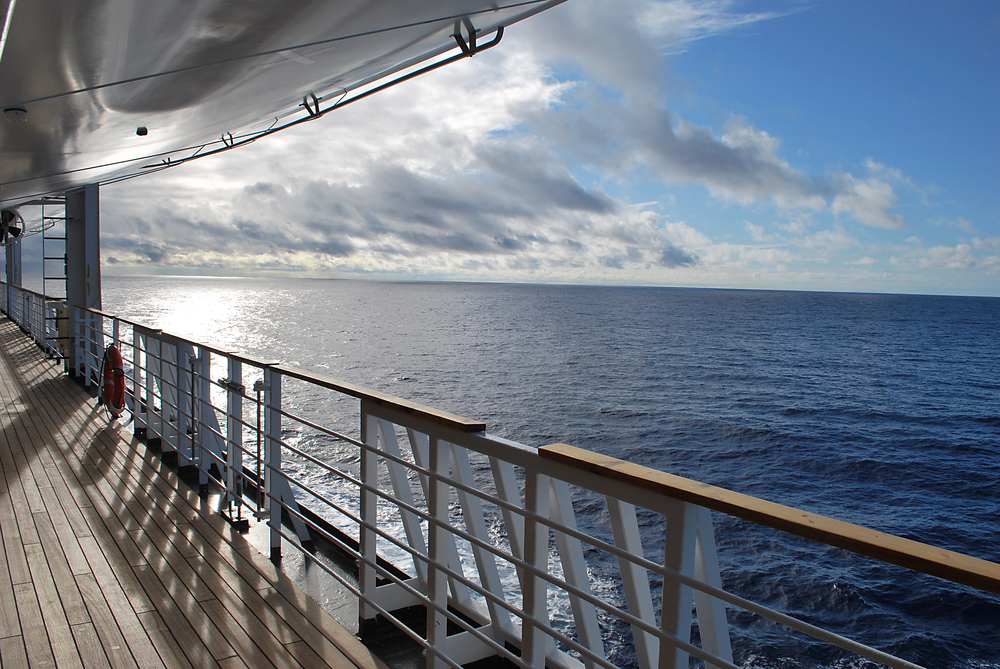
The spacing between balcony railing balusters follows strict maritime regulations designed to prevent anyone from slipping through, but the specific gap size also prevents large objects from being accidentally dropped overboard. The spacing is too small for chairs, bottles, or other items that could become dangerous projectiles.
The railing design also accounts for wind patterns and the ship’s movement, creating barriers that remain effective even during high winds or rough seas when objects might be blown or shaken loose.
Theater Seating That Faces Strange Directions

Cruise ship theaters often have seating arrangements that seem slightly off-angle compared to traditional theaters, and this isn’t about fitting more seats into awkward spaces — it’s about maintaining sight lines that account for the ship’s motion patterns, ensuring that passengers can comfortably watch performances even when the ship is experiencing moderate movement. The specific angles are calculated based on the most common motion characteristics of cruise ships in typical sea conditions.
The seat spacing and aisle placement also follow evacuation requirements that are more stringent than land-based venues, since passengers need to exit quickly in emergency situations while potentially dealing with a moving, tilted floor. So what might look like cramped or oddly arranged seating is actually sophisticated crowd management engineering.
Shopping Areas Without Price Tags
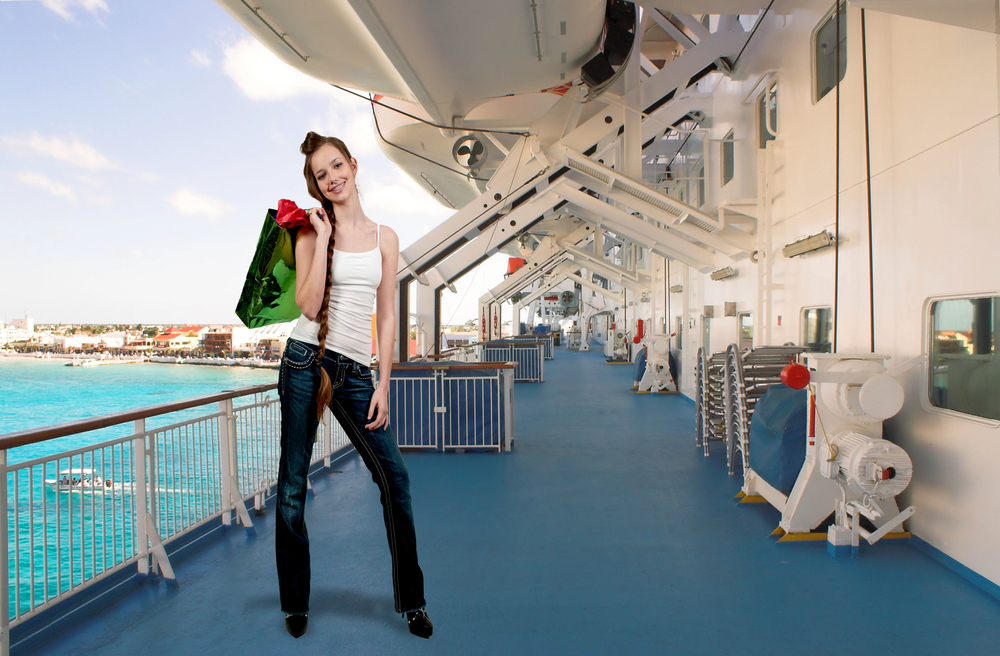
Cruise ship retail spaces often display merchandise without prominent price tags, and this isn’t accidental — it’s designed to minimize the psychological barriers to purchasing that come with being in a confined environment where spending feels more significant. Without immediate price visibility, passengers focus on the items themselves rather than constantly calculating costs.
The layout also encourages browsing behavior that feels natural rather than pressured, since passengers have limited entertainment options and shopping becomes a way to pass time rather than a focused purchasing mission.
Buffet Lines That Never End

Cruise ship buffets are designed with multiple serving stations for the same items, not for efficiency but to prevent dangerous crowding in areas where hot food and large numbers of people intersect. The redundant stations spread crowds across wider areas and provide multiple exit routes.
The specific flow patterns also account for the ship’s movement, ensuring that passengers aren’t forced to carry hot plates while walking against the ship’s typical motion patterns.
Cabin Doors That Close Automatically
— Photo by mariobonanno
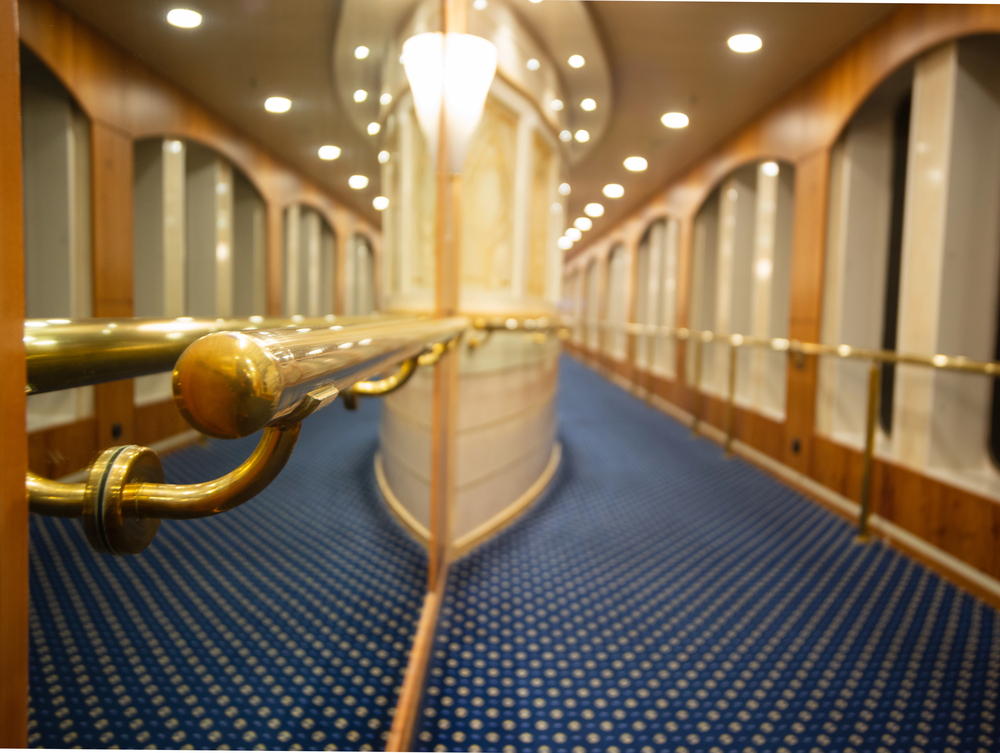
Stateroom doors are designed to close and latch automatically, and while this seems like a convenience feature, it’s actually a fire safety requirement. In emergency situations, open cabin doors can create draft patterns that feed fires and spread smoke through ship corridors.
The closing mechanism also prevents passengers from accidentally leaving doors open during rough weather, when an open door can create dangerous pressure changes or allow water to enter corridors.
Exercise Equipment That Faces the Ocean
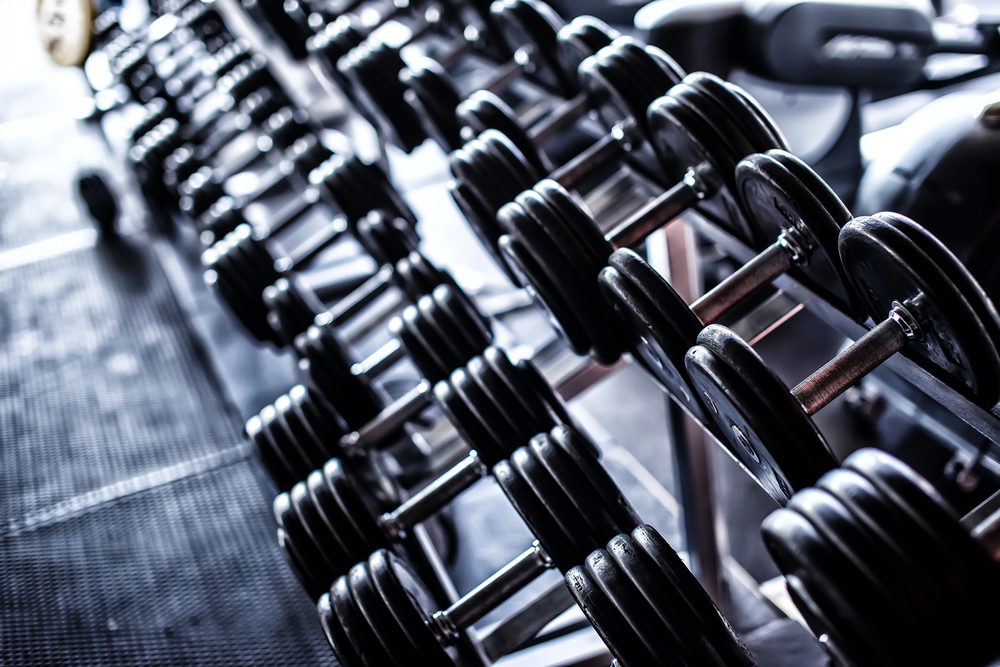
Fitness center layouts on cruise ships position cardio equipment to face ocean views, but this isn’t just about scenery — it’s about reducing motion sickness during workouts. Looking at the stable horizon while exercising helps passengers maintain equilibrium even when the ship is moving.
Ocean-facing layouts provide views that many passengers enjoy and may help some people feel more comfortable while exercising.
Bathroom Mirrors That Never Fog
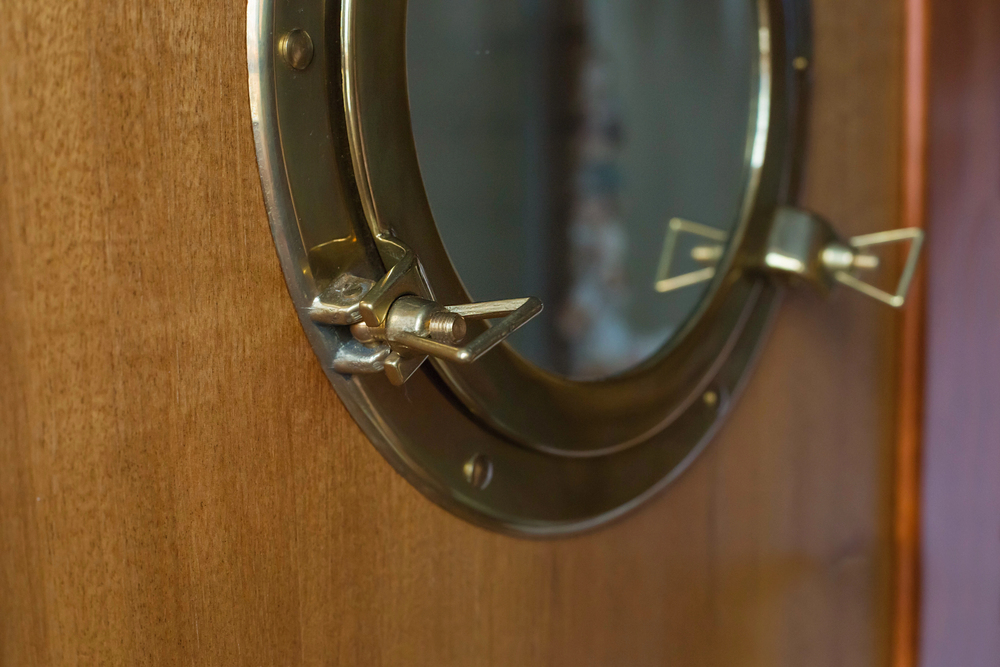
Many cruise ships use ventilation systems and mirror treatments to reduce fogging. This isn’t about luxury — it’s about safety and efficiency in small spaces where poor visibility can lead to accidents, especially when the room is moving.
The mirror placement also accounts for the ship’s motion, positioned at angles that remain useful even when passengers need to brace themselves against walls or fixtures during rough seas.
Ceiling Heights That Vary
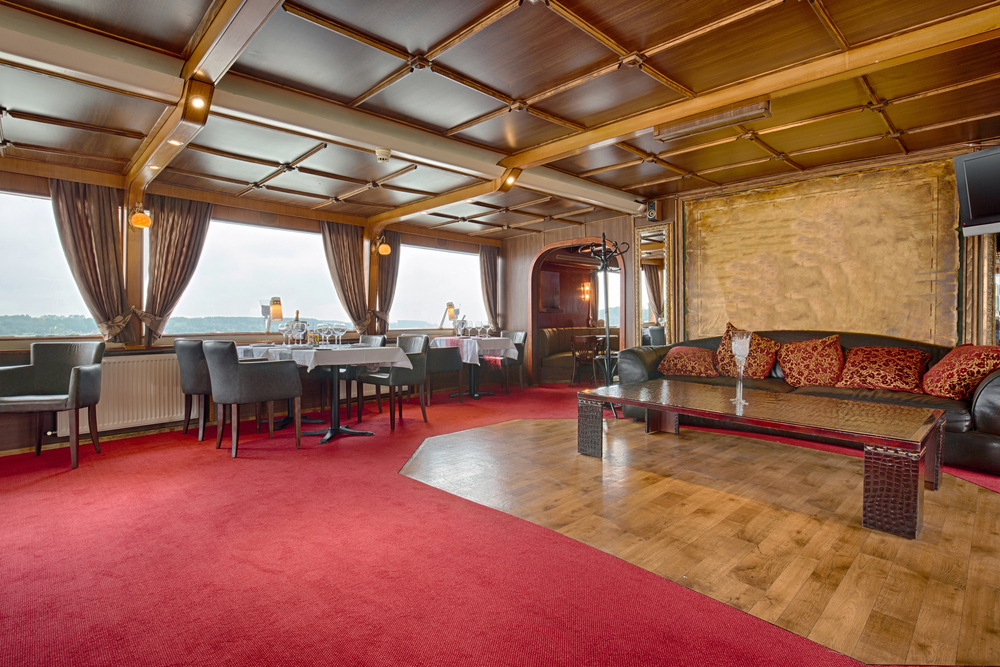
Different areas of cruise ships have ceiling heights that seem inconsistent, but these variations serve specific psychological and practical functions — lower ceilings in corridors create a sense of intimacy and way-finding, while higher ceilings in public areas prevent feelings of claustrophobia when large crowds gather. The variations also account for structural requirements and emergency ventilation systems that need to function independently of land-based infrastructure.
But there’s something else happening with ceiling design that most passengers never notice: the heights are calibrated to manage noise levels and crowd behavior in subtle ways. Lower ceilings naturally encourage quieter conversation and faster movement, while higher ceilings promote lingering and louder social interaction.
The ship’s designers use these variations to subtly direct passenger behavior without anyone realizing they’re being guided.
Emergency Equipment Hidden in Plain Sight
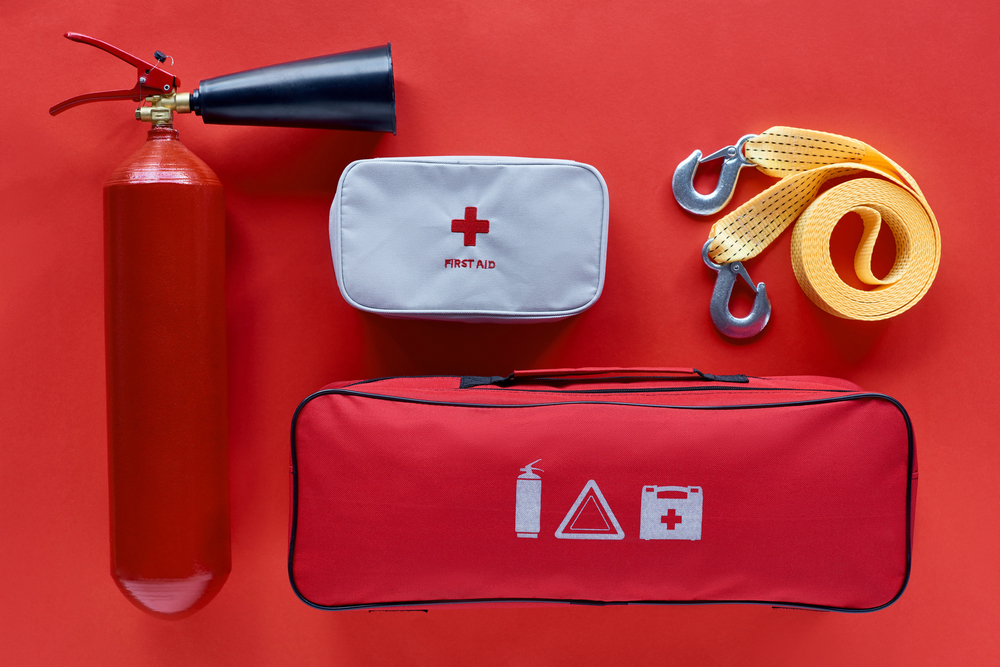
Life jacket storage, emergency lighting, and safety equipment are integrated into cruise ship design so seamlessly that passengers rarely notice them. This isn’t about aesthetics — visible safety equipment creates anxiety and reminds passengers of potential dangers.
The hidden integration also ensures that emergency equipment remains accessible without being vulnerable to tampering or accidental damage from passenger activity. Critical safety features stay protected while remaining immediately available when needed.
Dining Room Acoustics That Actually Work

Cruise ship restaurants are designed with acoustic properties that most passengers never notice but definitely experience. The combination of ceiling materials, wall treatments, and even table spacing is calculated to manage noise levels in spaces where hundreds of people are eating, talking, and moving around simultaneously.
The acoustic design also accounts for the background noise of ship operations — engine vibrations, air circulation systems, and the subtle sounds of a vessel moving through water. Without proper sound management, dining areas would be unbearably noisy or feel eerily quiet in ways that would make meals uncomfortable.
A Floating City That Never Stops Moving
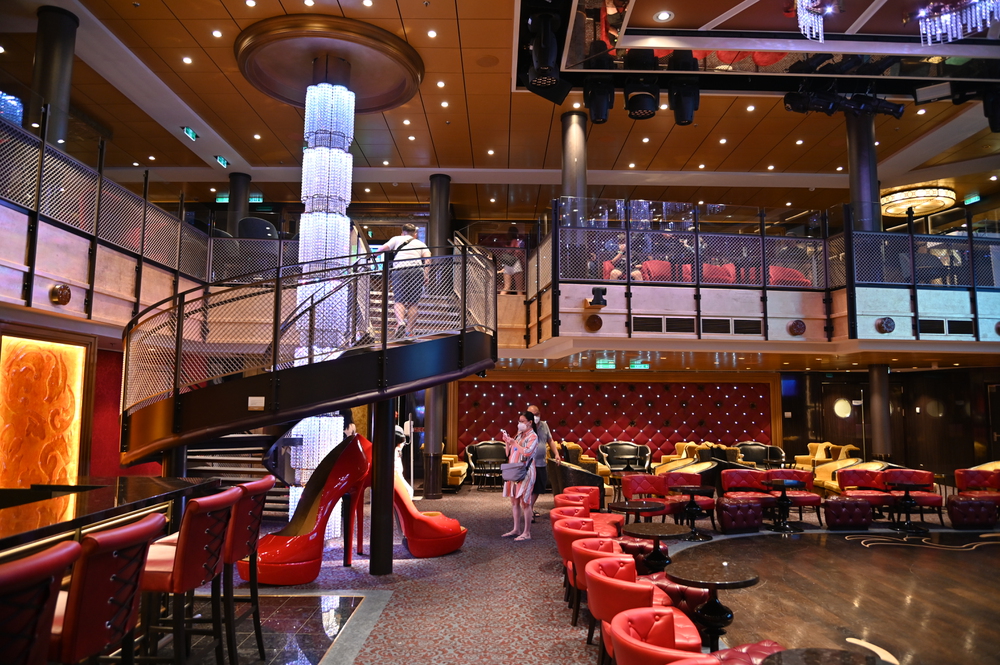
Everything aboard a cruise ship exists in defiance of logic. Thousands of people live temporarily in a space that moves constantly, surrounded by an environment that would kill them in minutes, depending entirely on systems they can’t see or understand.
The remarkable thing isn’t that these design features exist — it’s that they work so seamlessly that passengers forget they’re essentially living in a controlled emergency for the duration of their vacation. Every seemingly simple choice represents dozens of considerations that never apply to land-based design.
The next time you’re walking down a cruise ship corridor, remember that virtually everything around you has been engineered to keep you safe, comfortable, and happily oblivious to the controlled chaos of life at sea.
More from Travel Pug

- Underrated Italian Towns That Beat the Tourist Crowds
- Las Vegas Tourist Traps to Skip
- Prettiest Towns in Every US State
- 18 passport-free countries for Americans
- Signs Your Cruise Is Not Worth The Cost
Like Travel Pug’s content? Follow us on MSN.