

A festival’s reputation grows for a reason, and eventually that reputation becomes its own problem. The event that once drew a manageable local crowd starts appearing on every travel list and social media feed, and within a few years the people who used to attend every year are the same ones now watching the highlights on a screen from somewhere quieter.
None of these festivals have gotten worse exactly. They’ve just gotten popular enough that the experience of actually being there has changed for anyone who remembers what it used to feel like.
Songkran, Bangkok
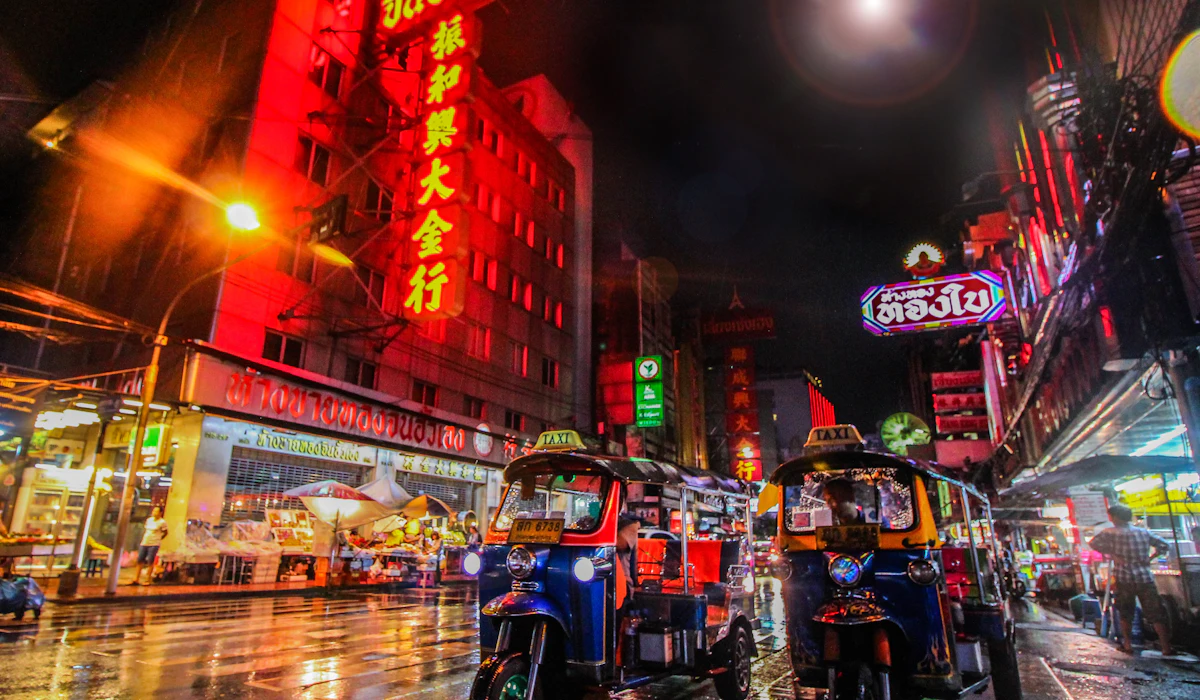
Thailand’s traditional New Year water festival has grown from a neighborhood-scale celebration into a citywide event drawing enormous international crowds specifically for the street-wide water fights along major roads. Longtime Bangkok residents increasingly describe retreating to quieter neighborhoods or staying indoors entirely during the festival’s most crowded days.
What began as a respectful cleansing ritual has, in its most heavily touristed stretches, become a large-scale party primarily.
Holi, Mathura
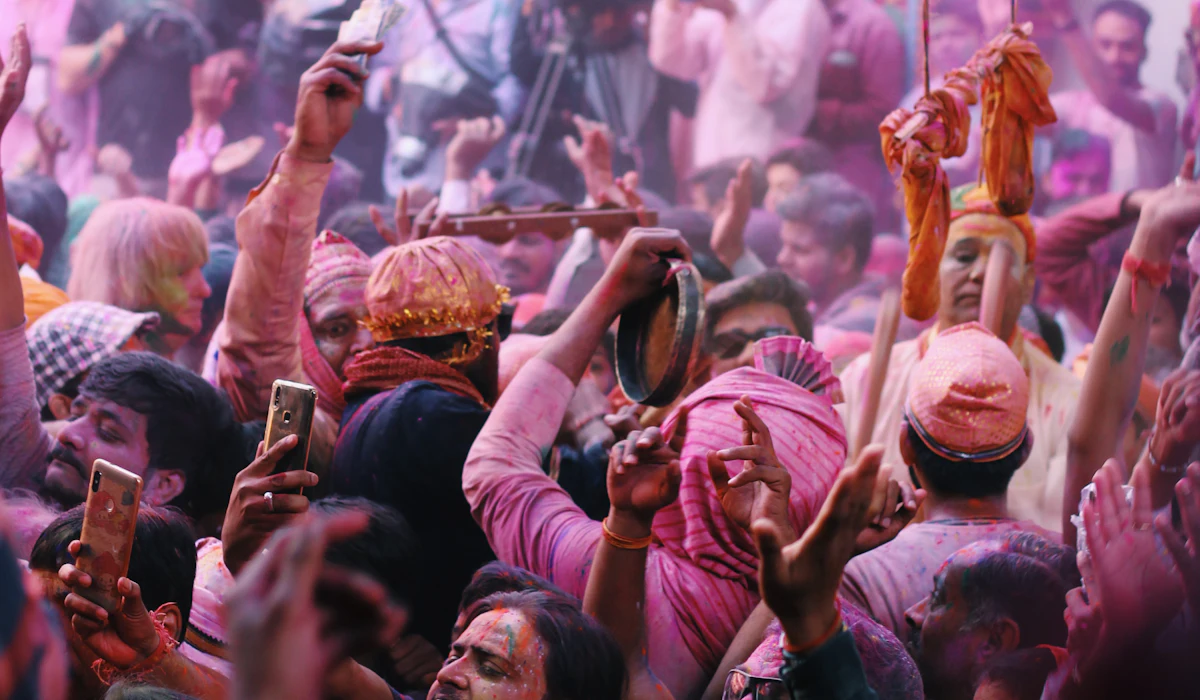
This color-throwing festival’s most famous celebrations, held in the towns associated with the god Krishna’s childhood, now draw such large crowds of visitors that some local families have shifted to celebrating more privately or in less publicized nearby towns. Overcrowding at the most iconic temple celebrations has raised ongoing safety and crowd management concerns during peak hours.
Longtime residents describe a noticeable shift in the festival’s atmosphere as international attention has grown.
Oktoberfest, Munich
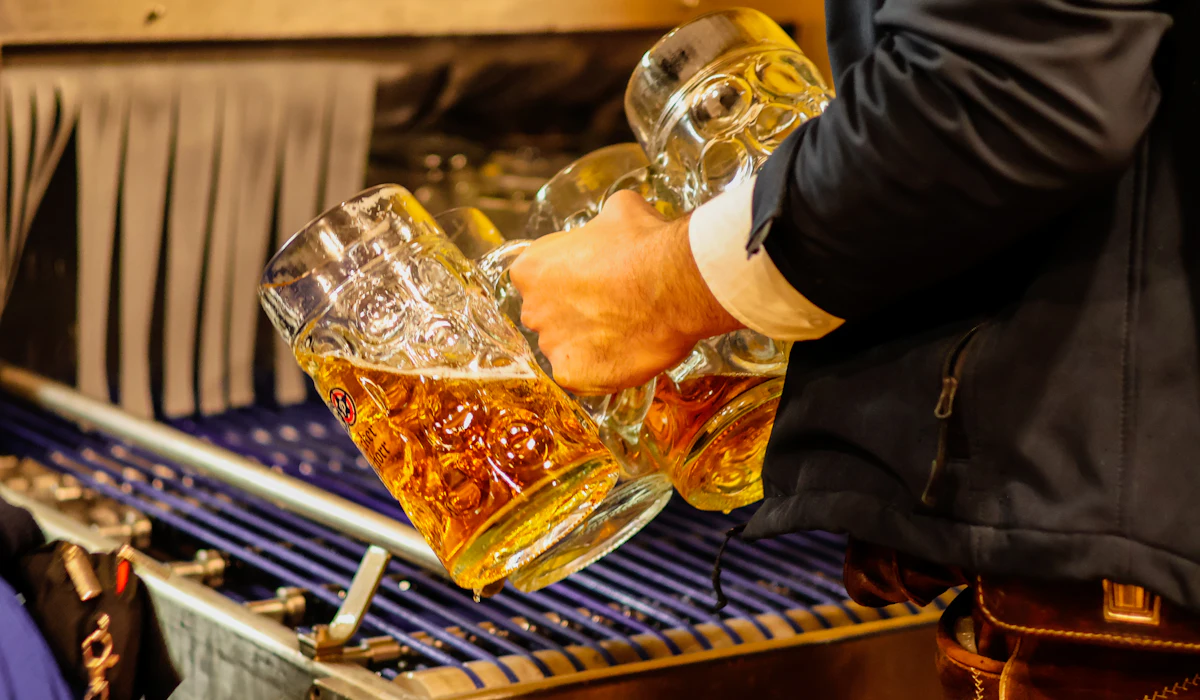
This beer festival’s tent capacity is finite, but demand has grown well beyond it, leading to reservation systems and long waits that many longtime Munich residents describe as a departure from the event’s more casual local origins. Prices for beer and food inside the festival grounds have risen considerably alongside its growing international profile.
Locals increasingly describe attending briefly on a weekday rather than during the festival’s most crowded weekend stretches.
La Tomatina, Buñol
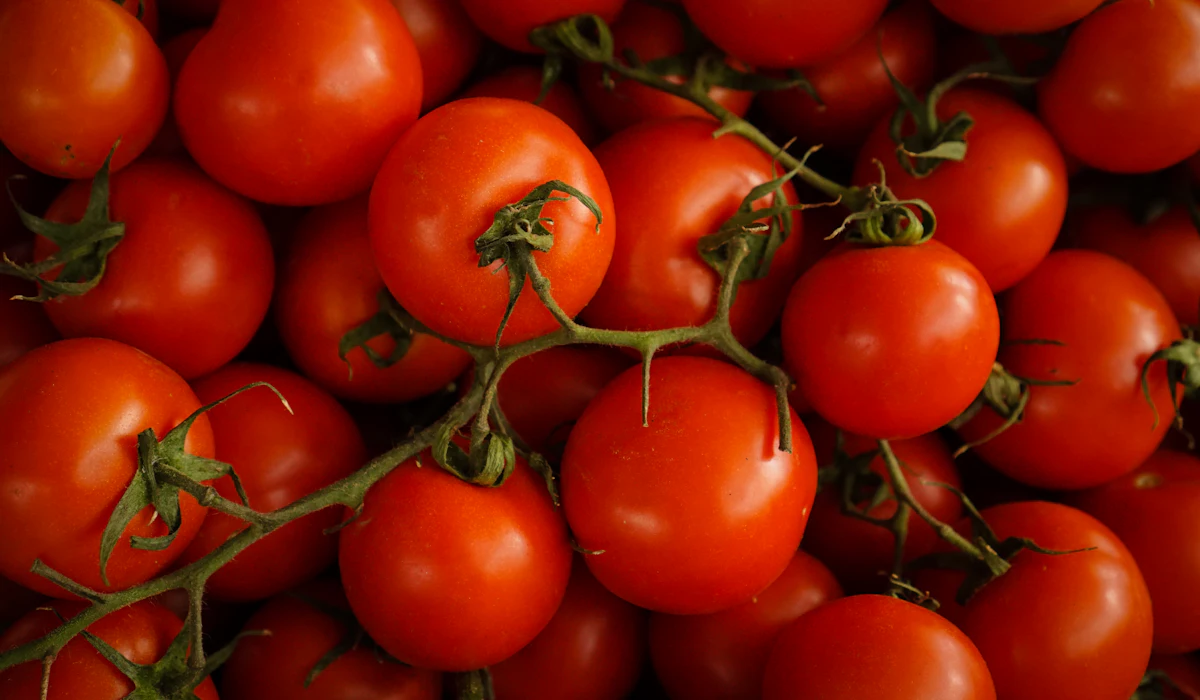
This Spanish tomato-throwing festival now requires advance ticket purchases and capped attendance specifically because uncontrolled crowd growth in previous decades made the small town’s infrastructure unable to handle demand. Longtime participants describe the festival’s atmosphere as noticeably more commercialized since ticketing was introduced.
The town’s population is small enough that the festival’s international popularity represents a dramatic, and for some residents unwelcome, transformation of a single day each year.
Carnival, Rio de Janeiro
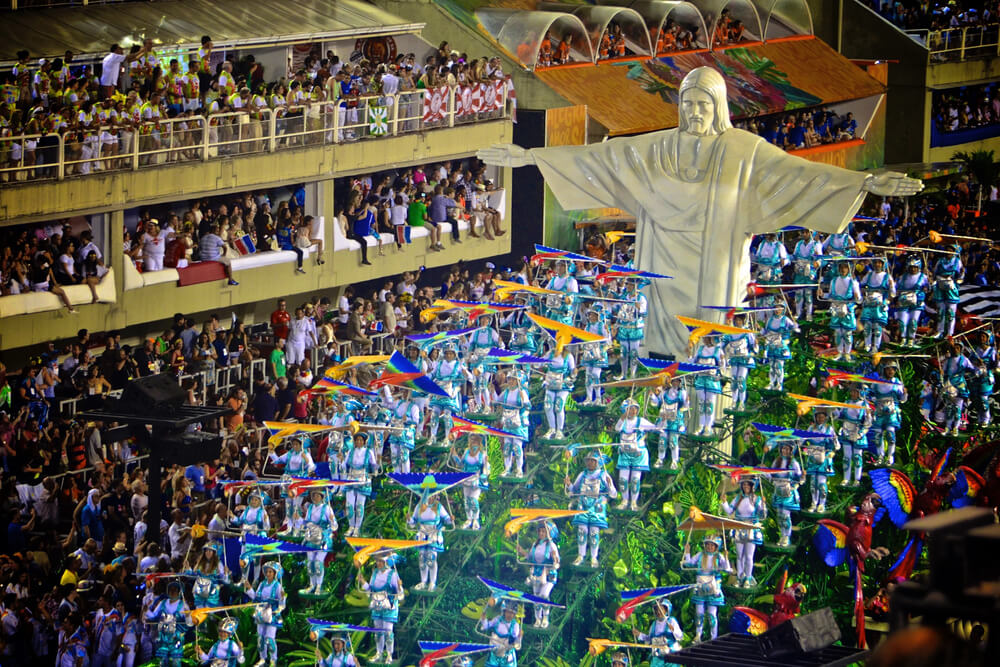
The scale of Rio’s Carnival celebrations has grown into one of the largest annual gatherings in the world, with the famous samba parade competition now drawing such dense crowds that many longtime residents describe watching the televised broadcast from home rather than attending in person. Street parties in popular neighborhoods have grown large enough to create significant crowding and safety concerns during peak hours.
Hotel prices during the festival period have risen to a point that pushes many local celebrations toward smaller, less publicized neighborhood gatherings instead.
Carnival, Venice

This centuries-old masked festival now draws such large day-tripper crowds to Venice’s already narrow streets and canals that longtime residents describe avoiding the historic center entirely during the festival period. The city’s broader struggles with overtourism are particularly pronounced during Carnival, when costumed crowds fill the main squares specifically for photography.
Locals increasingly describe attending smaller, neighborhood-specific events rather than the main St. Mark’s Square celebrations.
Cherry Blossom Festival, Washington, D.C.
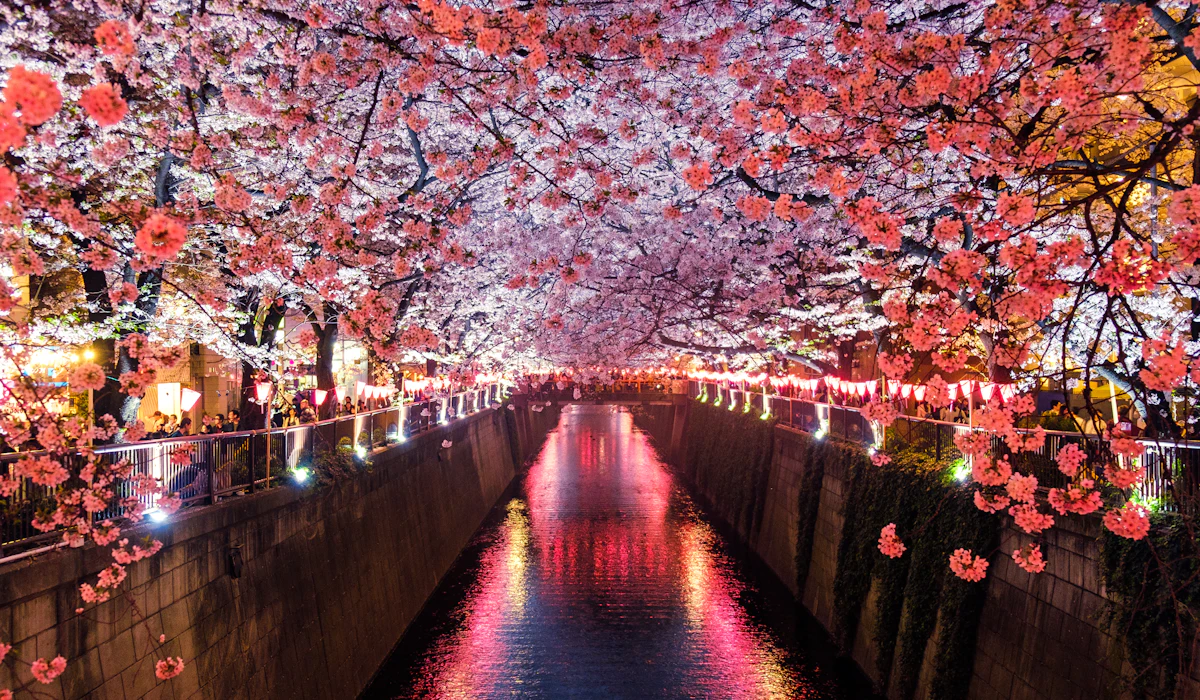
The peak bloom period around the Tidal Basin now draws such dense crowds that simply walking the perimeter path can involve significant congestion, a change longtime area residents describe as a departure from quieter viewing decades ago. Parking and public transit near the monument grounds become significantly strained during the festival’s peak weekends.
Many residents now plan visits deliberately for weekday mornings specifically to avoid the festival’s official weekend programming and crowds.
Running of the Bulls, Pamplona
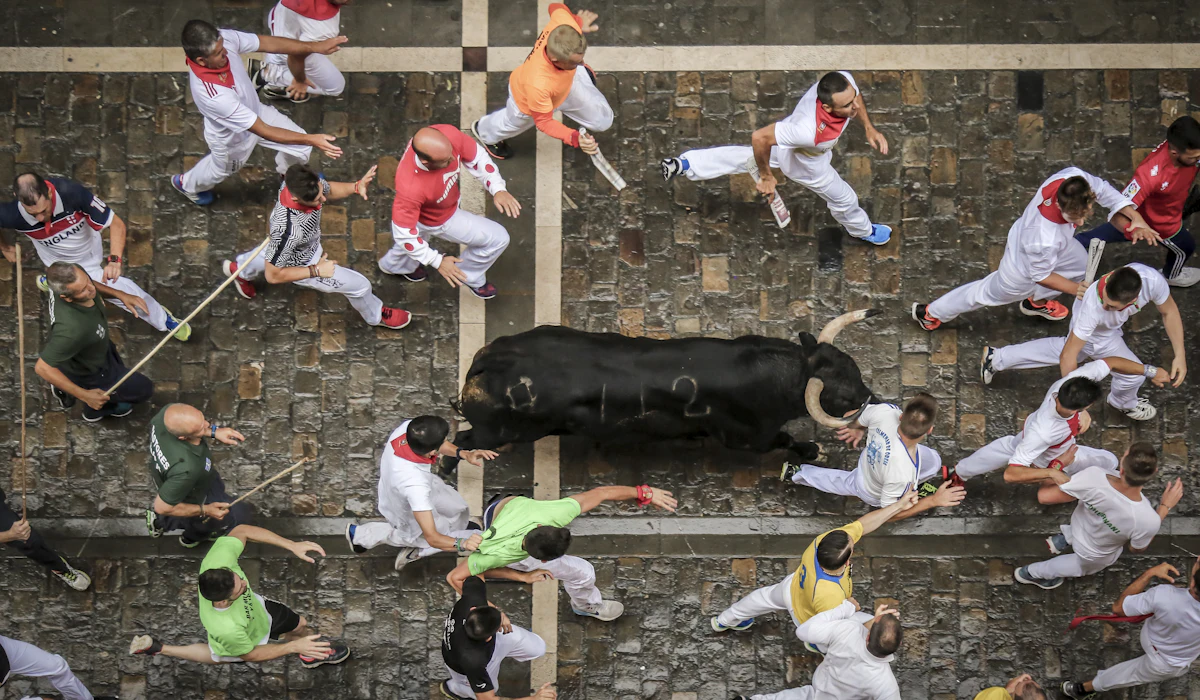
This Spanish festival’s daily bull runs draw such large crowds of both participants and spectators that longtime residents describe the atmosphere as considerably more chaotic and commercialized than in past decades. Safety concerns tied to the sheer number of untrained international participants have grown alongside the event’s global fame.
Local families increasingly describe watching the runs on television rather than seeking a viewing spot along the crowded route itself.
Burning Man, Nevada
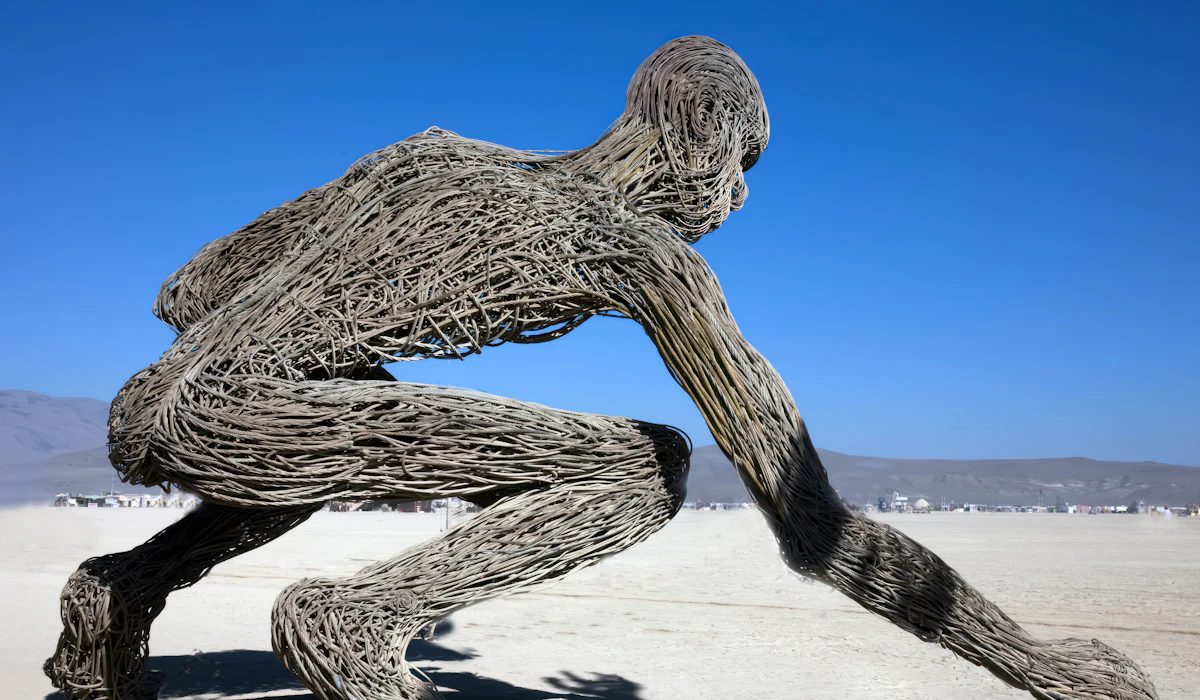
This desert gathering’s population has grown enormously since its smaller counterculture origins, straining infrastructure in ways that have led to well-documented traffic and sanitation challenges during peak arrival and departure periods. Longtime attendees frequently describe the event’s culture shifting as luxury camps and increased commercialization have grown alongside overall attendance.
Ticket prices and demand have also risen considerably compared to the event’s earlier, more niche years.
Coachella, California
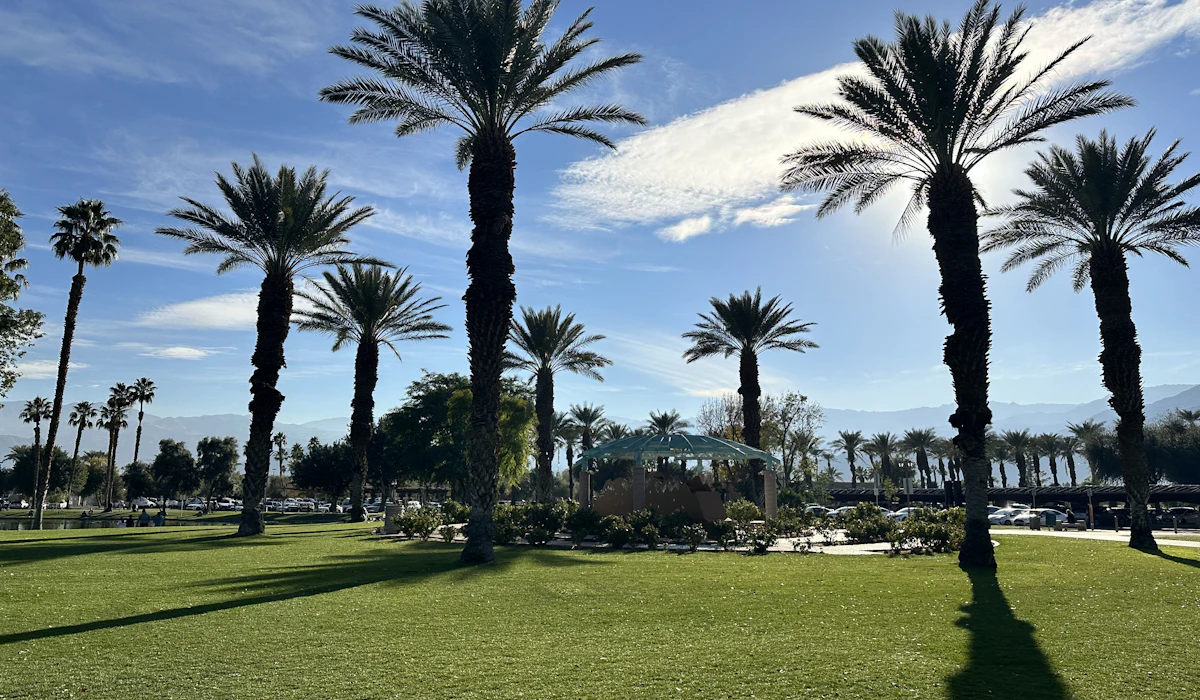
This music festival’s attendance and ticket demand have grown to a point where securing entry requires planning and expense well beyond what earlier attendees remember, pushing some longtime fans toward smaller, less crowded regional festivals instead. Traffic congestion in and around the desert venue during peak arrival times has become a well-documented annual frustration.
Camping and parking areas have expanded significantly to accommodate demand, changing the festival’s overall scale considerably from its smaller early years.
Glastonbury Festival, England
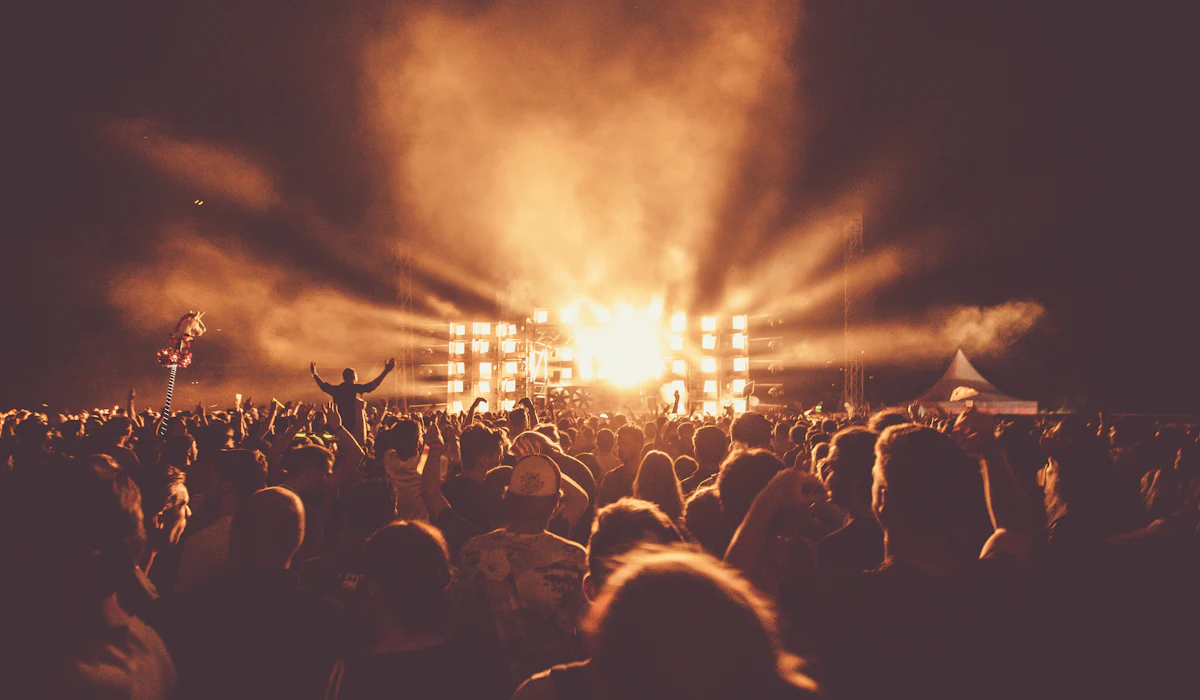
Tickets to this long-running music festival now sell out within minutes of release, a stark contrast to its more accessible ticketing in earlier decades. The festival’s enormous site still becomes densely crowded around its main stages during headline performances, a condition longtime attendees describe as considerably more intense than in past years.
Weather-related mud and overcrowding at the most popular stages remain persistent annual complaints among repeat festivalgoers.
Mardi Gras, New Orleans
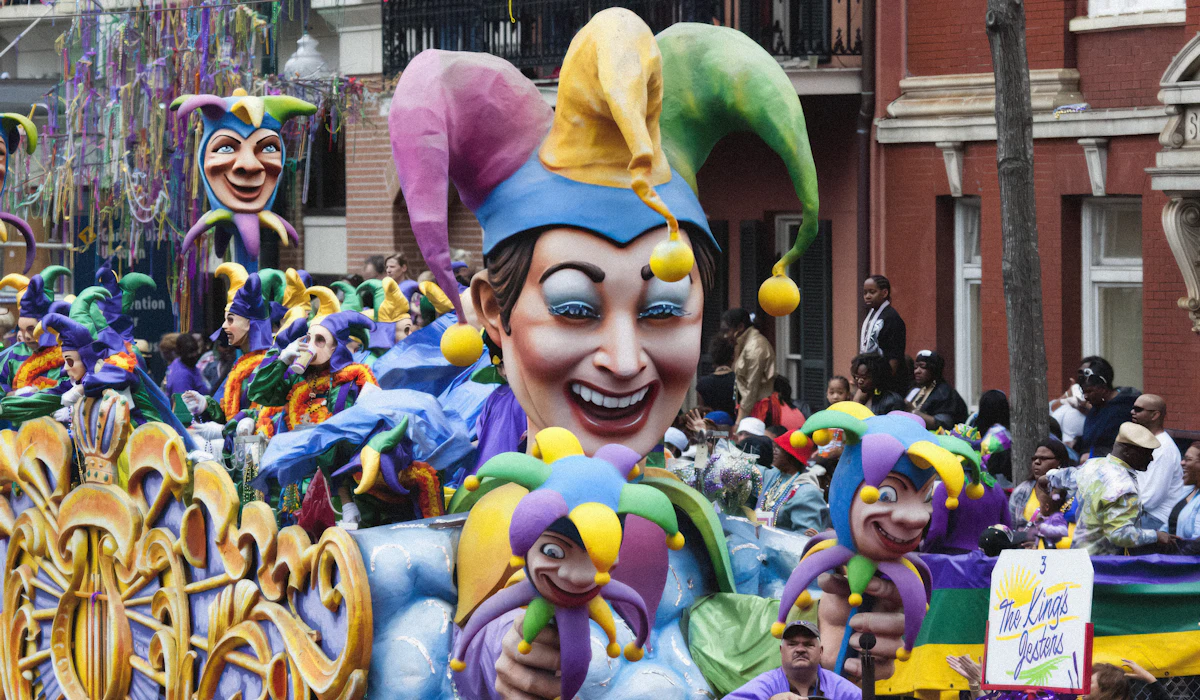
The parade routes through New Orleans during peak Mardi Gras weekend now draw crowds dense enough that longtime residents describe deliberately avoiding the French Quarter and main parade routes entirely during the busiest days. Hotel and short-term rental prices during the festival period have risen considerably alongside growing tourism demand.
Many residents describe attending smaller neighborhood parades held earlier in the season rather than the largest, most crowded final weekend events.
St. Patrick’s Day Festival, Dublin
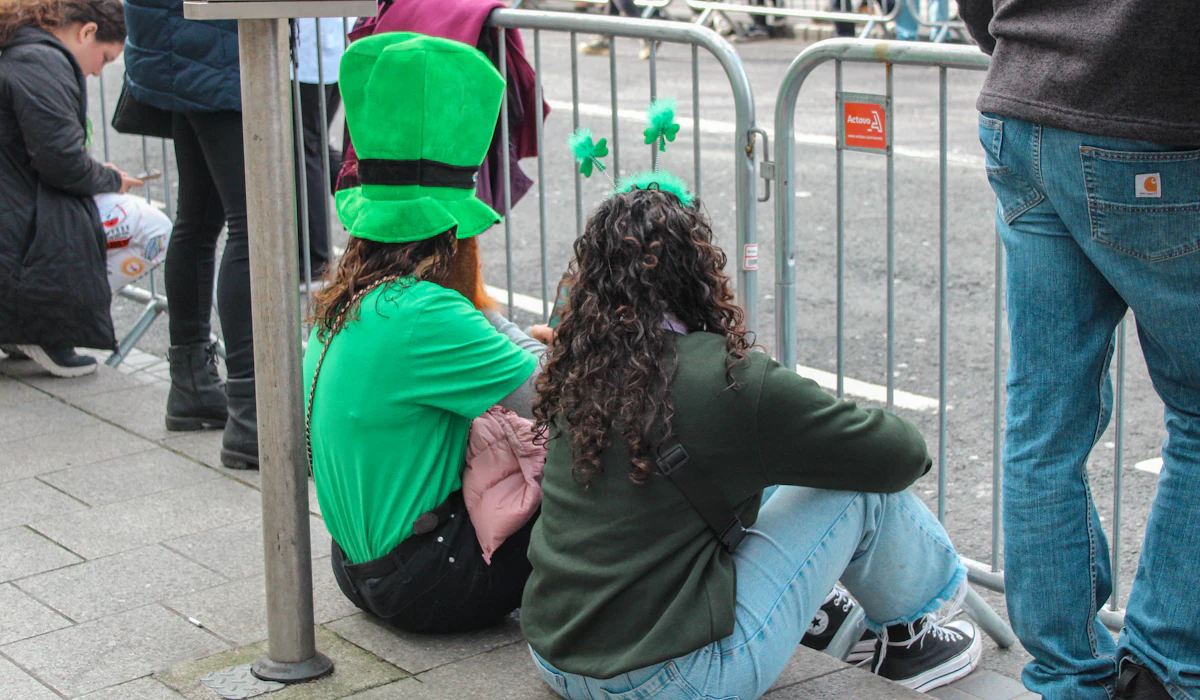
Dublin’s multi-day St. Patrick’s festival now draws large numbers of international visitors specifically for the holiday, transforming what was historically a more modest local and religious observance into a major tourism event.
Crowding in the city center during the main parade has grown significantly, a shift longtime residents often describe with some ambivalence. Pub capacity limitations during the festival’s peak days have become an increasingly common frustration for local attendees.
Chinese New Year, Hong Kong
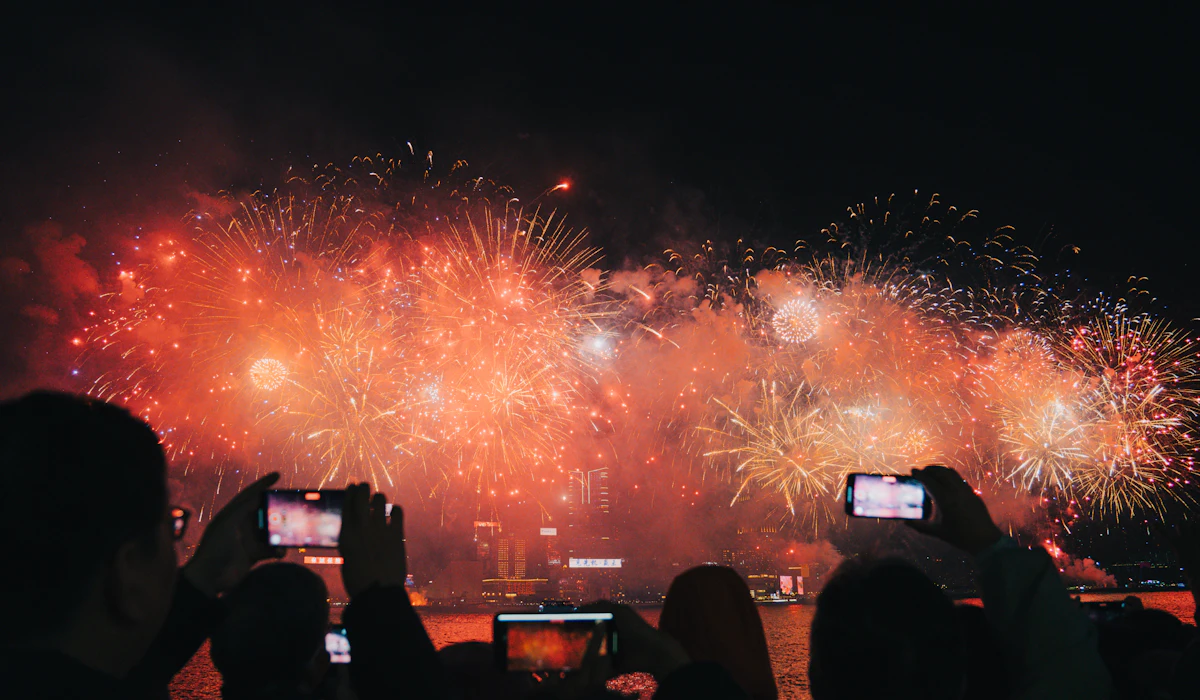
The city’s Chinese New Year celebrations, including its harbor fireworks display and flower markets, now draw such large crowds that longtime residents describe specific viewing areas as unmanageable without arriving hours in advance. Public transit during the peak celebration nights becomes significantly strained under crowd volume.
Many local families now describe watching the fireworks display from home via television broadcast rather than seeking a viewing spot along the crowded waterfront.
Loi Krathong, Chiang Mai
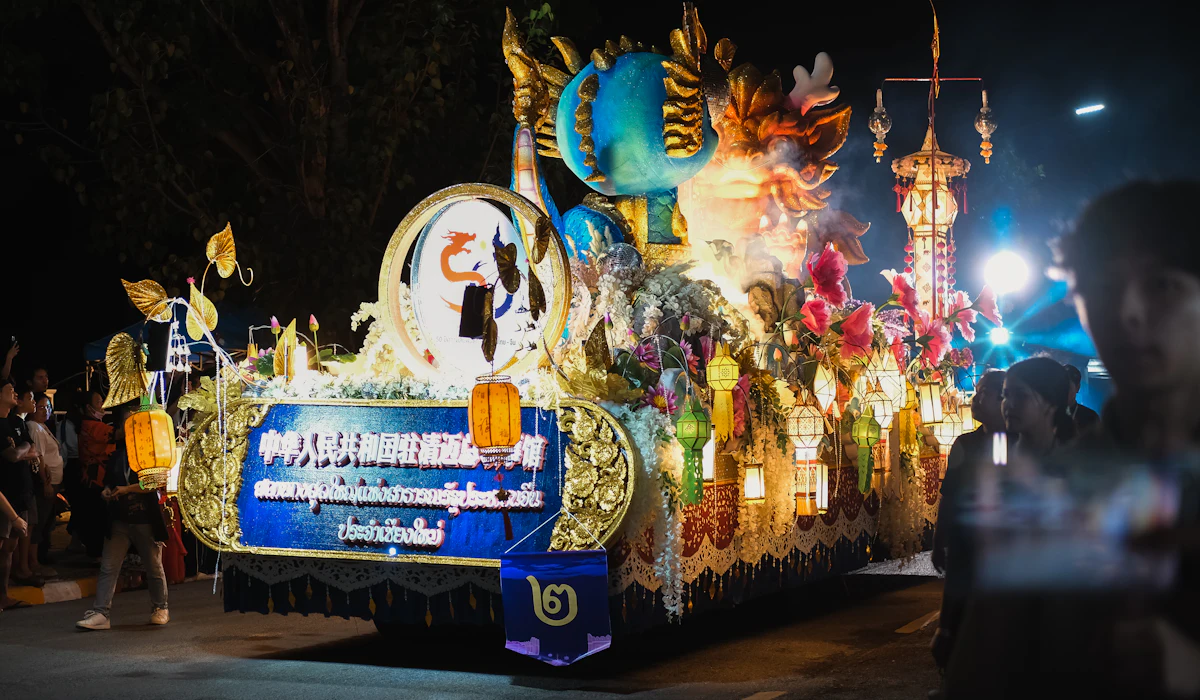
This Thai lantern festival, particularly its sky lantern release associated with the Yi Peng celebration, has grown from a regional cultural event into a major international draw, with organized lantern release events now requiring paid tickets due to overwhelming demand. Environmental concerns tied to the sheer volume of lanterns released have also grown alongside the festival’s popularity.
Longtime residents describe smaller, quieter local celebrations increasingly overshadowed by the ticketed events built primarily for visitors.
Boryeong Mud Festival, South Korea

This beach festival built around mud-based activities has grown substantially in international popularity, drawing crowds large enough that longtime local attendees describe the beach and surrounding areas as considerably more congested than in the festival’s earlier years. Accommodation prices in the coastal town rise significantly during the festival period.
The festival’s core mud-wrestling and slide activities remain popular, though repeat attendees often describe needing to arrive very early to actually access the most popular attractions.
Full Moon Party, Koh Phangan
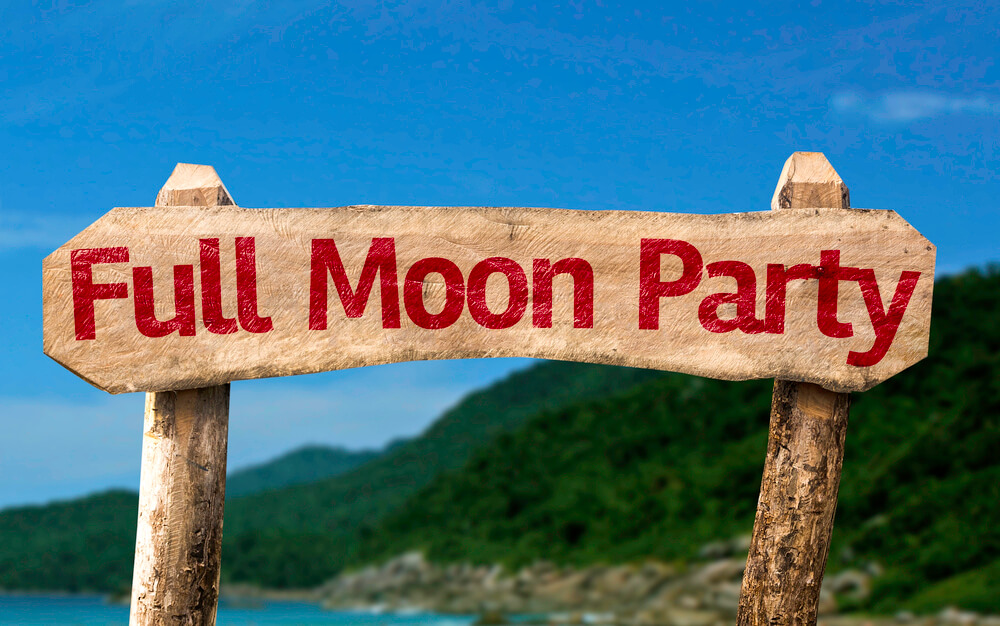
This monthly beach party on a Thai island has grown from a small gathering into a major recurring international event, with crowd sizes on peak nights straining the beach’s infrastructure and prompting recurring safety concerns. Longtime visitors to the island describe the party’s atmosphere as considerably more commercialized and crowded than its earlier, smaller iterations.
Some longtime regional travelers now describe seeking out similar but less publicized beach parties on neighboring islands instead.
Edinburgh Festival Fringe
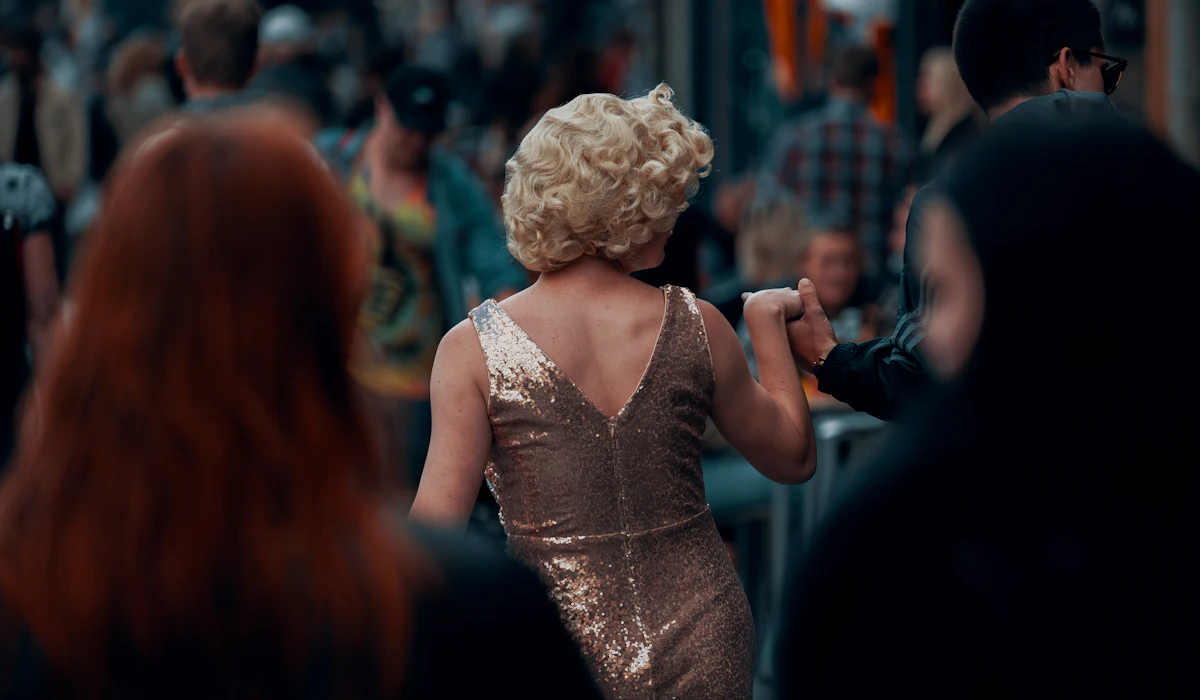
This performing arts festival has grown into one of the largest arts events in the world, with venue capacity and city accommodation strained considerably during its peak weeks. Longtime Edinburgh residents describe the city center becoming difficult to navigate during the festival period due to street performers and dense pedestrian crowds.
Ticket prices for popular shows have also risen alongside the festival’s growing international profile.
Rose Parade, Pasadena
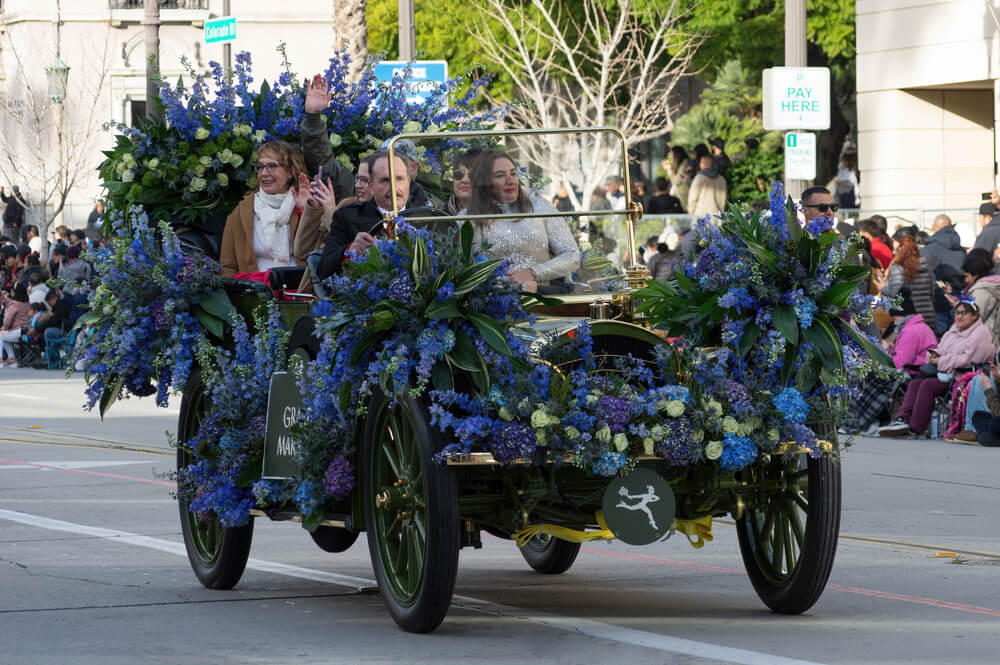
This New Year’s Day parade draws such large crowds along its route that securing a viewing spot without arriving the night before has become increasingly difficult for casual attendees. Longtime Pasadena residents increasingly describe watching the parade’s television broadcast rather than claiming curbside space along the crowded route.
Street closures and parking restrictions tied to the parade significantly affect the surrounding neighborhood for days before and after the event.
Sturgis Motorcycle Rally, South Dakota
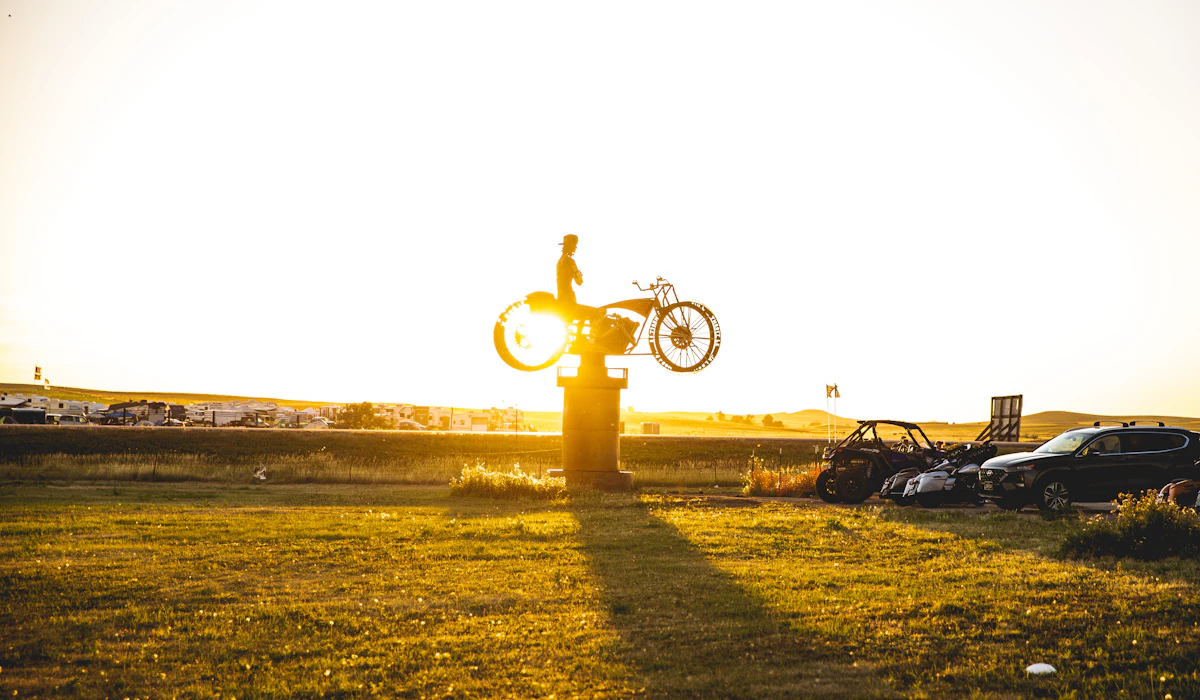
This motorcycle gathering has grown from a small regional event into one that temporarily multiplies the population of its host town by a significant multiple, straining local infrastructure considerably during the rally’s peak week. Longtime attendees describe traffic and noise levels as considerably more intense than in the rally’s smaller earlier decades.
Accommodation prices in the surrounding region rise sharply during the event, pushing some longtime attendees toward camping farther from the main rally activities.
Notting Hill Carnival, London
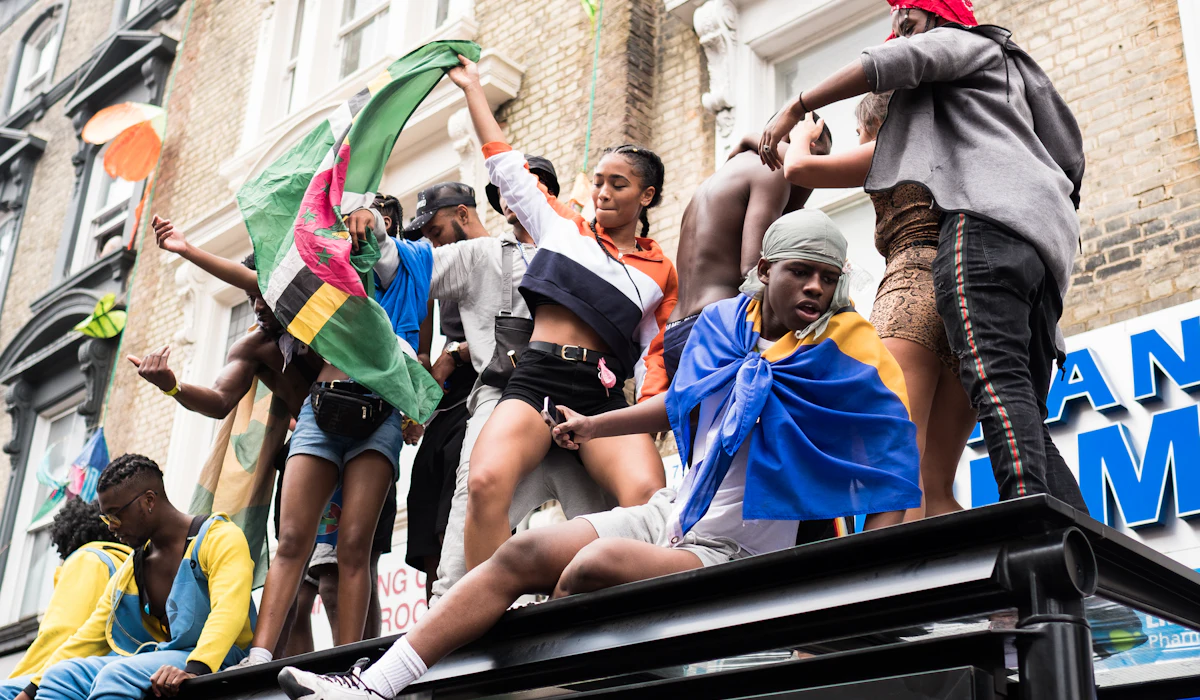
This Caribbean-influenced street carnival has grown into one of the largest street festivals in Europe, with crowd density along the parade route reaching levels that longtime local attendees describe as considerably more intense than the event’s smaller community origins. Safety and crowd management have become significant ongoing considerations given the scale of annual attendance.
Some longtime attendees describe shifting toward smaller, community-organized events held in connection with the main carnival rather than the most crowded central stretches.
Thaipusam, Batu Caves
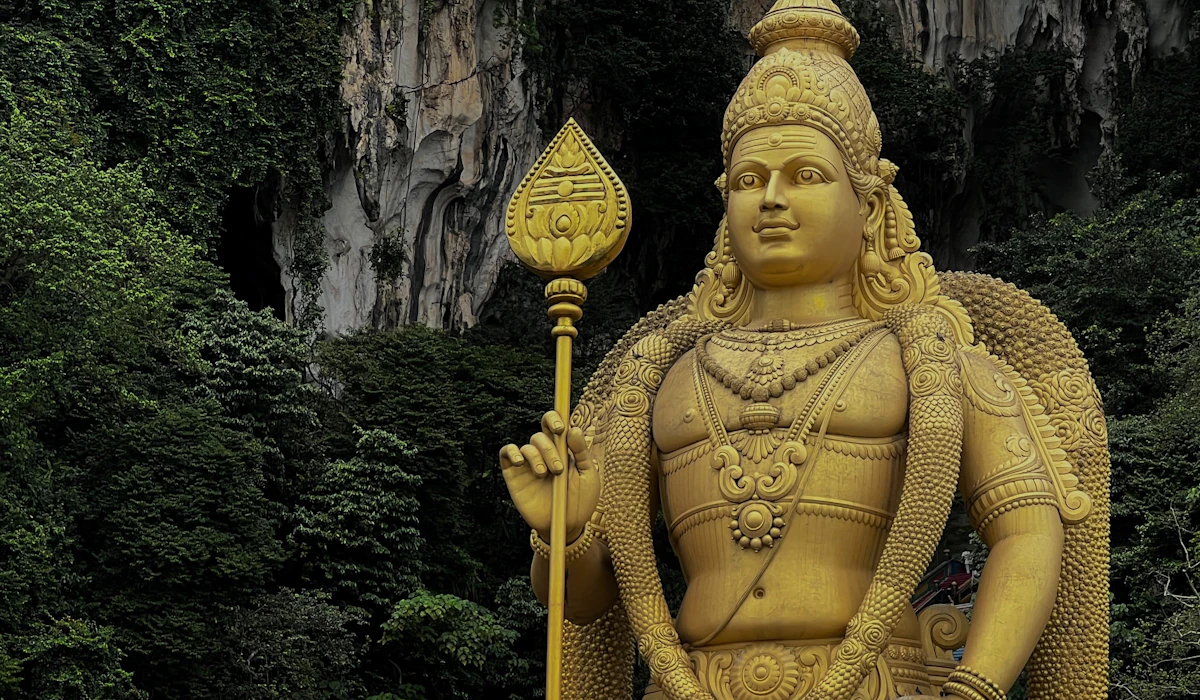
This Hindu festival, observed with elaborate body-piercing devotional practices, draws enormous crowds to this cave temple complex outside Kuala Lumpur, with the approach to the temple becoming densely packed during the festival’s peak hours. Longtime devotees describe the crowding as having grown substantially as the festival has gained wider international attention and media coverage.
Local transit services significantly increase capacity during the festival period, though congestion at the temple itself remains a persistent annual challenge.
Kumbh Mela, India
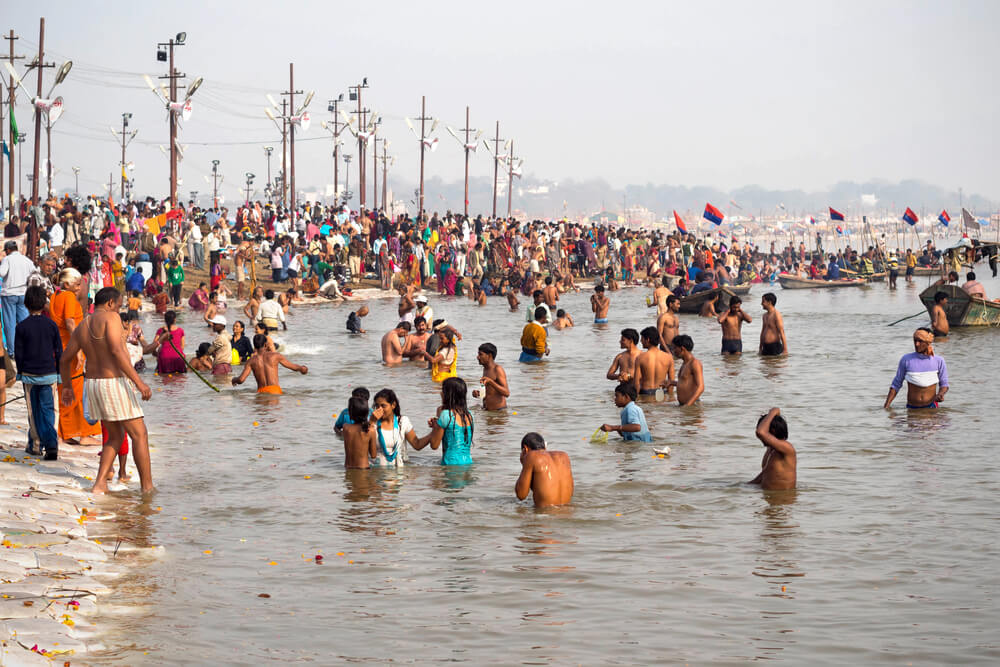
Held on a rotating cycle at several sacred river locations, this Hindu pilgrimage festival draws what are regularly described as among the largest single gatherings of people anywhere in the world, with crowd density at the main bathing events reaching extraordinary levels. Longtime pilgrims describe the logistics of participating as having grown considerably more complex as attendance figures have risen over successive cycles of the festival.
Crowd safety at the most concentrated bathing events remains a significant ongoing concern given the sheer scale of participation.
Christmas Markets, Nuremberg
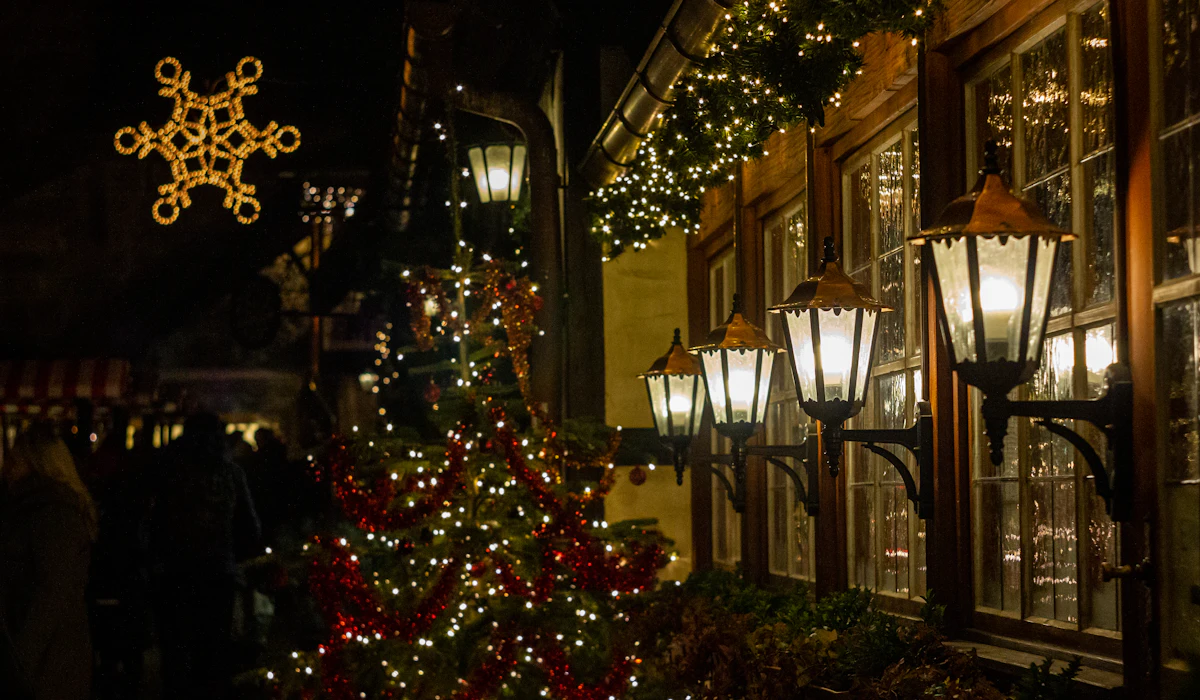
This centuries-old Christmas market has grown into a major European tourism draw, with visitor numbers during peak weekends reaching levels that longtime local shoppers describe as considerably more crowded than the market’s earlier, more community-oriented decades. Prices at market stalls have also risen alongside growing international demand.
Many residents describe visiting on weekday mornings specifically to avoid the dense weekend crowds that now define the market’s most popular hours.
Diwali Celebrations, Delhi
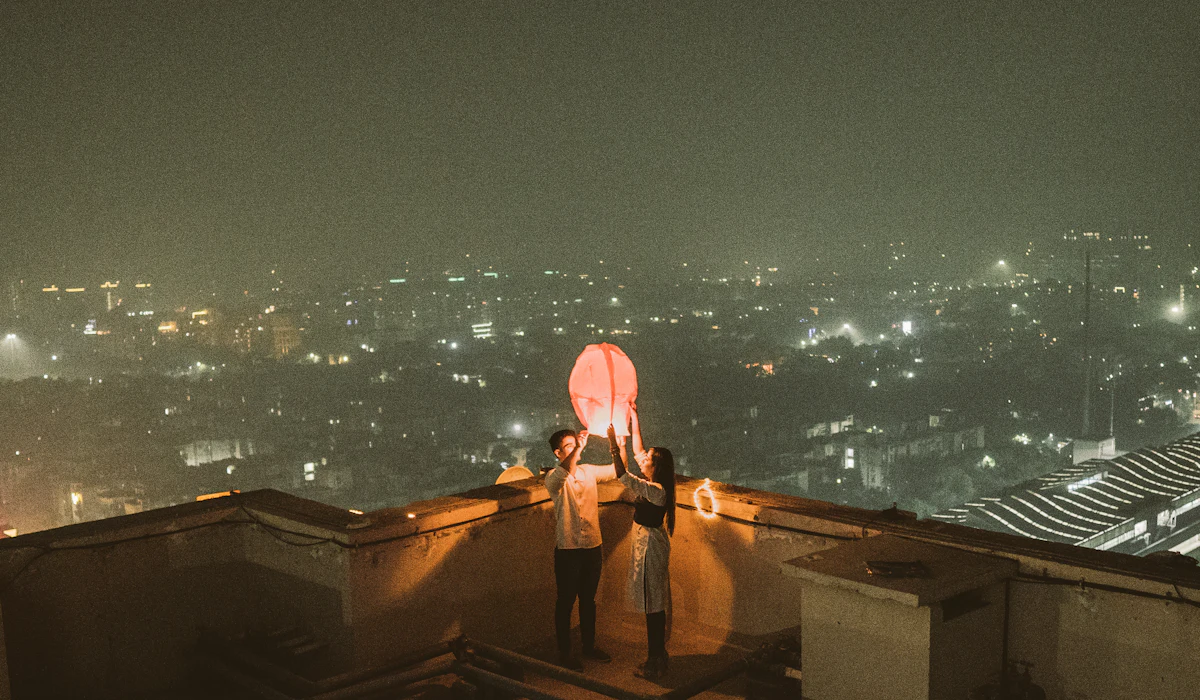
The scale of public Diwali celebrations and fireworks displays in Delhi has grown considerably, with the resulting air quality concerns becoming a significant annual public health issue in the days surrounding the festival. Traffic and crowding around major shopping districts and temple celebrations increase substantially during the festival period.
Many longtime residents describe celebrating more quietly at home specifically in response to both the crowding and the well-documented pollution concerns tied to the festival’s largest public celebrations.
Cannes Film Festival, France
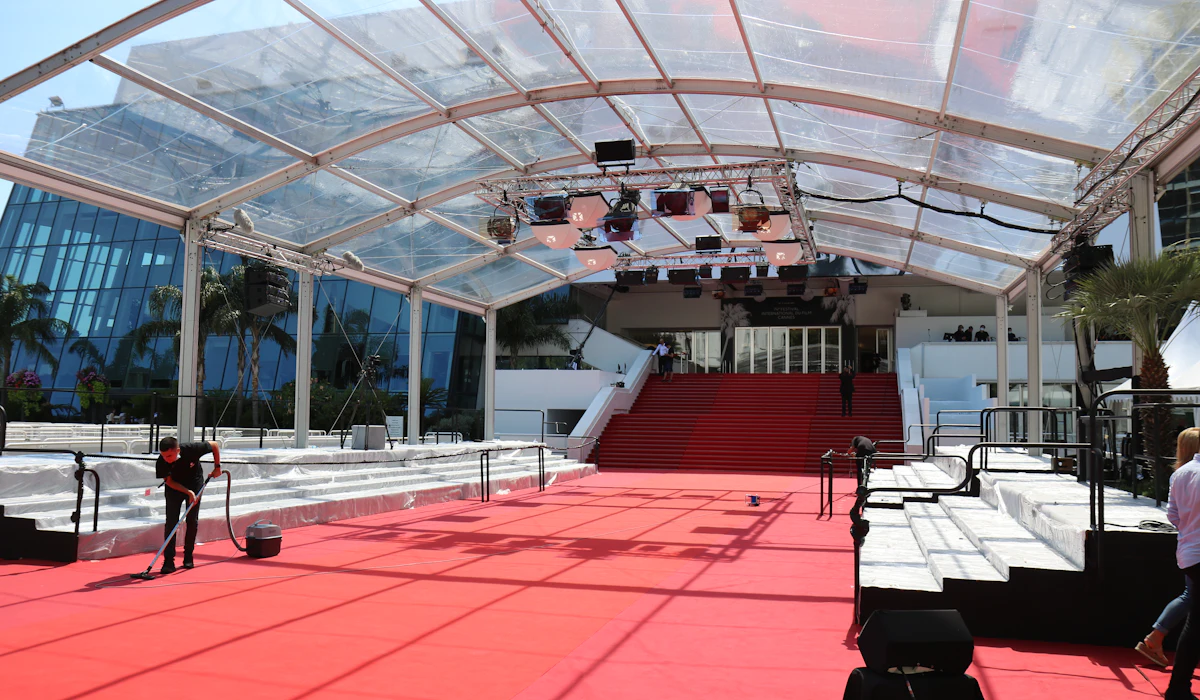
This film industry event draws such dense crowds along its famous red carpet and surrounding promenade that longtime local residents describe the town center as significantly altered during the festival’s two-week run each year. Restaurant and hotel prices in the town rise sharply during the festival period, pushing daily life for residents into a noticeably different rhythm.
Security measures around the festival’s main venues have also grown considerably more extensive as the event’s international profile has increased over the decades.
Watching From a Distance
A festival grows for the same reason it eventually becomes unbearable to the people who loved it first: word travels, and once enough people hear that something is worth seeing, the thing itself gets harder to actually see. The math of a finite space and a growing guest list only works in one direction.
None of this means these events have lost their meaning. It just means the people who remember what they used to feel like have largely made peace with watching the best parts unfold from somewhere quieter, and calling that its own kind of tradition.
More from Travel Pug

- Underrated Italian Towns That Beat the Tourist Crowds
- Las Vegas Tourist Traps to Skip
- Prettiest Towns in Every US State
- 18 passport-free countries for Americans
- Signs Your Cruise Is Not Worth The Cost
Like Travel Pug’s content? Follow us on MSN.