

A guided hike sells reassurance as much as it sells the trail itself: someone else knows the route, carries the first aid kit, and sets a pace that won’t leave anyone stranded. For a lot of well-marked, well-trodden trails around the world, that reassurance comes at a price that locals simply skip, since they’ve been walking the same path unaccompanied for years using nothing more than a trail map and common sense.
None of this means every guided hike is unnecessary. It means a fair number of them are selling confidence for a trail that was never actually that hard to navigate alone.
Cinque Terre Coastal Trail

The trail connecting these five Italian villages is well marked, regularly maintained, and used daily by residents commuting on foot between towns, making the guided version largely redundant for anyone reasonably fit and comfortable reading trail signage. A regional trail pass, required regardless of whether a hiker is guided, provides the same access independently.
Guides here mostly add historical commentary about the villages rather than any actual navigational necessity.
Dolomites Tre Cime Loop
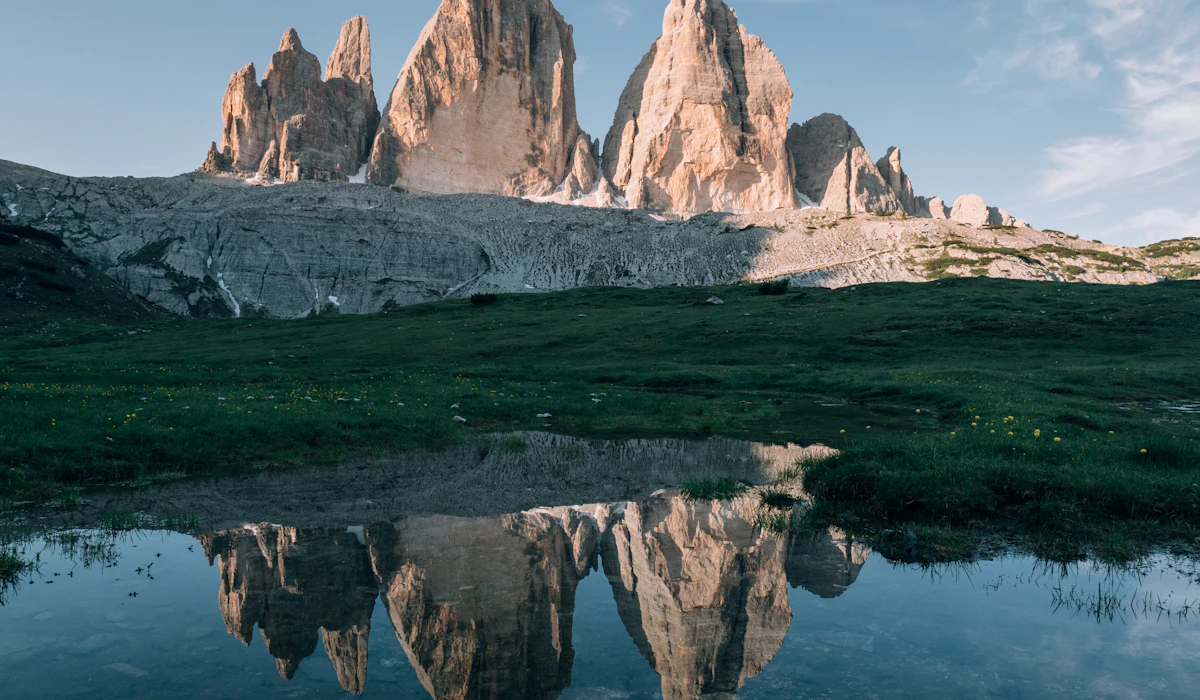
This popular loop trail in the Italian Dolomites is clearly marked with numbered signposts and sees heavy independent foot traffic throughout the summer season. Mountain refuges along the route provide food, water, and basic guidance for solo hikers without any formal booking.
Guided groups on this trail move at a pace dictated by the slowest member, often frustrating more experienced hikers who could complete the loop considerably faster alone.
Torres del Paine Day Hike

The most popular day routes in this Chilean national park, including views of the towers themselves, follow well-established trails that park rangers and posted maps make straightforward to navigate independently. Shuttle buses to and from trailheads operate on a public schedule without requiring a guide.
Local hiking guides tend to be more useful for the park’s longer multi-day circuits than for the shorter, heavily trafficked day routes.
Zion Narrows
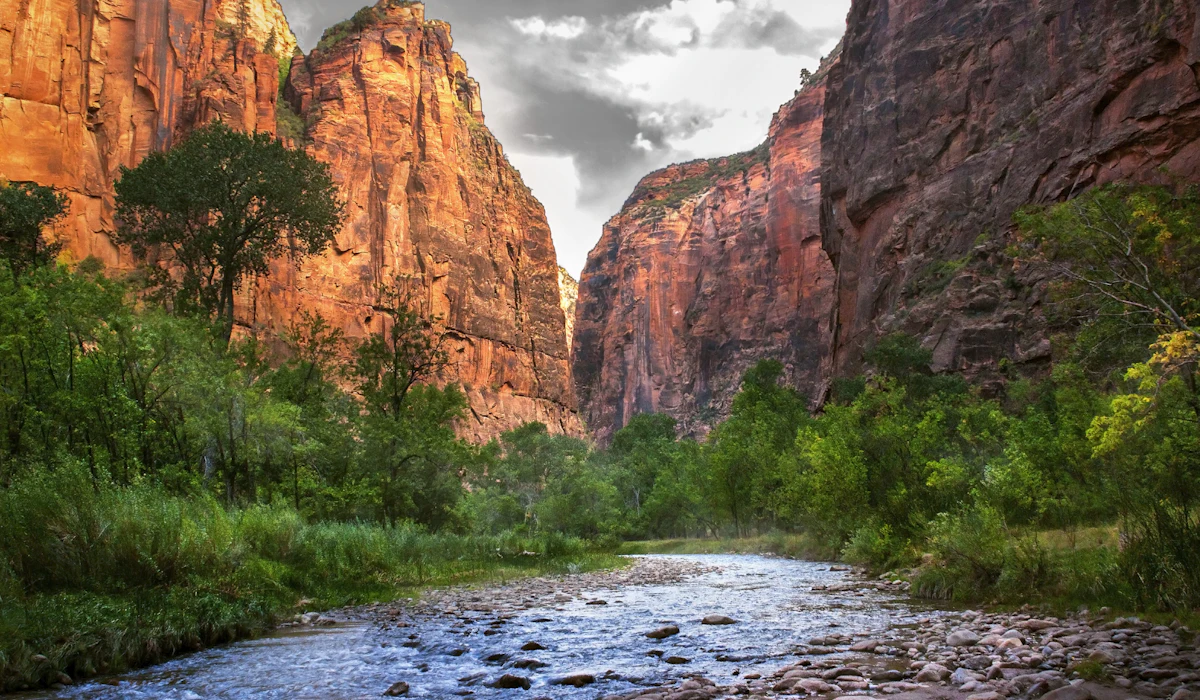
This hike through a river canyon in Zion National Park follows the river itself as a guide, requiring no formal trail navigation beyond wading upstream. Rental gear for water shoes and hiking poles is widely available independently near the park entrance.
Guided versions of this hike mainly add safety commentary about flash flood conditions, information also posted clearly at the trailhead and available from park rangers at no cost.
Angel’s Landing, Zion National Park
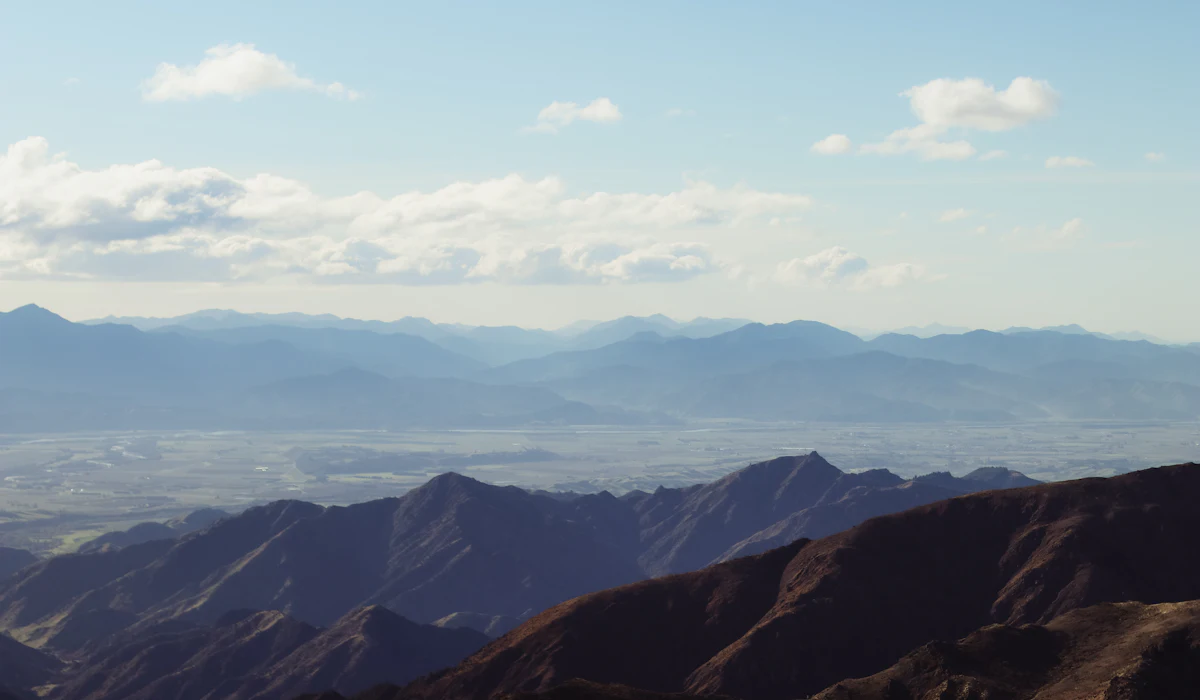
This dramatic ridge hike requires a permit, obtainable independently through the park’s own lottery system, and the trail itself, while exposed with chain-assisted sections, is clearly marked and heavily trafficked by solo hikers throughout the season. Rangers stationed near the most difficult sections provide safety guidance without a formal tour booking.
The trail’s chains and cable assists make technical hiking experience less necessary than the trail’s reputation might suggest.
Grand Canyon Rim Trail
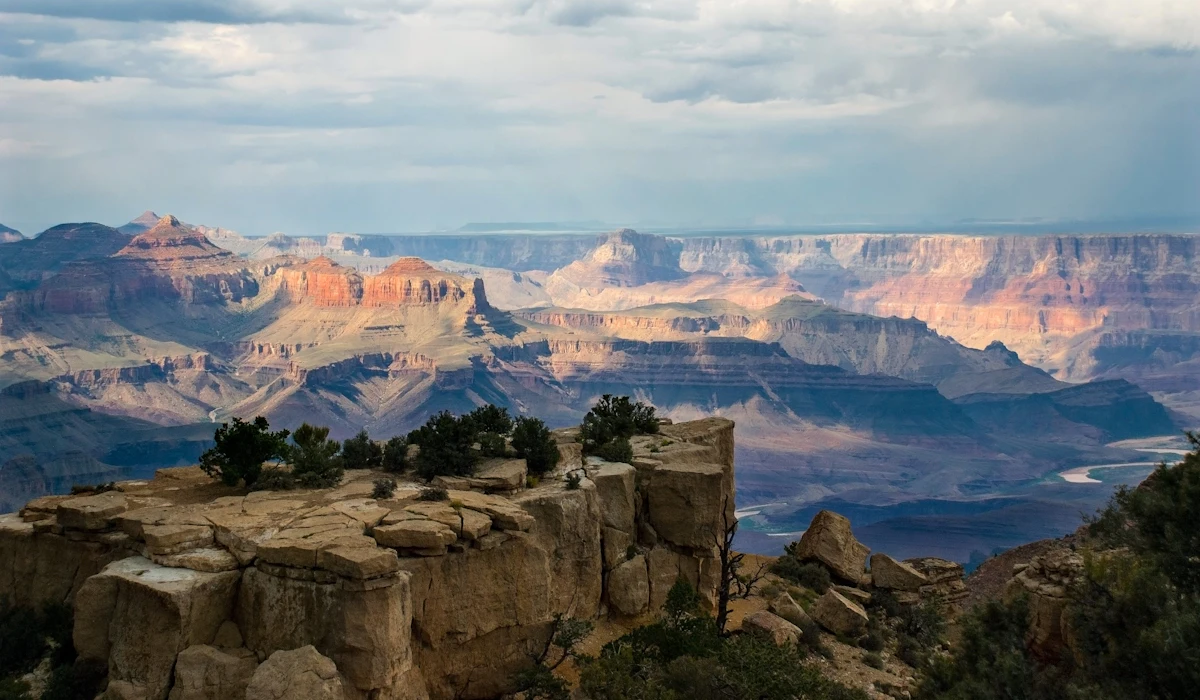
This mostly flat trail along the canyon’s South Rim is paved in sections and served by a free shuttle system, making it one of the more accessible hikes in any major national park without any guiding necessary. Interpretive signage along the route provides context typically covered by paid tour guides.
Locals and repeat visitors routinely walk long stretches of this trail independently using nothing more than the park’s free visitor map.
Yosemite Mist Trail
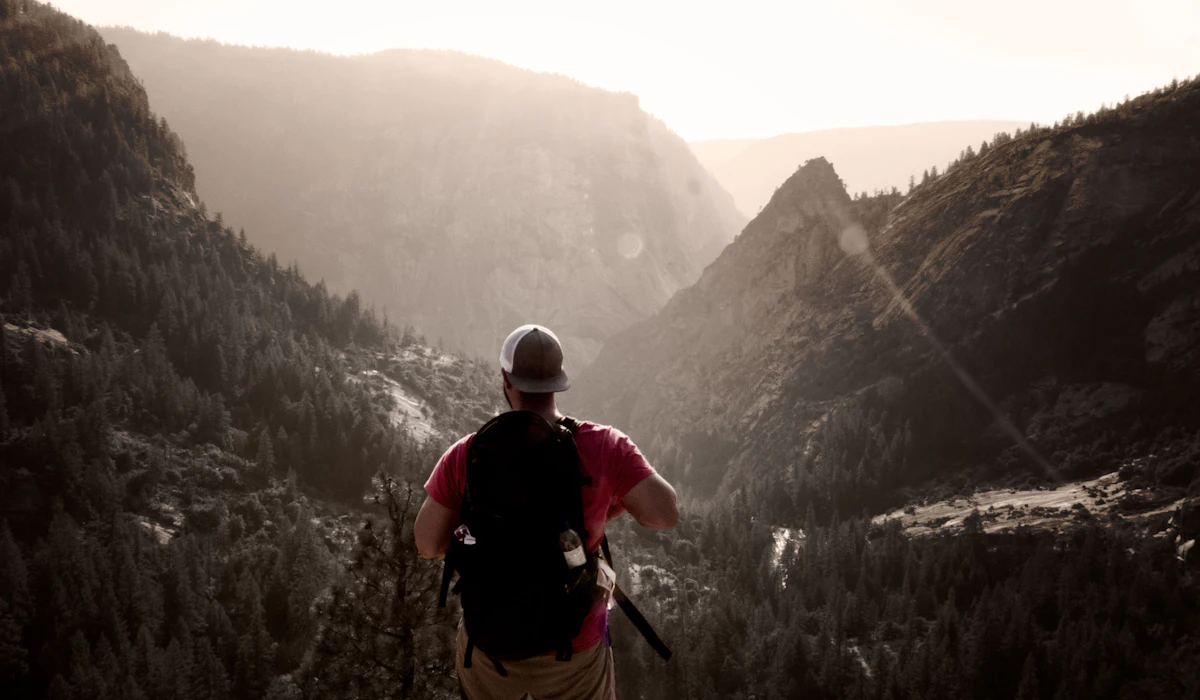
This heavily trafficked trail to Vernal and Nevada Falls is well maintained, clearly signed, and sees enough daily foot traffic that solo navigation poses little challenge for reasonably fit hikers. Water refill stations and restrooms along the route reduce the need for extensive independent planning.
Guided tour groups on this trail often move slower than independent hikers due to group size and mandatory rest stops.
Tongariro Alpine Crossing
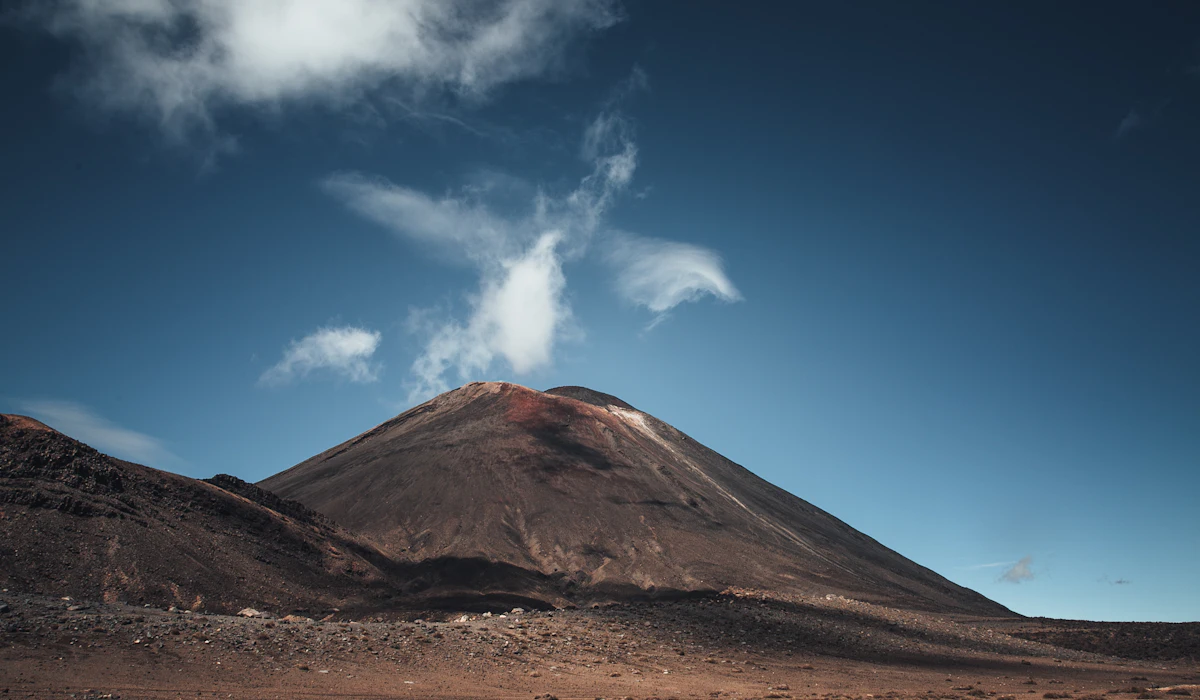
This popular volcanic crossing in New Zealand is extremely well marked and heavily trafficked during the hiking season, with shuttle services to and from trailheads available independently of any guided tour package. Weather and trail condition updates are posted publicly by the park service and don’t require a guide to access.
Experienced hikers frequently complete this crossing solo, reserving guided options mainly for those seeking additional geological commentary along the way.
Milford Track
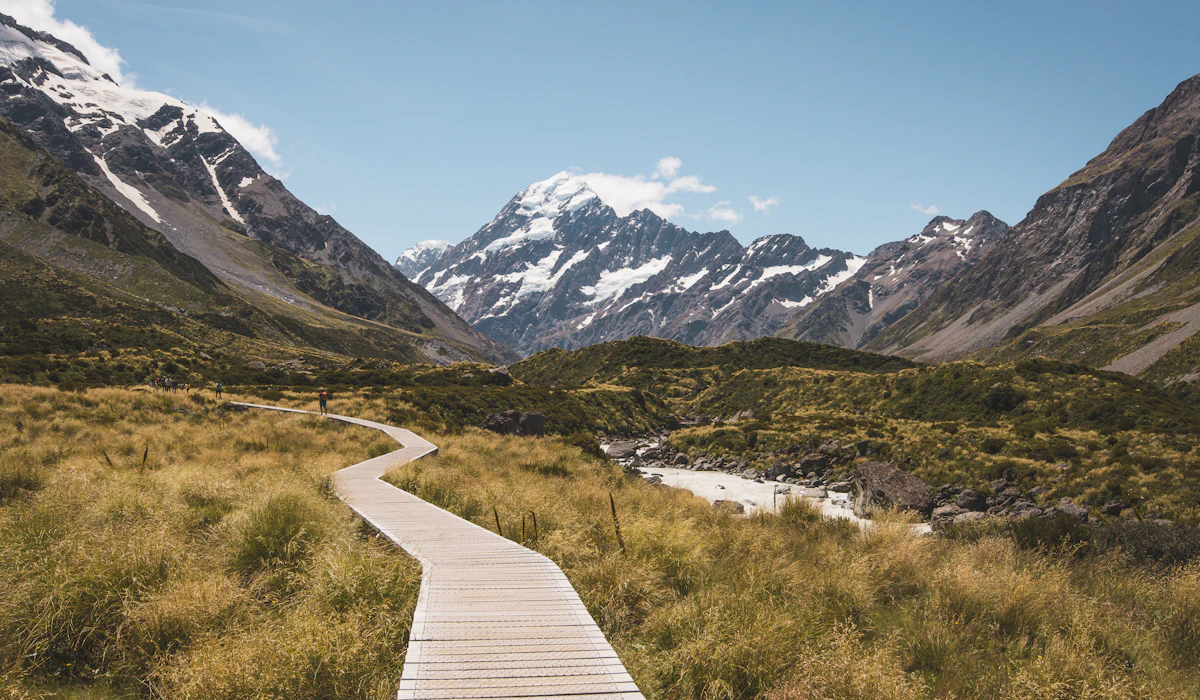
While regulated with a permit system during peak season, this famous New Zealand track can be walked independently by permit holders using well-maintained huts along the route, without requiring a commercial guided package. Independent hikers carry their own supplies and navigate using clearly marked trail signage between huts.
Guided versions of this track add porter services and lodge-style accommodations, a comfort upgrade rather than a navigational necessity.
Ben Nevis
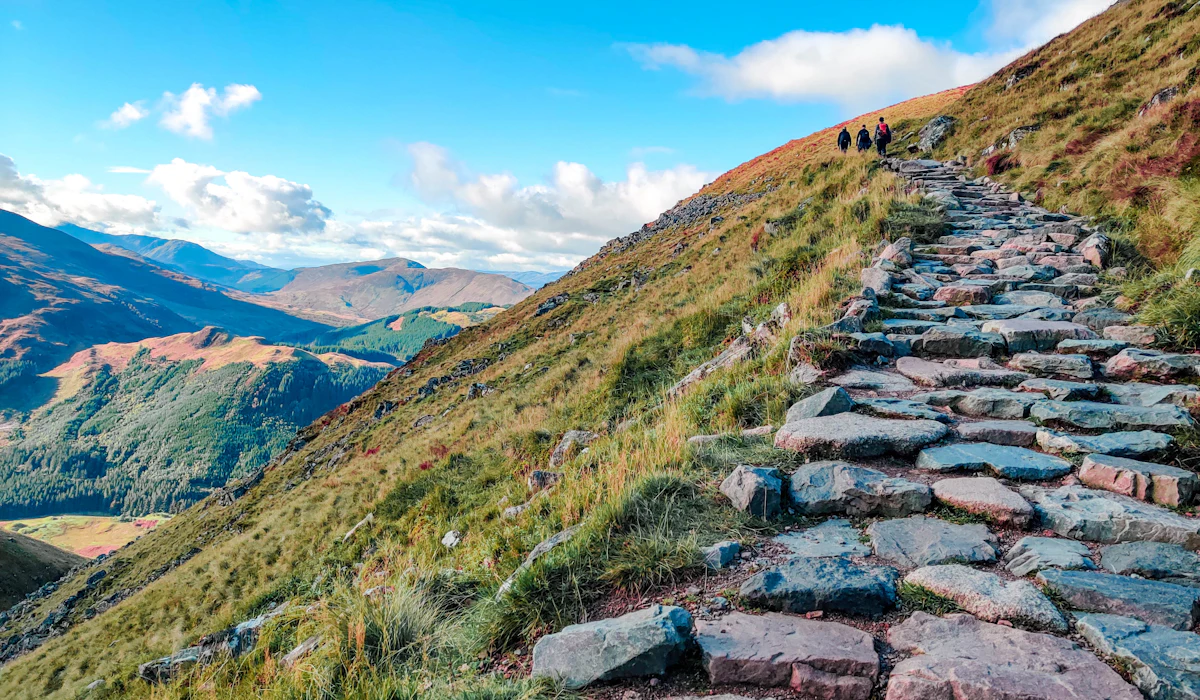
The main tourist path up the United Kingdom’s tallest peak is well trodden and clearly marked for most of its length, making it one of the more approachable major peaks for independent hikers with reasonable fitness and proper gear. Weather can change quickly near the summit, but this risk applies equally to guided and unguided groups and is best mitigated through checking forecasts rather than hiring a guide.
Locals frequently complete this hike independently as a regular fitness route rather than a special occasion.
Snowdon
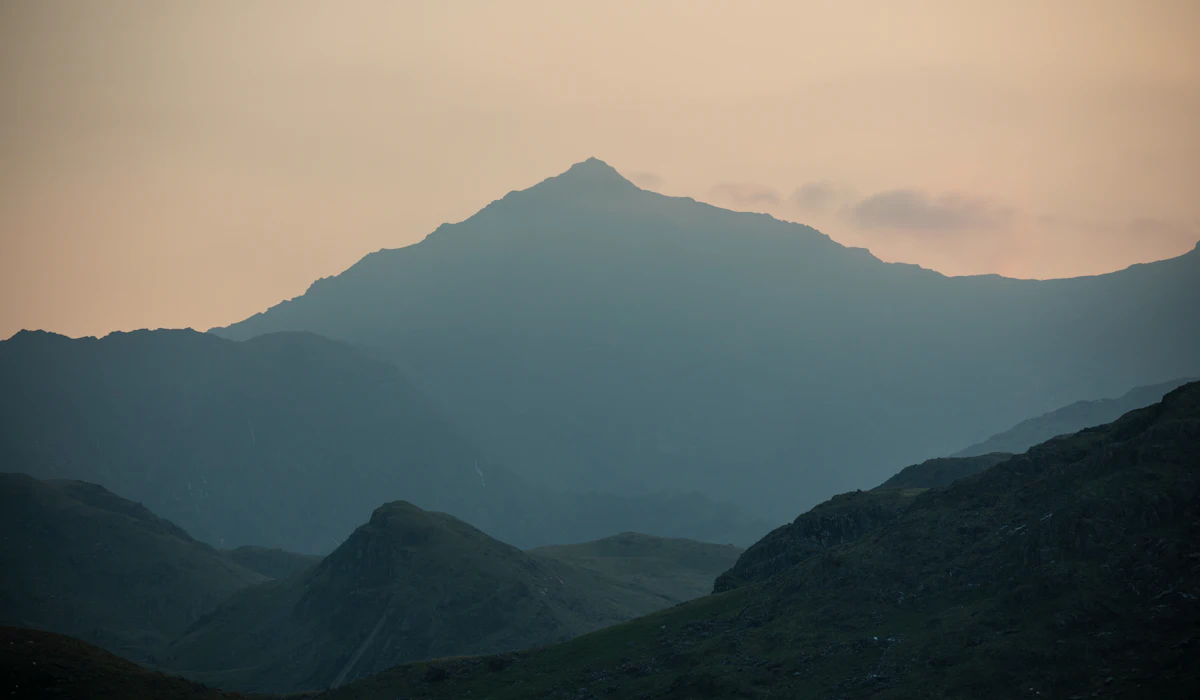
Several well-marked paths lead to the summit of this Welsh peak, with a mountain railway also available as a non-hiking alternative for reaching the top. Trail signage and mountain rescue information are posted clearly at each trailhead.
Guided group hikes here tend to move at a slower, more cautious pace than what confident independent hikers typically choose for themselves.
Cliffs of Moher Coastal Walk
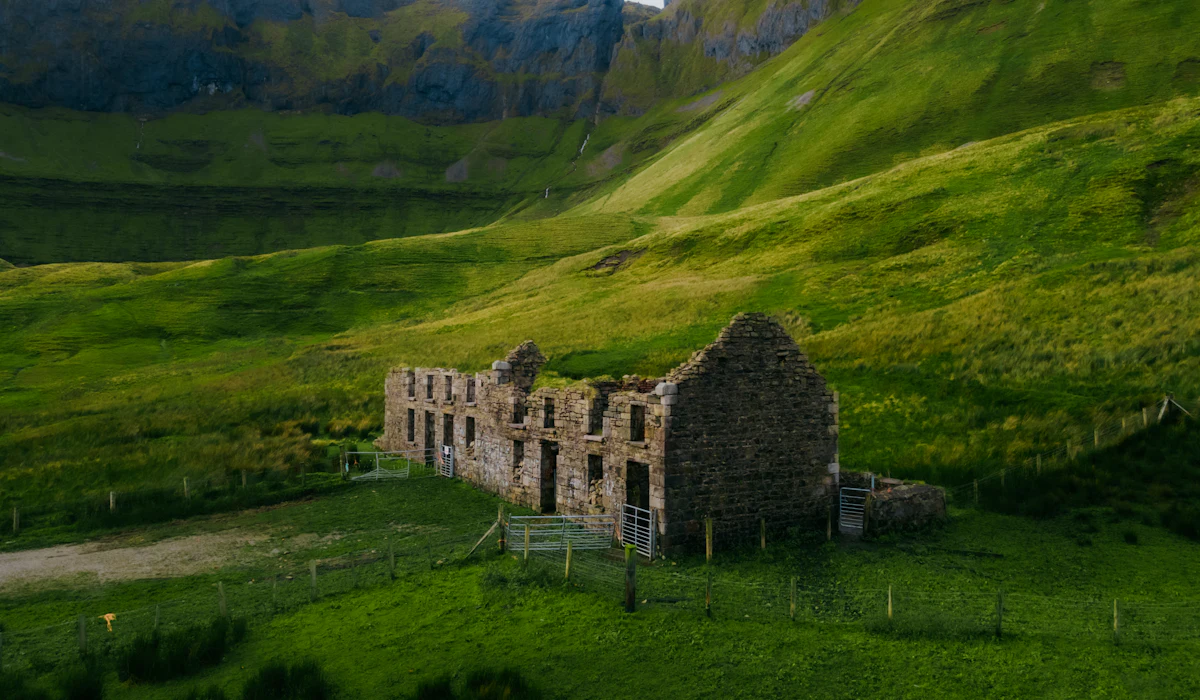
This clifftop trail in Ireland follows a well-defined path with safety barriers along the most exposed sections, making independent walking straightforward for visitors of most fitness levels. Visitor center exhibits provide geological and historical context free of charge to anyone who purchases the standard parking or entry ticket.
Guided walking tours here primarily add storytelling and folklore commentary rather than any navigational assistance.
Table Mountain
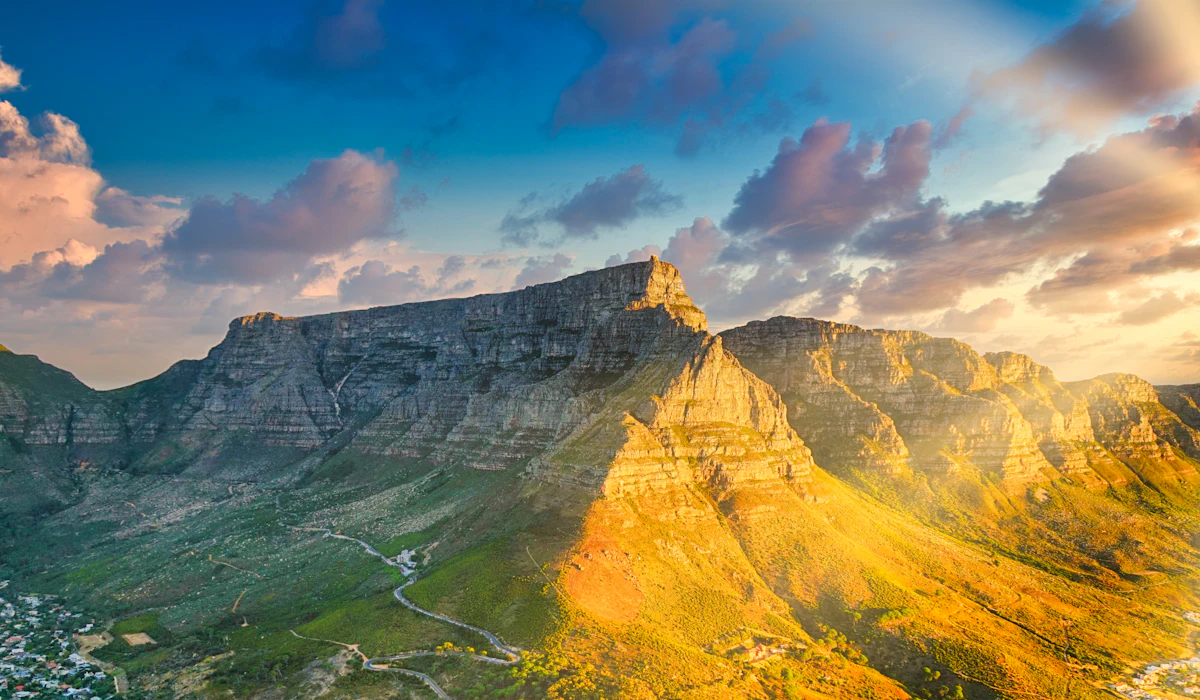
Several well-marked trails lead up this iconic peak above Cape Town, and a cable car offers a non-hiking alternative to the summit for those preferring not to walk at all. Trail maps are available for free at the mountain’s base, and the most popular routes see heavy independent foot traffic throughout the year.
Local hiking clubs often organize free group hikes up less-traveled routes, offering a social alternative to a paid guide service.
Huangshan
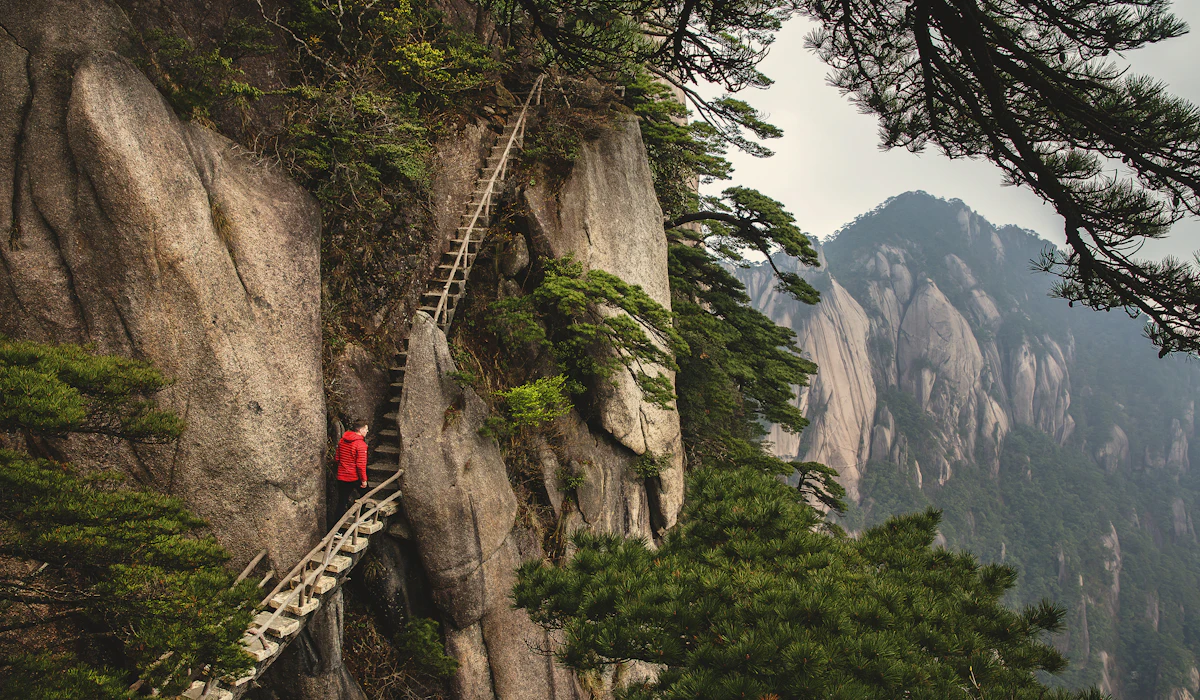
This mountain range in China features an extensive network of stone-paved steps and clearly marked trails connecting scenic viewpoints, with a cable car option available for those wanting to skip the steepest sections. Signage throughout the mountain is comprehensive enough that independent navigation poses little challenge.
Guided tours here mainly add narrative context about specific rock formations rather than any wayfinding necessity.
Mount Fuji Fifth Station Trail
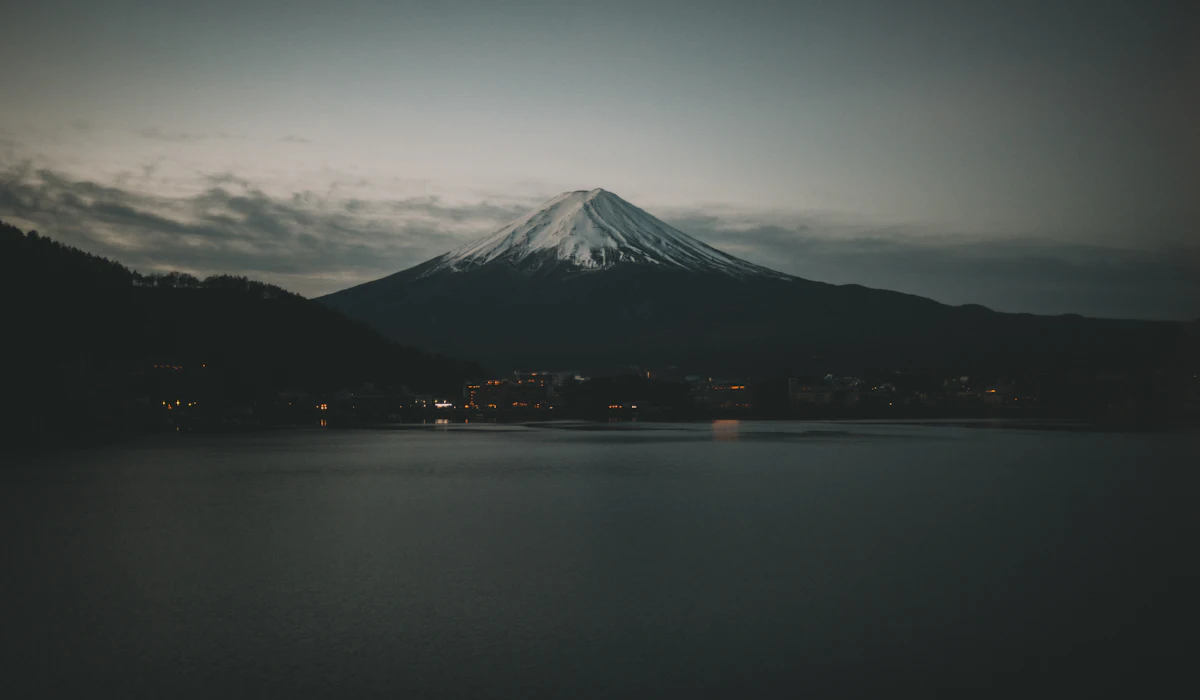
The most commonly climbed route up Japan’s tallest peak, starting from the fifth station, is well marked and equipped with mountain huts offering food, rest, and informal guidance along the way. Trail congestion during peak climbing season means independent hikers rarely find themselves navigating alone in any meaningful sense.
Weather and altitude information is posted clearly at trailheads and mountain huts without requiring a paid guide to access.
Blue Mountains Three Sisters Walk
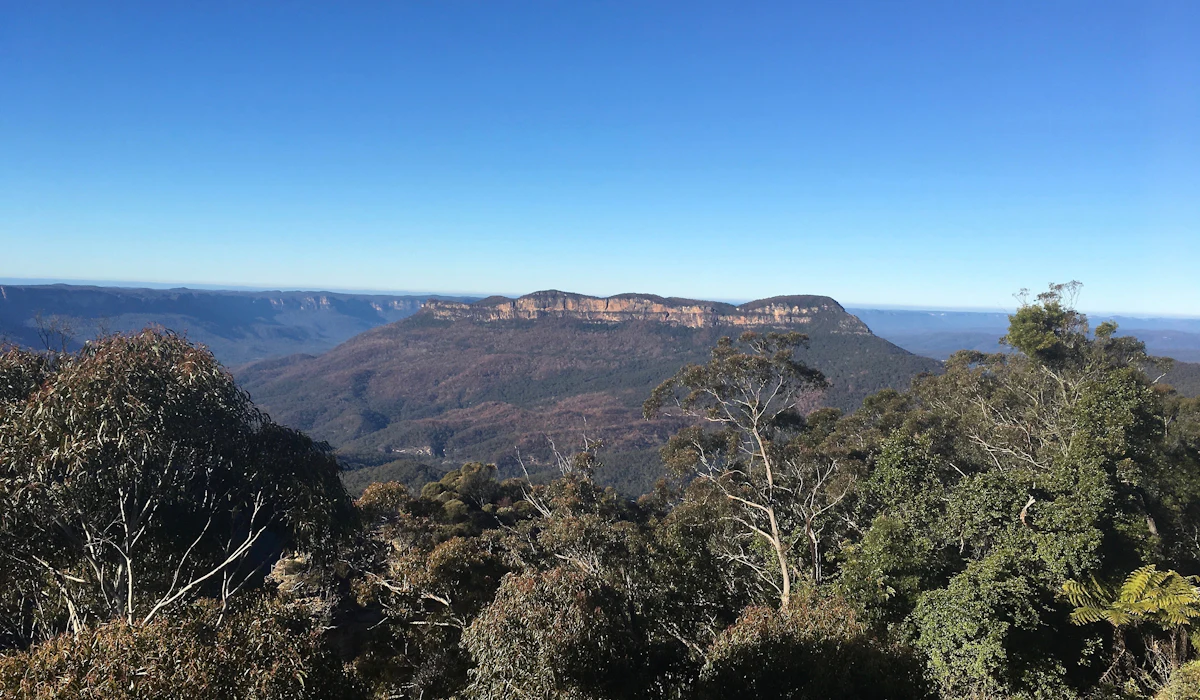
This popular walking trail near the iconic rock formation outside Sydney is paved in sections and well signed throughout, making independent navigation straightforward for visitors of most fitness levels. Visitor center displays provide geological and cultural context at no charge beyond standard park entry.
Guided walks here tend to appeal more to visitors seeking storytelling than to those simply wanting to see the formation and walk the trail.
Great Ocean Walk Section
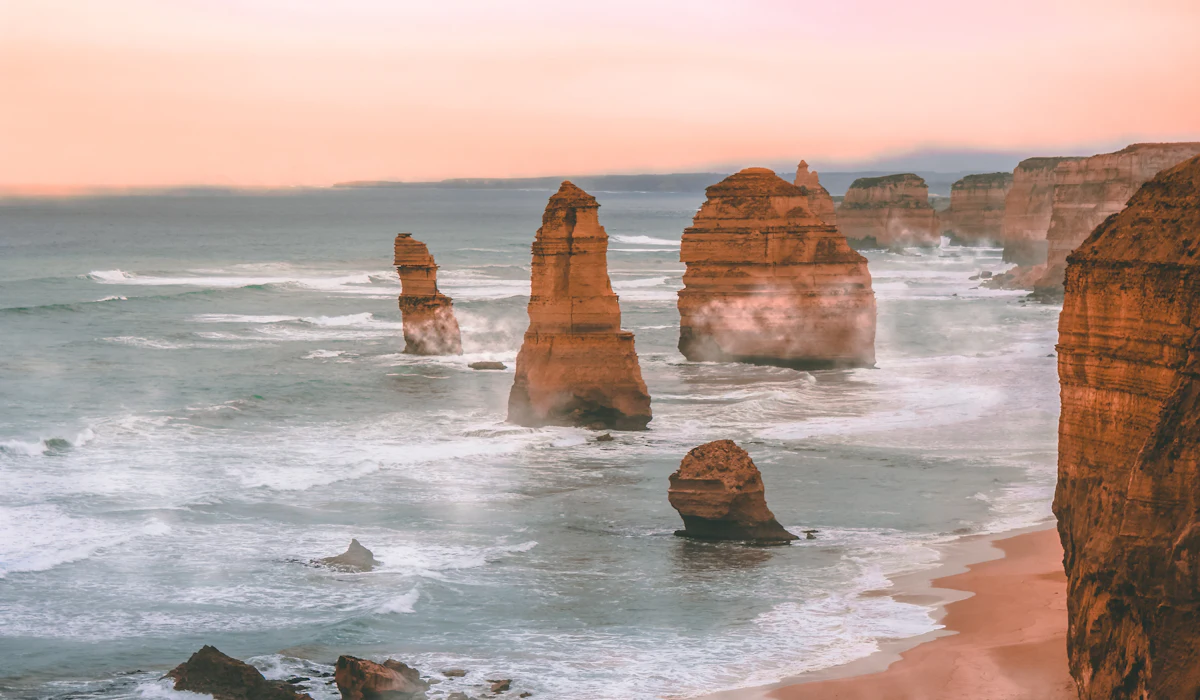
Shorter sections of this long-distance trail along Australia’s southern coast, particularly near the Twelve Apostles rock formations, are well marked and easily walked independently using free trail maps available at visitor centers. Longer multi-day sections of the full walk carry more legitimate logistical complexity than these shorter, accessible day sections.
Local shuttle services connect trailheads without requiring a bundled guided tour package.
Routeburn Track Day Section
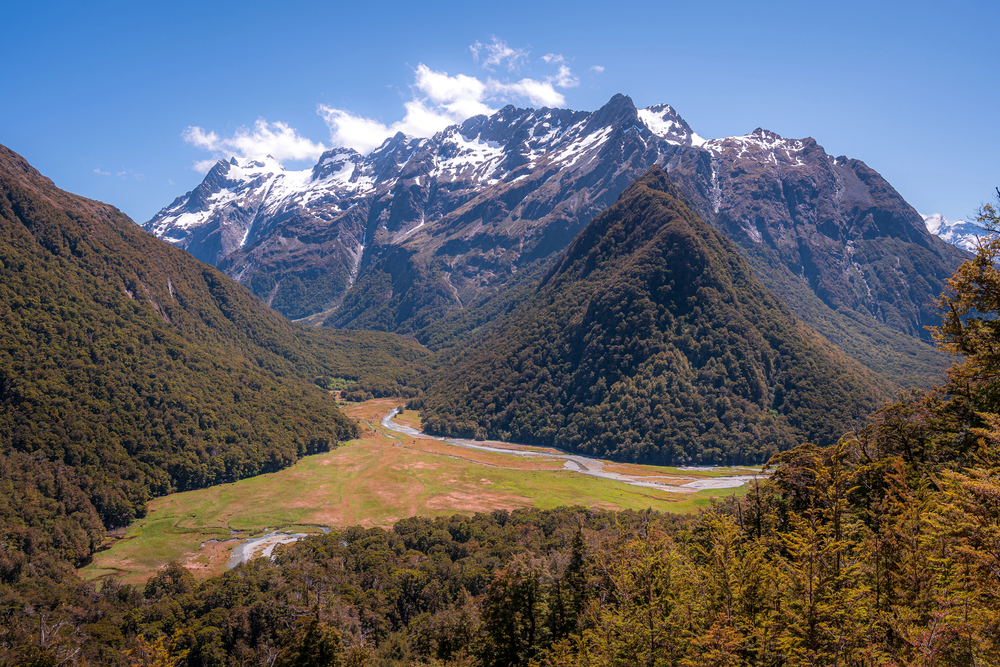
The most accessible day-hike portions of this famous New Zealand track are well maintained and clearly signed, allowing independent hikers to experience significant scenery without committing to the full multi-day guided version. Hut wardens along the full track provide safety information and updates without a formal guide requirement for day sections.
The full guided multi-day package adds meaningful value primarily for the overnight lodging logistics rather than the daytime navigation itself.
Camino de Santiago Day Segment
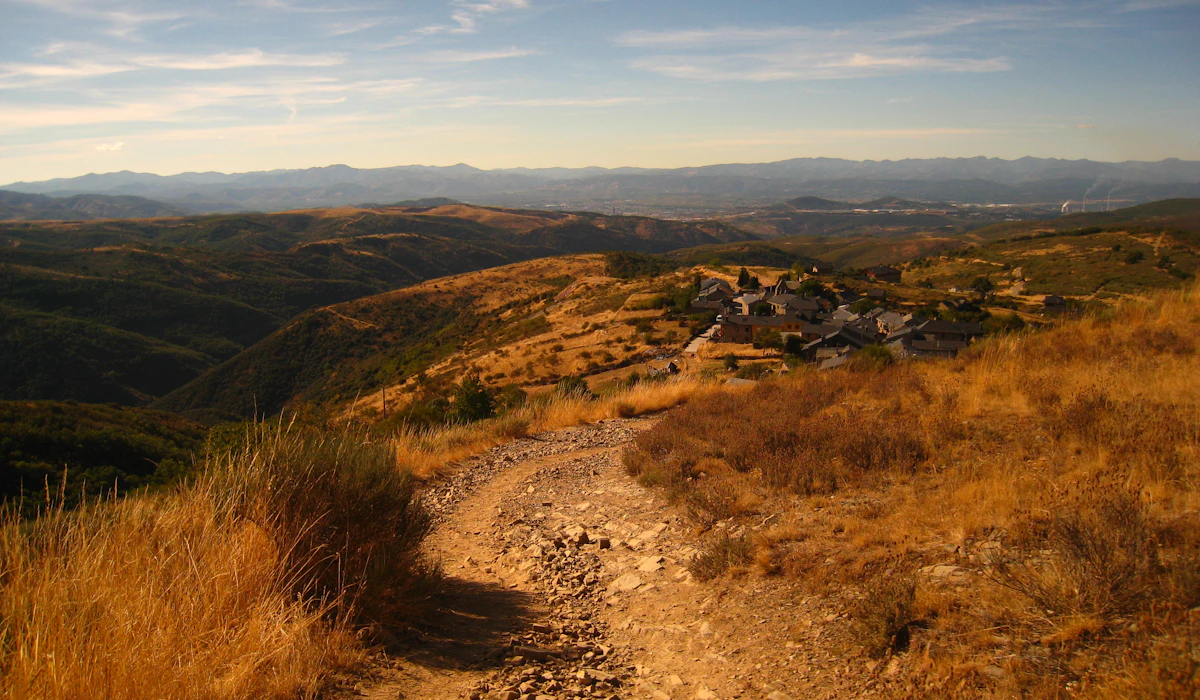
Individual day segments of this long pilgrimage route across Spain are extensively marked with yellow arrows and scallop shell signage maintained specifically to guide independent walkers without any need for a formal guide. Albergues along the route offer lodging and informal information exchange among pilgrims.
Guided group tours covering single-day segments tend to appeal more to those seeking companionship on the walk than to anyone needing help finding the way.
Half Dome Day Hike
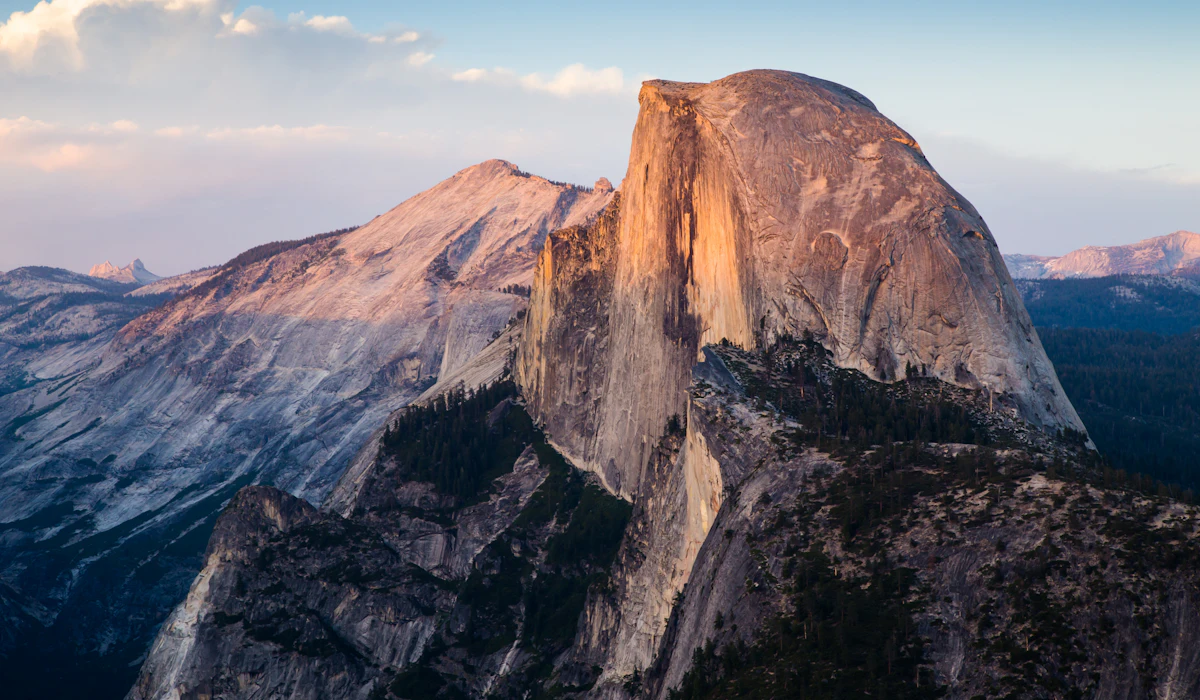
This strenuous Yosemite hike requires a permit obtainable independently through the park’s lottery system, and the trail itself, while demanding, is clearly marked with cable assists installed on the final steep pitch. Rangers along the route provide safety guidance without requiring a commercial tour booking.
Independent hikers with reasonable fitness and proper planning complete this hike regularly without any guiding service.
Bright Angel Trail, Grand Canyon
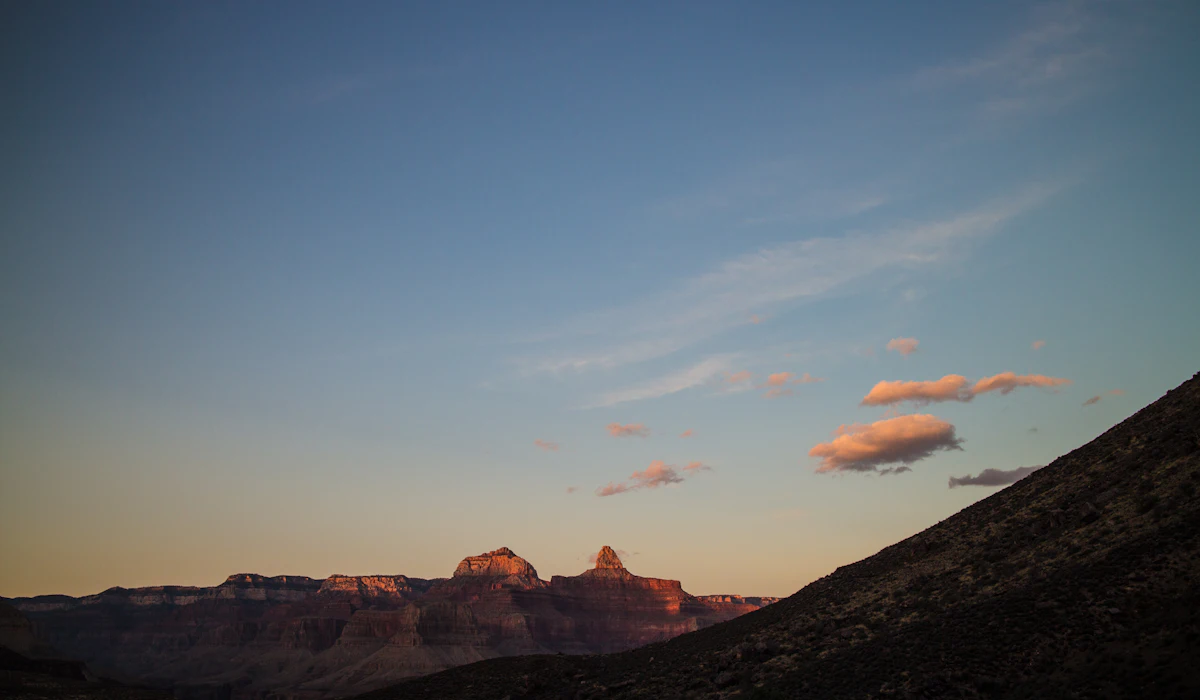
This well-maintained trail descending into the Grand Canyon features regular water stations, rest houses, and clear mile markers, making independent hiking straightforward for those who plan appropriately around heat and elevation change. Park rangers stationed along the route provide safety checks and information without requiring a paid tour.
Local hikers frequently use this trail for training runs and day hikes without any guide involvement at all.
Skaftafell Glacier Trail
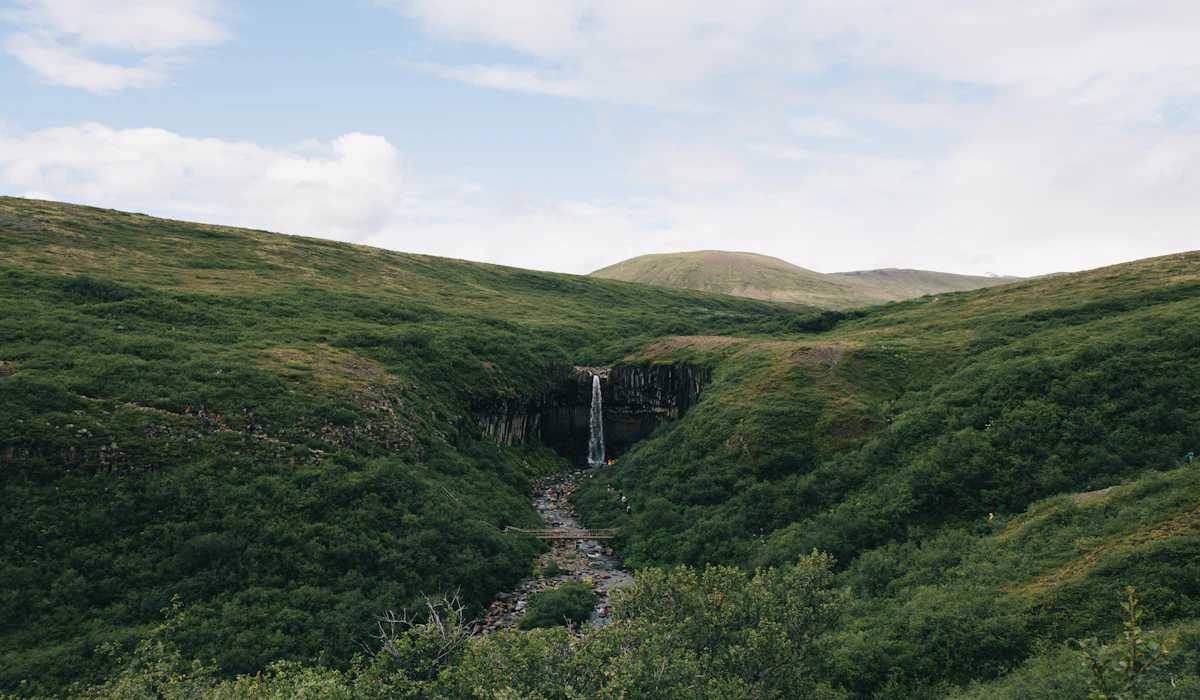
The approach trail to the glacier viewpoint within this Icelandic park is well marked and doesn’t require any technical skill or guide, unlike actually walking onto the ice itself, which does carry legitimate safety reasons for guided access. Visitors hoping simply to view and photograph the glacier from a safe distance can do so independently using the park’s marked trail.
The genuine need for a guide here applies specifically to ice travel rather than the approach hike most visitors actually complete.
Preikestolen, Norway
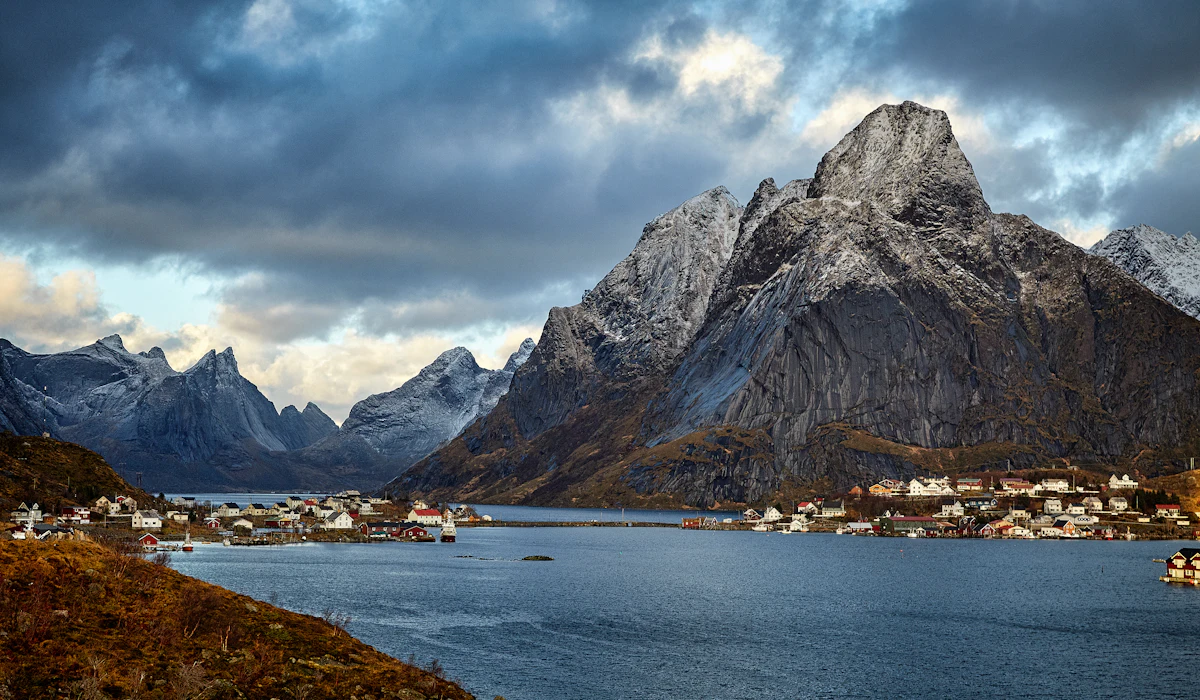
This hike to the famous cliff plateau overlooking a Norwegian fjord follows a well-marked, heavily trafficked trail maintained specifically to handle high visitor volume. Trail condition updates and safety information are posted publicly and updated regularly without requiring a paid guide.
Independent hikers make up the significant majority of visitors reaching this viewpoint each season, reflecting how little navigational difficulty the route actually presents.
What the Guide Fee Actually Covers
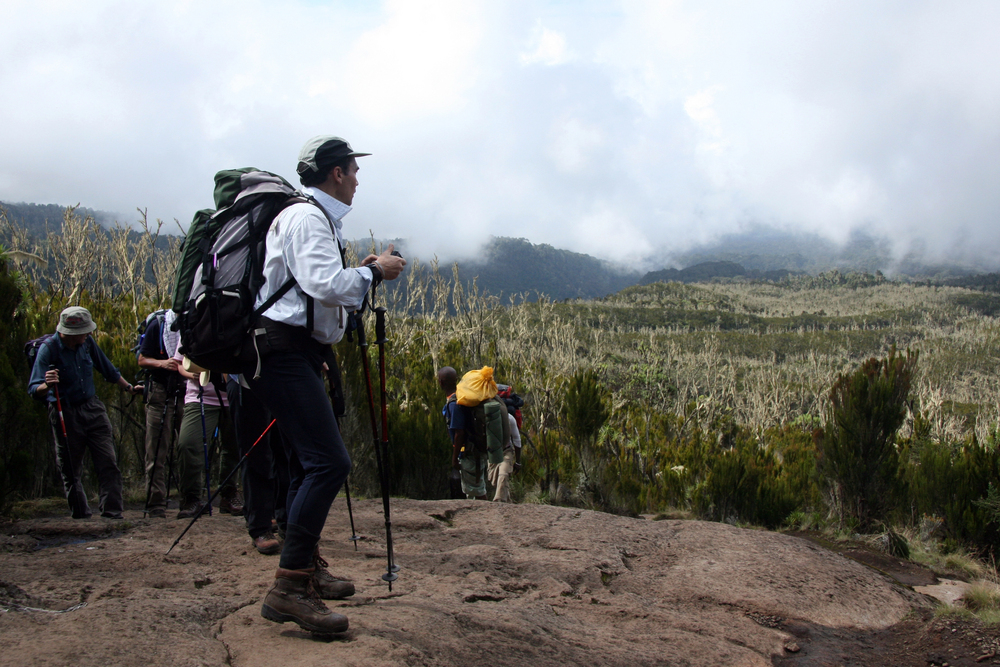
A trail doesn’t become more difficult just because a fee gets attached to walking it, and most of the hikes on this list were never technical enough to require professional navigation in the first place. What a guide is often really selling is the psychological comfort of not being the one responsible for reading the map, which is a legitimate thing to want but a different thing entirely from needing it.
Locals figured this out mostly by walking the trail once, realizing the signage did most of the work, and never booking the guided version again. That’s not a secret so much as a habit anyone can pick up with a decent map and a reasonable respect for the weather.
More from Travel Pug

- Underrated Italian Towns That Beat the Tourist Crowds
- Las Vegas Tourist Traps to Skip
- Prettiest Towns in Every US State
- 18 passport-free countries for Americans
- Signs Your Cruise Is Not Worth The Cost
Like Travel Pug’s content? Follow us on MSN.