

Ask a first-time cruiser about a Caribbean port and you’ll usually hear about the beach. Ask someone on their tenth Caribbean sailing, and the answer gets more specific: which snorkeling spot, which rum shack, which tender line to avoid.
The ports below are the ones that keep showing up on repeat-cruiser shortlists, not because they’re the most photogenic on a brochure, but because they tend to hold up on the second and third visit.
Grand Cayman
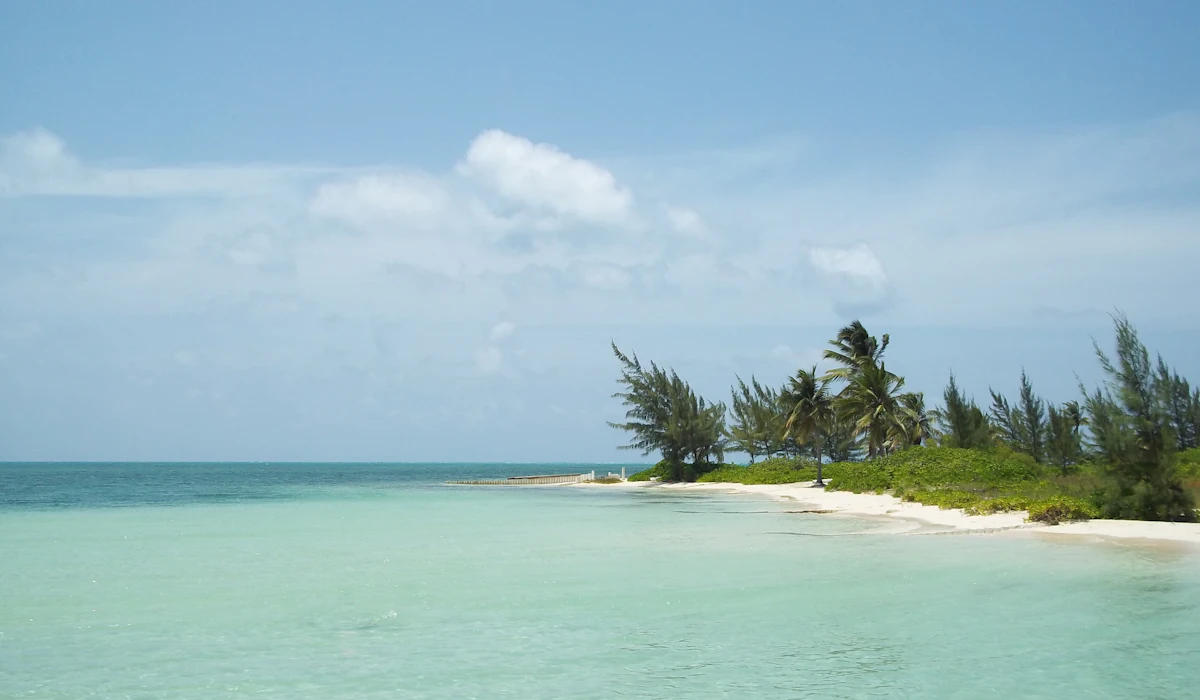
Grand Cayman’s Seven Mile Beach is one of the most consistently praised beaches in the Caribbean, and its status as a tender port, where ships anchor offshore rather than docking, hasn’t dented its popularity. Stingray City, a shallow sandbar where southern stingrays gather, remains one of the most requested shore excursions in the region.
The island’s currency is pegged to the US dollar, and widespread English makes it an easy port for independent exploration.
Cozumel
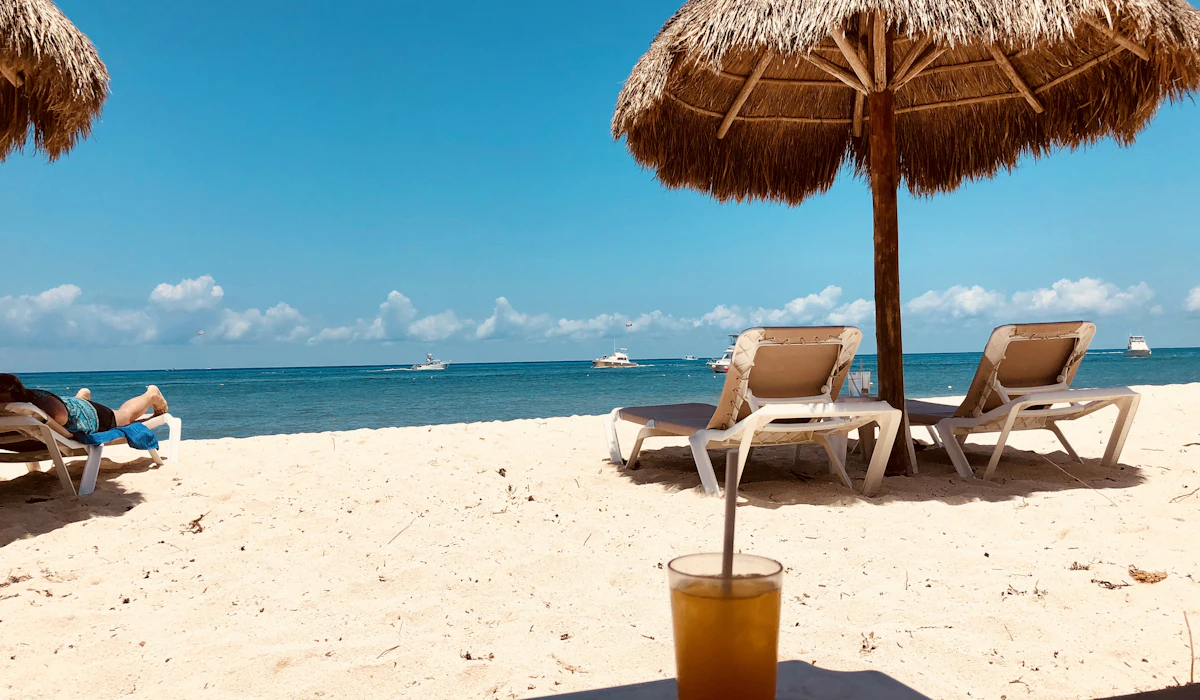
Cozumel sits along part of the Mesoamerican Barrier Reef, the second-largest barrier reef system in the world, making it one of the most consistently popular snorkeling and diving ports in the Caribbean. Palancar Reef, in particular, draws repeat visits from cruisers who dive rather than just snorkel.
The island’s proximity to mainland Yucatan also makes it a common jumping-off point for excursions to Mayan ruins at Tulum.
St. Thomas
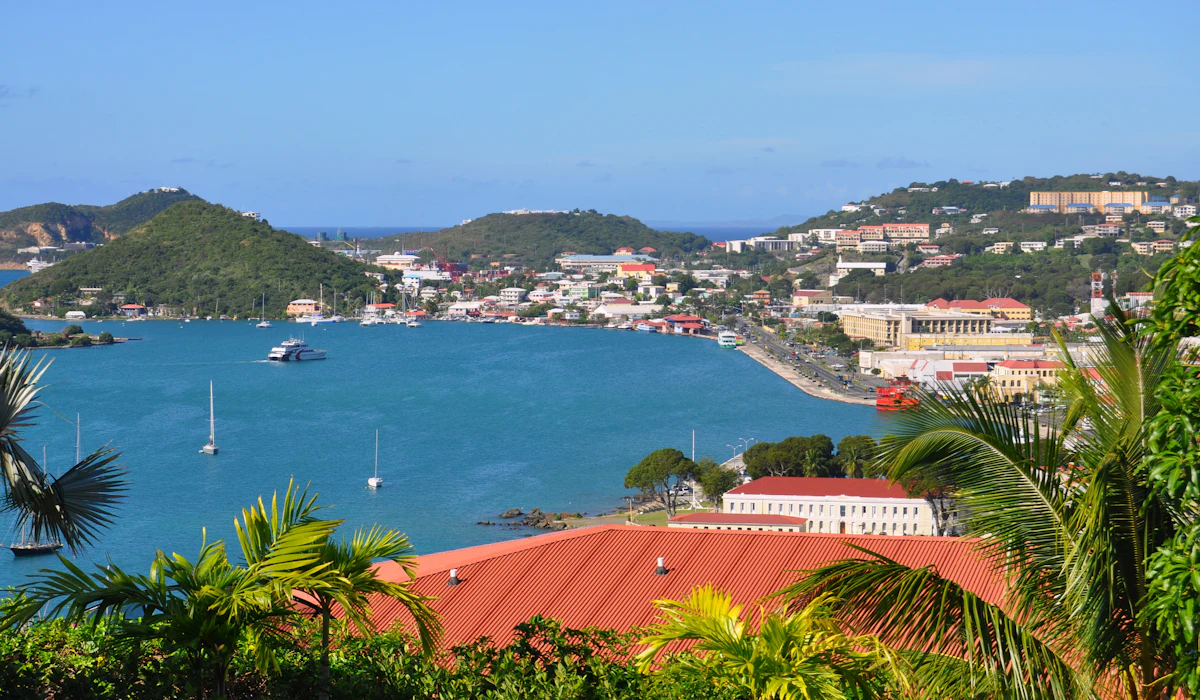
Charlotte Amalie’s duty-free shopping district has long made St. Thomas a reliable port for cruisers focused on jewelry and liquor purchases, but Magens Bay, regularly ranked among the Caribbean’s better beaches, gives the island a strong non-shopping draw as well.
As part of the U.S. Virgin Islands, St.
Thomas has different entry and documentation considerations from foreign Caribbean ports, although cruise requirements still depend on the itinerary and cruise line. Its harbor can get crowded on multi-ship days, which regulars often plan around by booking early excursions.
St. Maarten/St. Martin
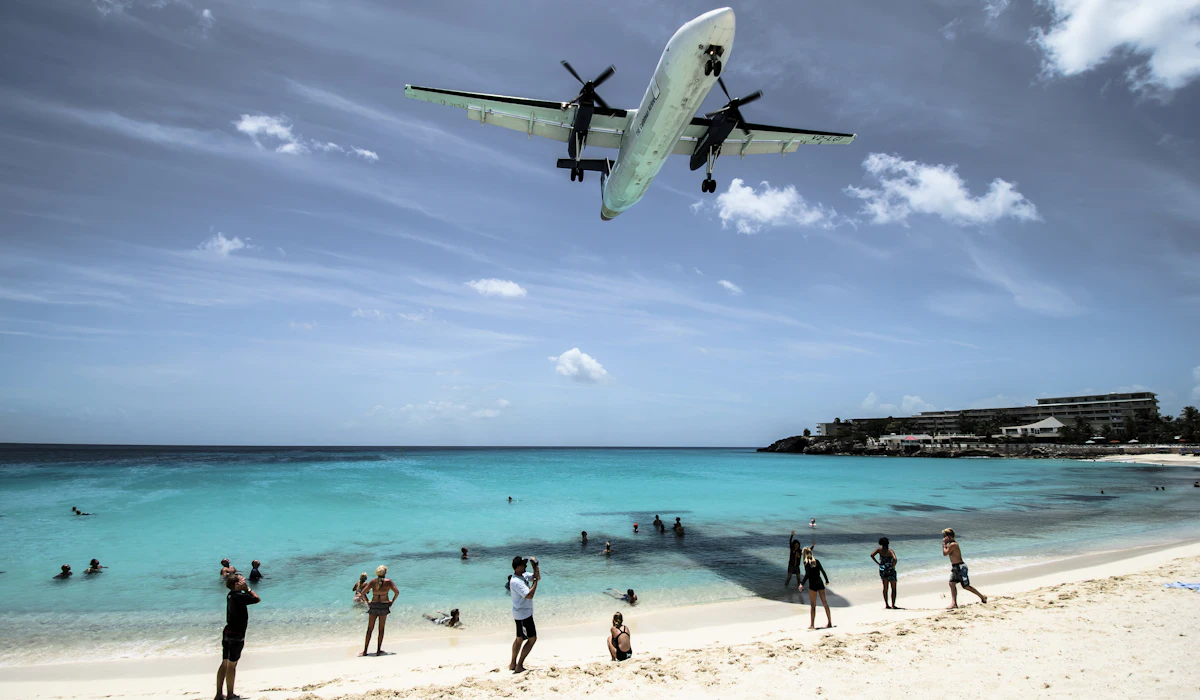
Split between Dutch and French administration, this island offers two distinct town experiences within a short taxi ride of each other, plus Maho Beach, known for its close proximity to the runway at Princess Juliana International Airport, where landing aircraft pass low overhead. The island’s dual identity gives repeat visitors a reason to alternate between the Dutch side’s casinos and the French side’s more relaxed beach and dining scene.
Nassau
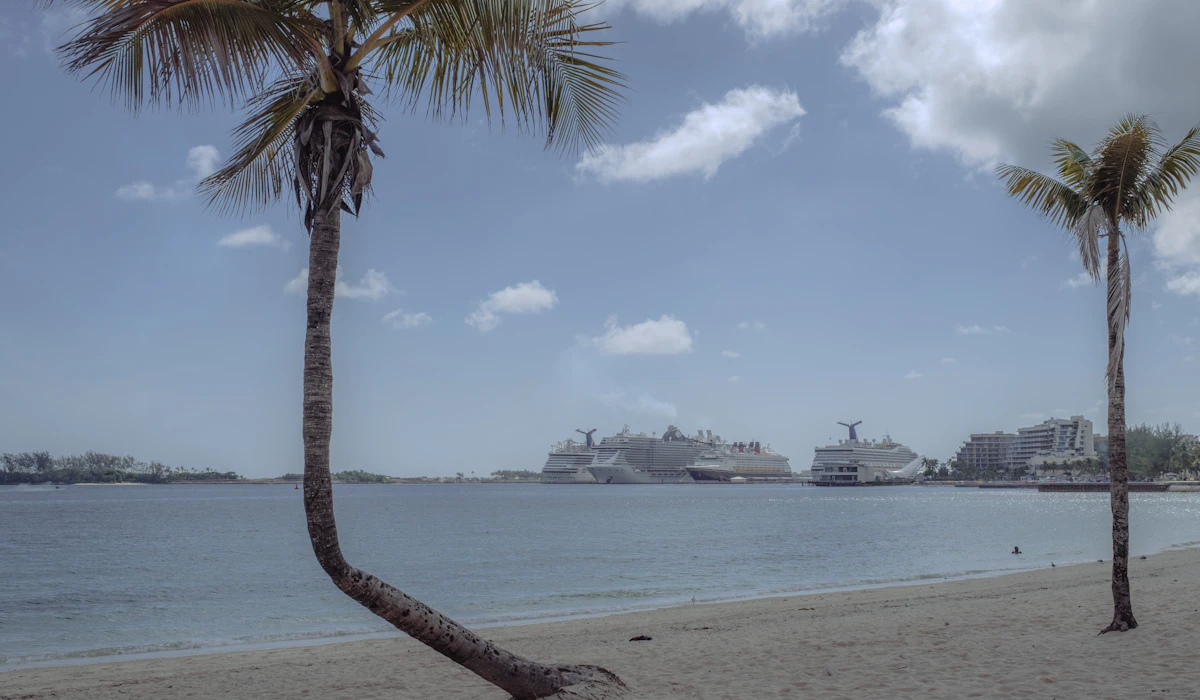
The Bahamian capital has a reputation among some cruisers as an overly commercial port, but Nassau’s Atlantis resort day-pass access, historic fort sites, and straw market give it enough range that regulars often return specifically for a particular activity rather than general sightseeing. Its short sailing distance from Florida also makes it a frequent stop on shorter three- and four-night itineraries.
San Juan
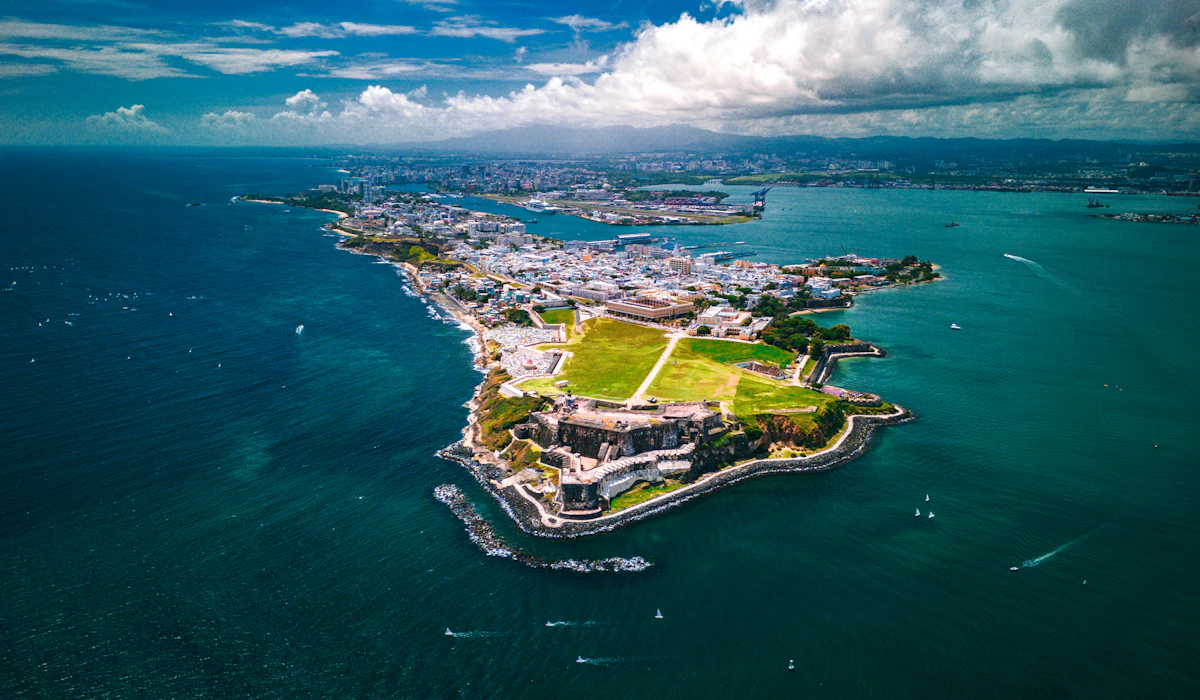
San Juan is unusual among Caribbean ports for functioning as both a home port and a stop, and Old San Juan’s Spanish colonial architecture and fortifications, including the Castillo San Felipe del Morro, give it more historical density within walking distance of the pier than most Caribbean towns. Its status as a US territory also means U.S. travelers encounter different documentation considerations than they do at foreign Caribbean ports.
Roatán
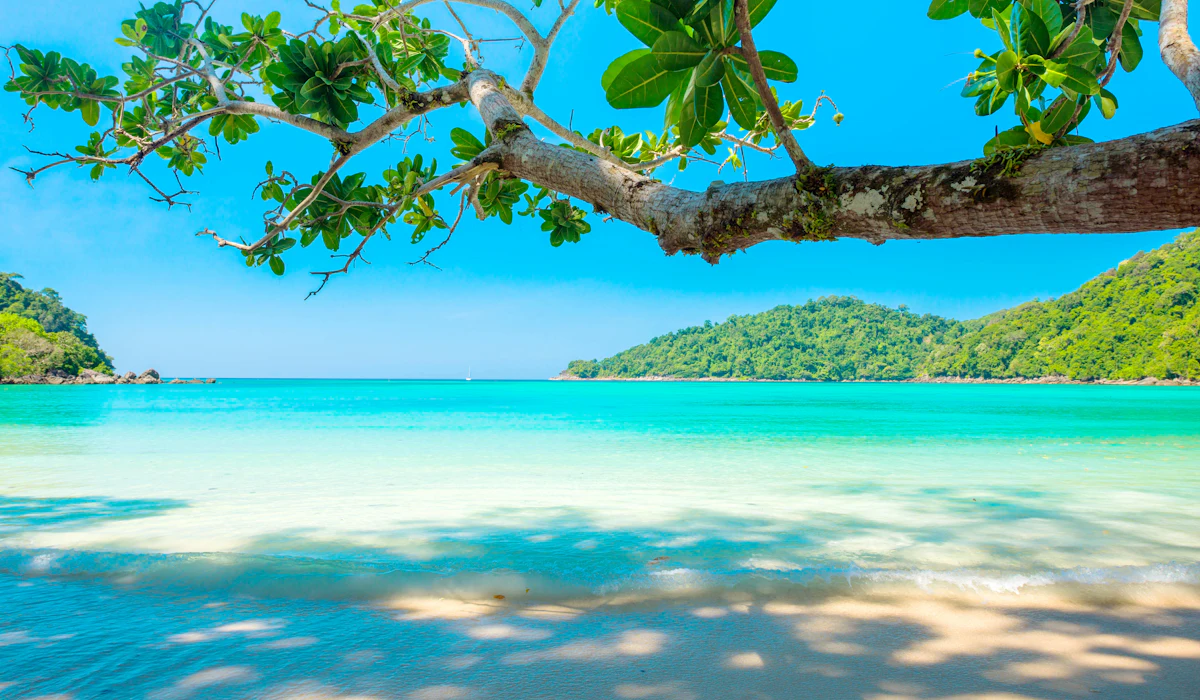
Part of Honduras’s Bay Islands, Roatán sits along the same barrier reef system as Cozumel and Belize, giving it strong diving and snorkeling credentials without Cozumel’s larger crowds. West Bay Beach is consistently ranked among the region’s better beaches, and the island’s zip-line and canopy tour circuit gives repeat visitors a non-beach option on return trips.
Costa Maya
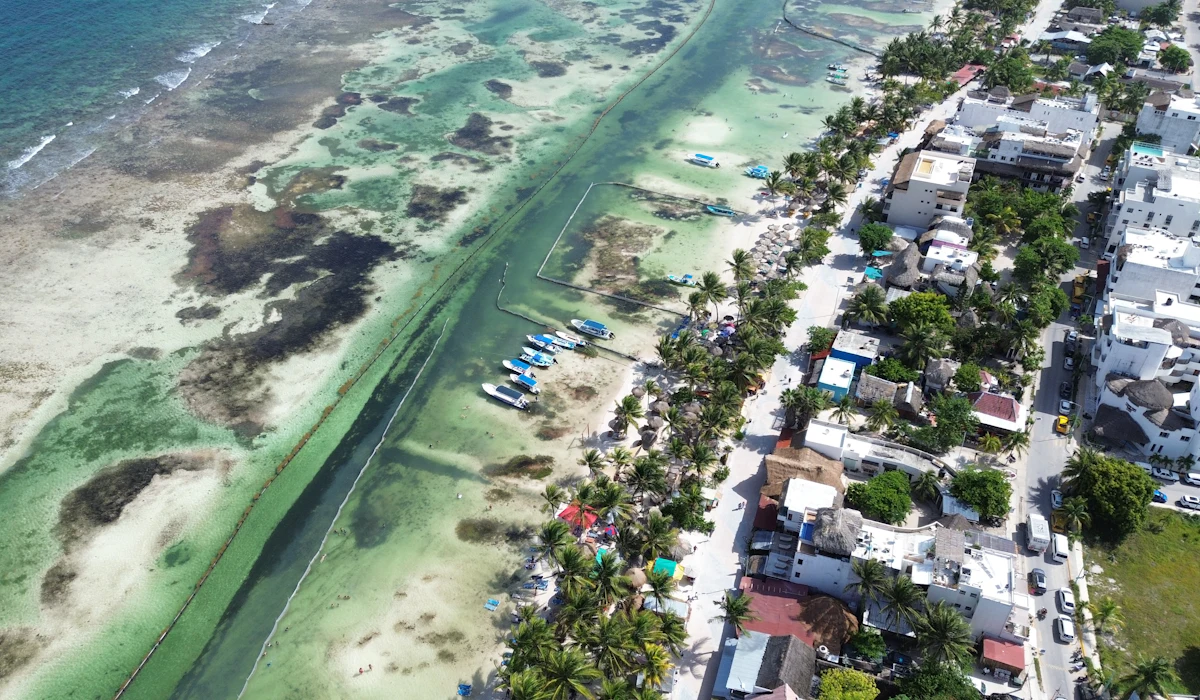
Built specifically as a cruise port rather than growing organically around an existing town, Costa Maya in Mexico’s Quintana Roo gives cruise lines access to Mayan ruins at Chacchoben and Kohunlich. Chacchoben is particularly convenient for cruise passengers, while Kohunlich is a considerably longer inland excursion.
The purpose-built pier complex also gives the port a very different feel from older Caribbean destinations.
Antigua
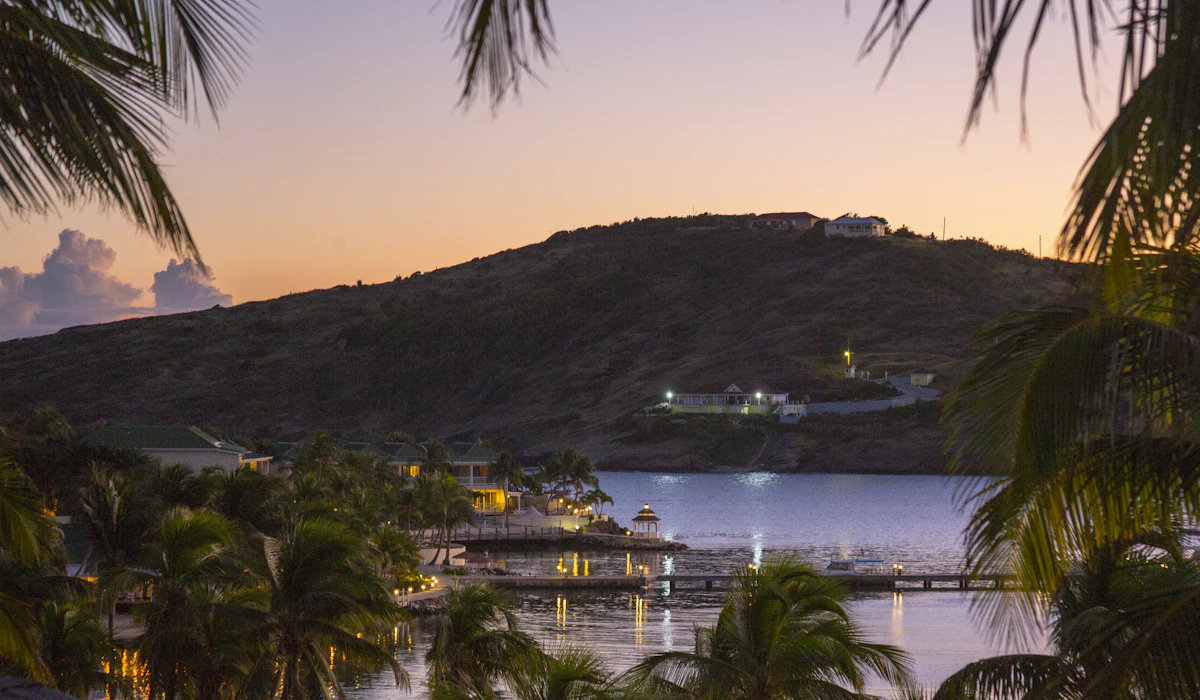
Antigua’s coastline is often described, with only modest exaggeration, as having a beach for every day of the year, giving it enough variety that repeat visitors rarely run out of new beach options. English Harbour, home to the restored Nelson’s Dockyard, adds a historical anchor point distinct from the beach-focused itinerary most cruisers follow elsewhere.
St. Lucia
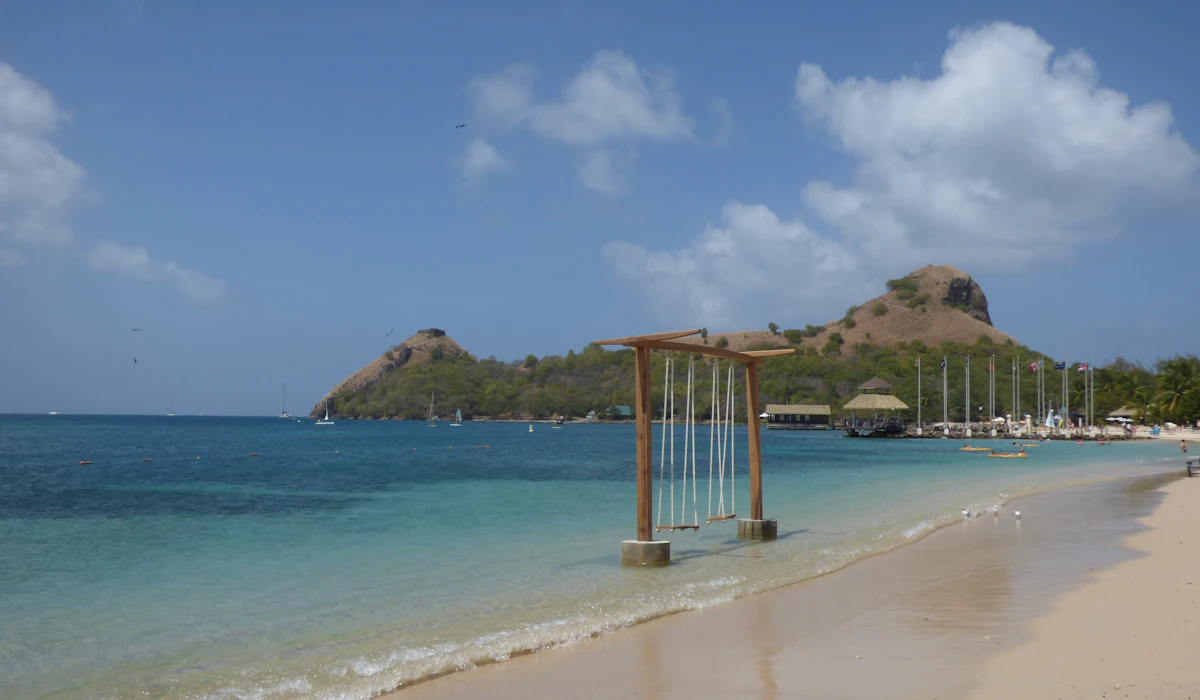
St. Lucia’s Pitons, twin volcanic peaks rising directly from the coastline, give the island one of the most recognizable skylines in the Caribbean, visible from several of the island’s beaches and hiking trails.
Sulphur Springs near Soufrière offers a drive-in volcano experience, and the island’s mountainous interior supports rainforest hikes that set it apart from flatter, beach-focused islands.
Barbados
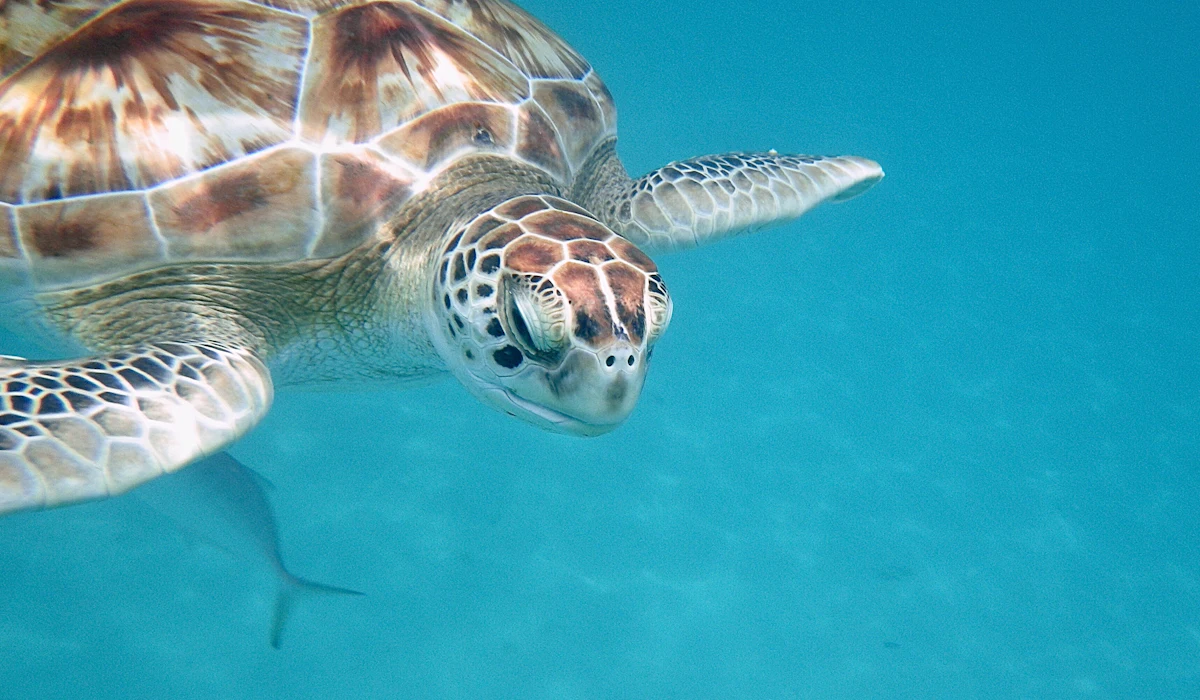
Barbados combines calm Caribbean-side beaches with a rougher Atlantic coast better suited to surfing, giving the island more coastal variety than its size would suggest. Harrison’s Cave, a crystallized limestone cavern accessible by tram, gives repeat cruisers an inland option distinct from the beach.
The island’s rum heritage, tied to some of the oldest rum producers in the Caribbean, also draws return visits from cruisers building a rum-focused itinerary across multiple islands.
Aruba
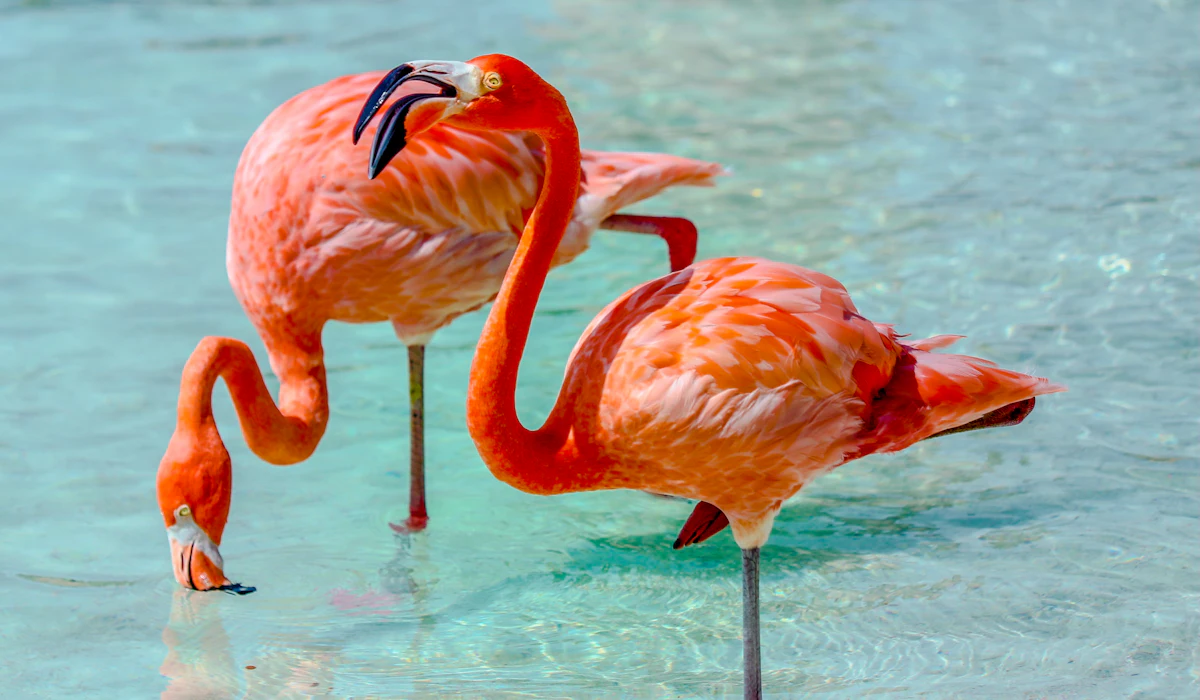
Aruba’s dry, cactus-studded landscape sets it apart visually from the lusher islands further south, and Eagle Beach regularly ranks among the top beaches in the Caribbean for its width and soft sand. The island sits outside the main hurricane belt, giving it a reputation for consistent weather that regulars specifically account for when booking during hurricane season.
Curaçao
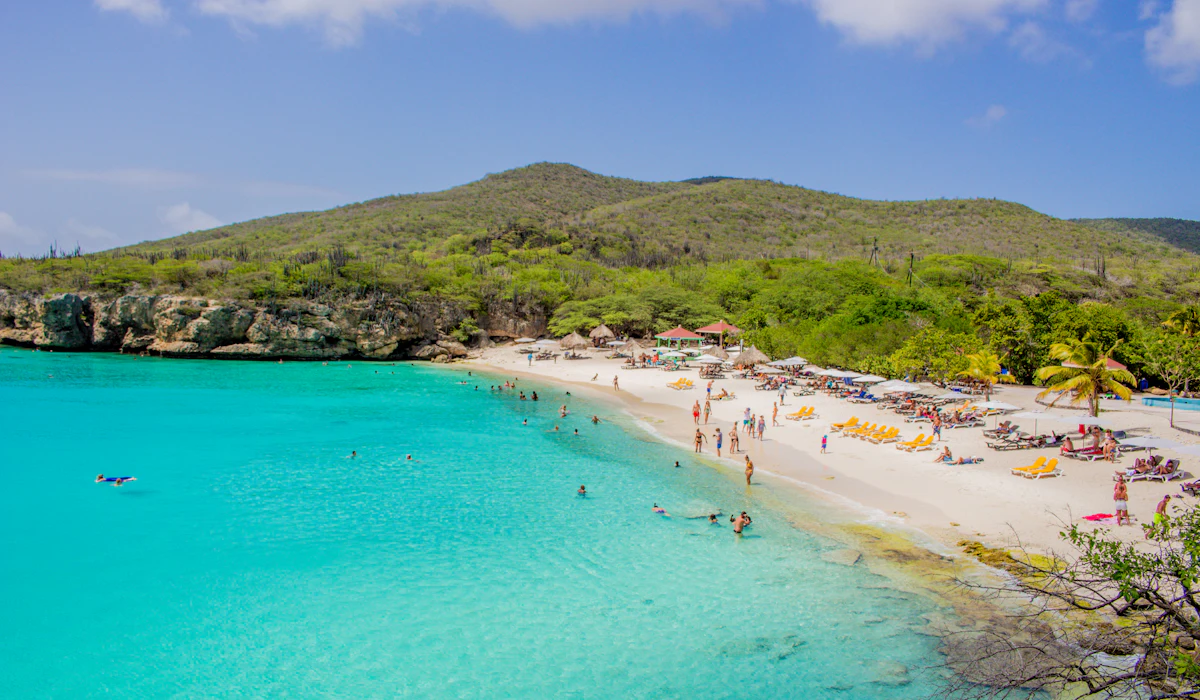
Curaçao’s capital, Willemstad, is known for its row of brightly painted Dutch colonial buildings along the Handelskade waterfront, one of the most photographed streetscapes in the southern Caribbean. The Queen Emma pontoon bridge, which swings open to let ships pass, adds a distinctive mechanical landmark to the harbor.
Its position outside the main hurricane belt, shared with Aruba and Bonaire, makes it a popular late-season stop.
Bonaire
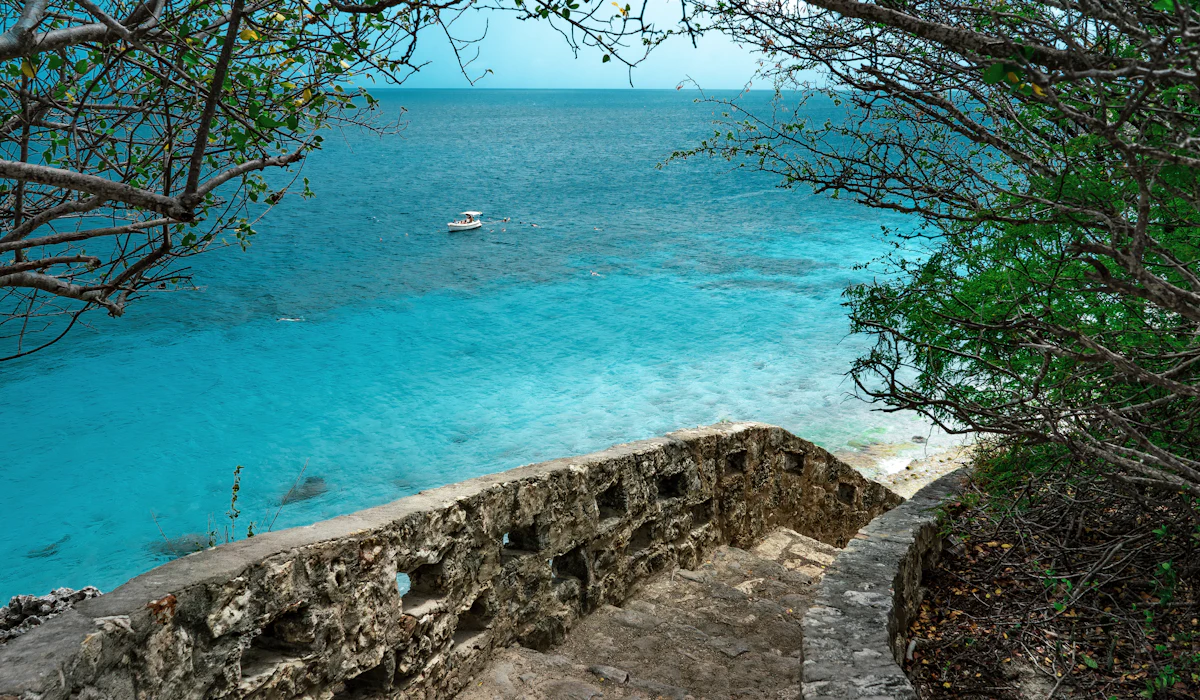
Bonaire markets itself explicitly around diving, with much of its coastline designated as a marine park and shore diving accessible directly from several beach points without a boat. It draws a noticeably different repeat crowd than the region’s shopping- or beach-focused ports, skewing toward certified divers who return specifically for the reef access.
Grand Turk
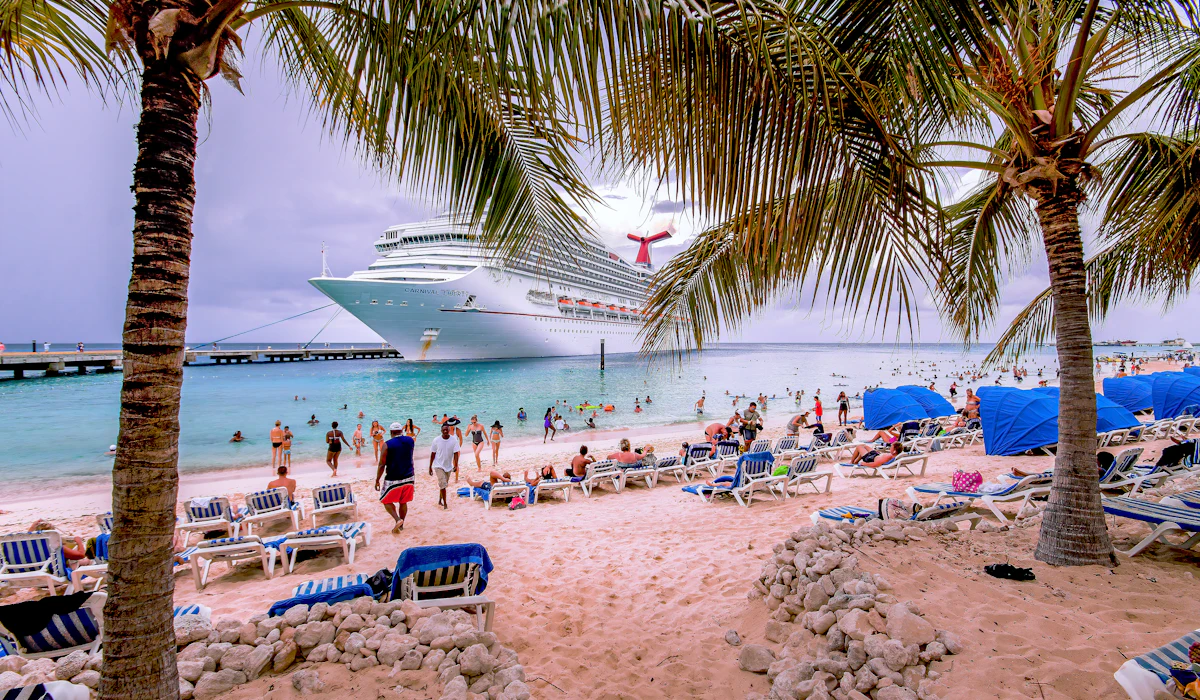
The smallest and least developed of the major Turks and Caicos islands to receive regular cruise traffic, Grand Turk offers a reef wall close enough to shore for snorkeling directly from the beach adjacent to the cruise terminal. Its lower population and development density give it a quieter feel than several of the larger ports on this list, which regulars often cite as the reason they return.
St. Kitts
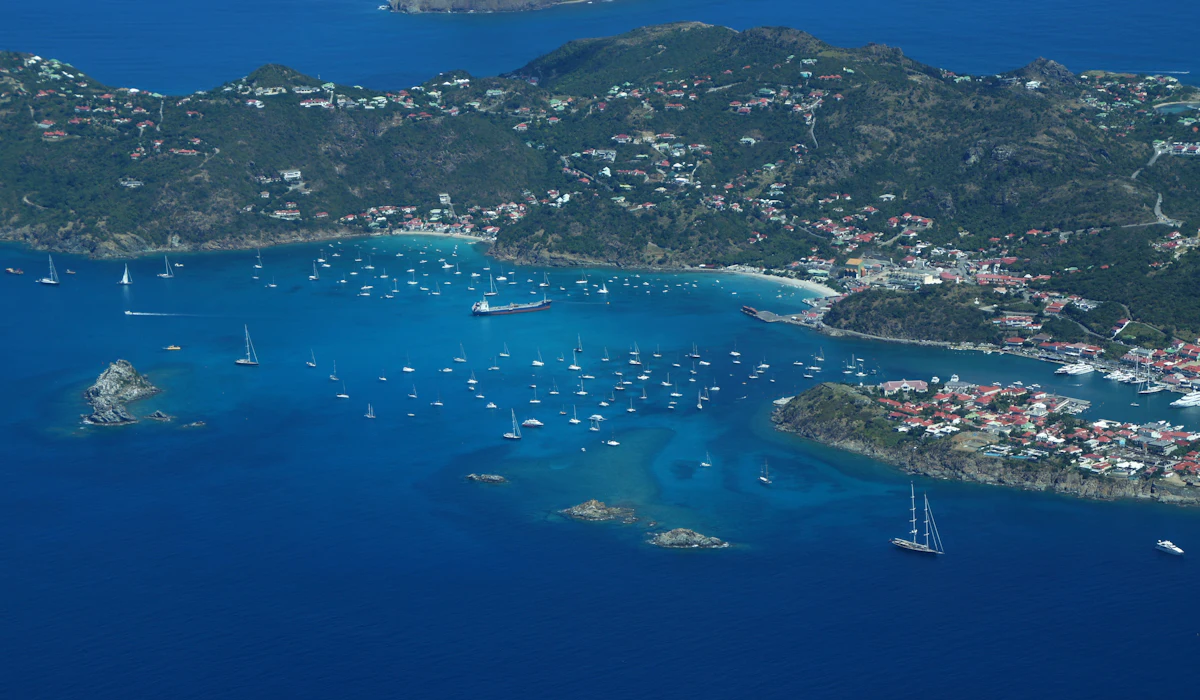
St. Kitts pairs a well-preserved UNESCO World Heritage fortress, Brimstone Hill, with a scenic railway that circles part of the island along a route originally built to transport sugar cane.
The combination of a rail excursion, historical site, and beach access gives repeat cruisers more variety in a single stop than many similarly sized islands.
Tortola
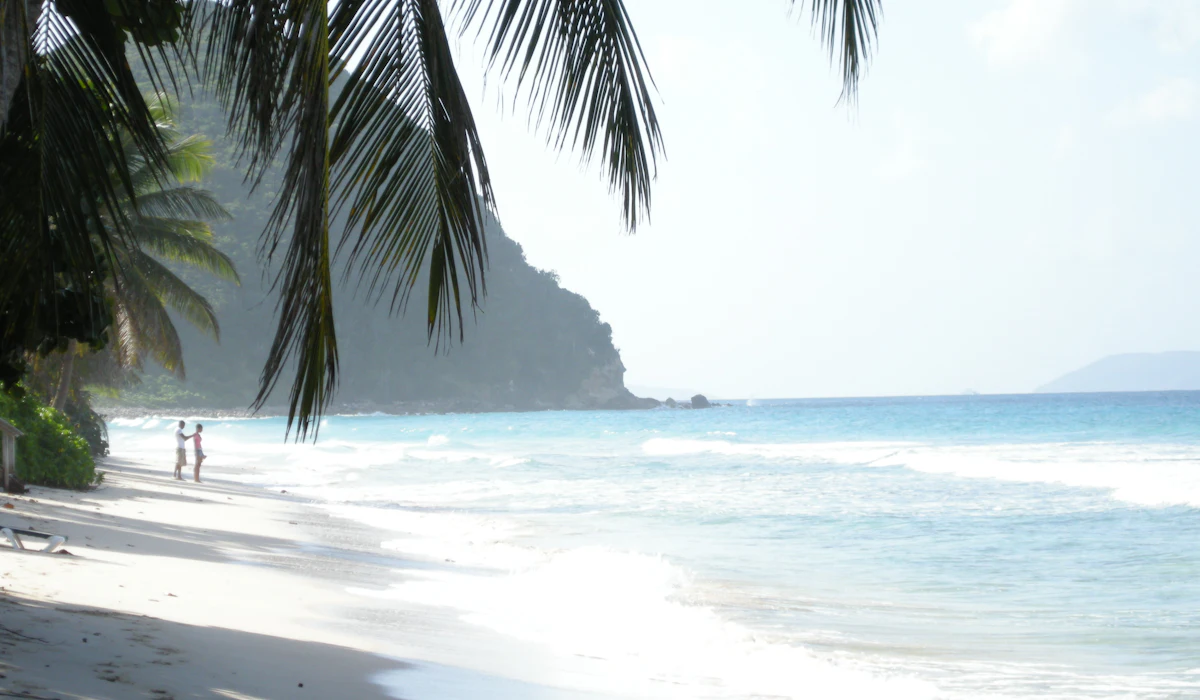
The main island of the British Virgin Islands, Tortola serves largely as a gateway to nearby smaller islands, including Virgin Gorda’s Baths, a formation of enormous granite boulders creating tidal pools and grottoes. Sailors and yacht charter regulars overlap significantly with cruise passengers here, giving the island a slightly different visitor mix than more purely cruise-dependent ports.
Dominica
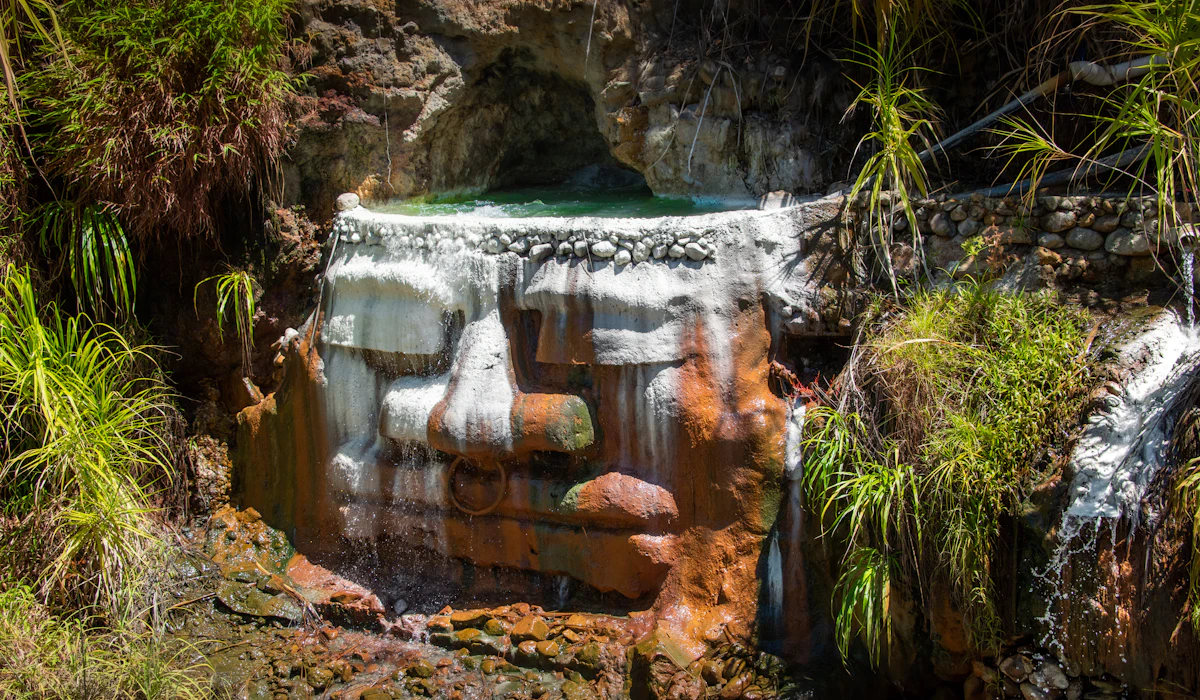
Unlike most Caribbean cruise stops, Dominica markets itself around rainforest and hiking rather than beaches, home to volcanic formations, hot springs, and the Waitukubuli National Trail. Whale watching off Dominica’s coast, particularly for sperm whales that reside in the surrounding waters, is a distinctive draw not widely available at other regional ports.
Martinique
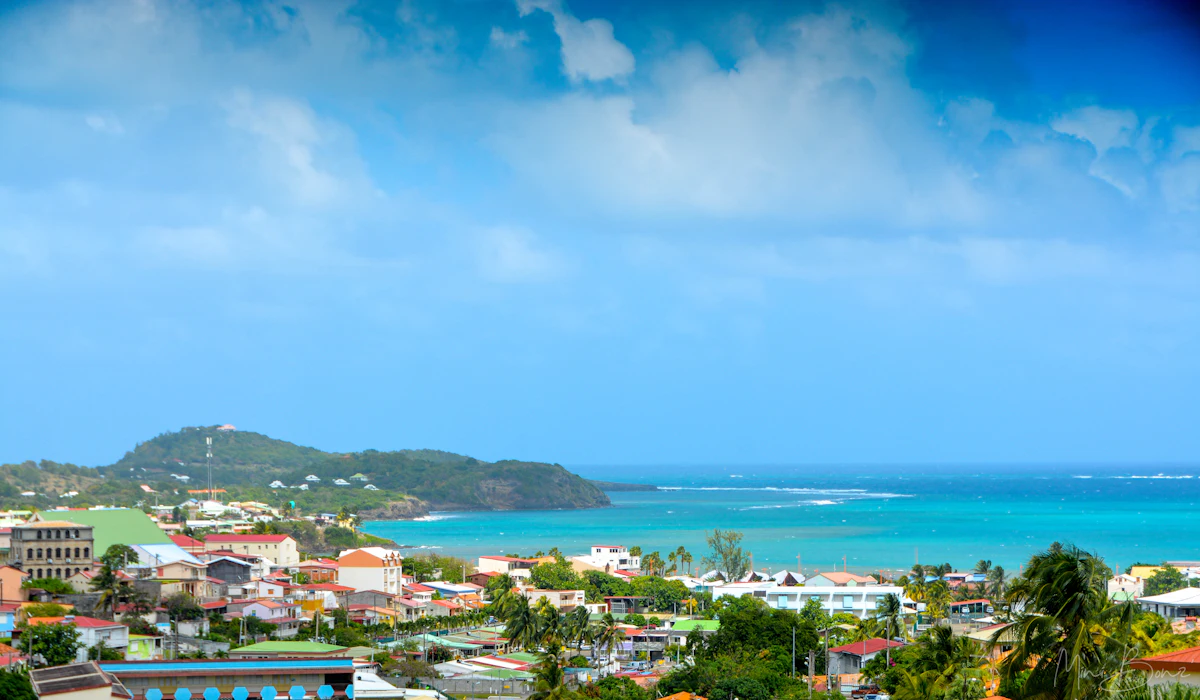
A French overseas territory, Martinique combines French language, cuisine, and architecture with Caribbean geography, giving it a noticeably different cultural texture than its English-speaking neighbors. Mount Pelée, a volcano whose 1902 eruption destroyed the city of Saint-Pierre, adds a specific historical and geological draw for repeat visitors interested beyond the beach.
Guadeloupe
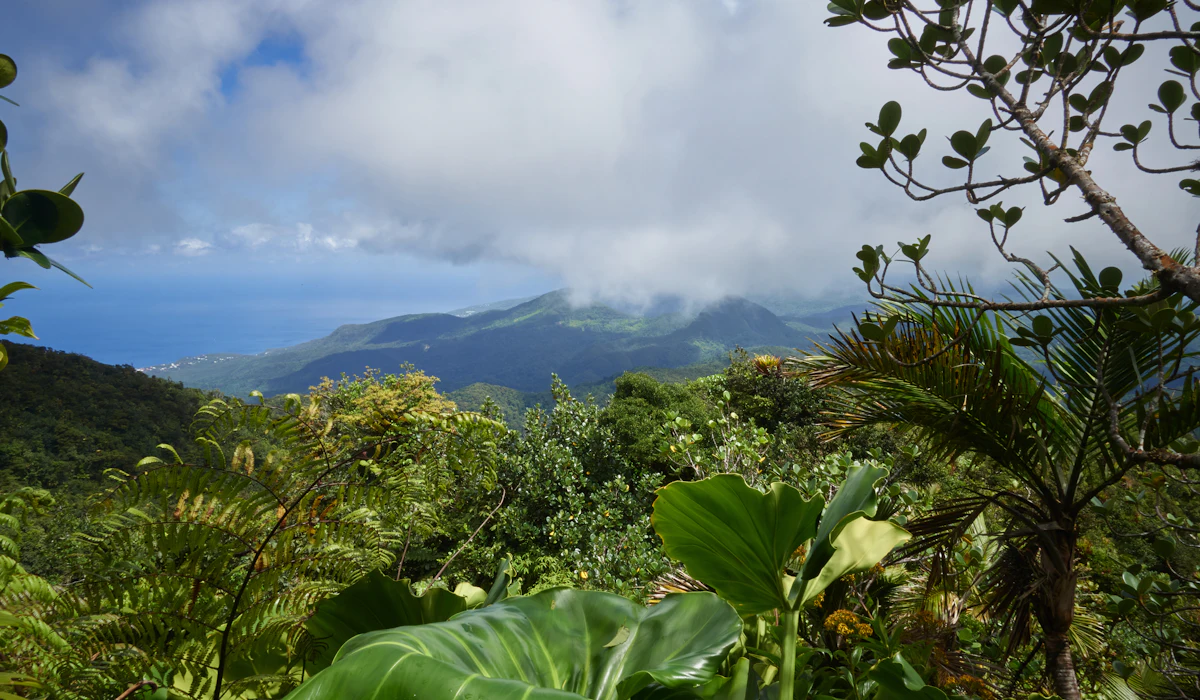
Shaped like a butterfly and made up of two distinct landmasses joined by a narrow strait, Guadeloupe offers both a mountainous, rainforest-covered western half and a flatter, more agricultural eastern half within a single port stop. Its French administration and cuisine parallel Martinique’s, while its larger size gives it a wider range of day-trip options.
Belize City
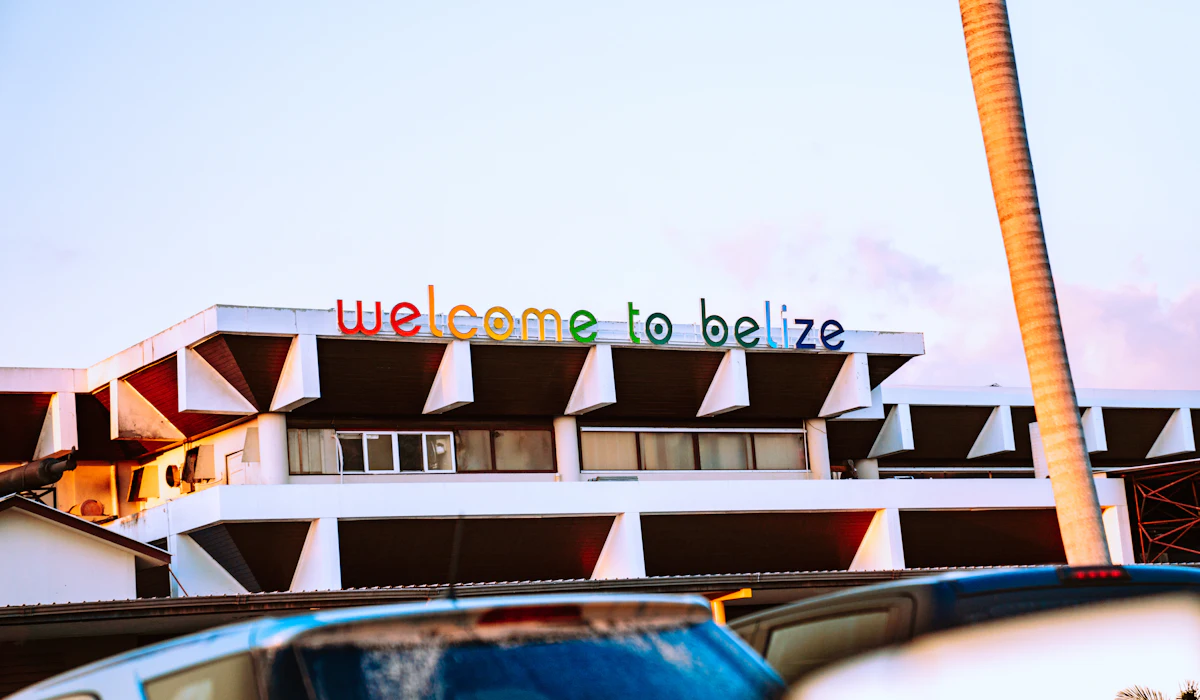
Belize City serves primarily as a gateway rather than a destination itself, with most cruisers heading directly to the barrier reef for snorkeling or inland to Mayan ruins at Altun Ha or Xunantunich. The country’s status as the only English-speaking nation in Central America simplifies communication for excursions compared to some neighboring mainland ports.
Progreso
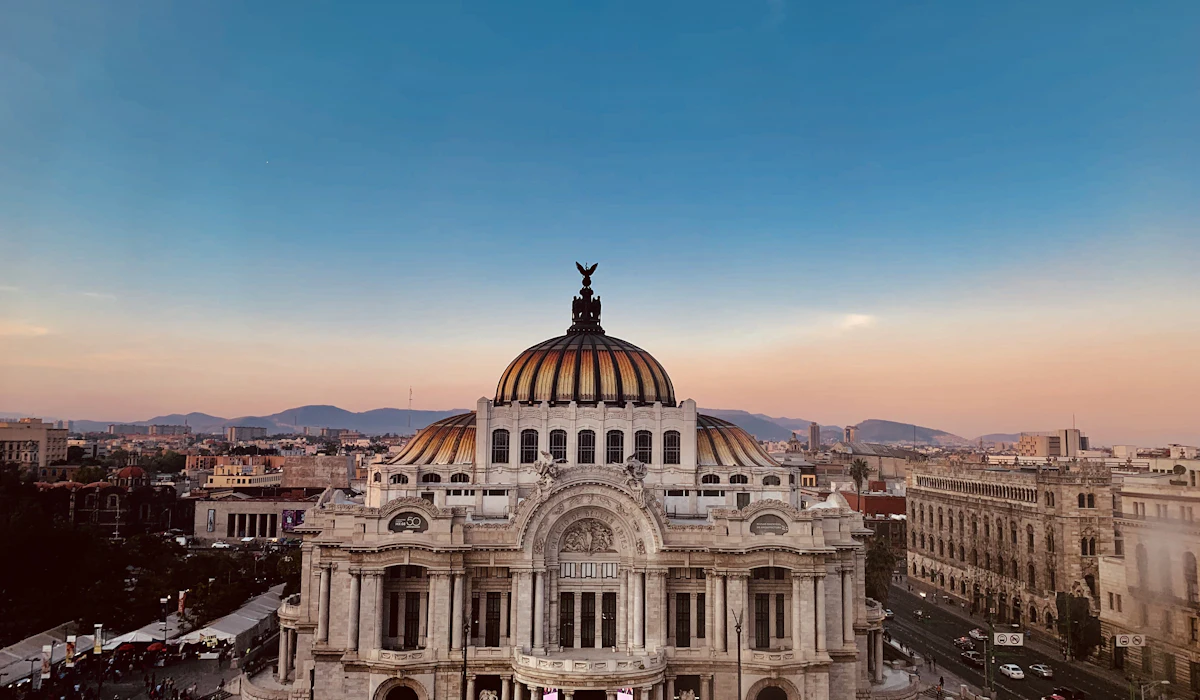
The port for Mexico’s Yucatan capital, Merida, Progreso gives cruisers access to the colonial city and nearby Mayan sites like Dzibilchaltún without the crowds found at more heavily trafficked Yucatan ports like Cozumel. Its long pier, one of the longest in the world, was built specifically to reach deep water given the shallow continental shelf offshore.
Falmouth, Jamaica
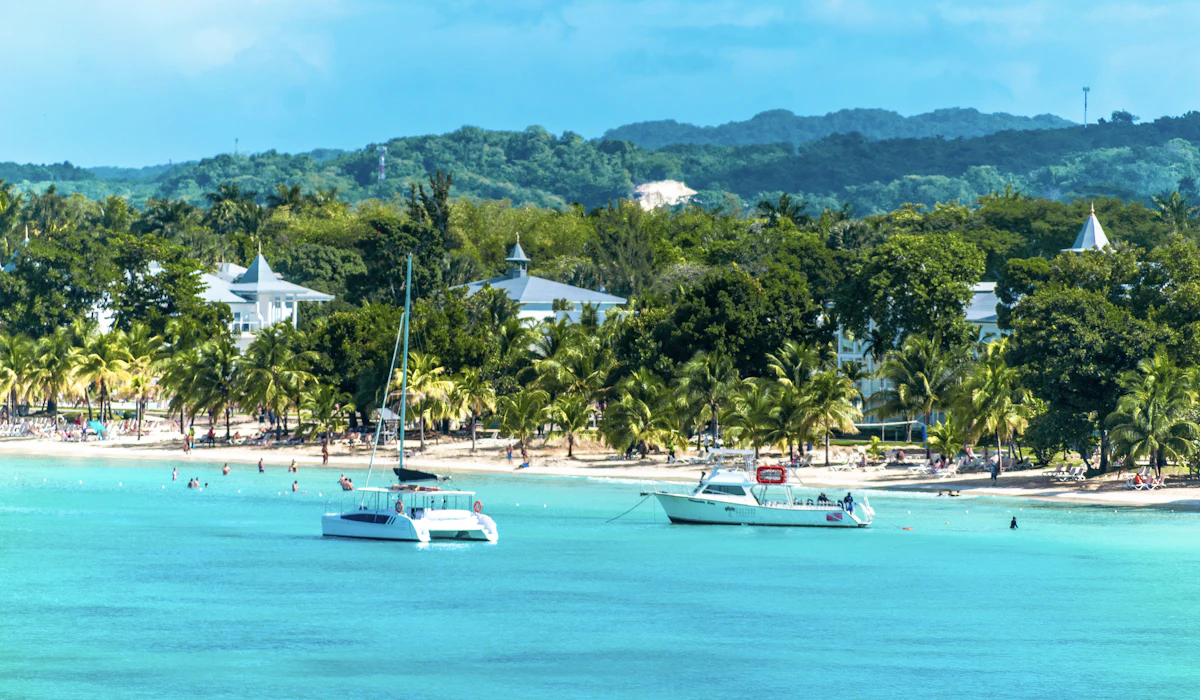
A cruise port built around a restored Georgian-era town, Falmouth gives access both to Jamaica’s north coast attractions, including Dunn’s River Falls, and to the historic town itself, one of the best-preserved Georgian towns in the Caribbean. Its purpose-built pier and terminal complex provide a dedicated cruise facility with direct access to the historic district and nearby attractions.
Ocho Rios
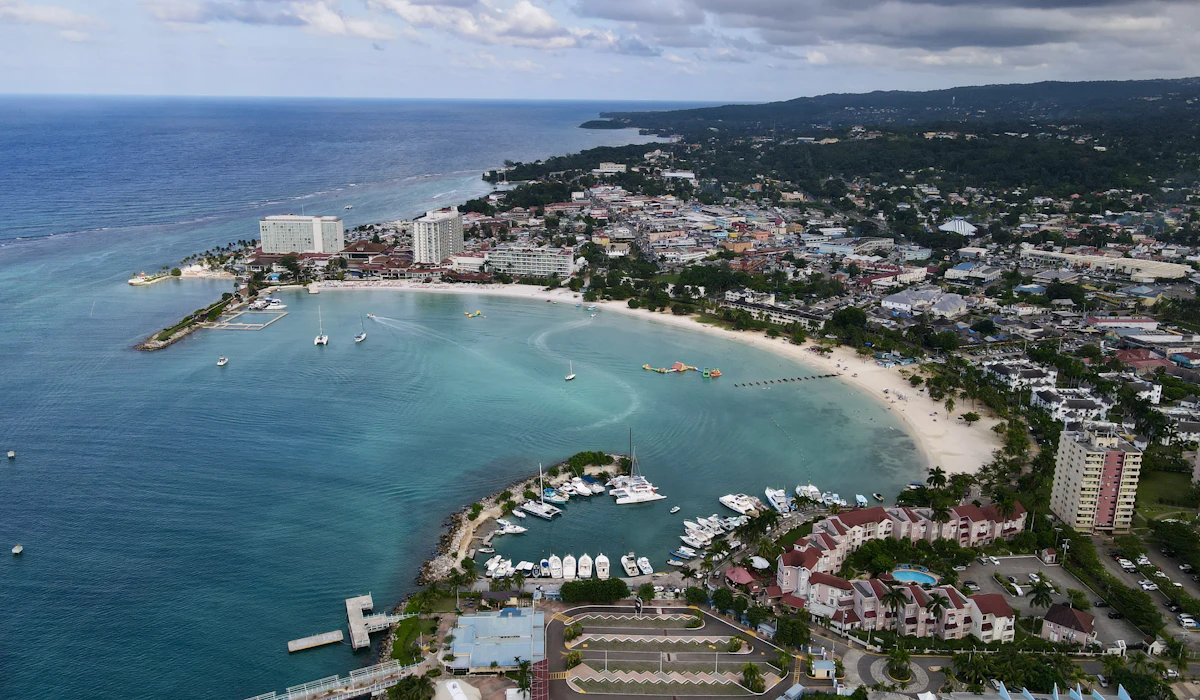
Ocho Rios remains one of Jamaica’s most established cruise ports, anchored by Dunn’s River Falls, a terraced waterfall that visitors climb in guided groups. Its long-standing infrastructure for cruise excursions, including well-established rafting and zip-line operators, gives it an edge in variety and familiarity that regulars weigh against its higher crowd levels.
Puerto Plata
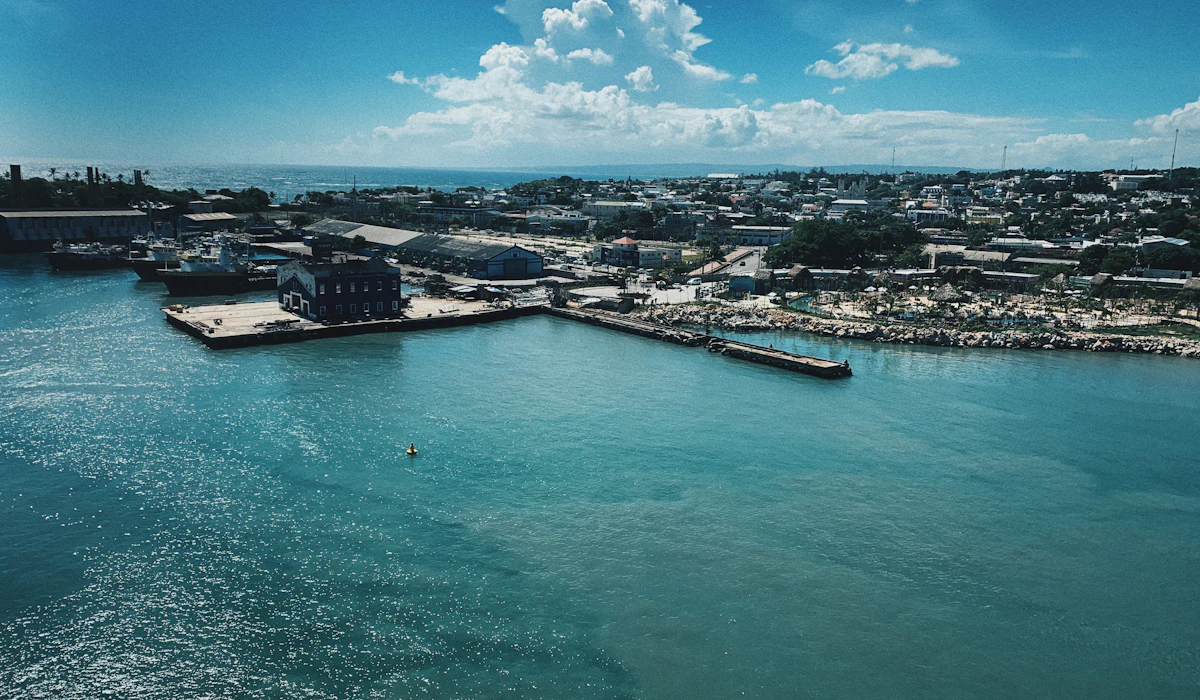
On the Dominican Republic’s north coast, Puerto Plata offers a cable car ride up Mount Isabel de Torres, along with colonial architecture in the nearby town center. The cable car is an excursion option from the cruise facilities rather than a feature directly beside every cruise terminal.
Amber Cove, a purpose-built cruise terminal nearby, has added a more resort-style arrival experience for lines that dock there instead.
Half Moon Cay
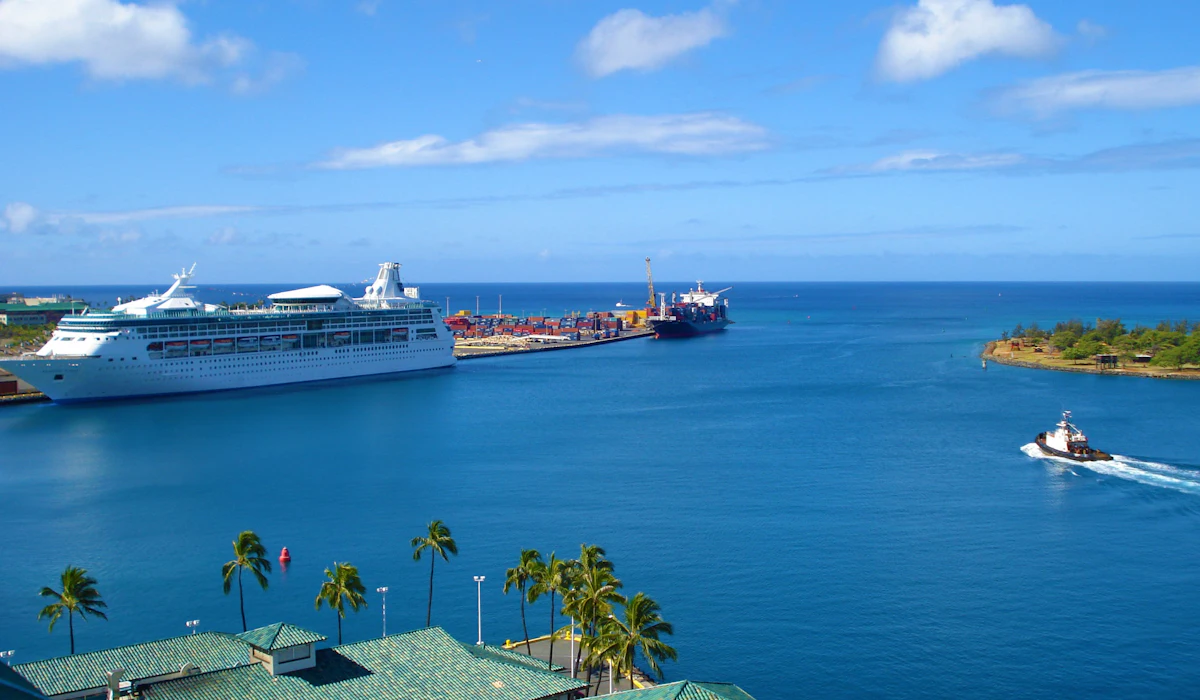
A private island in the Bahamas operated by Holland America and Carnival Corporation lines, Half Moon Cay is consistently ranked among the top private cruise destinations for its uncrowded beach and clear water, benefiting from limited daily visitor capacity compared with public ports. Its private-island status means many amenities and food options are included in the cruise fare, although some activities and premium services can cost extra.
Perfect Day at CocoCay
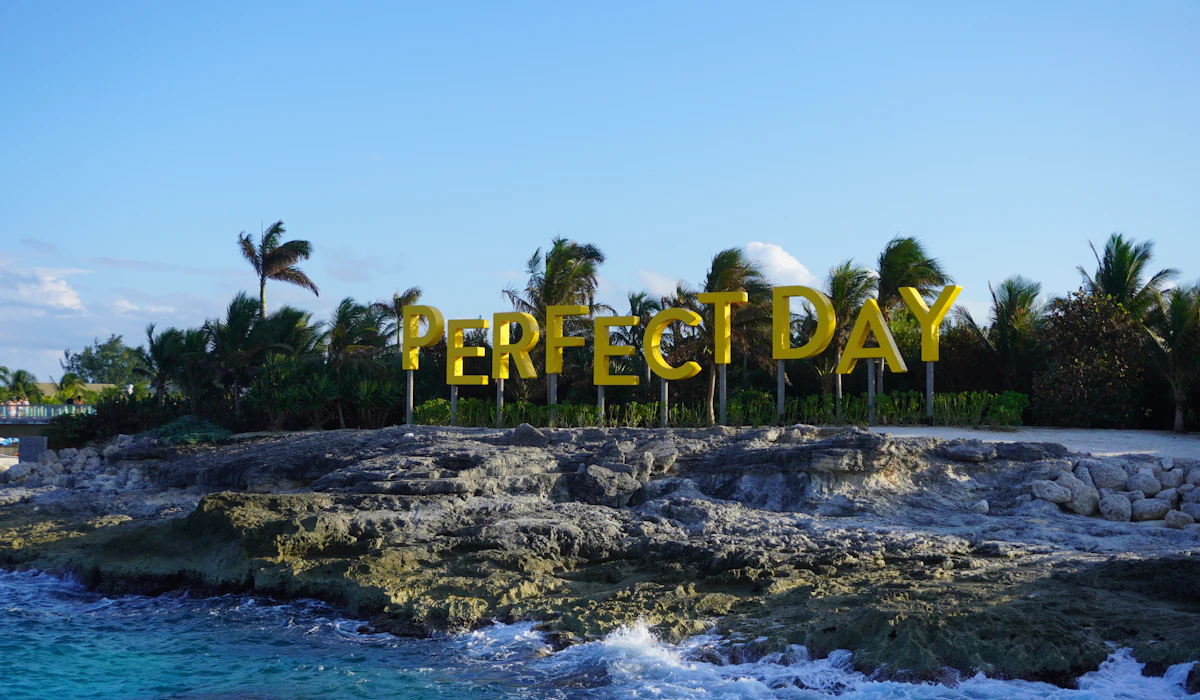
Royal Caribbean’s private Bahamian island destination includes a water park with one of the tallest water slides in North America, along with a helium balloon ride offering aerial views of the surrounding cays. Its scale and level of built infrastructure set it apart from most private islands, which regulars note trades some of the natural, undeveloped feel of other private-island stops for more organized activity options.
Labadee
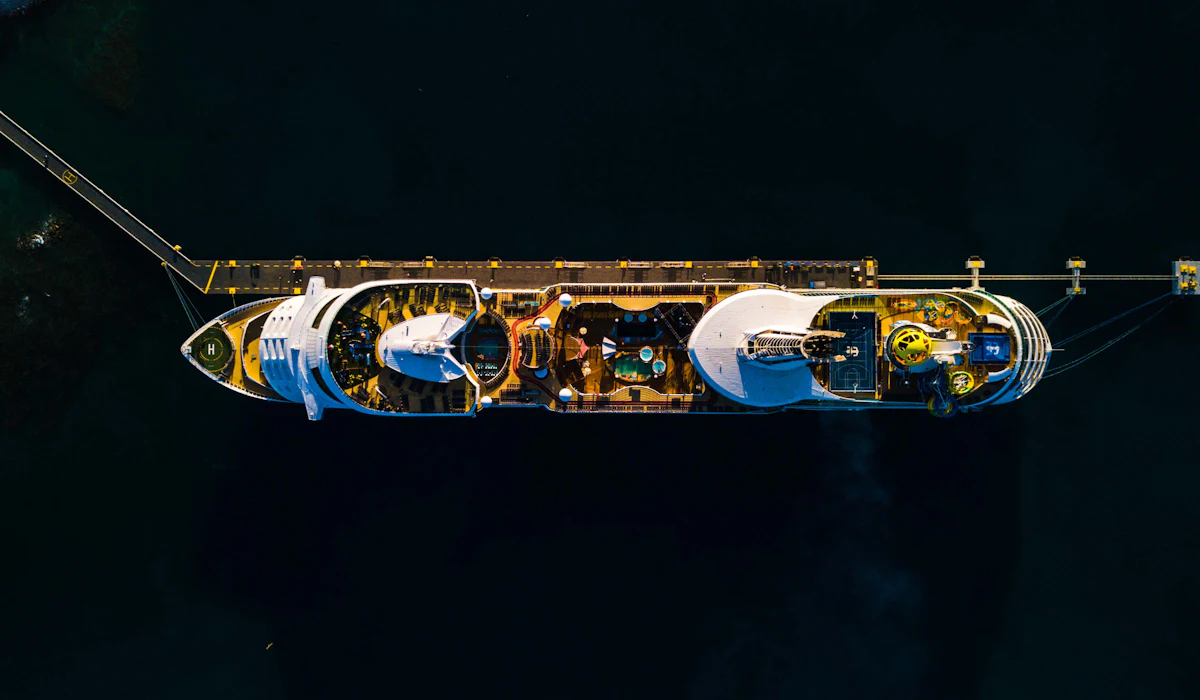
When operating on itineraries, Labadee is a private peninsula on Haiti’s northern coast leased and operated by Royal Caribbean, offering beaches, a zip-line course over the water, and a controlled environment distinct from the rest of Haiti. Its long-standing operation has made it one of the more established private destinations in the region, although Royal Caribbean suspended all visits through the end of 2026 while it monitors the security situation.
Princess Cays
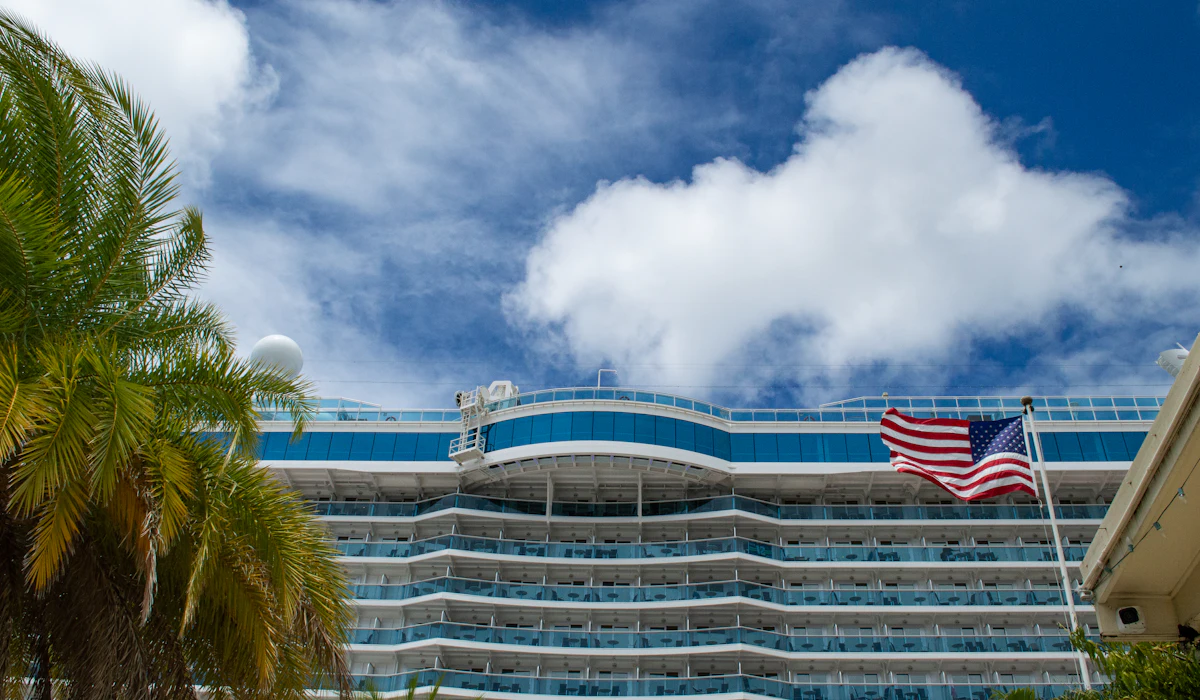
Princess Cruises’ private peninsula in the Bahamas offers a lower-key alternative to some of the larger private-island developments, with tender access rather than direct docking. Its smaller scale compared with CocoCay appeals specifically to cruisers seeking a quieter private-island stop.
Amber Cove
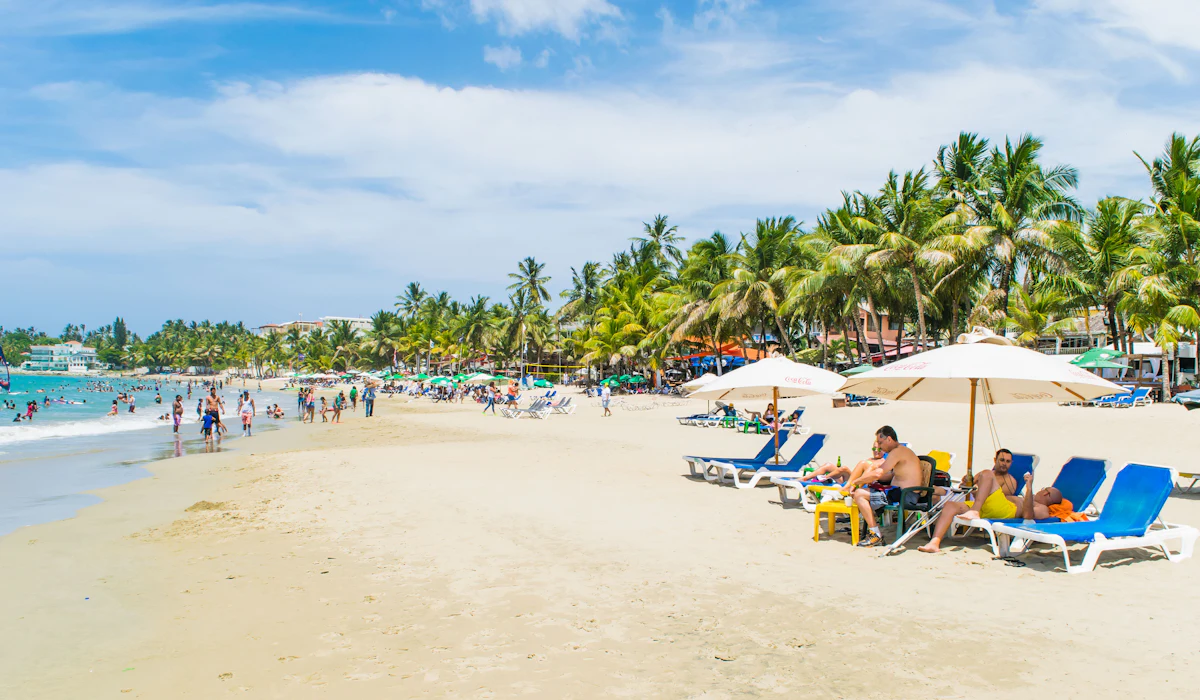
A purpose-built cruise terminal near Puerto Plata in the Dominican Republic, Amber Cove was developed by Carnival Corporation with an on-site pool and shopping village adjacent to the pier, reducing reliance on a shuttle into town for guests who prefer to stay near the port. Excursions from Amber Cove range from beach clubs to inland zip-line and waterfall tours in the surrounding countryside.
The Ports That Earn a Second Look
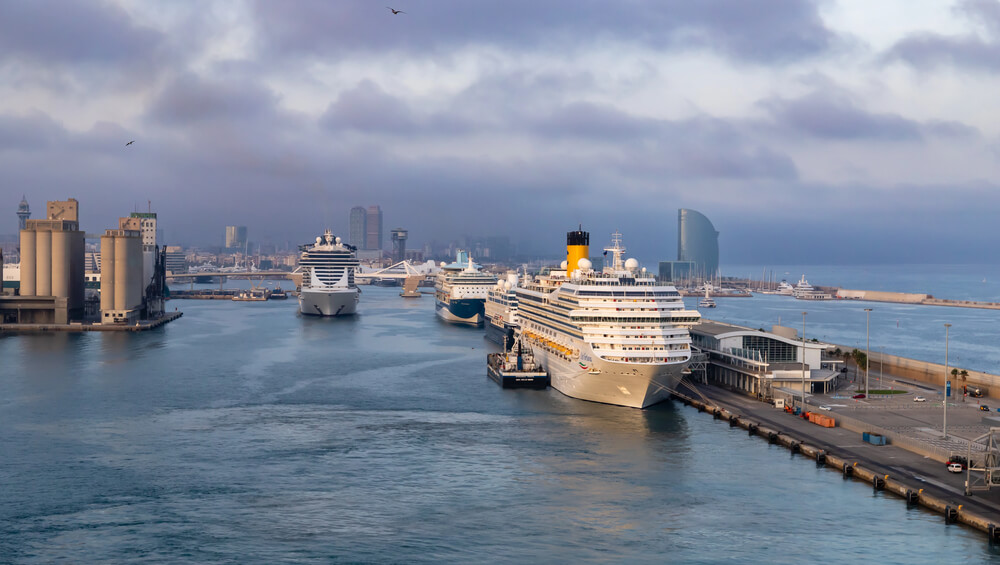
A lot of Caribbean itineraries get built around name recognition: the ports everyone has heard of, whether or not they hold up to repeat visits. The list above skews instead toward what keeps cruisers coming back, whether that’s a specific reef, a mountain railway, or simply an island quiet enough that a second stop doesn’t feel repetitive.
That distinction matters more the more someone cruises. A first Caribbean sailing can run almost entirely on novelty.
A fifth or tenth one runs on knowing which port still has something left to offer once the shine has worn off the brochure photos.
More from Travel Pug

- Underrated Italian Towns That Beat the Tourist Crowds
- Las Vegas Tourist Traps to Skip
- Prettiest Towns in Every US State
- 18 passport-free countries for Americans
- Signs Your Cruise Is Not Worth The Cost
Like Travel Pug’s content? Follow us on MSN.