

Most itineraries treat Indian cities as checkpoints: land, see the headline sight, move on by the next morning. That pace works for a handful of stops, but it systematically shortchanges places built for slower exploration, where the real texture sits a layer beneath the postcard monument.
The cities below reward a third, fourth, or fifth day precisely because their best experiences are not the ones visible from a bus window.
Jaipur
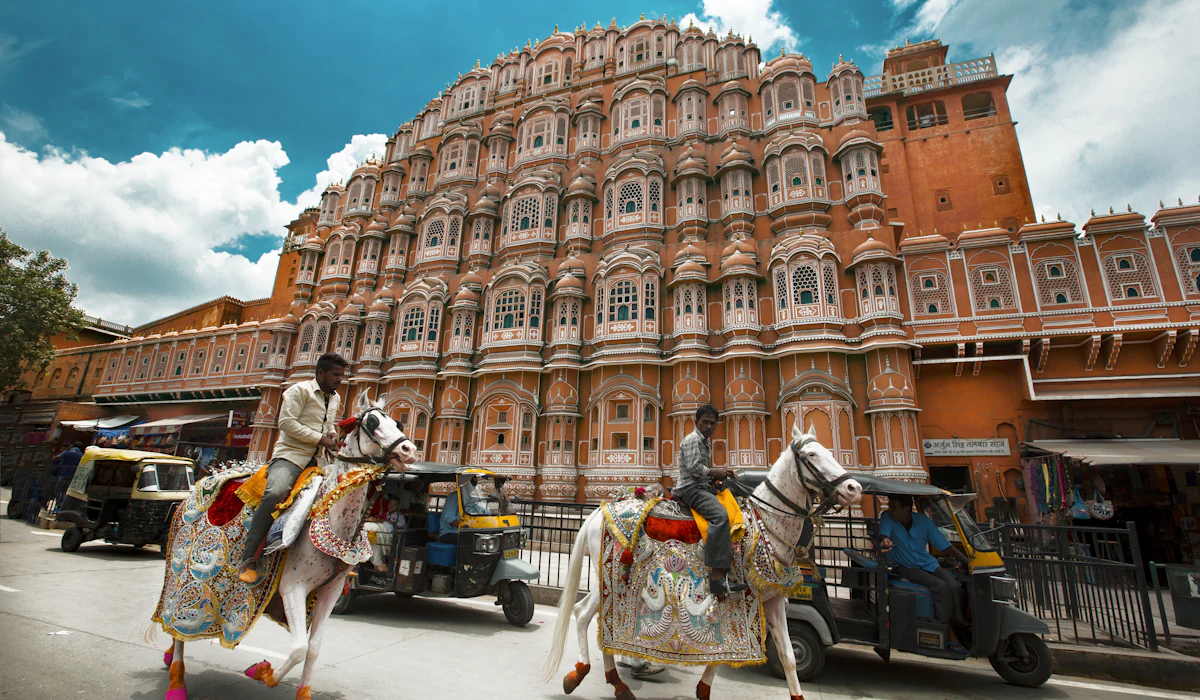
Jaipur’s Pink City core, with Hawa Mahal and the City Palace, is what many visitors budget a single day for, but the surrounding forts, including Amber Fort, Nahargarh, and Jaigarh, add substantial time of their own. Add in Jantar Mantar, Albert Hall Museum, local markets, and the city’s craft traditions, and Jaipur stretches comfortably past three days without repeating an experience.
Udaipur
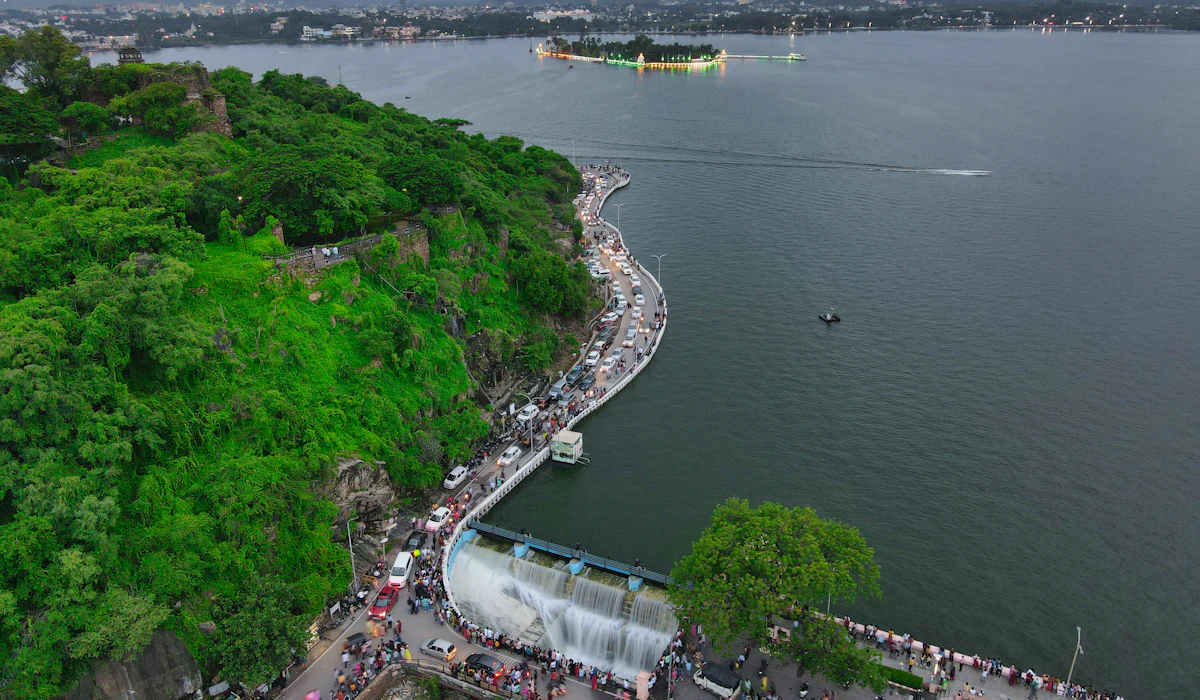
Built around Lake Pichola, Udaipur rewards slowness in a way few Indian cities do, with rooftop views and lakeside scenery that change character throughout the day. Beyond the City Palace and Jag Mandir, the surrounding Aravalli hills offer day trips to Kumbhalgarh Fort and Ranakpur’s marble Jain temples.
Visitors who stay only one night tend to see the lake and miss much of what lies beyond it.
Varanasi
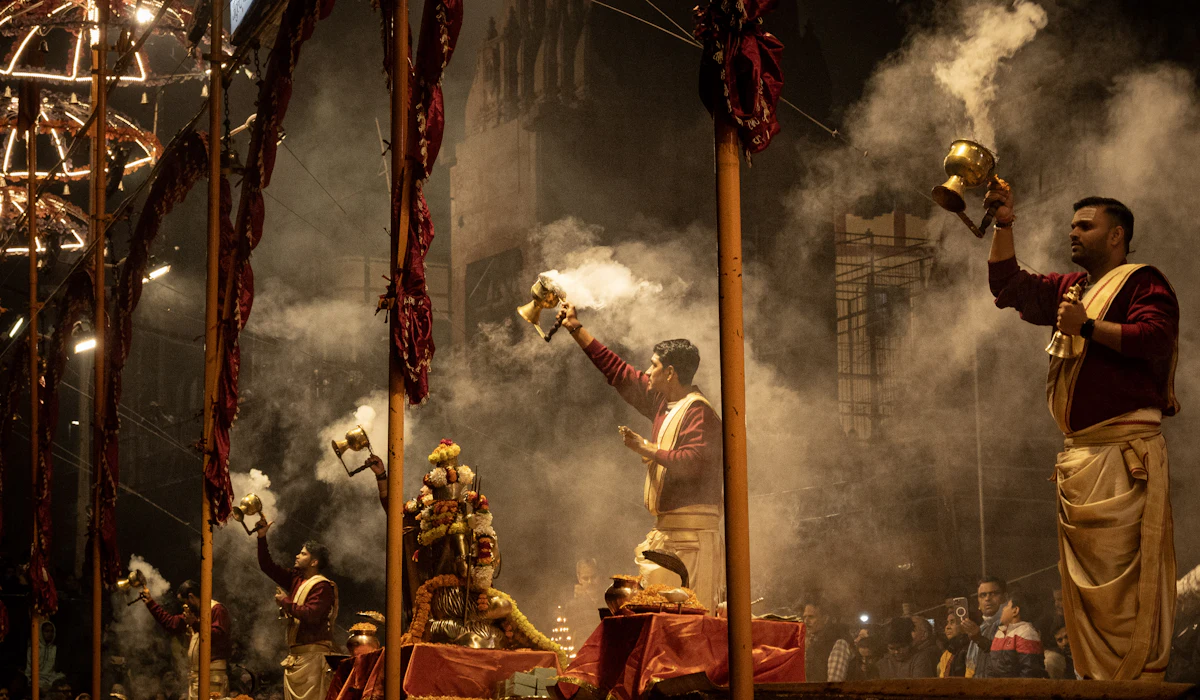
Varanasi operates on a rhythm tied to the Ganges, with the ghats taking on different atmospheres at dawn, midday, and during the evening Ganga Aarti ceremony. A single day captures only part of that rhythm.
Staying longer also opens up the old city’s narrow lanes, additional ghats and temples, and the nearby Buddhist site of Sarnath, all easy to miss on a rushed visit.
Hampi
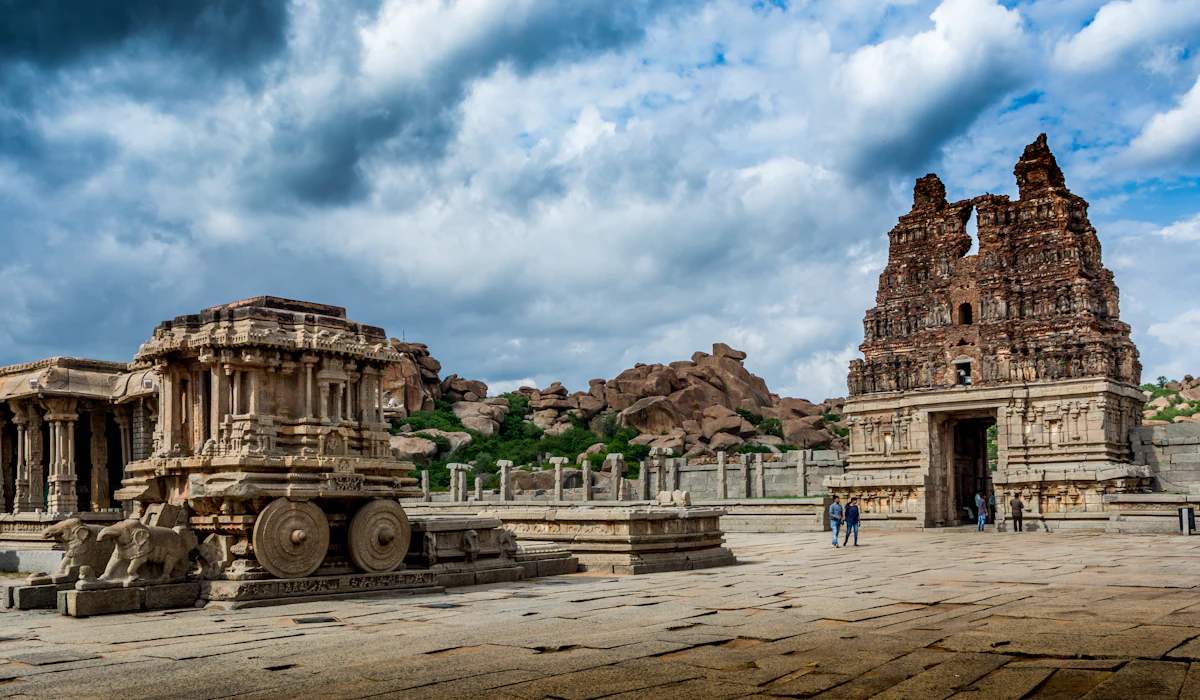
The ruins of the Vijayanagara Empire are spread across a boulder-strewn landscape large enough that a single day requires careful prioritization. Hampi rewards visitors who spend two or three days working outward from the central monuments toward the Vittala Temple’s stone chariot, Virupaksha Temple, hilltop viewpoints, and the ruins along the Tungabhadra River.
The scale of the site is easy to underestimate from photographs alone.
Jaisalmer
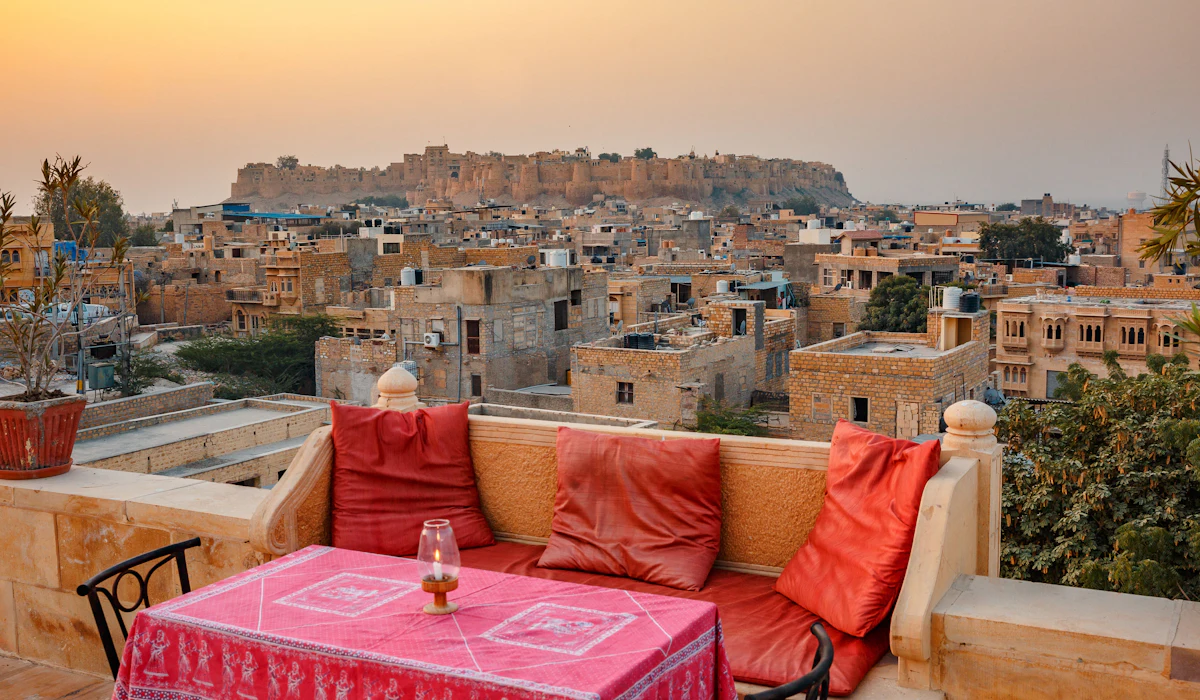
The living fort at Jaisalmer, with residents still living inside its walls, is unusual enough among Indian forts to merit unhurried exploration. Beyond the fort, the haveli mansions with their carved sandstone facades and the desert excursions into the Thar both add substantially to a stay.
Visitors who treat Jaisalmer as a single overnight stop before a desert safari can miss much of the city itself.
Kochi
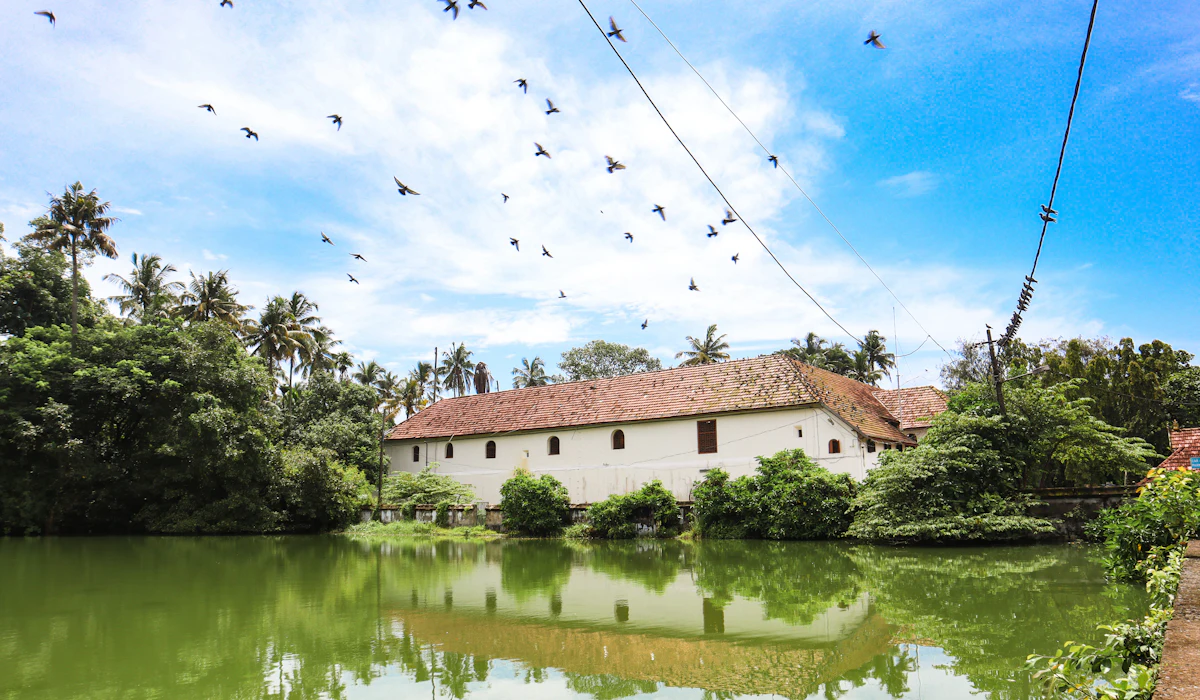
Kochi layers Portuguese, Dutch, and British colonial history onto a working port city, visible in the Chinese fishing nets, Fort Kochi’s churches, and the historic Jewish quarter. The backwaters begin nearby, making Kochi a natural base for a multi-day stay rather than simply a transit point.
Its galleries, cultural performances, and historic neighborhoods also reward visitors who are not racing to the next city.
Mysuru
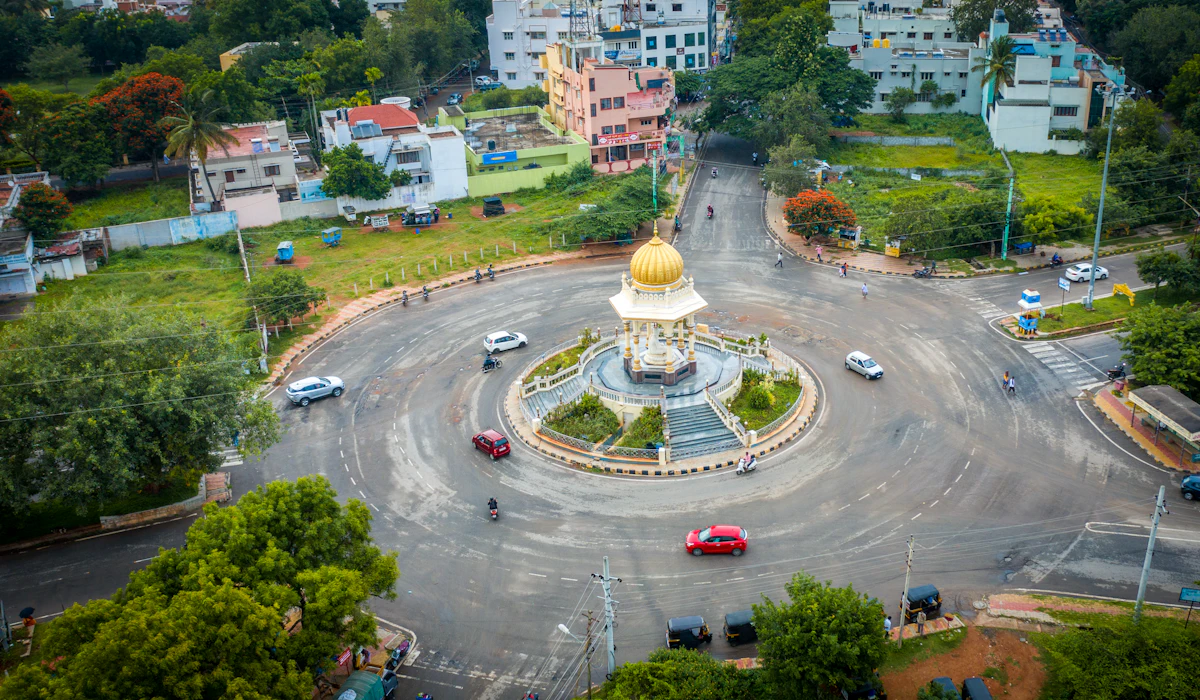
Mysuru’s palace, illuminated on Sunday evenings and special occasions, is the headline attraction, but the city’s markets, particularly Devaraja Market’s spice and flower stalls, and the nearby Chamundi Hill temple round out a stay well past a single day. The city also serves as a practical base for excursions to places such as the Ranganathittu Bird Sanctuary.
Visitors moving straight through to Bengaluru miss both the city and its surroundings.
Madurai
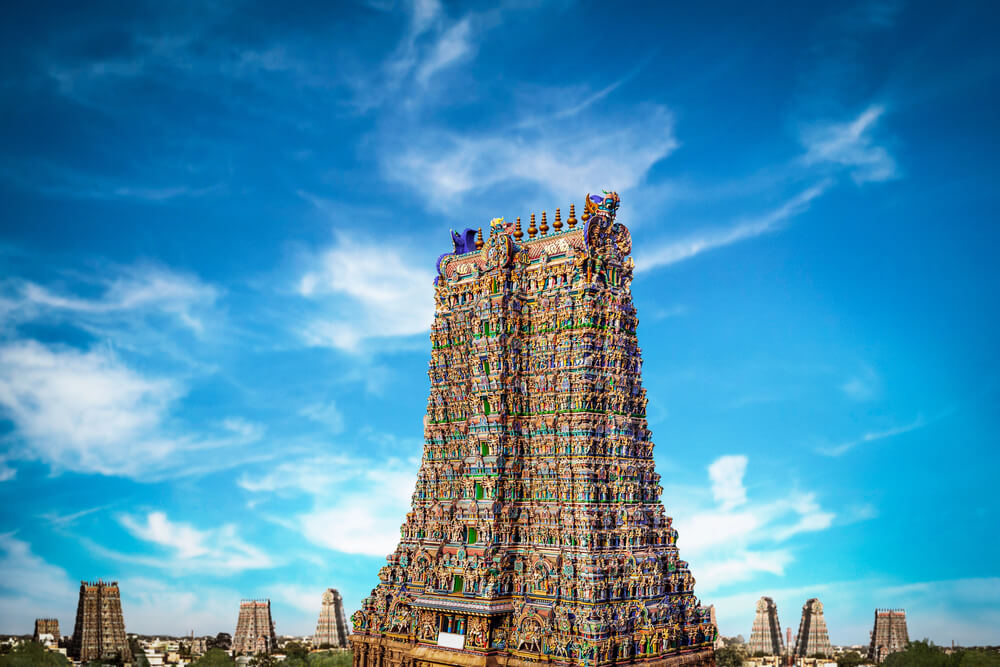
The Meenakshi Amman Temple’s towering gopurams dominate Madurai, and the temple complex can absorb much of a day given its scale and the ceremonies that take place throughout it. The surrounding old city, with its flower and spice markets, extends the visit naturally.
Madurai’s food culture, centered on South Indian specialties and local breakfast dishes, is also worth lingering over rather than sampling once.
Amritsar
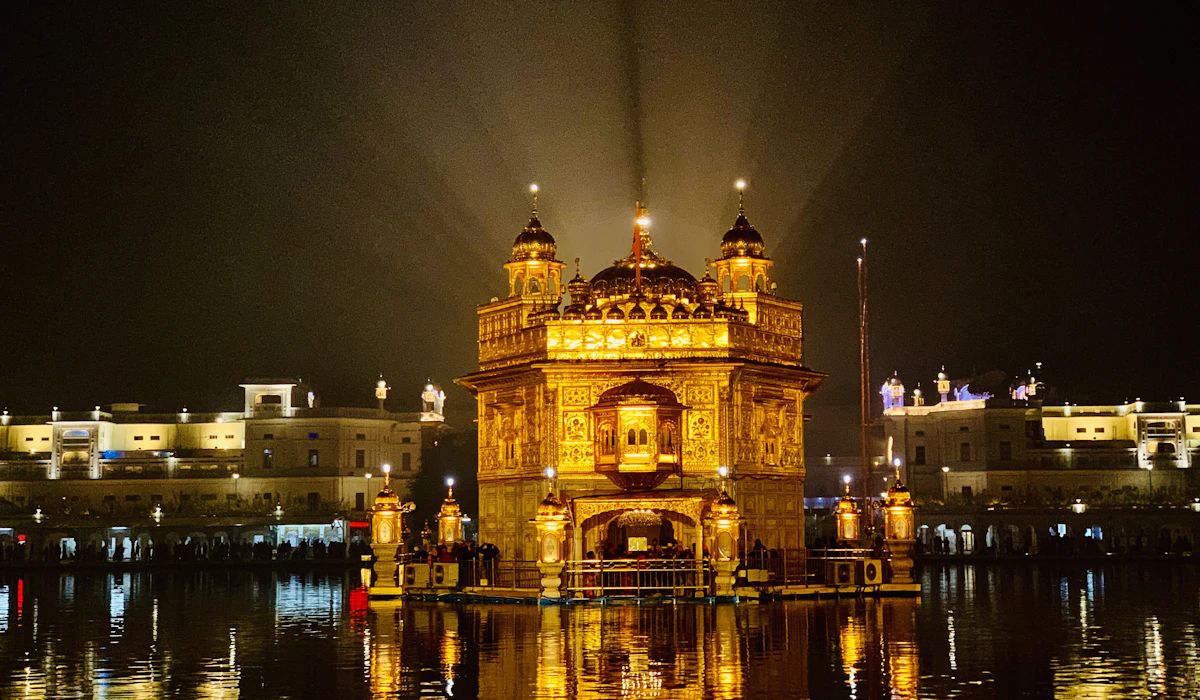
The Golden Temple complex operates around the clock and rewards visits at different hours, from the early morning atmosphere to the evening prayers. Amritsar is also home to the Partition Museum and the Wagah-Attari Border ceremony, both requiring time away from the temple itself.
A single day can easily become dominated by the Golden Temple, leaving little time for the city’s other major attractions.
Jaisalmer’s Neighbor, Bikaner
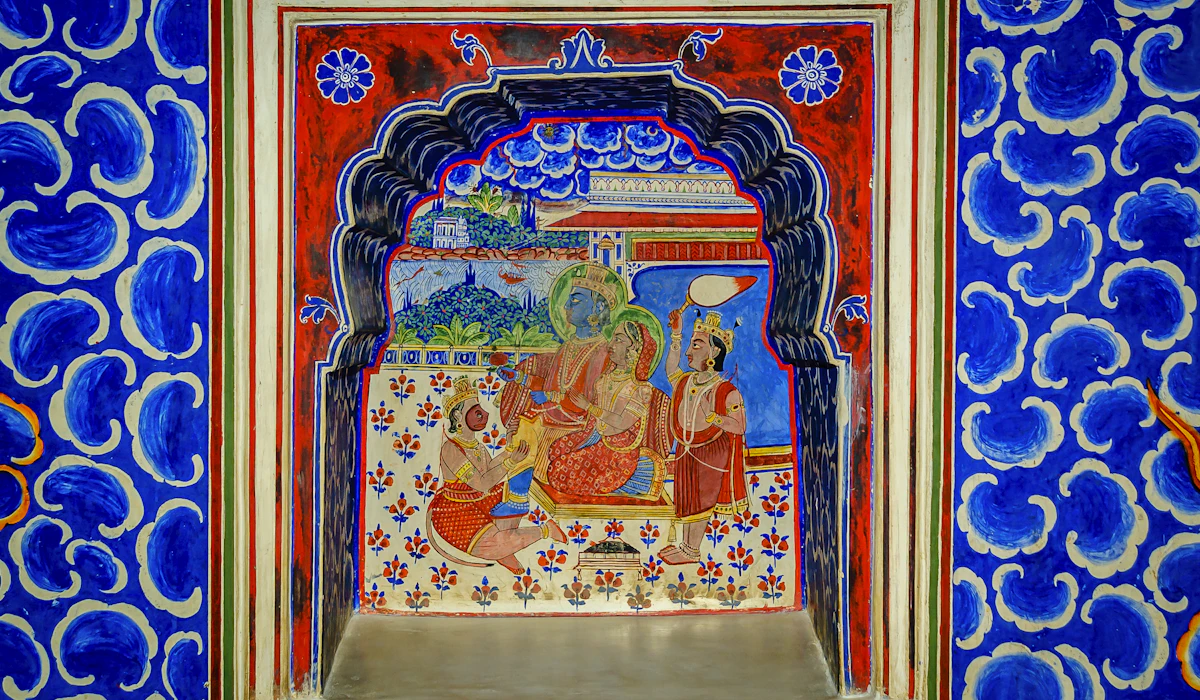
Bikaner sees fewer tourists than Jaisalmer, which makes its Junagarh Fort, National Research Centre on Camel, and the nearby Karni Mata Temple in Deshnoke feel considerably less rushed. The city’s havelis and old market lanes reward slow wandering rather than a single checklist stop.
Visitors who skip Bikaner in favor of a faster Rajasthan loop miss one of the state’s distinctive historic cities.
Rishikesh
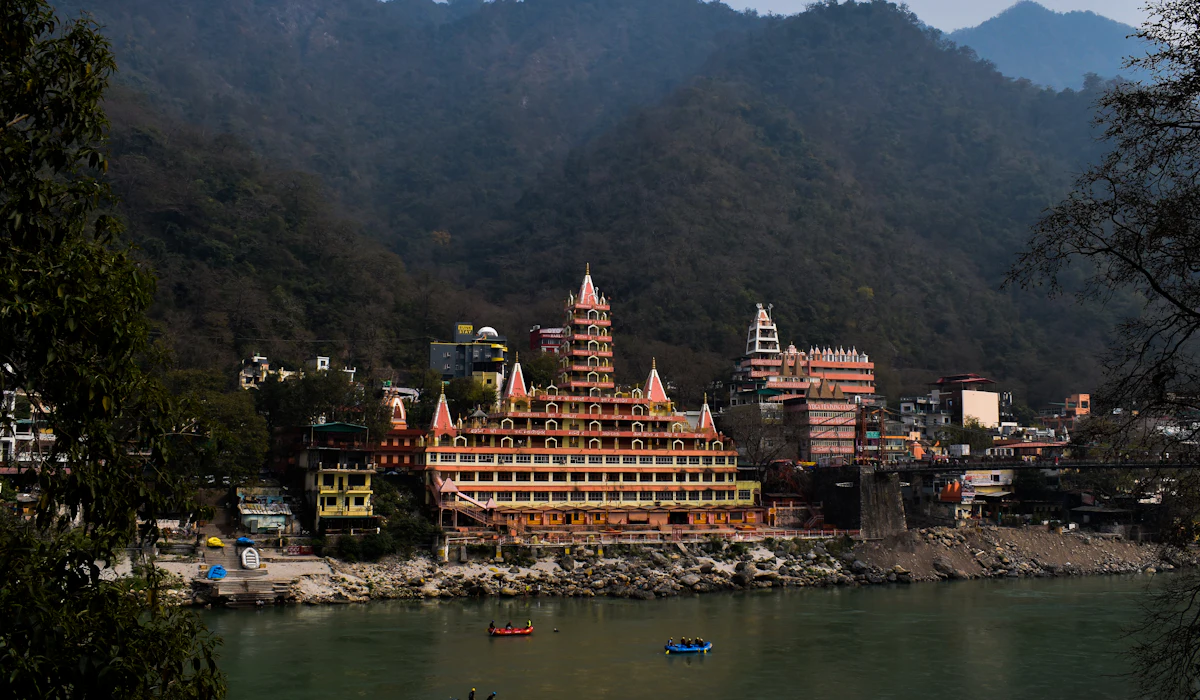
Rishikesh’s identity as a yoga and adventure hub means many of its experiences cannot be compressed into a single stop, from multi-day yoga and meditation programs to whitewater rafting on the Ganges. The suspension bridges and riverside neighborhoods anchor a destination built for lingering rather than sightseeing on a tight schedule.
Staying several nights also leaves room for the surrounding ashrams, temples, viewpoints, and outdoor activities.
Pushkar
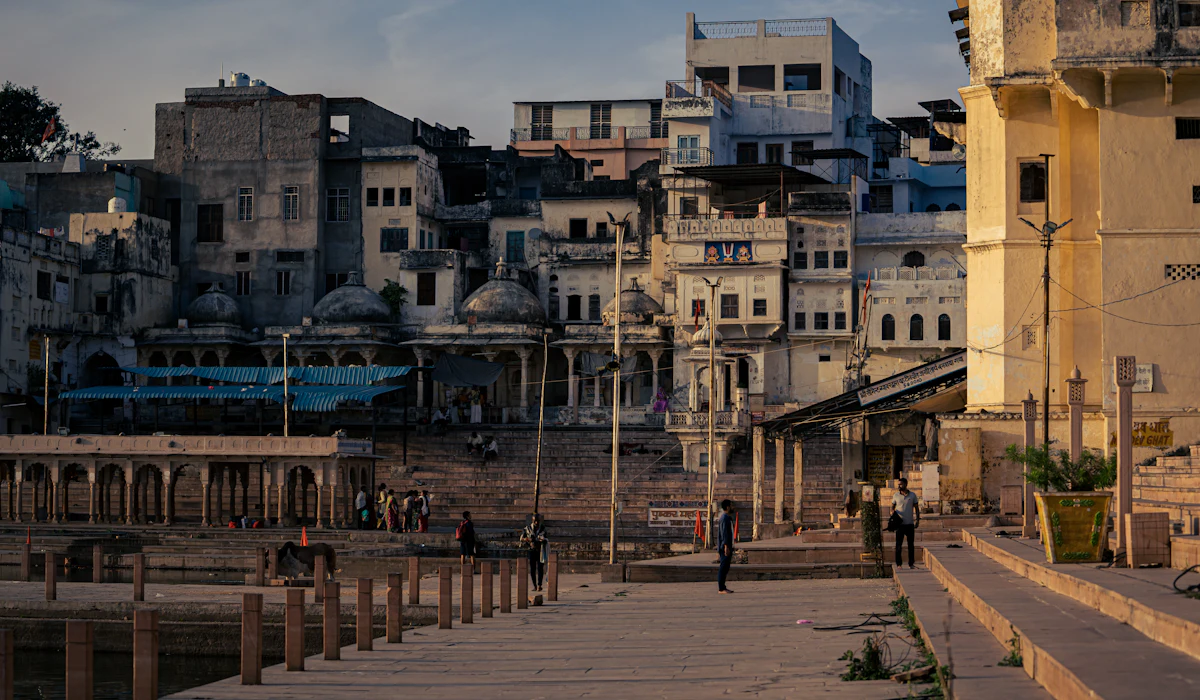
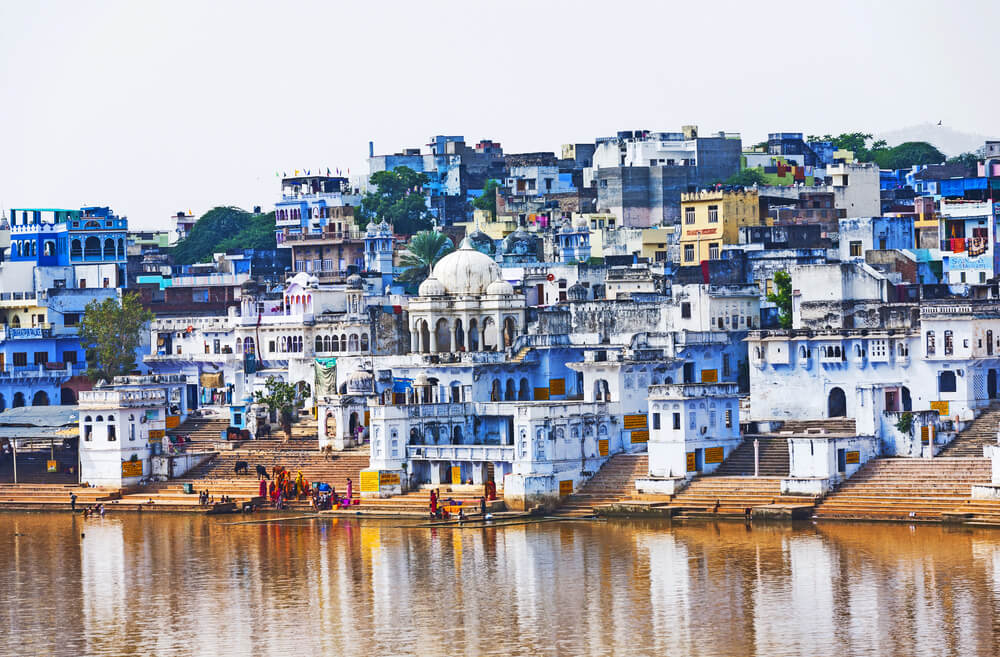
Pushkar’s holy lake, ringed by dozens of ghats, sits at the center of a town small enough to walk but layered enough to need real time, particularly during the annual camel fair when the town becomes dramatically busier. Outside fair season, the town’s rooftop cafes, temples, bazaars, and lakefront still reward two or three unhurried days.
Its strong vegetarian and alcohol-free character also creates a different rhythm from many nearby Rajasthan destinations.
Kolkata
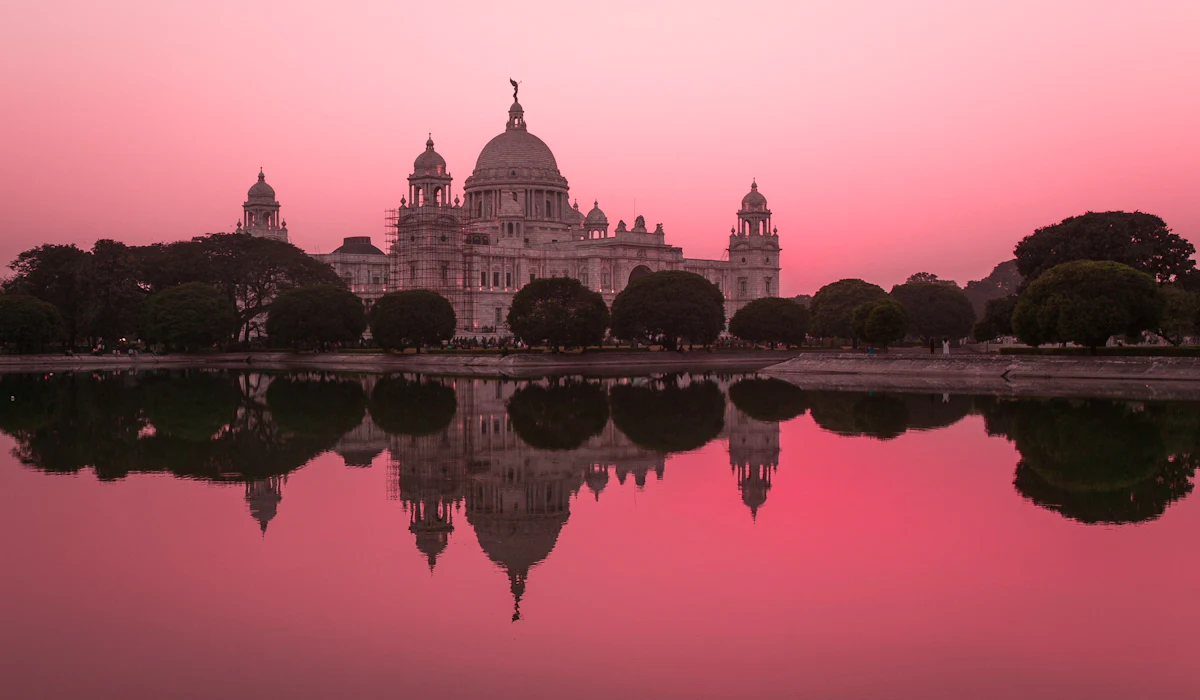
Kolkata’s colonial architecture, from the Victoria Memorial to the Howrah Bridge, sits alongside a literary and artistic culture that takes time to access, particularly the city’s coffee-house culture and College Street book market. The city’s food scene, built around neighborhood institutions rather than tourist restaurants, needs multiple meals to sample properly.
A single day barely covers the major sights and leaves little time for the neighborhoods that give the city its character.
Hyderabad
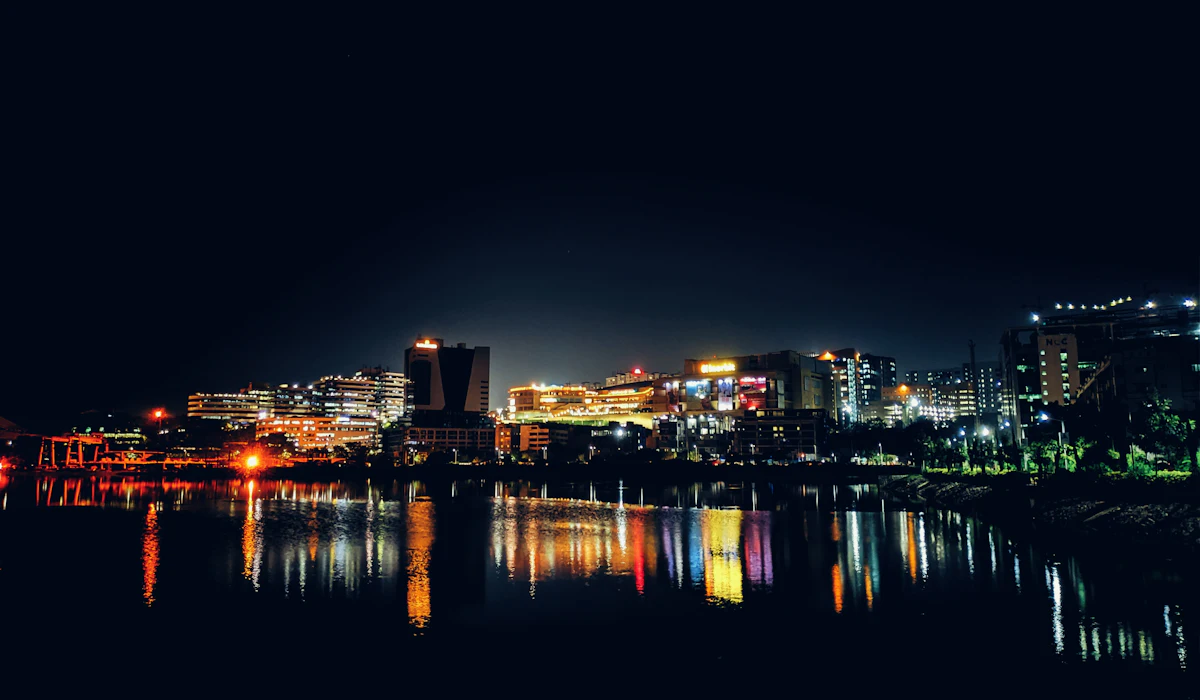
Hyderabad’s Charminar and Golconda Fort anchor the old city, but the city’s modern districts and its distinct Nizami-influenced cuisine, especially its biryani traditions, pull visitors in a completely different direction. The Chowmahalla Palace and Salar Jung Museum, one of India’s major museums, each add substantial time.
Visitors moving through in a day typically see only a fraction of what Hyderabad offers.
Chennai
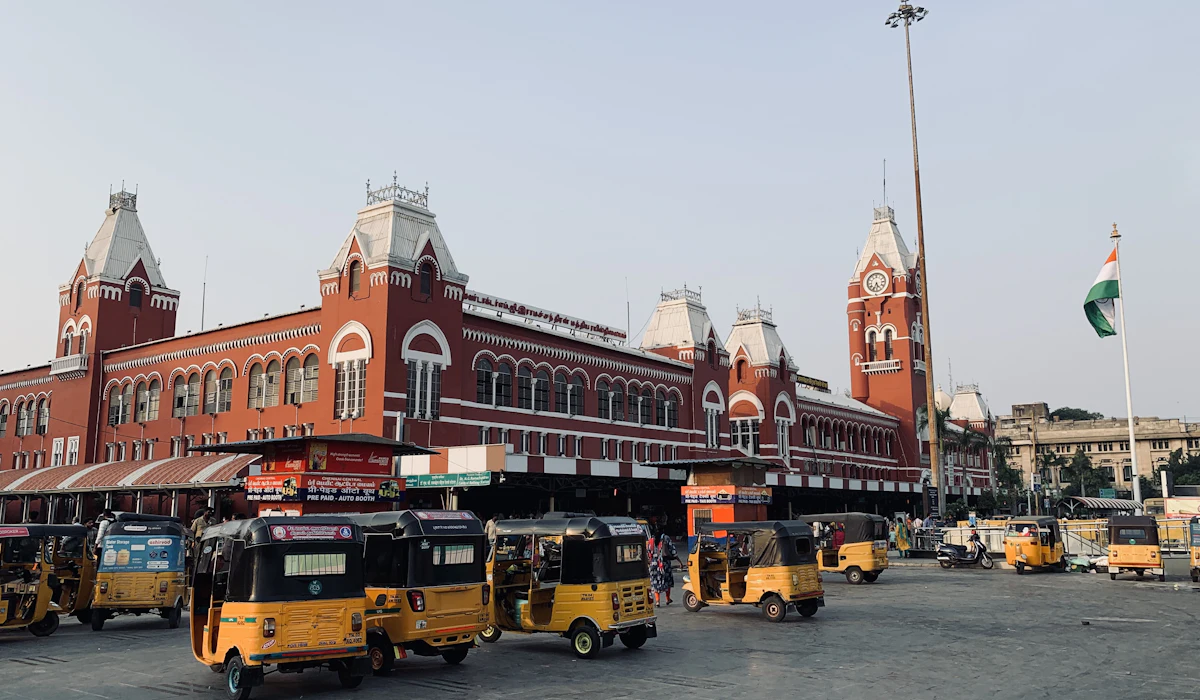
Chennai’s Marina Beach and Kapaleeshwarar Temple are the obvious stops, but the city’s Carnatic music and classical dance traditions, particularly during the major December–January music season, add another dimension to a longer visit. The nearby UNESCO site of Mahabalipuram, with its Shore Temple and rock-cut monuments, also makes a natural excursion.
Chennai functions as a gateway to Tamil Nadu’s temple towns, so rushing through can mean missing both the city and its wider role in the region.
Mumbai
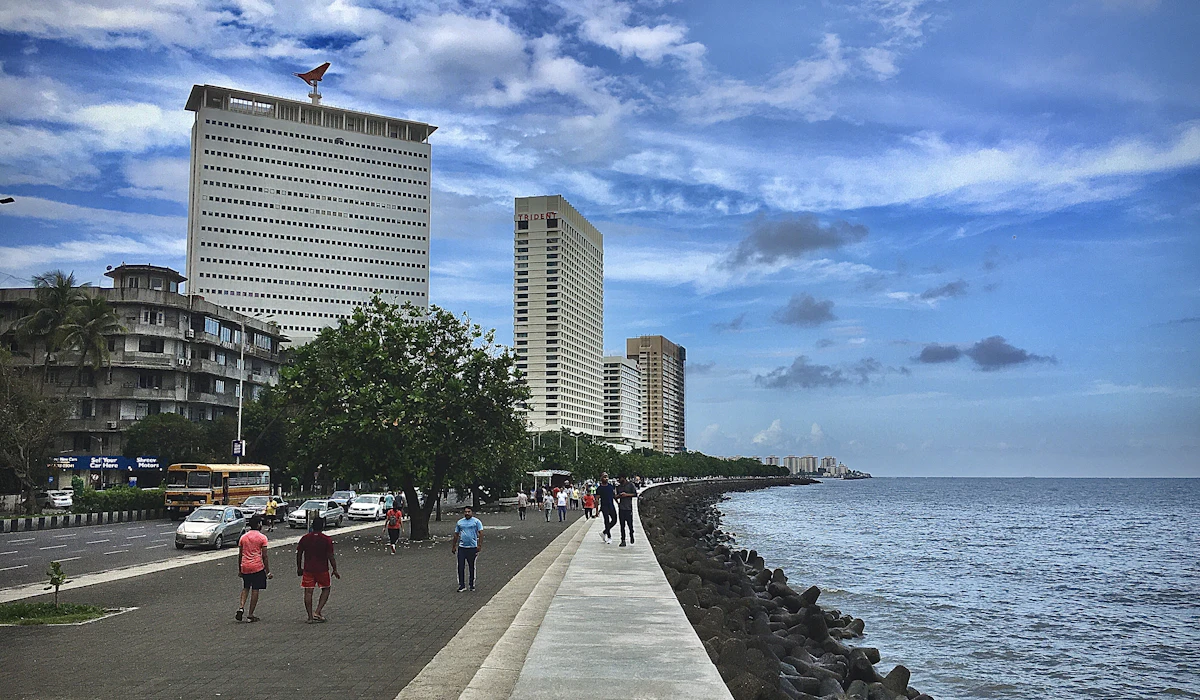
Mumbai’s scale alone argues against a short visit, from South Mumbai’s colonial architecture around the Gateway of India to the northern suburbs’ film-industry culture and the Elephanta Caves accessible by ferry. The city’s food scene spans everything from street stalls to high-end restaurants.
Visitors who treat it as a one-night stopover before Goa or Rajasthan see only a small part of what makes it distinct.
Delhi
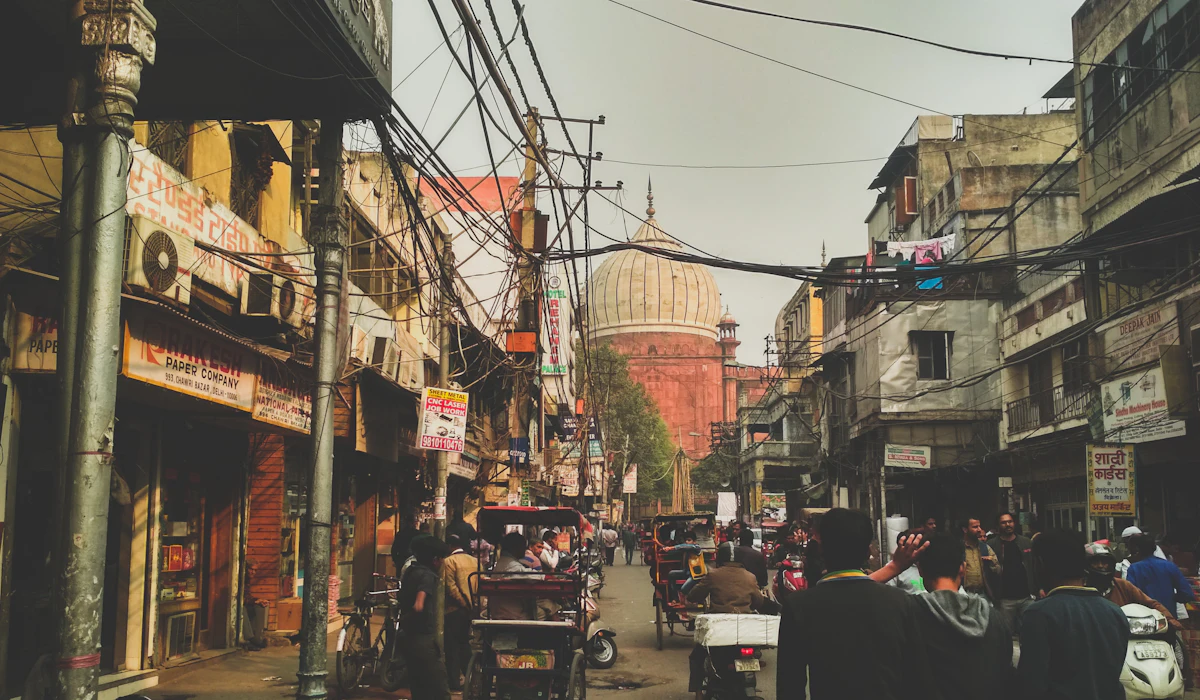
Delhi effectively functions as several different urban experiences, from Old Delhi’s Mughal-era lanes around the Red Fort and Jama Masjid to New Delhi’s colonial-era government district, museums, and markets. Treating all of that as a single day’s itinerary flattens the city considerably.
The National Museum, Gandhi Smriti, Humayun’s Tomb, Qutub Minar, and numerous other sites add further reason to stay.
Ahmedabad
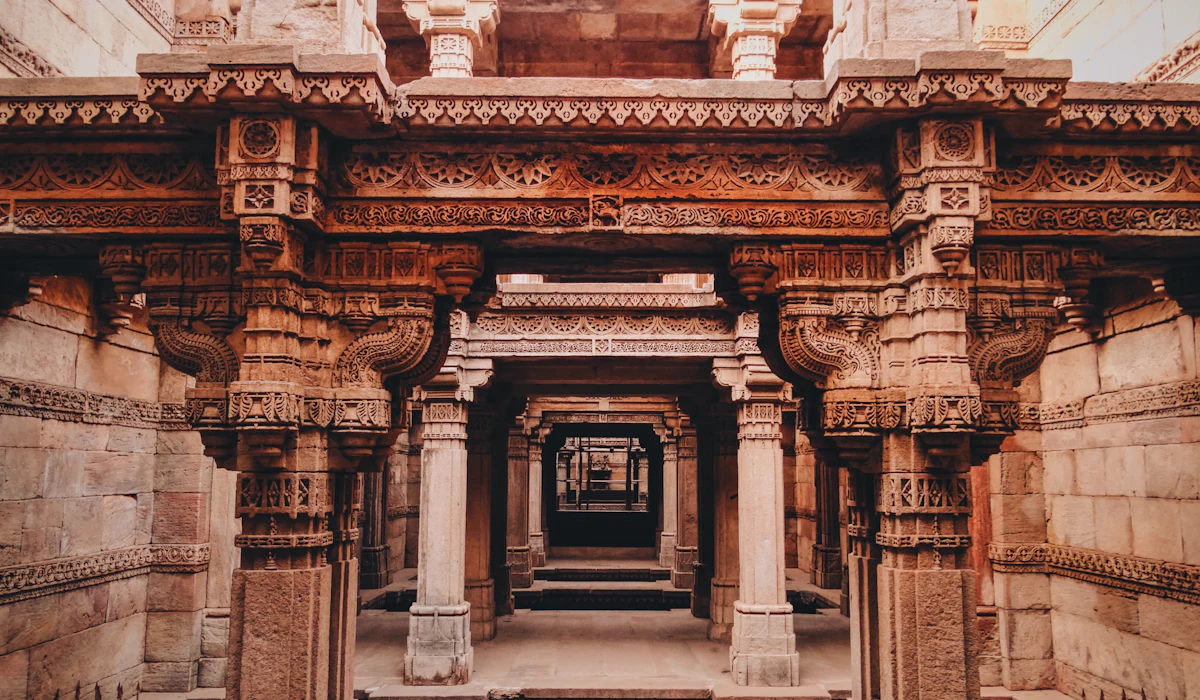
Ahmedabad’s old city, a UNESCO World Heritage City, is dense with historic houses, mosques, pols, and other architectural details that reward slow walking rather than a drive-through tour. The city is also a center for textile and design, with the Calico Museum of Textiles holding a renowned collection.
Visitors who use Ahmedabad only as a gateway to Gujarat’s other sites miss a city with substantial attractions of its own.
Bhopal
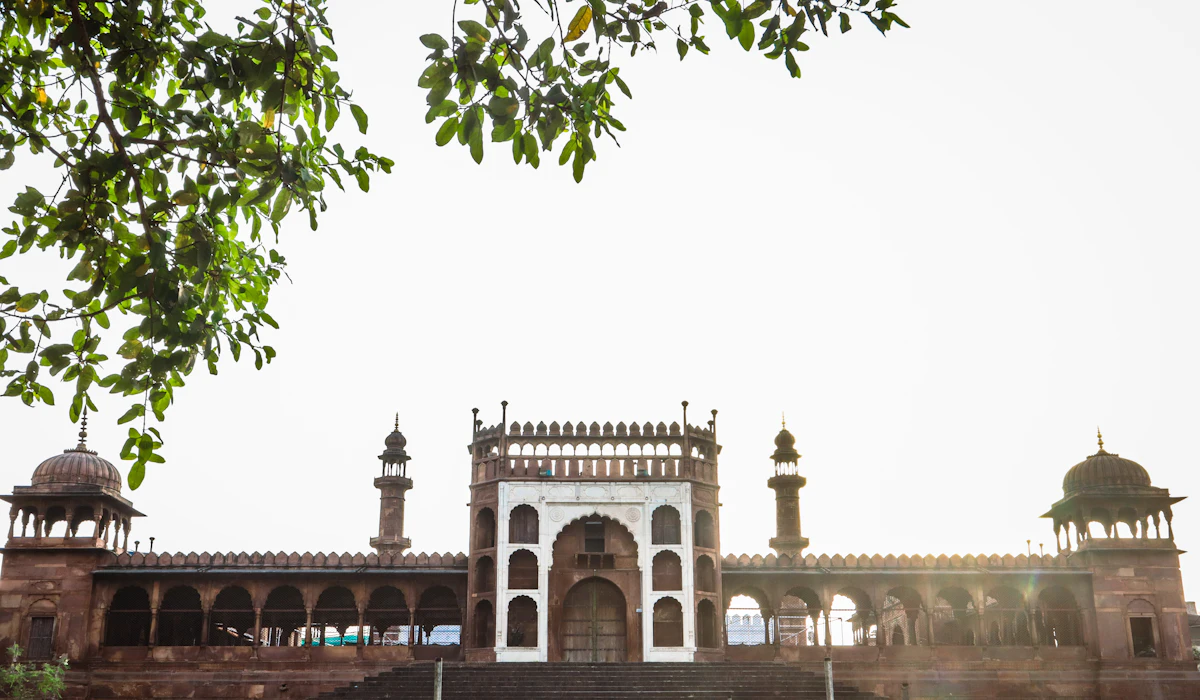
Bhopal’s lakes and its position near the ancient Buddhist stupas of Sanchi make it a natural multi-day base rather than a quick stop. The city’s old quarter, with its mosques and bazaars, sits in contrast to newer planned areas, giving visitors different urban experiences within the same city.
Sanchi, roughly an hour away depending on traffic, adds another substantial excursion.
Puducherry
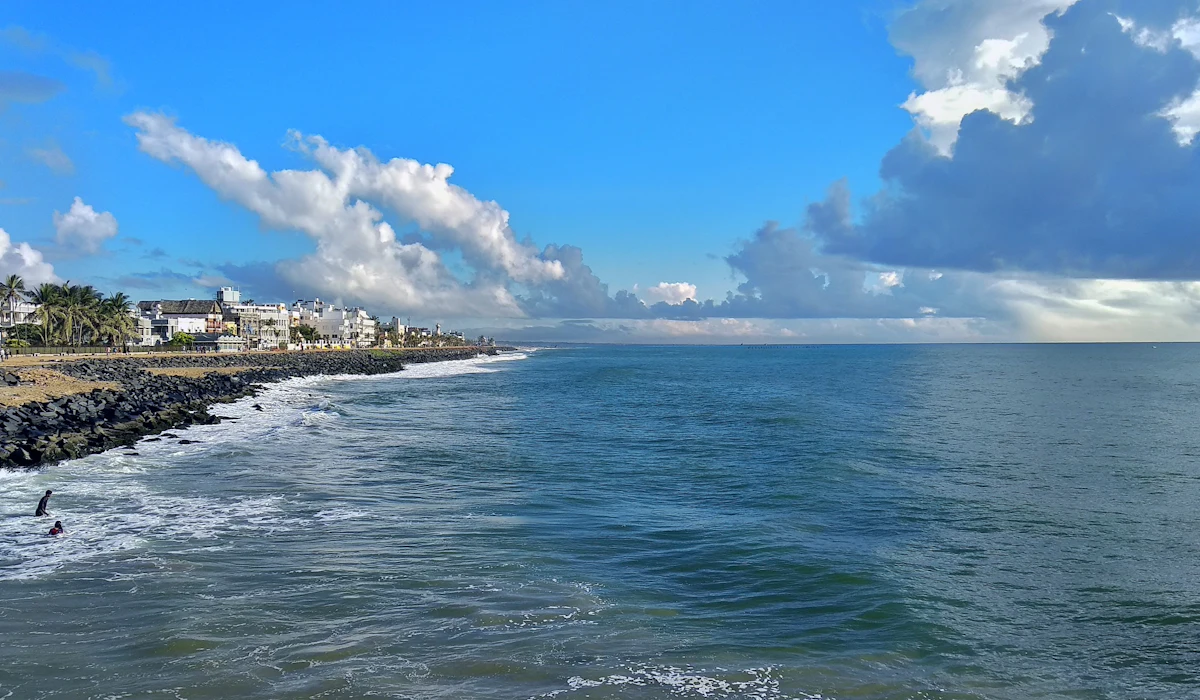
The former French colonial enclave of Puducherry, still visible in its street names, architecture, and planned French Quarter, invites a slower pace than many Indian coastal towns. The nearby experimental community of Auroville and its Matrimandir provide a substantial excursion on their own.
Visitors who pass through for an afternoon miss both the town’s character and its unusual neighboring destination.
Darjeeling
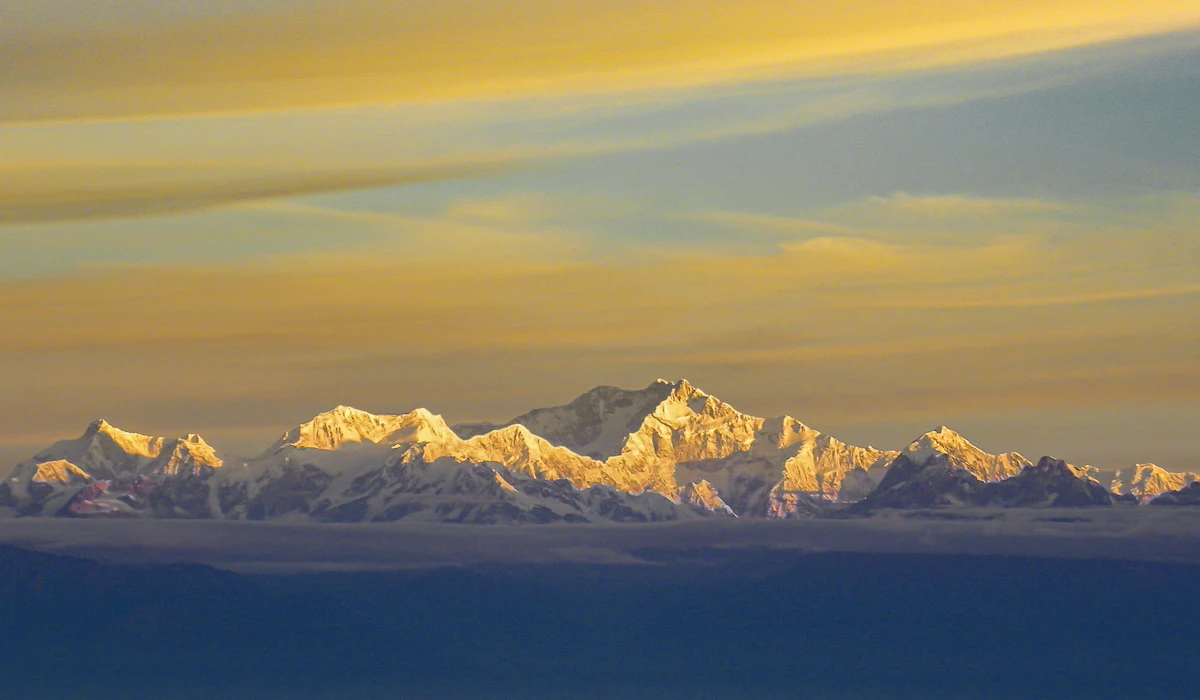
Darjeeling’s tea estates, the narrow-gauge Himalayan railway, and its position as a base for Kanchenjunga viewpoints each add dedicated experiences rather than fitting neatly into one overlapping day. The town’s elevation and winding roads also mean travel within the region can take longer than distances suggest.
Visitors booking a one-night stop may manage the toy train or a viewpoint, but a longer stay leaves room for both as well as the tea-growing landscape.
Shillong
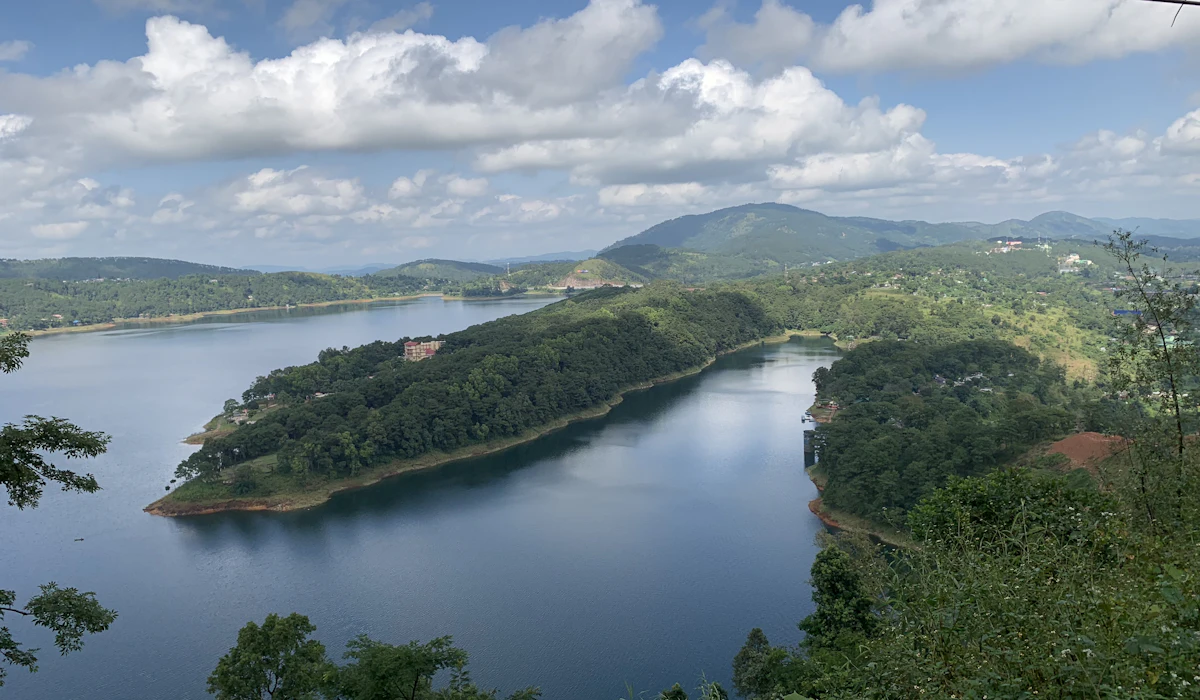
Shillong serves as a base for exploring Meghalaya’s waterfalls, forests, caves, and living root bridges, many of which require excursions beyond the city. The famous double-decker bridge at Nongriat, in particular, involves a substantial journey and hike, while other root bridges and attractions are more accessible.
Shillong itself, with its music, cafe, and hill-station culture, rewards a base of several nights, while extra time also provides useful flexibility for the region’s changeable weather.
Leh
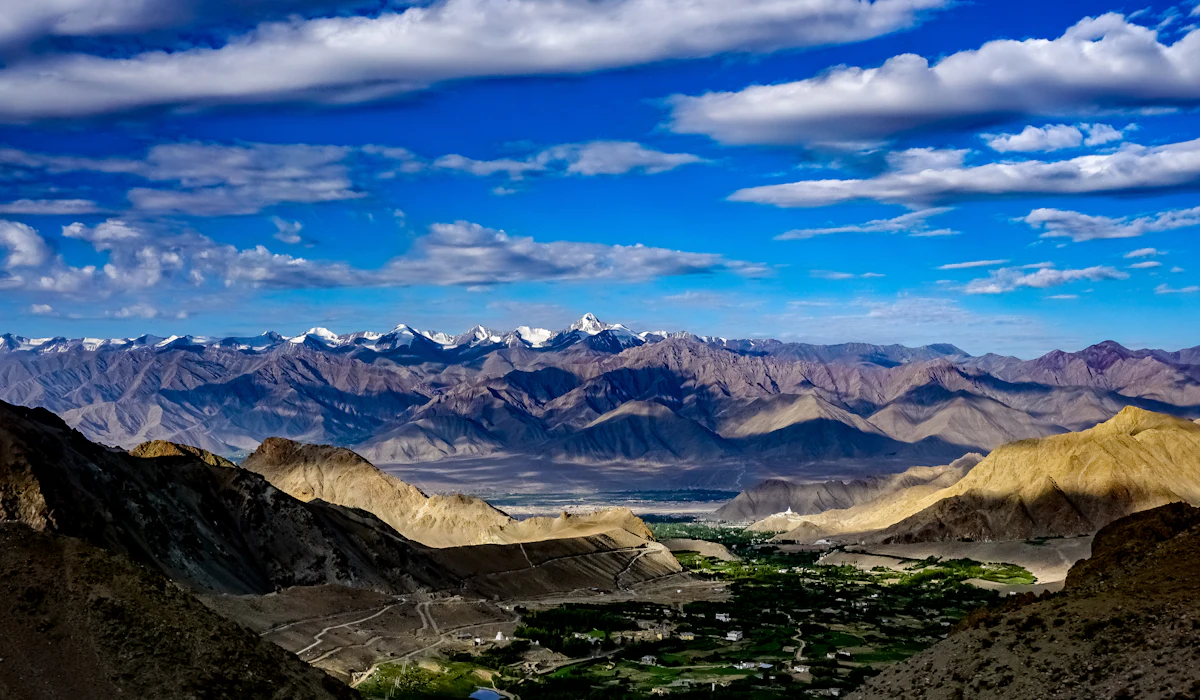
Leh’s high elevation requires at least one or two rest days before strenuous activity for many travelers, which alone pushes most worthwhile visits beyond two days. Beyond acclimatization, the surrounding monasteries, including Thiksey and Hemis, and excursions toward places such as Pangong Lake each take substantial travel time.
Visitors who arrive and depart quickly risk spending much of the trip adjusting to the altitude rather than experiencing the region.
Chandigarh
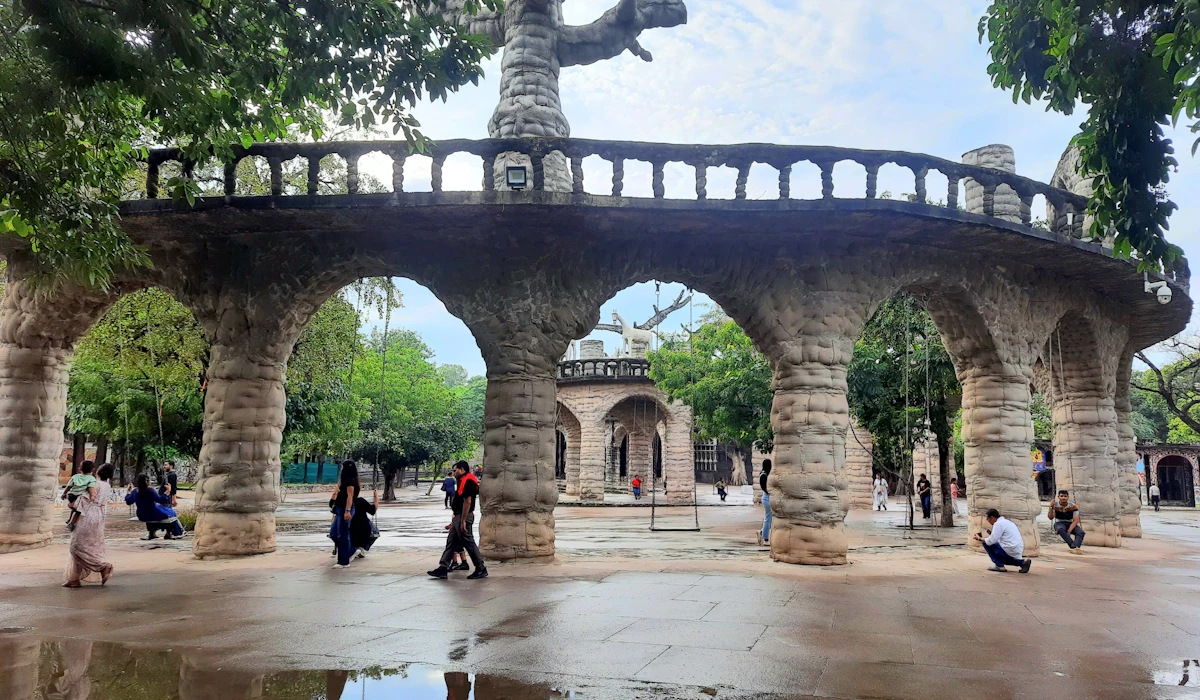
Chandigarh’s planned, modernist layout, designed with Le Corbusier as its principal architect, makes it unlike most other Indian cities, and the Rock Garden, built largely from discarded industrial and household materials, is a destination in its own right. The city’s sector-based grid rewards slower exploration to understand its design and architecture.
Most visitors passing through en route to Himachal Pradesh give it only a fraction of the time it can support.
Thanjavur
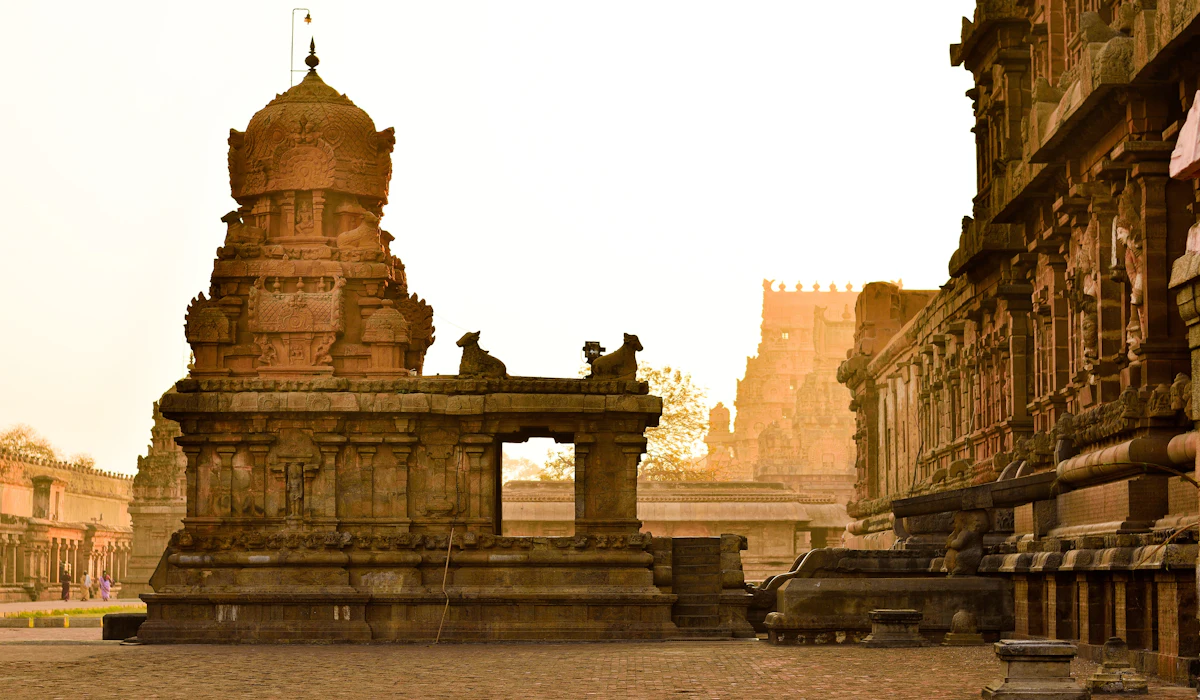
Thanjavur’s Brihadeeswarar Temple, a UNESCO World Heritage site and masterpiece of Chola-era architecture, anchors a city also known for its Saraswathi Mahal Library, palace complex, art collections, and traditional Tanjore painting. The temple, palace complex, and surrounding craft traditions all merit unhurried time.
Visitors treating Thanjavur as a brief stop between Chennai and Madurai typically see only the city’s most famous monument.
Gwalior
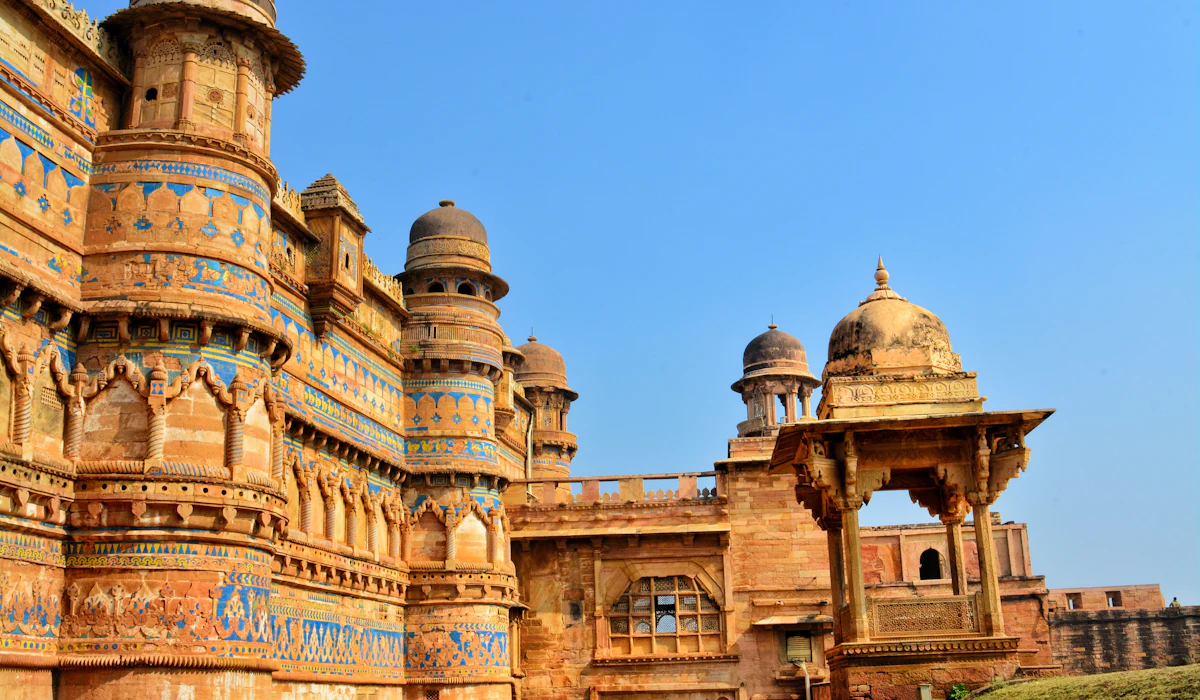
Gwalior Fort’s ramparts enclose palaces, temples, and a remarkable set of Jain rock-cut sculptures that together take considerably longer to explore than the fort’s exterior silhouette suggests. The city below adds Jai Vilas Palace, which has been converted into a museum with opulent rooms and historic collections.
Most itineraries allot Gwalior a half-day stopover, which leaves little time for anything beyond the fort.
What the Rushed Itinerary Misses
The cities on this list share a pattern: their defining experiences are layered rather than singular, built from markets, workshops, rhythms, museums, neighborhoods, and side trips that do not compress into a headline photograph. A single day captures the monument.
It rarely captures the city around it.
Slowing down in even a handful of these places changes the character of an entire India trip, trading the accumulation of sights for something closer to an actual sense of place. The extra day is rarely wasted; it is usually where the trip begins to feel like it belongs to the traveler rather than the itinerary.
More from Travel Pug

- Underrated Italian Towns That Beat the Tourist Crowds
- Las Vegas Tourist Traps to Skip
- Prettiest Towns in Every US State
- 18 passport-free countries for Americans
- Signs Your Cruise Is Not Worth The Cost
Like Travel Pug’s content? Follow us on MSN.