

Everyone knows Hallstatt. Everyone knows Lake Como.
They show up on every travel list, every Instagram feed, every “hidden gem” roundup that somehow includes places with a two-year waitlist for lakeside tables. The crowds aren’t a coincidence — those places earned their reputation — but the assumption that they’re the only options worth your time is one worth questioning.
Europe has hundreds of lake towns, many of them genuinely beautiful, genuinely affordable, and genuinely unbothered by the kind of tourism that turns a village into a theme park version of itself. These 28 are the ones that reward a traveler willing to look slightly past the obvious.
Velden am Wörthersee, Austria

Wörthersee gets the headlines, but Velden is where it actually becomes livable. The casino and the lakeside promenade exist without the circus of nearby Pörtschach, and a room here in shoulder season runs at roughly half the price of what you’d pay further along the shore.
It’s the kind of place that doesn’t need to announce itself.
Gmunden, Austria

Gmunden sits at the northern end of the Traunsee — a lake so clean and cold and blue-green it looks slightly unreal, the way color-corrected travel photography looks but rarely actually is. The town itself has a salt-white castle built on a tiny island just offshore (the Schloss Ort, connected to the mainland by a wooden bridge, famous in Austria for a TV soap opera that filmed there for years), and the surrounding streets are full of the kind of ceramics shops and bakeries that haven’t recalibrated their prices for foreign tourists.
So you end up wandering somewhere genuinely lovely and spending genuinely little. And yet almost no one outside Central Europe seems to know it’s there.
Molina di Ledro, Italy
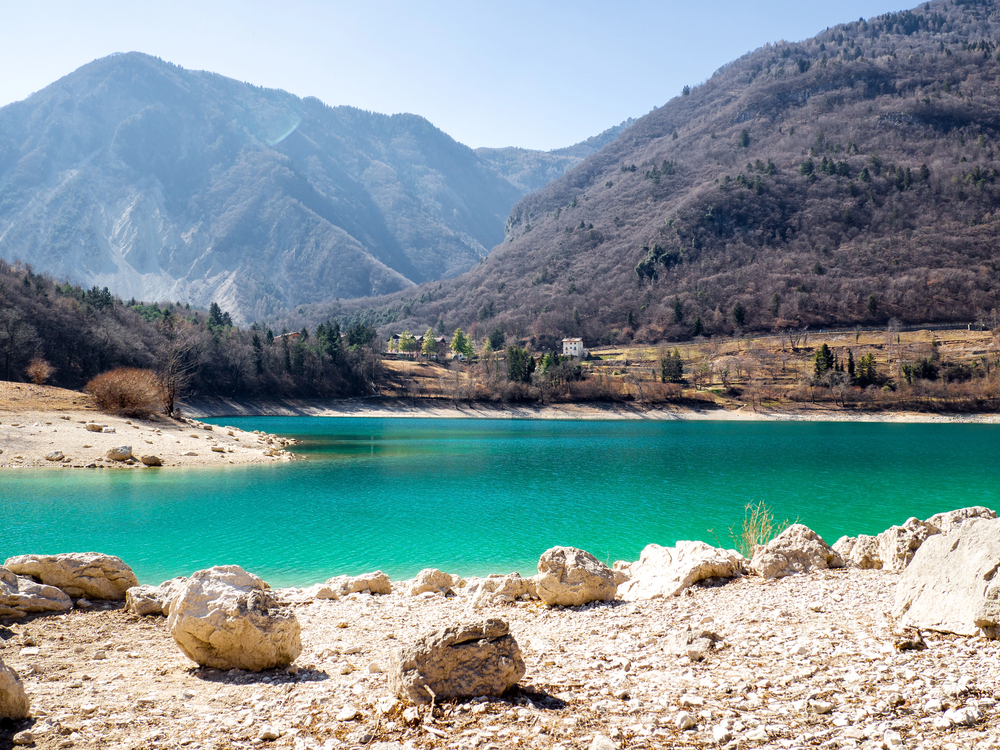
Lago di Ledro is Lake Garda’s quieter sibling, tucked just a few miles west and about 2,000 feet higher. The water is an implausible shade of turquoise, the campgrounds are well-run and cheap, and the village of Molina di Ledro has an actual Bronze Age pile-dwelling museum built over the lake because they kept finding ancient wooden stilts in the mud during agricultural work.
It’s Italy without the performance of Italy.
Orta San Giulio, Italy

Orta San Giulio is what Lake Como would be if it hadn’t been discovered. The town wraps around a small peninsula on Lago d’Orta in Piedmont, all cobblestones and shuttered windows and a piazza that faces the water without a single chain restaurant in sight — which is saying something for northern Italy’s lake district.
The island of San Giulio sits just offshore, close enough to reach by a five-minute rowing boat, far enough to feel genuinely removed.
Nago-Torbole, Italy

Torbole is the kind of place windsurfers find and then keep finding, year after year, because the Ora wind that funnels through the northern end of Lake Garda is remarkably consistent and nobody talks about it loudly enough to ruin it. The town itself is small — a handful of trattorias, a harbor, steep hills rising immediately behind — and accommodation costs a fraction of what Sirmione charges for the same calendar week.
The Dolomites are visible from the water on clear days, which they frequently are.
Banyoles, Spain

Banyoles has a lake. It hosted the 1992 Olympic rowing events.
It has not, in the decades since, turned that into an identity crisis. The old town is genuinely medieval, the lakeside path is flat and easy and lined with old plane trees, and the restaurants around the water serve traditional Catalan food at prices that feel faintly implausible compared to Barcelona, which is only about 75 miles south.
Ohrid, North Macedonia

Ohrid is one of those towns that carries its history the way old buildings carry their weight — visibly, in the fabric of the thing itself, without needing to point it out. The lake it sits on, also called Ohrid, is one of the oldest in the world and holds endemic species found nowhere else on the planet; the town above it has Byzantine churches and Ottoman-era houses stacked up the hillside in a way that should by rights be overwhelmed with visitors but somehow isn’t.
Prices here are low in the way that still surprises Western European travelers — a full dinner with wine for two for under $20 is not unusual.
Pogradec, Albania

Albania is still in the phase where every destination inside it is technically underrated. Pogradec, on the Albanian shore of Lake Ohrid, is particularly so: a small resort town that Albanians have been visiting for decades for the clean mountain lake water and the grilled carp, largely indifferent to whether outsiders join them.
The infrastructure is basic, the welcome is warm, and the beaches along the lake are free.
Struga, North Macedonia

Struga sits where the Black Drin River exits Lake Ohrid, and that geography — river mouth, lakefront, bridge crossings — gives it a particular texture that feels different from the grander neighboring towns. It’s quieter than Ohrid city, less photographed, more genuinely local in its market stalls and coffee shops.
The annual poetry festival it hosts each August is one of the oldest in the Balkans, which is the kind of detail that corrects your assumptions about a place.
Bohinj, Slovenia

Everyone who visits Bled — and many people visit Bled — should drive the extra 16 miles west to Bohinj, because Lake Bohinj is larger, wilder, colder, and genuinely less trafficked in a way that Lake Bled (beautiful as it is) stopped being sometime around 2016. The village of Ribčev Laz at the eastern end of the lake has a small stone church by the water’s edge and a bus connection from Ljubljana that costs almost nothing.
It feels like Slovenia before Slovenia became a destination, which is to say: it feels like itself.
Cerknica, Slovenia

Cerknica sits beside something genuinely strange: a lake that disappears. Lake Cerknica is an intermittent lake — a karst phenomenon where the water drains through sinkholes in winter and spring, leaving a flat grassy plain, then fills again — and the town that sits beside this peculiar geographic mood swing is accordingly modest and curious and easy to underestimate.
There are no crowds, no tour buses, no lakeside boutique hotels charging $400 a night. Just a town that happens to live next to something that behaves unlike any other lake in Europe.
Brombachsee, Germany
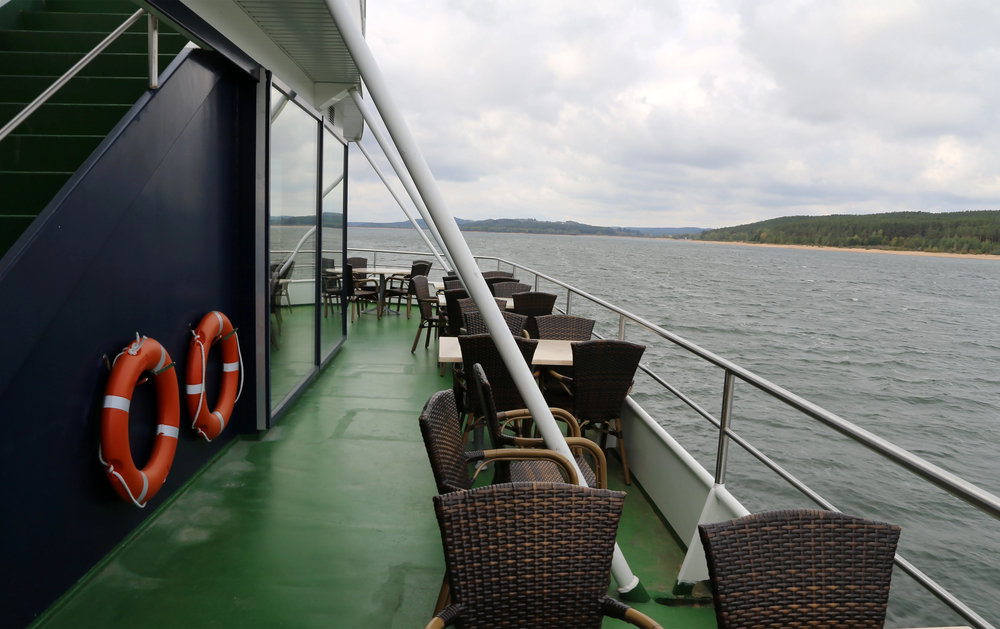
Bavaria gets all the attention, but the Franconian Lake District — specifically the Brombachsee, about 30 miles southwest of Nuremberg — is a legitimate summer destination that most international travelers walk straight past. The reservoir is large and warm enough for swimming, the surrounding landscape is gently wooded, and the towns dotted around the shore, like Absberg and Pleinfeld, have the kind of quiet, functioning infrastructure — guesthouses, beer gardens, bicycle paths — that Germans build when they’re planning to enjoy somewhere themselves rather than for export.
Plön, Germany
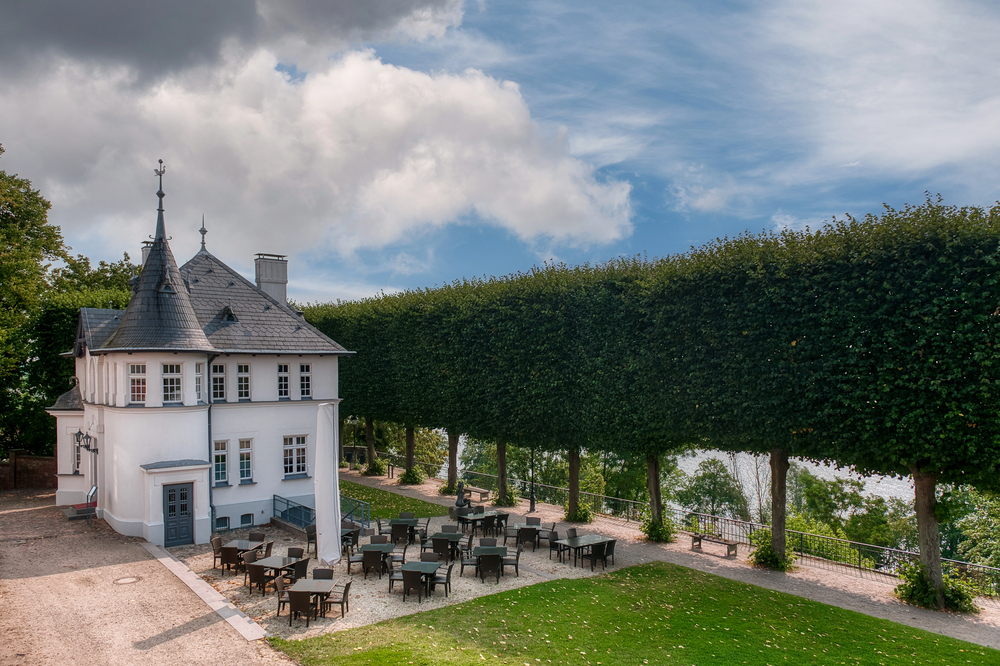
Plön is the center of the Holstein Switzerland lake district in northern Germany, a region of interlocking lakes and forests that gets very little international attention and quite a lot of German summer vacationers who are therefore not interested in telling you about it. The town sits on a promontory between two lakes, has a Renaissance palace converted into a school, and moves at a pace that feels genuinely unhurried rather than performatively slow.
It’s also close enough to Lübeck — about 22 miles — that a day trip is easy.
Sirdal, Norway

Sirdal is in the interior of Rogaland county, roughly 50 miles from Stavanger, and the lake system here — Sirdalsvatnet and the surrounding highland terrain — is the kind of landscape that operates on its own terms entirely, unconcerned with whether you’re impressed. The valley is famous in Norway for its skiing in winter and its flat-calm lake paddling in summer, and the handful of villages along the water have more fishing boats than restaurants, which is genuinely the right ratio.
Siljan, Sweden

Lake Siljan is the heart of Dalarna, the region Swedes point to when they want to explain what they mean by “Swedish.” Red painted wooden houses, midsommar festivals with actual maypoles, folk music that hasn’t been ironized — Siljan has all of it.
It’s not undiscovered by Swedes, but it remains essentially invisible to the broader international travel market, which means the towns around the lake — Rättvik, Mora, Leksand — are still priced for people who live in Sweden.
Rättvik, Sweden
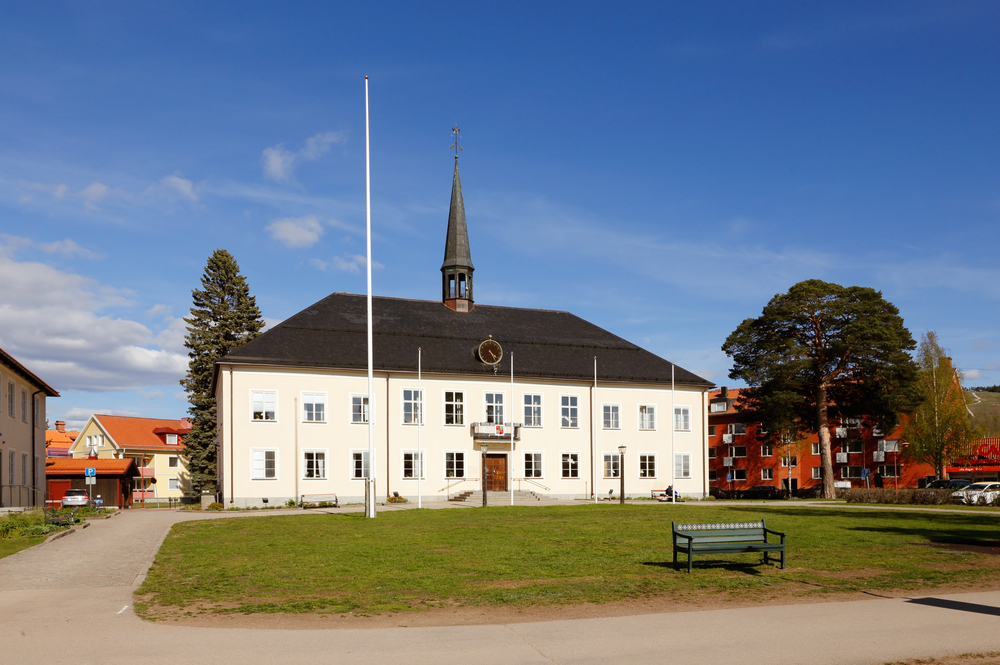
Rättvik earns its own entry because of one specific thing: a 19th-century wooden church pier, nearly 2,300 feet long, built so that parishioners from the far side of Lake Siljan could row to Sunday services and tie up their boats. It still stands.
The town around it is small and unhurried, with a sandy beach along the lake that draws Swedish families in summer and almost nobody else. That’s not a complaint — that’s the point.
Savonlinna, Finland
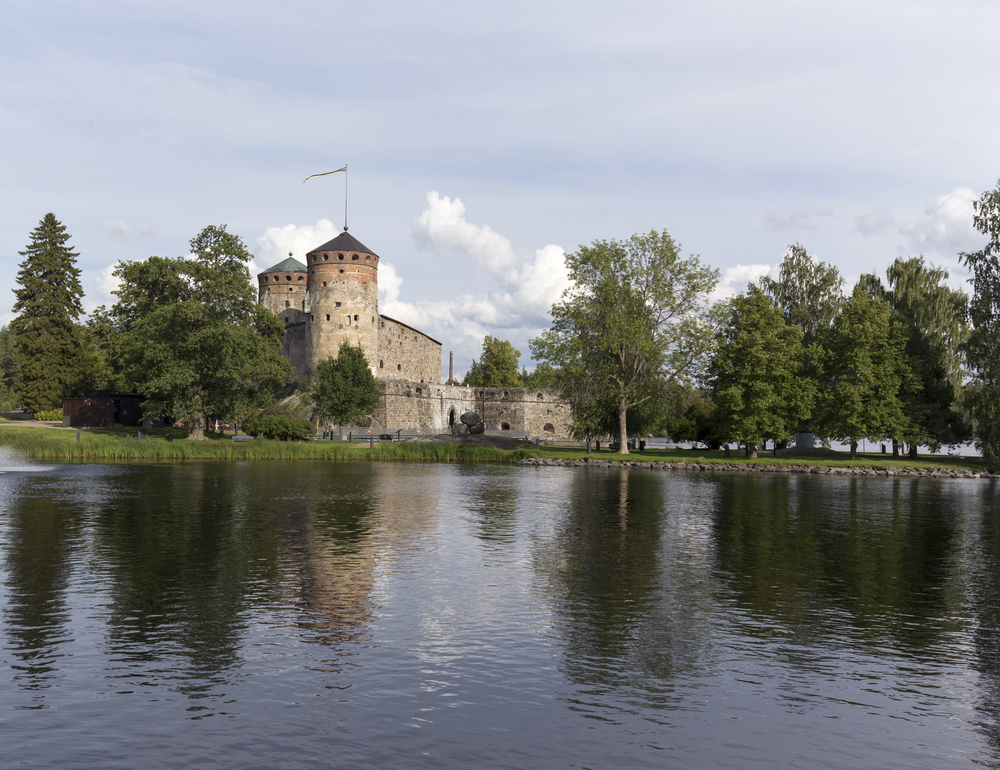
Finland has 188,000 lakes, so the idea that only one or two of them would be worth visiting is a little absurd. Savonlinna sits in the middle of the Finnish Lakeland — on a chain of islands between lakes Haapavesi and Pihlajavesi — and its most famous feature is a 15th-century water castle, Olavinlinna, that rises straight from the lake’s surface and hosts an international opera festival each July.
Accommodation outside festival week is remarkably affordable, and the archipelago paddling around the town is extraordinary.
Mikkeli, Finland

Mikkeli is a mid-sized Finnish city on the shore of Lake Saimaa — the largest lake system in Finland, and the fourth-largest natural freshwater lake in Europe by area — and it receives a fraction of the visitor attention that its position on this remarkable body of water arguably justifies. The Saimaa ringed seal lives here, one of the rarest freshwater seals in the world, and the lake itself is so vast and intricate with islands that you can spend a week on it and cover entirely different water every day.
Viljandi, Estonia

Viljandi has a lake and a ruined castle and a folk music festival in July and a stubborn, lovely sense of itself that resists categorization. The town is built on the slopes above Lake Viljandi, with the castle ruins on the northern hill and a wooden promenade running down to the water, and the whole thing has the feel of a place that got to develop at its own speed because nothing particularly dramatic happened to interrupt it.
Estonia in general is undervalued as a travel destination; Viljandi is undervalued within Estonia.
Máchovo jezero, Czech Republic
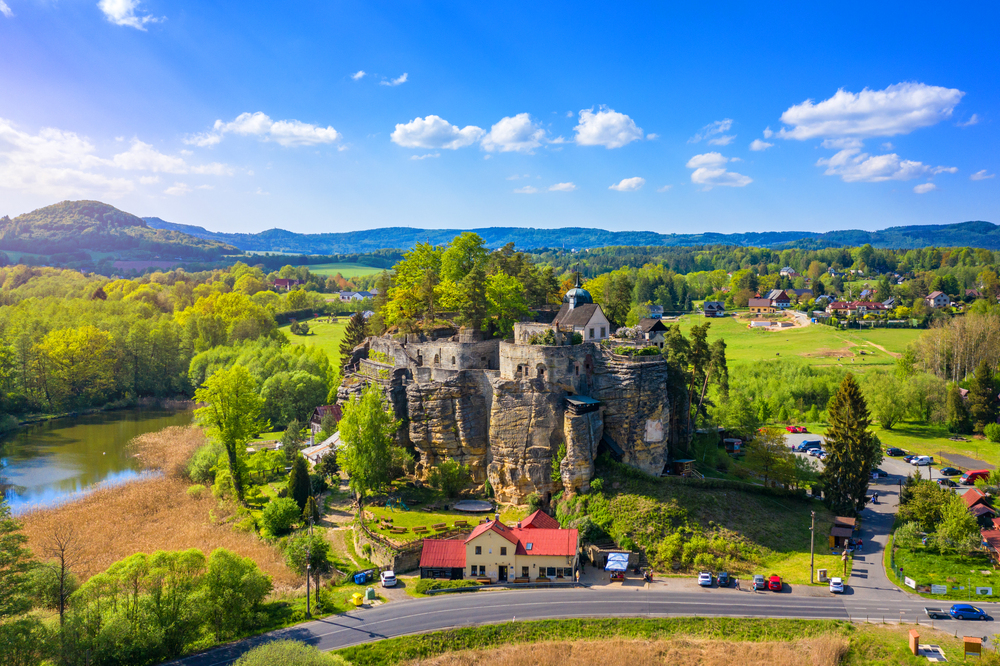
Máchovo jezero — Lake Mácha, named for the Romantic poet Karel Hynek Mácha who wrote about the region — is the Czech Republic’s most popular inland beach destination, which means it’s crowded with Czech families in August and essentially empty the rest of the year. The lake is sandy-shored and warm, the surrounding forests are part of the protected Kokořínsko–Máchův kraj landscape area, and the town of Doksy on the eastern bank has all the infrastructure you’d need at prices that feel like 2010 in most Western European contexts.
Lipno, Czech Republic
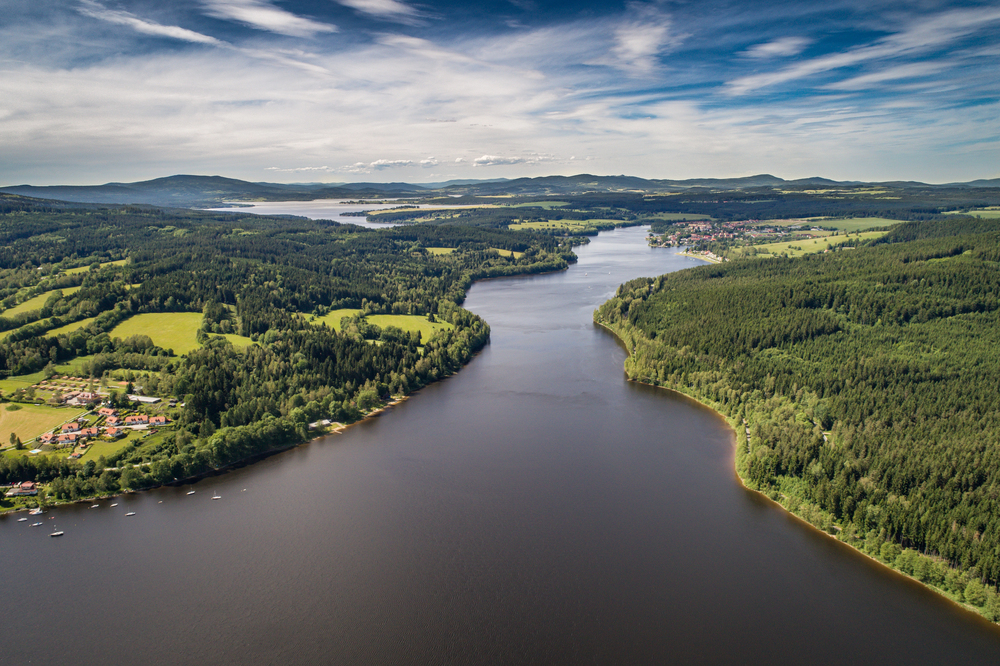
The Lipno reservoir in South Bohemia is large — the biggest reservoir in the country — and the lake towns along its shore, particularly Lipno nad Vltavou, have positioned themselves as quiet cycling and water-sports destinations rather than nightlife hubs, which is a positioning that turns out to suit them extremely well. The southern shore is barely developed, the forests come right down to the water, and the nearest big city is Český Krumlov, about 20 miles away, which is worth the detour by any standard.
Pancharevo, Bulgaria

Pancharevo is effectively Sofia’s lake, a reservoir in the Vitosha foothills about 9 miles from the city center, and it has that particular character of a place that serves a city well without being glamorous about it. The waterside restaurants here serve grilled fish and cold Bulgarian beer to Sofians escaping the city heat, the prices are low, and the mountain backdrop is immediate and serious.
It won’t appear on any international travel list, which is part of what makes it function.
Batak, Bulgaria
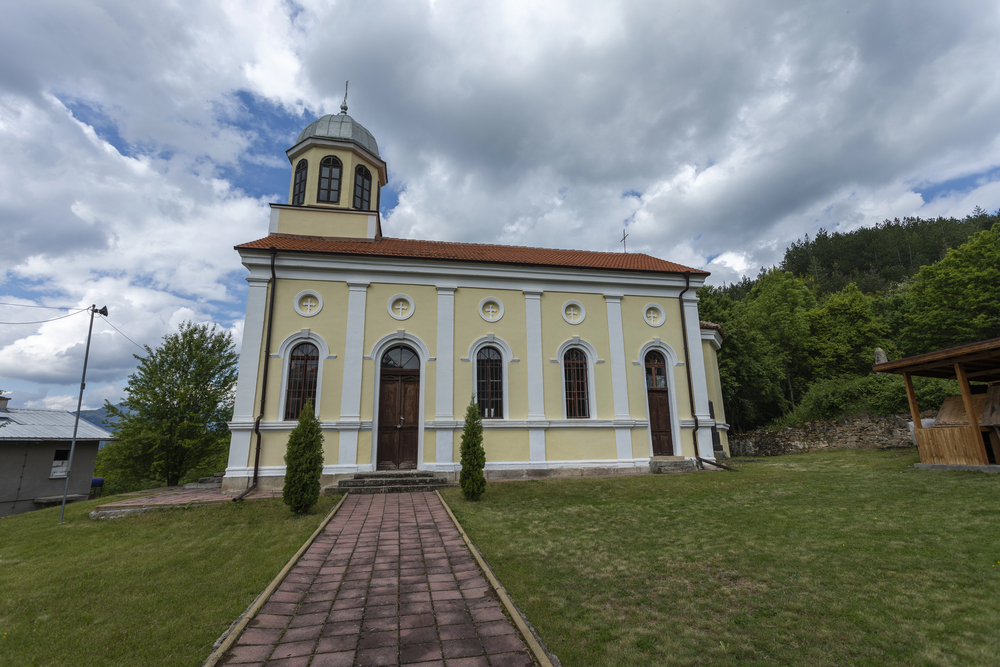
Batak Reservoir in the Rhodope Mountains is ringed by pine forests and small villages and one genuinely haunting history — the town of Batak itself was the site of an 1876 massacre that became an international cause and helped accelerate Bulgarian independence. The lake, formed later by a dam, sits in the middle of all this with the calm indifference of geography that outlasts events.
The fishing is good, the guesthouses are cheap, and the mountain air in summer is the kind of thing you notice immediately.
Prespa, North Macedonia

Great Prespa Lake sits at a triple border — North Macedonia, Albania, and Greece all share its shoreline — and that geographic awkwardness has, rather usefully, kept it from developing too fast in any single direction. The Macedonian shore has small fishing villages, Byzantine frescoes painted directly onto lakeside cliffs, and a pelican colony that operates with impressive confidence.
It is remote, the roads are occasionally an adventure, and there’s nowhere better for it.
Lago di Avigliana, Italy

Lago di Avigliana is two connected lakes in the foothills west of Turin, about 19 miles from the city, and it is almost entirely unknown outside Piedmont. The medieval town of Avigliana rises on a hill above the upper lake with the kind of unrestored, lived-in medieval architecture that becomes rare the moment tourism finds it.
Locals swim in the lower lake in summer; the upper lake is a nature reserve. Neither one charges you anything to sit beside it.
Aiguebelette-le-Lac, France

Annecy is extraordinary and priced accordingly. Aiguebelette-le-Lac, about 25 miles southwest of Annecy, is a smaller, warmer, greener lake in a natural hollow of the Savoy foothills, and it has the distinction of being one of the few natural lakes in France where motorboats are banned — which means the water is always calm, always quiet, always the temperature of a long summer afternoon.
The villages around it are small. The campgrounds are excellent.
And the crowds who drove past on their way to Annecy have no idea what they missed.
Where the Quiet Water Is

The famous lake towns are famous for reasons that hold up. But there’s a particular kind of travel that happens when you take a map of Europe and follow the water past the obvious stops — past the places that appeared in a magazine five years ago, past the renovated harbors and the $22 cappuccinos — until you find the lake that somebody’s grandmother still swims in every August.
That water is colder, usually. The towns around it are stranger and more particular.
And the experience of being in them belongs to you in a way that crowded destinations rarely can match. The water is still beautiful, the mountains are still reflected in it, and the cafés still serve coffee by the shore.
The difference is that here, you have room to notice it.
More from Travel Pug

- Underrated Italian Towns That Beat the Tourist Crowds
- Las Vegas Tourist Traps to Skip
- Prettiest Towns in Every US State
- 18 passport-free countries for Americans
- Signs Your Cruise Is Not Worth The Cost
Like Travel Pug’s content? Follow us on MSN.