

Los Angeles sells itself on a handful of postcard images, and most visitors arrive already knowing the shot they’re supposed to get. The trouble is that a lot of these places look better in photos than they feel in person, packed with tour buses, souvenir stands, and a general sense that the magic left decades ago.
None of this means Los Angeles disappoints. It means the city’s most famous stops rarely match the version built up online, and a few honest expectations save a lot of wasted afternoons.
Hollywood Walk of Fame
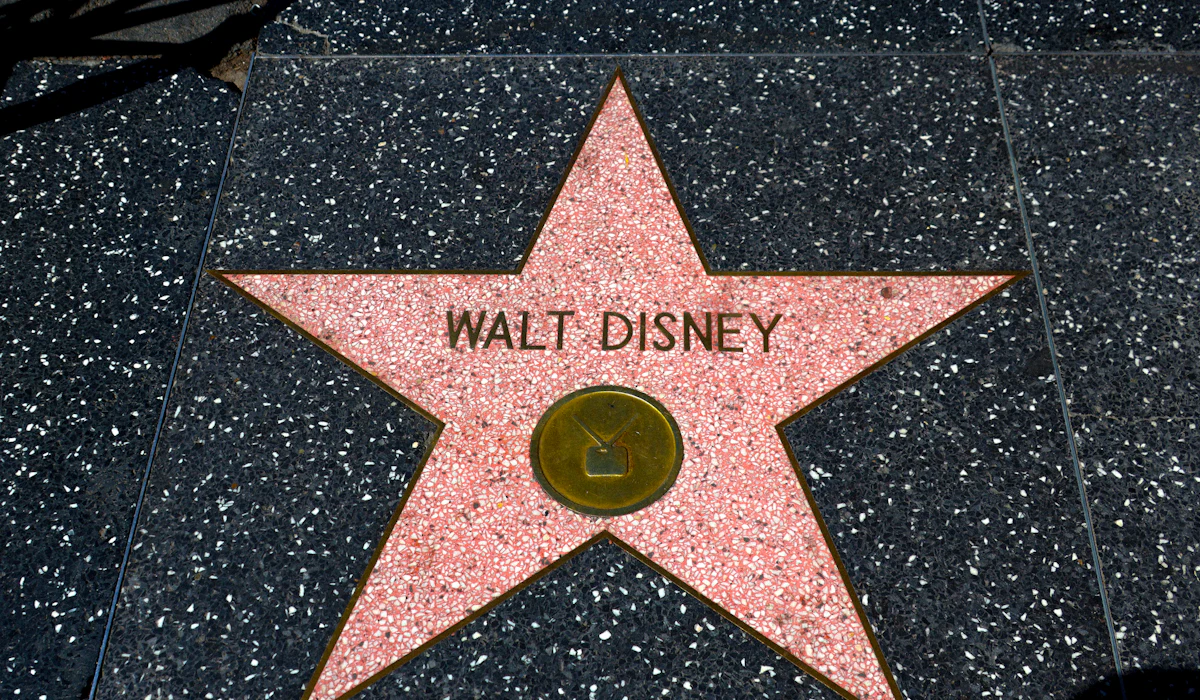
Ten miles of star-studded sidewalk sounds glamorous until you’re standing on it. Many of the stars are cracked, stained, or partially obscured by scaffolding, food carts, and people in worn-out costume-character outfits asking for tips.
Finding a specific star means scanning block after block of pavement while dodging foot traffic, and the surrounding storefronts sell the same magnets and shot glasses on every corner.
TCL Chinese Theatre Forecourt
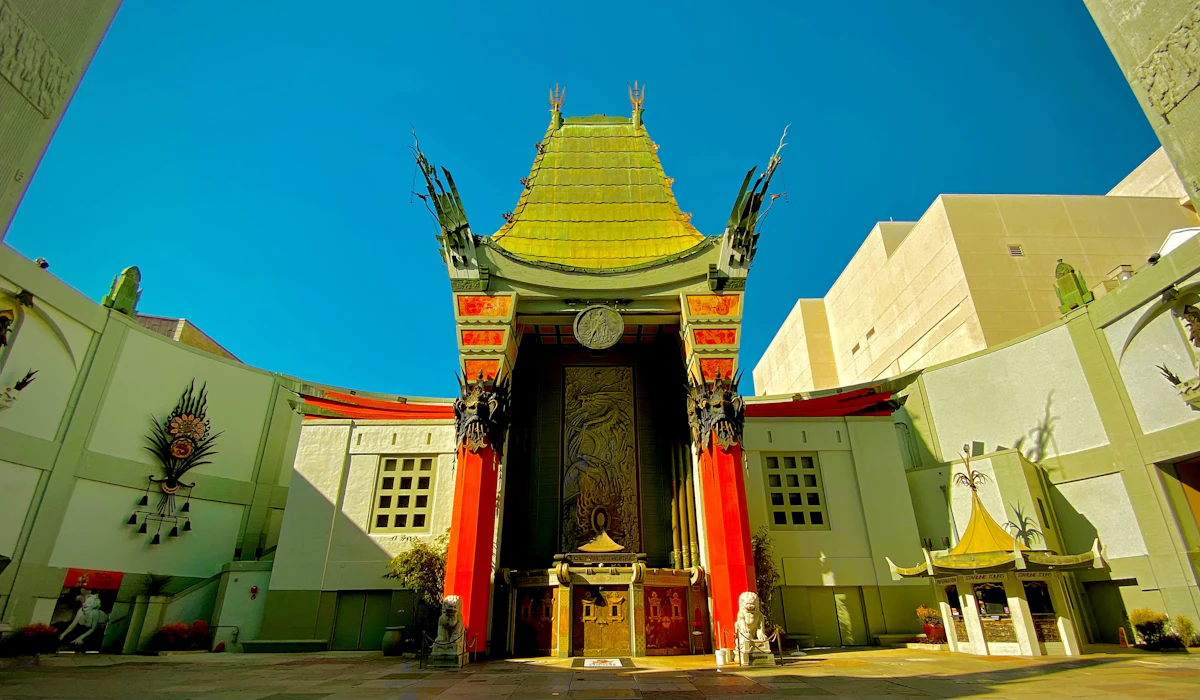
The handprints and footprints out front of this Hollywood Boulevard theater draw a permanent crowd, but the actual courtyard is smaller than photos suggest, hemmed in by a fence and a ticket booth pushing tours. Getting a clean picture of a favorite star’s prints usually means waiting behind several other groups doing the same thing.
The theater itself is a genuine architectural landmark, but the forecourt experience feels more like a chokepoint than an attraction.
Hollywood Sign Viewpoint At Hollywood And Highland
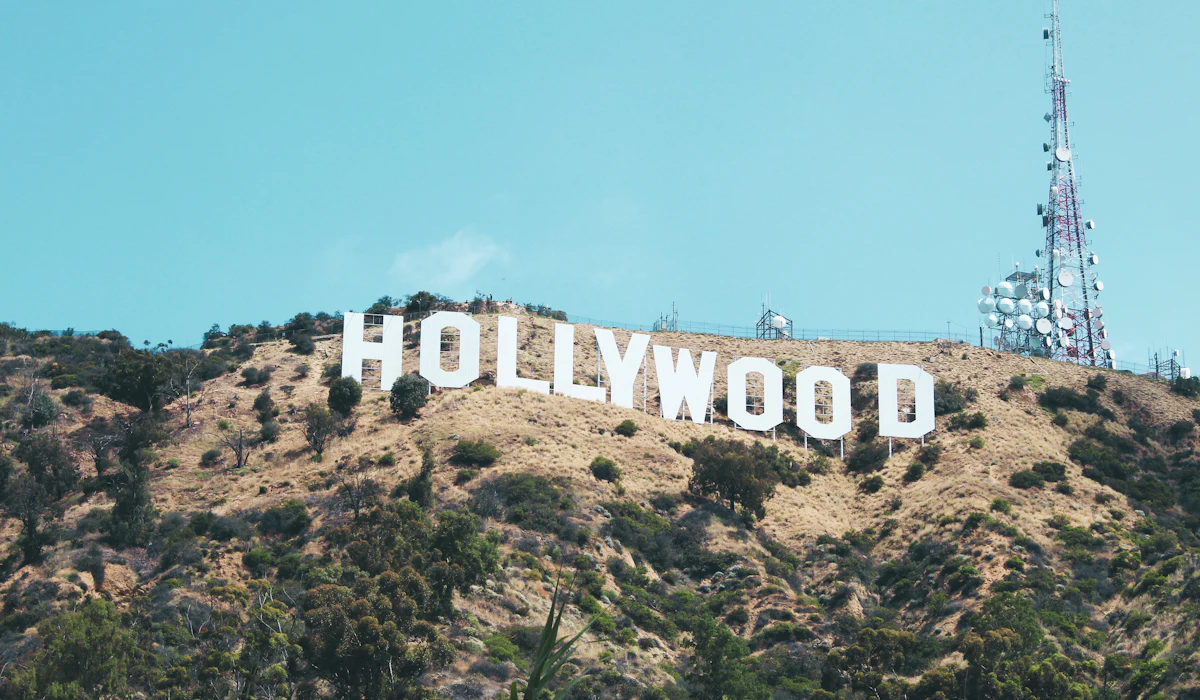
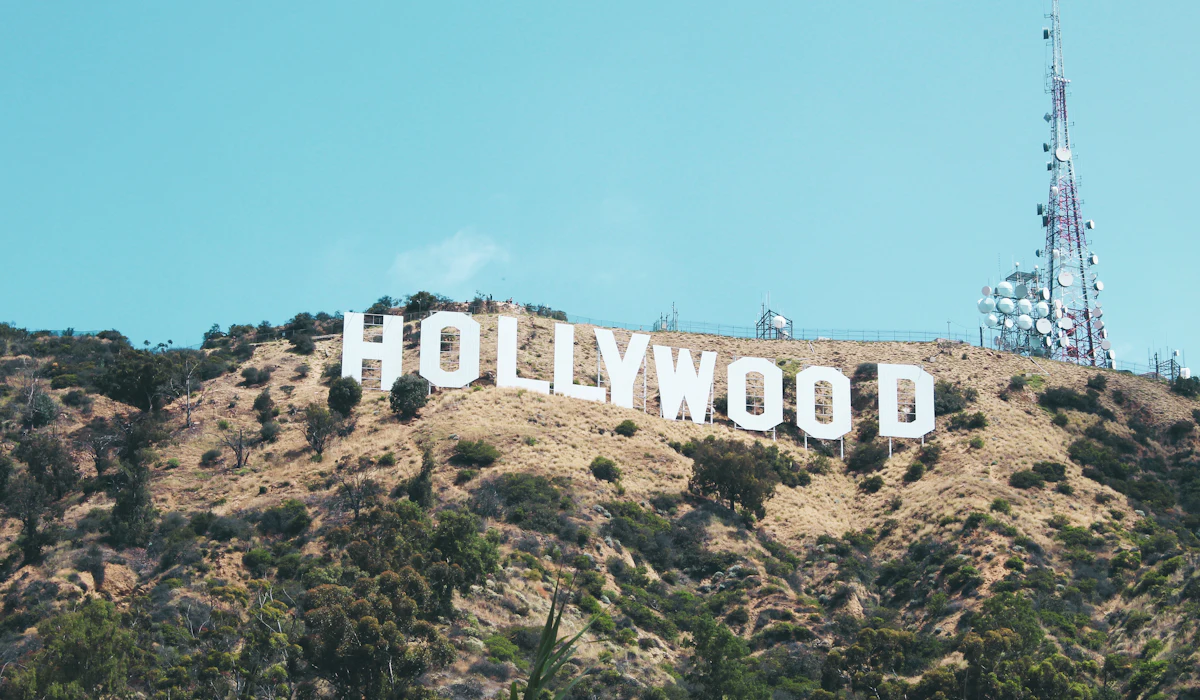
Tourists sometimes arrive expecting a close-up view of the Hollywood Sign from Hollywood Boulevard, only to discover that the real sign is still several miles away in the Hollywood Hills. Ovation Hollywood, formerly Hollywood & Highland, does provide a legitimate view of the actual sign, but it remains distant from street level.
The complex’s upper levels offer a better perspective, while a closer look requires heading into the hills or to another dedicated viewpoint.
Venice Beach Boardwalk
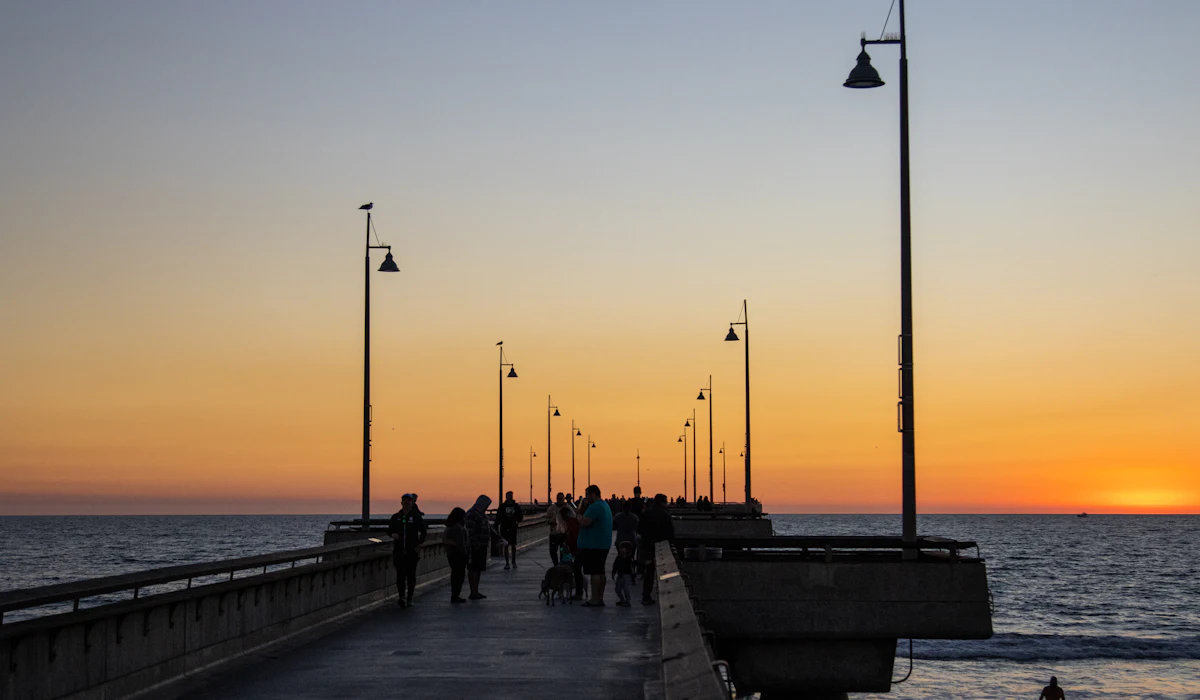
The boardwalk has a reputation for eccentric energy, but the reality is closer to a stretch of souvenir stalls selling identical sunglasses and airbrushed T-shirts. Muscle Beach draws a crowd, though the workout area itself is a modest fenced platform rather than the sprawling scene it appears to be online.
The sand and ocean are pleasant, but the boardwalk corridor itself moves slowly and smells strongly of incense and fried food.
Rodeo Drive
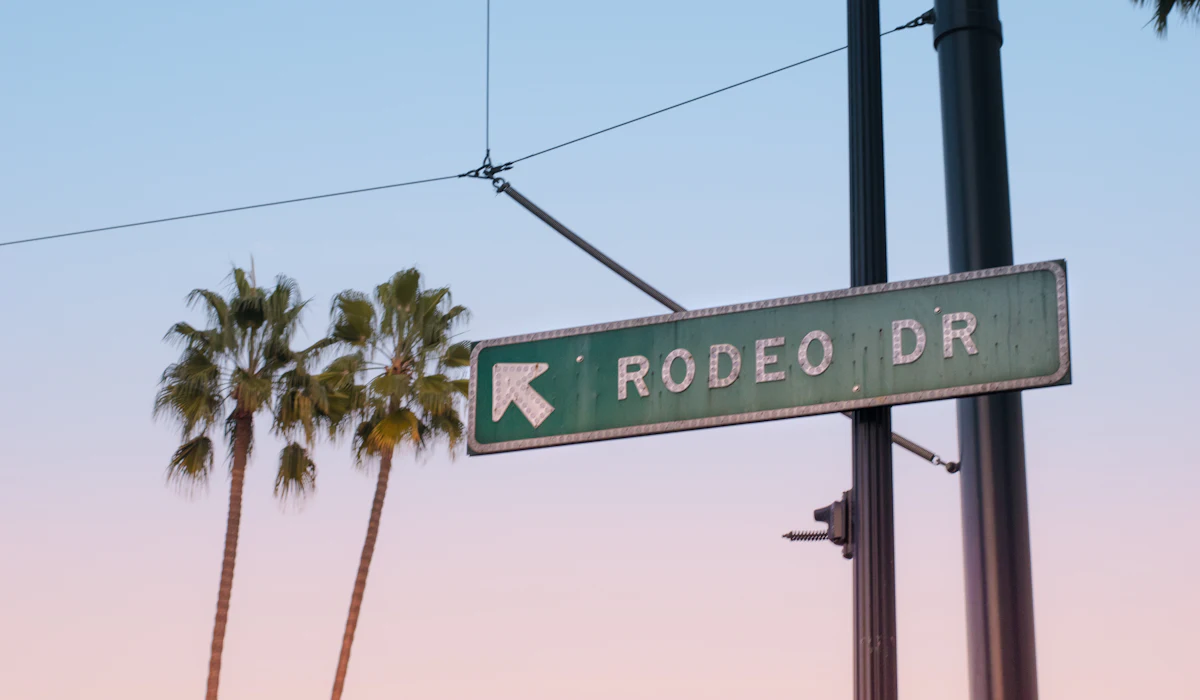
Three blocks of luxury storefronts photograph well, but window-shopping is essentially the entire activity unless a serious budget is involved. The street is narrower and quieter than its reputation implies, and most visitors spend ten minutes walking its length before realizing there’s nowhere to actually sit or linger.
Parking nearby costs more than some of the smaller items in the stores.
Ovation Hollywood
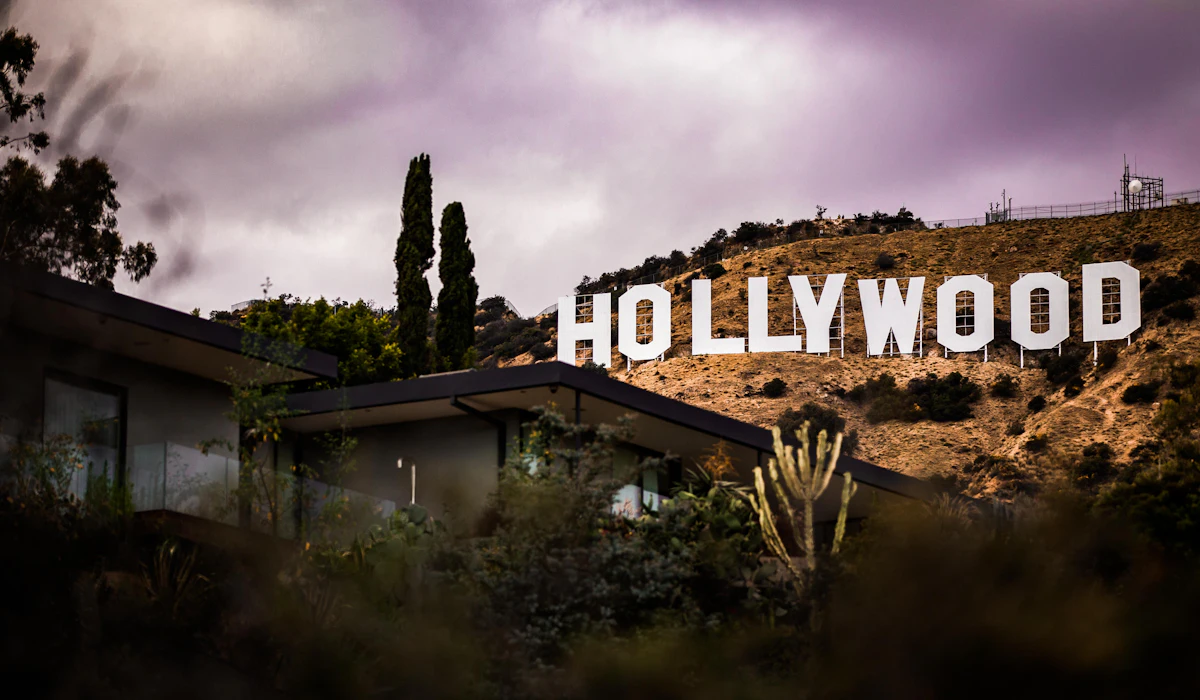
Formerly branded as Hollywood & Highland, this outdoor shopping center sits at the base of the Dolby Theatre and leans hard on Hollywood iconography. Inside, it functions much like a conventional shopping center, with chain restaurants and retail.
The upper levels offer a legitimate view of the Hollywood Sign, and that is often the most worthwhile reason to make the stop.
Madame Tussauds Hollywood
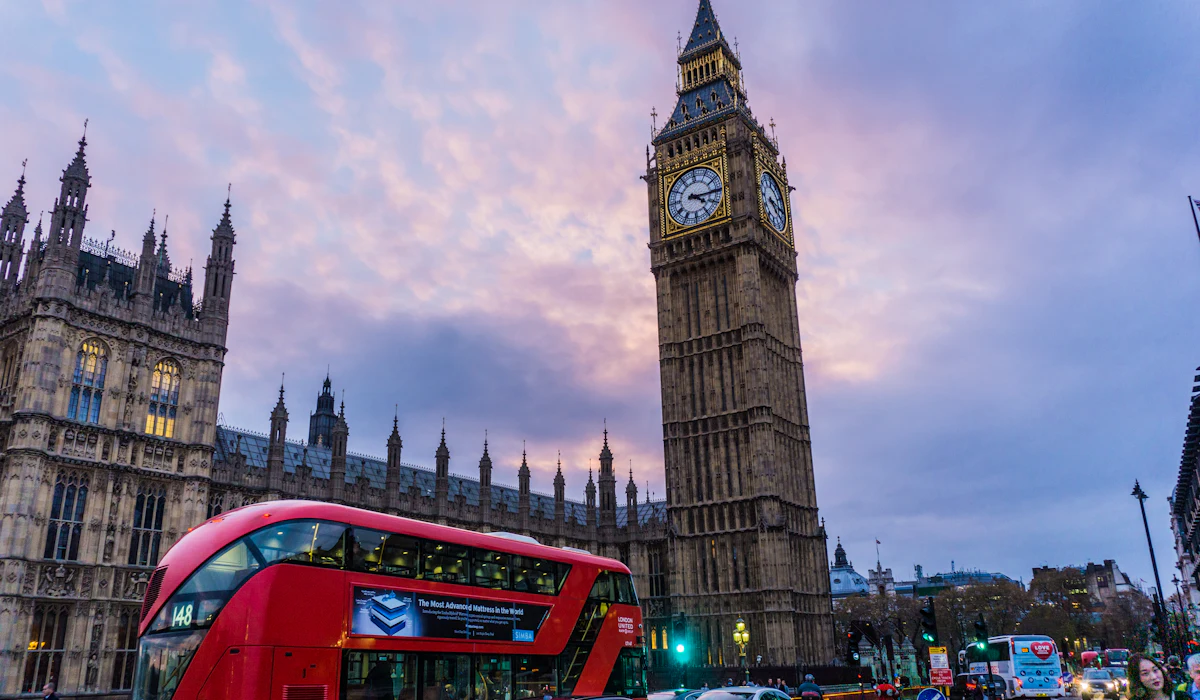
Wax figures depend heavily on lighting and angle to look convincing, and under the museum’s bright interior lighting some can look stiff or slightly off compared to their photos in marketing material. Ticket prices can feel high for what amounts to a series of photo backdrops.
Visitors who go in expecting a wax museum on the scale of the London original often come out surprised at how compact it is.
Hollywood Wax Museum
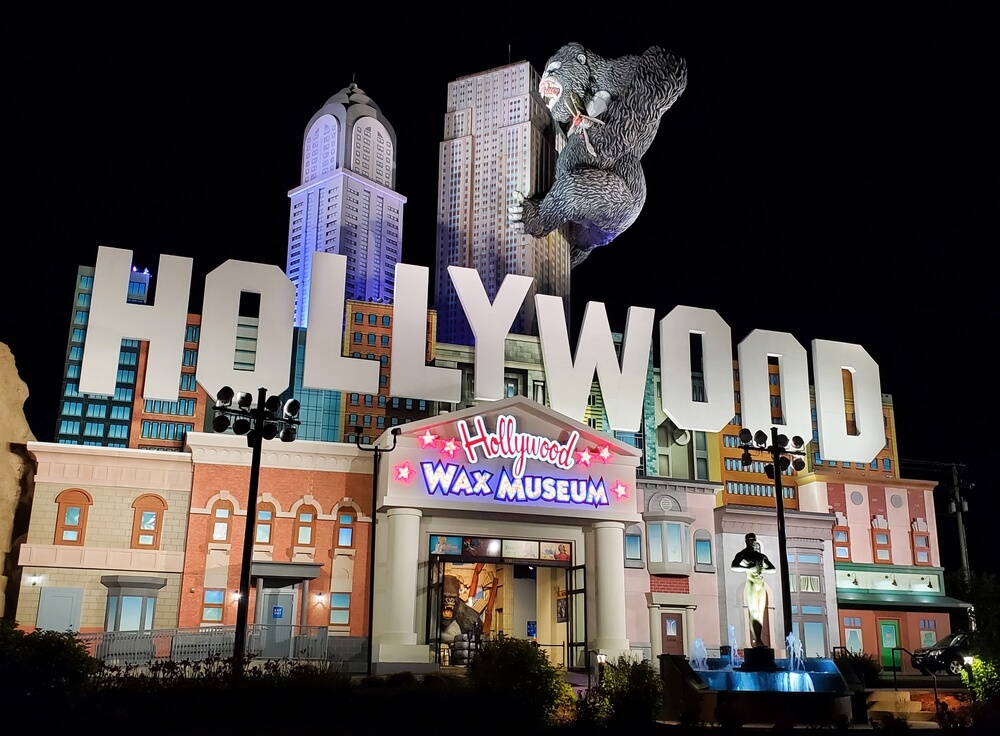
The oldest wax attraction on the boulevard shows its age, with some figures looking dated next to newer sculpting techniques used elsewhere. Rooms are cramped, and the layout funnels guests through a fairly quick loop for the ticket price.
It works fine as a rainy-afternoon filler, but it rarely lives up to the buildup from online photos of specific figures.
Ripley’s Believe It Or Not Hollywood
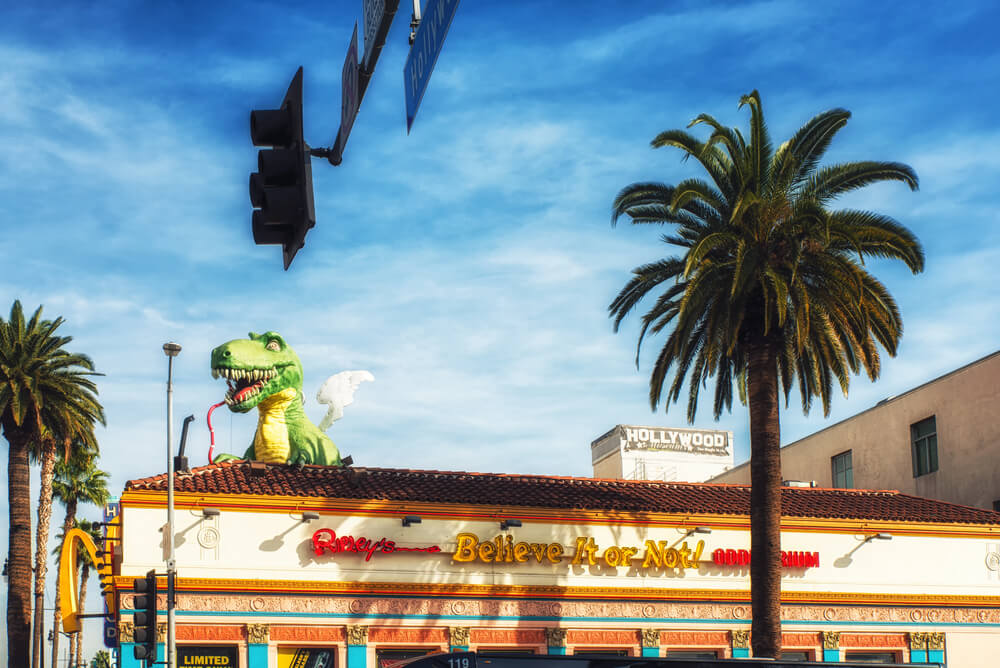
Housed in a historic building on the boulevard, this location trades on novelty oddities that read better as internet trivia than as physical exhibits. Many display cases feel dim and cluttered, and the gift shop takes up a disproportionate share of the square footage.
Fans of the brand’s other locations often note this one repeats items seen elsewhere in the chain.
Guinness World Records Museum Hollywood
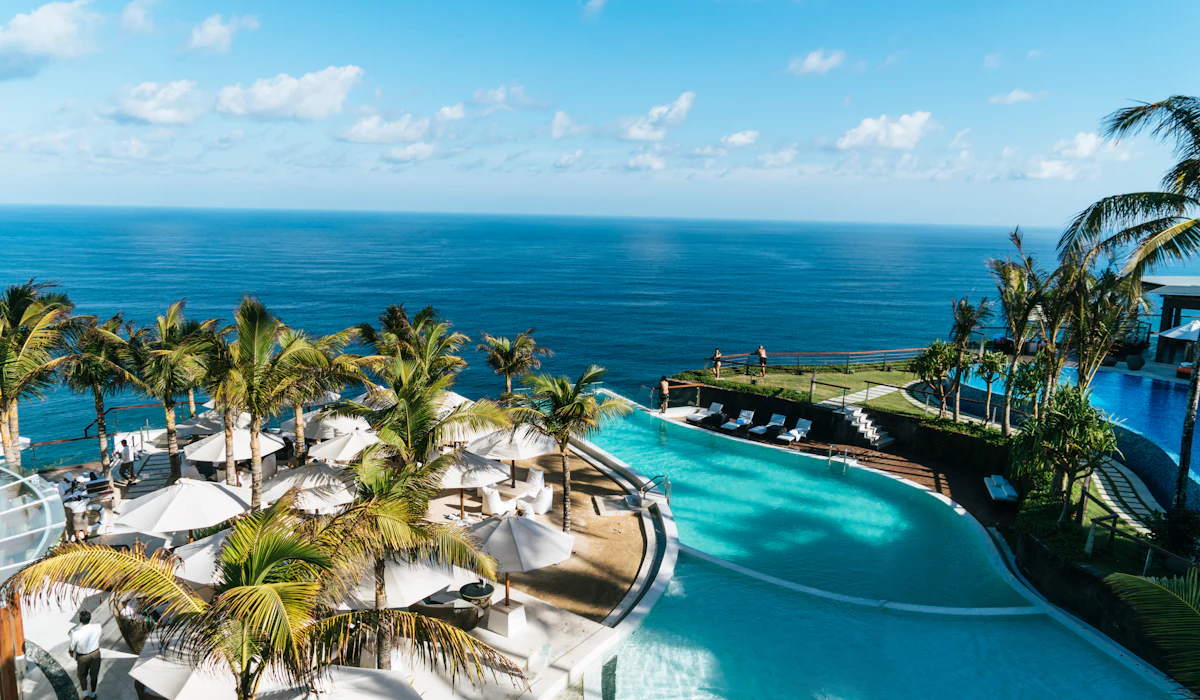
Record-breaking facts are more compelling as text than as static displays, and this museum leans heavily on placards next to replica objects rather than interactive exhibits. The pacing through the building feels rushed near the end, as if the space ran out before the records did.
It suits a quick stop, but the ticket price outpaces what’s inside.
The Grove
This open-air shopping and dining complex gets promoted as a quintessential Los Angeles experience, but at its core it’s an upscale mall with a trolley and a musical fountain. The crowds can rival a weekend at any major retail center, and parking fills quickly.
Adjacent to the historic Original Farmers Market, it often gets confused with that older, more distinctive spot.
Third Street Promenade
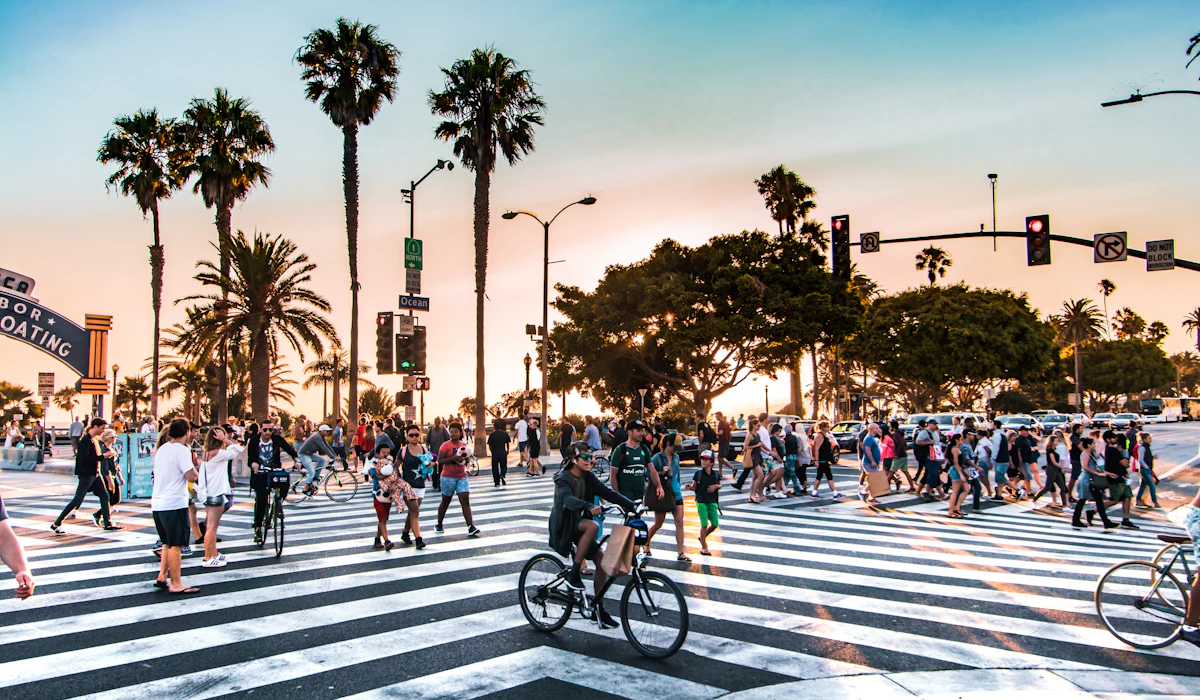
Santa Monica’s pedestrian shopping street has lost some of the street-performer energy that once made it distinctive, replaced increasingly by a mix of national retail chains, newer businesses, and vacant storefronts. Evenings still draw a crowd, but daytime visits can feel like walking through an outdoor version of an ordinary mall.
The nearby pier offers more of a distinct Los Angeles flavor.
Santa Monica Pier
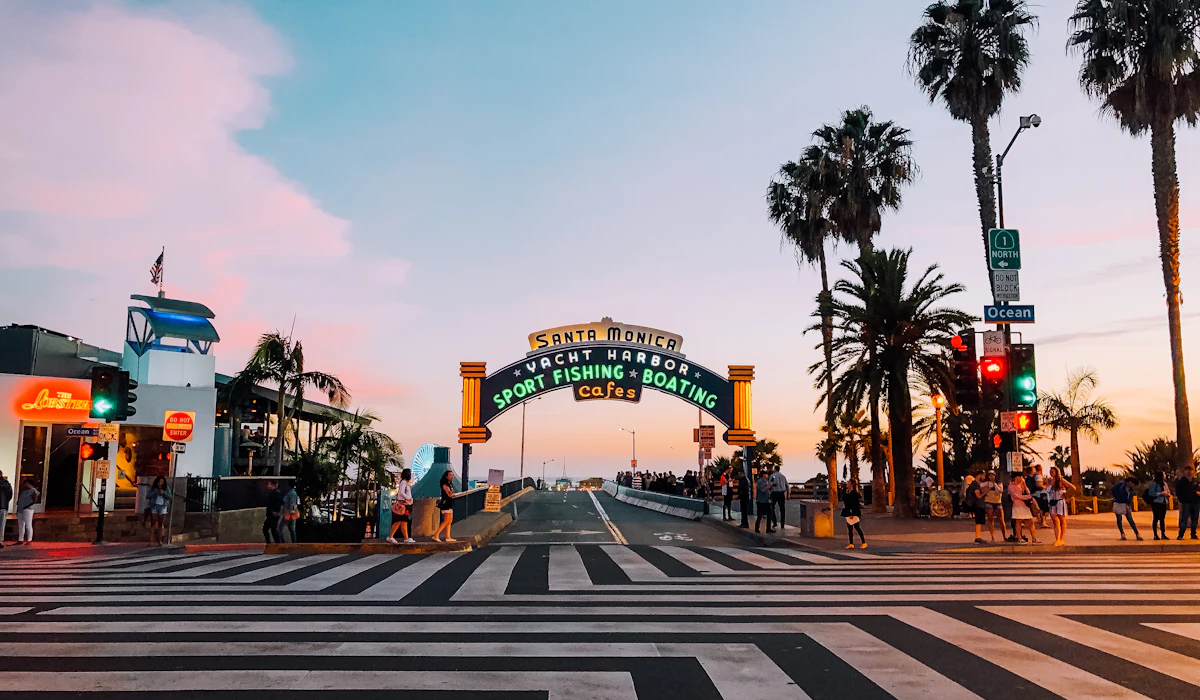
The pier’s amusement park and Ferris wheel photograph beautifully at sunset, which is exactly why it gets so crowded at that hour. Food prices on the pier run noticeably higher than a block inland, and the arcade games are dated compared to more modern entertainment venues.
The beach beneath it is often the better use of time than the pier itself.
Melrose Avenue
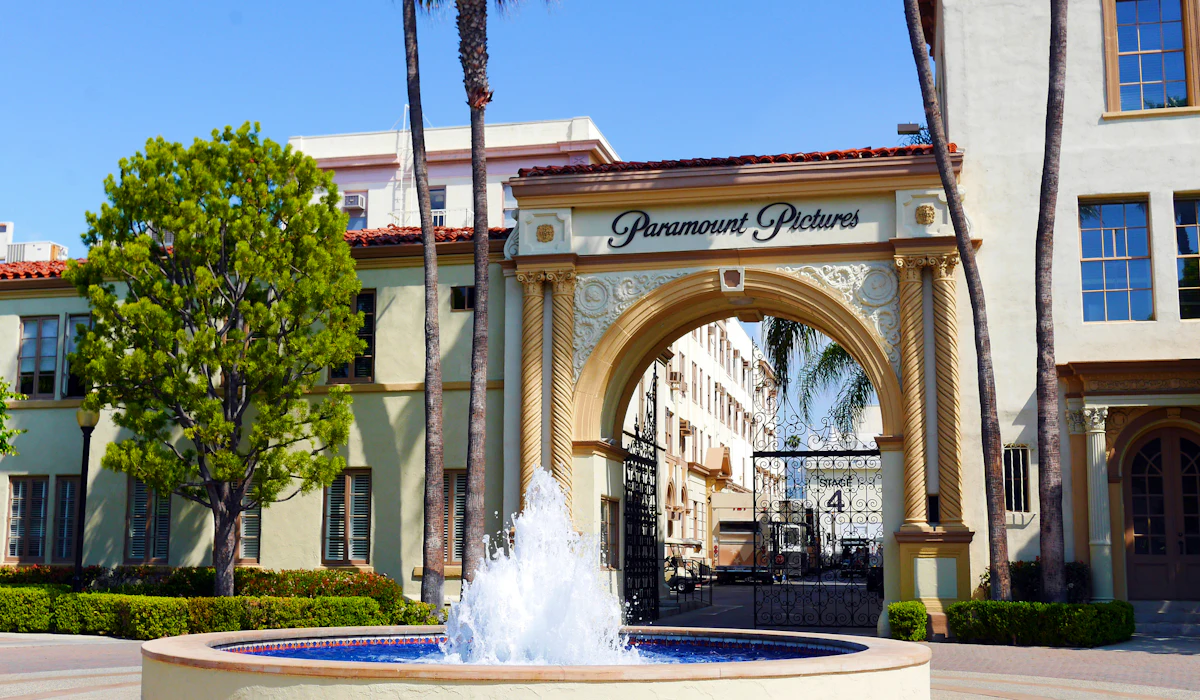
Known for street style and vintage shopping, Melrose Avenue has shifted heavily toward streetwear resale stores charging premium prices for items with limited actual vintage pedigree. Sidewalks narrow near the popular mural walls, creating long waits for a photo in front of a painted wing or slogan.
The eclectic reputation still holds in patches, but it takes more walking than expected to find them.
Sunset Strip
— Photo by AlKan32
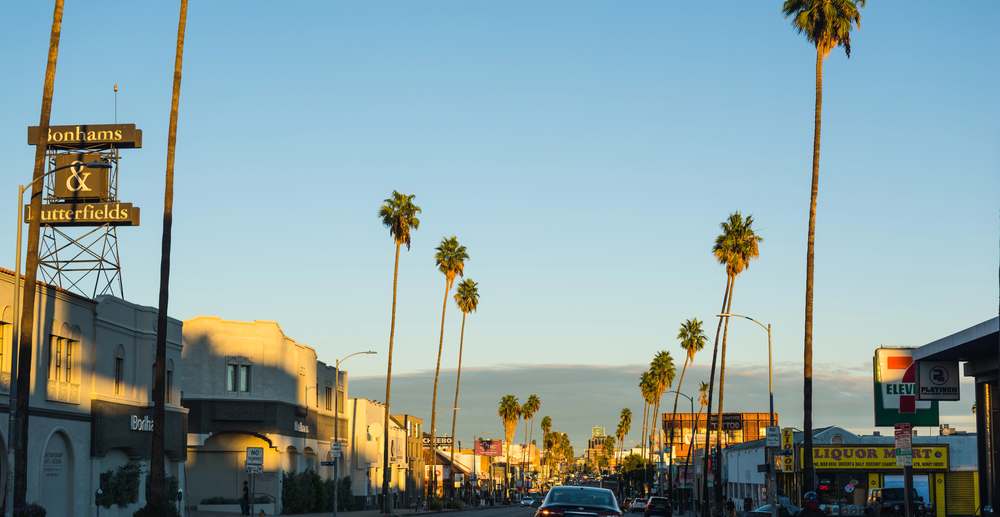
By day, the Sunset Strip looks like an ordinary stretch of boulevard lined with billboards and closed club entrances. Its nightlife reputation depends heavily on specific venues and specific nights, and a casual daytime drive-through delivers little beyond recognizing a few famous marquees.
Traffic along this stretch moves slowly at nearly all hours.
Runyon Canyon
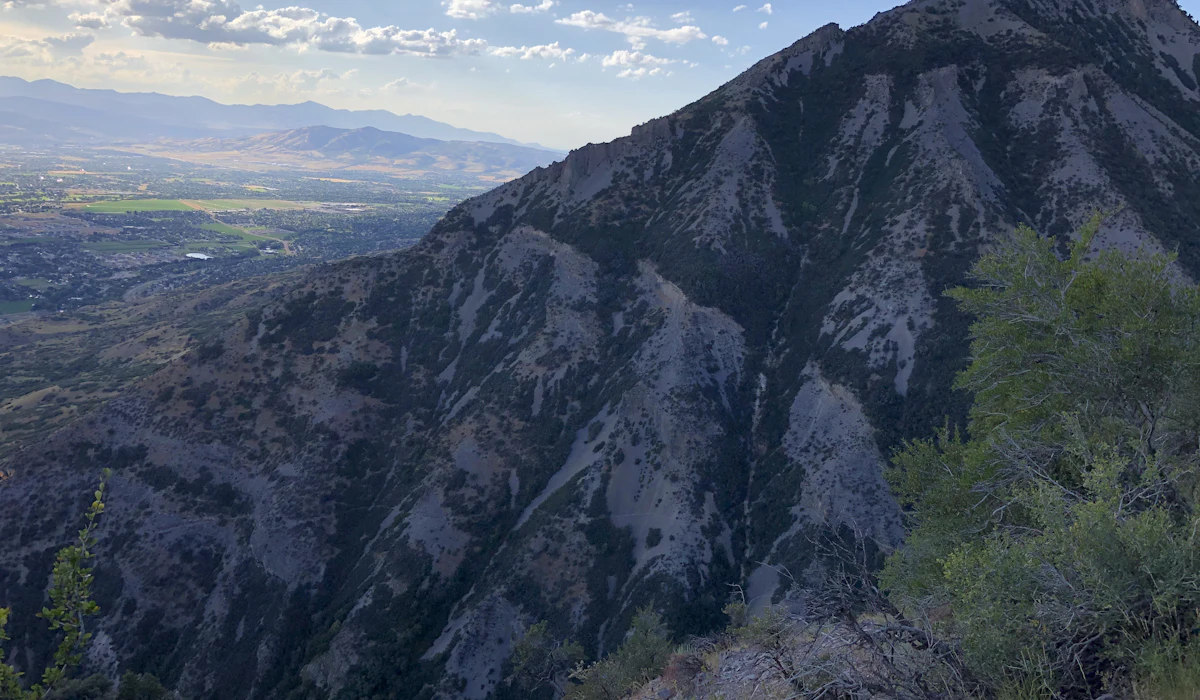
Marketed as a spot for celebrity sightings on a scenic hike, Runyon Canyon is more often crowded with tourists doing the same thing rather than actual celebrities. The trail itself is a fine short workout with city views, but parking near the entrance is notoriously difficult, pushing many visitors into a long walk before the hike even starts.
Dog owners use it heavily, which can crowd the narrower sections.
Capitol Records Building Exterior
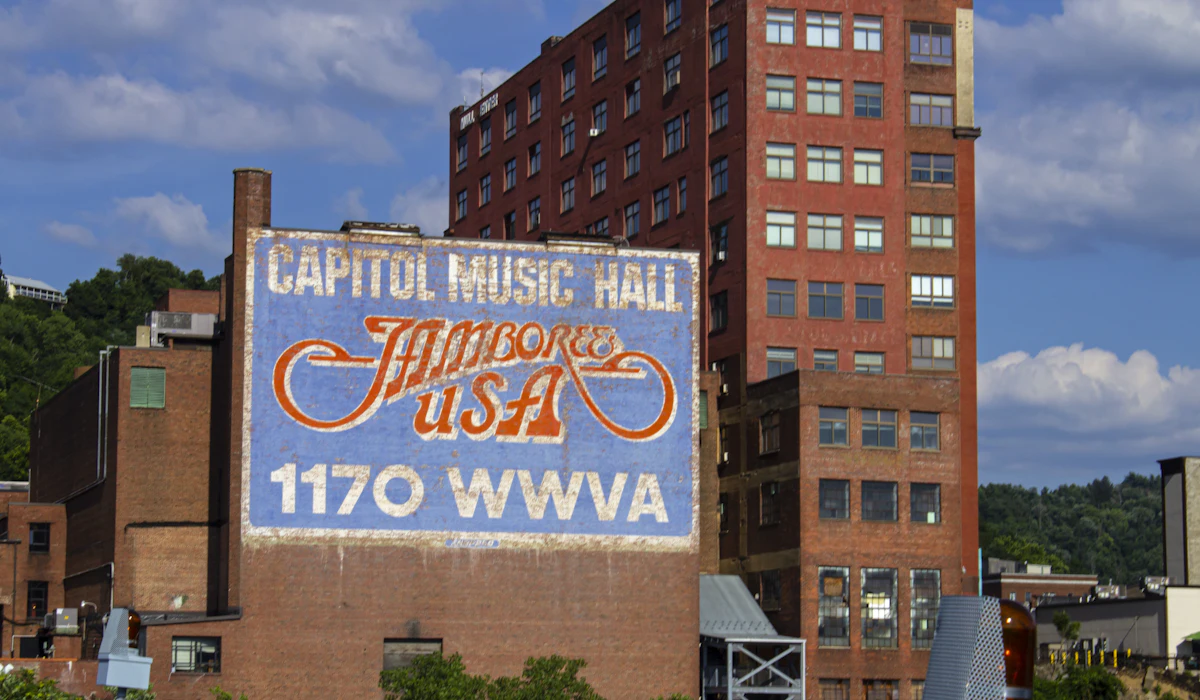
The cylindrical tower designed to resemble a stack of records is a genuine piece of architectural history, but the exterior view takes about thirty seconds to fully absorb. There’s no public access inside for casual visitors, and the surrounding block offers little else to justify a special trip.
Photos from a passing car capture essentially the same experience as parking and walking up.
LA Live
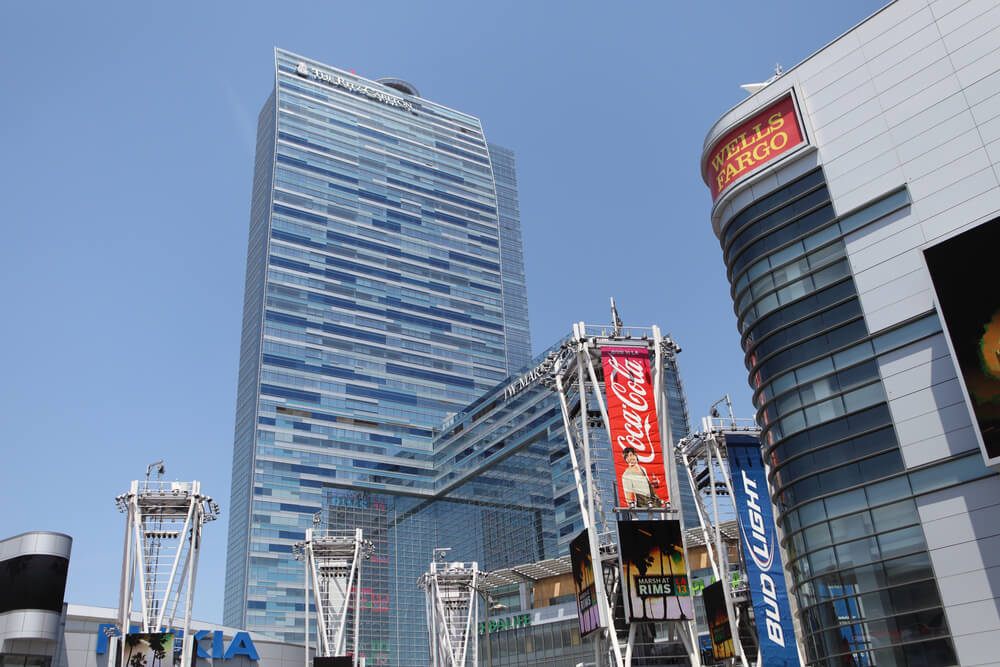
This entertainment complex next to the arena downtown works well on event nights, but on ordinary evenings it can feel like an oversized, half-empty plaza ringed by chain restaurants. The scale suggests more activity than what’s usually happening outside of concerts or games.
Ticketed events elsewhere in the city often deliver a more distinctly local night out.
Grauman’s Egyptian Theatre
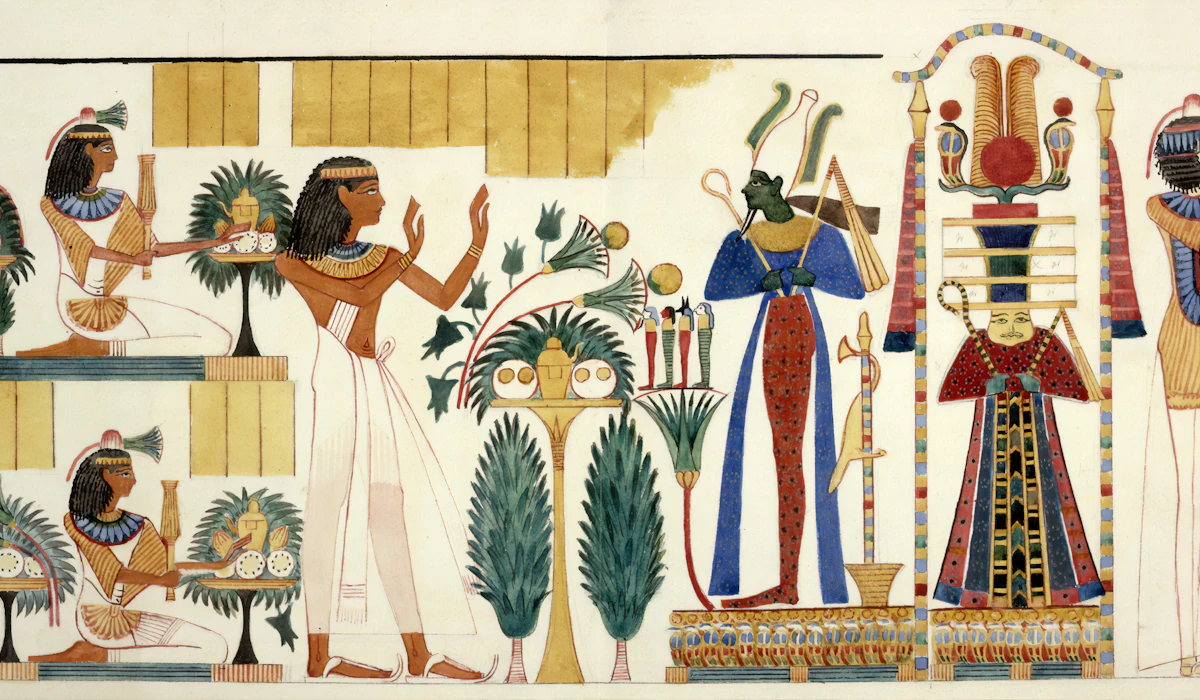
Now operated through a partnership involving Netflix and the American Cinematheque, this historic movie palace retains an impressive courtyard and facade. The theater is primarily experienced through its film programming and events rather than as a casual sightseeing stop, and it is currently undergoing technical renovations.
Standing outside admiring the architecture takes a few minutes at most, while film programming rewards movie buffs far more than casual sightseers passing by.
Universal CityWalk
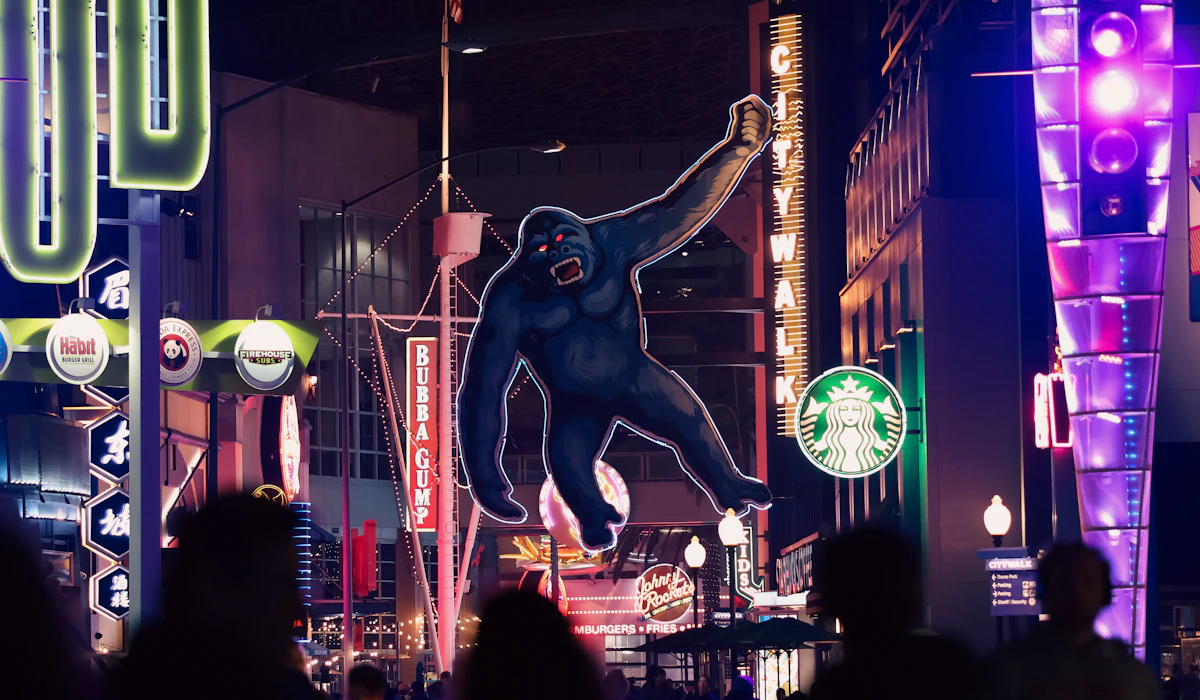
Positioned as the free entrance to the paid theme park behind it, CityWalk is a corridor of chain restaurants, a movie theater, and shops that could belong to any American mall. Weekend crowds can make walking from one end to the other slower than expected.
Visitors expecting a theme-park atmosphere without a ticket are often surprised at how commercial it feels.
Hollywood Forever Cemetery Daytime Visit
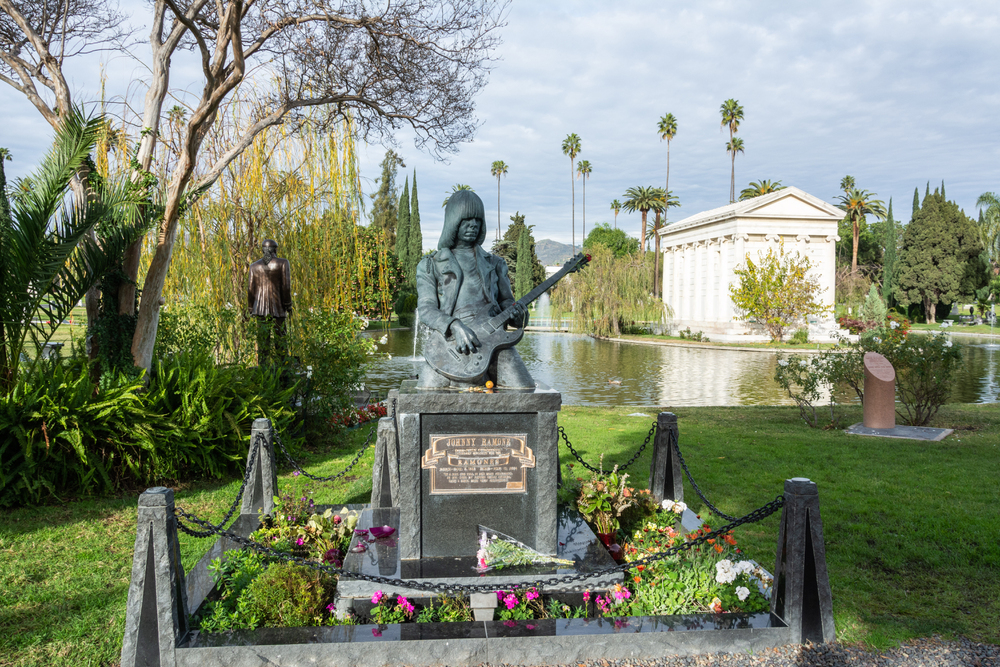
Known for its summer outdoor movie screenings among the graves of film industry figures, the cemetery during a regular daytime visit is a quiet, fairly ordinary burial ground. Self-guided visitors can explore the grounds with a map and walking guide, but there is far less organized programming than during its film screenings and other cultural events.
The screenings are the real draw for many tourists, and a daytime stop rarely captures the same atmosphere.
Amoeba Music
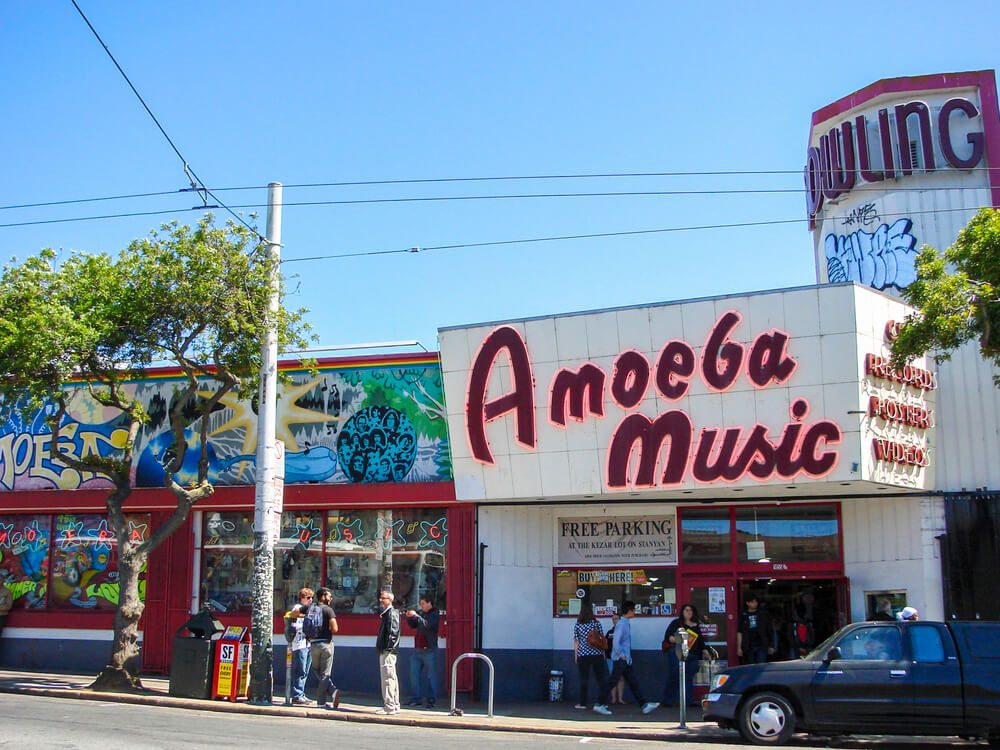
Once considered an essential stop for music collectors, this record store moved from its original Sunset Boulevard flagship to a somewhat smaller Hollywood Boulevard location. Selection remains substantial, but longtime visitors can understandably feel that the current store doesn’t match the scale of the earlier location.
Prices on used vinyl have also climbed alongside the broader revival of vinyl collecting.
Hollywood Roosevelt Hotel Lobby
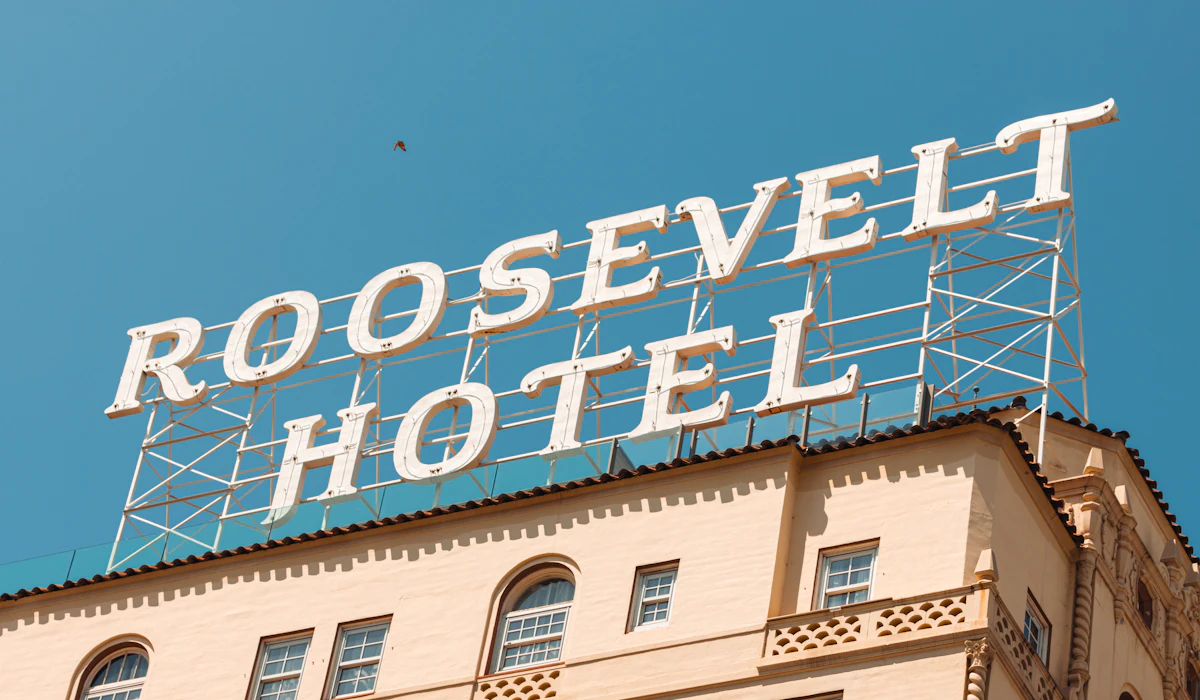
Ghost stories and old Hollywood history give this hotel’s lobby a reputation for atmosphere, but a casual walk-through mostly reveals a busy hotel bar and check-in desk like any boutique property. Non-guests can access the lobby and lobby bar, but the hotel’s more exclusive areas remain restricted.
The historic photographs and architecture are the most tangible links to its storied past.
Pink’s Hot Dogs
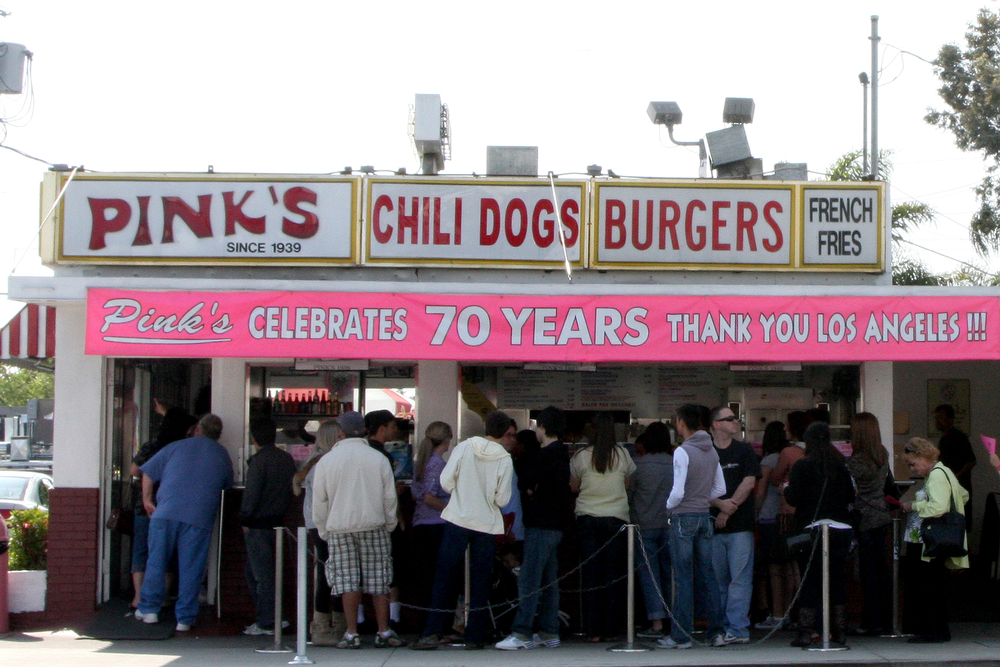
This Hollywood institution draws long lines that can stretch around the block, sometimes creating a substantial wait for a hot dog. The menu offers plenty of specialty options, but the core product doesn’t differ dramatically from other well-regarded hot dog stands around the city with far shorter waits.
The wait itself has become part of the draw for some visitors, which only reinforces the line.
El Capitan Theatre Marquee
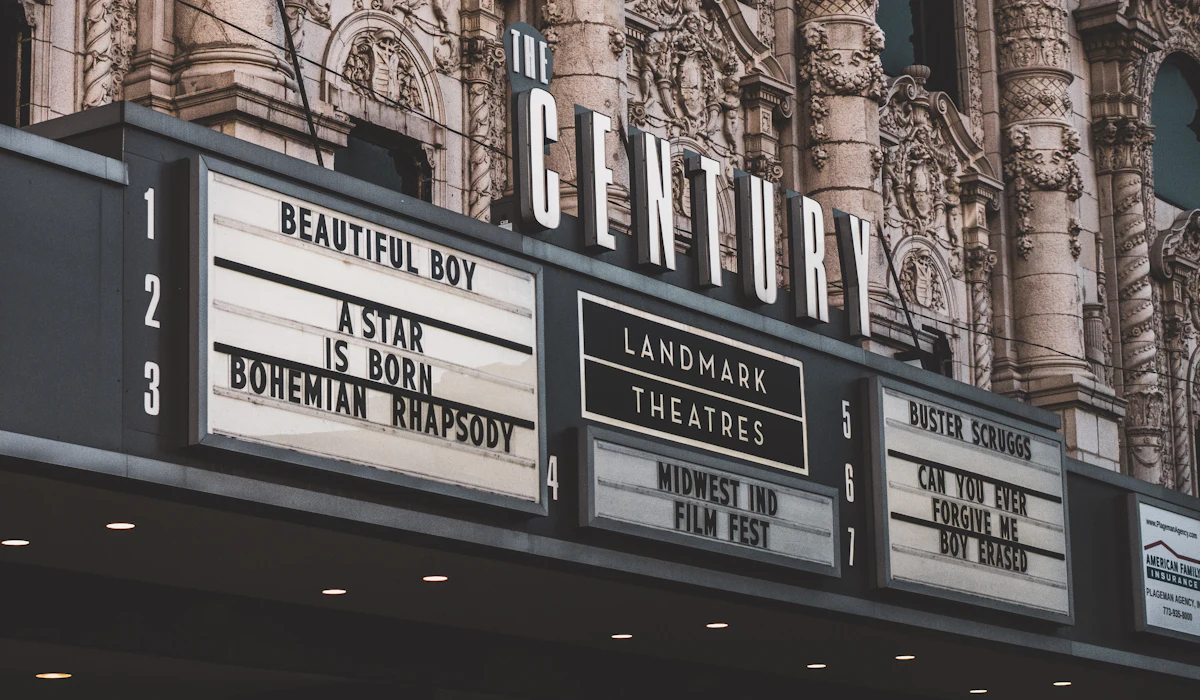
The ornate marquee and facade on Hollywood Boulevard make for a nice photo, especially when lit for a new release, but general sightseeing here is limited to the exterior unless there’s a ticketed screening or tour. The theater’s interior, while genuinely striking, isn’t open for casual walk-through viewing.
Passersby can easily mistake the building for a museum rather than a working cinema.
La Brea Tar Pits Lake Pit
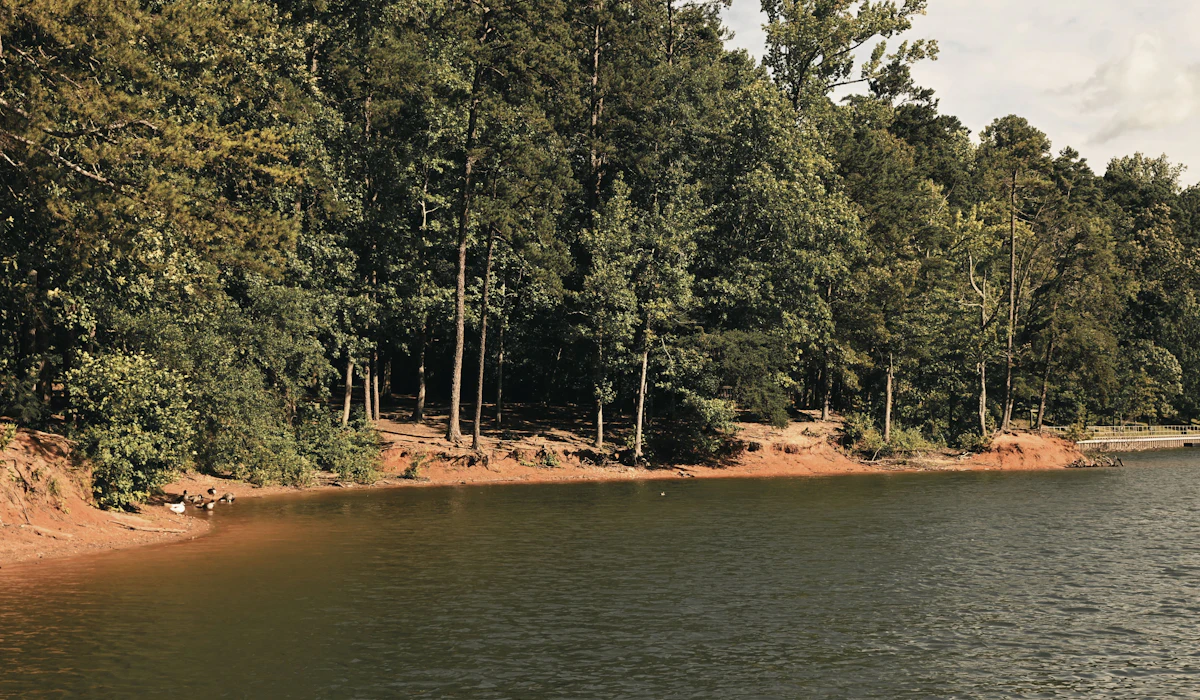
The bubbling Lake Pit in front of the La Brea Tar Pits museum is smaller and less dramatic in person than photos can suggest, with its asphalt bubbles and life-size mammoth and mastodon models sitting in an urban park setting. The distinctive tar smell is stronger than many visitors expect.
The outdoor pits and excavation areas offer some fascinating context, but the museum itself is currently closed for renovation, making the outdoor experience more limited than it normally is.
Beverly Hills Sign At Beverly Gardens Park
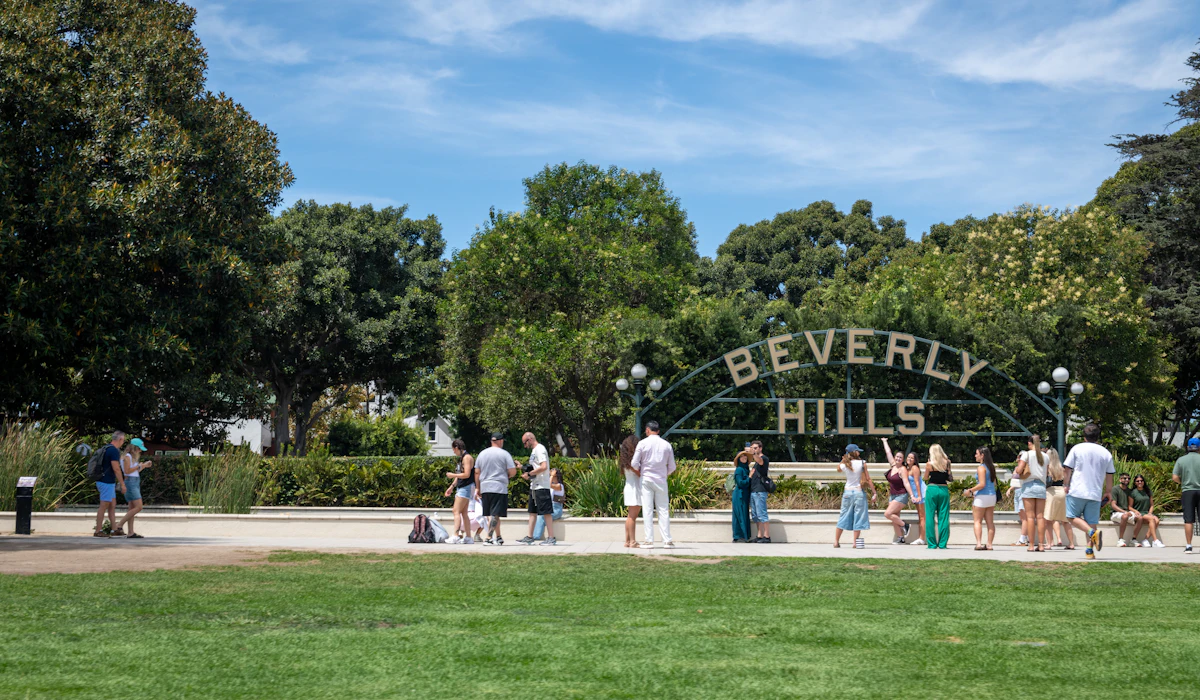
The palm-fringed sign spelling out Beverly Hills draws a steady line of visitors waiting for a solo photo op, often for longer than the moment itself lasts. The surrounding park is pleasant but modest, more suited to a quick stop than an extended visit.
Traffic and limited street parking nearby add extra time to what’s otherwise a brief stop.
Where The Postcard Ends
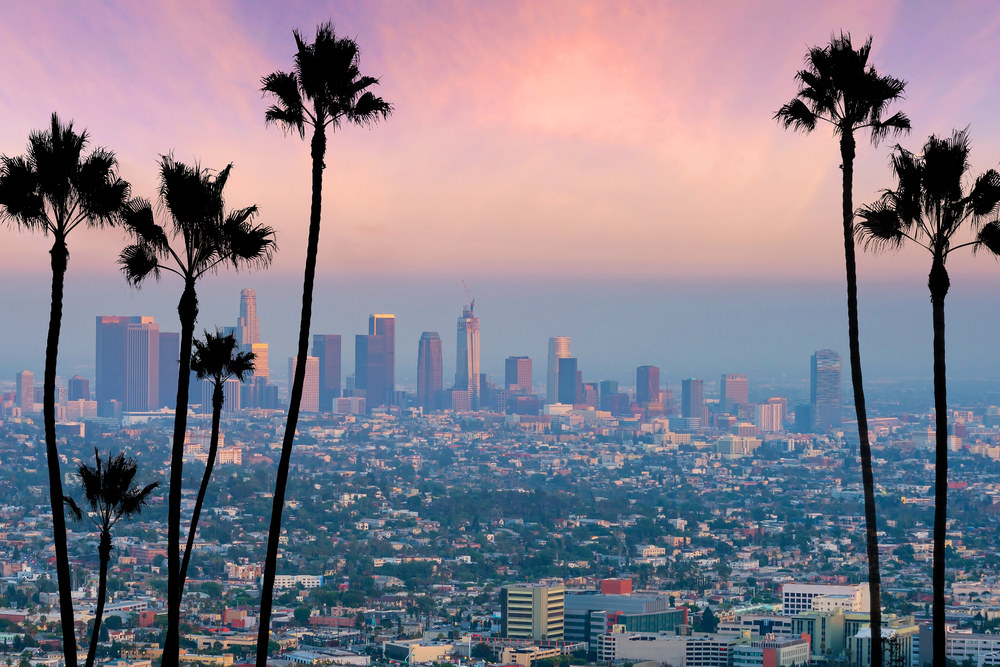
Los Angeles built its identity on images designed to travel well, which means plenty of its most famous stops were never built for the person standing in front of them. The gap between the photograph and the experience isn’t a flaw exactly.
It’s a byproduct of a city that has spent a century perfecting how things look from a camera’s distance rather than an arm’s length.
None of this makes the letdown spots worthless. It just means the real character of the city tends to show up in the blocks between the famous ones, where nobody bothered building a backdrop.
More from Travel Pug

- Underrated Italian Towns That Beat the Tourist Crowds
- Las Vegas Tourist Traps to Skip
- Prettiest Towns in Every US State
- 18 passport-free countries for Americans
- Signs Your Cruise Is Not Worth The Cost
Like Travel Pug’s content? Follow us on MSN.