

New York keeps its grief in unlikely corners — a lighthouse outside a seaport museum, a child’s grave beside a president’s tomb, a plaque on a garment-factory building. Some of these sites draw crowds; others are passed by thousands of commuters a day without a glance.
Together they trace two centuries of the city mourning, protesting, and remembering out loud.
National September 11 Memorial & Museum
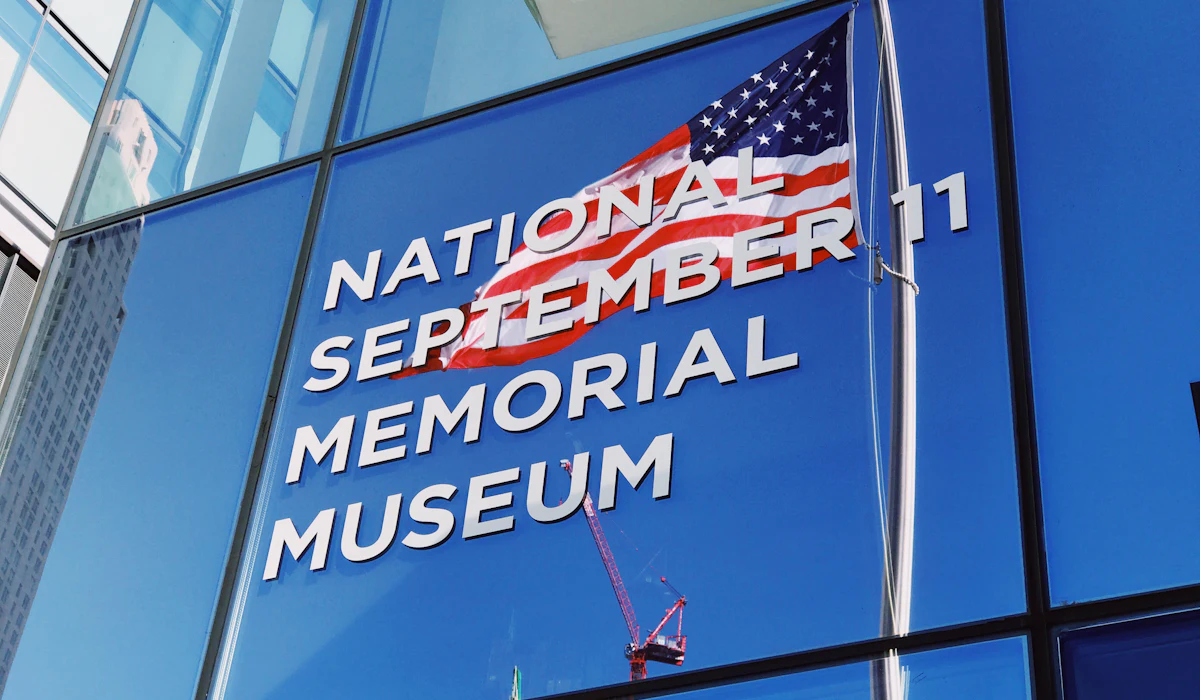
Built on the footprint of the original Twin Towers, the memorial consists of two reflecting pools, each nearly an acre, with water cascading into voids that appear bottomless. The names of the 2,977 victims of the 2001 attacks and the six killed in the 1993 World Trade Center bombing are inscribed around the pools’ edges, arranged not alphabetically but by “meaningful adjacency” — requests from families to place colleagues, friends, and first responders together.
The underground museum holds artifacts including a battered fire truck and the last steel column removed from the site.
The Sphere, Liberty Park
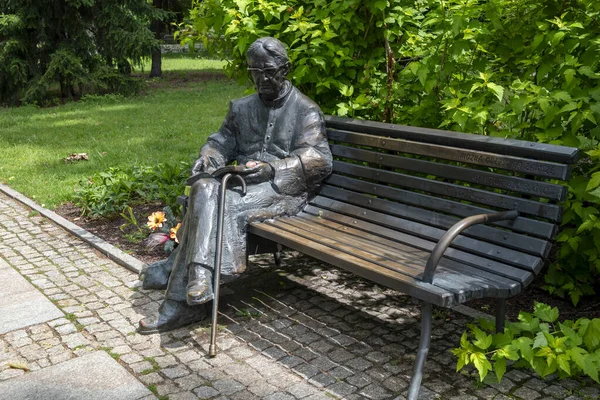
Fritz Koenig’s bronze sculpture once stood in the plaza between the Twin Towers, meant to symbolize world peace through trade. It survived the collapse dented and gouged but intact, and after being displayed in Battery Park from 2002 to 2017, it was moved to Liberty Park overlooking the 9/11 Memorial, deliberately left unrestored so its damage remains visible.
It was rededicated at its permanent location in 2017.
African Burial Ground National Monument
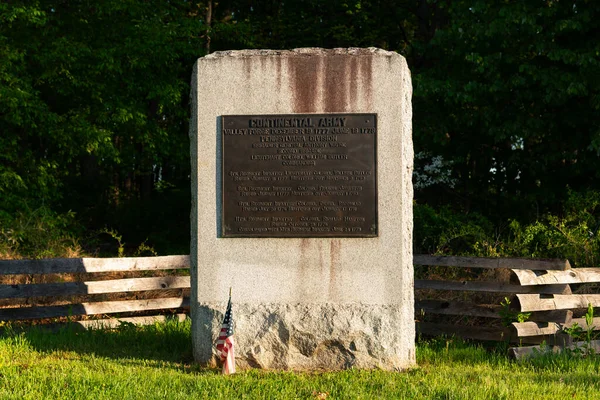
Rediscovered by construction crews in 1991, this Lower Manhattan site holds the remains of an estimated 15,000 free and enslaved Africans buried here between the 1690s and 1794. Excavation and public pressure led to a federal building’s footprint being redrawn around the site, and in 2003 more than 400 sets of remains were reinterred beneath a memorial designed by architect Rodney Leon.
It sits on Duane Street, a short walk from City Hall, tucked beside the federal building that was almost built directly on top of it.
Vietnam Veterans Memorial Plaza
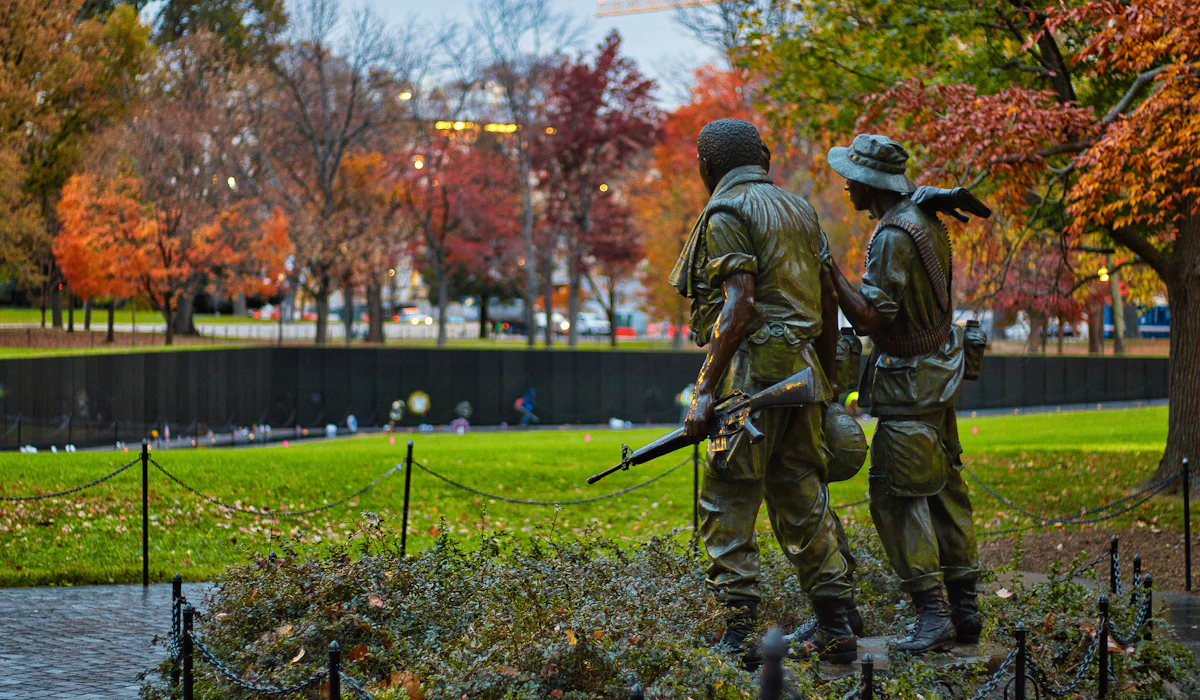
At the edge of Battery Park, an angled glass-block wall etched with letters, journal entries, and news dispatches from soldiers serving in Vietnam faces the harbor. Unlike the black granite wall in Washington, this memorial uses first-person voices alongside the names of New York City veterans, giving visitors fragments of what soldiers actually wrote home.
It was dedicated in 1985.
Titanic Memorial Lighthouse

A 60-foot lighthouse near the South Street Seaport once stood atop the Seamen’s Church Institute, dedicated in April 1913, exactly one year after the disaster it commemorates. A time-signaling globe at its peak dropped every day at noon from 1913 until 1967, synchronized by telegraph from the U.S.
Naval Observatory so people in the area could set their watches. When the Institute relocated in 1968, the lighthouse was donated to the South Street Seaport Museum and re-erected at its current corner in 1976.
Firemen’s Memorial
Dedicated in 1913 on Riverside Drive at 100th Street, this fountain and sculpture group by Attilio Piccirilli was originally planned for Union Square before organizers chose the hillside overlooking the Hudson instead. Isidor Straus succeeded Bishop Henry C.
Potter as chairman of the memorial committee and helped lead the fundraising effort before his death aboard the Titanic in 1912. The memorial has undergone multiple restorations and became an informal place of remembrance for firefighters lost on September 11.
Amiable Child Monument
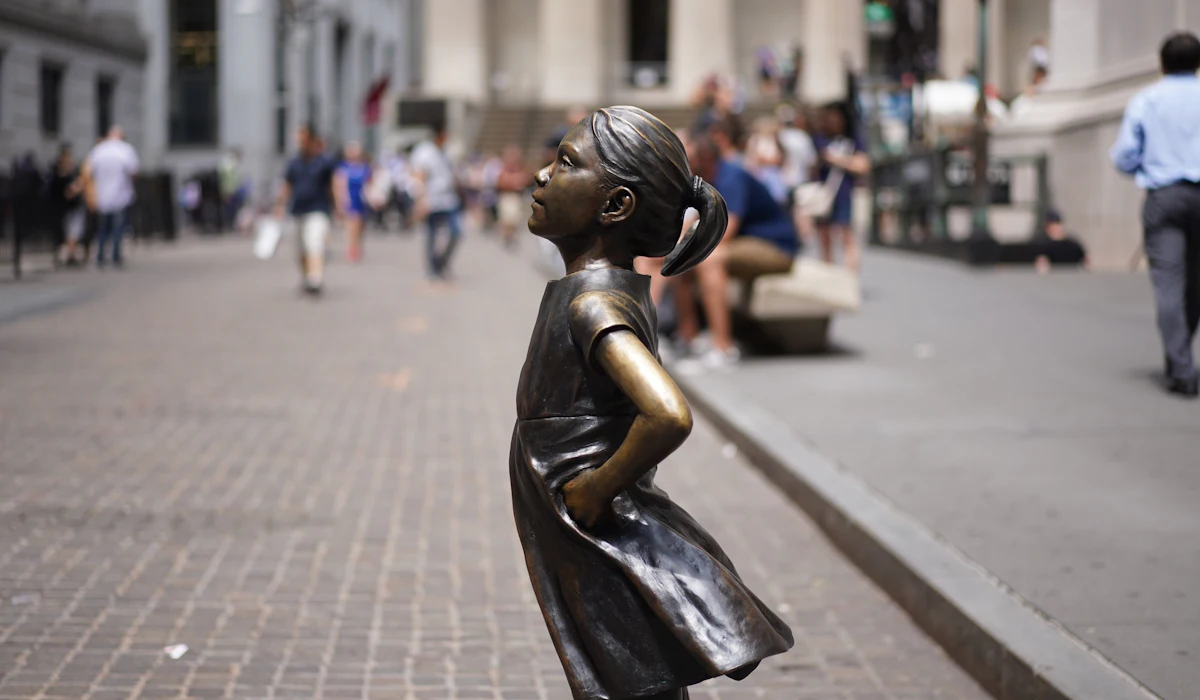
One of the smallest and strangest sites in the city, this granite urn on Riverside Drive marks the 1797 grave of a four-year-old, St. Claire Pollock, who probably died after falling from the cliffs where his family’s country home once stood.
It is one of only a handful of private graves permitted to remain on New York City public land. The current stone is a 1967 granite replacement of the earlier marble marker, standing almost within sight of Grant’s Tomb.
Warsaw Ghetto Memorial Plaza
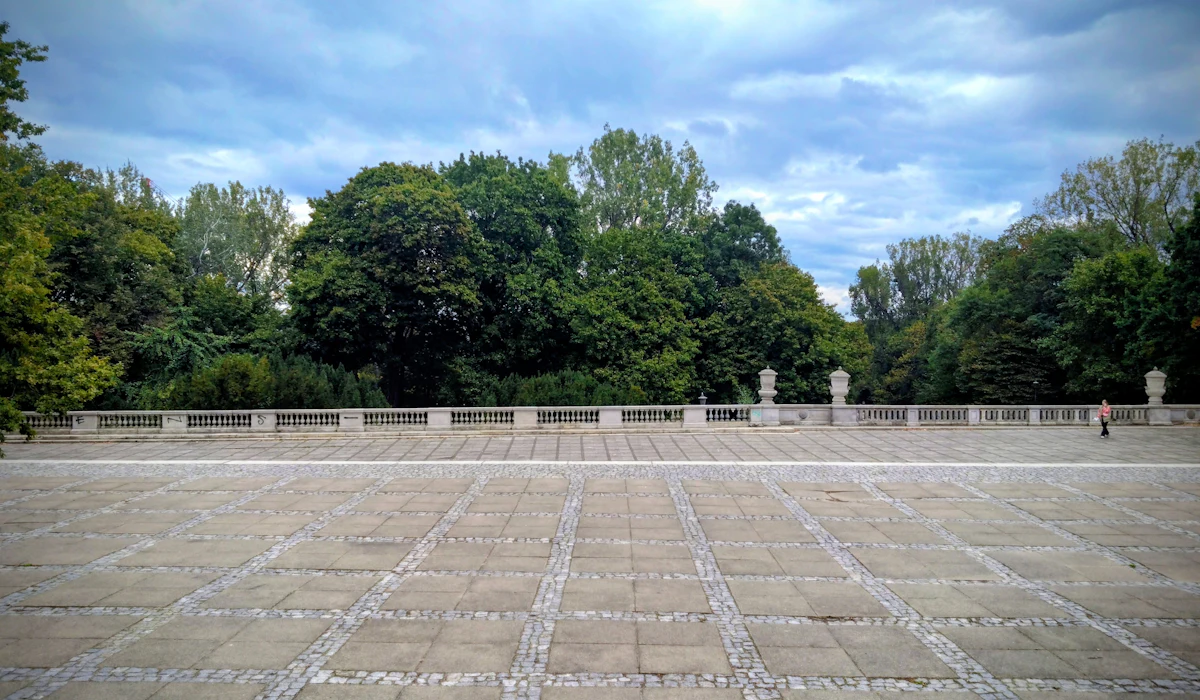
Set within Riverside Park, this plaza commemorates the 1943 Warsaw Ghetto Uprising and the six million Jews murdered during the Holocaust. It was one of the first Holocaust memorial sites established on public land in the United States, with a cornerstone dedicated in 1947 containing soil from European concentration camps.
The granite stone and surrounding garden became the focal point for annual commemorations after plans for a much larger monument failed to gain consensus.
Prison Ship Martyrs’ Monument
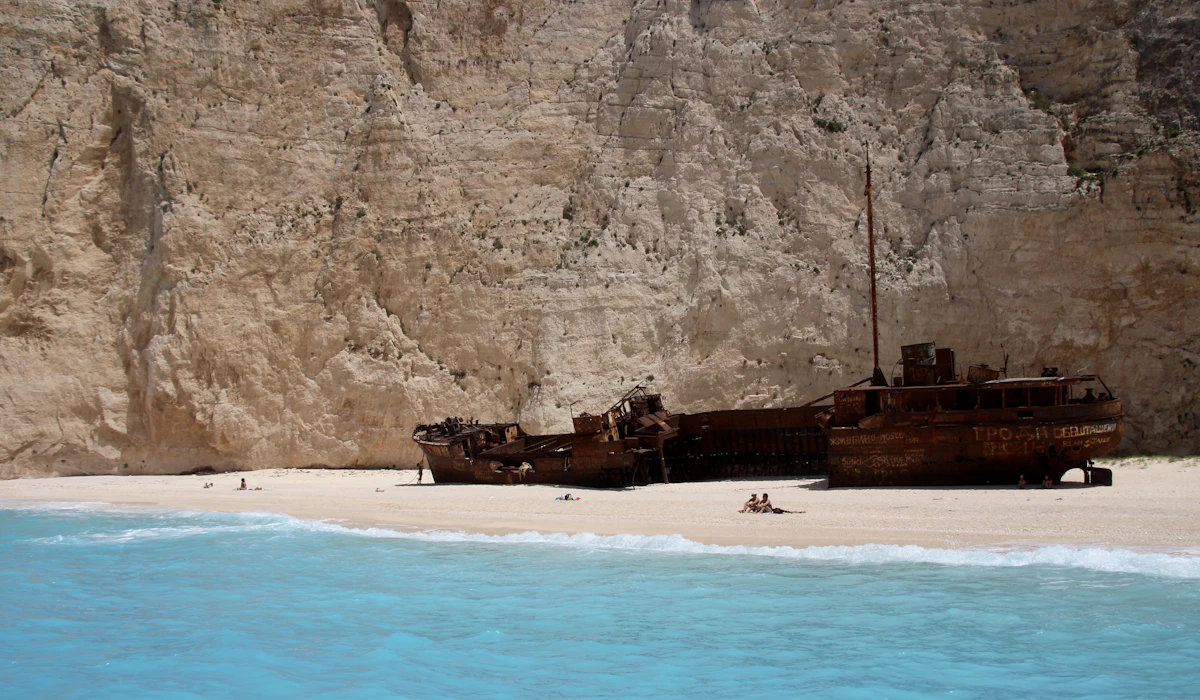
Inside Fort Greene Park in Brooklyn, a 100-foot-high granite column marks the remains of more than 11,500 American prisoners who died aboard British prison ships anchored in Wallabout Bay during the Revolutionary War. Designed by Stanford White, the monument was dedicated in 1908 with President-elect William Howard Taft in attendance.
The crypt beneath the monument holds bone fragments collected from the remains of prisoners who died aboard the ships.
Soldiers’ and Sailors’ Memorial Arch
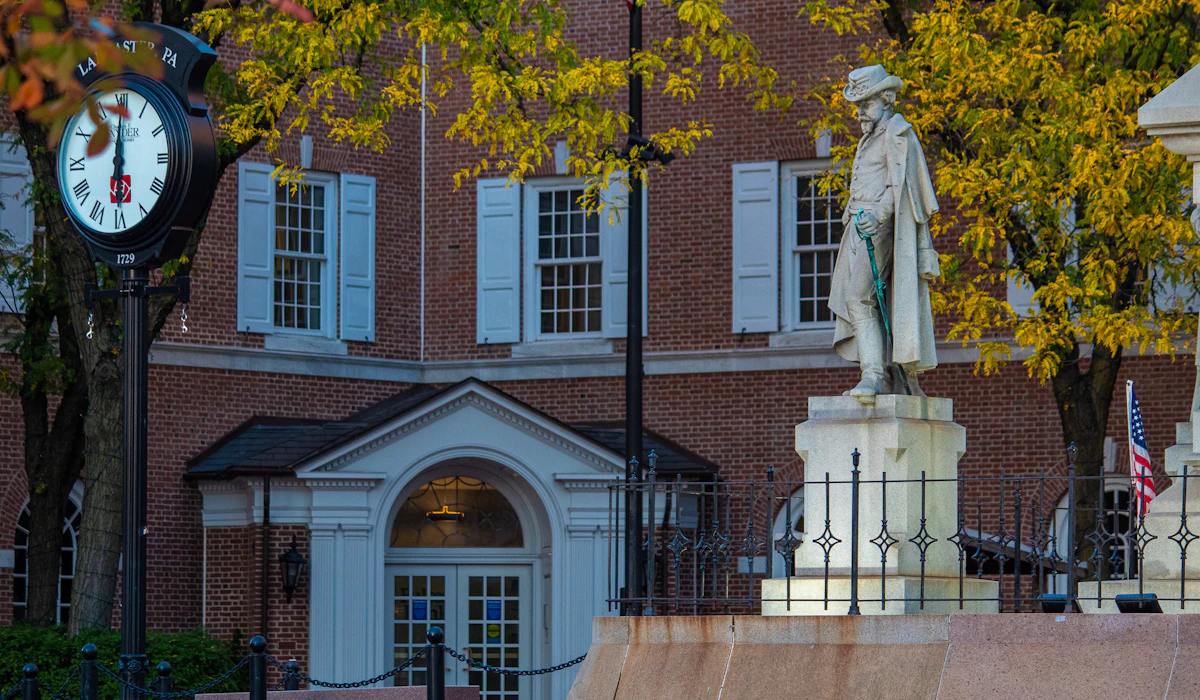
Anchoring Grand Army Plaza at the entrance to Prospect Park, this triumphal arch honors Union soldiers and sailors of the Civil War and took more than a decade to complete after its 1889 cornerstone-laying. Its bronze quadriga sculpture, added in 1898, depicts Columbia riding a chariot drawn by four horses.
Visitors can climb inside the arch on select open days to see sculpture studies not visible from the plaza below.
Soldiers’ and Sailors’ Monument
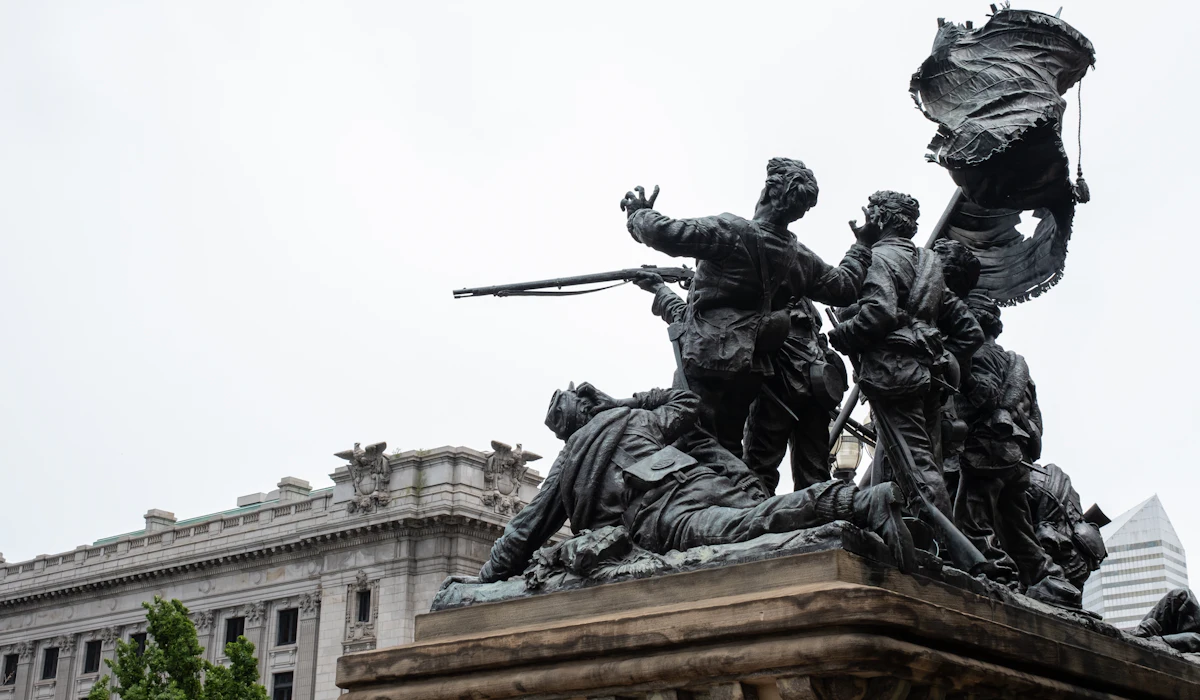
A separate memorial from its Brooklyn counterpart, this temple-like structure sits in Manhattan’s Riverside Park and honors New Yorkers who served the Union Army and Navy during the Civil War. Completed in 1902, it was modeled on the ancient Choragic Monument of Lysicrates in Athens.
Twelve marble columns surround the base, giving the structure its distinctive classical appearance.
East Coast Memorial
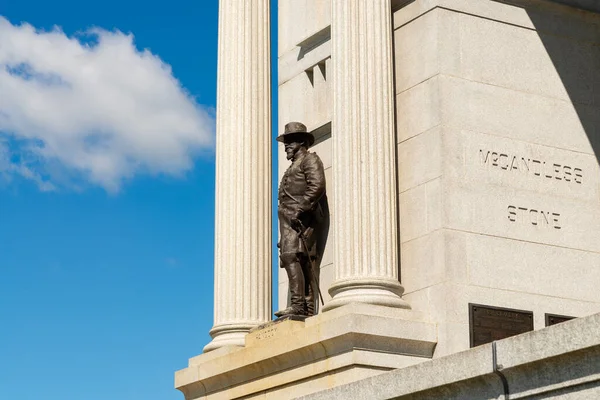
In Battery Park, eight granite pylons list the names of 4,601 American servicemen who died in the Atlantic during World War II and whose bodies were never recovered. A bronze eagle by sculptor Albino Manca faces the harbor, positioned to look east toward the ocean where the losses occurred.
President John F. Kennedy dedicated the memorial in May 1963.
Korean War Veterans Memorial
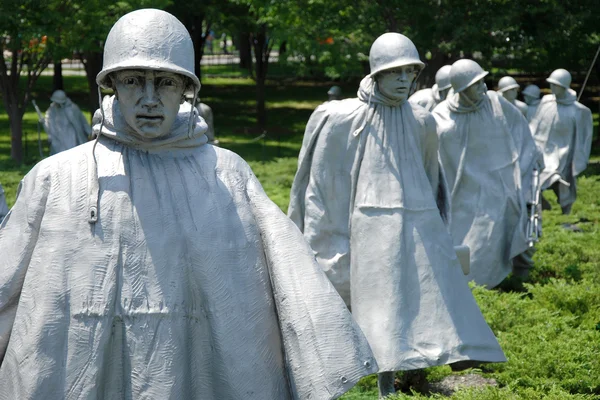
A wedge-shaped granite memorial near Battery Park depicts a soldier’s silhouette cut from black stone, designed so a visitor standing in the gap becomes part of the artwork. It was dedicated in 1991 and remains one of New York City’s most distinctive Korean War memorials.
The site also incorporates a commemorative plaque and a sundial-like design connected to the date and time of the 1953 armistice.
American Merchant Mariners’ Memorial
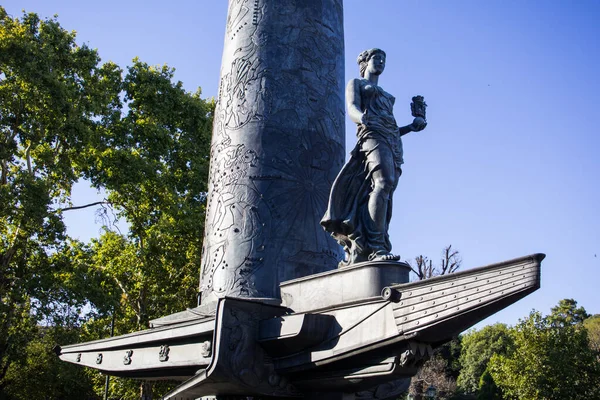
Just offshore from Battery Park, this bronze sculpture appears to show sailors clinging to a sinking ship, with one figure submerged entirely at high tide. It commemorates the roughly 9,300 merchant mariners who died keeping supply lines open during World War II.
The tide’s rise and fall over the drowning figure was a deliberate design choice by sculptor Marisol Escobar.
New York City Police Memorial
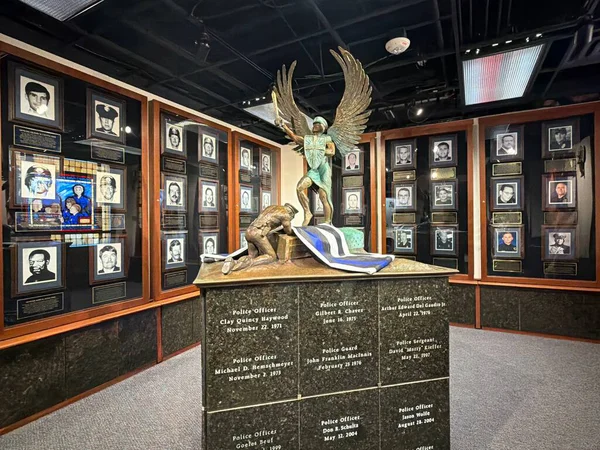
Facing the Hudson in Battery Park City, a curved granite wall etched with a flowing waterfall lists the names of NYPD officers killed in the line of duty since 1849. The memorial was dedicated in 1997 and expanded in 2022 to honor additional fallen officers.
The water feature was designed as the central element of the memorial, creating a quieter setting for contemplation.
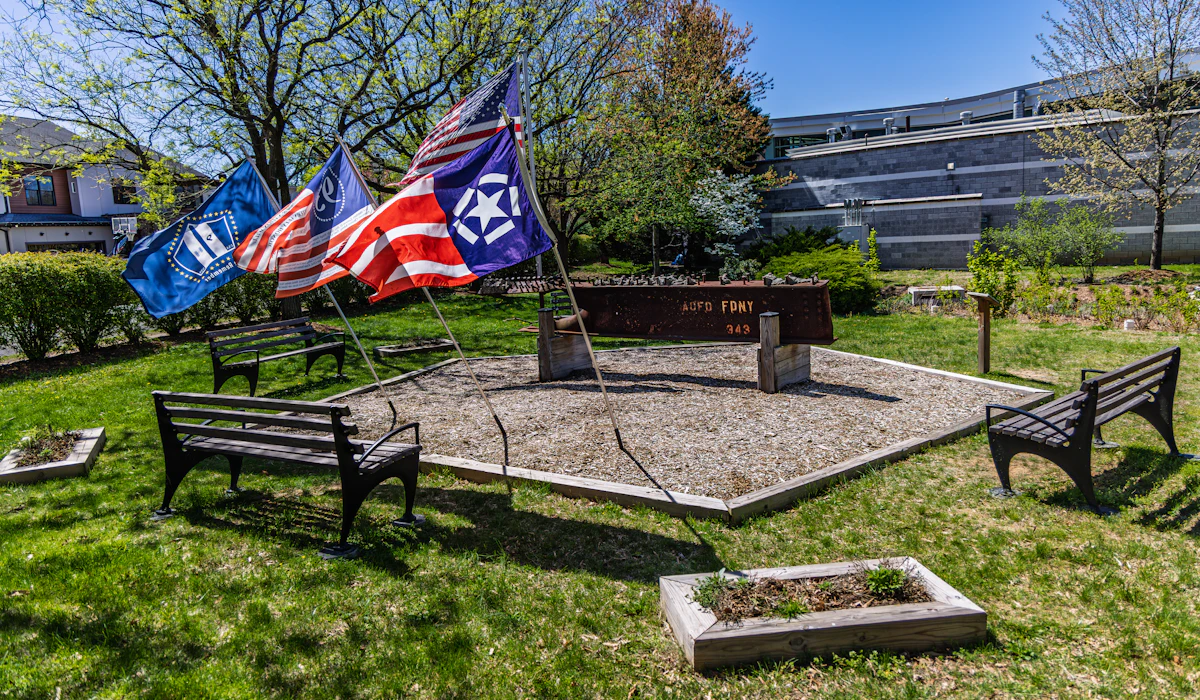
FDNY Memorial Wall
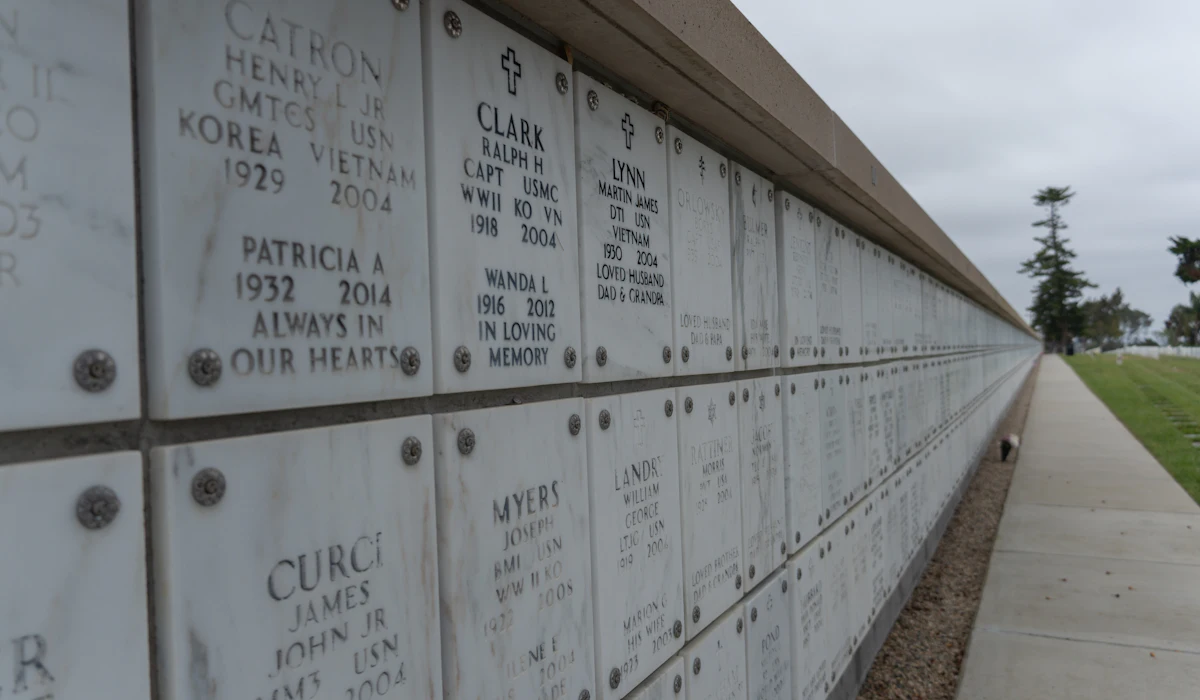
Across from the World Trade Center site on Liberty Street, a 56-foot bronze relief depicts firefighters battling the September 11 attacks and lists the names of the 343 FDNY members who died that day. The piece was funded through private donations and was dedicated in 2006.
Its location beside the firehouse where Engine 10 and Ladder 10 responded to the attacks makes it particularly significant to visitors paying respects.
Irish Hunger Memorial
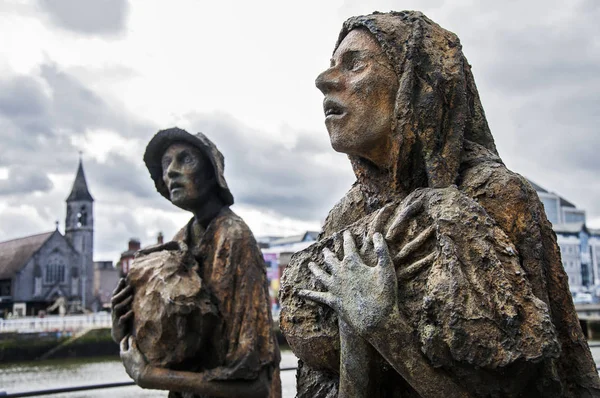
Occupying nearly half an acre in Battery Park City, this memorial incorporates an actual abandoned stone cottage transported from County Mayo, Ireland, set atop a raised field of Irish grasses and wildflowers. It commemorates the Great Famine of the 1840s, during which roughly a million people died and a million more emigrated, many to New York.
Quotes about hunger, past and present, are etched into an illuminated band that runs through the base of the structure.
Triangle Shirtwaist Factory Fire Memorial
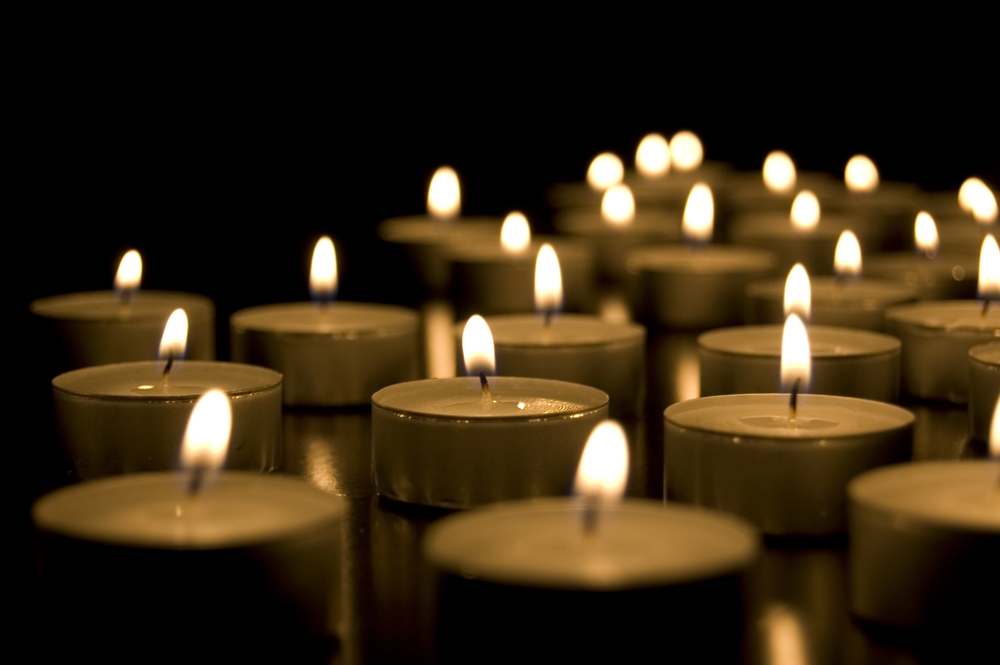
At the ninth-floor exterior of what is now NYU’s Brown Building, a memorial marks the site where 146 garment workers, most of them young immigrant women, died in a 1911 factory fire after finding exit doors locked. The tragedy led to sweeping New York workplace safety reforms that became a model for later regulations.
The permanent memorial, dedicated in 2023, incorporates a stainless-steel ribbon descending from the ninth floor, with the victims’ names and ages inscribed into it.
General Grant National Memorial
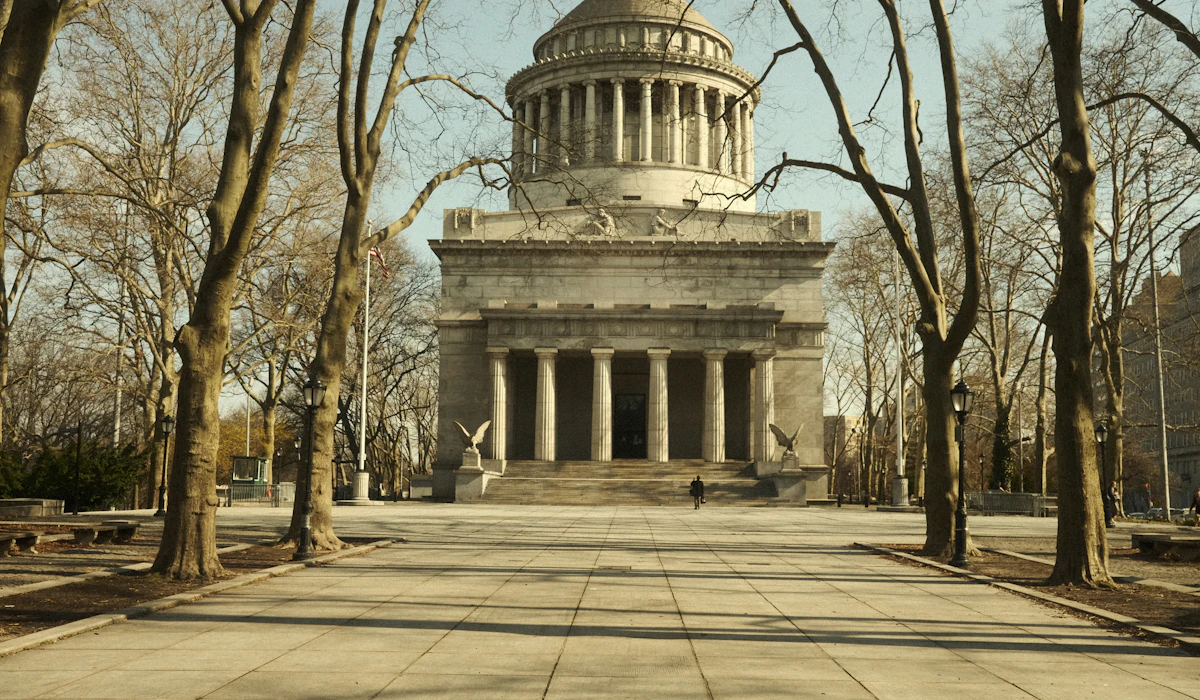
Better known as Grant’s Tomb, this domed mausoleum in Riverside Park holds the remains of Ulysses S. Grant and his wife, Julia, making it the largest mausoleum in North America.
It was dedicated in 1897 after a public fundraising campaign that collected small donations from more than 90,000 people. The tomb fell into disrepair in the late 20th century before a major restoration returned it to better condition.
Harlem Hellfighters Monument
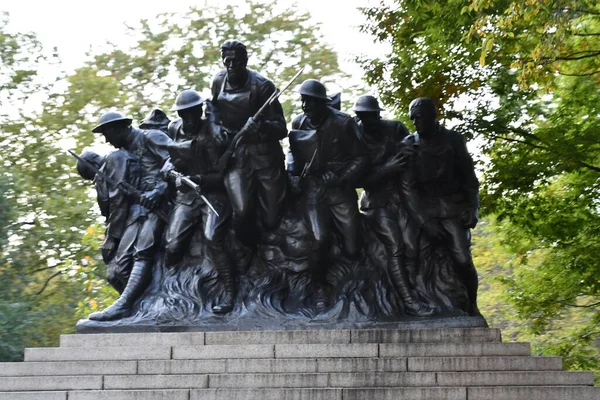
A bronze relief near West 142nd Street honors the 369th Infantry Regiment, a segregated Black unit that spent more time in continuous combat than any other American regiment in World War I and was awarded the French Croix de Guerre. Nicknamed the Harlem Hellfighters, the regiment famously marched up Fifth Avenue in a homecoming parade in 1919 before dispersing at 145th Street.
The current monument was dedicated in 2021.
AIDS Memorial
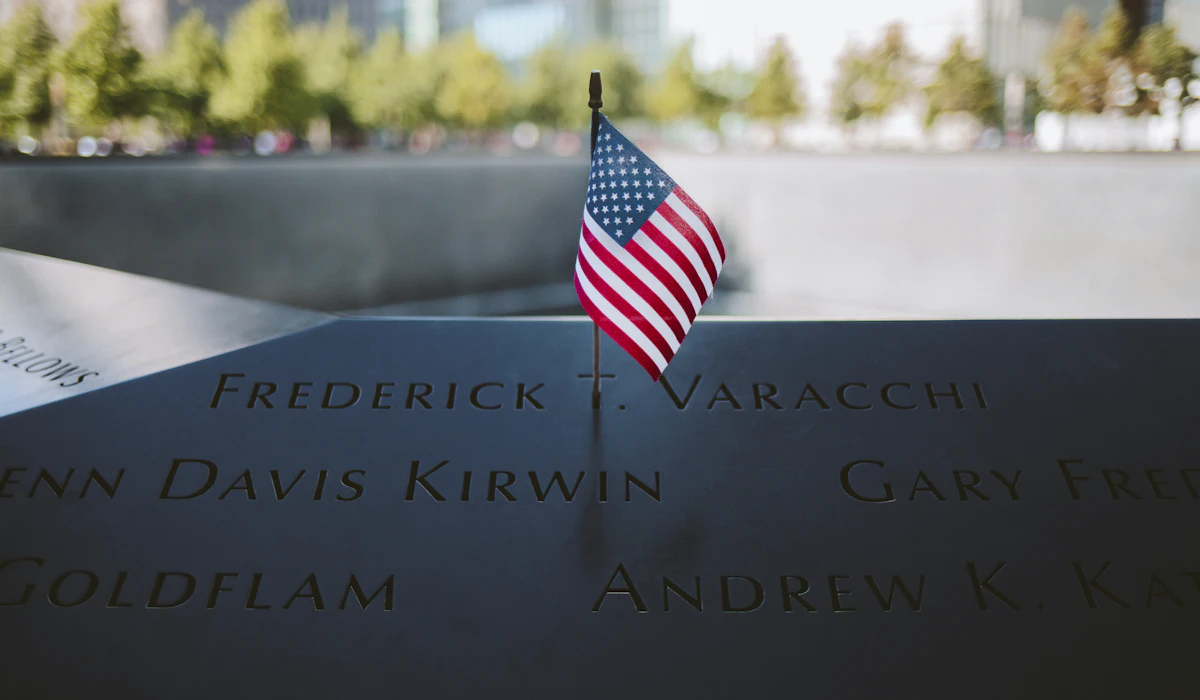
Located at a small triangle park in Greenwich Village near the former St. Vincent’s Hospital, which treated many of the earliest AIDS patients in New York, this memorial centers on a steel canopy and a fountain inscribed with a Walt Whitman poem.
It was dedicated in 2016, decades after the epidemic’s peak, following years of advocacy by activists who wanted the hospital’s role and those lost to AIDS formally remembered. The site sits within view of the building that once housed St.
Vincent’s AIDS ward.
Stonewall National Monument
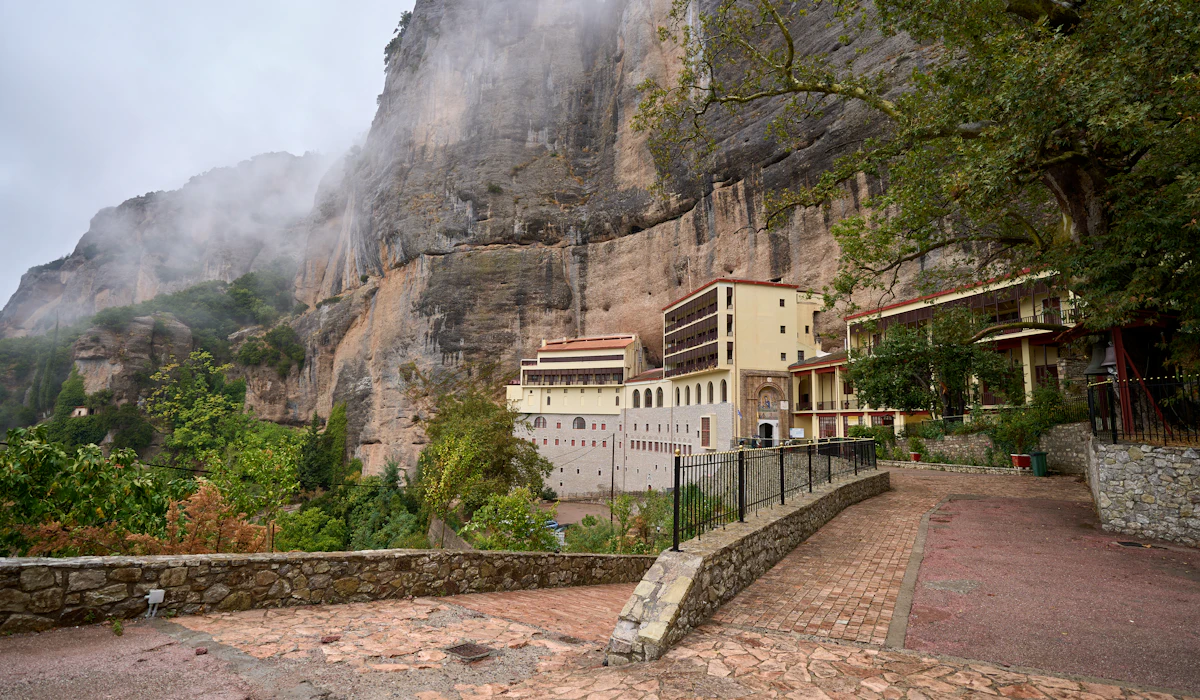
Centered on Christopher Park across from the Stonewall Inn, this site became the first national monument dedicated to LGBTQ history when President Obama designated it in 2016. The park predates the designation by more than a century and already contained statues honoring gay rights pioneers, installed in 1992.
It marks the location of the 1969 uprising widely credited with launching the modern LGBTQ rights movement.
USS Maine National Monument
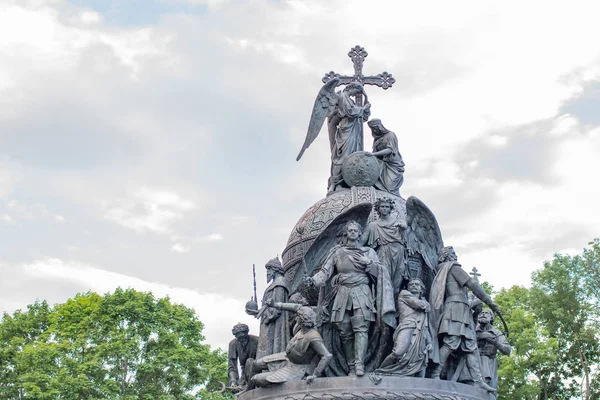
At the Merchants’ Gate entrance to Central Park, near Columbus Circle, this elaborate monument commemorates the 260 sailors killed when the USS Maine exploded in Havana Harbor in 1898, an event that helped trigger the Spanish-American War. Bronze reliefs on the monument incorporate metal recovered from the ship’s wreckage.
It was dedicated in 1913, fifteen years after the sinking.
Civil War Soldiers’ Monument, Green-Wood Cemetery
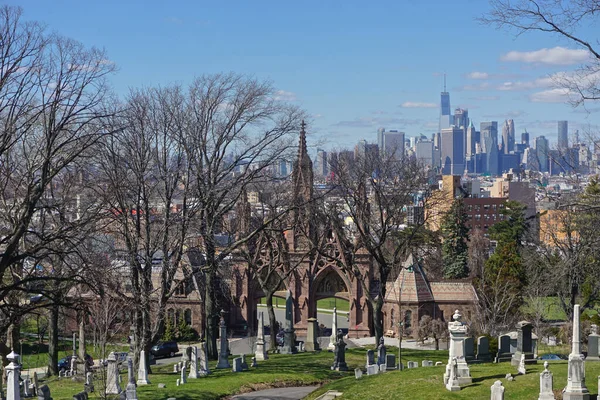
Within Brooklyn’s Green-Wood Cemetery, a granite monument honors Union soldiers buried on the grounds, many of whom died in nearby hospitals during the Civil War. The cemetery holds roughly 3,000 Civil War veterans in total, making it one of the largest concentrations of Civil War burials outside a national cemetery.
Nearby, the cemetery’s Altar to Liberty and Minerva statue face the Statue of Liberty directly across the harbor, a sightline preserved by a 2016 zoning fight.
Doughboy Statue, Abingdon Square
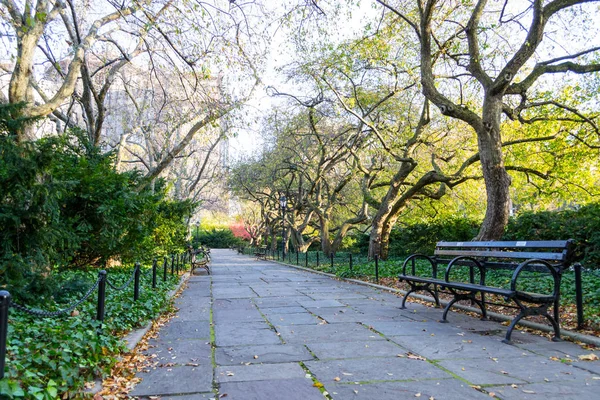
At the intersection of Eighth Avenue and Hudson Street, a bronze soldier commemorates the 46 residents of Manhattan’s Ninth Ward killed in World War I. Sculpted by Philip Martiny and dedicated in 1921, it depicts an infantryman advancing with a rifle, a style once so common nationwide that it gave rise to the generic term “doughboy statue” for hundreds of similar memorials erected in towns across America.
Straus Memorial, Straus Park
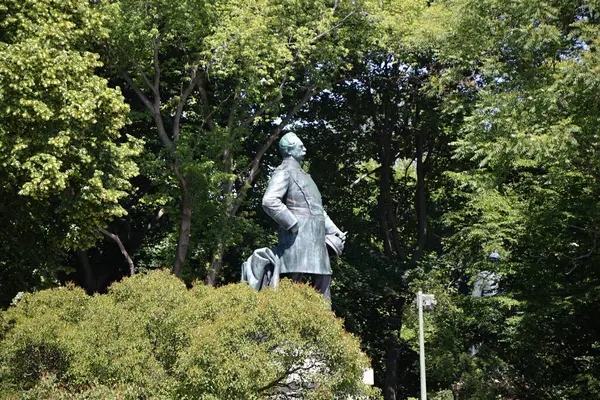
At the intersection of Broadway and West End Avenue, a reflecting pool and reclining bronze figure memorialize Isidor and Ida Straus, the Macy’s co-owner and his wife who died together aboard the Titanic after Ida reportedly refused a lifeboat seat to remain with her husband. The couple lived nearby, and the small triangular park was dedicated as Straus Park in 1915.
Isidor Straus also chaired the committee that helped fund the Firemen’s Memorial.
New York City Fire Museum Memorial Wall
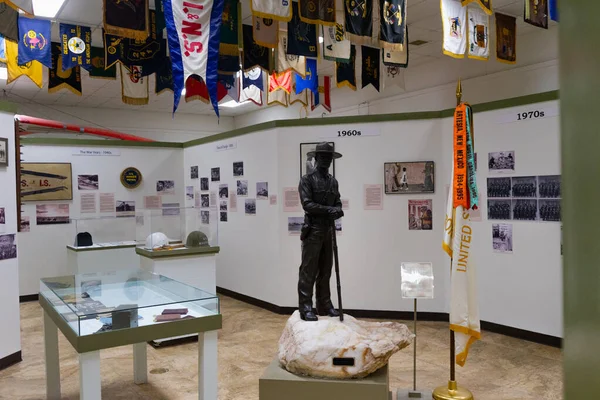
Inside a former firehouse in SoHo, a memorial wall lists the names of FDNY members killed in the line of duty, preserving a record that stretches back more than a century. The museum occupies a former firehouse building retired from service in 1959.
Unlike the more visited downtown memorials, this wall is inside the museum and requires admission to view.
Prospect Park War Memorial
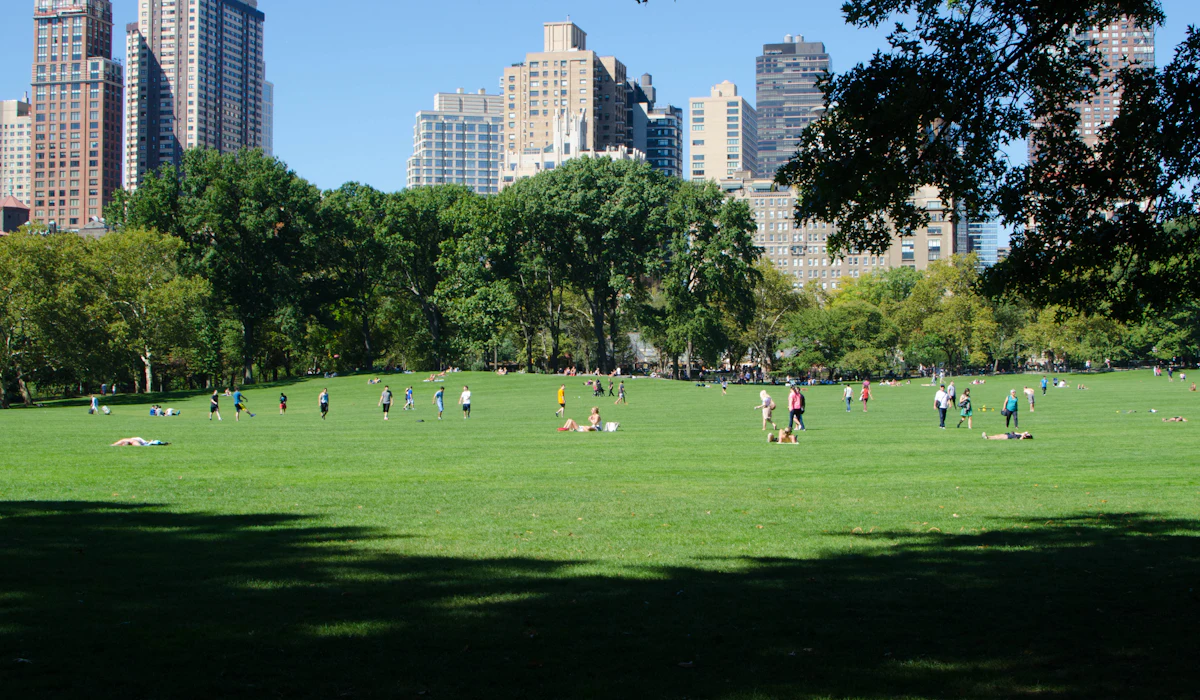
Near the Prospect Park lake, a limestone flagpole base and memorial plaques honor Brooklyn residents who died in World War I, one of several neighborhood memorials scattered through the borough’s parks rather than concentrated downtown. Dedicated in 1921, it reflects a period when many New York neighborhoods raised their own local tributes rather than relying on a single citywide monument.
Names, not numbers
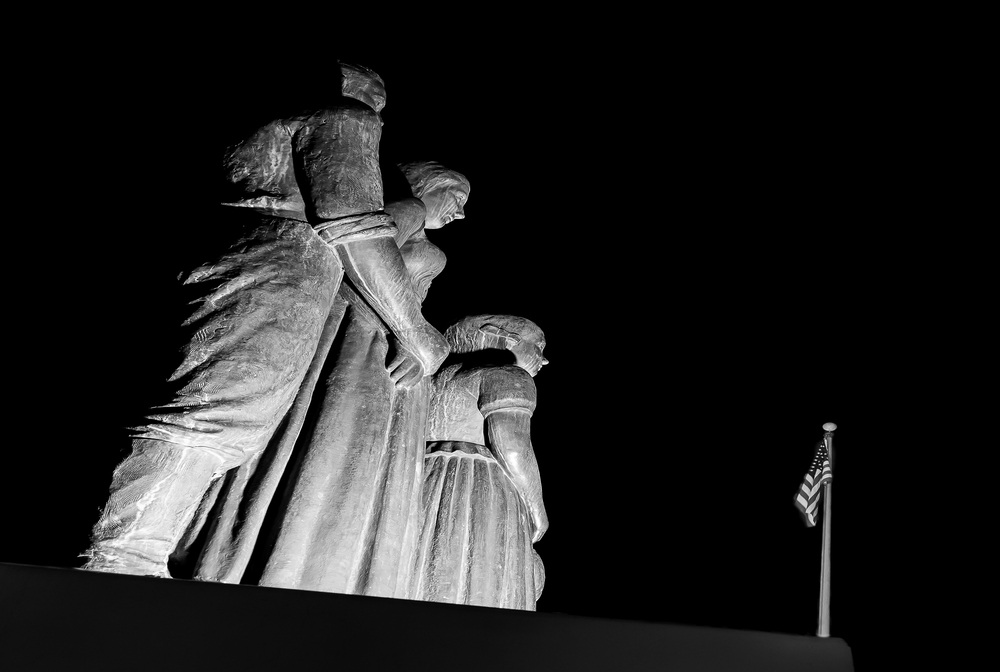
New York’s memorials rarely agree on scale or style — a lighthouse, a flagpole, a child’s headstone, and a pair of reflecting pools the size of the buildings they replaced all coexist within the same five boroughs. What connects them is a stubborn insistence on names over statistics, on a specific soldier, mariner, or four-year-old rather than an abstract toll.
That specificity is what keeps these sites from becoming furniture. A plaque worn smooth by decades of hands is doing the same work as a fountain built with donations from ninety thousand strangers: making sure someone, eventually, stops walking and reads.
More from Travel Pug

- Underrated Italian Towns That Beat the Tourist Crowds
- Las Vegas Tourist Traps to Skip
- Prettiest Towns in Every US State
- 18 passport-free countries for Americans
- Signs Your Cruise Is Not Worth The Cost
Like Travel Pug’s content? Follow us on MSN.